
Insights & Updates
Carbonated Beverage Plant Machine
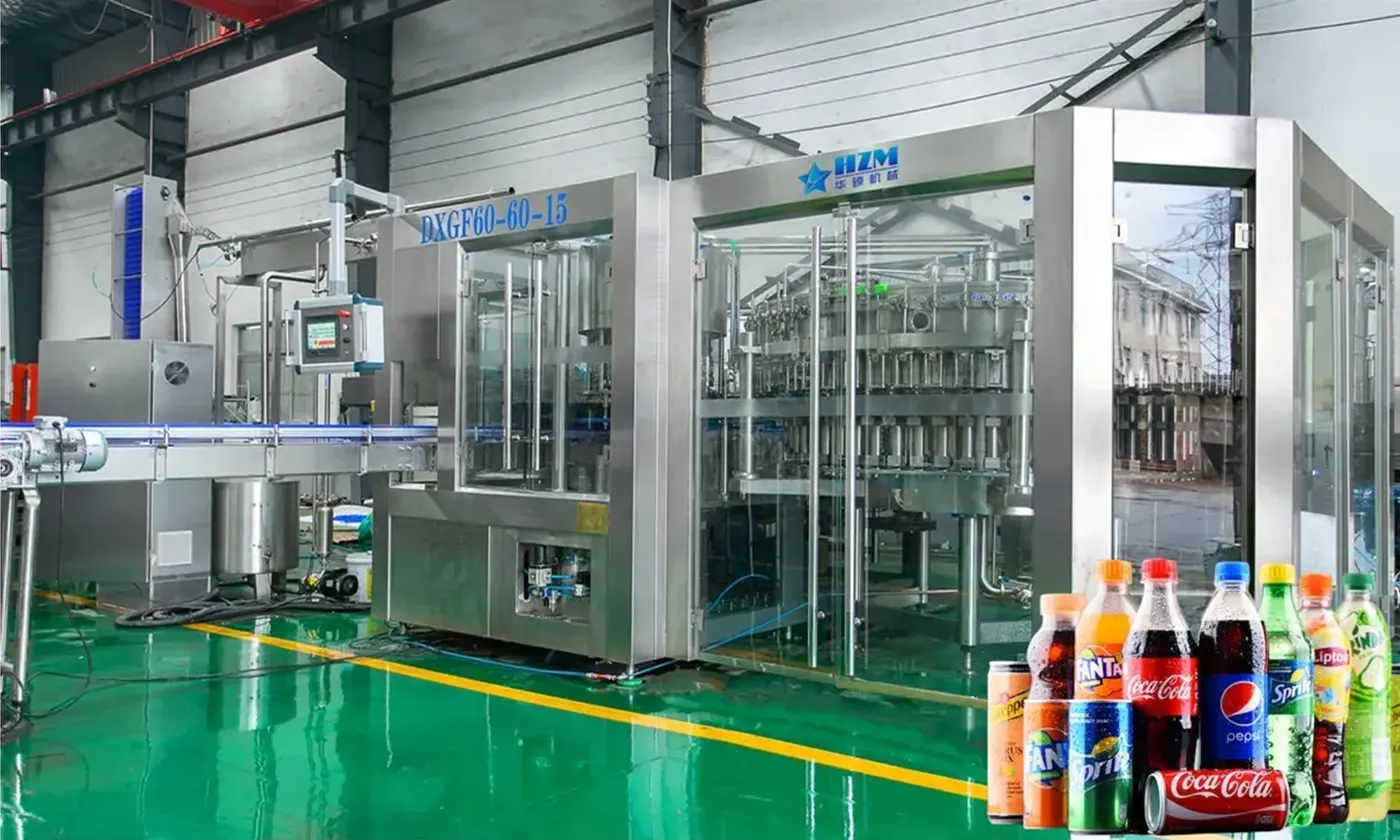
In the carbonated beverage industry, production equipment plays a crucial role. Carbonated beverage production equipment is a key element in ensuring product quality, improving production efficiency, and meeting market demands.
Carbonated beverage production plants require a variety of machines and equipment for the manufacture of carbonated beverages, including CO2 blending machines, pasteurization equipment, bottle blowers, filling machines, labeling machines, packaging machines, and more. These machines and equipment are used in different stages of production to ensure an efficient, consistent, and quality-stable carbonated beverage manufacturing process. They typically incorporate the latest technology and automation controls to enhance production efficiency and product quality.
Here’s a detailed description of the equipment and their functions:
- CO2 Blending Machine: The CO2 blending machine is used to mix carbon dioxide gas with other beverage ingredients to generate carbonation and adjust the beverage’s texture. Precise control ensures that the carbon dioxide content in the beverage meets specifications, providing a consistent taste.
- Pasteurization Equipment: Pasteurization equipment is employed to heat and cool the pre-mixed beverage to eliminate harmful microorganisms, extending the beverage’s shelf life while preserving its freshness and hygiene.
- Bottle Blower: The bottle blower is responsible for shaping and sizing pre-made PET bottles under high-temperature and high-pressure conditions. These bottles are used for packaging carbonated beverages, ensuring uniformity and hygiene.
- Filling Machine: The filling machine is used to inject carbonated beverage into bottles. These machines efficiently complete the filling process, ensuring consistent beverage volume in each bottle while minimizing wastage.
- Labeling Machine: The labeling machine affixes product information, brand labels, and other necessary labels precisely onto the bottles. This aids in product identification and differentiation, enhancing brand recognition.
- Packaging Machine: The packaging machine is used to encase the filled bottles, typically placing them in boxes, plastic wrapping, or other containers. This safeguards the product from external contamination and physical damage.
HZM Machinery is a reputable manufacturer of Carbonated Beverage Plant Machines, known for providing high-quality equipment at competitive prices. Our equipment comes with a 24-month warranty because we have great confidence in the quality of our products. Furthermore, we have a team of professional after-sales service engineers to provide one-on-one support, ensuring your peace of mind during product usage.
In summary, carbonated beverage production equipment plays a pivotal role in the carbonated beverage industry, and HZM Machinery, as a professional manufacturer, not only offers high-quality equipment but also commits to providing excellent after-sales service to support your successful production. Our goal is to become a trusted partner in driving progress and development in the carbonated beverage industry, catering to businesses of all scales and requirements.
Talk to our engineering team
Need help planning your packaging line?
Share your product, bottle and capacity requirements for a practical equipment recommendation.
Equipment
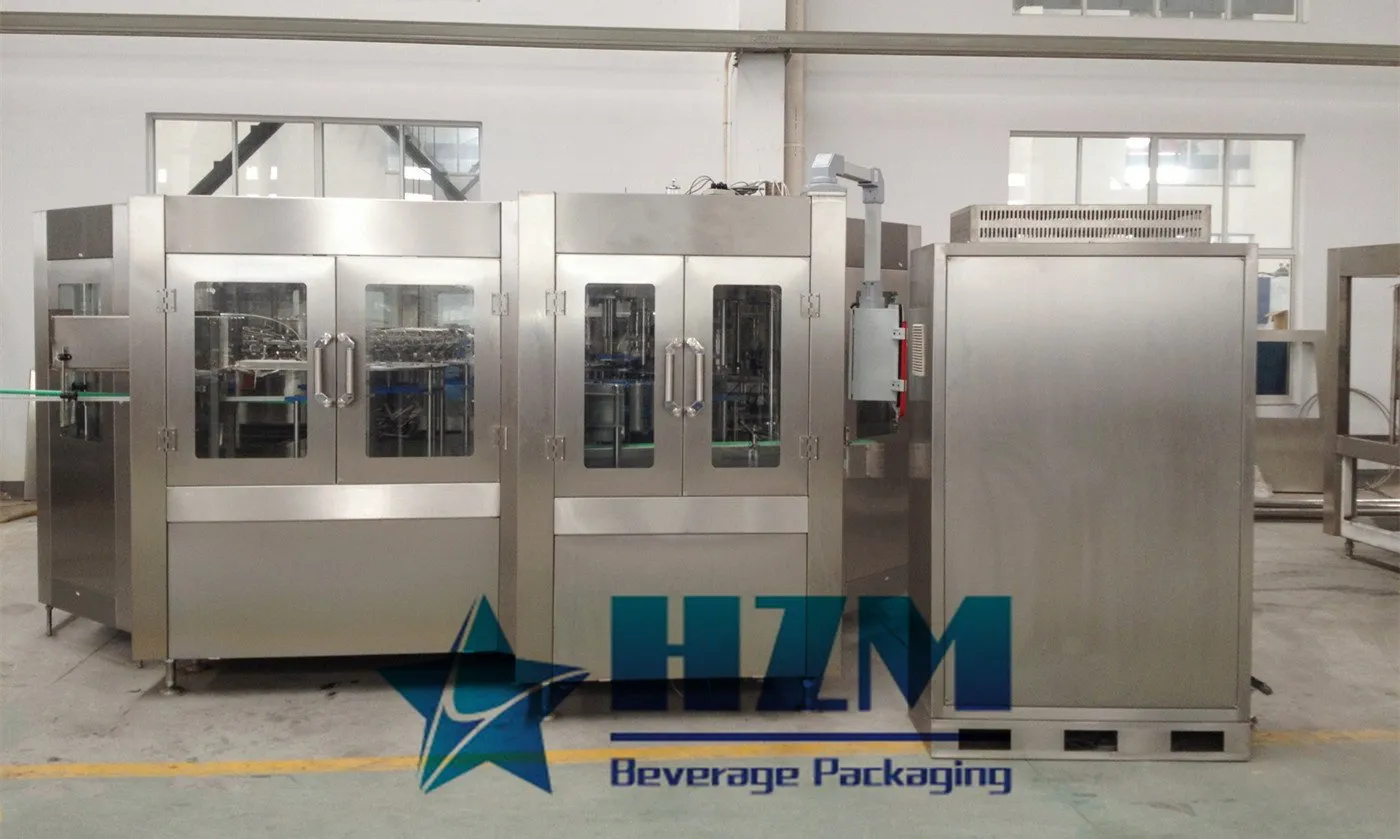
PET Bottle CSD Beverage Filling Machine
Automatic PET bottle rinsing, isobaric filling and capping for cola, soda water and other carbonated soft drinks.
Learn more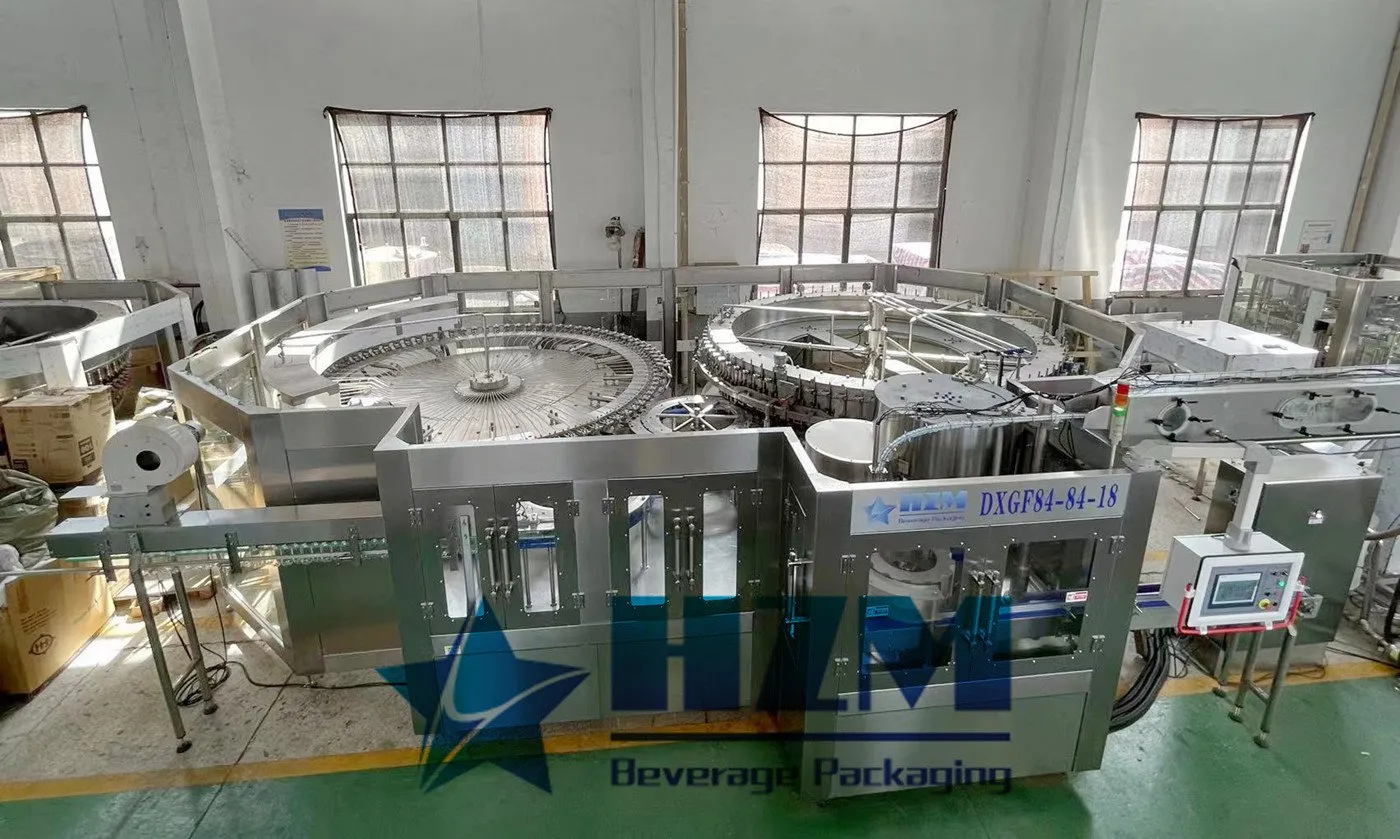
Equipment
Carbonated Drinks Filling Machine
Carbonated drink rinsing, isobaric filling and capping for PET bottles, with capacities of 4,000–36,000 bottles/hour at 500 ml.
Learn more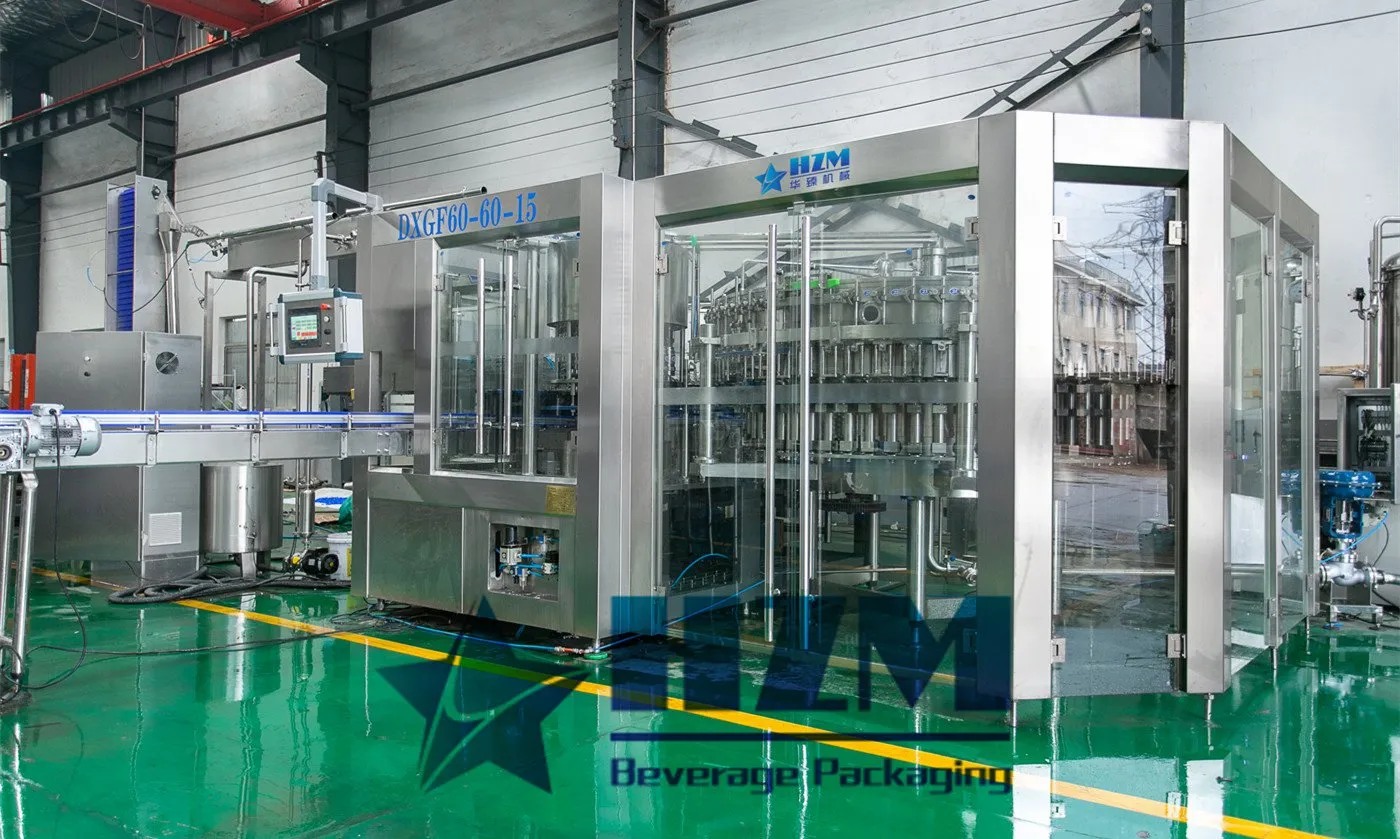
Equipment
Soda Water Filling Machine
Soda water filling equipment with bottle rinsing, isobaric filling and capping for PET-bottled sparkling water.
Learn more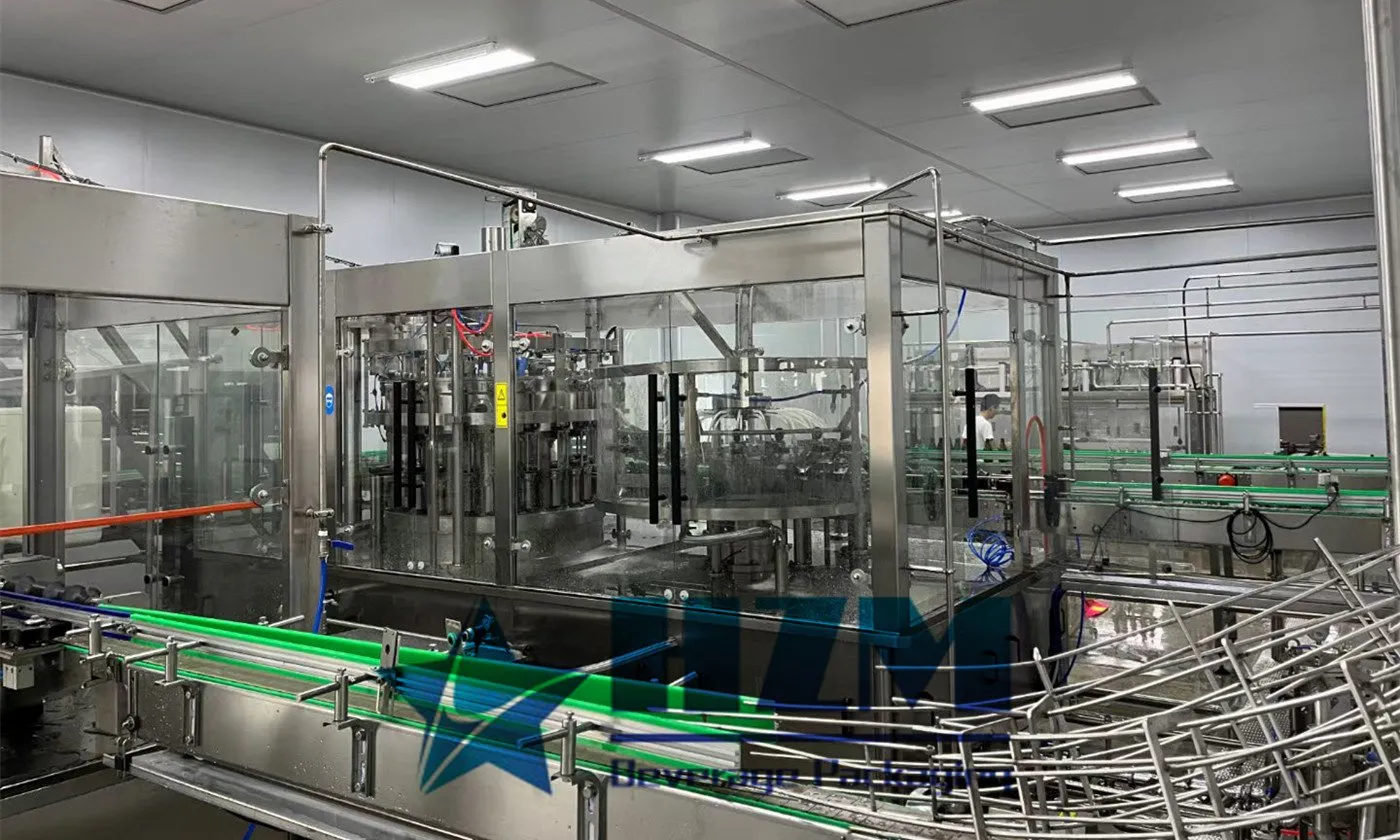
Equipment
CSD Beverage Can Filling Machine
CGS can filling and seaming for carbonated beverages, with capacities of 6,000–36,000 cans/hour at 330 ml.
Learn more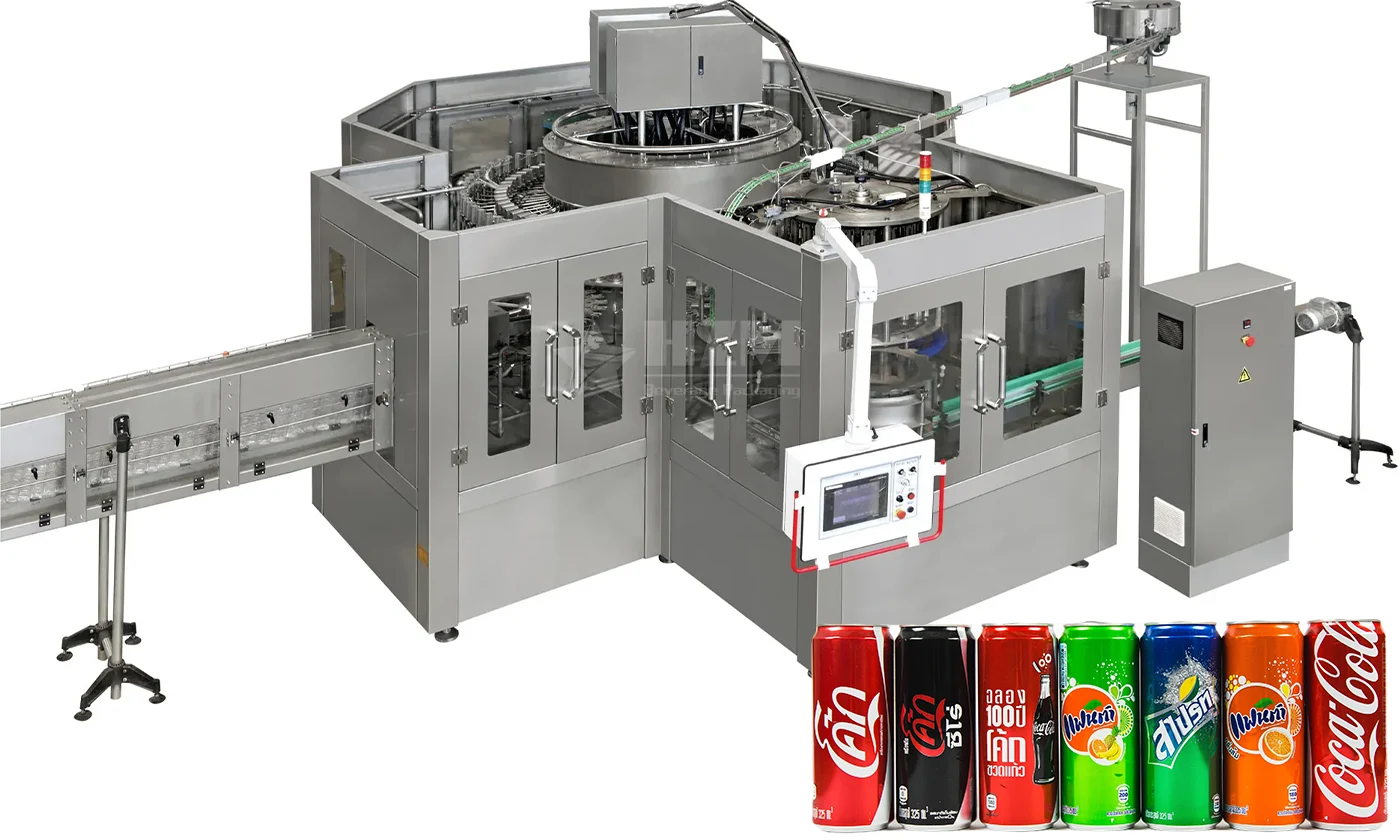
Equipment
Carbonated Beverage Can Filling Machine
Automatic carbonated beverage can filling and seaming, with CGS capacities of 6,000–36,000 cans/hour at 330 ml.
Learn more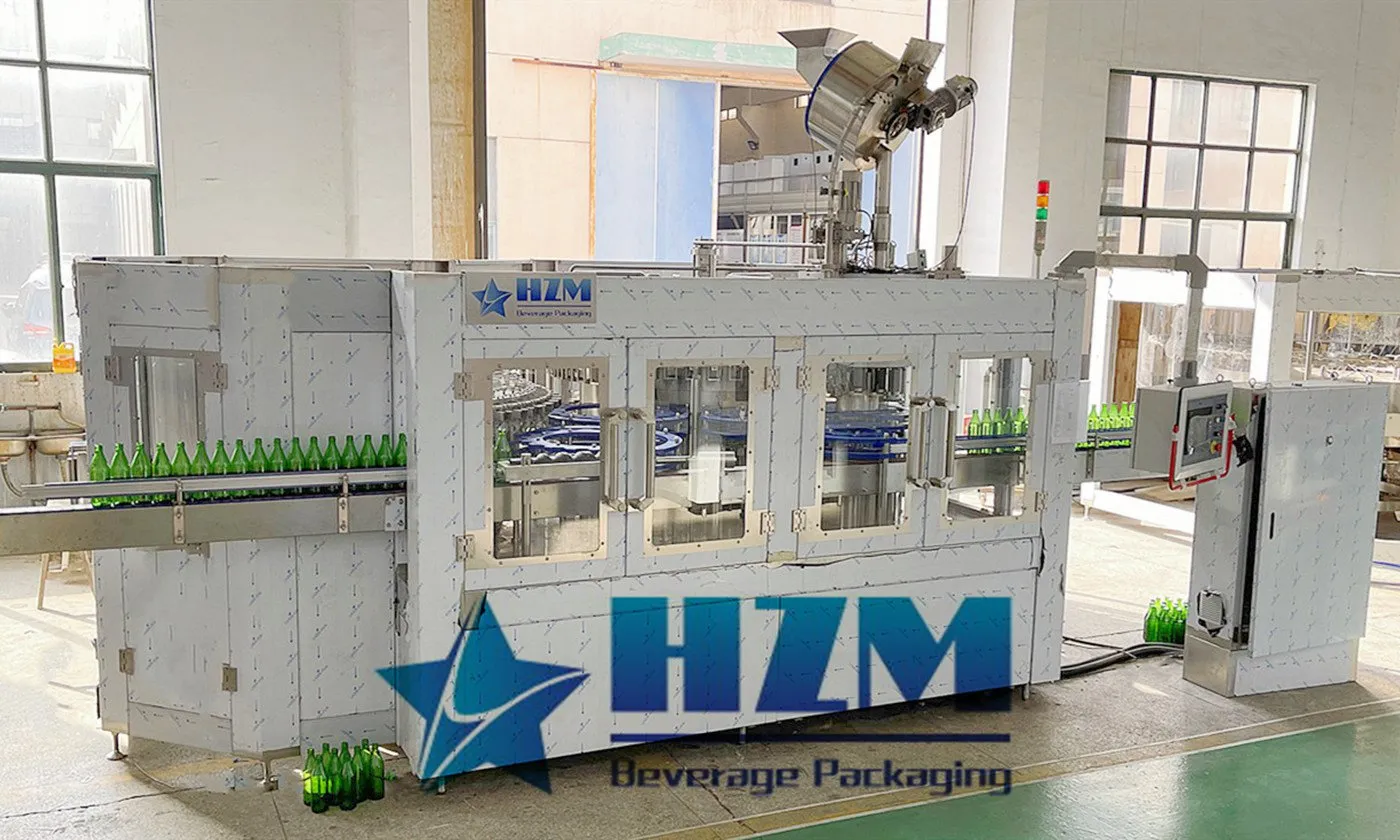
Equipment
Glass Bottle CSD Beverage Filling Machine
Glass bottle filling for carbonated beverages, with isobaric filling and capacities of 2,000–20,000 bottles/hour at 500 ml.
Learn more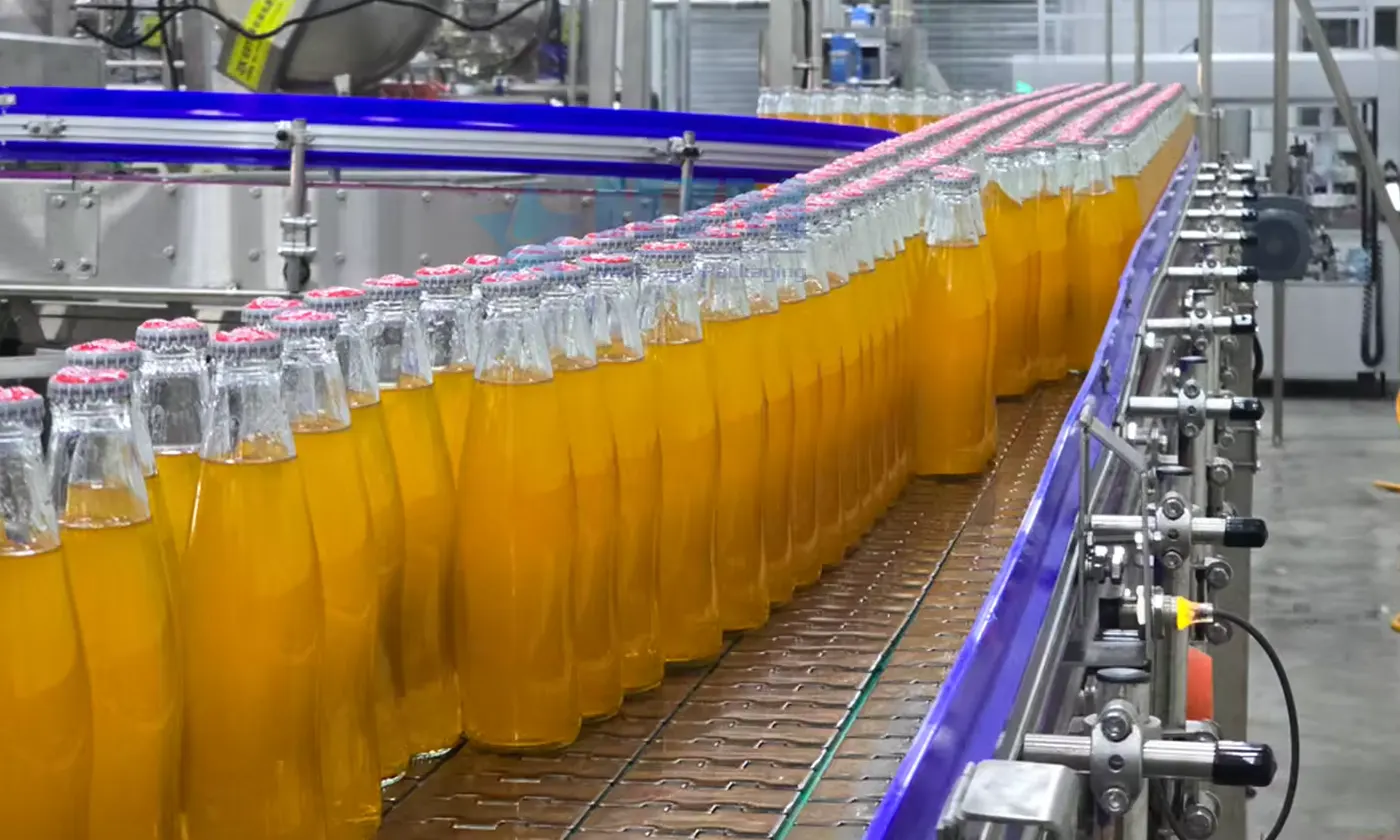
Equipment
Glass Bottle Carbonated Beverage Filling Bottling Line
This glass bottle carbonated beverage line combines bottle rinsing, isobaric filling and capping with conveying, labelling and packing.
Learn more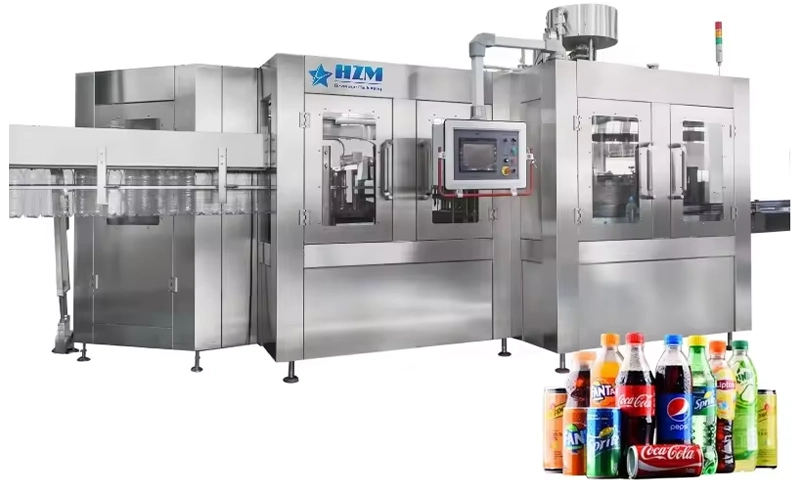
Equipment
Carbonated Soft Drink Filling Machine
Carbonated soft drink rinsing, isobaric filling and capping, with DXGF models from 3,000 to 15,000 bottles/hour at 500 ml.
Learn more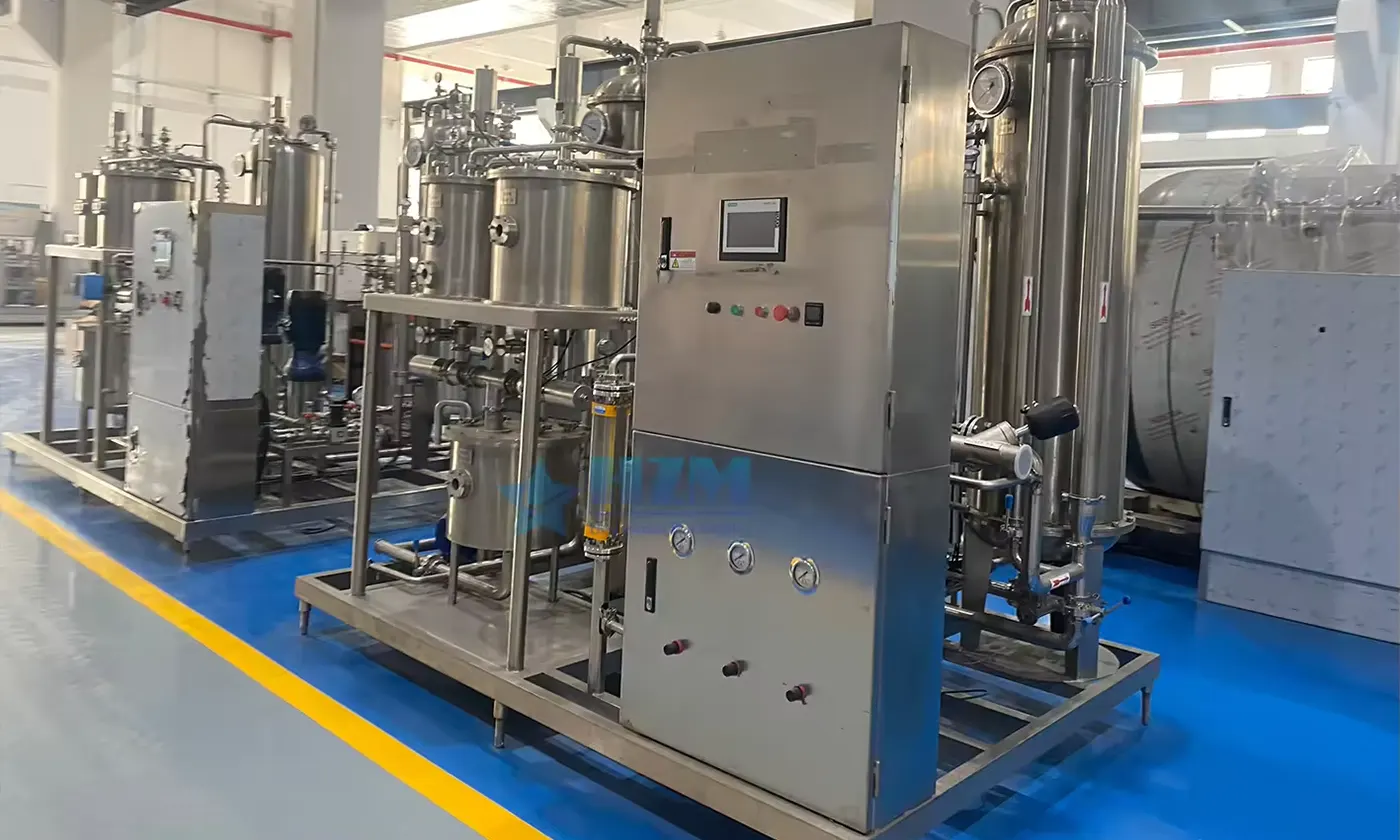
Equipment
Carbonated Drink Co2 Mixer Machine
The CO2 mixer blends beverage ingredients and carbonates the drink before filling.
Learn more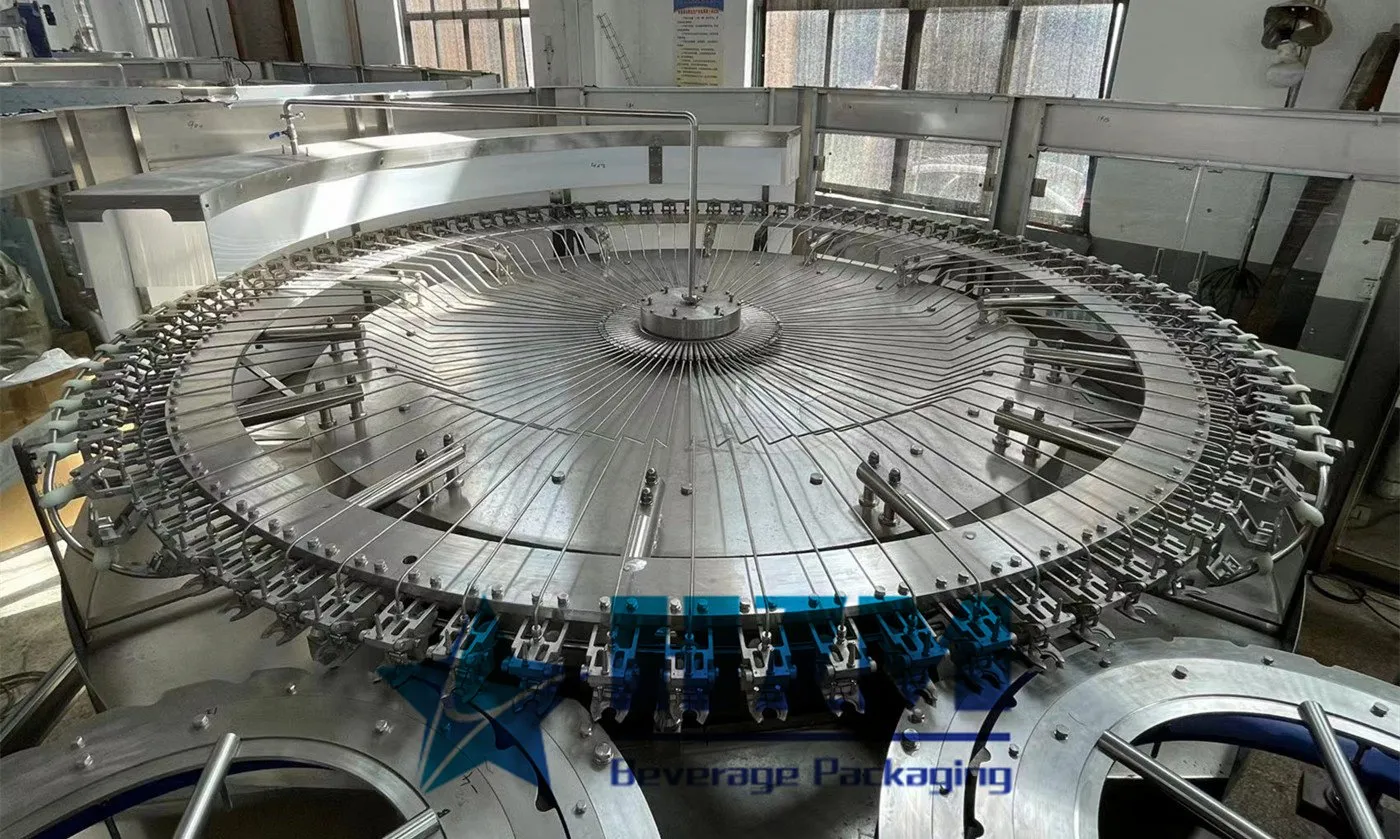
2024-03-29
Enhancing Beverage Carbonation Equipment
Beverage carbonation equipment plays a pivotal role in producing both large and small bottled carbonated beverages. Through processes like sugar blending, it crafts preliminary beverages, which are then treated in a soda blending machine. Here, the beverage undergoes deoxygenation, followed by proportional mixing of the original syrup and water. The resulting mixture is then atomized […]
Learn more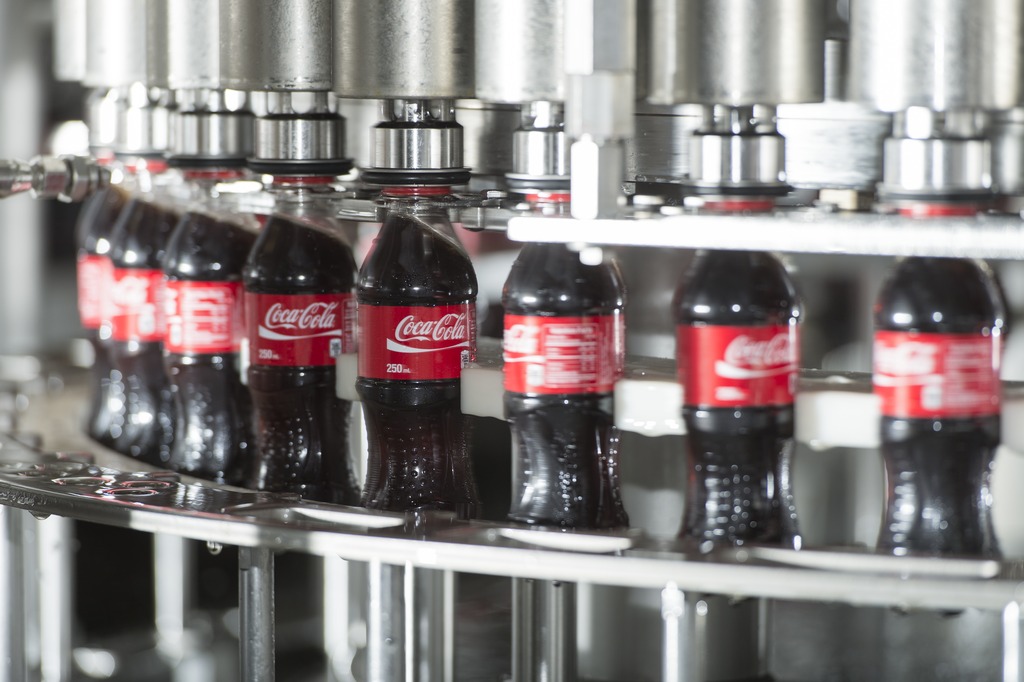
2023-04-22
Carbonated Beverage Filling Machine Solution
Carbonated beverage filling equipment is used for filling sweetened drinks containing carbon dioxide, commonly known as carbonated drinks or carbonated beverages. They typically consist of water
Learn more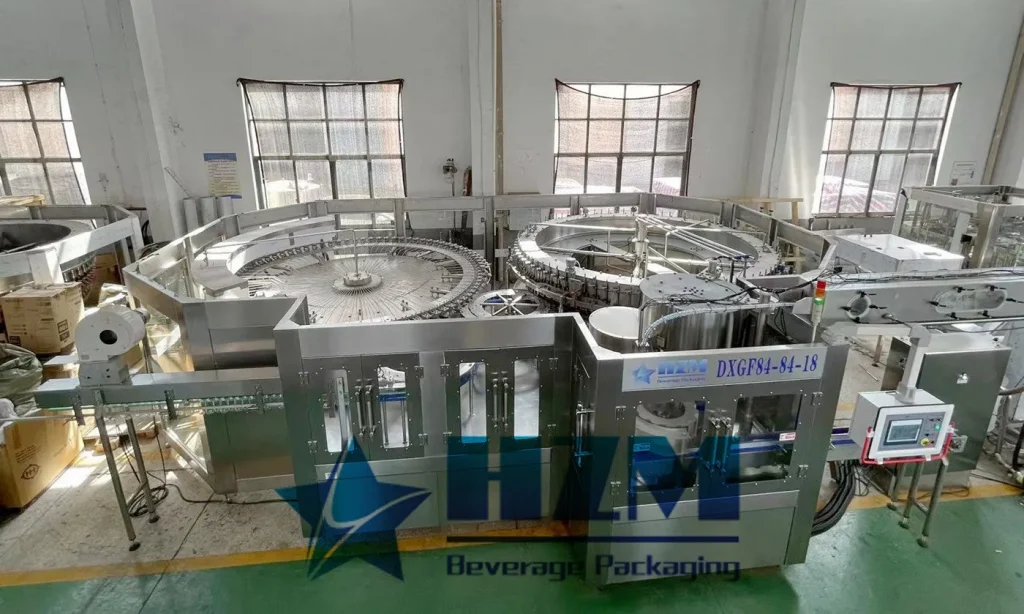
2023-09-22
Choosing Between Used and New Carbonated Beverage Filling Machines
When it comes to setting up or expanding your carbonated beverage production line, one of the critical decisions you'll face is whether to invest in a new or used carbonated beverage filling machine. Both options have their advantages and disadvantages, and making the right choice depends on your specific needs and circumstances.
Learn more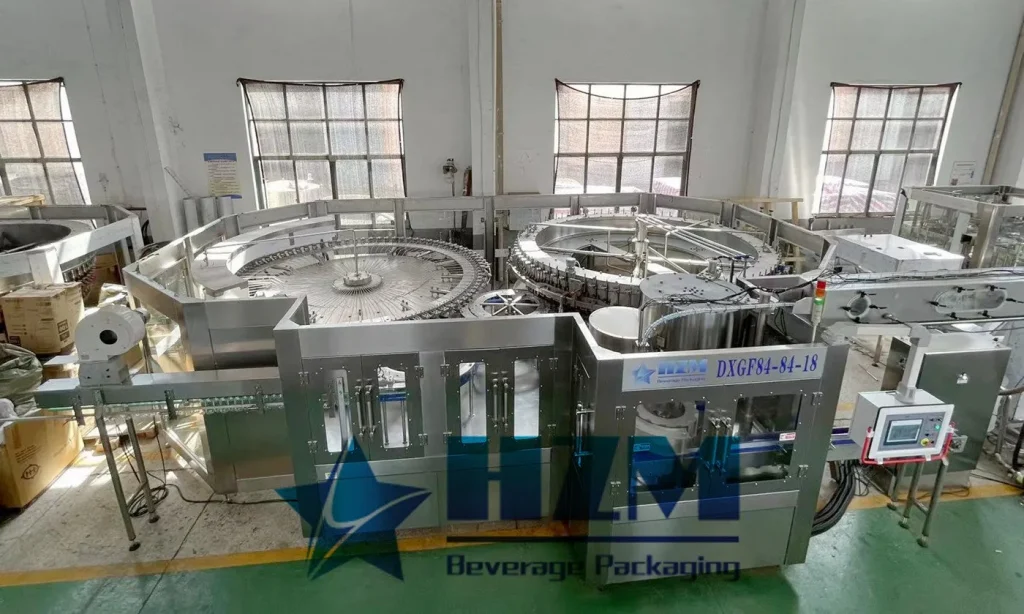
2023-09-25
what is carbonated beverage filling machine
A carbonated beverage filling machine is a kind of equipment used for filling carbonated beverages into bottles or other containers. It is typically composed of a number of different components, including a carbon dioxide cylinder, a pressure reducer, a filling valve, a pressure sensor, and a cleaning system.
Learn more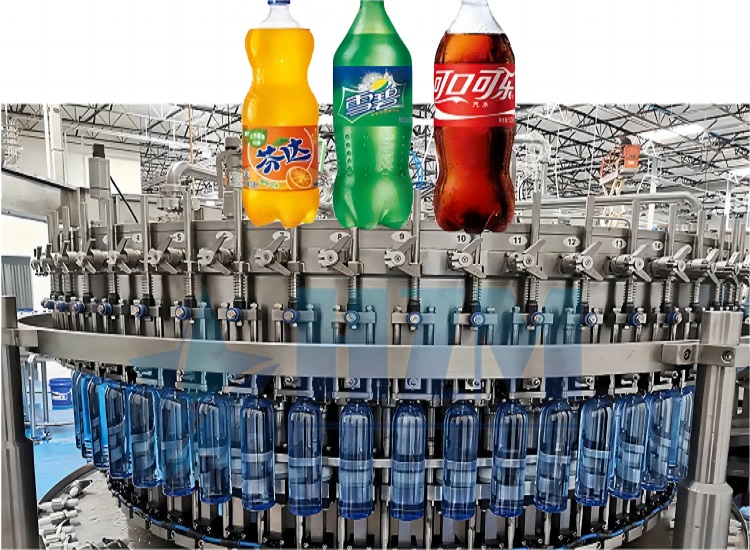
2023-08-18
carbonated beverage production equipment solutions
Carbonated beverage production equipment is commonly utilized for the production of carbonated sweetened drinks, commonly known as carbonated beverages or carbonated drinks.
Learn more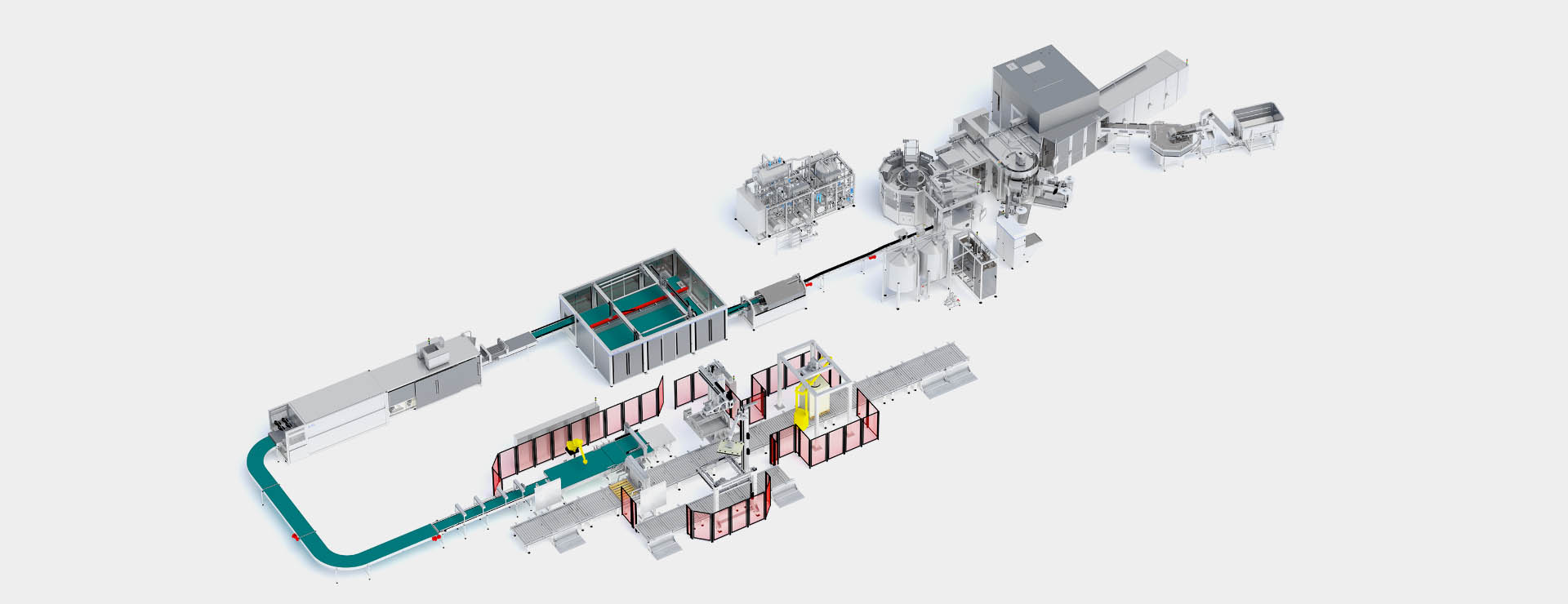
2023-10-19
Carbonated Beverage Packaging Machine Solutions
the specific configuration and capabilities of a carbonated beverage packaging machine solution will depend on production scale, packaging type, container size, and other specific requirements. In general, these machines should be carefully selected, configured, and maintained to ensure an efficient carbonated beverage packaging production process.
Learn more