
Insights & Updates
What is a Beverage Packaging Machine?
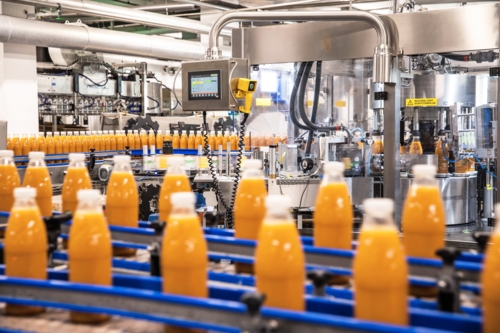
A beverage packaging machine is a sophisticated piece of equipment designed to automate the process of packaging various types of beverages, including soft drinks, juices, water, energy drinks, and more. These machines encompass a range of functionalities, from filling and capping to labeling and sealing, all within a seamless production line. By automating these tasks, beverage packaging machines enhance production efficiency, minimize human error, and ensure a hygienic and consistent packaging process.
Components of Beverage Packaging Machines:
- Bottle Feeder: This component feeds empty bottles into the packaging line, ensuring a continuous supply for the filling process.
- Filling System: The heart of the machine, the filling system accurately measures and fills beverages into bottles, cans, or other containers. Different technologies, such as volumetric or gravimetric filling, are employed based on the nature of the beverage.
- Capping and Sealing Mechanism: After filling, caps or lids are securely placed on the containers. Depending on the type of beverage and packaging, this component can include various sealing technologies such as screw caps, snap caps, or foil seals.
- Labeling Unit: The labeling unit applies adhesive labels to the containers, ensuring accurate branding and regulatory information.
- Date and Batch Coding: This feature prints important information like expiry dates and batch numbers on the packaging, enabling traceability.
- Packaging Line Conveyors: Conveyors transport containers through different stages of the packaging process, maintaining a smooth flow.
Versatile Applications:
Beverage packaging machines find applications in a wide array of industries, including:
- Soft Drinks and Carbonated Beverages: These machines efficiently handle carbonated beverages, ensuring accurate filling and airtight sealing to preserve carbonation.
- Juices and Flavored Waters: For juices and flavored waters, precision filling and capping help maintain freshness and prevent spoilage.
- Bottled Water: The demand for bottled water is met with consistent filling, capping, and labeling, ensuring safe and convenient consumption.
- Energy Drinks and Functional Beverages: These machines cater to beverages containing various ingredients, maintaining their potency and quality.
Distinctive Features:
- Automation and Efficiency: Beverage packaging machines reduce manual labor, accelerating the packaging process and minimizing errors.
- Customization: Machines can be adapted to various container shapes, sizes, and packaging requirements, offering flexibility to beverage producers.
- Hygiene and Safety: The closed and automated process reduces the risk of contamination, ensuring the safety of beverages.
- Consistency: The precision of beverage packaging machines guarantees uniformity in filling levels and sealing, maintaining product quality.
- Cost Savings: Although an initial investment, the long-term benefits of increased productivity and reduced wastage contribute to substantial cost savings.
In conclusion, beverage packaging machines play a pivotal role in the beverage industry, optimizing production processes and ensuring that consumers receive safe and consistent products. With their cutting-edge features and versatility, these machines are the driving force behind the rapid evolution of the beverage packaging landscape.
HZM Machinery is a professional beverage packaging machine manufacturer, dedicated to providing high-quality packaging solutions with its extensive experience and exceptional technology. Our team is well-versed in the demands of the beverage industry, designing and manufacturing beverage packaging equipment that is high-performing and reliable. Whether it’s packaging requirements for various types of beverages or stringent demands for production efficiency and product quality, HZM Machinery is able to offer practical solutions that steer the course for our clients’ business success.
Talk to our engineering team
Need help planning your packaging line?
Share your product, bottle and capacity requirements for a practical equipment recommendation.
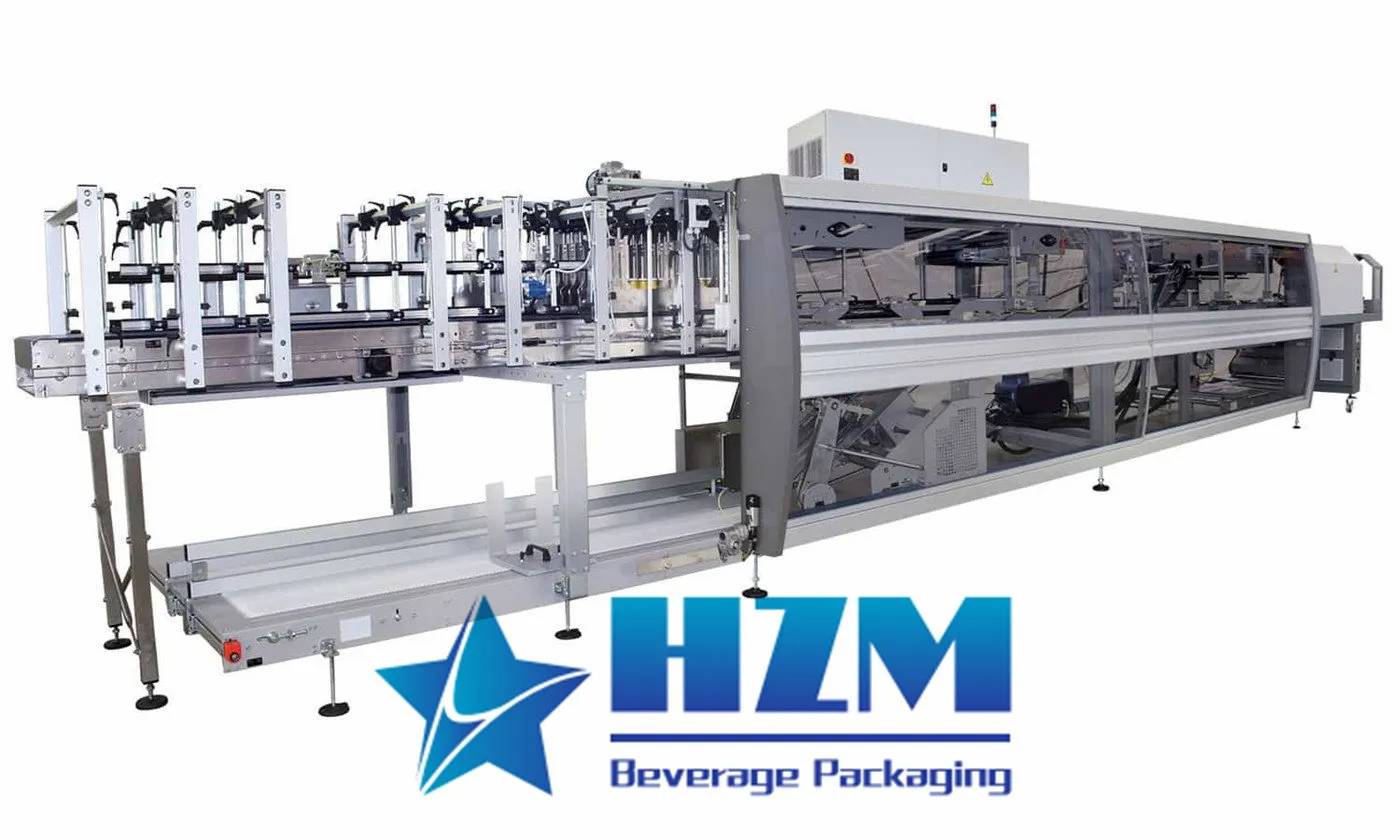
Equipment
Automatic Carton Packing Machine
The automatic carton packing machine packs bottled and canned products from beer, beverage, bottled-water and food production lines into cartons.
Learn more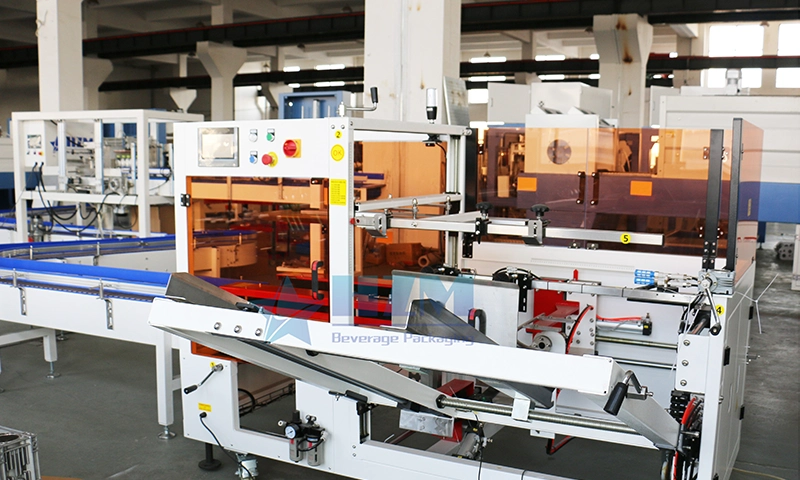
Equipment
Carton Package Machine
The carton packaging machine packs bottles and cans into cartons at the end of a filling line.
Learn more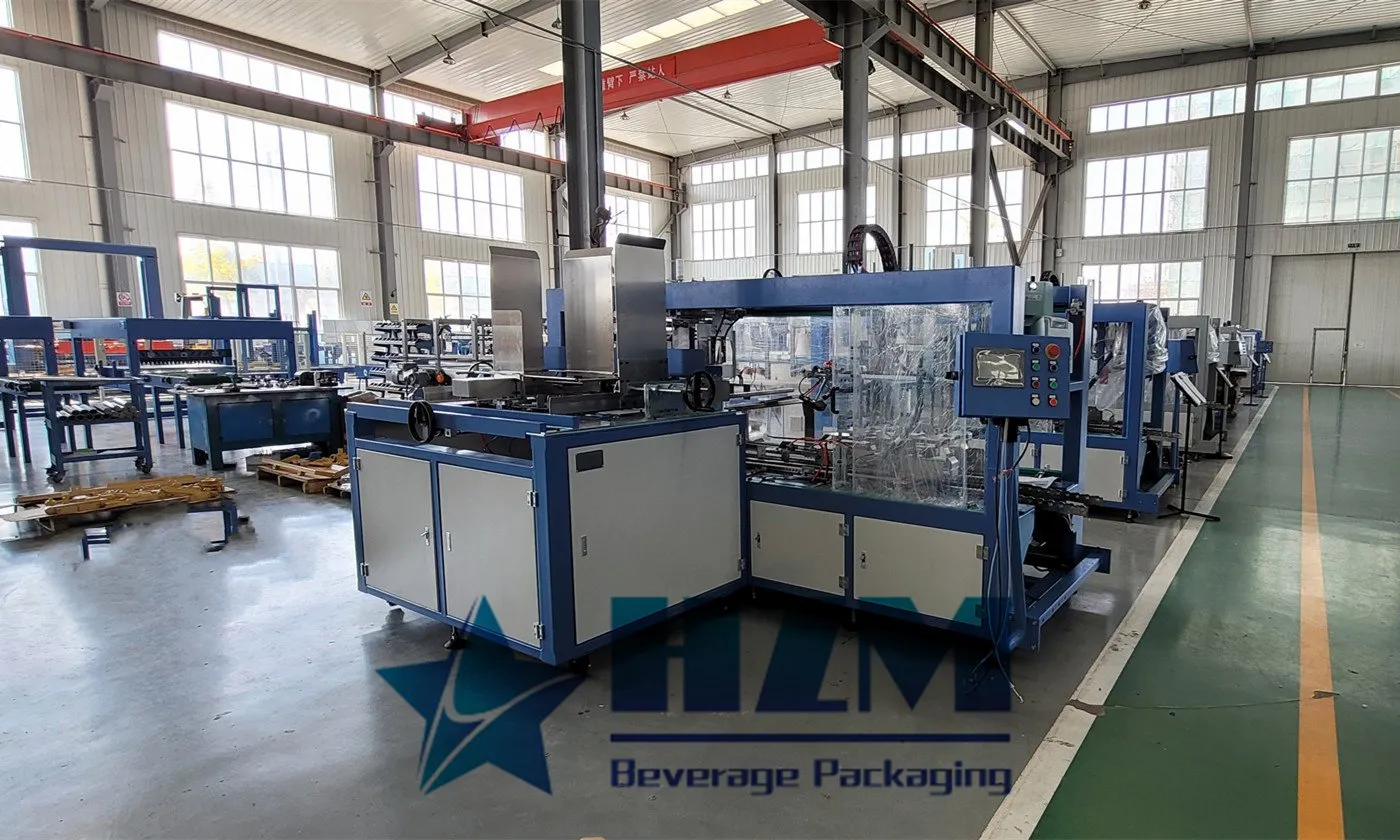
Equipment
Automatic Drop Type Carton Packing Machine
The automatic drop-type carton packing machine loads grouped products into cartons for beverage, bottled-water and food production lines.
Learn more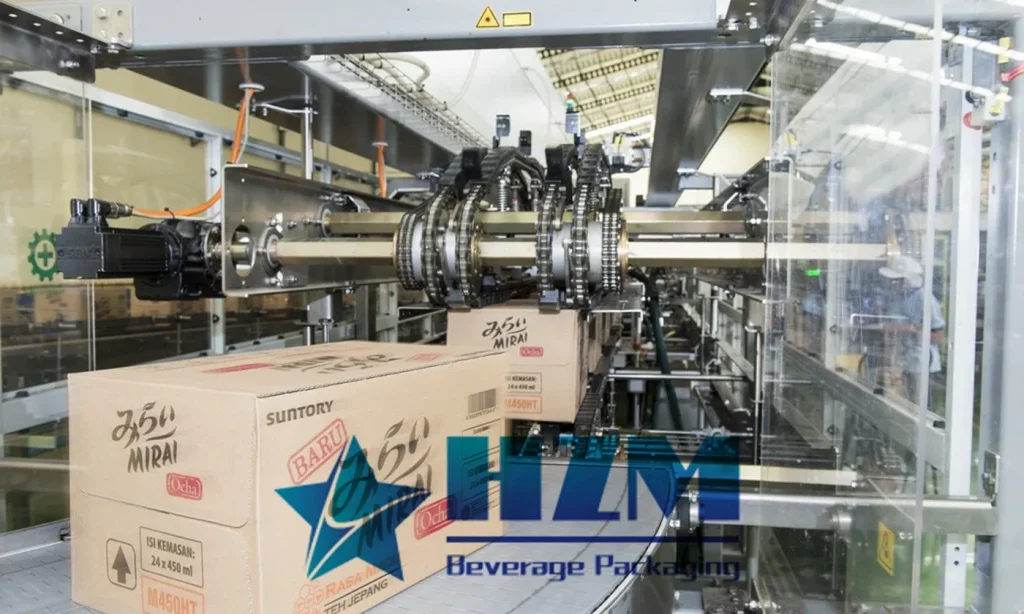
2023-12-31
Beverage Carton Packaging Machinery for Sale
Our beverage carton packaging machinery has the characteristics of high efficiency, stability, simple operation, and convenient maintenance. If you have beverage carton packaging needs, please contact us.
Learn more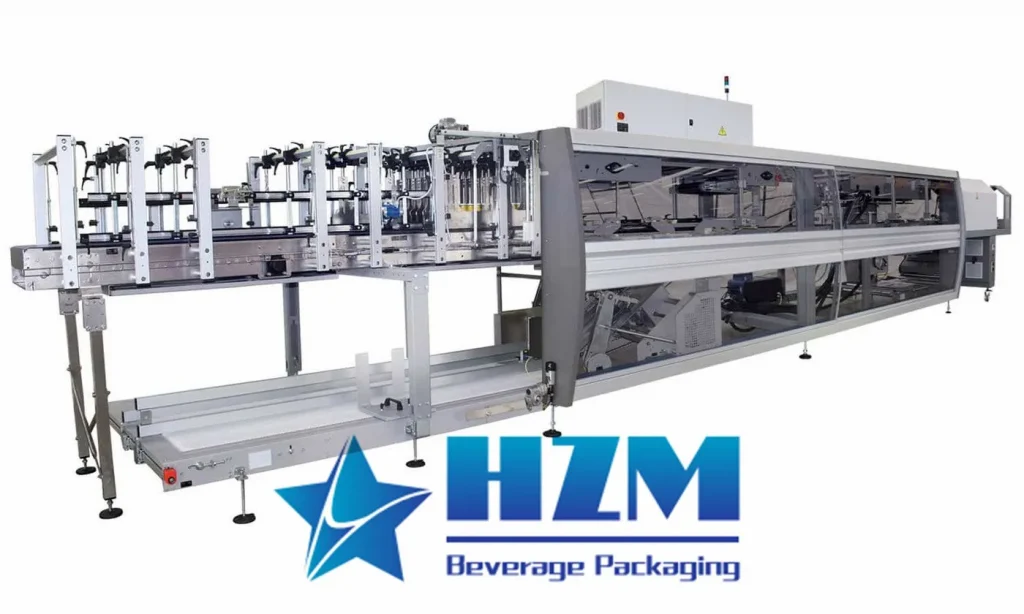
2023-08-14
The Role of Automatic Carton Packaging Machines in Beverage Production Lines
In beverage production lines, the carton packaging machine is the final equipment in the process. It automatically places the produced beverage bottles or canned drinks into cartons and performs sealing, packaging, and stacking operations, facilitating transportation and storage.
Learn more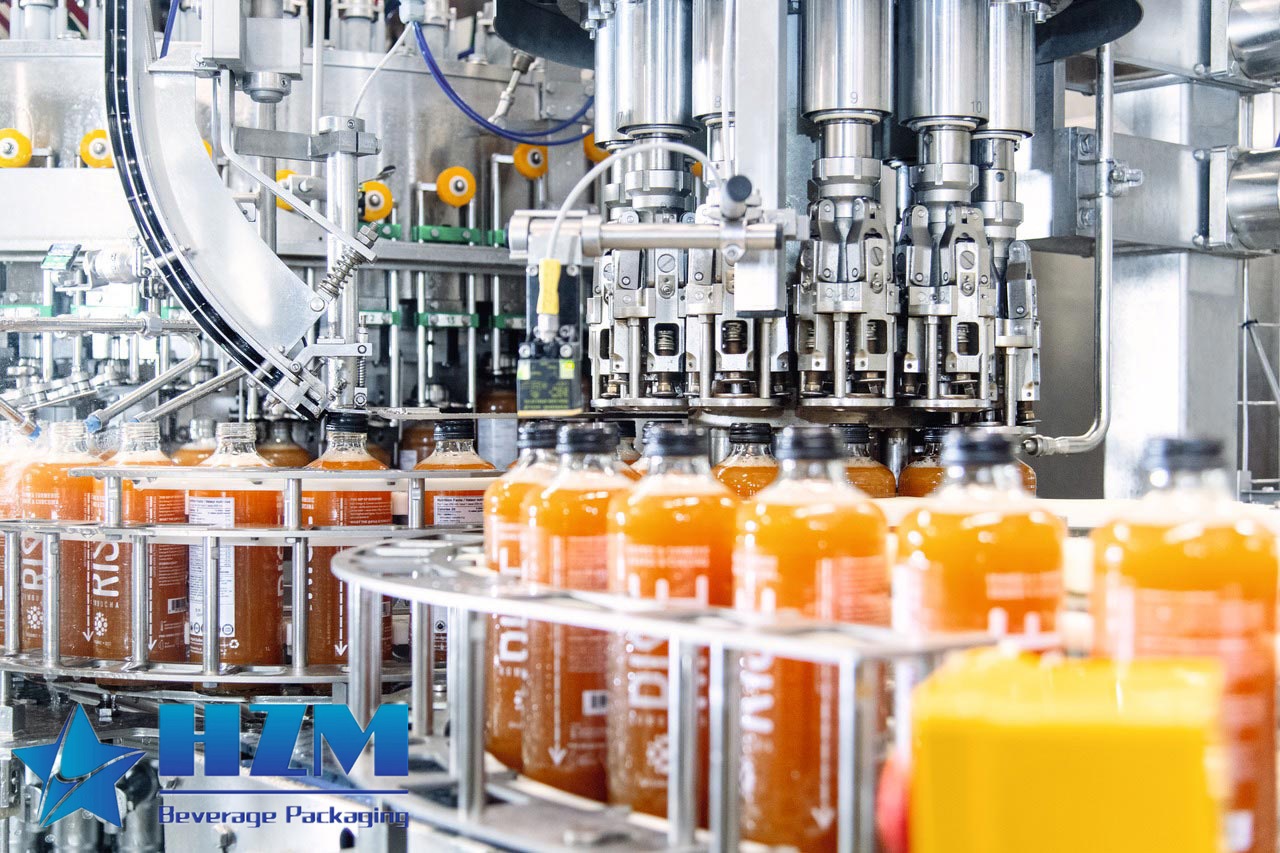
2023-12-19
How is the Quality of Beverage Packaging Machinery in China?
China, being a significant hub for the manufacturing of beverage packaging machinery on a global scale, boasts numerous manufacturers in this industry. Among this vast array of choices, HZM Machinery stands out as a professional beverage packaging machine manufacturer, garnering attention for the quality of its products.
Learn more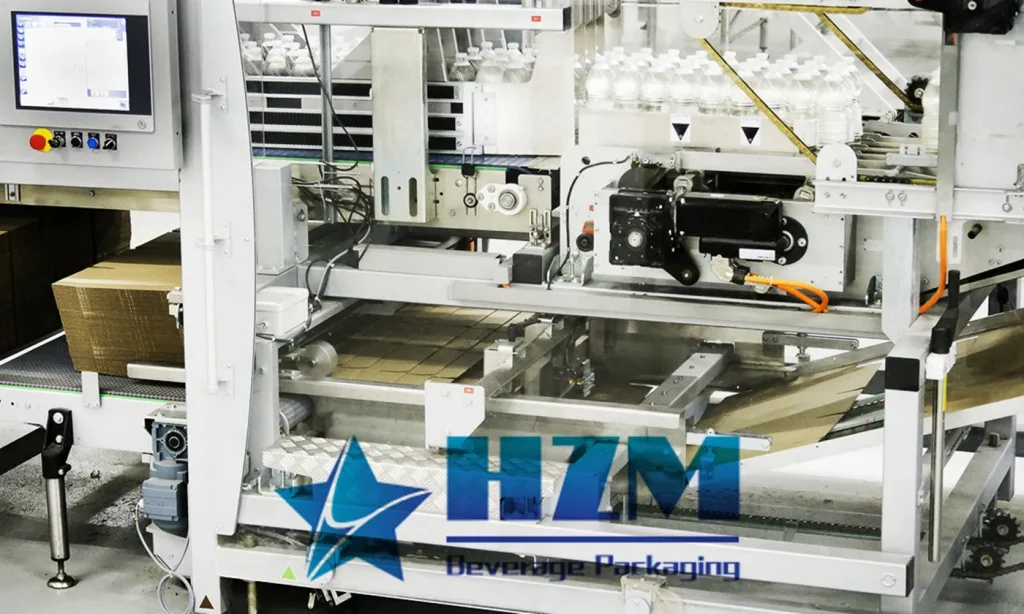
2023-08-10
Advantages and Applications of Automatic Carton Packaging Machines
An automatic carton packaging machine is an efficient and automated device used to place various products into cartons, followed by automatic sealing, packing, and stacking processes. This type of machine finds extensive application in the manufacturing and logistics sectors, as it enhances production efficiency, reduces labor costs, and ensures the safety of products during transportation and storage
Learn more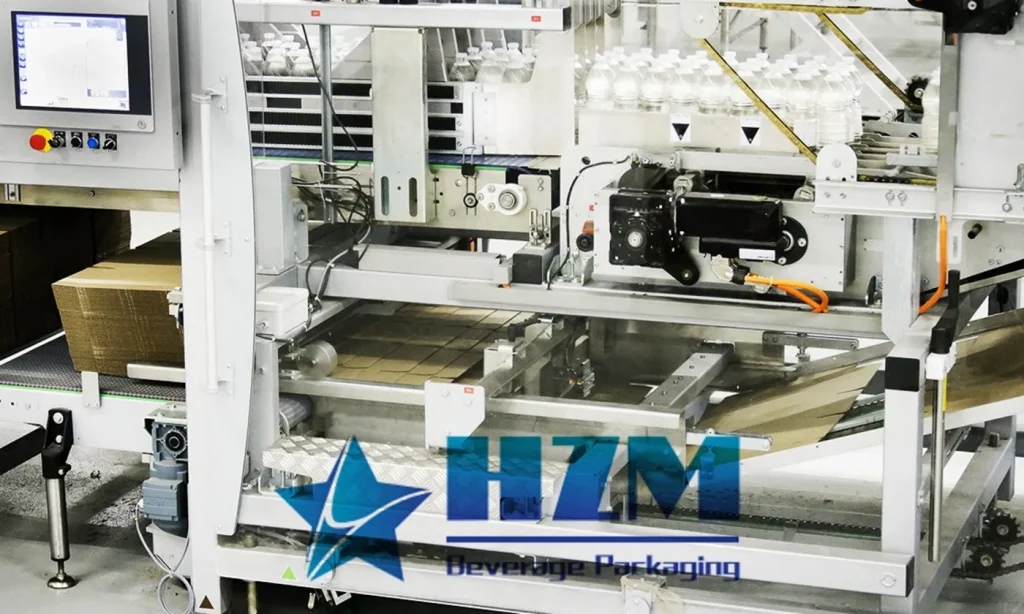
2023-09-04
Automatic Carton Packing Machine: Features and Working Principles
Automatic carton packing machines have revolutionized the packaging industry by offering efficiency, accuracy, and consistency in the packing process. These machines are employed across various industries, from food and beverages to pharmaceuticals and consumer goods.
Learn more2023-09-19
Common Faults and Solutions for Automatic Carton Packaging Machines
Troubleshooting automatic carton packaging machines requires experienced technicians for diagnosis and repair. Regular maintenance and upkeep can help reduce the occurrence of faults. In the event of a fault, it is best to take prompt action to minimize production line downtime and maintain production efficiency to the greatest extent possible.
Learn more