
Insights & Updates
How to Clean and Disinfect Drinking Water Filling Machines
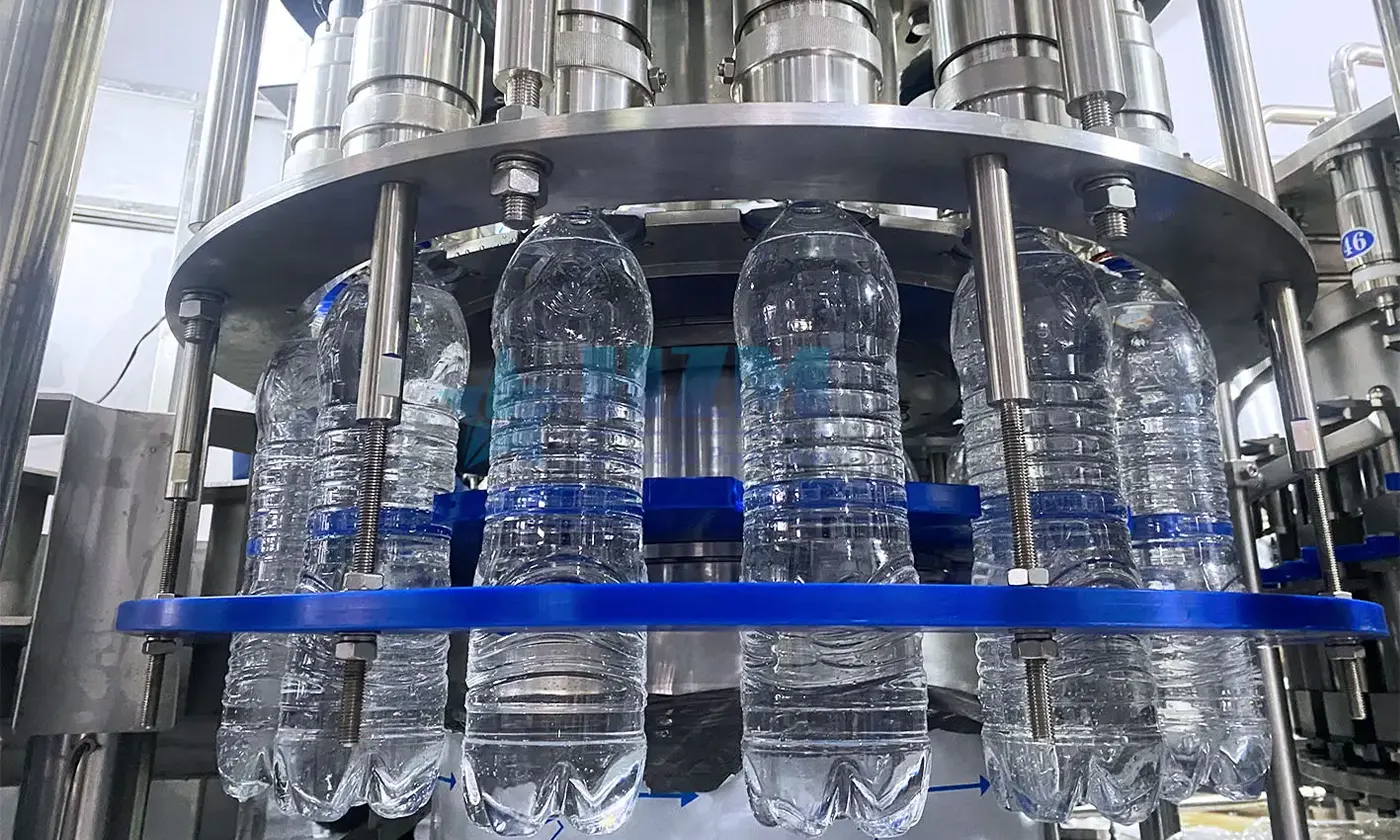
Drinking water filling machines are used to fill drinking water. Their cleaning and disinfection work is essential, which is related to the safety and hygiene of drinking water. The cleaning and disinfection of drinking water filling machines are generally divided into daily cleaning and regular disinfection.
Daily Cleaning
Daily cleaning should be done after each shift. When cleaning, first turn off the machine and disconnect the power, then use clean water to rinse the external surface of the machine to remove surface dust and dirt. Then, open the various components of the machine and use clean water to rinse the internal pipes, valves, pumps, and other components. After cleaning, wipe the internal and external surfaces of the machine with a clean cloth.
Regular Disinfection
Regular disinfection should be done once a week. When disinfecting, use food-grade disinfectants and follow the instructions of the disinfectants. The commonly used disinfection methods are as follows:
- Soaking disinfection: Soak the various components of the machine in disinfectant solution, the soaking time is generally 30 minutes.
- Spray disinfection: Spray disinfectant solution on the various components of the machine, and let stand for 15 minutes after spraying.
- Fumigation disinfection: Seal the machine and release disinfectant inside, the fumigation time is generally 1 hour.
During the disinfection process, pay attention to the following:
- The disinfectant should be selected according to the material of the machine.
- Wear gloves, masks, and other protective gear when disinfecting.
- After disinfection, the machine should be rinsed with clean water.
The cleaning and disinfection of drinking water filling machines should be carried out carefully to ensure the safety and hygiene of drinking water.
Here are some things to keep in mind when cleaning and disinfecting:
- Use dedicated tools and equipment for cleaning and disinfection to avoid contamination.
- Follow the operating procedures strictly when cleaning and disinfecting to avoid residual disinfectants.
- Keep records after cleaning and disinfection for traceability.
By carefully carrying out the cleaning and disinfection of drinking water filling machines, it can effectively prevent the contamination of drinking water and ensure the safety and hygiene of drinking water.
Talk to our engineering team
Need help planning your packaging line?
Share your product, bottle and capacity requirements for a practical equipment recommendation.
Equipment
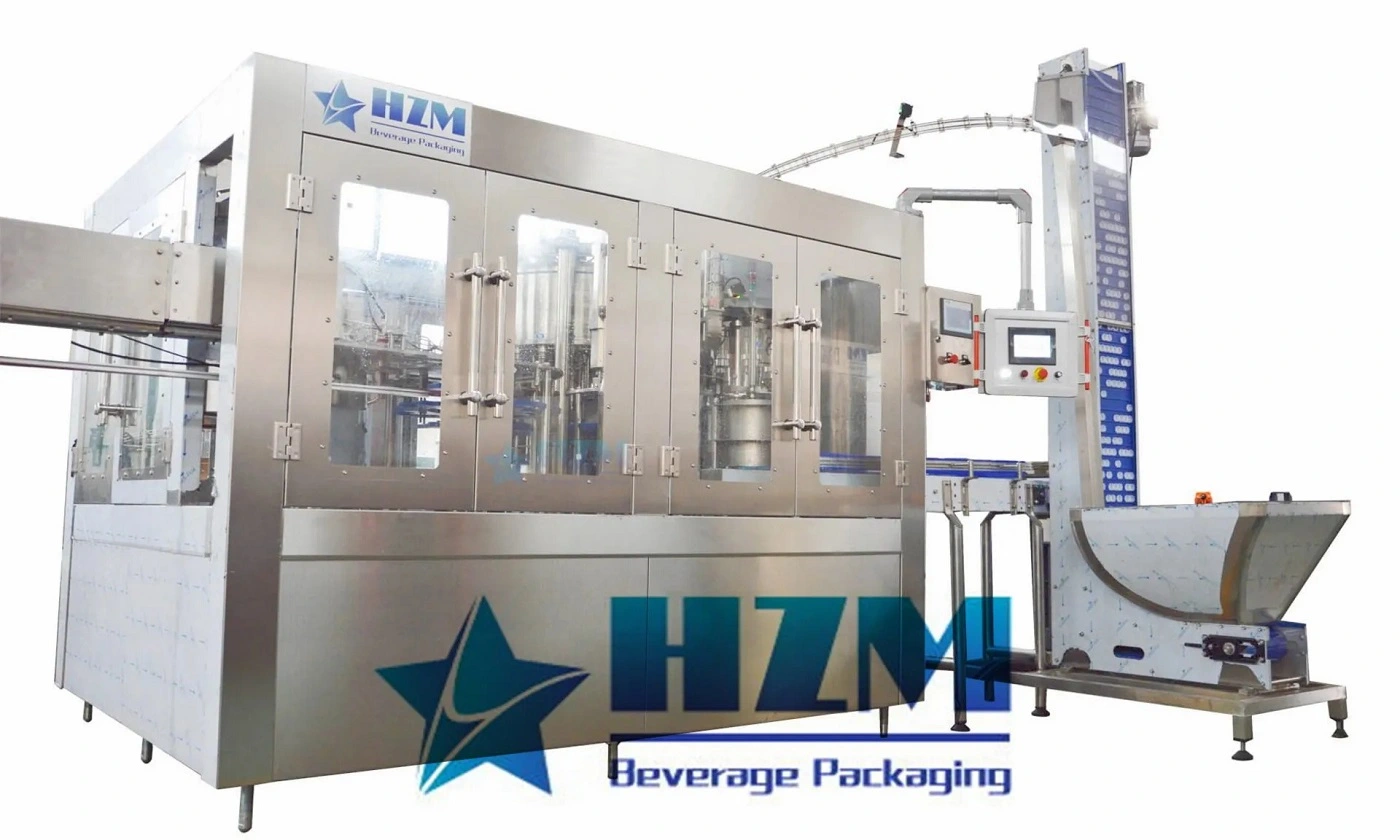
Automatic Drinking Water Bottling Machine
Drinking-water bottling equipment with automatic rinsing, filling and capping, plus conveying, labelling and packing options.
Learn more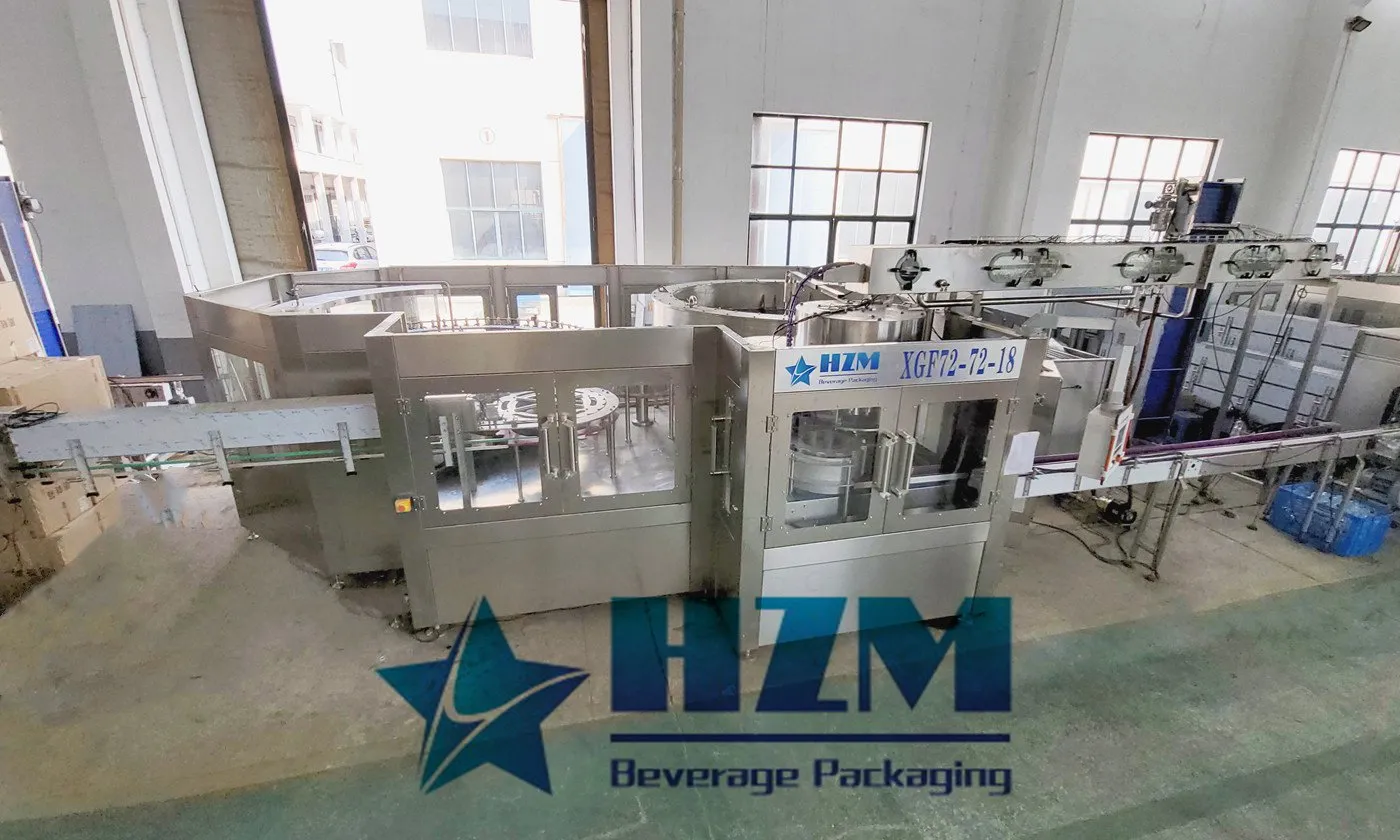
Equipment
Automatic Water Bottle Filling Machine
Automatic rinsing, filling and capping for purified and mineral water in PET bottles, with capacities of 5,000–42,000 bottles/hour at 500 ml.
Learn more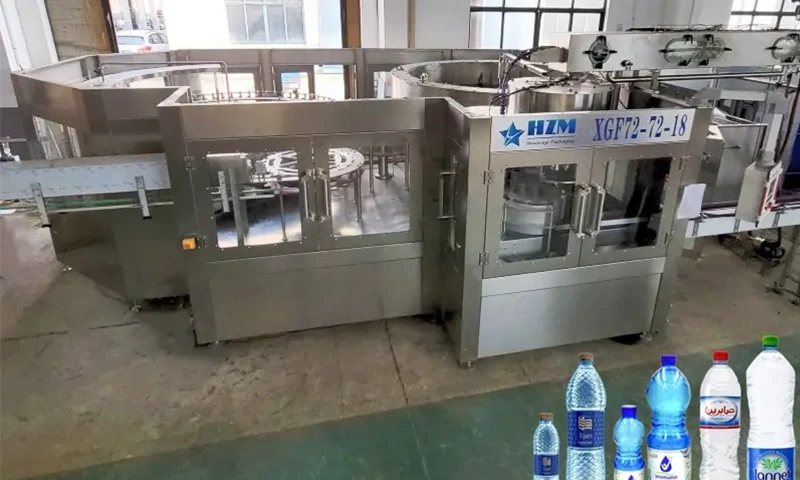
Equipment
3-In-1 Water Bottle Filling Machine
A 3-in-1 PET bottle rinsing, filling and capping machine for drinking water, from 5,000 to 18,000 bottles/hour at 500 ml.
Learn more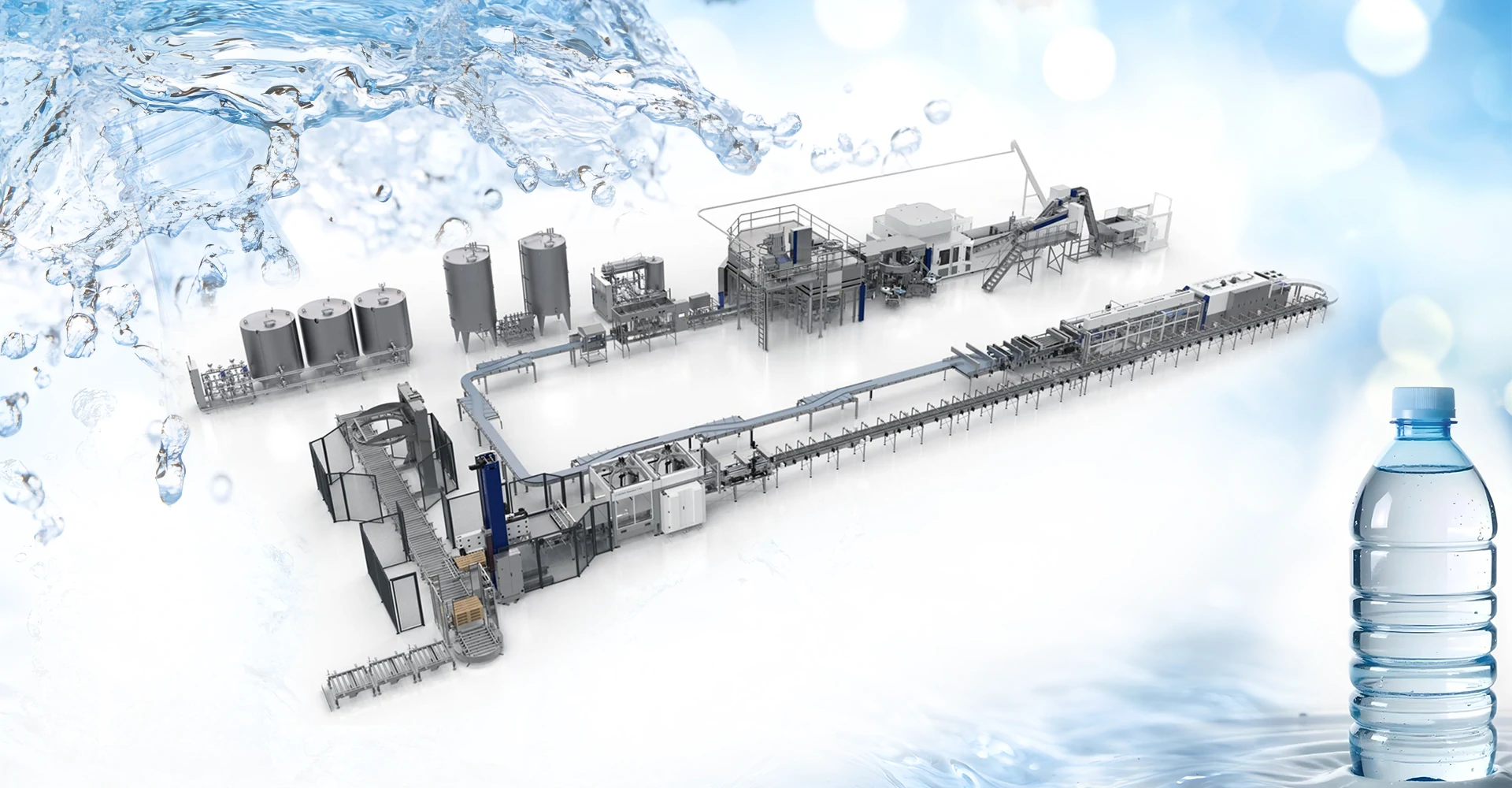
Equipment
Drinking water production line – Bottled Water Filling Machine Manufacturer
PET-bottled drinking-water production with automatic rinsing, filling and capping, plus water treatment and packaging equipment.
Learn more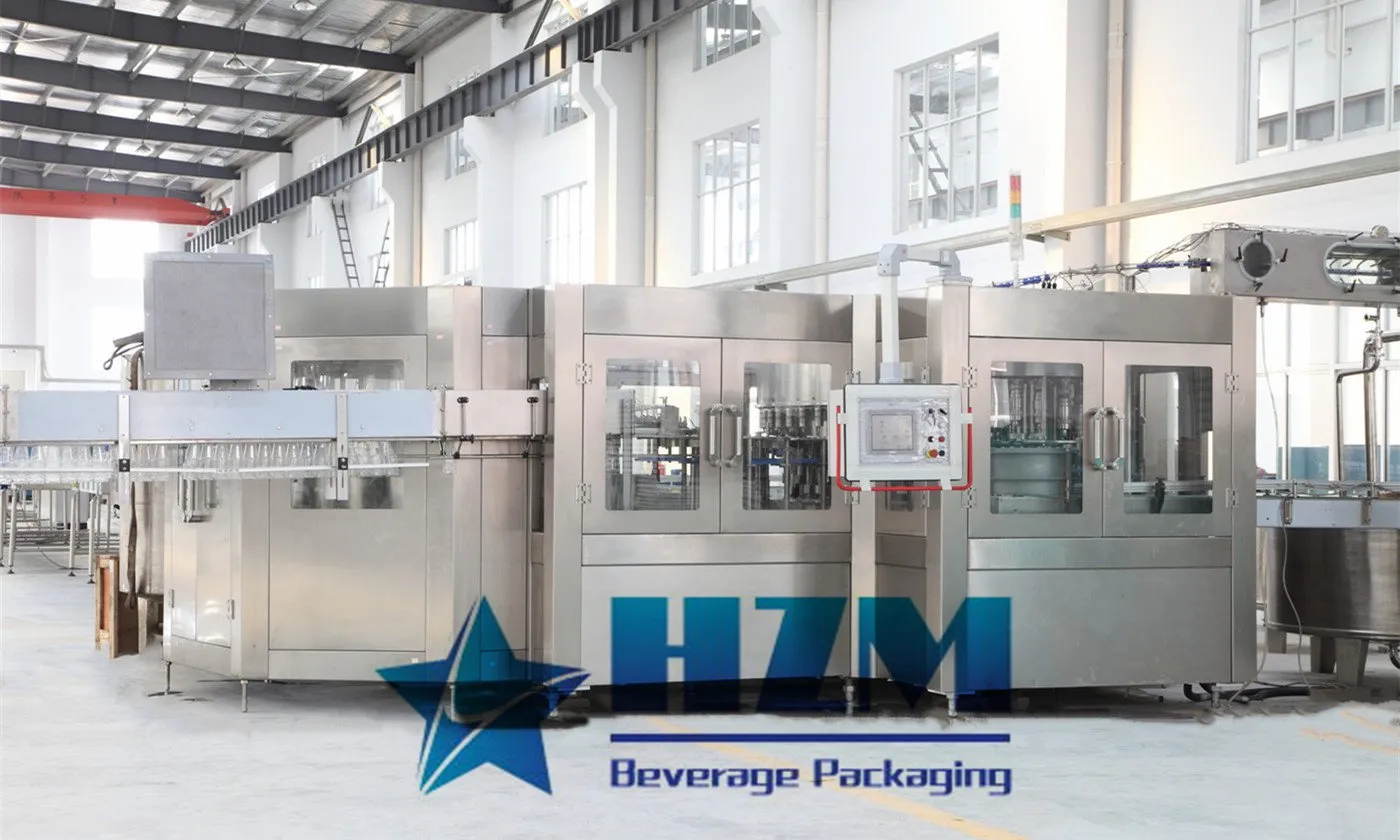
Equipment
PET Bottle Water Filling Machine
PET bottle water filling with automatic rinsing and capping, for purified water, mineral water and still drinking water.
Learn more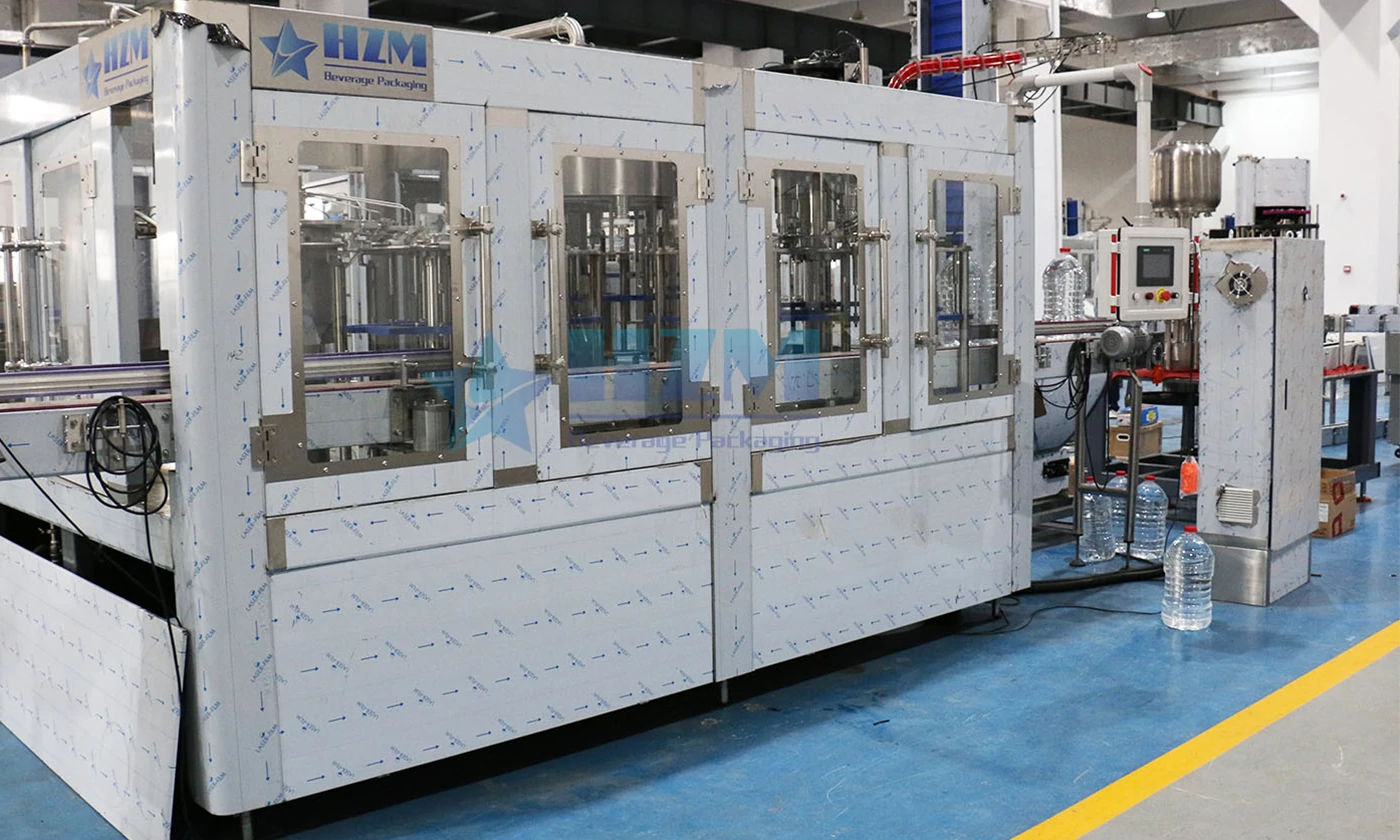
Equipment
5L-10L Large Bottle Drinking Water production line
XGF12-12-4 rinsing, filling and capping for 5 L and 10 L water bottles, with stable outputs of 1,200 and 700 bottles/hour respectively.
Learn more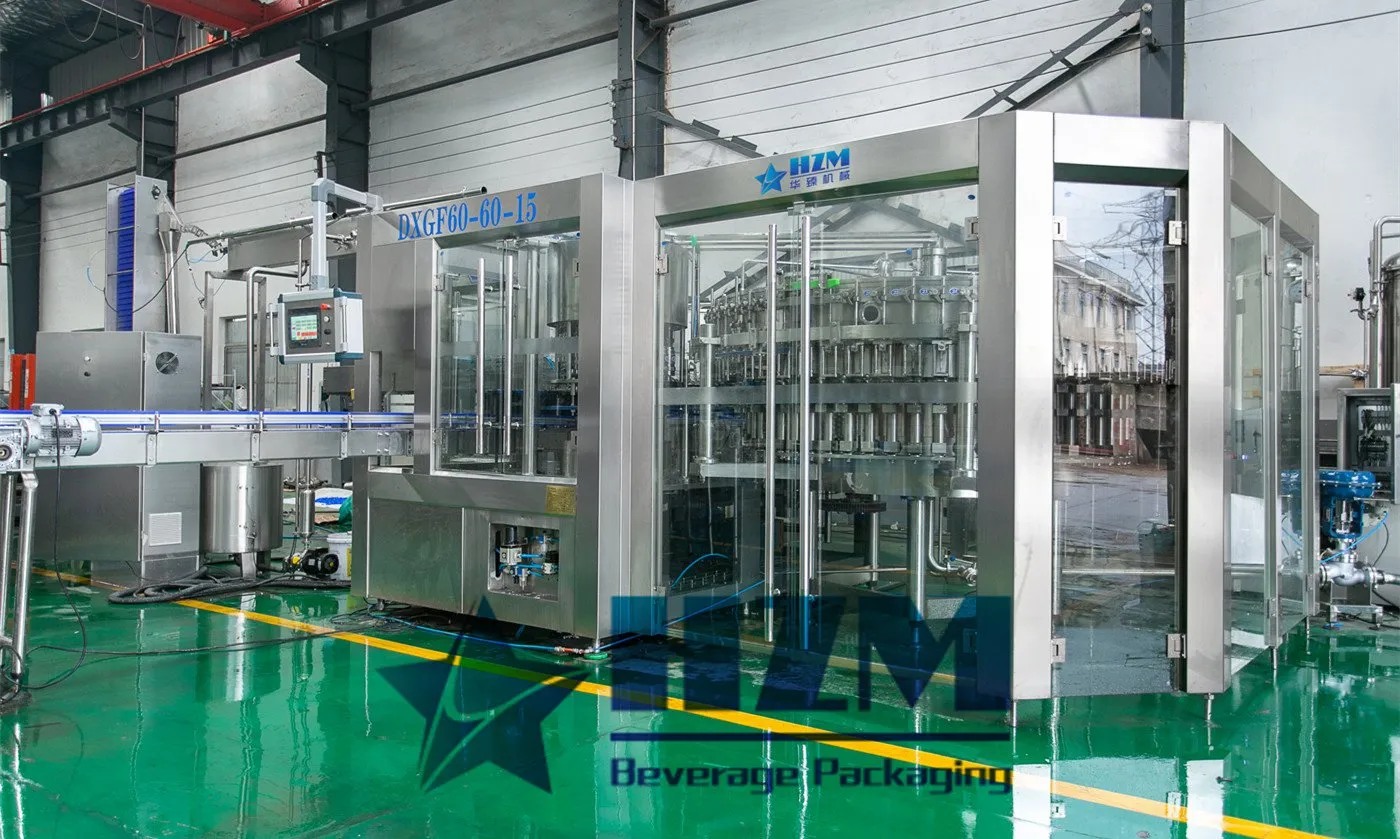
Equipment
Soda Water Filling Machine
Soda water filling equipment with bottle rinsing, isobaric filling and capping for PET-bottled sparkling water.
Learn more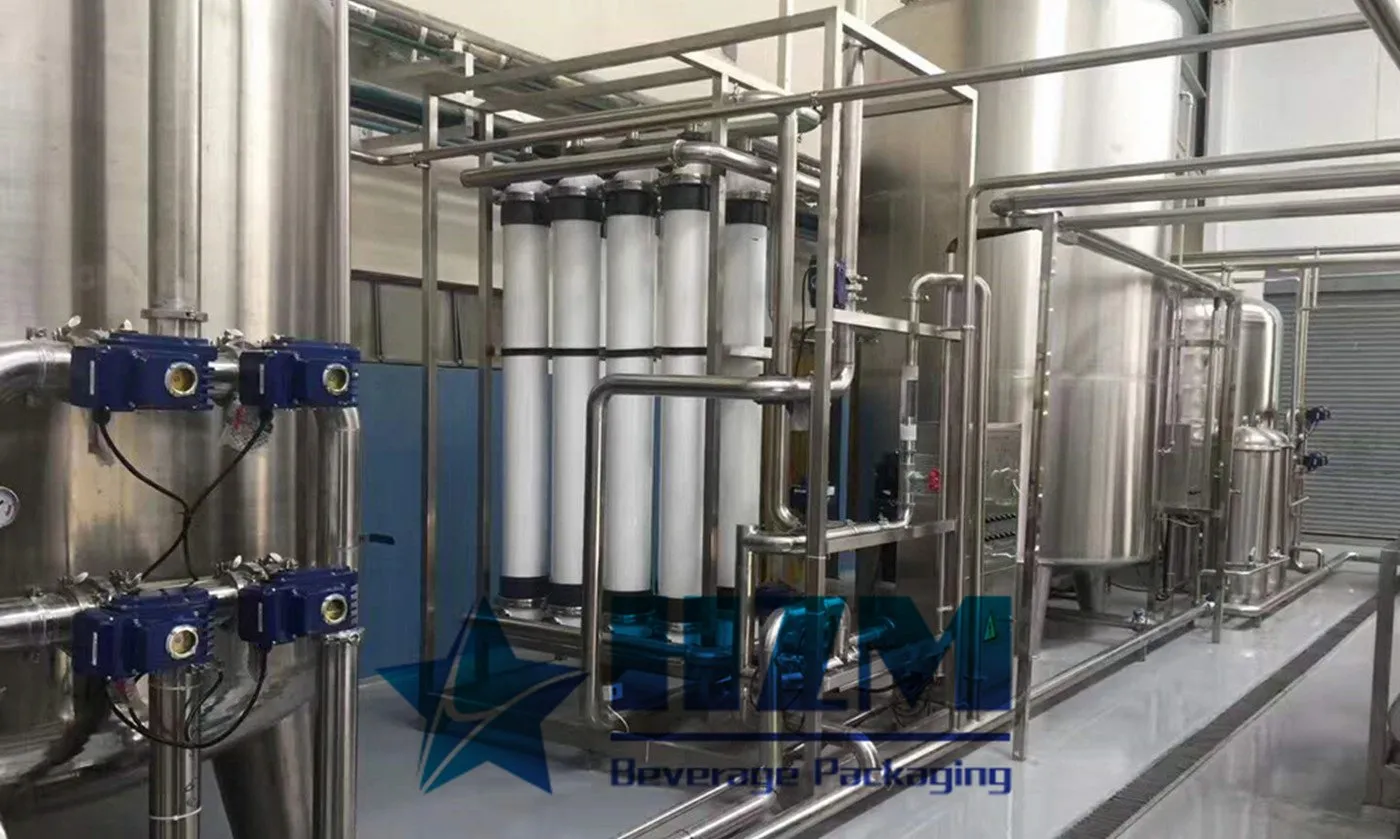
Equipment
Industrial Drinking Water Treatment System
This industrial drinking-water treatment system supplies treated water to bottling and beverage plants.
Learn moreEquipment
Packaged Drinking Water Filling machine – Water Packaging Machine
Packaged drinking-water filling with automatic rinsing and capping, from 5,000 to 42,000 bottles/hour at 500 ml.
Learn more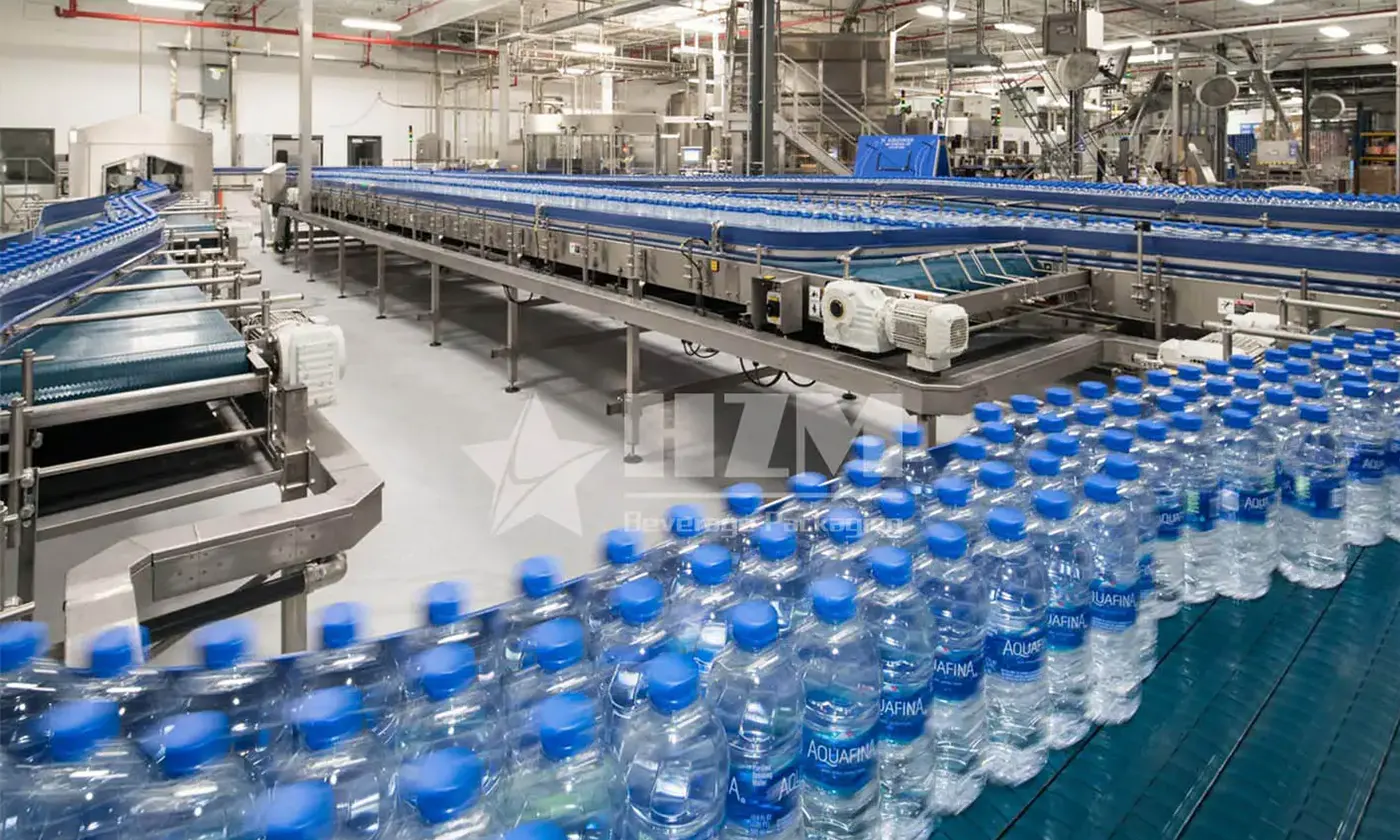
2024-02-28
Drinking Water Filling Production Line
Drinking Water factories play a crucial role in safeguarding people's health, with the process selection of water production systems being fundamental to ensuring water quality. The Drinking Water bottling production line is a vital component of this system, divided primarily into three main parts: pretreatment, reverse osmosis unit, and precision treatment.
Learn more
2023-03-24
Common faults of barreled water filling machine in clean water
At present, the barreled water filling machine is the most commonly used equipment in the pure water production process, and it is also the most widely used desalination technology to prepare high-purity water. The pure water filling machine is assembled by pressure vessel, flow meter and metering pump. Understanding this assembly equipment can […]
Learn more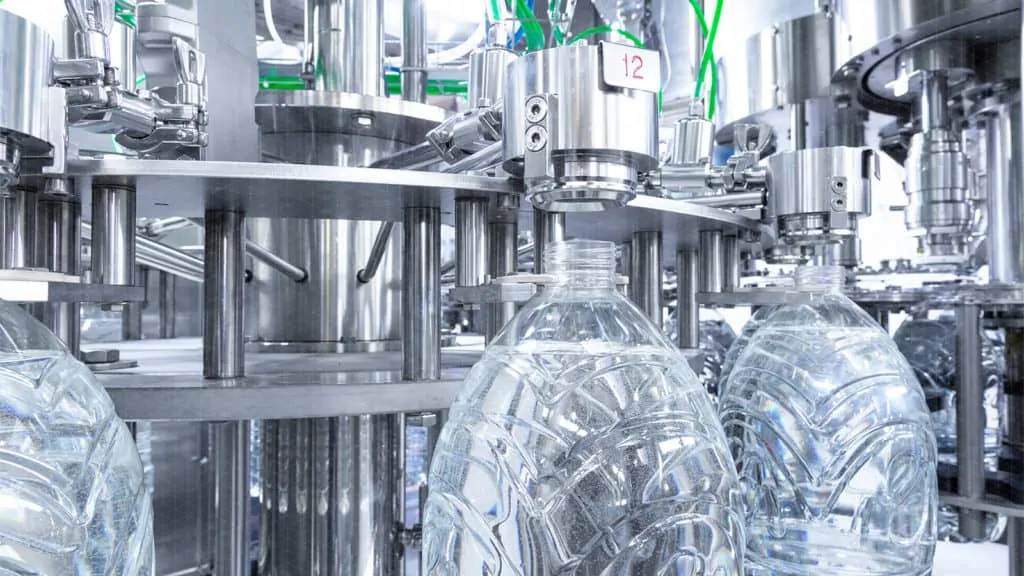
2023-12-21
Water Bottling Plant Equipment For Sale
In the global arena, HZM Machinery stands as a highly acclaimed manufacturer of water bottling plant equipment, renowned for its professional expertise and factory-direct pricing.
Learn more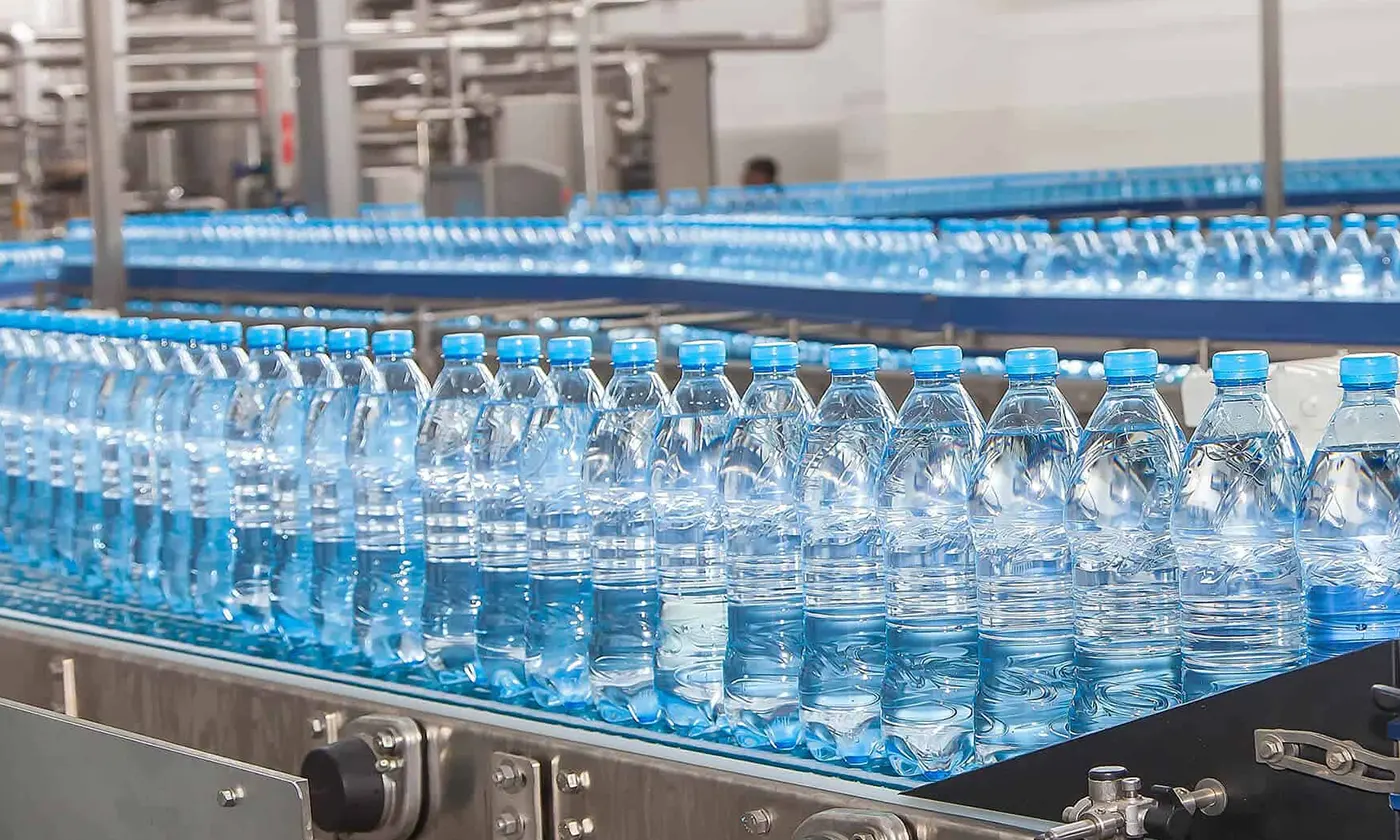
2024-09-22
Water Bottling Plant Cost
The cost of establishing a water bottling plant can vary depending on several factors, including the size of the plant, location, type of equipment, level of automation in the production line, and local regulatory requirements.
Learn more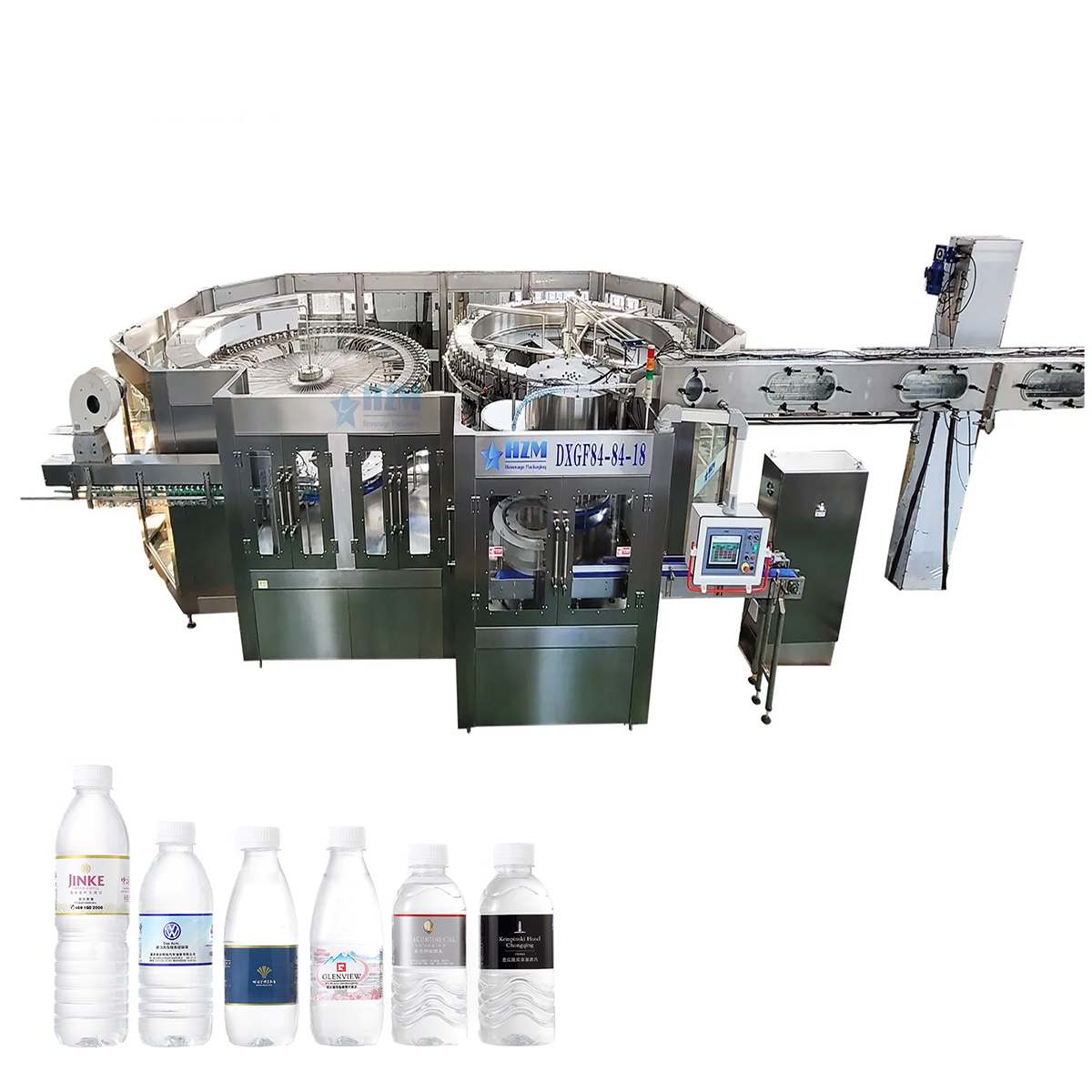
2025-04-21
Automatic Drinking Water Filling Production Line Equipment
The automatic drinking water filling production line is a highly efficient set of equipment that integrates water treatment, filling, capping, labeling, and packaging. It is widely used for industrial-scale production of bottled drinking water such as mineral water, purified water, and spring water. Empty bottles → Star-wheel bottle feeding → Pre-wash (inside & outside) → Rotary cleaning → Secondary spray rinsing → Filling → Screw-capping / shrink-film sealing → Labeling → Online checkweighing → Inkjet coding → Conveying → Packing / Palletizing
Learn more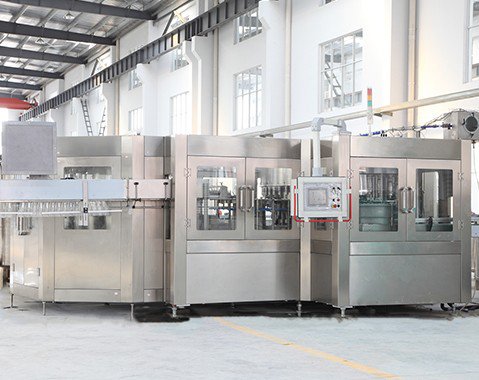
2023-03-24
What are the Advantages of Automatic Water Filling Machine?
The automatic water filling machine is a widely used packaging machine that offers a number of advantages to the packaging industry. Such a machine eliminates the manual work of filling bottles. When production reaches a certain level, it becomes necessary to use a filling machine. Below are the most common advantages of an automatic water […]
Learn more