
Isobaric Filler Pressure Is Unstable: Causes, Tests and Fixes
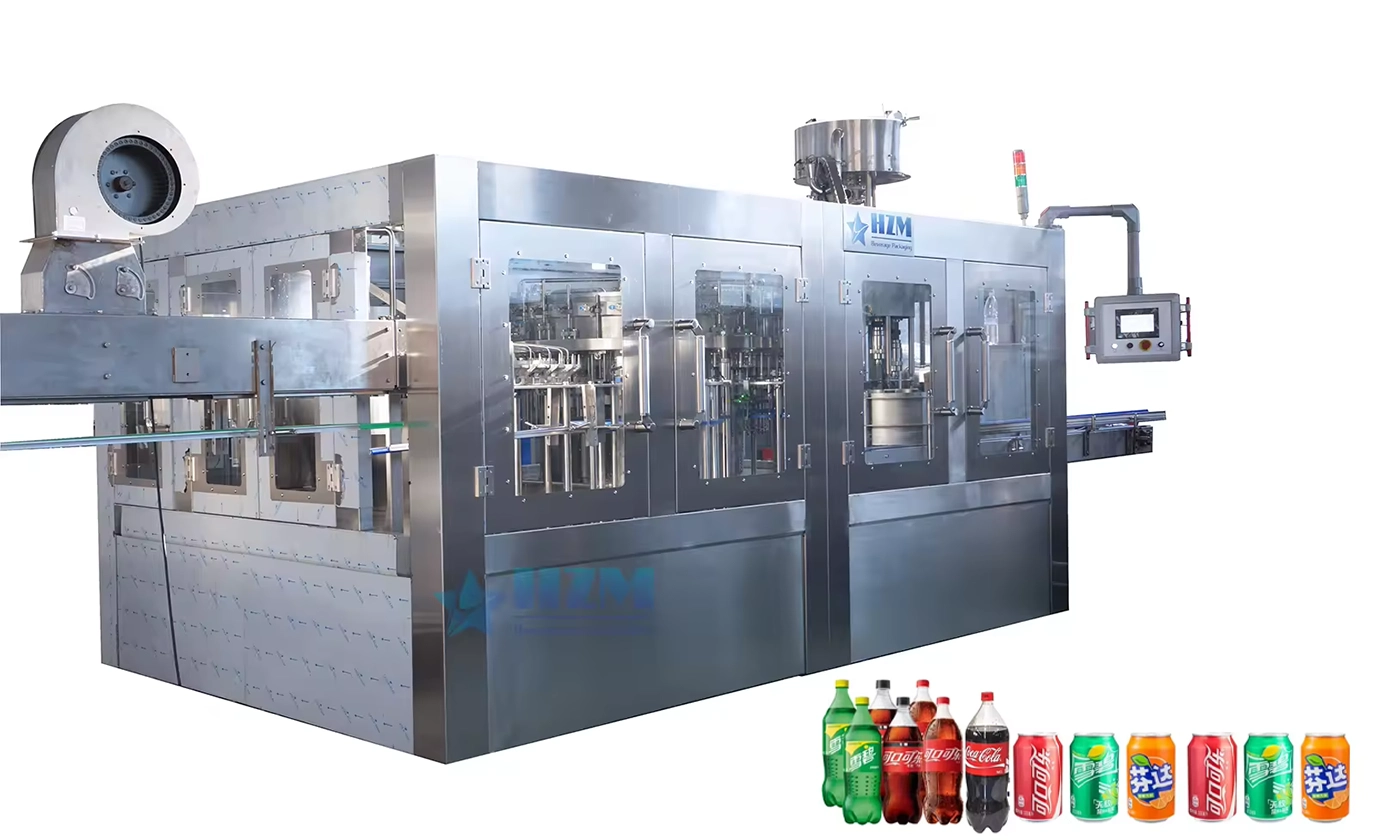
Determine whether the fluctuation comes from gas supply, product feed, tank level, pressure control, venting or a leaking valve. Capture a trend before replacing the regulator.
Stop automatic operation, isolate electrical and pneumatic energy, close and depressurize product circuits, and follow the machine lockout/tagout procedure before opening guards or removing a valve. Quarantine product made since the last confirmed good check.
Locate the fault
- Bowl pressure oscillates around the setpoint
- Filler speed falls as pressure alarms repeat
- Foaming and fill level change at the same time
- The disturbance starts after valve maintenance or a format change
Inspection sequence
- Trend supply pressure, regulated pressure, bowl pressure, level and valve commands on one timeline
- Check whether the upstream gas pressure remains stable during peak demand
- Perform an approved leak check on the closed pressure boundary
- Compare pressure variation with tank-level valve movement
- Review the active recipe and maintenance change log
- Isolate head-specific leaks by comparing equalization behavior across valves
Corrective work
- Restore adequate clean gas supply and service the regulator according to its manual
- Tune or repair the level-control mechanism only after verifying the level instrument
- Replace leaking hygienic seals or damaged equalization components
- Restore documented control parameters and validate the pressure response at increasing speeds
Operating records and follow-up
- Save trend templates for pressure and level
- Record parameters before and after valve maintenance
- Inspect gas filters, regulators and relief devices
- Leak-test equalization circuits at scheduled intervals
- Require controlled approval for pressure-loop changes
Equipment details: Mono-block Isobaric Filling Machine.
Need help planning your packaging line?
Share your product, bottle and capacity requirements for a practical equipment recommendation.
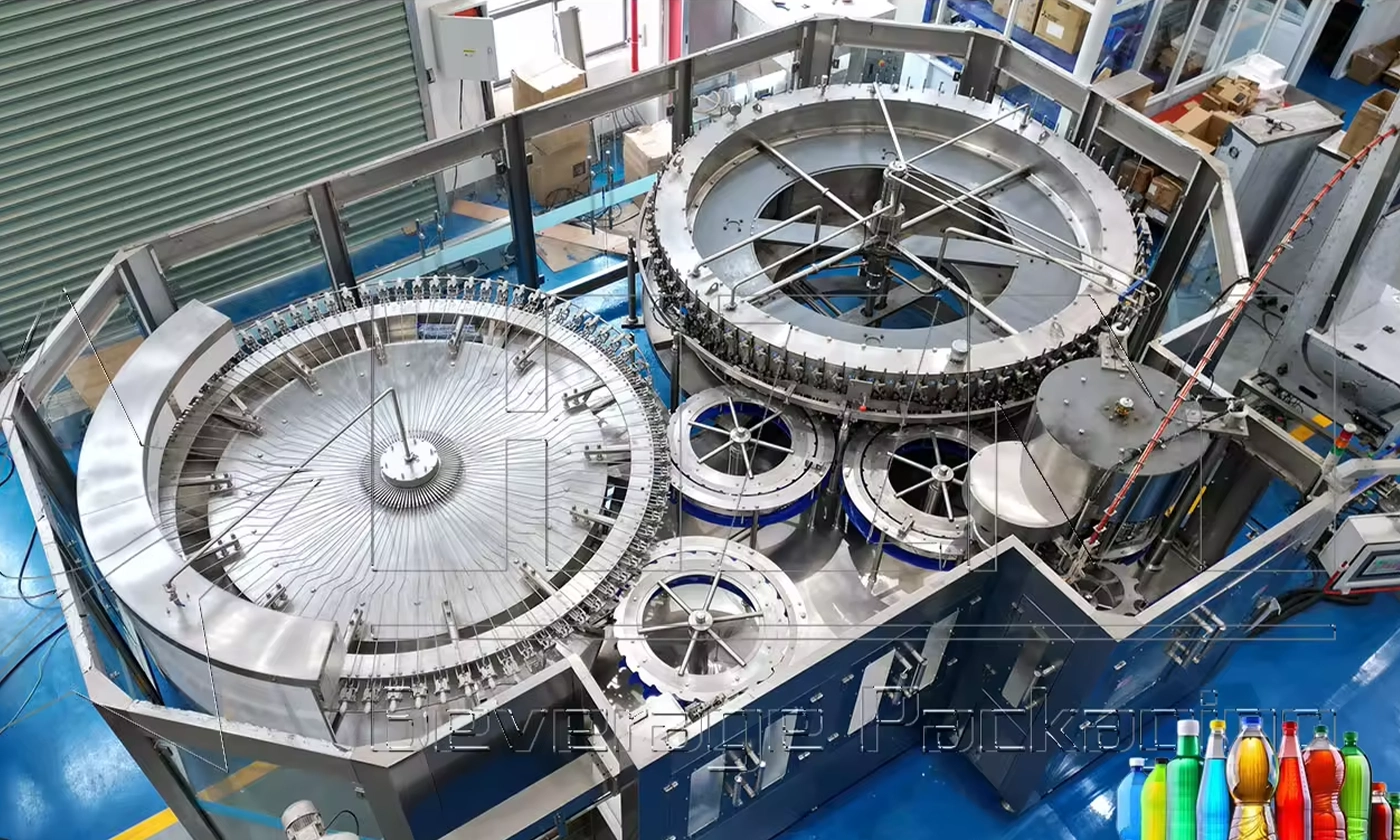
3-in-1 Isobaric Mono-block Filling Machine
The 3-in-1 isobaric monoblock combines bottle rinsing, counter-pressure filling and capping for carbonated beverage production.
Learn moreMono-block Isobaric Filling Machine
DXGF40-40-10 rinsing, isobaric filling and capping for carbonated soft drinks, at 12,000–15,000 bottles/hour for 500 ml bottles.
Learn more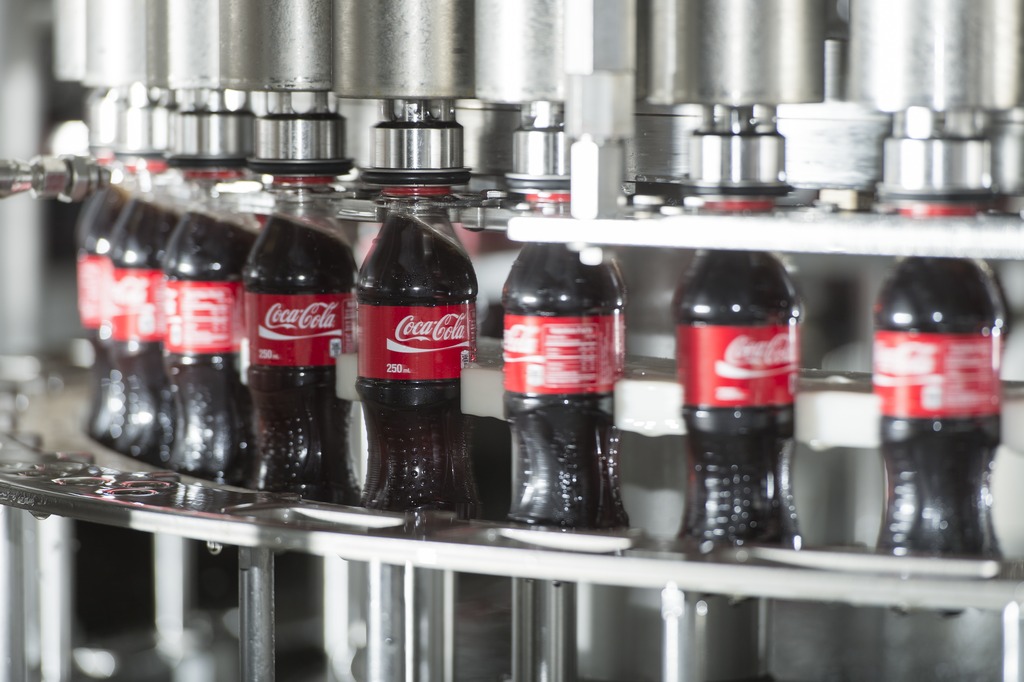
Introduction to Carbonated Beverage Isobaric Filling Machine
The carbonated beverage isobaric filling machine is mainly used for filling carbonated and gas-containing beverages, and is suitable for filling PET bottles of 350ml, 500ml, 1L, 1.5L, and other capacities of carbonated and gas-containing beverages, such as Coke, Sprite, soda water, salt soda, and other beverages containing carbon dioxide gas
Learn more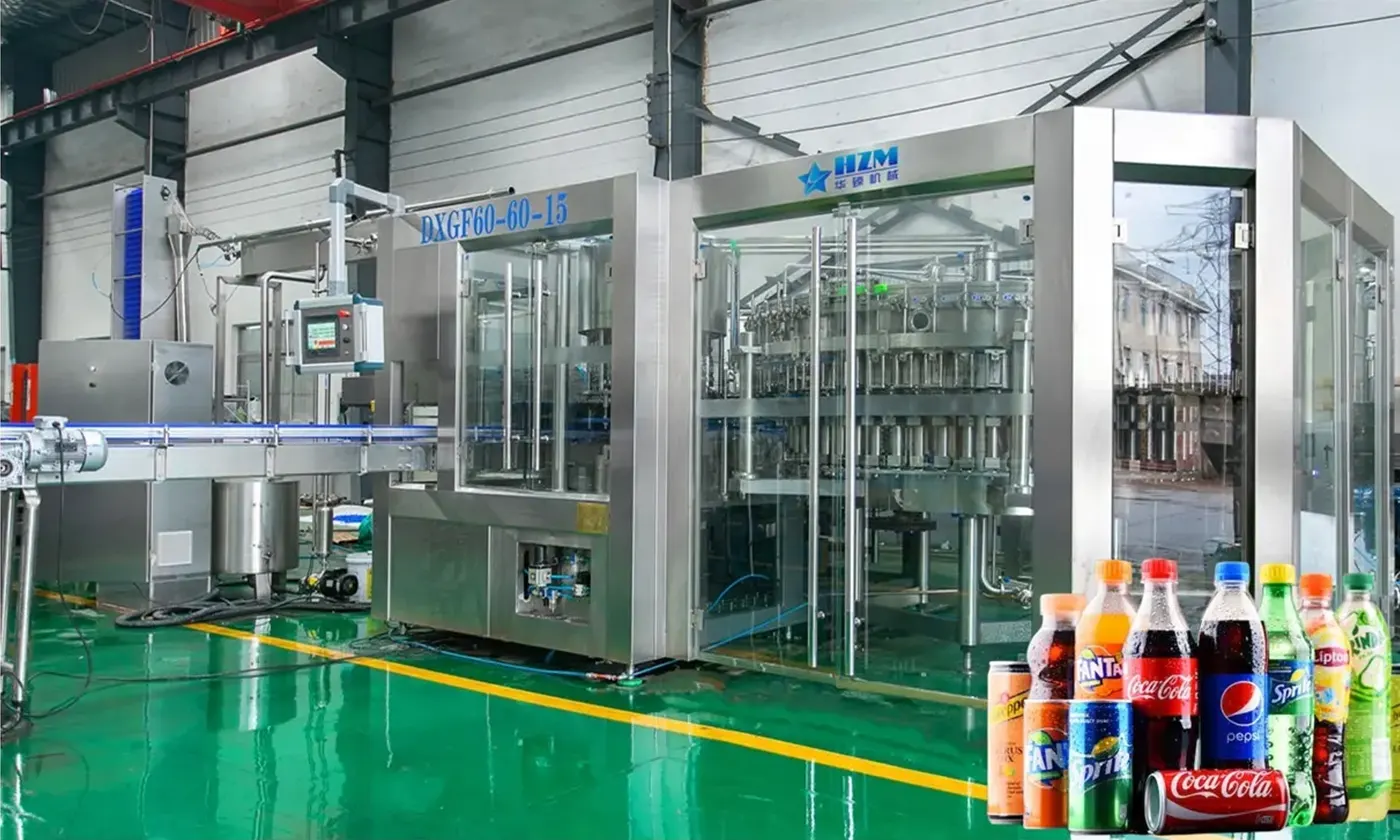
What are the causes and solutions for filling errors in beverage filling machines?
the beverage filling machine may encounter filling errors, affecting both product quality and production efficiency. So, what are the reasons behind the occurrence of filling errors in beverage filling machines?
Learn more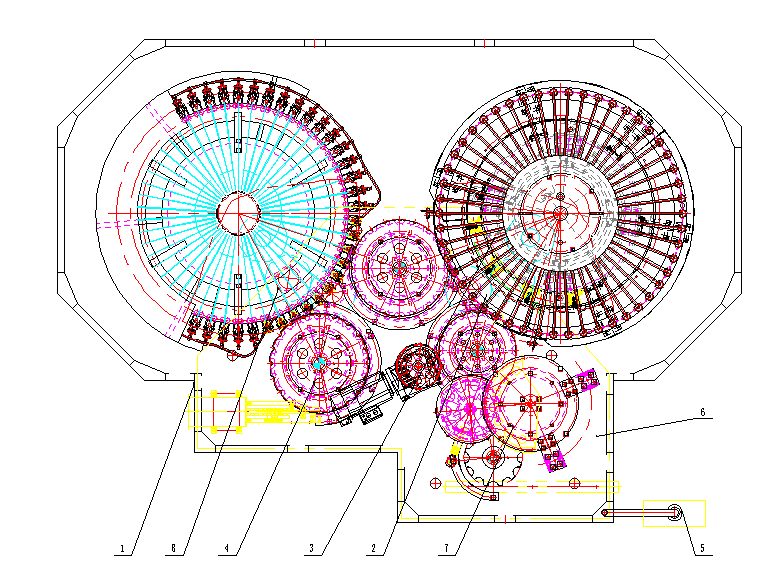
How a 3-in-1 Isobaric Filling Machine Works: Rinsing, Filling and Capping
Understand the operating sequence of a 3-in-1 isobaric filling machine for carbonated beverages, the critical pressure and temperature controls, and common causes of foam, underfill and cap defects.
Learn more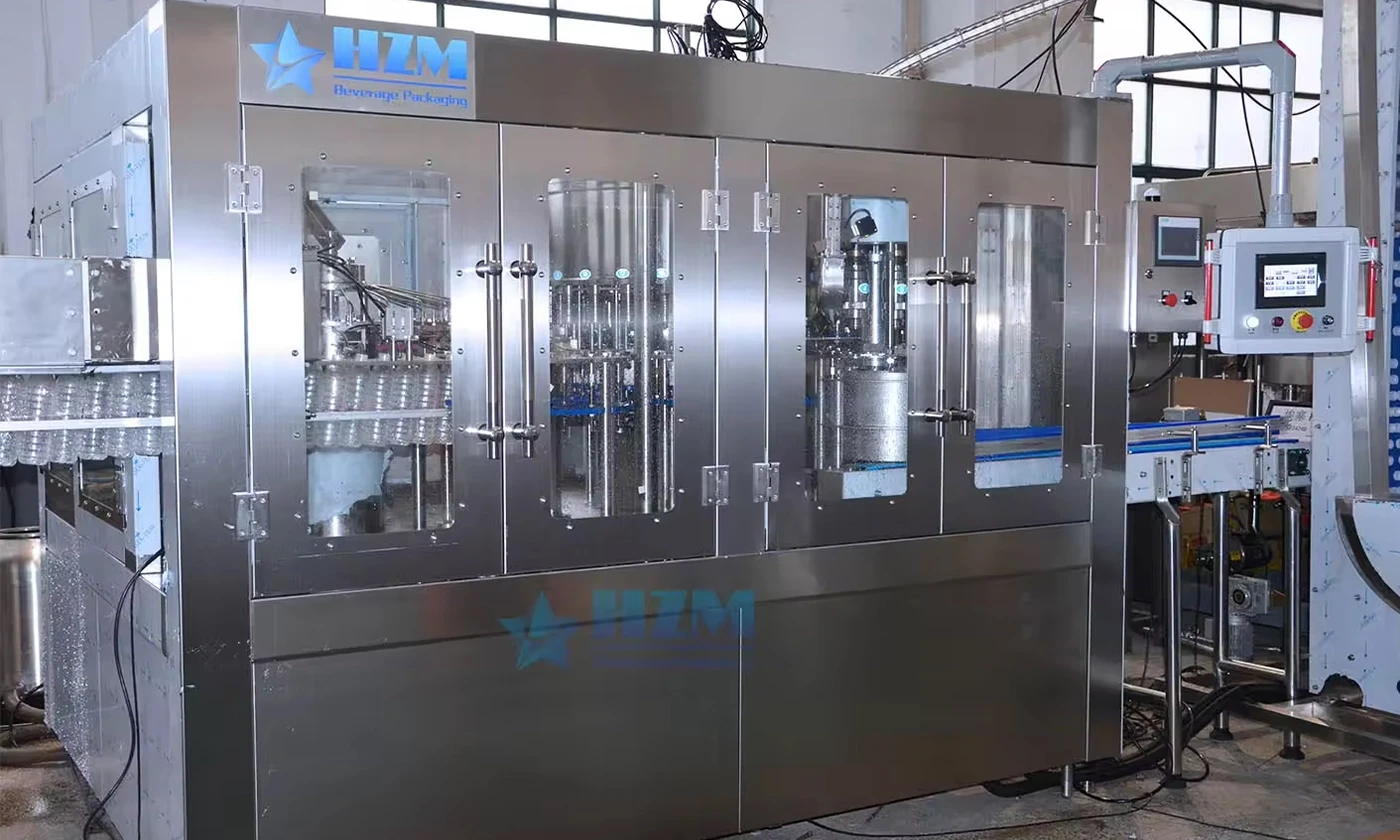
Bottle Rinser Has Low Spray Pressure: Causes and Repair Steps
Check whether the loss affects the entire rinser or only several nozzles. System-wide loss points to supply, pump, filter or valve problems; a local pattern points to blocked nozzles, damaged tubing or a misaligned bottle. Follow this practical fault-isolation, repair and prevention guide for bottling-line operators and maintenance teams.
Learn more
Hot-Fill Temperature Is Unstable at the Filler: Troubleshooting Steps
Treat hot-fill temperature as a process deviation. Hold affected product, verify the calibrated measurement point, then check heater capacity, recirculation, flow, bypass valves, stop-time logic and heat loss to the filler. Follow this practical fault-isolation, repair and prevention guide for bottling-line operators and maintenance teams.
Learn more8t Normal Pressure Ss304 Ro Water Treatment System
High quality 8t Normal Pressure Ss304 Ro Water Treatment System from China, China's leading ss304 ro water treatment system product, with strict quality control 8t ro water treatment system factories, producing high quality normal pressure ro water treatment equipment products.
Learn more