
Insights & Updates
Shrink Film Wrinkles, Folds or Tracks Sideways
Wrinkled, folded or laterally drifting packaging film can turn a stable production run into a cycle of resets, rejects and unplanned adjustment. The useful evidence is in the pattern: which station, product, format, speed and time window changed first.
Secondary-packaging defects often begin upstream with unstable container pitch or an incomplete group. Film, carton, heat, timing and compression then amplify the original variation. In this case, film folds before the sealing bar is the key observation to preserve. Use the guide to rank likely causes and document the restored condition.
Quick answer: Trace the film path from roll to sealing point. Check roll centering, brake tension, dancer travel, roller parallelism, static, damaged edges and unequal pack presentation.
What operators usually see
Before opening the machine, compare the visible and measured symptoms. Note whether each one is continuous, intermittent or tied to a specific station: For this case, preserve evidence that shows whether film folds before the sealing bar.
- Film folds before the sealing bar
- One edge is tighter than the other
- Wrinkles repeat once per roll revolution
- Web moves sideways during acceleration
Make the equipment safe and protect the product
Use lockout/tagout before clearing a jam or entering the guarded packaging or palletizing cell. Allow heaters and sealing bars to cool, and secure suspended or robot-handled loads.
Record pack pattern, infeed pitch, film or carton batch, sealing temperature, tunnel-zone readings, air pressure, servo position and the station where the first abnormal condition appears. Explicitly record whether film folds before the sealing bar.
Most likely causes, in practical checking order
1. Roll mounted off-center or damaged
Telescoped layers and crushed cores feed unequal edge length To test this explanation without guessing, mark where the first wrinkle appears rather than inspecting only the final pack Record the result before moving to the next cause.
2. Roller or frame misalignment
Nonparallel rollers steer the web continuously A practical confirmation step is to check roll core, edge and centering on the shaft. Compare the finding with a known-good run.
3. Unstable unwind tension
Brake, dancer or servo cannot maintain controlled pull through speed changes Do not compensate for this condition in the recipe. First, measure roller parallelism and inspect bearings after lockout Keep the original setting and measured result in the fault record.
4. Static or contaminated rollers
Film clings unpredictably and releases with wrinkles Separate this cause from the others with one controlled check: trend dancer position or unwind torque through acceleration Use the same product, format and speed for the comparison.
Step-by-step diagnostic procedure
Use the last known-good run as the baseline. If a check needs energized access or pressure exposure, use the manufacturer’s approved specialist procedure.
- Mark where the first wrinkle appears rather than inspecting only the final pack
- Check roll core, edge and centering on the shaft
- Measure roller parallelism and inspect bearings after lockout
- Trend dancer position or unwind torque through acceleration
- Clean rollers with approved materials and assess static conditions
- Compare web tracking with an empty machine and with actual pack groups
Corrective actions that address the root cause
Apply a correction only to the cause demonstrated by the checks. Save the old parameter, removed part and measured condition for review.
- Replace damaged film and center the roll
- Align rollers and replace worn bearings
- Service the brake, dancer or unwind drive and restore the approved tension
- Clean contact surfaces and apply suitable static control
How to verify the repair before full-speed production
Before releasing full-speed production, reproduce the operating condition that originally exposed the fault. Then complete this acceptance check: Confirm that wrinkled, folded or laterally drifting packaging film is absent for multiple consecutive cycles, not only for one sample. Review the alarm history and keep diagnostic product segregated until the site’s quality procedure releases it.
- Confirm that wrinkled, folded or laterally drifting packaging film is absent for multiple consecutive cycles, not only for one sample.
- Compare the repaired result for “Film folds before the sealing bar” with the approved quality limit and the last known-good baseline.
- Check adjacent stations and downstream package quality for side effects associated with roll mounted off-center or damaged.
- For “Shrink Film Wrinkles, Folds or Tracks Sideways”, record the final settings, measurements, parts used and restart authorization.
Prevent the problem from returning
Add the checks below to the operator, sanitation or preventive-maintenance standard and assign a measurable acceptance condition.
- Inspect rolls before loading
- Keep roller alignment references
- Trend dancer position
- Protect film from heat and edge damage
- Clean rollers on a defined schedule
When to stop troubleshooting and call a specialist
Stop and contact the machine or component supplier when wrinkled, folded or laterally drifting packaging film cannot be isolated with non-invasive checks, when it returns after an approved repair, or when calibration requires protected service tools. Stop local work when safe diagnosis requires protected service tools, energized access or a change to a validated process. Send the service engineer the fault history, photos, samples, trend data, recipe revision and work already completed.
Relevant equipment for this application
Where wrinkled, folded or laterally drifting packaging film reveals an application mismatch rather than a maintenance fault, review the Cold Drink Bottle Packing Machine. A useful technical discussion includes the real bottle, closure, product properties, pack format and site conditions.
Frequently asked questions
What should be checked first when wrinkled, folded or laterally drifting packaging film?
Trace the film path from roll to sealing point. Check roll centering, brake tension, dancer travel, roller parallelism, static, damaged edges and unequal pack presentation. Preserve the original settings and take representative samples before repair work begins.
How can we distinguish roll mounted off-center or damaged from roller or frame misalignment?
Telescoped layers and crushed cores feed unequal edge length In contrast, nonparallel rollers steer the web continuously Compare the two mechanisms under the same operating condition by completing these checks: mark where the first wrinkle appears rather than inspecting only the final pack Then check roll core, edge and centering on the shaft
Can production continue while wrinkled, folded or laterally drifting packaging film?
Only when the plant’s documented risk assessment and quality procedure allow it. For wrinkled, folded or laterally drifting packaging film, stop and segregate production when package integrity, sanitation, validated processing, pressure safety, electrical protection or an uncontrolled reject trend is involved.
What evidence will help the equipment supplier respond faster?
Provide the model and serial number, product and format, target speed, first fault, timestamps, photos or video, affected station pattern and maintenance history. For this issue, also include film folds before the sealing bar and the measured result from this check: compare web tracking with an empty machine and with actual pack groups
Talk to our engineering team
Need help planning your packaging line?
Share your product, bottle and capacity requirements for a practical equipment recommendation.
Equipment
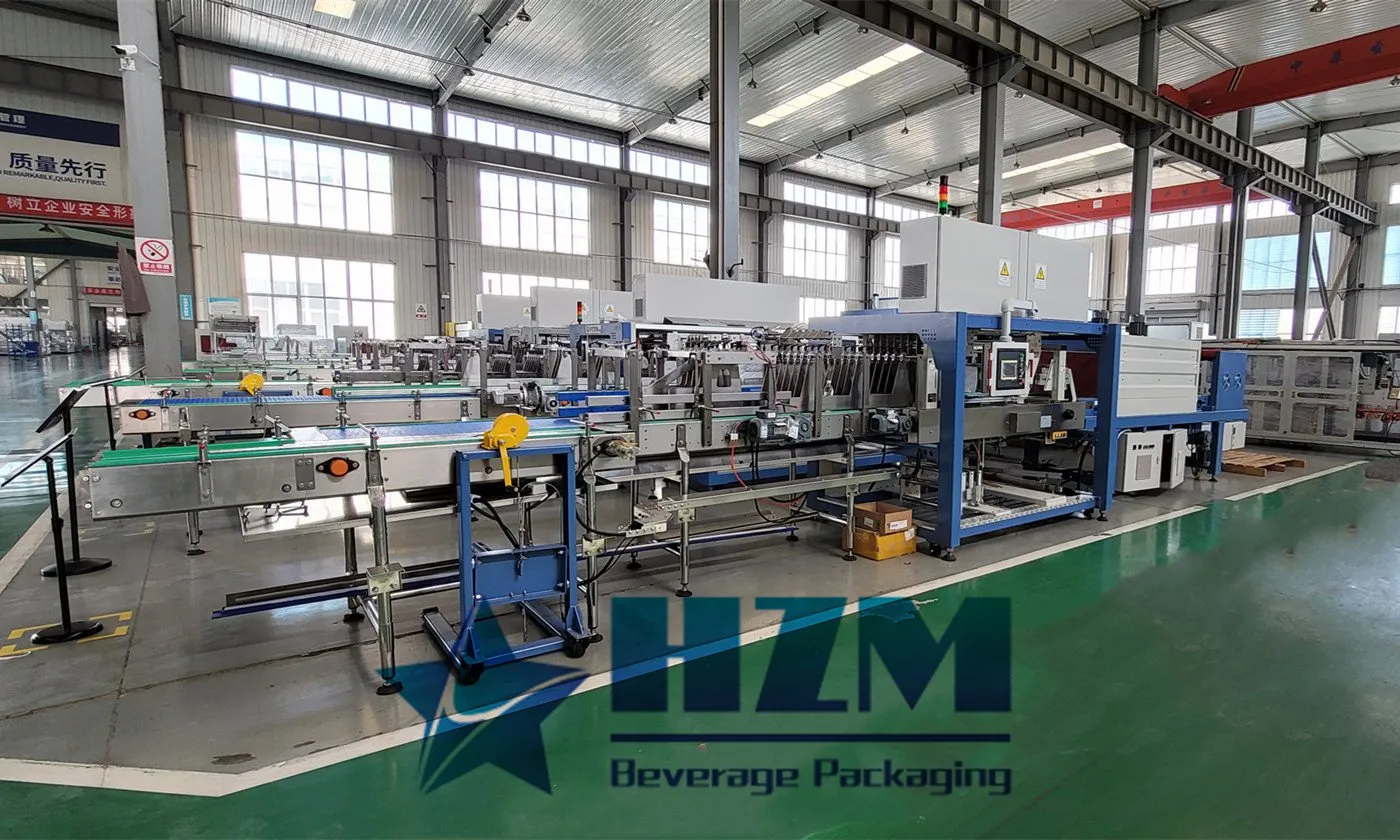
Automatic Shrink Packing Machine
The automatic shrink packing machine wraps groups of bottles or cans in film and passes them through a heated shrink tunnel.
Learn more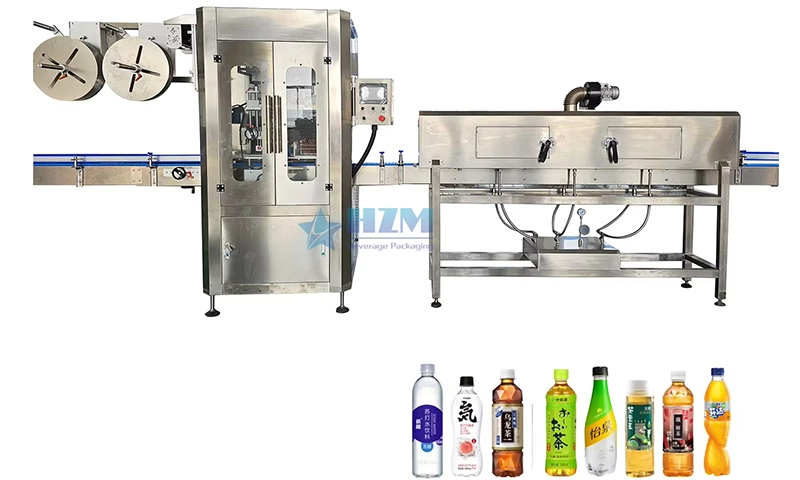
Equipment
Automatic Shrink Sleeve Bottles Labeling Capping Packing Machine
Automatic shrink sleeve application for beverage bottles, with SHB capacities of 9,000–27,000 bottles/hour.
Learn more
2026-08-29
Shrink-Film Seals Split or Open After Packing
Inspect seal appearance and failure mode, then check film compatibility, sealing-bar temperature, pressure, dwell, cleanliness, alignment and cooling. More temperature can burn or thin the seal rather than strengthen it. Follow this practical fault-isolation, repair and prevention guide for bottling-line operators and maintenance teams.
Learn more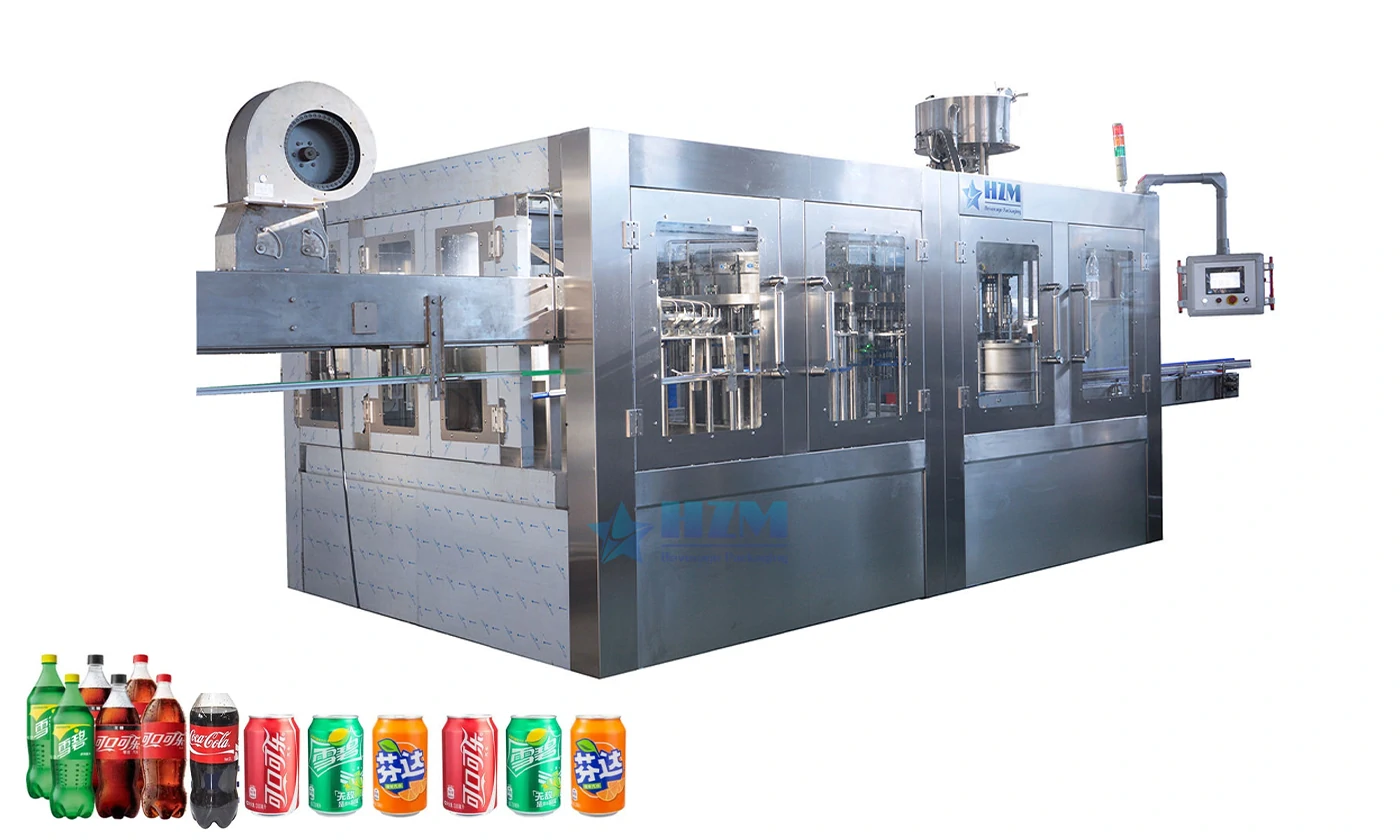
2023-06-09
Beverage Packaging Line Guide: Pack Format and Film Selection
Practical HZM guidance on beverage packaging line, focused on pack format and film selection, line integration, RFQ data and measurable acceptance checks.
Learn more2026-08-19
Shrink Packs Leave the Tunnel Loose: Heat, Film or Grouping?
Check the pack before the tunnel, then verify film specification and orientation, cut length, overlap, tunnel-zone temperatures, airflow and residence time. Missing or mis-pitched bottles can make a correct film setup look wrong. Follow this practical fault-isolation, repair and prevention guide for bottling-line operators and maintenance teams.
Learn more
2023-11-03
Automatic 150BPM Sleeve Shrink Labeling Machine
We are a manufacturer specializing in the development, production, and sales of Automatic Sleeve Shrink Labeling Machines. We offer turnkey engineering solutions and have a team of professional after-sales service engineers, with a product warranty period of up to 24 months.
Learn more2026-08-05
Shrink Pack or Carton? How to Choose Secondary Packaging for Beverages
Compare shrink film, tray-and-film and cartons by product protection, material cost, retail needs, transport, automation and sustainability.
Learn more
2023-06-09
Automatic Palletizer for Bottled Water Cartons and Shrink Packs: Selection Guide
How to specify an automatic palletizer for bottled water cartons, trays and shrink packs, including load data, pallet patterns, speed, stability, layout, safety and factory acceptance tests.
Learn more