
Insights & Updates
Sleeve Labels Wrinkle After the Shrink Tunnel
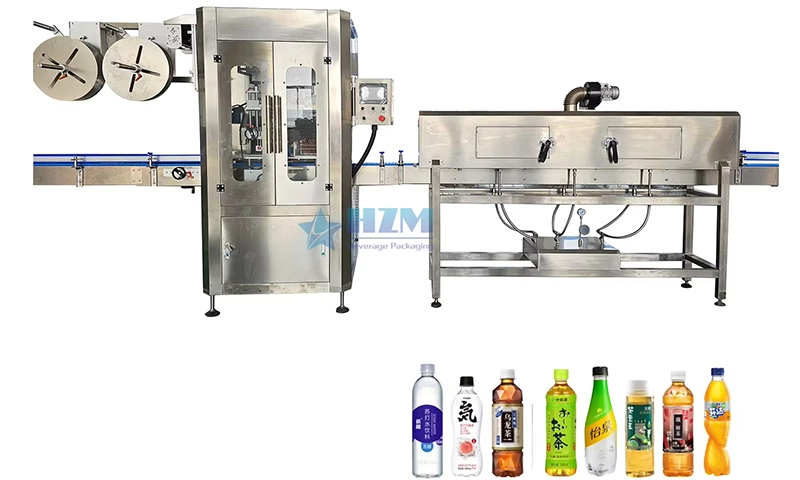
Wrinkled or distorted shrink-sleeve labels is easiest to solve while the original evidence is still available. Keep affected samples, record the operating state and resist making several adjustments at once.
Label defects follow the relationship between container presentation, sensor timing, web or label handling, adhesive condition and downstream shrink or curing. Diagnose the first point at which position or tension becomes unstable. The objective is not merely to clear the alarm for wrinkled or distorted shrink-sleeve labels, but to recover a repeatable, verifiable process.
Quick answer: Determine whether the sleeve was straight before entering the tunnel. Then check film shrink curve, tunnel-zone temperature, airflow or steam distribution, bottle moisture, conveyor speed and container geometry.
What operators usually see
Use the following signs to define the boundary of the problem. A head-by-head, lane-by-lane or time-based pattern is especially valuable: For this case, preserve evidence that shows whether wrinkles concentrate at the shoulder or base.
- Wrinkles concentrate at the shoulder or base
- Graphics distort more on one tunnel side
- Labels remain loose in one zone and over-shrink in another
- Defects change with conveyor speed
Make the equipment safe and protect the product
Lock out the machine before reaching into cutters, feed screws, starwheels, vacuum drums, driven rollers or hot-melt systems. Follow adhesive and shrink-tunnel burn precautions.
Save a labelled sample and record bottle format, label roll or batch, web tension, registration mark signal, applicator speed, adhesive temperature where used, conveyor speed and reject pattern. Explicitly record whether wrinkles concentrate at the shoulder or base.
Most likely causes, in practical checking order
1. Uneven heat or steam distribution
Blocked nozzles, airflow imbalance or heater faults shrink one side faster To test this explanation without guessing, confirm sleeve position and condition immediately before the tunnel Record the result before moving to the next cause.
2. Film specification mismatch
Shrink direction, curve, thickness or storage condition does not suit the container A practical confirmation step is to record each tunnel-zone temperature, pressure and conveyor speed. Compare the finding with a known-good run.
3. Incorrect sleeve position
A label entering too high, low or tilted cannot recover uniformly in heat Do not compensate for this condition in the recipe. First, map wrinkle location to tunnel side and bottle feature Keep the original setting and measured result in the fault record.
4. Wet, cold or complex bottle surface
Condensation and sharp geometry create local heat-transfer differences Separate this cause from the others with one controlled check: inspect steam nozzles, fans, heaters and drains after safe isolation Use the same product, format and speed for the comparison.
Step-by-step diagnostic procedure
Follow the sequence in order and preserve each result. Stop if any check would require defeating a guard, interlock or validated food-safety control.
- Confirm sleeve position and condition immediately before the tunnel
- Record each tunnel-zone temperature, pressure and conveyor speed
- Map wrinkle location to tunnel side and bottle feature
- Inspect steam nozzles, fans, heaters and drains after safe isolation
- Review film technical data, roll direction and storage history
- Compare dry temperature-conditioned bottles with normal production bottles
Corrective actions that address the root cause
The repair must remove the mechanism, not hide its alarm. Use specified hygienic and safety-rated parts and record every change.
- Balance tunnel heat or steam and clear blocked distribution components
- Use a film construction qualified for the bottle and graphics
- Correct sleeve application position and cut length
- Control condensation and tune the validated zone profile and residence time
How to verify the repair before full-speed production
A successful no-load cycle is not enough. Use the actual product and package, sample every relevant head or lane, and verify this condition: Confirm that wrinkled or distorted shrink-sleeve labels is absent for multiple consecutive cycles, not only for one sample. Review the alarm history and keep diagnostic product segregated until the site’s quality procedure releases it.
- Confirm that wrinkled or distorted shrink-sleeve labels is absent for multiple consecutive cycles, not only for one sample.
- Compare the repaired result for “Wrinkles concentrate at the shoulder or base” with the approved quality limit and the last known-good baseline.
- Check adjacent stations and downstream package quality for side effects associated with uneven heat or steam distribution.
- For “Sleeve Labels Wrinkle After the Shrink Tunnel”, record the final settings, measurements, parts used and restart authorization.
Prevent the problem from returning
Use the repair evidence to improve the control plan. The following actions make recurrence visible early:
- Trend zone temperature and steam pressure
- Inspect nozzle and airflow patterns
- Control film storage
- Use changeover recipes by bottle and film
- Retain defect samples and approved tunnel settings
When to stop troubleshooting and call a specialist
Stop and contact the machine or component supplier when wrinkled or distorted shrink-sleeve labels cannot be isolated with non-invasive checks, when it returns after an approved repair, or when calibration requires protected service tools. Escalate immediately for a damaged pressure boundary, uncontrolled motion, food-safety risk, exposed conductor or repeated protective trip. Send the service engineer the fault history, photos, samples, trend data, recipe revision and work already completed.
Relevant equipment for this application
The site example most closely related to wrinkled or distorted shrink-sleeve labels is the Automatic Shrink Sleeve Bottles Labeling Capping Packing Machine. Equipment selection should be checked against samples, quality limits, required sustained output and available utilities.
Frequently asked questions
What should be checked first when wrinkled or distorted shrink-sleeve labels?
Determine whether the sleeve was straight before entering the tunnel. Then check film shrink curve, tunnel-zone temperature, airflow or steam distribution, bottle moisture, conveyor speed and container geometry. Preserve the original settings and take representative samples before repair work begins.
How can we distinguish uneven heat or steam distribution from film specification mismatch?
Blocked nozzles, airflow imbalance or heater faults shrink one side faster In contrast, shrink direction, curve, thickness or storage condition does not suit the container Compare the two mechanisms under the same operating condition by completing these checks: confirm sleeve position and condition immediately before the tunnel Then record each tunnel-zone temperature, pressure and conveyor speed
Can production continue while wrinkled or distorted shrink-sleeve labels?
Only when the plant’s documented risk assessment and quality procedure allow it. For wrinkled or distorted shrink-sleeve labels, stop and segregate production when package integrity, sanitation, validated processing, pressure safety, electrical protection or an uncontrolled reject trend is involved.
What evidence will help the equipment supplier respond faster?
Provide the model and serial number, product and format, target speed, first fault, timestamps, photos or video, affected station pattern and maintenance history. For this issue, also include wrinkles concentrate at the shoulder or base and the measured result from this check: compare dry temperature-conditioned bottles with normal production bottles
Talk to our engineering team
Need help planning your packaging line?
Share your product, bottle and capacity requirements for a practical equipment recommendation.
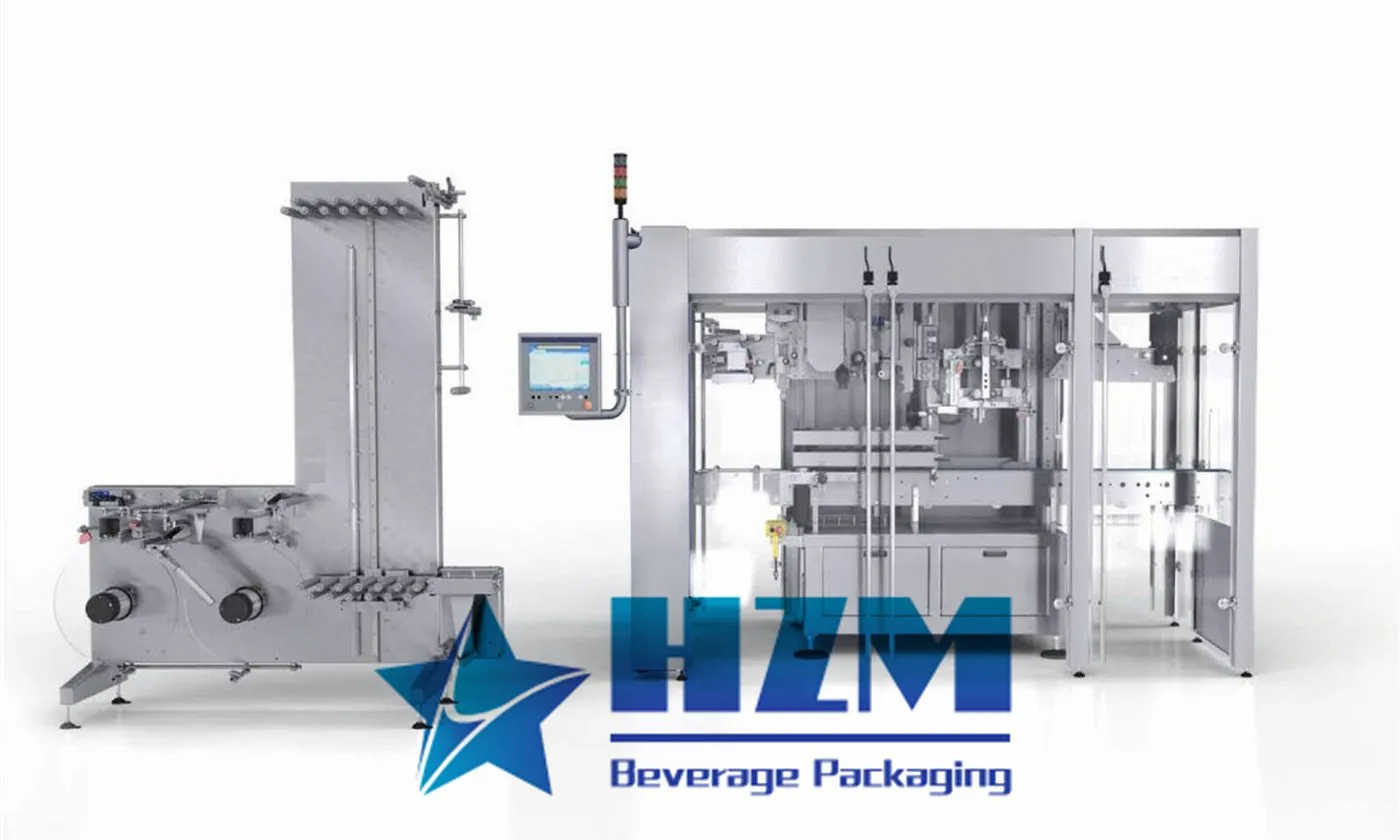
Equipment
Automatic Sleeve Labeling Machine
Automatic shrink sleeve labelling for beverage bottles, with SHB models from 9,000 to 27,000 bottles/hour.
Learn moreEquipment
Automatic Shrink Sleeve Bottles Labeling Capping Packing Machine
Automatic shrink sleeve application for beverage bottles, with SHB capacities of 9,000–27,000 bottles/hour.
Learn more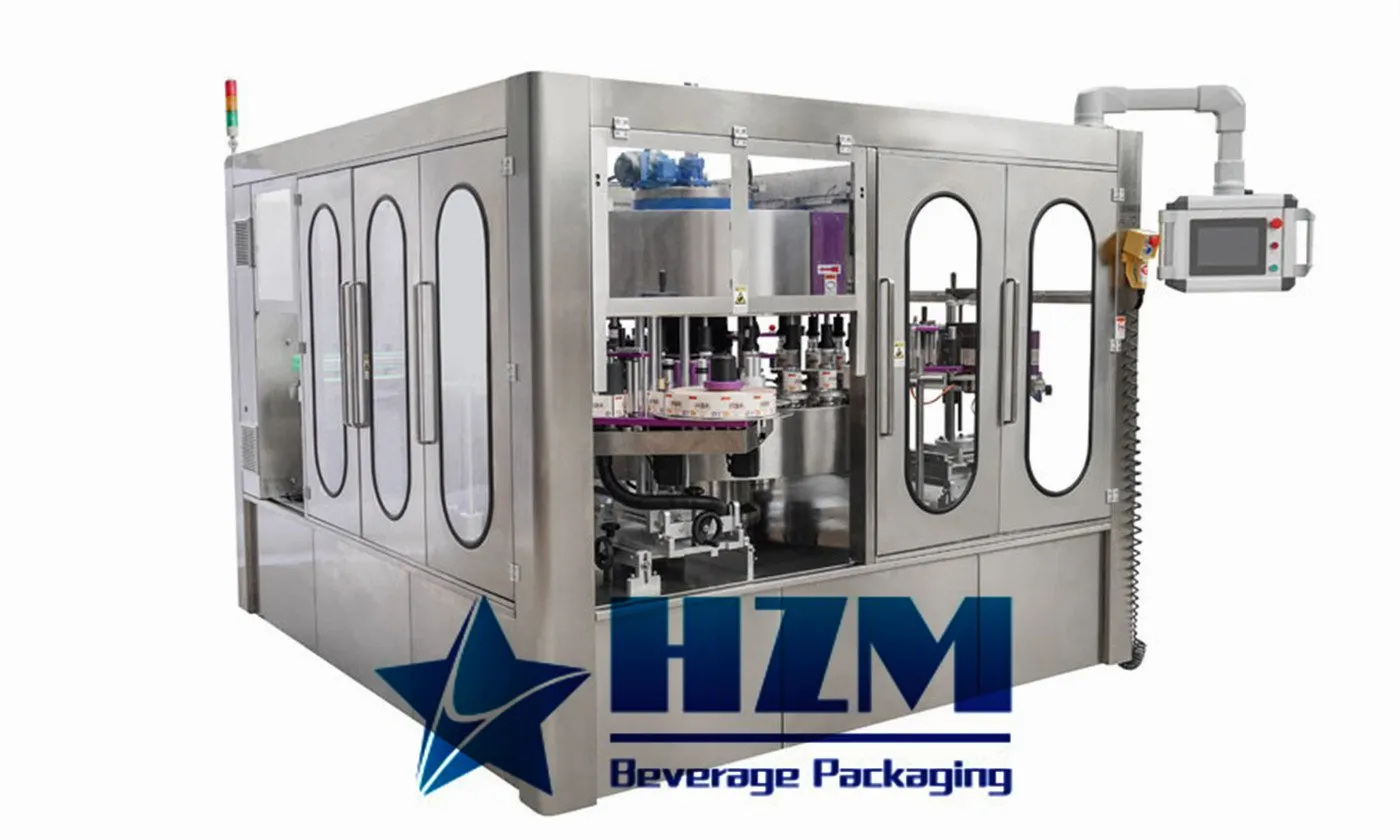
Equipment
Automatic Self-Adhesive Labeling Machine
Automatic self-adhesive labelling for cylindrical containers, with ALM models covering 90–600 bottles/minute.
Learn more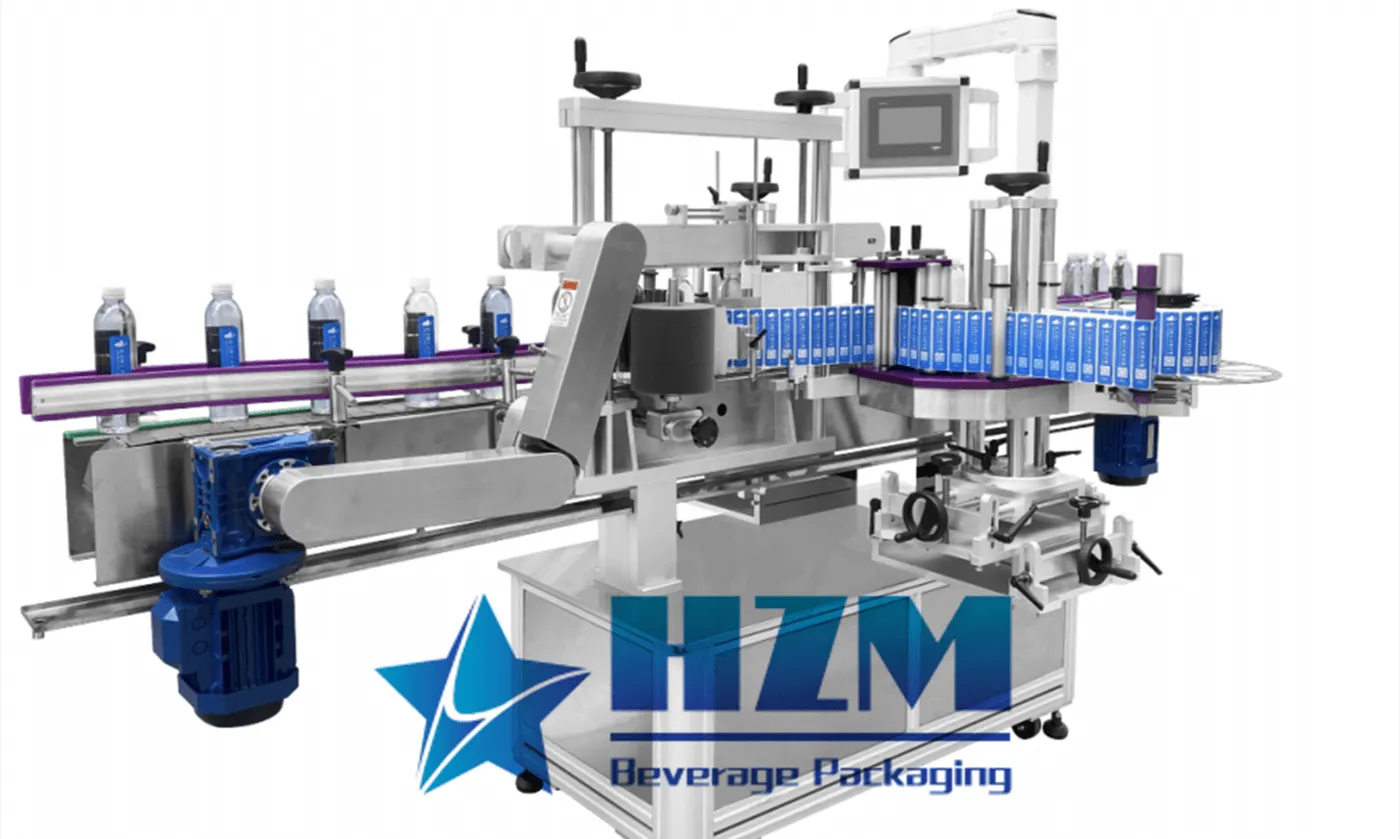
Equipment
Automatic Linear Type Adhesive Sticker Labeling Machine
The linear self-adhesive labelling machine applies pressure-sensitive labels to bottles and other containers.
Learn more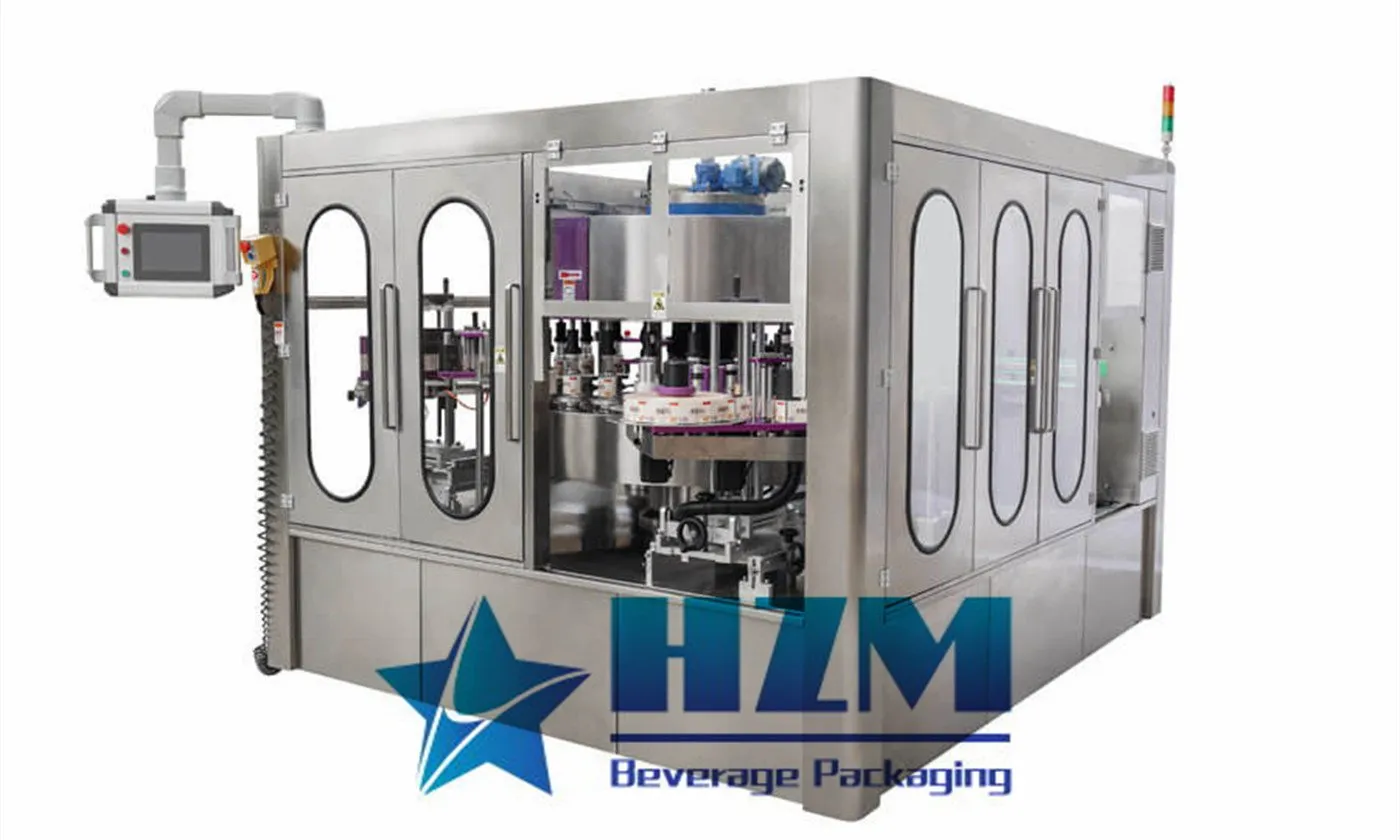
Equipment
Automatic Cold Glue Stick Labeling Machine
Cold-glue paper label application for beverage bottles, with LJ models from 12,000 to 32,000 bottles/hour.
Learn more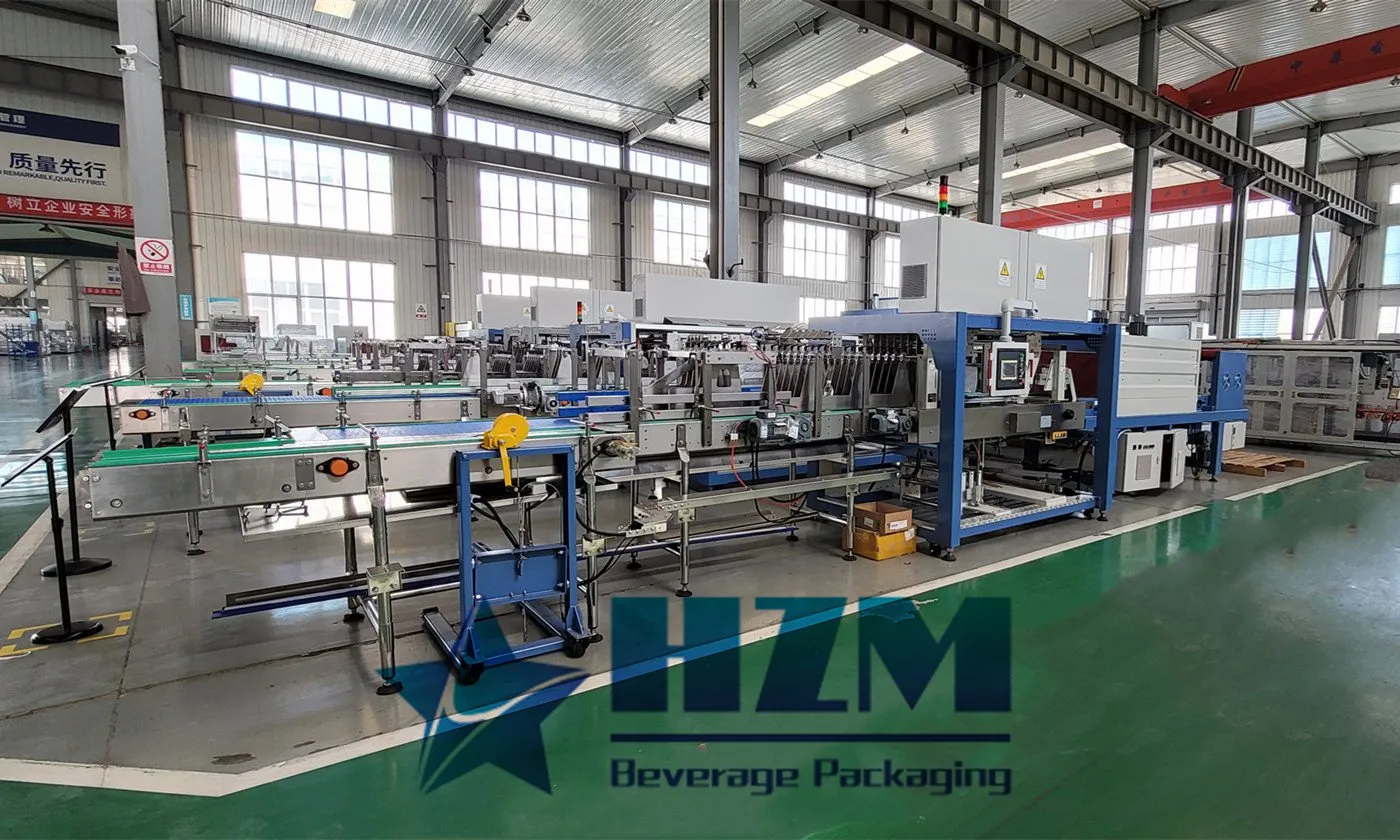
Equipment
Automatic Shrink Packing Machine
The automatic shrink packing machine wraps groups of bottles or cans in film and passes them through a heated shrink tunnel.
Learn more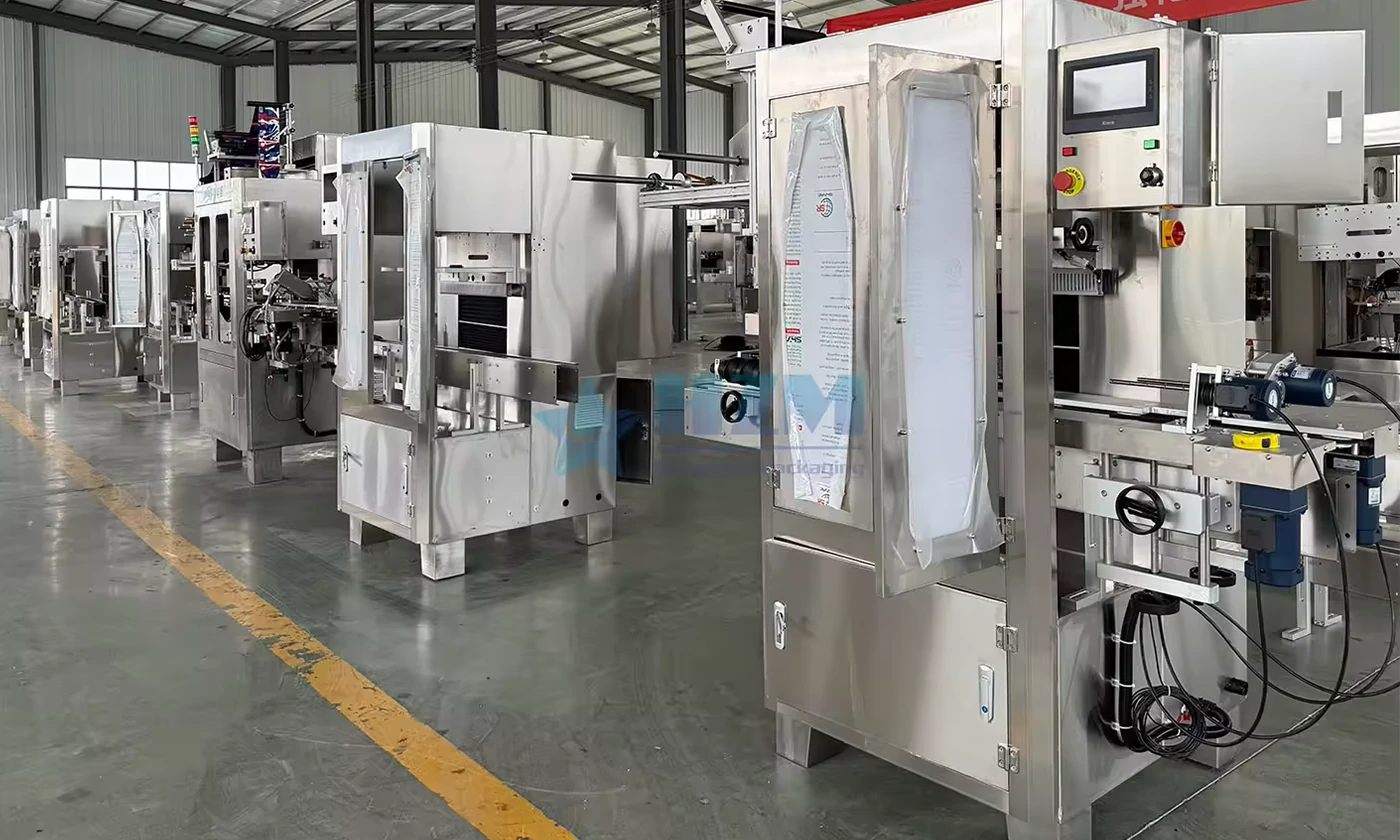
Equipment
Automatic High Speed Bottle Body Sleeve Labelling Machine
The automatic sleeve labelling machine applies shrink sleeves to bottle bodies for water and beverage packaging.
Learn more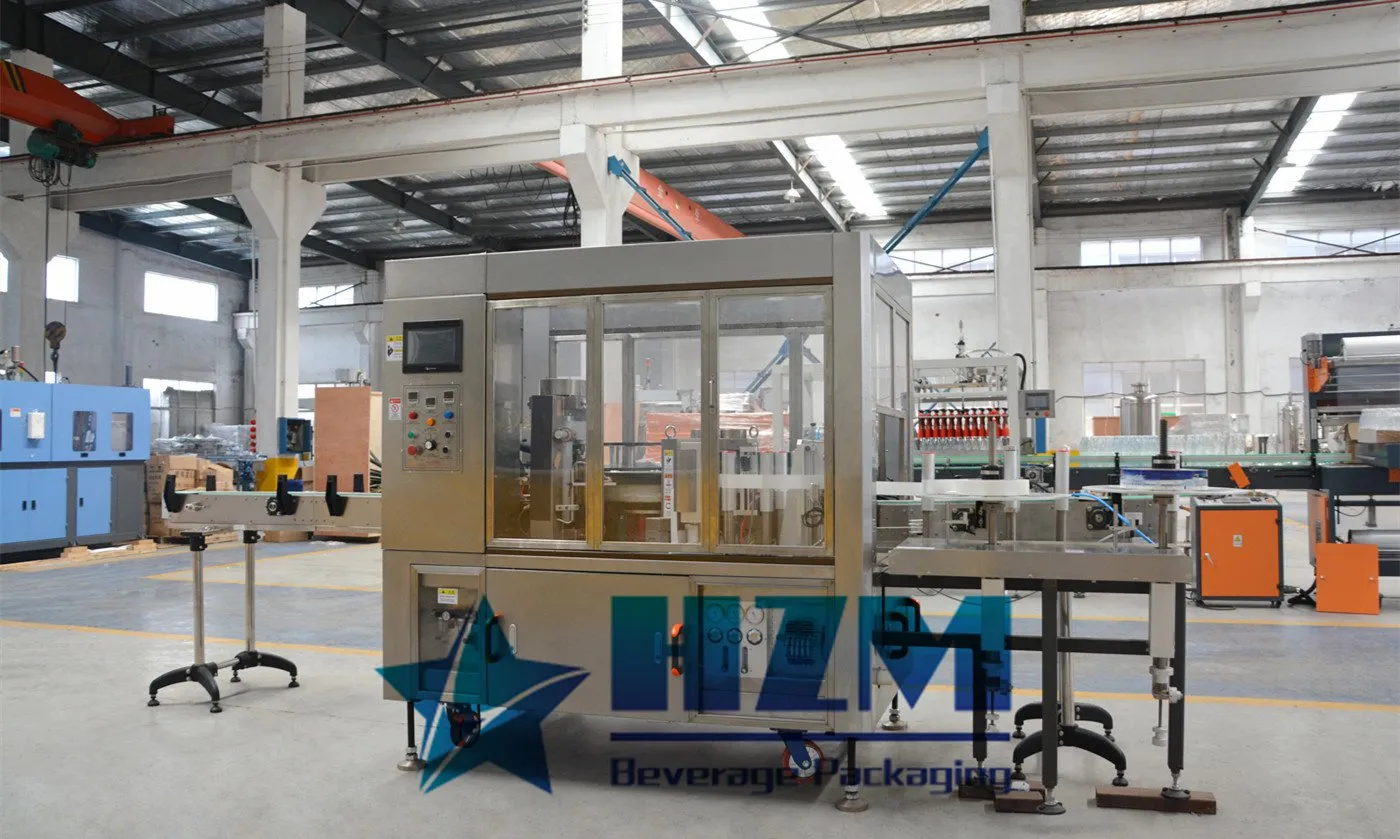
Equipment
Automatic Linear Type Hot Glue Labeling Machine
Linear hot-glue labelling for water and soft-drink bottles, using roll-fed OPP labels at 8,000–24,000 bottles/hour.
Learn more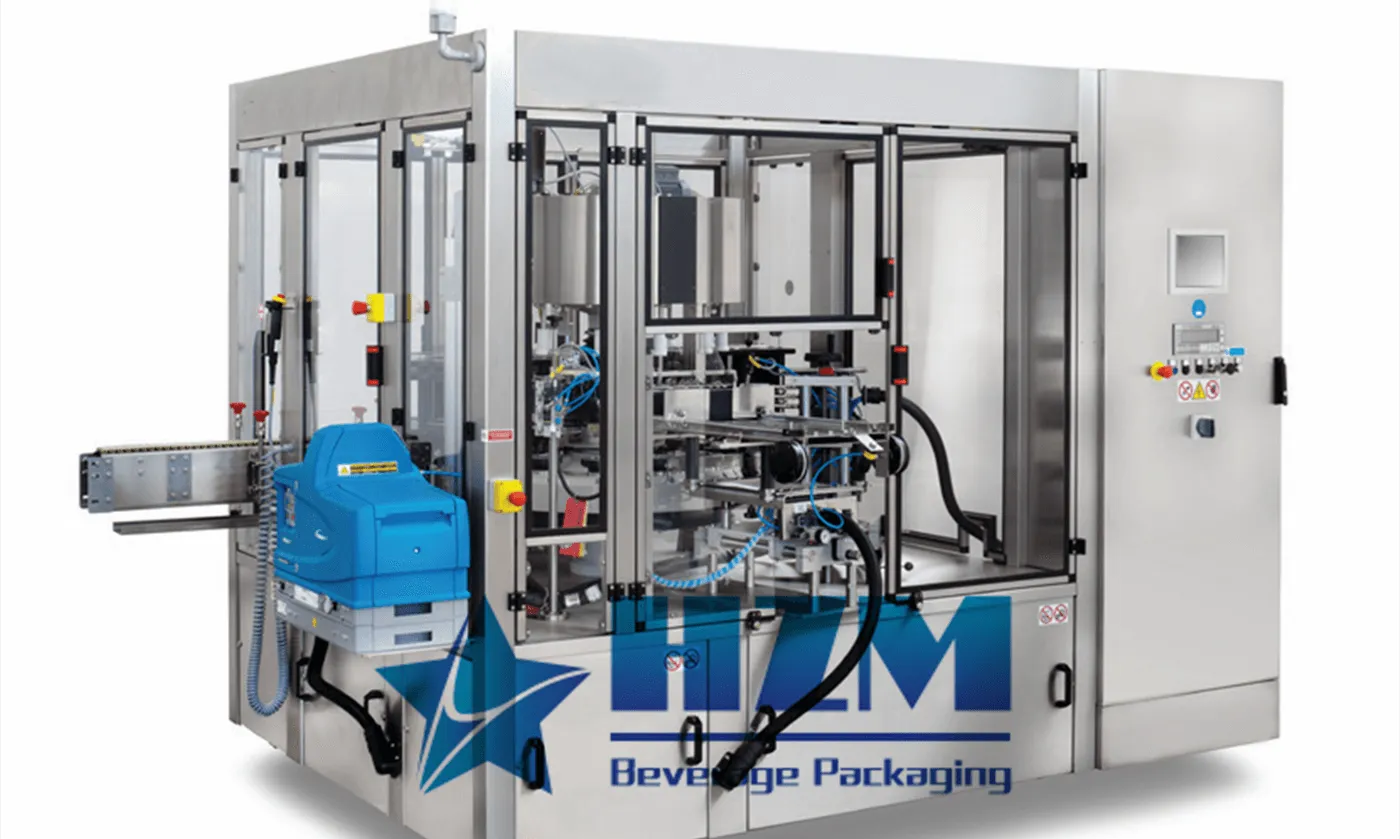
Equipment
Automatic BOPP Hot Glue Labeling Machine
Rotary BOPP hot-glue labelling for beverage containers, with RG models from 8,000 to 24,000 bottles/hour.
Learn more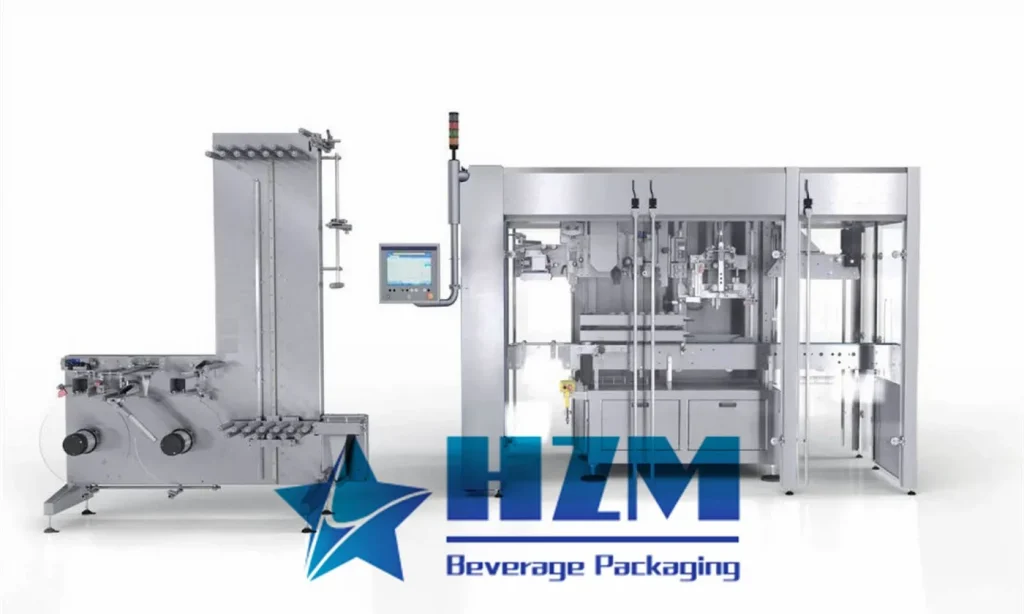
2023-11-03
Automatic 150BPM Sleeve Shrink Labeling Machine
We are a manufacturer specializing in the development, production, and sales of Automatic Sleeve Shrink Labeling Machines. We offer turnkey engineering solutions and have a team of professional after-sales service engineers, with a product warranty period of up to 24 months.
Learn more2026-08-18
Shrink Sleeve Labels Are Skewed: Sensor, Cutter or Bottle?
Inspect the sleeve before heat is applied. Check bottle centering, film web tracking and tension, registration-mark detection, cutter condition, mandrel alignment and sleeve drop timing. Follow this practical fault-isolation, repair and prevention guide for bottling-line operators and maintenance teams.
Learn more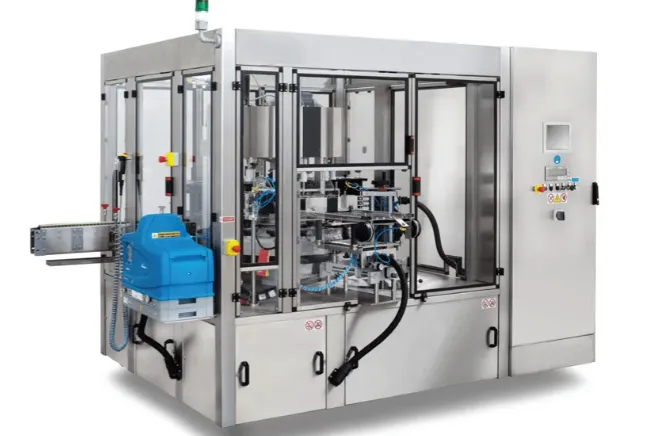
2023-06-01
How Do Label Machines Work?
Labels are vital aspects of every business because these help in different business aspects ranging from packaging to presentation, identification, and traceability. These serve as a communicating
Learn more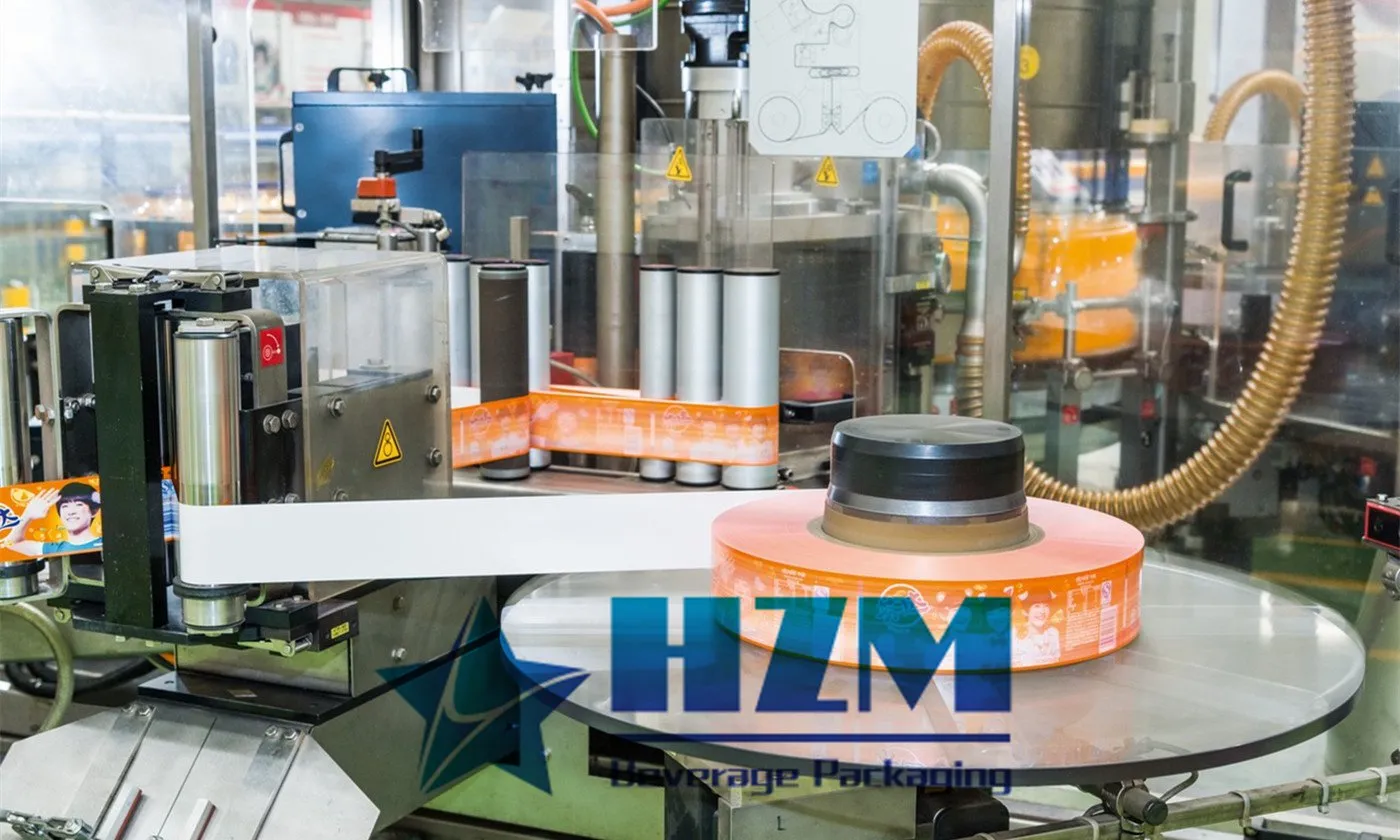
2024-02-29
Essential Maintenance Tips for Labeling Machines
Like countless other mechanical devices, the use of a labeling machine is inseparable from daily correct operation and maintenance. Only when both are carried out simultaneously can the labeling machine perform with maximum efficiency.
Learn more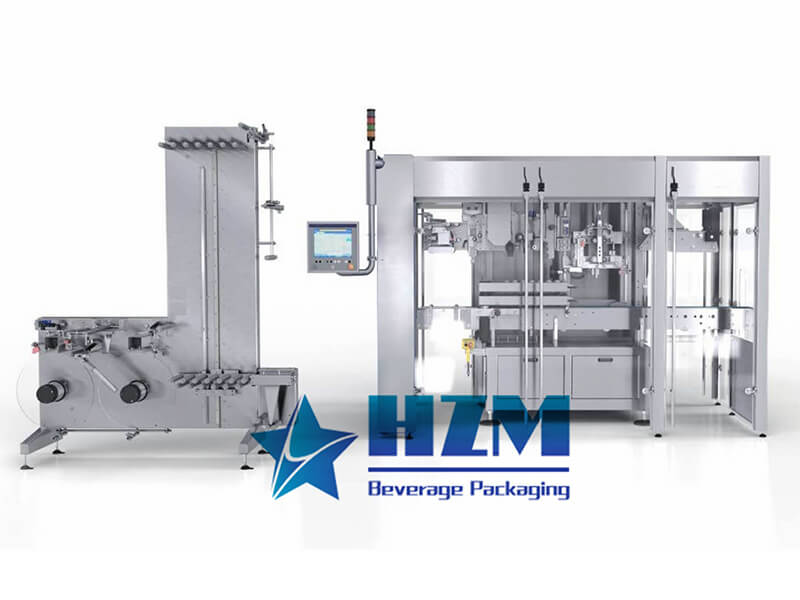
2023-03-24
What is a sleeve labeling machine? How does it work?
What is a sleeve labeling machine? What is it used for? In fact, the function of the sleeve labeling machine and the labeling machine is the same. They are both machines used to fix the label, but the difference from the labeling machine is that the sleeve labeling machine is a sleeve label, and the […]
Learn more2023-05-21
Automatic Sleeve Labeling Machines Purchasing price
Automatic Sleeve labeling machines are widely used label equipment in various industries, mainly for sleeve labeling and shrinking various bottled labels such as juice, tea drinks, dairy products, purified water, condiments, sports drinks, and more
Learn more