
Insights & Updates
Sparkling Water Filling Machine: Pressure Filling, CO2 Control and Capacity
Sparkling water requires a filling process designed to retain dissolved carbon dioxide and produce a consistently sealed package. Product temperature, carbonation level, transfer pressure, container and closure all affect foaming and CO2 loss. A machine described only by stainless-steel grade or a 32,000 BPH headline does not provide enough information for selection.
HZM’s carbonated filling machine range covers carbonated soft drinks, soda water and other sparkling beverages. Published configurations include a 4,000-36,000 BPH range under the stated product and package conditions; the final output must be confirmed for the approved bottle and recipe.
Why sparkling water needs pressure filling
Carbon dioxide stays dissolved more readily under suitable pressure and low product temperature. During filling, uncontrolled pressure change or excessive turbulence can release gas and create foam. A counter-pressure process first establishes suitable conditions in the container, fills the product while managing pressure, and then releases pressure in a controlled way before capping or sealing.
The actual sequence and setpoints depend on the equipment, carbonation target and package. They should be developed during product trials and commissioning rather than copied from a different drink.
Define the product conditions
Provide the water specification, carbonation target, product temperature at the filler inlet and any flavor or ingredient information. Also define the acceptable dissolved CO2 range in the finished package and how it will be measured.
The upstream system must supply stable product conditions. Water treatment, cooling, deaeration where required, carbon dioxide mixing and buffer capacity should be balanced with the filler. The CSD filling production line solution shows how water treatment, beverage processing, CO2 mixing, filling and packaging fit together.
PET bottle, glass bottle or can
Package type changes the filling and sealing equipment. PET bottles require an approved bottle and neck finish designed for the product pressure and distribution conditions. Glass bottles need suitable inspection, handling and closure equipment. Cans use a can filler and seamer rather than a bottle capper.
Do not assume one machine can change between all three packages. For PET sparkling water, review a dedicated product such as the PET bottle CSD beverage filling machine. Send container and closure drawings or production-intent samples before the technical agreement is finalized.
What determines filling-line capacity
Machine capacity depends on container volume, valve count and filling time, but product temperature, carbonation, foaming behavior, closure handling and downstream equipment can also limit sustained output. A 32,000 BPH target should state the reference bottle and all operating conditions.
Ask for a capacity table for every package. Also calculate product flow: bottles per hour multiplied by fill volume. The chilling and carbonation system must continuously supply this demand without allowing temperature or pressure to drift.
Control points that protect product quality
- Product temperature at the agreed inlet and during production.
- Carbonation and pressure conditions in the upstream system.
- Container supply and any required rinsing or preparation.
- Filling sequence, level or volume consistency and foam behavior.
- Closure supply, application and seal integrity.
- Reject handling after a stop or abnormal pressure condition.
- Cleaning status and production-release checks.
Materials and cleanability
Product-contact materials should be specified for the beverage and cleaning chemicals. The correct material grade is important, but cleanability also depends on surface condition, welds, seals, valve design and drainability. Ask the proposal to distinguish product-contact areas from the frame, guards and other non-contact structures.
Downstream handling
Freshly filled carbonated packages should be transferred smoothly. Sudden impacts, poor guide adjustment or packer stops can affect unstable bottles and closures. Labeling, coding and packing equipment must support the required output and package surface conditions. Accumulation should be engineered for the package instead of added as an afterthought.
Information required for a quotation
- Product specification and target carbonation.
- Product temperature available at the filler inlet.
- Container type, volume, drawings and samples.
- Closure or can-end specification.
- Required output for each container.
- Label, code, pack pattern and pallet requirements.
- Raw-water report and upstream process scope.
- Factory utilities, floor plan and line direction.
- Required quality tests and acceptance criteria.
Frequently asked questions
Can a still-water filler be used for sparkling water?
A normal-pressure still-water filler is not the correct process for a carbonated product. Sparkling water needs equipment and controls designed for its pressure, temperature and gas-retention requirements.
Why does colder product usually fill more easily?
Temperature affects how readily carbon dioxide remains dissolved. The exact production temperature must be selected with the product process and equipment supplier and maintained by a correctly sized cooling system.
Is 32,000 BPH possible for every bottle size?
No single number applies to every format. Confirm the output for each approved bottle under defined product and operating conditions, then test the agreed reference case during acceptance.
Talk to our engineering team
Need help planning your packaging line?
Share your product, bottle and capacity requirements for a practical equipment recommendation.
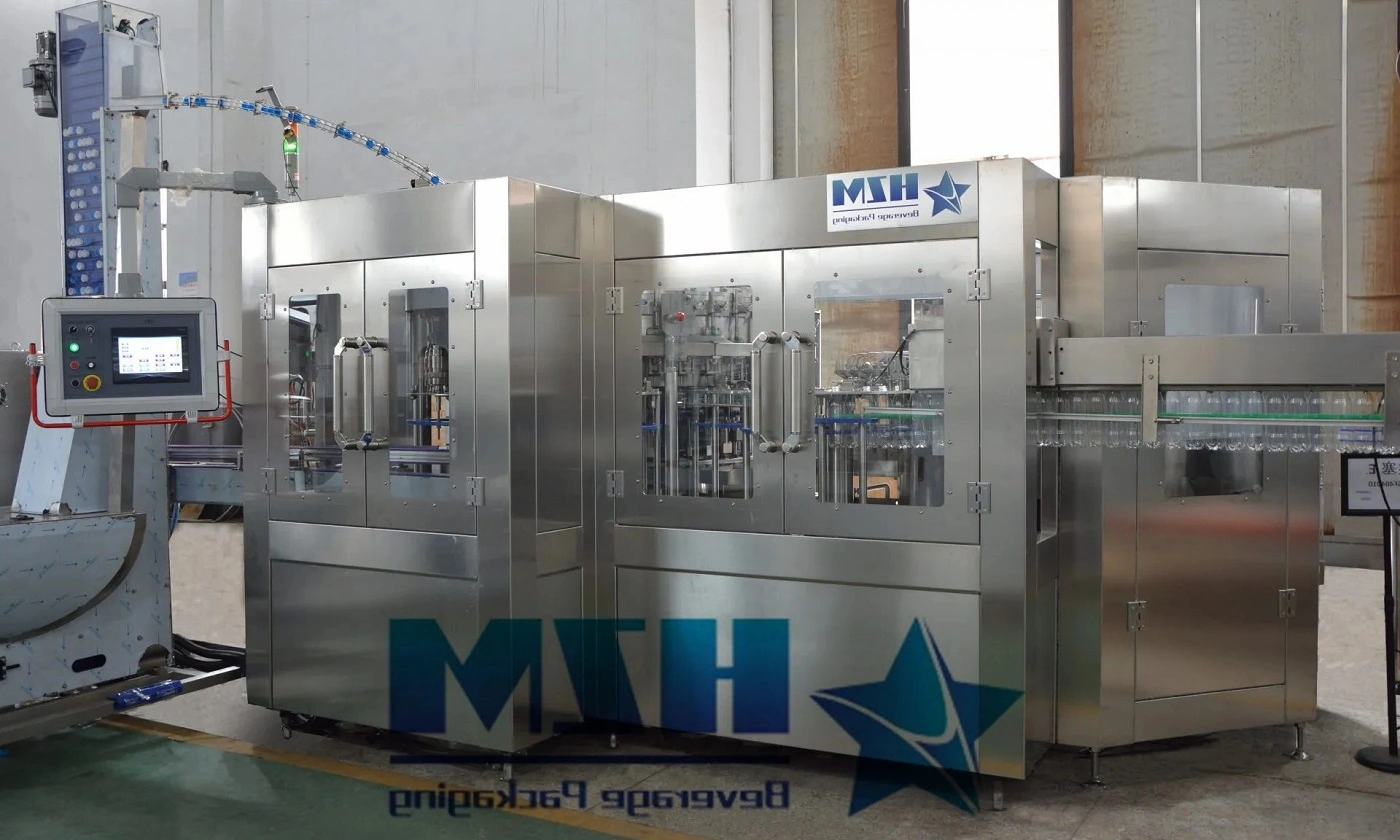
Equipment
Soft Drinks Sparkling Water Filling Machine
PET bottle filling for soft drinks and sparkling water, combining rinsing, counter-pressure filling and capping.
Learn more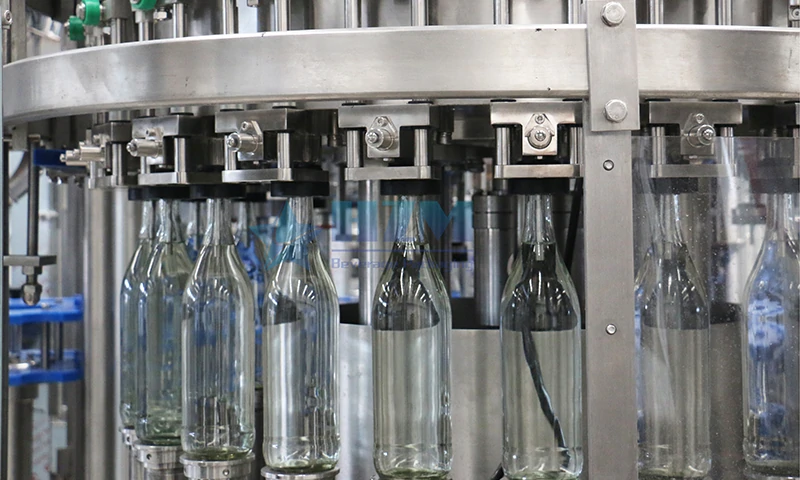
Equipment
Glass Bottle CSD & Water Drinks Filling Machine
DXGF24-24-8-8 glass bottle isobaric filling for carbonated drinks, with rinsing and two capping stations.
Learn more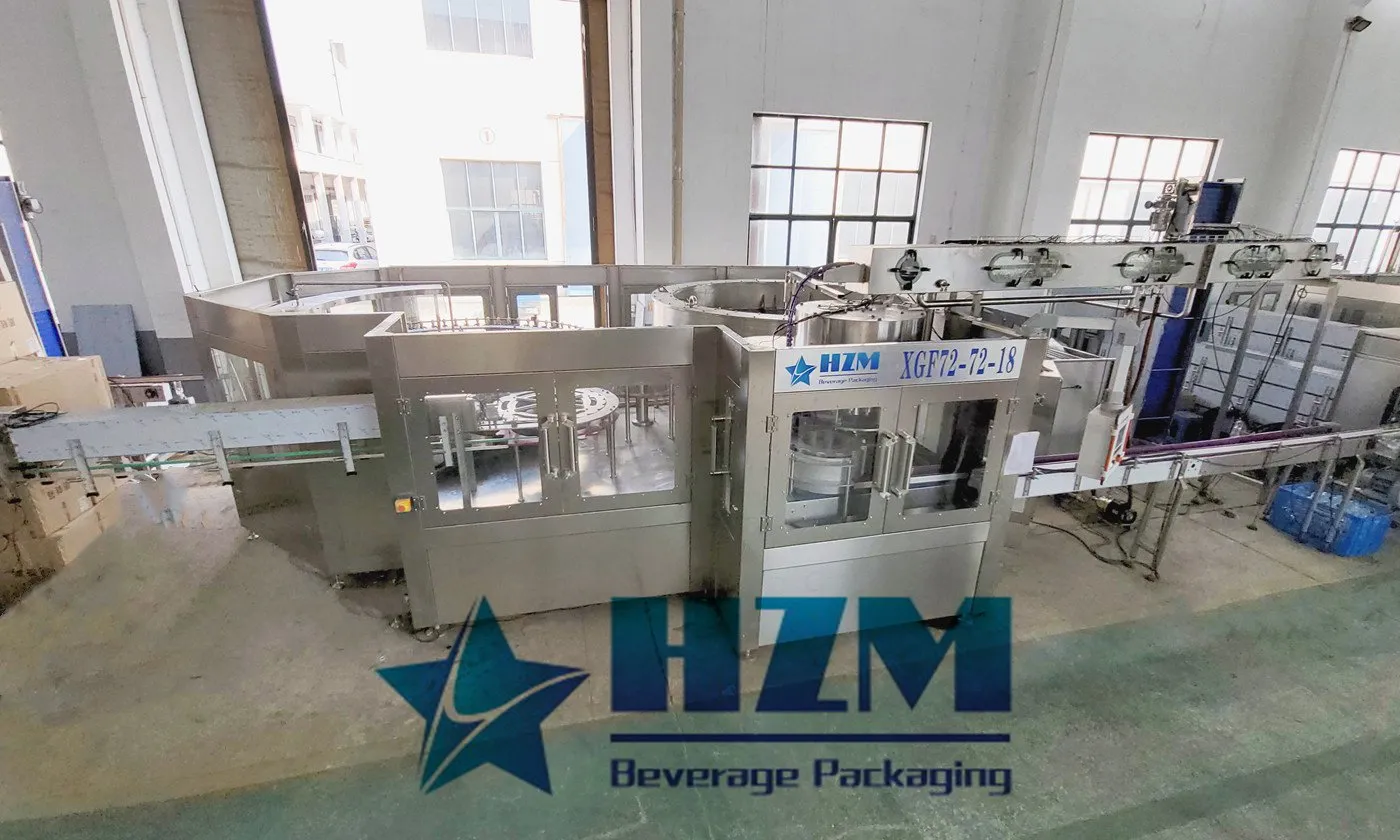
Equipment
Automatic Water Bottle Filling Machine
Automatic rinsing, filling and capping for purified and mineral water in PET bottles, with capacities of 5,000–42,000 bottles/hour at 500 ml.
Learn more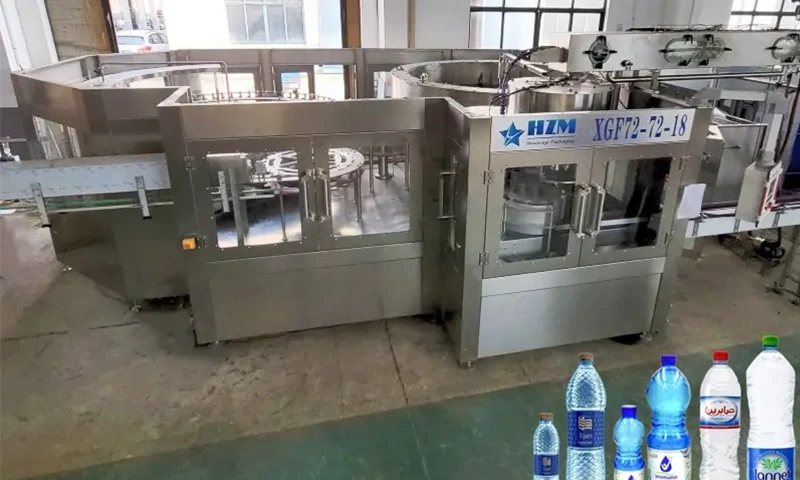
Equipment
3-In-1 Water Bottle Filling Machine
A 3-in-1 PET bottle rinsing, filling and capping machine for drinking water, from 5,000 to 18,000 bottles/hour at 500 ml.
Learn more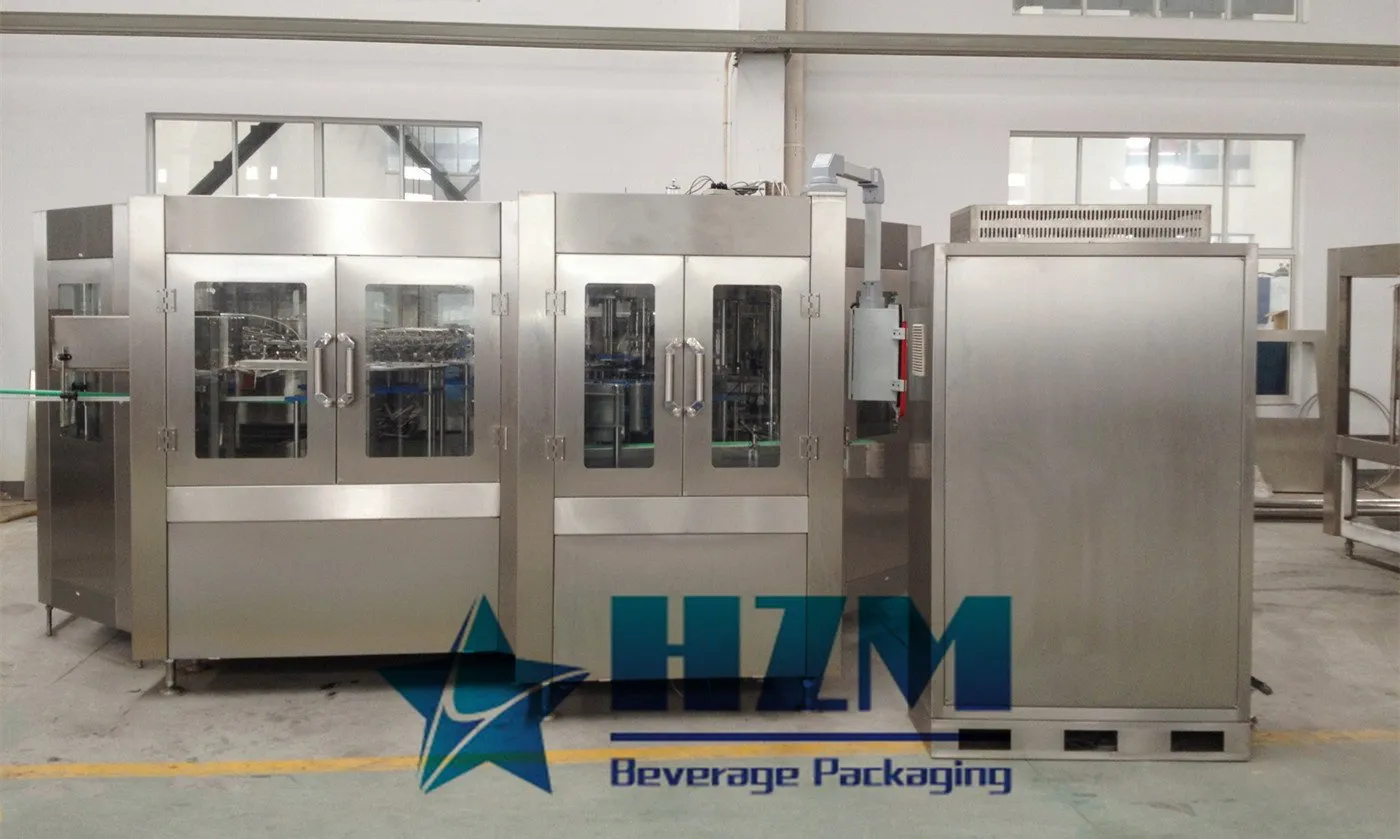
Equipment
PET Bottle CSD Beverage Filling Machine
Automatic PET bottle rinsing, isobaric filling and capping for cola, soda water and other carbonated soft drinks.
Learn more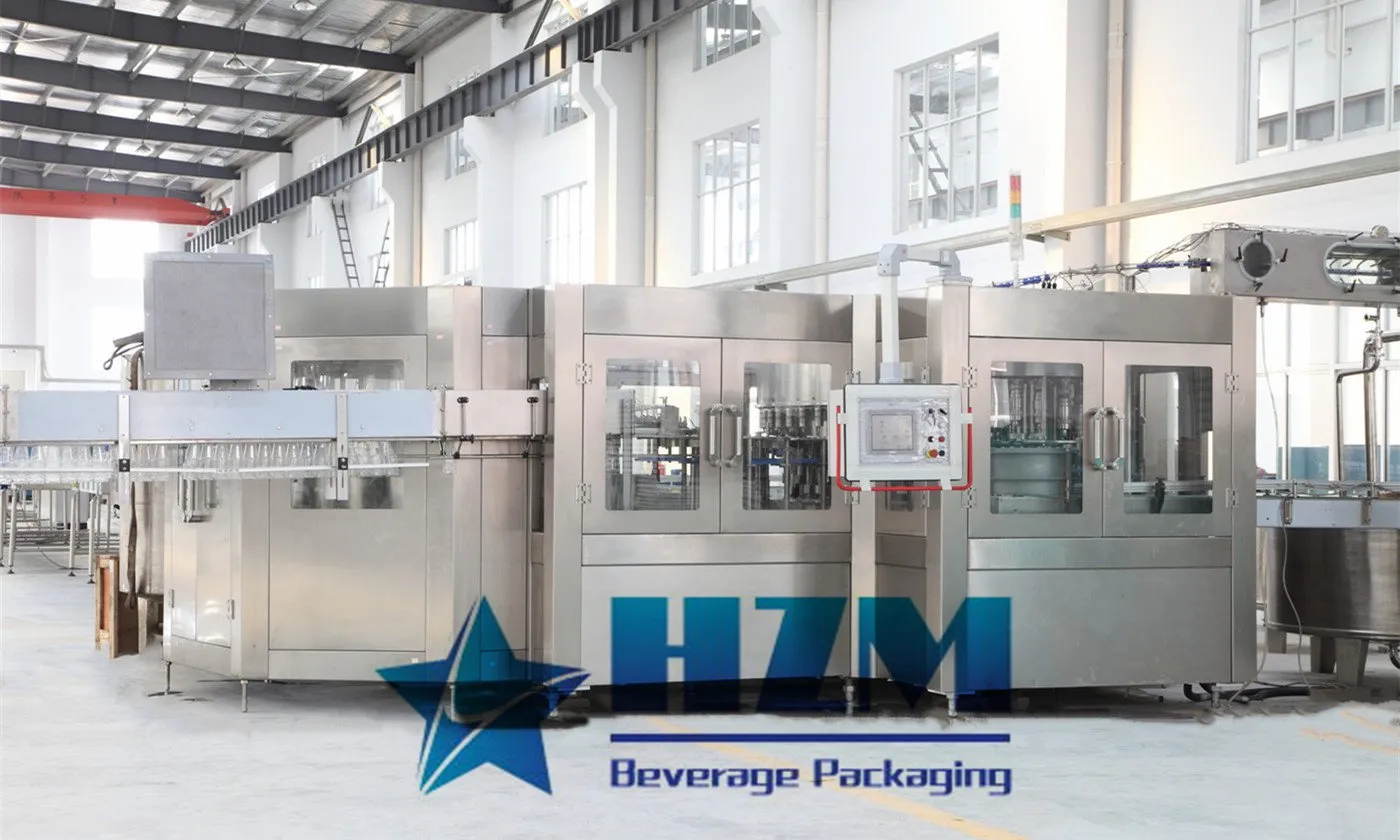
Equipment
PET Bottle Water Filling Machine
PET bottle water filling with automatic rinsing and capping, for purified water, mineral water and still drinking water.
Learn more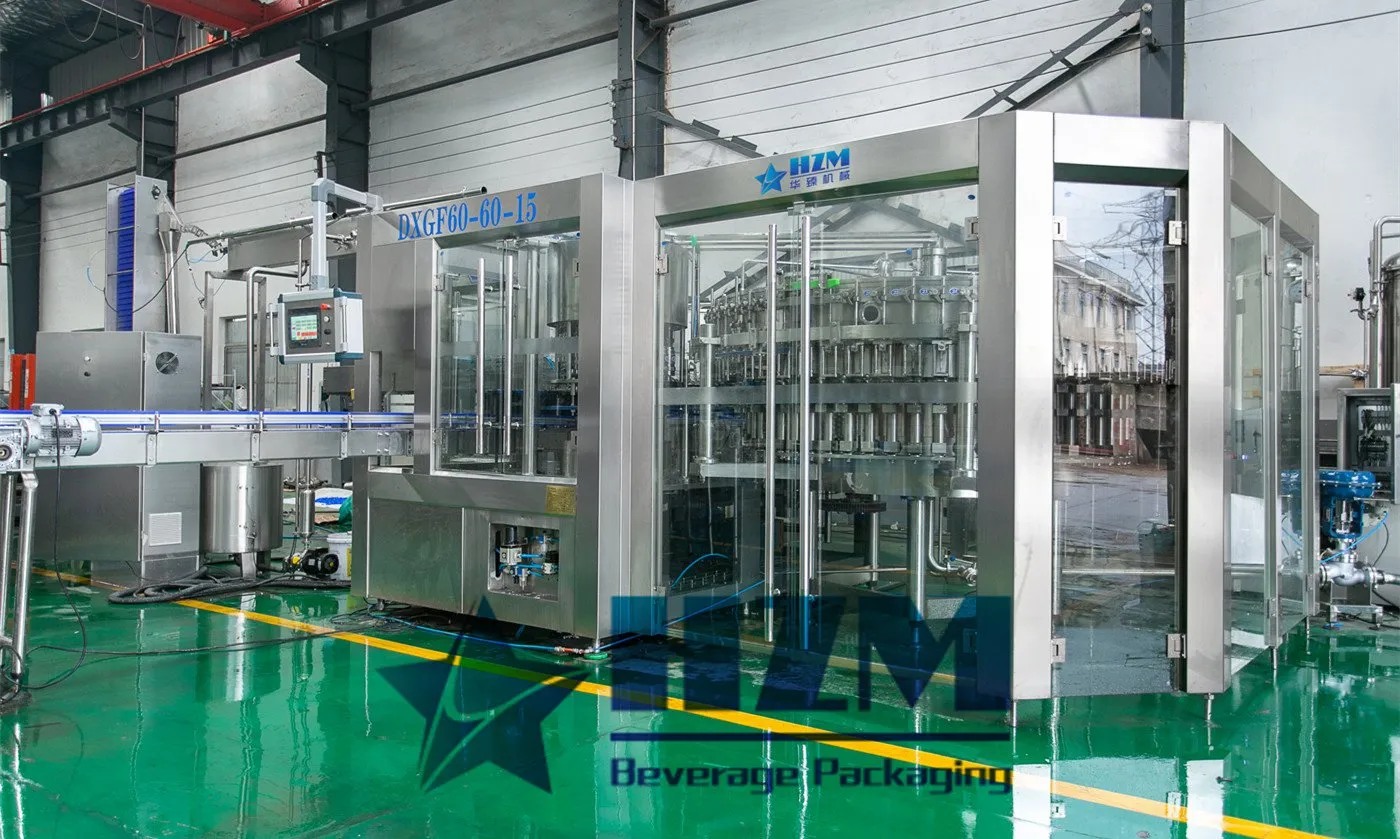
Equipment
Soda Water Filling Machine
Soda water filling equipment with bottle rinsing, isobaric filling and capping for PET-bottled sparkling water.
Learn more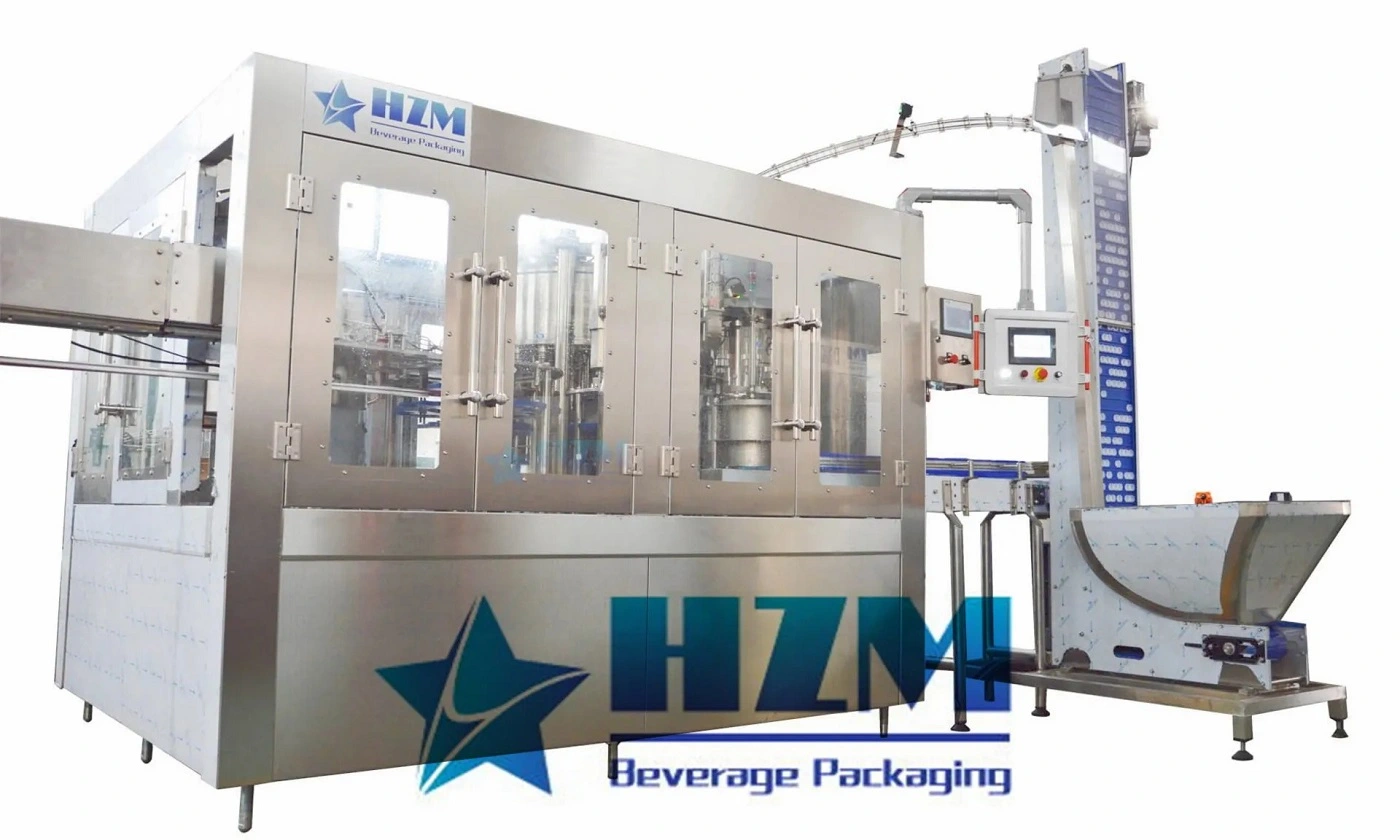
Equipment
Automatic Drinking Water Bottling Machine
Drinking-water bottling equipment with automatic rinsing, filling and capping, plus conveying, labelling and packing options.
Learn more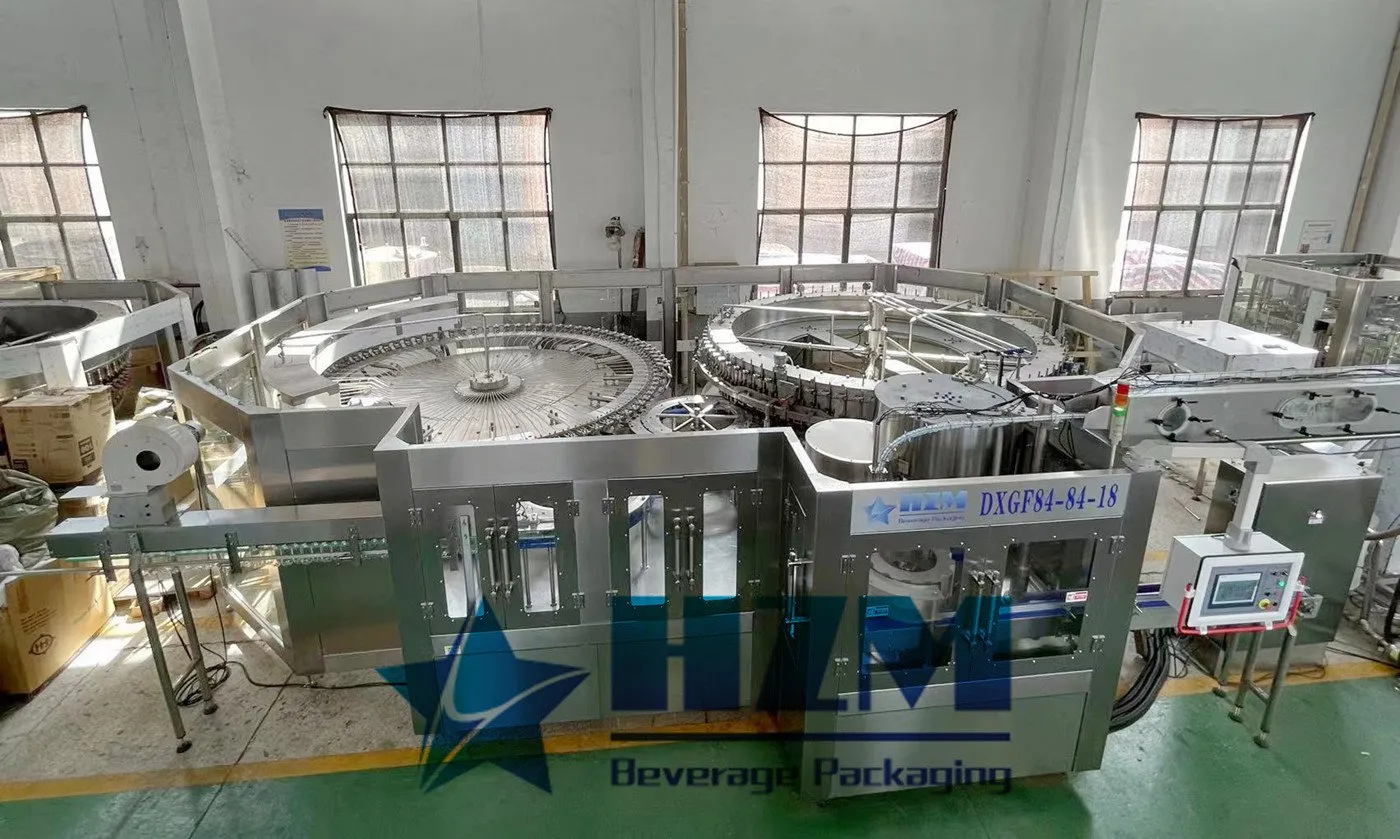
Equipment
Carbonated Drinks Filling Machine
Carbonated drink rinsing, isobaric filling and capping for PET bottles, with capacities of 4,000–36,000 bottles/hour at 500 ml.
Learn more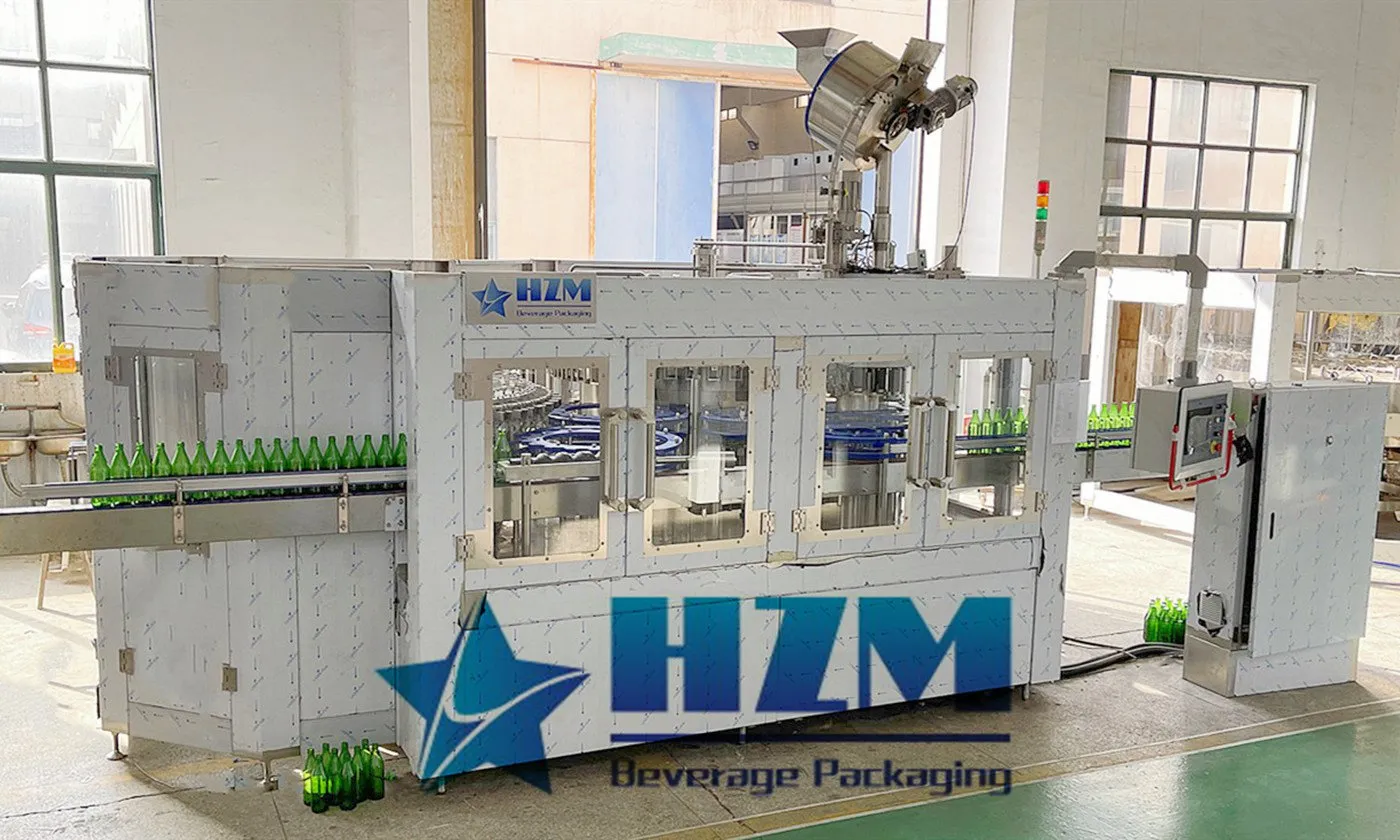
2023-06-09
Glass Bottle Filling Line Guide: Pressure Control for Carbonated Beverages
Practical HZM guidance on glass bottle filling line, focused on pressure control for carbonated beverages, line integration, RFQ data and measurable acceptance checks.
Learn more2023-04-26
Sparkling Water Filling Machine Guide: Process, Selection and Troubleshooting
A practical guide to sparkling water filling machines, covering carbonation, counter-pressure filling, PET and glass packages, capacity planning, foam control, cleaning and acceptance tests.
Learn more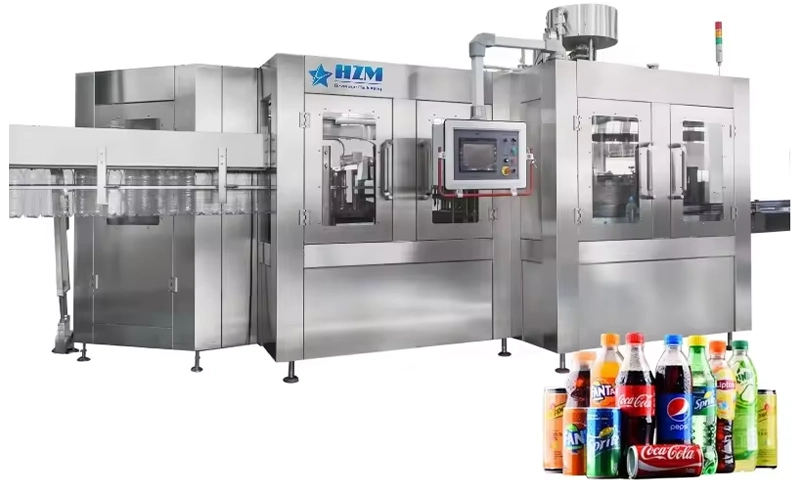
2023-06-09
Carbonated Drink Filling Line Guide: CO2 Control, Isobaric Filling and Foam Reduction
Practical HZM guidance on carbonated drink filling line, focused on co2 control, isobaric filling and foam reduction, line integration, RFQ data and measurable acceptance checks.
Learn more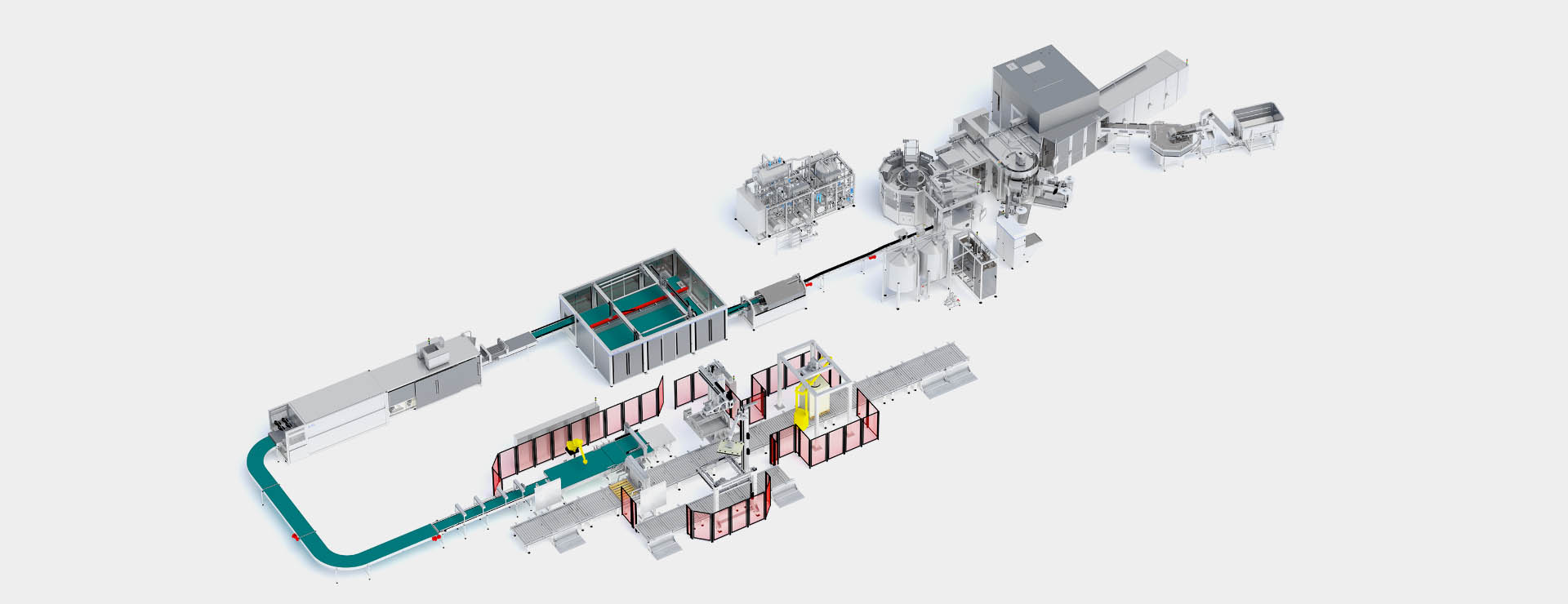
2023-09-26
Carbonated Soft Drink (CSD) Filling Machine
CSD Filling Machines are typically automated or semi-automated systems that can fill a large number of containers quickly and consistently. They often include components like bottle rinsers, filling nozzles, carbonation systems, and capping or sealing stations to complete the packaging process.
Learn more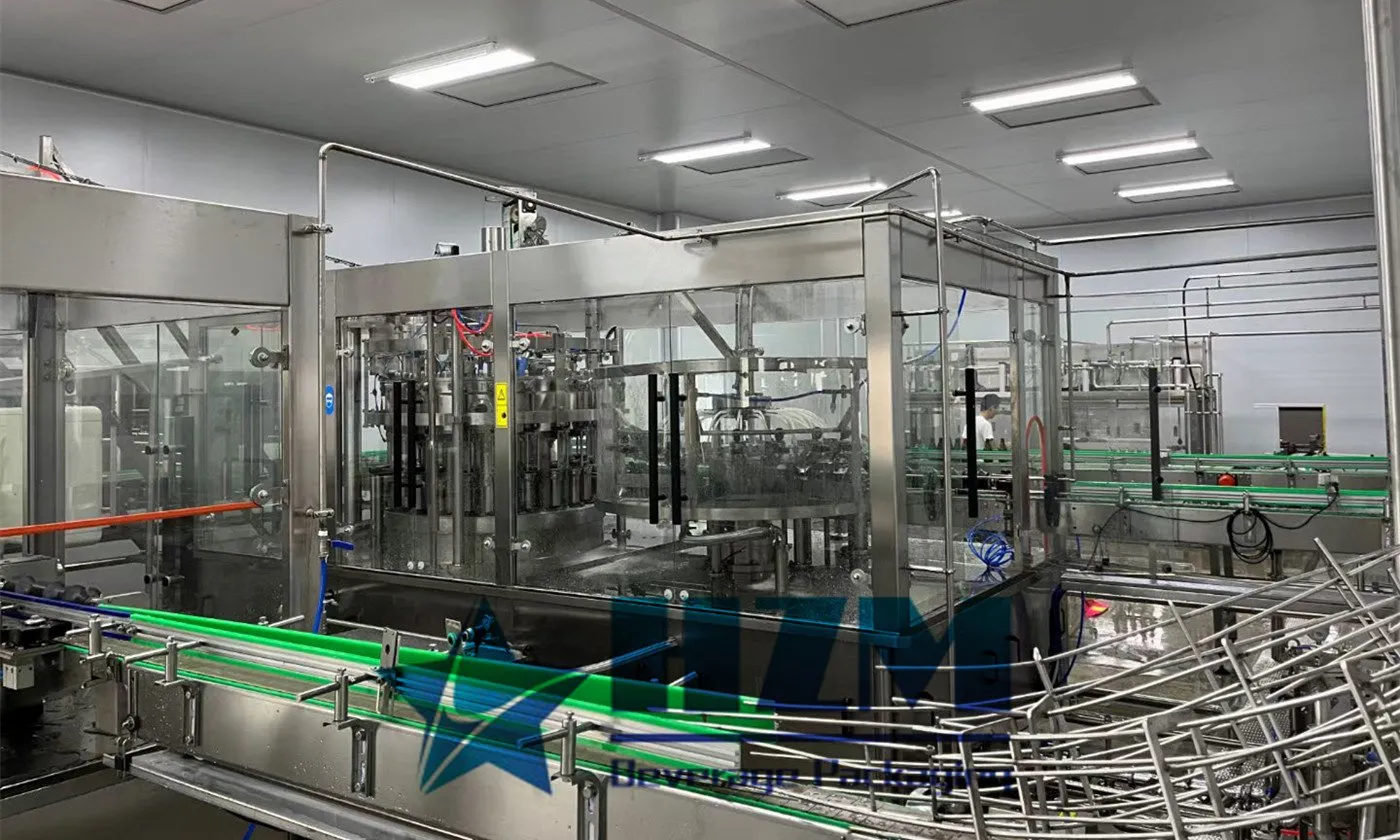
2023-06-09
Beverage Can Filling Line Guide: Counter-Pressure Filling and Foam Control
Practical HZM guidance on beverage can filling line, focused on counter-pressure filling and foam control, line integration, RFQ data and measurable acceptance checks.
Learn more
2023-05-08
Fully Understanding Automatic Beverage Filling Machines
Fully automatic beverage filling machines are the backbone of modern beverage production. They streamline the filling process, ensure accuracy and consistency, and minimize human error, ultimately leading to increased efficiency and productivity.
Learn more