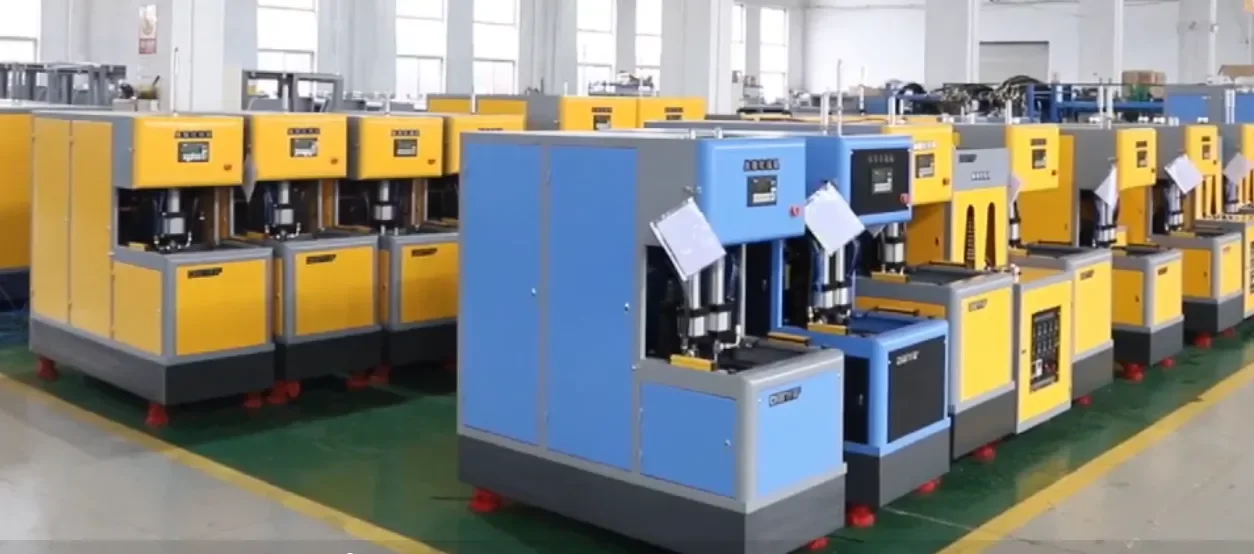
Semi-automatic PET bottle blowing equipment turns heated preforms into bottles with manual involvement in preform loading, transfer or bottle removal. For a four-cavity project, the machine, mould and heating arrangement are specified together to meet the required bottle size and shift output.
Send HZM your bottle and preform drawings to confirm the four-cavity configuration. The quotation specifies the machine model, bottle-size range, production capacity, electrical load and compressed-air requirements for your application.
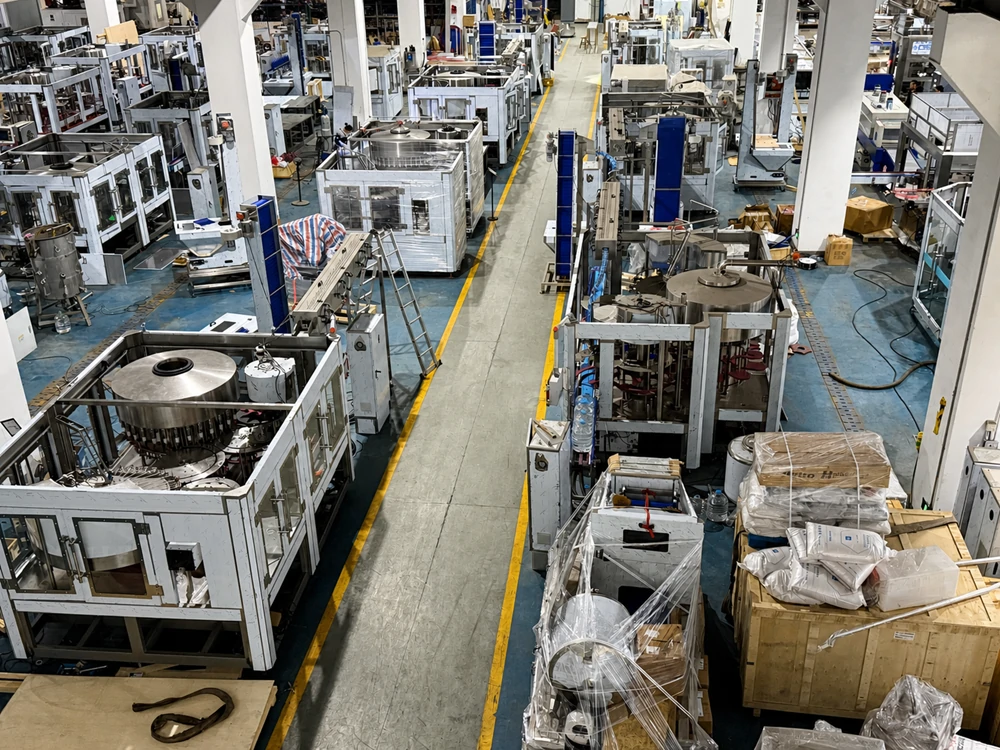
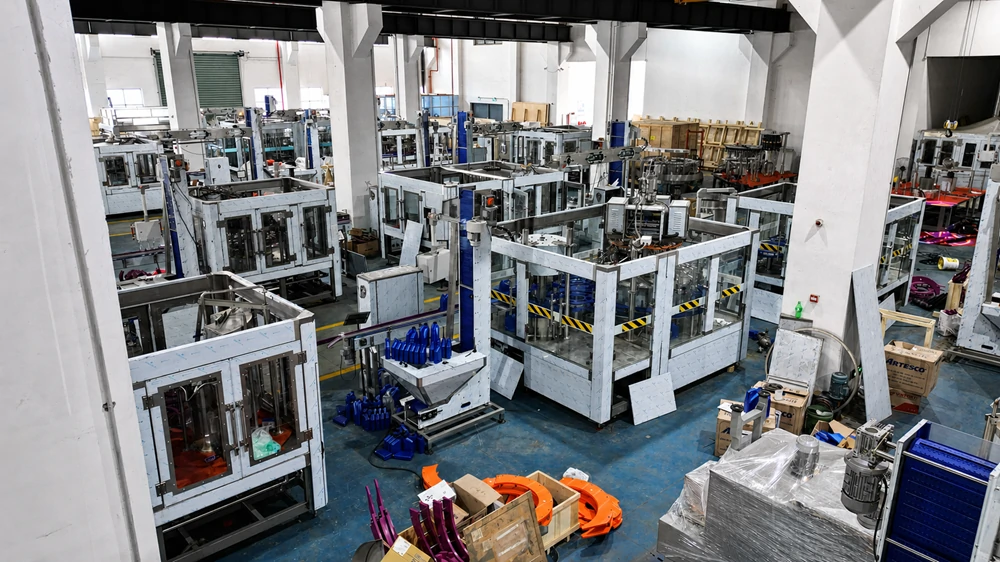
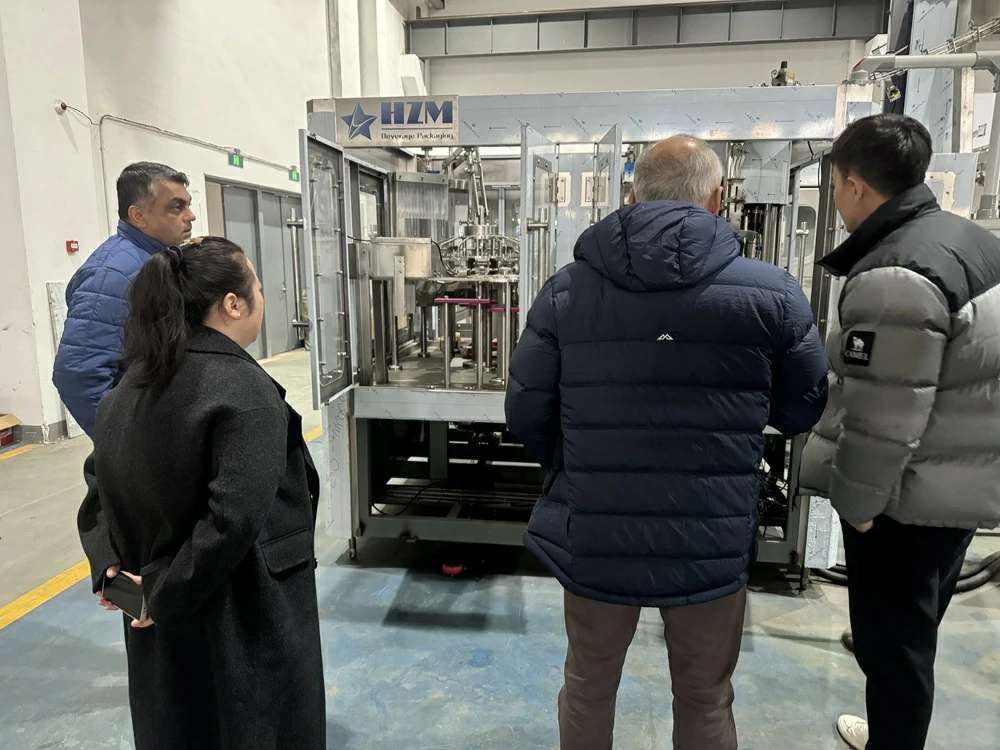
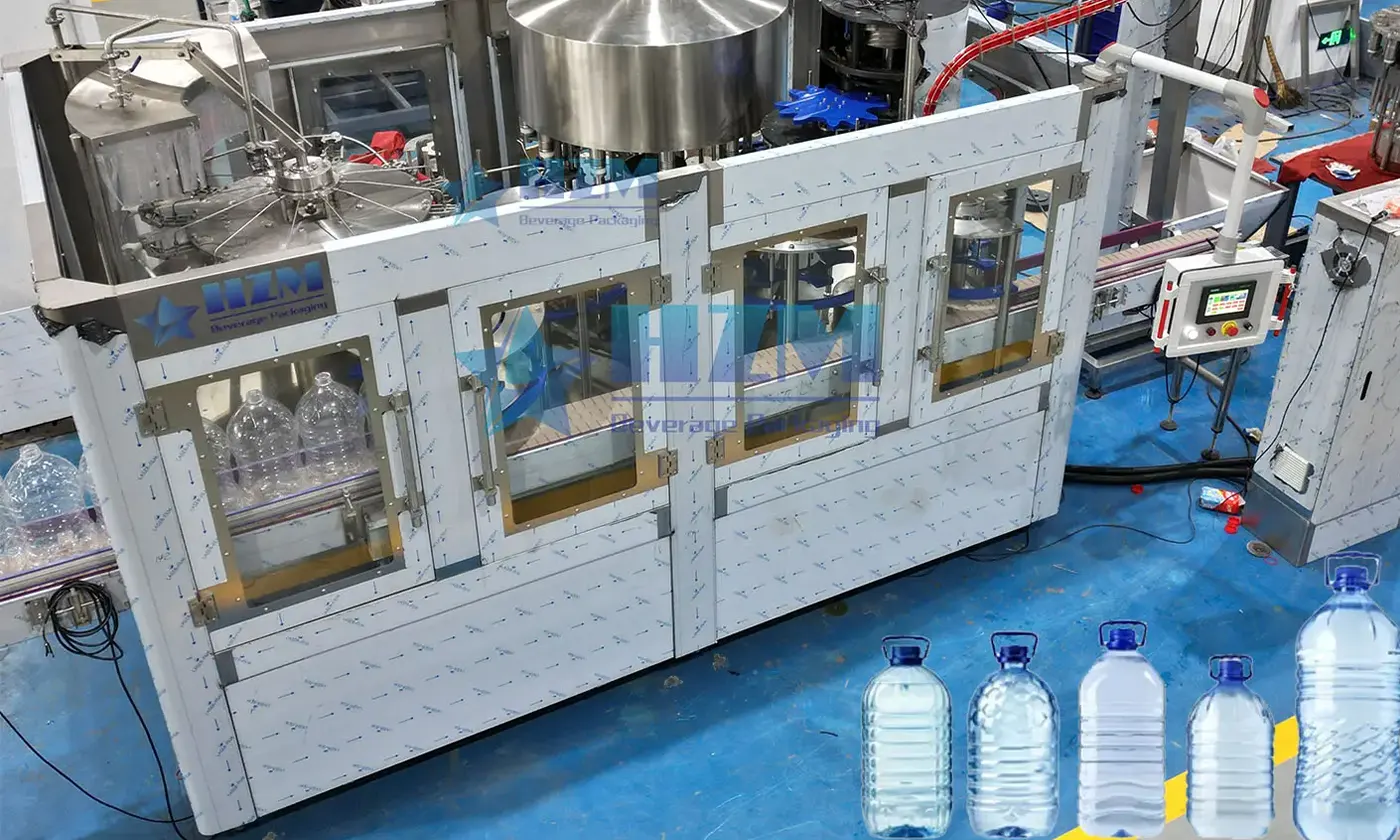
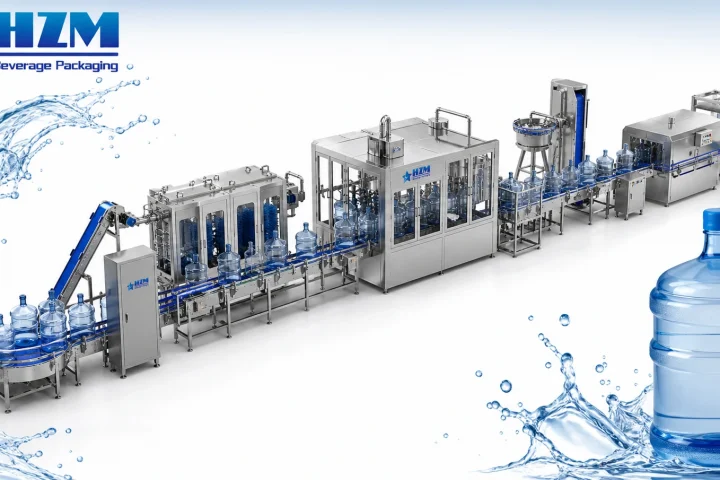
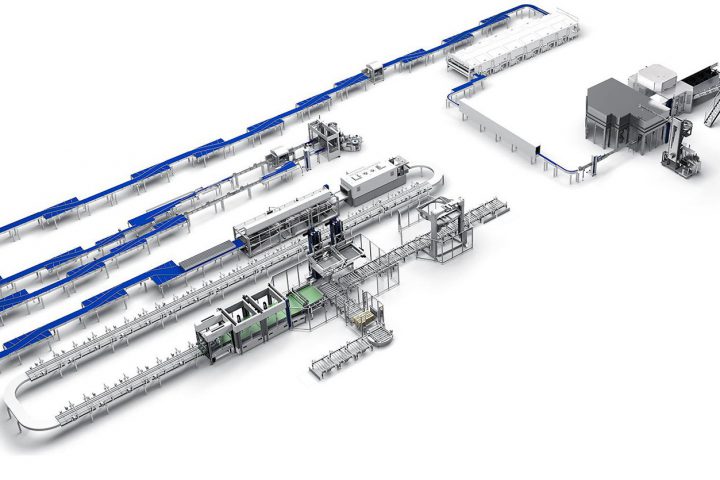
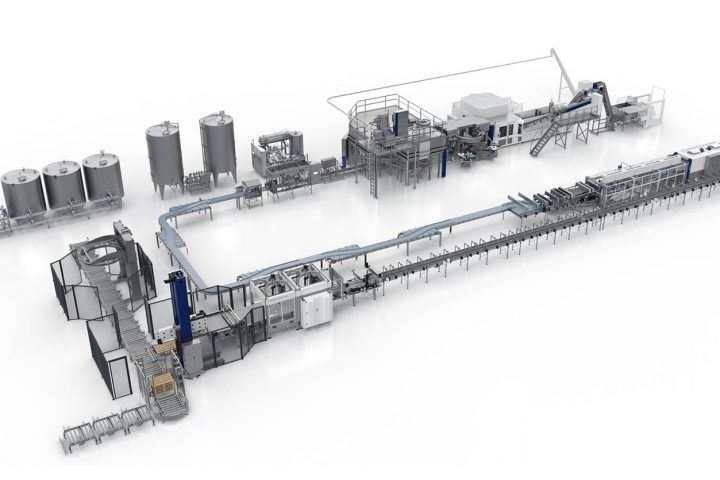
Photo: semi-automatic PET blowing equipment. Machine layout varies with the selected configuration.
How the semi-automatic process affects output
PET preforms are heated to the approved forming condition and transferred to the blowing operation. Inside the mould, stretching and blowing form the bottle; cooling and controlled release allow it to be removed. The precise split between automatic motions and manual handling must be specified for the proposed machine.
In a semi-automatic arrangement, the full cycle includes more than the closed-mould forming time. Loading, transfer, removal and any waiting for the next heated preforms can limit output. Time these activities as one repeating sequence during a trial. If several operators or separate heating stations are needed, include them in the production and cost assessment.
For four bottles per complete cycle, calculate theoretical output as 4 × 3,600 ÷ complete cycle time in seconds. Use the measured cycle including manual handling, then account for stops, rejects and preform replenishment to estimate saleable output.
Bottle requirements and machine configuration
| Item |
Basis for confirmation |
Reason |
| Cavity arrangement |
Four-cavity mould and machine arrangement confirmed with the bottle design |
Physical cavity count and productive cycle must match the proposal |
| Bottle volume and dimensions |
Approved bottle drawings and samples |
Volume alone does not describe mould space or material distribution |
| Preform and neck finish |
Preform drawing, weight, material and neck specification |
Determines holders, heating and bottle/closure compatibility |
| Good bottles per hour |
Measured complete operating cycle with the selected bottle |
Includes operator-dependent handling and quality acceptance |
| Blowing air and control air |
Specified pressure, flow and air-quality requirements |
A compressor must satisfy delivery conditions, not only motor power |
| Cooling and electrical supply |
Engineering data for the agreed machine and mould |
Required for stable forming and site utility planning |
| Staffing and auxiliary equipment |
Demonstrated operating sequence and supply scope |
Determines real labour, floor area and operating cost |
Select the preform and bottle as a pair
Two bottles with the same volume can need different preforms because their height, width, base and material distribution differ. The preform neck is already formed before blowing, so the neck finish must match the required cap and machine handling arrangement. Changing bottle shape may require a new mould and a revised heating and blowing process.
State whether the bottle will contain still water, a carbonated drink, edible oil or a hot-filled product. These duties impose different packaging requirements. A bottle that looks satisfactory when empty still needs the relevant dimensional, closure and mechanical checks for its intended use.
What to include beyond the blowing machine
Define whether the offer includes the preform heater, mould, compressor, air receiver, air treatment, cooling equipment and connections. Confirm who supplies installation piping and electrical distribution. The utility list should distinguish equipment ratings from measured consumption at the agreed bottle output.
Manual handling also requires a practical workstation: safe reach distances, space for preforms and finished bottles, protection from hot and moving parts, and an approved guarding arrangement. Maintenance and jam clearance must use the manufacturer’s isolation procedure. Production output should never depend on bypassing a guard or rushing a protected machine sequence.
Semi-automatic or fully automatic blowing?
For fully automatic bottle production, the HZM servo blow moulding range includes the four-cavity HZ-4000E and HZ-4000S. Their capacities at 500 ml are 5,400 and 6,000 bottles/hour respectively. These automatic machines have different bottle-size limits and operating workflows from semi-automatic equipment.
Compare the alternatives using required output, available operators, bottle-size range, utilities and shift pattern. An automatic machine may be appropriate for continuous bottle supply to a filler; a semi-automatic arrangement should be judged on the actual production workflow and total cost per acceptable bottle.
Trial and enquiry requirements
Ask for a complete run using the intended preforms and mould, showing heating, loading, forming and bottle removal. Record good bottles, rejects, staffing and the elapsed production period. Examine samples from each cavity and verify the package tests agreed for the application.
Send HZM the bottle and preform drawings, application, target output per shift, cap details, available power and air supply, and intended working hours. The resulting proposal should identify the exact four-cavity configuration and all confirmed operating parameters before purchase.