
Insights & Updates
Analysis of Market Demand in the Fully Automatic Blow Molding Machine Industry
Overview of Fully Automatic Blow Molding Machines
Fully automatic blow molding machines are widely used machines primarily designed for the production of PET plastic bottles. They can manufacture plastic bottles in various shapes, sizes, and capacities, extending their application to the production of other plastic products like water and wine glasses. Utilizing advanced technological processes, these machines are known for their efficiency, precision, and safety, making them highly favored by consumers. Fully automatic blow molding machines find extensive applications in various industries such as food, beverages, pharmaceuticals, chemicals, and daily necessities, establishing themselves as indispensable production equipment.
Market Demand for Fully Automatic Blow Molding Machines
- Food Industry
The food industry is a major market for fully automatic blow molding machines. With economic development and an improved standard of living, the food industry’s demand for high-quality, safe, and environmentally friendly packaging continues to grow. PET plastic bottles produced by fully automatic blow molding machines exhibit excellent airtightness and cold resistance, meeting diverse packaging requirements for various food products. Additionally, these machines boast high production efficiency, catering to the substantial production needs of the food industry.
- Beverage Industry
The beverage industry is another significant market for fully automatic blow molding machines. PET plastic bottles are a common packaging choice for beverages, and these machines meet the industry’s requirements for high-quality and high-efficiency bottle production. Moreover, the lightweight, easy transport, and portability of PET bottles align well with consumer demands for beverages in daily life.
- Pharmaceutical Industry
The pharmaceutical industry stands as a major market for fully automatic blow molding machines due to its stringent packaging requirements. These machines produce PET plastic bottles with excellent sealing performance and contamination prevention, meeting the pharmaceutical industry’s demand for high-quality packaging.
- Chemical Industry
The chemical industry is also a primary market for fully automatic blow molding machines. Chemical products such as reagents, liquid oils, and cosmetics necessitate bottles with leak-proof, explosion-proof, and acid-base resistant characteristics. PET plastic bottles produced by fully automatic blow molding machines meet these requirements, satisfying the chemical industry’s demands for high-quality and efficient bottle packaging.
- Daily Necessities Industry
The daily necessities industry, encompassing the production and packaging of detergents, shampoos, shower gels, and similar products, is also a market for fully automatic blow molding machines. These machines effectively enhance production efficiency, manufacturing high-quality, environmentally friendly PET plastic bottles that meet the industry’s demand for premium packaging.
Conclusion
The market demand for fully automatic blow molding machines is substantial, spanning across diverse industries such as food, beverages, pharmaceuticals, chemicals, and daily necessities. With their characteristics of efficiency, precision, and safety, these machines are well-positioned to cater to the increasing demand for high-quality, environmentally friendly, and safe packaging. As the market evolves and living standards rise, the demand for premium packaging is expected to further drive the widespread adoption of fully automatic blow molding machines in the future.
Talk to our engineering team
Need help planning your packaging line?
Share your product, bottle and capacity requirements for a practical equipment recommendation.
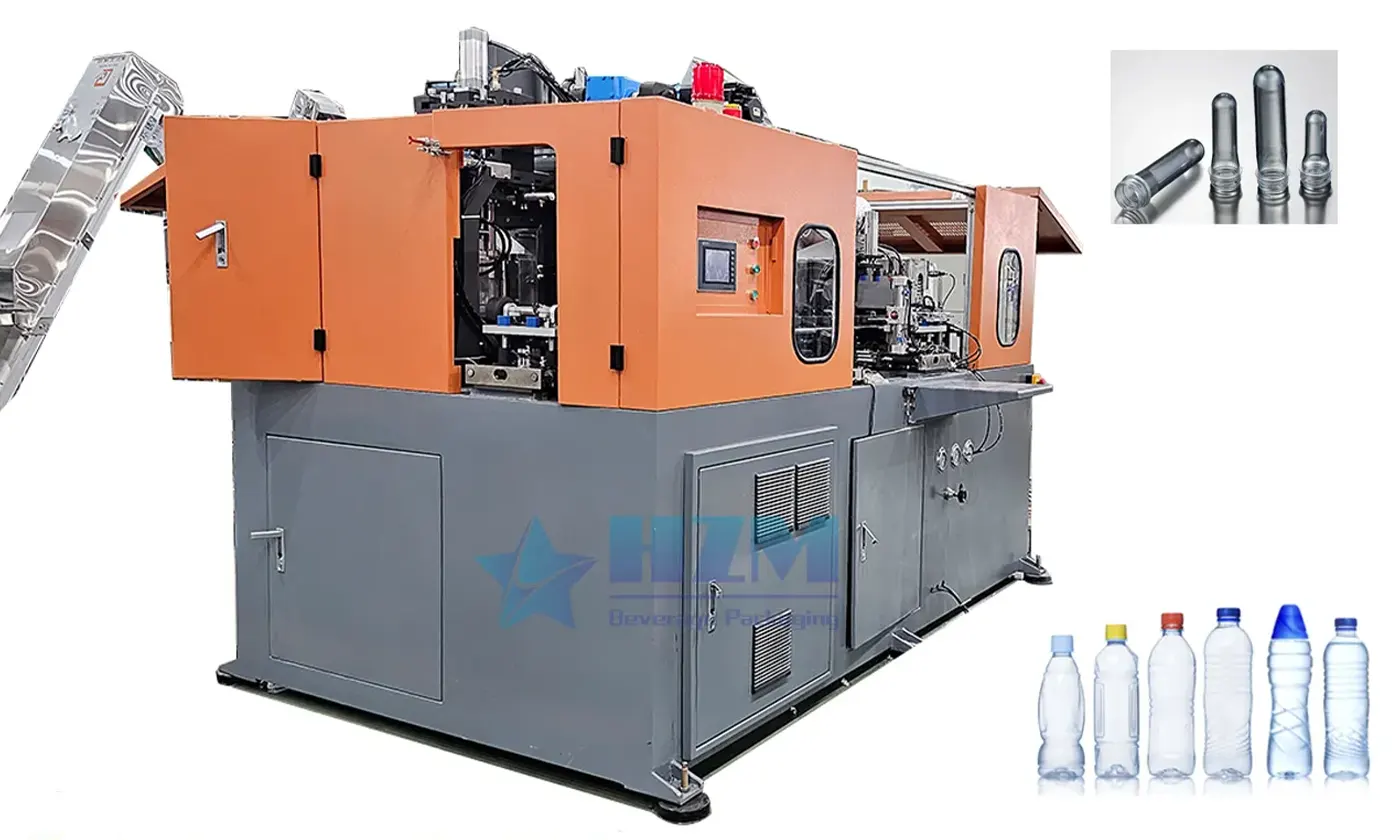
Equipment
PET Bottle Blow Molding Machine
PET bottle blow moulding with 6–12 cavities and capacities of 12,000–21,600 bottles/hour at 500 ml.
Learn more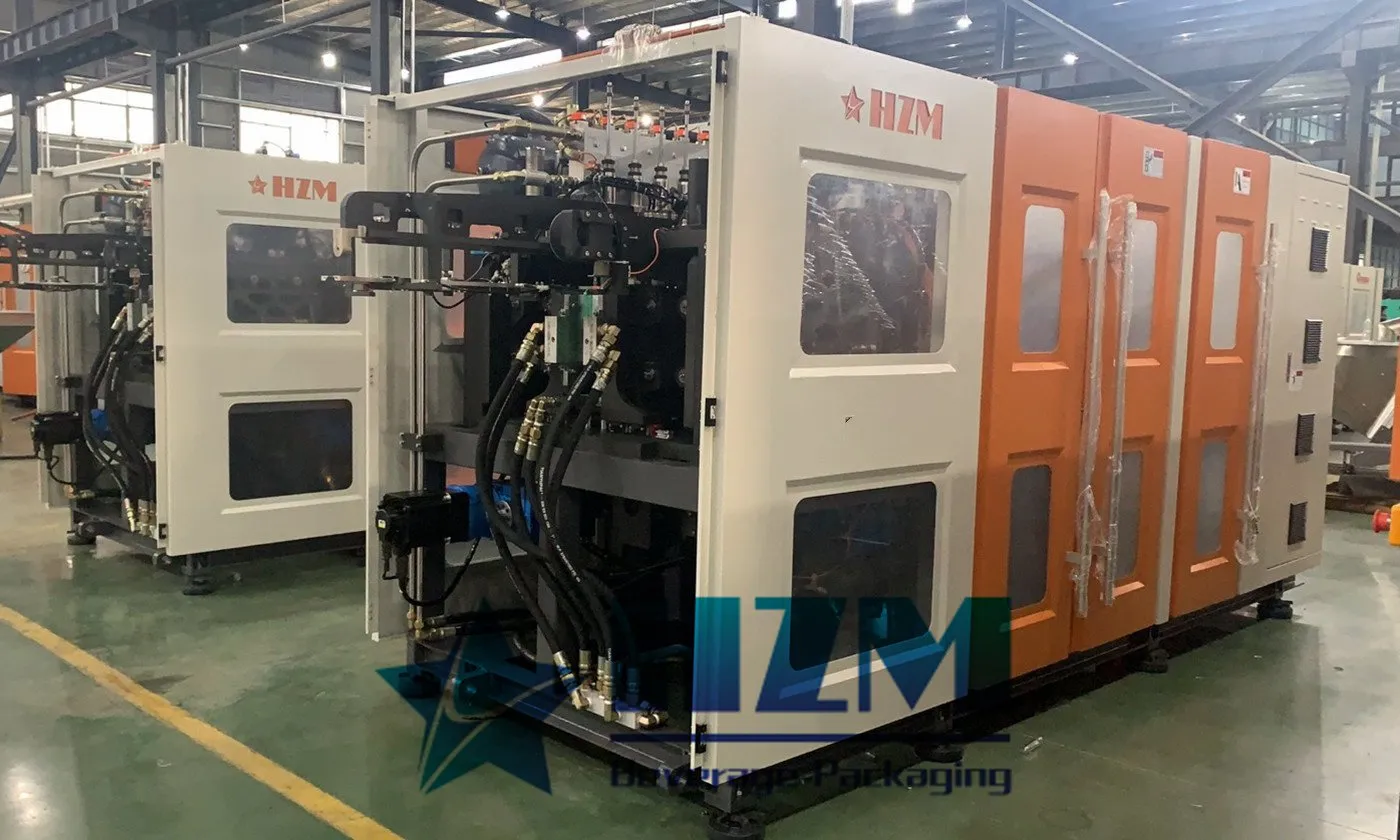
Equipment
Automatic Blow Molding Machine
Automatic PET bottle blowing for water and beverage packaging, with capacities of 12,000–24,000 bottles/hour at 500 ml.
Learn more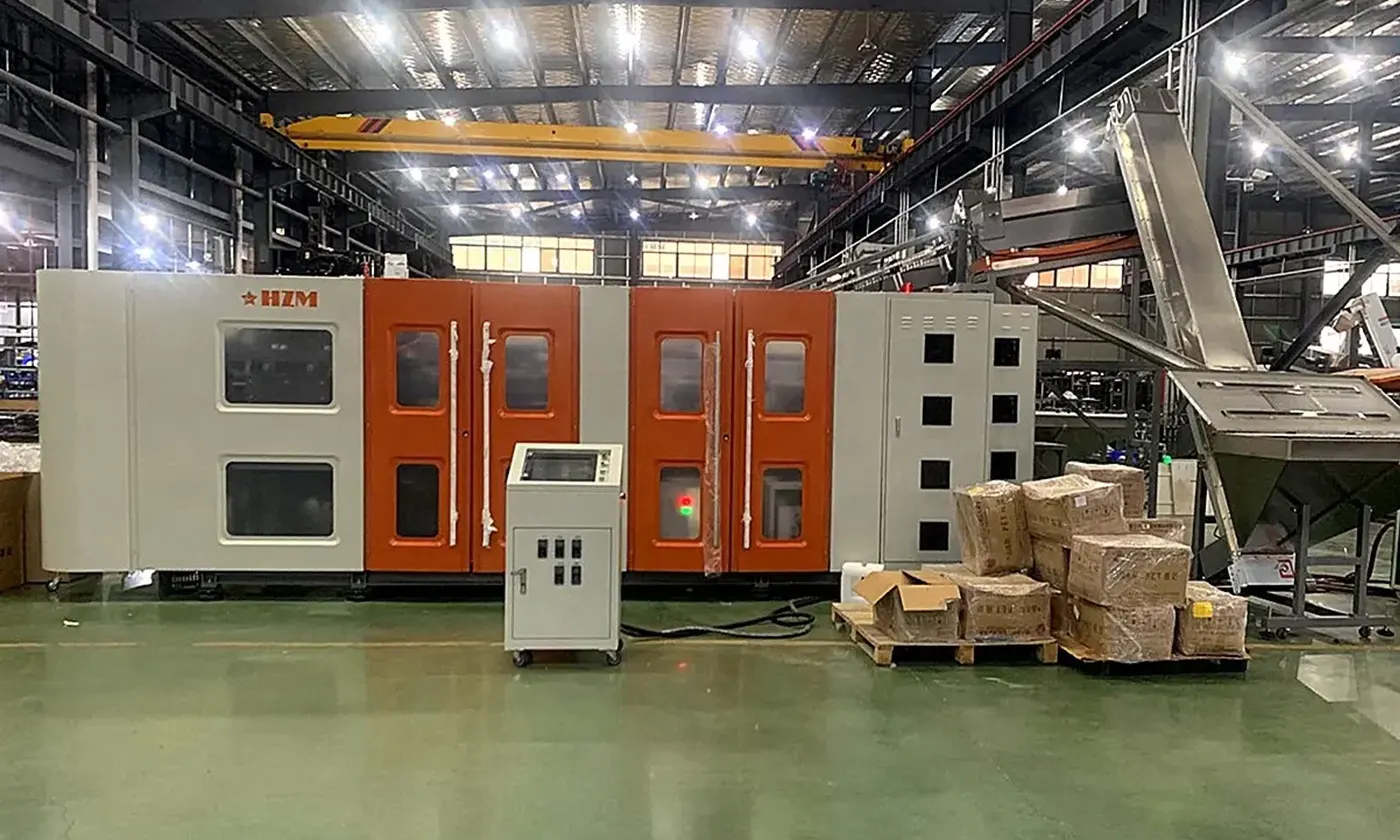
Equipment
Automatic PET Stretch Blow Molding Machine
Automatic PET stretch blow moulding with 2, 4 or 6 cavities and HZM-ECO model capacities of 1,800–7,000 bottles/hour.
Learn more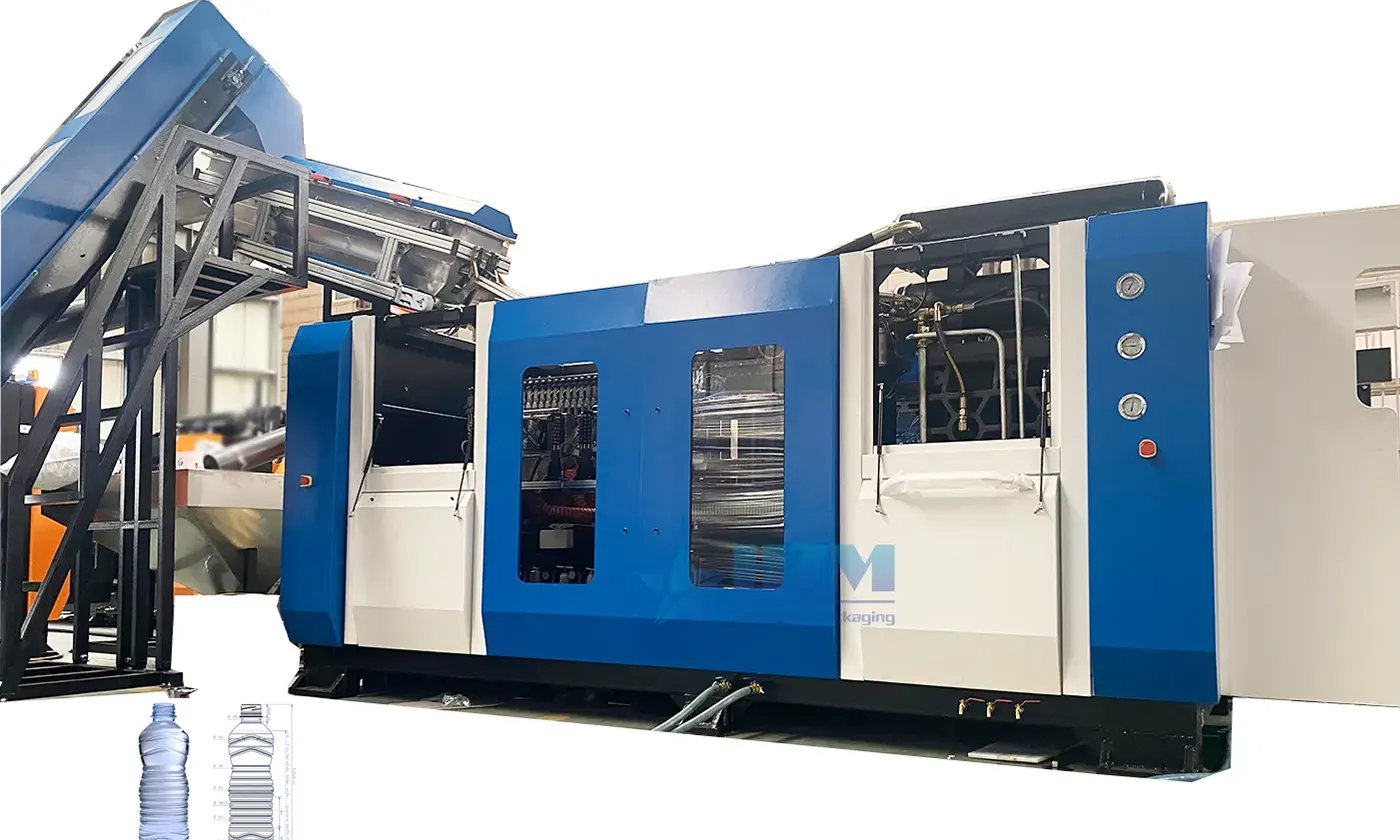
Equipment
Automatic Water Bottle Blowing Molding Machine
Automatic water bottle blowing from PET preforms, with 6–12 cavities and capacities up to 21,600 bottles/hour at 500 ml.
Learn more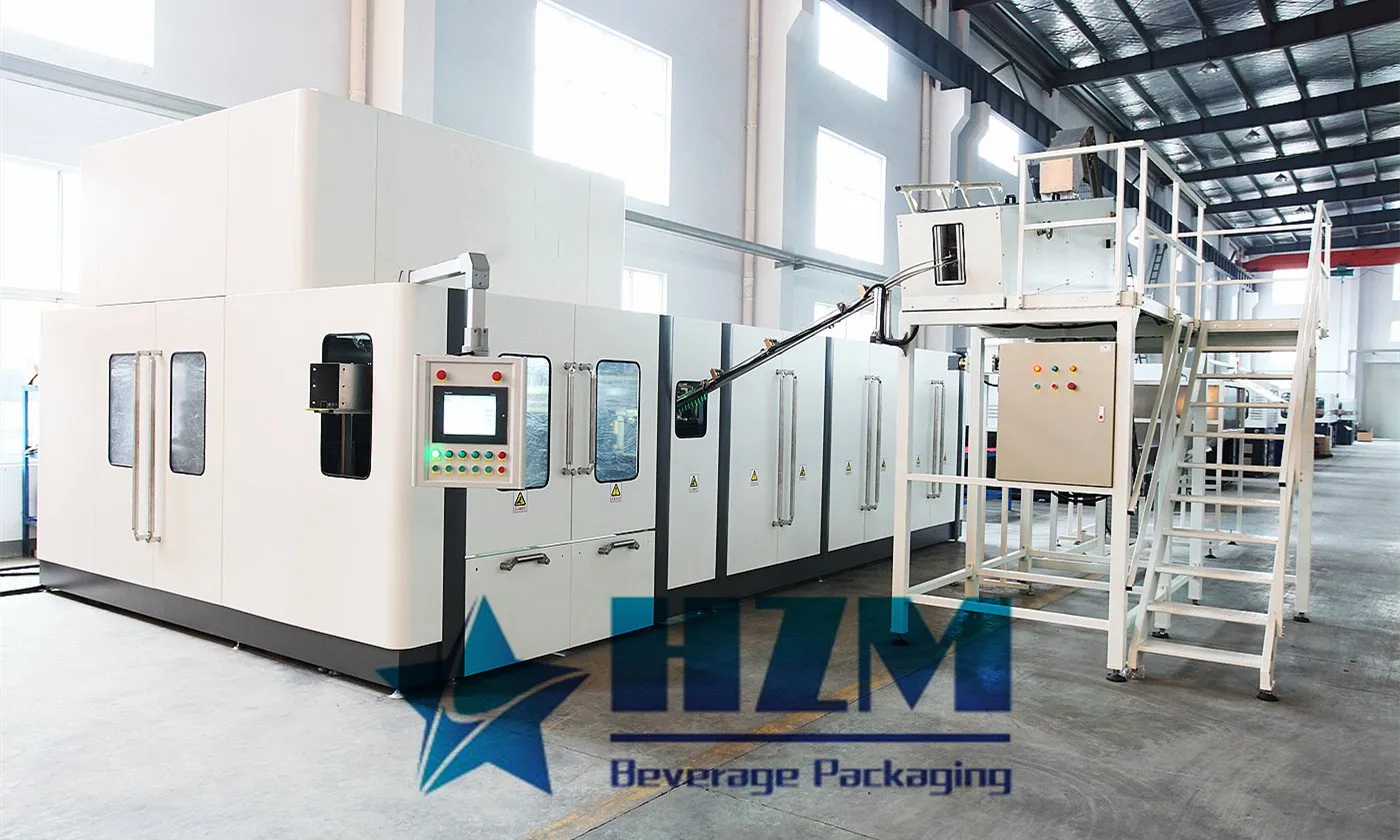
Equipment
Automatic Rotary Blow Molding Machine
Rotary PET bottle blow moulding for water and beverage packaging, with 6–24 cavities and capacities up to 48,000 bottles/hour at 500 ml.
Learn more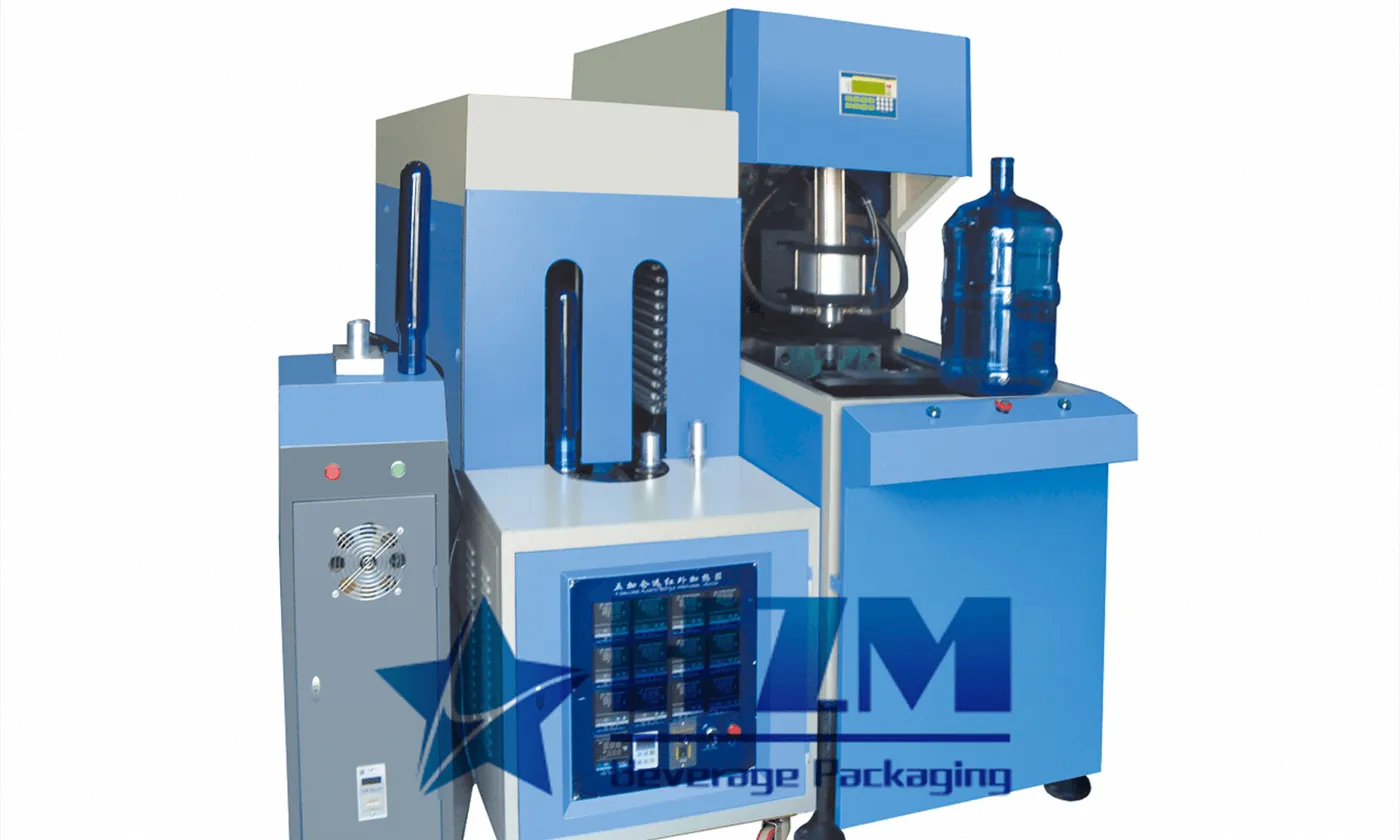
Equipment
5 Gallon Bottle Blow Molding Machine
This blow moulding machine produces large PET water bottles, including 5-gallon containers.
Learn more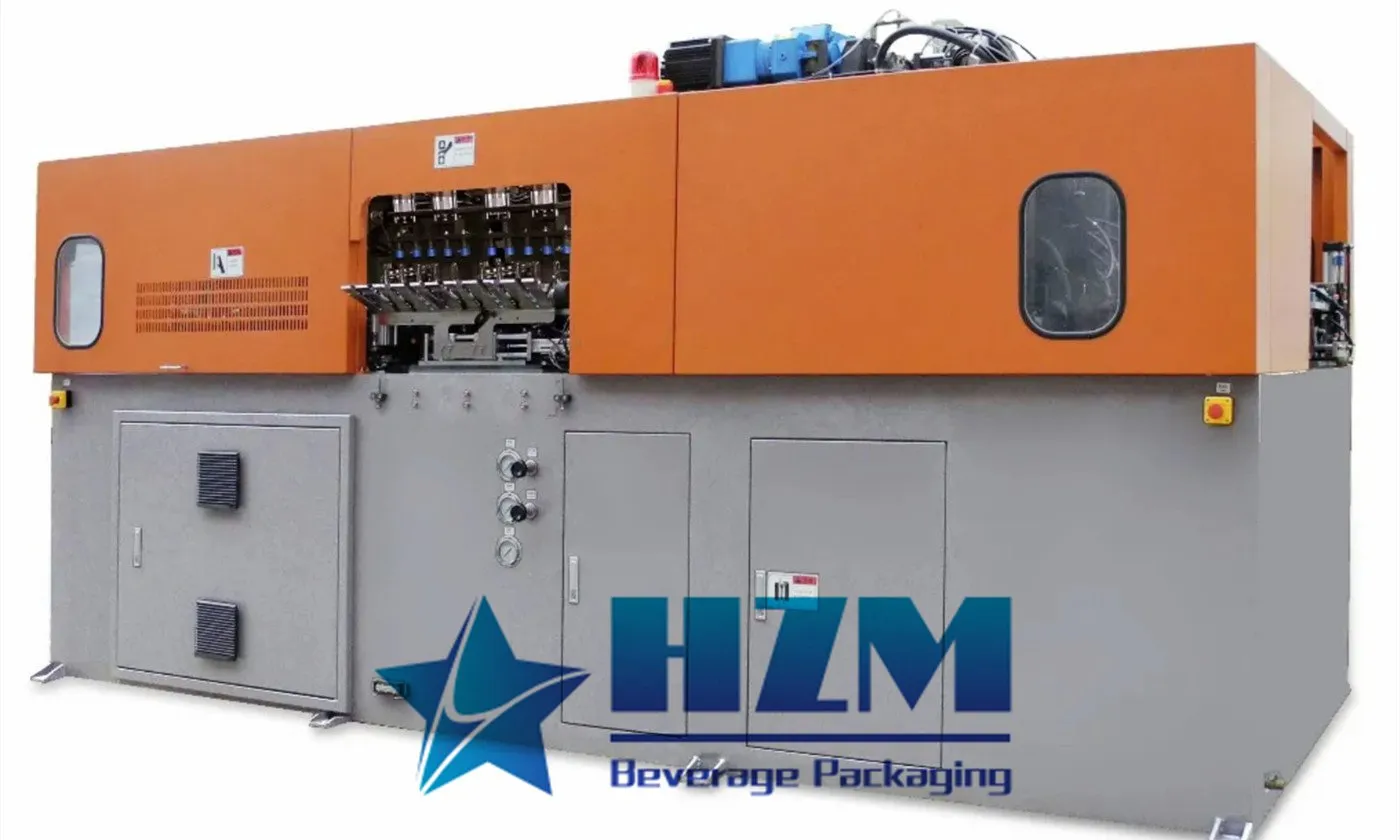
Equipment
Full Electric Servo Type Blow Molding Machine
Full-electric servo PET blow moulding with 4, 6, 9 or 10 cavities and capacities of 5,400–13,000 bottles/hour at 500 ml.
Learn more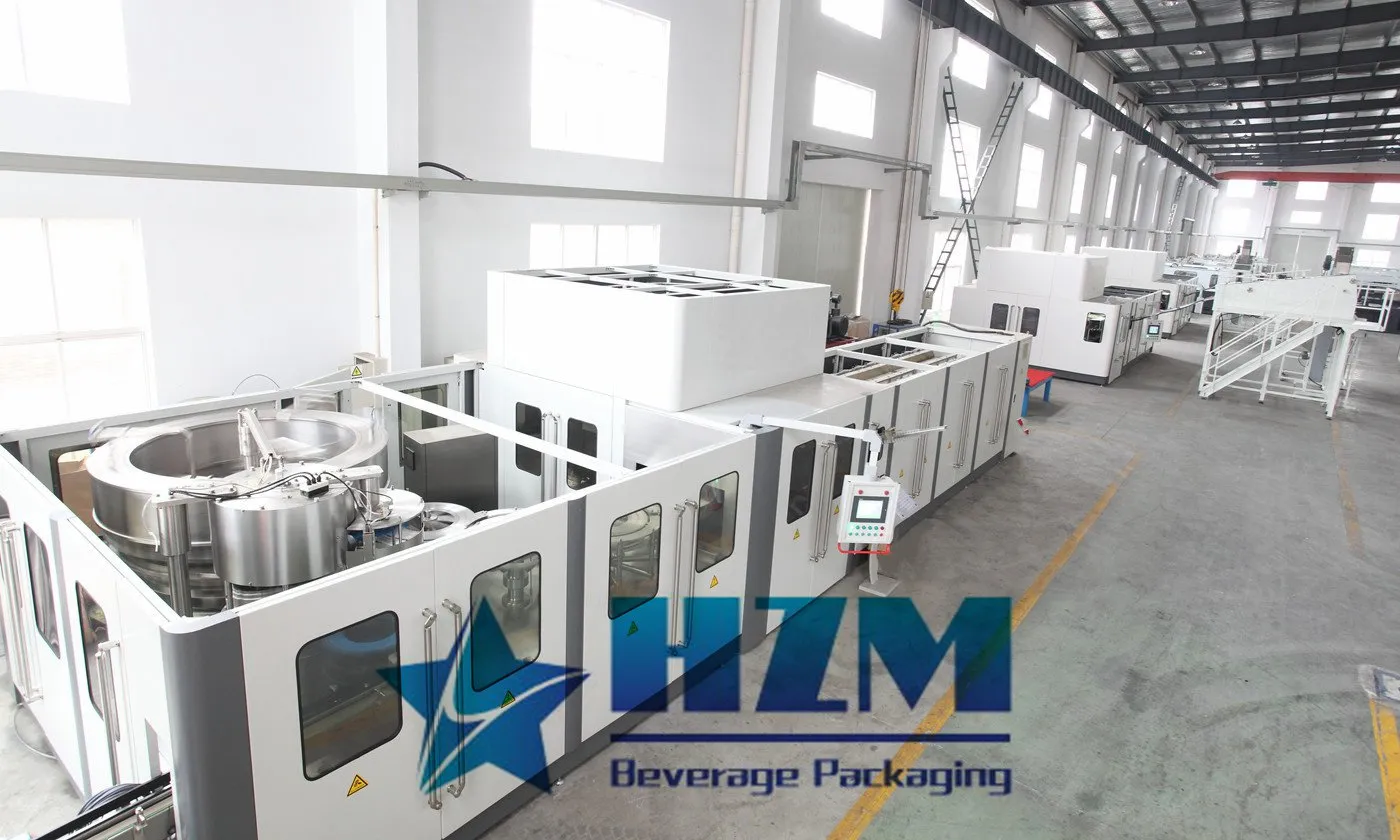
Equipment
Blowing-Filling-Capping Machine
A PET combiblock that combines preform heating, bottle blowing, filling and capping at 12,000–48,000 bottles/hour at 500 ml.
Learn more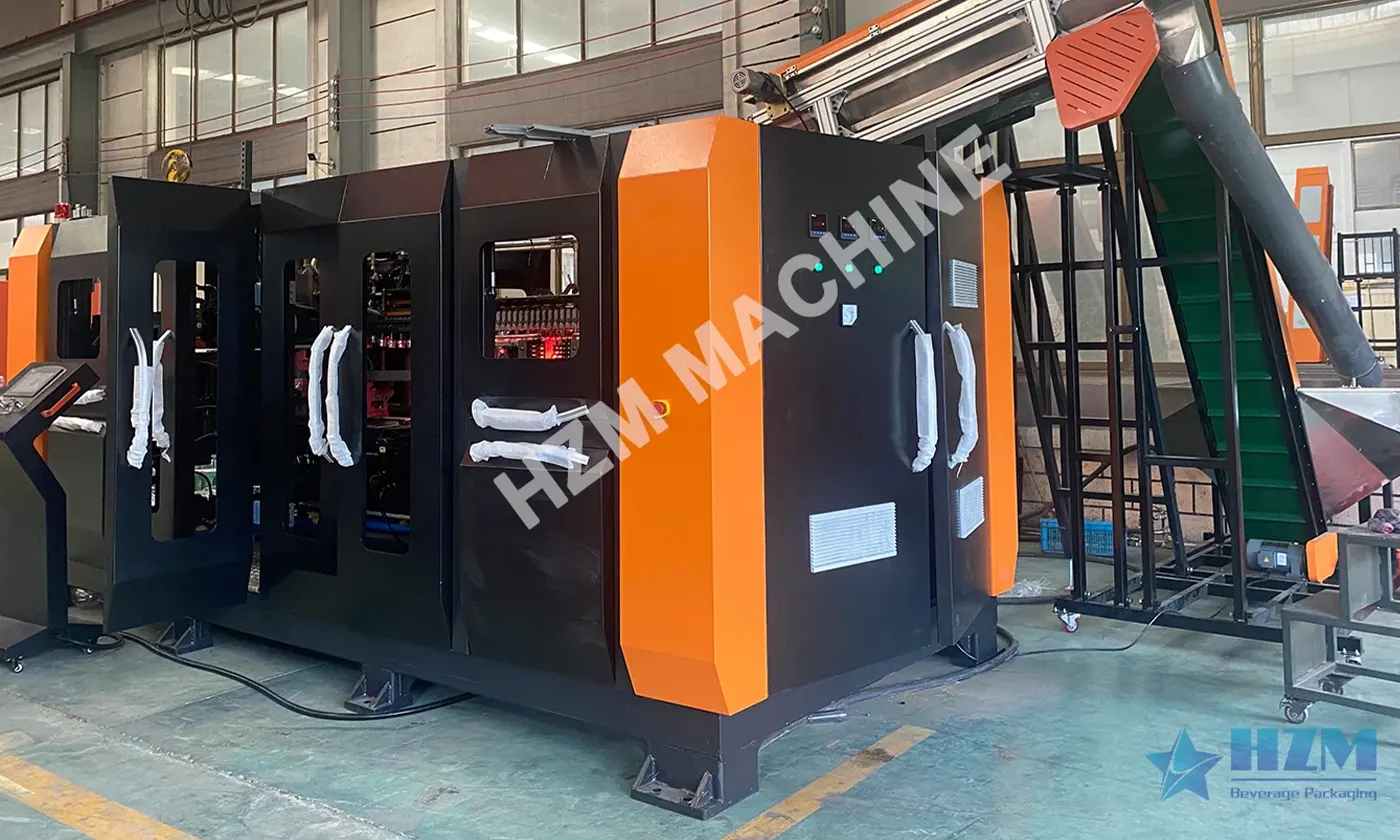
Equipment
Plastic Bottle Blowing Machine, making machine
PET bottle making for drinking water, beverages and liquid packaging, with automatic preform heating and stretch blowing.
Learn more2024-01-28
PET Blow Molding Machine Principles and Process
Currently, most blow molding machines employ a two-step method, requiring the conversion of plastic raw materials into preforms before the actual blowing process. The commonly used material is environmentally friendly PET (Polyethylene Terephthalate) plastic, collectively referred to as PET blow molding machines.
Learn more2024-02-04
Plastic Bottle Blow Molding Machine Price
Plastic bottle blow molding machine is an important equipment for plastic bottle production, and its price is affected by many factors. This article will introduce the factors affecting the price of plastic bottle blow molding machine, the price of HZM Machinery plastic bottle blow molding machine, and the precautions for purchasing plastic bottle blow molding […]
Learn more2023-06-07
How Much Does a Blow Molding Machine Cost?
we will explore the various factors that influence the cost of a blow molding machine and provide insights into the pricing range.
Learn more2023-06-08
how does a blow molding machine work
How Does a Blow Molding Machine Work? Exploring the Process with HZM Blow Molding Machine Manufacturer
Learn more2024-01-15
Essential Maintenance Tips for Your Fully Automatic Blow Molding Machine
Fully automatic blow molding machines offer an efficient and high-volume solution for plastic bottle production. However, maintaining optimal performance requires diligent care and proactive maintenance.
Learn more2023-06-09
Solutions for Blow Molding Plastic Bottles
This article will discuss the price, HZM manufacturer, functions, applicable industries, solutions, procurement considerations, and maintenance techniques related to blow molding machines.
Learn more