
Insights & Updates
Beverage Filling Machine Equipment Price Guide
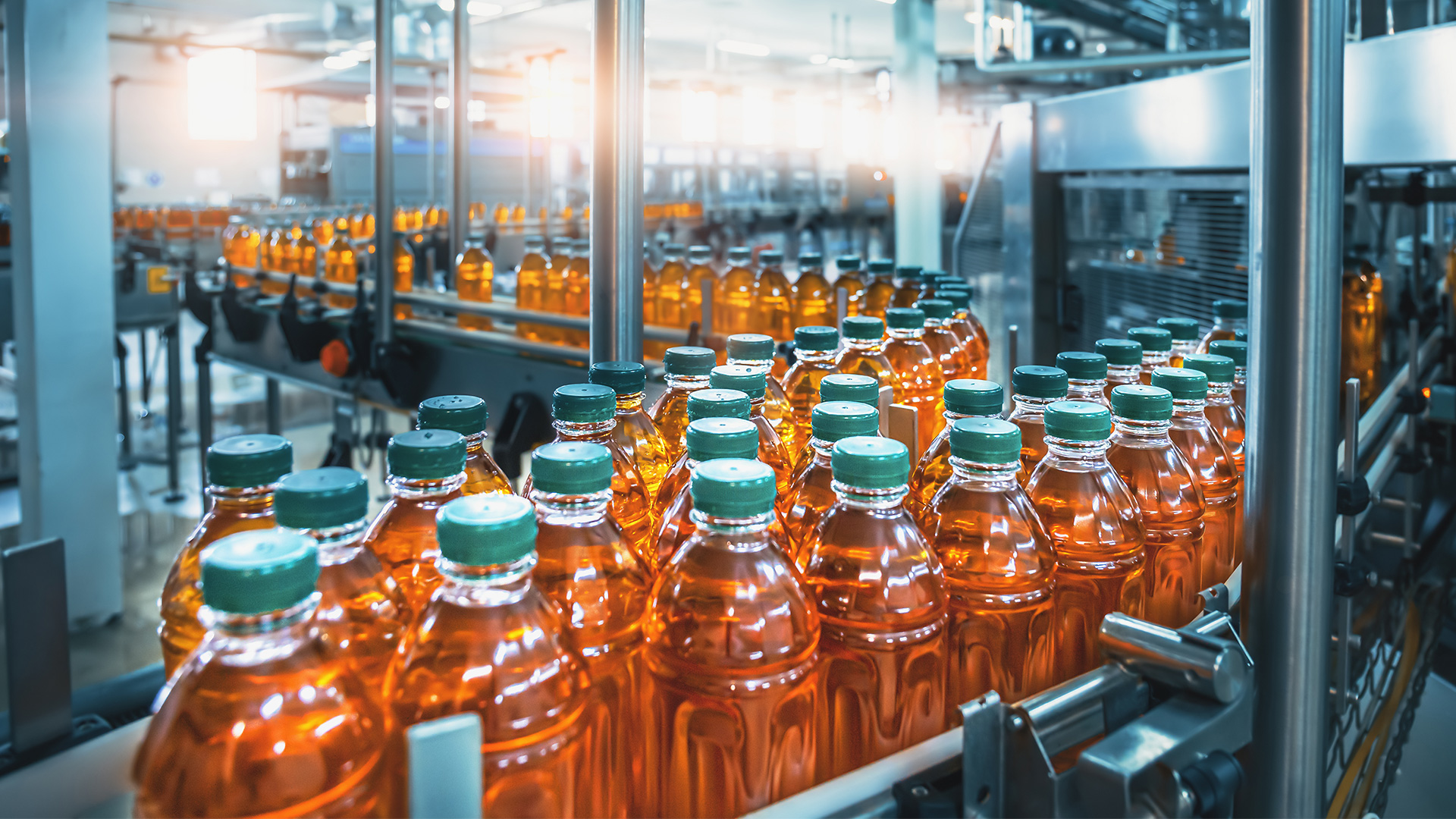
The price of beverage filling machine equipment has always been a focal point of concern for many enterprises. When purchasing a beverage filling machine, price is an unavoidable and important factor. This article will analyze the price of beverage filling machine equipment from the perspectives of market demand, product performance, price factors, and purchasing recommendations.
Section One: Market Demand
With the development of the economy and the improvement of people’s living standards, the beverage market is experiencing rapid growth. In this context, the demand for beverage filling machine equipment is also increasing. In terms of market size, the beverage filling machine equipment industry is rapidly expanding, with the market size continuously growing. Additionally, due to continuous technological advancements and product innovations, the competition in the beverage filling machine equipment market is increasing.
Section Two: Product Performance
The technical features and advantages of beverage filling machine equipment are significant factors influencing its price. Generally, high-quality beverage filling machine equipment has a high level of automation, which can greatly enhance production efficiency while reducing labor costs. Furthermore, high-quality filling machine equipment can improve product quality stability, reduce reject rates, and lower production costs. When purchasing beverage filling machine equipment, it is advisable to choose equipment with high automation, fast production speeds, and stable quality that align with your actual production needs.
Section Three: Price Factors
The price of beverage filling machine equipment is influenced by various factors, primarily including raw material costs, labor costs, market supply and demand conditions, exchange rates, and taxes. Among these factors, raw material costs and labor costs are the main contributors to equipment prices. Moreover, market supply and demand conditions also impact equipment prices. When market demand increases, equipment prices tend to rise. Additionally, exchange rates and taxes can also have a certain impact on equipment prices. When purchasing beverage filling machine equipment, it is essential to consider these factors comprehensively and select equipment that offers a good price-to-performance ratio.
Section Four: Purchasing Recommendations
For different types of beverage filling machine equipment, we offer the following purchasing recommendations:
- Choose the Right Equipment Type: Different types of beverage filling machine equipment have different characteristics and applications. When purchasing, choose equipment with high automation, fast production speeds, and stable quality that align with your actual production needs and product types.
- Identify Target Customer Base: When purchasing beverage filling machine equipment, clearly define your target customer base and understand their needs and preferences. This helps you choose the right equipment type and configuration, enhancing equipment relevance and applicability.
- Evaluate Equipment Prices: When purchasing beverage filling machine equipment, conduct a comprehensive evaluation of equipment prices, considering factors such as raw material costs, labor costs, market supply and demand conditions, exchange rates, and taxes. Additionally, assess the price-to-performance ratio and choose equipment that offers good value.
- Prioritize After-Sales Service: When purchasing beverage filling machine equipment, select suppliers with a strong track record of providing excellent after-sales service. Good after-sales service ensures stable equipment operation and maintenance, improving production efficiency and product quality stability.
In conclusion, the price of beverage filling machine equipment is influenced by various factors. When purchasing such equipment, conduct a comprehensive analysis considering market demand, product performance, price factors, and purchasing recommendations. Additionally, prioritize after-sales service to ensure stable equipment operation and maintenance. Only in this way can you improve production efficiency, enhance product quality stability, reduce production costs, and strengthen your company’s competitiveness.
Talk to our engineering team
Need help planning your packaging line?
Share your product, bottle and capacity requirements for a practical equipment recommendation.
Equipment
Fully Automatic Beverage Filling Machine
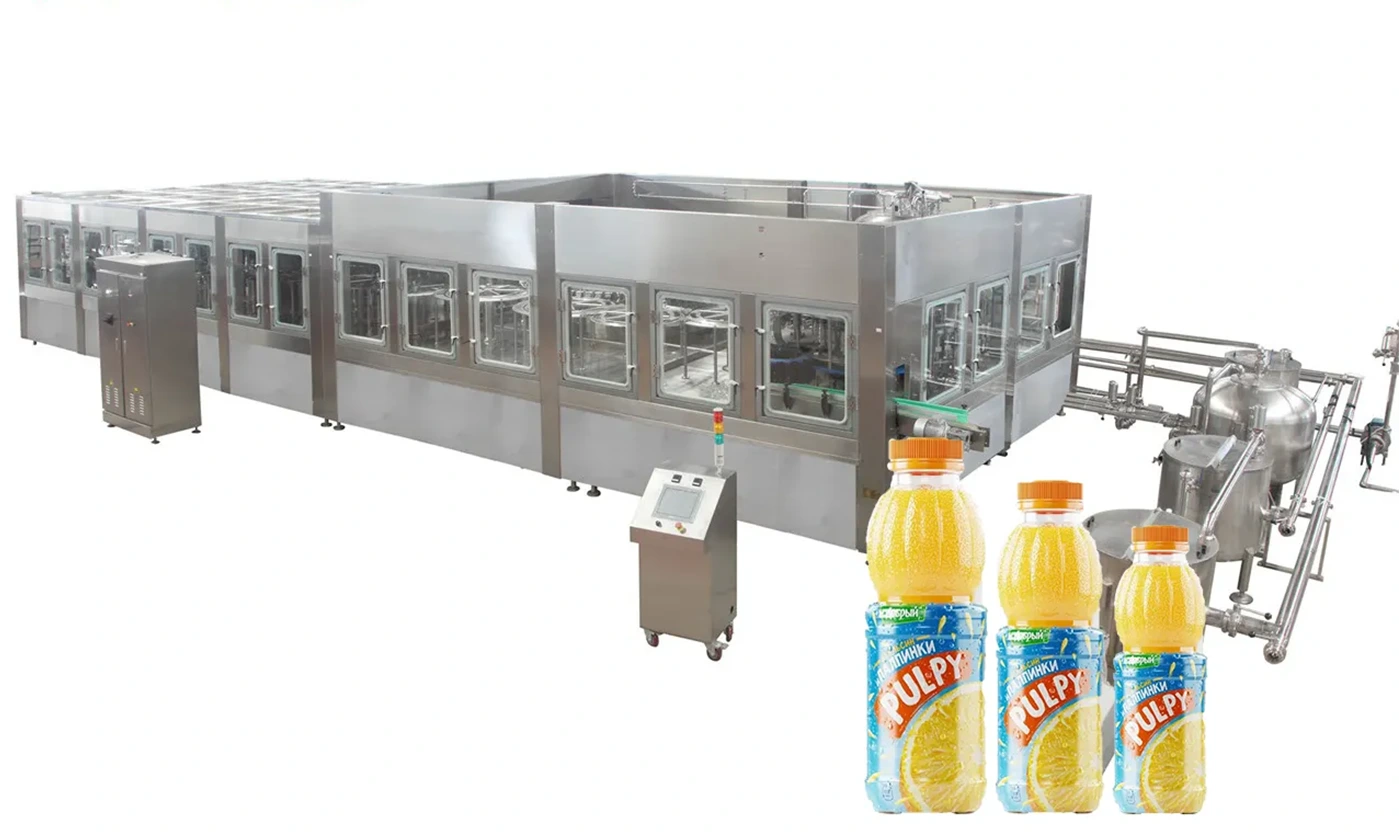
The fully automatic beverage filling machine combines bottle rinsing, filling and capping.
Learn more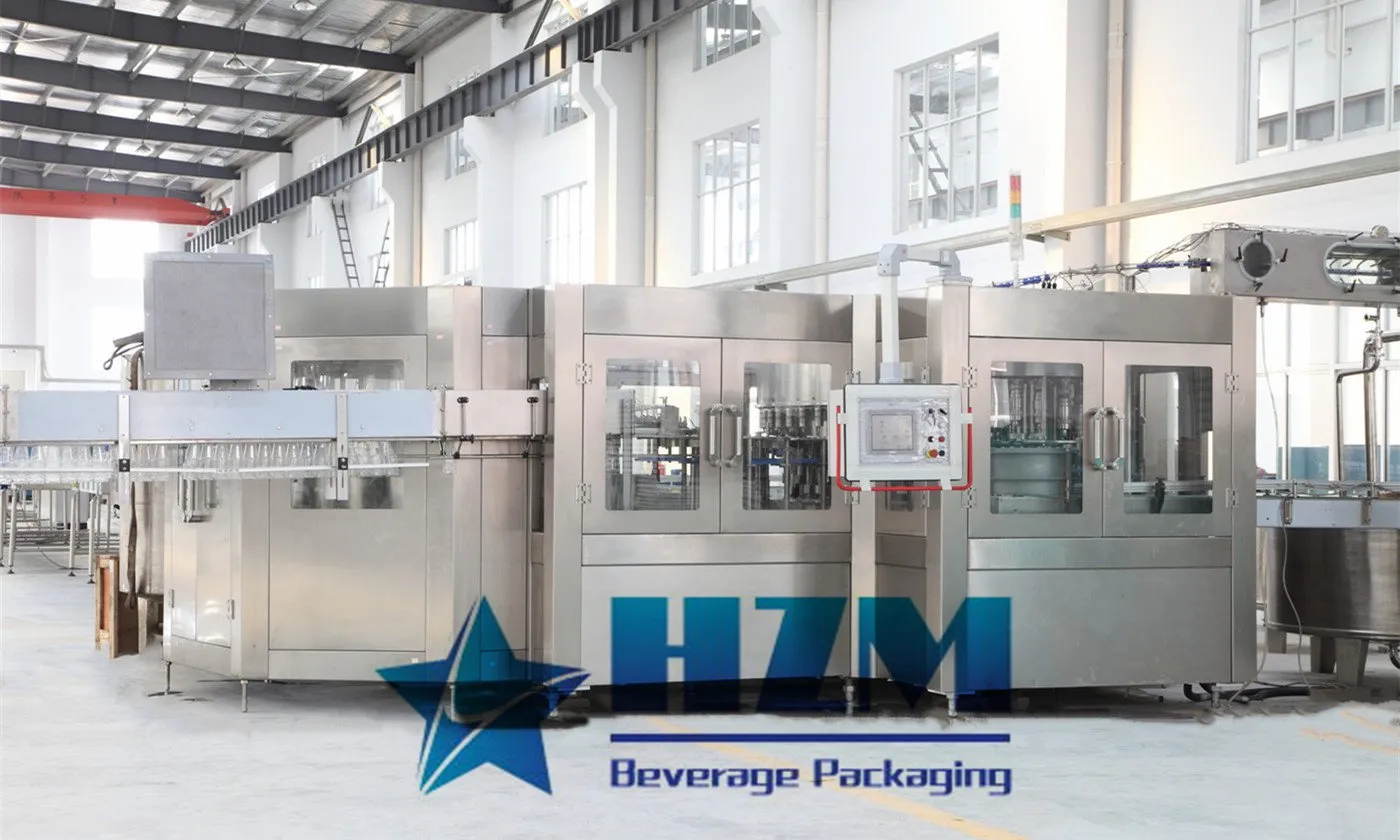
Equipment
PET Bottle Water Filling Machine
PET bottle water filling with automatic rinsing and capping, for purified water, mineral water and still drinking water.
Learn more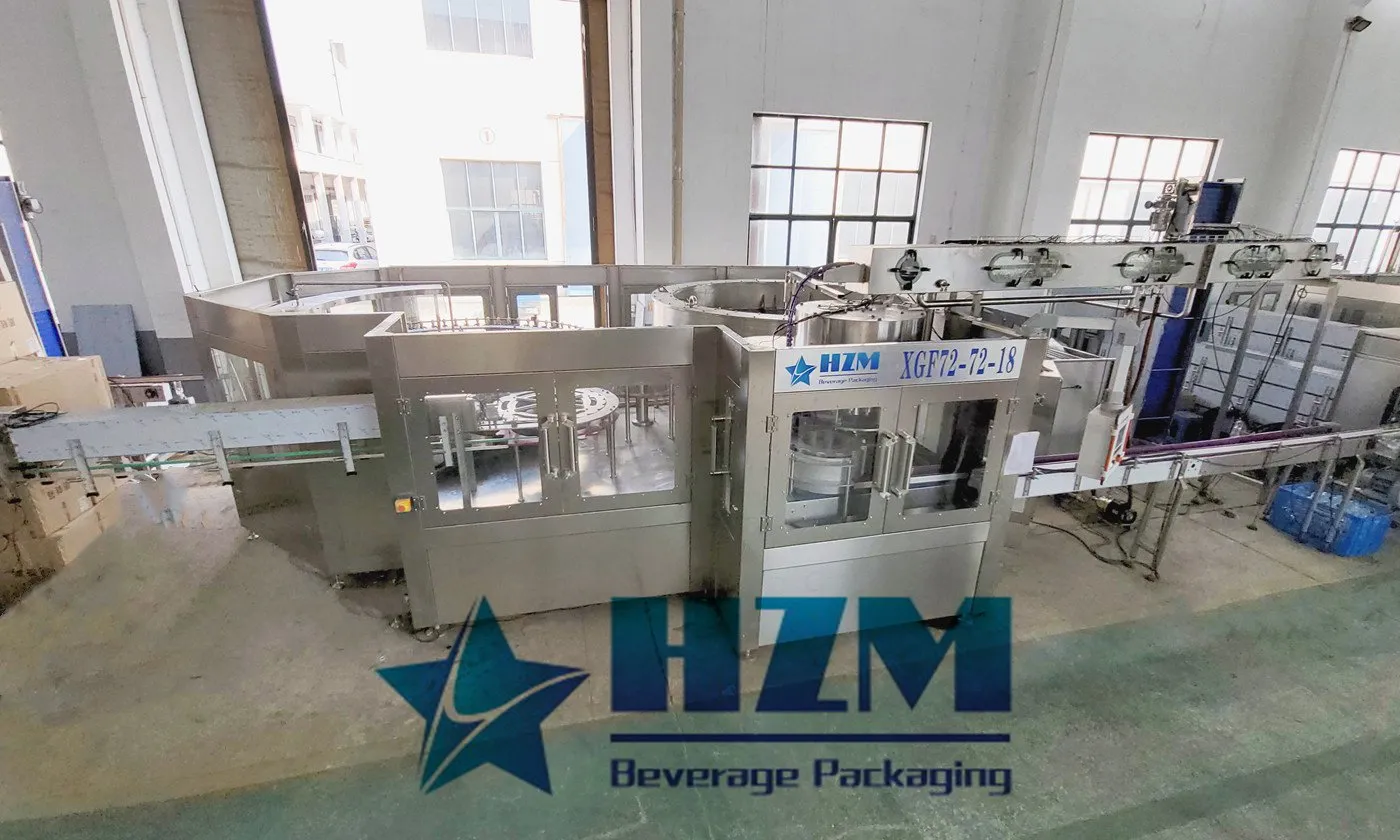
Equipment
Automatic Water Bottle Filling Machine
Automatic rinsing, filling and capping for purified and mineral water in PET bottles, with capacities of 5,000–42,000 bottles/hour at 500 ml.
Learn more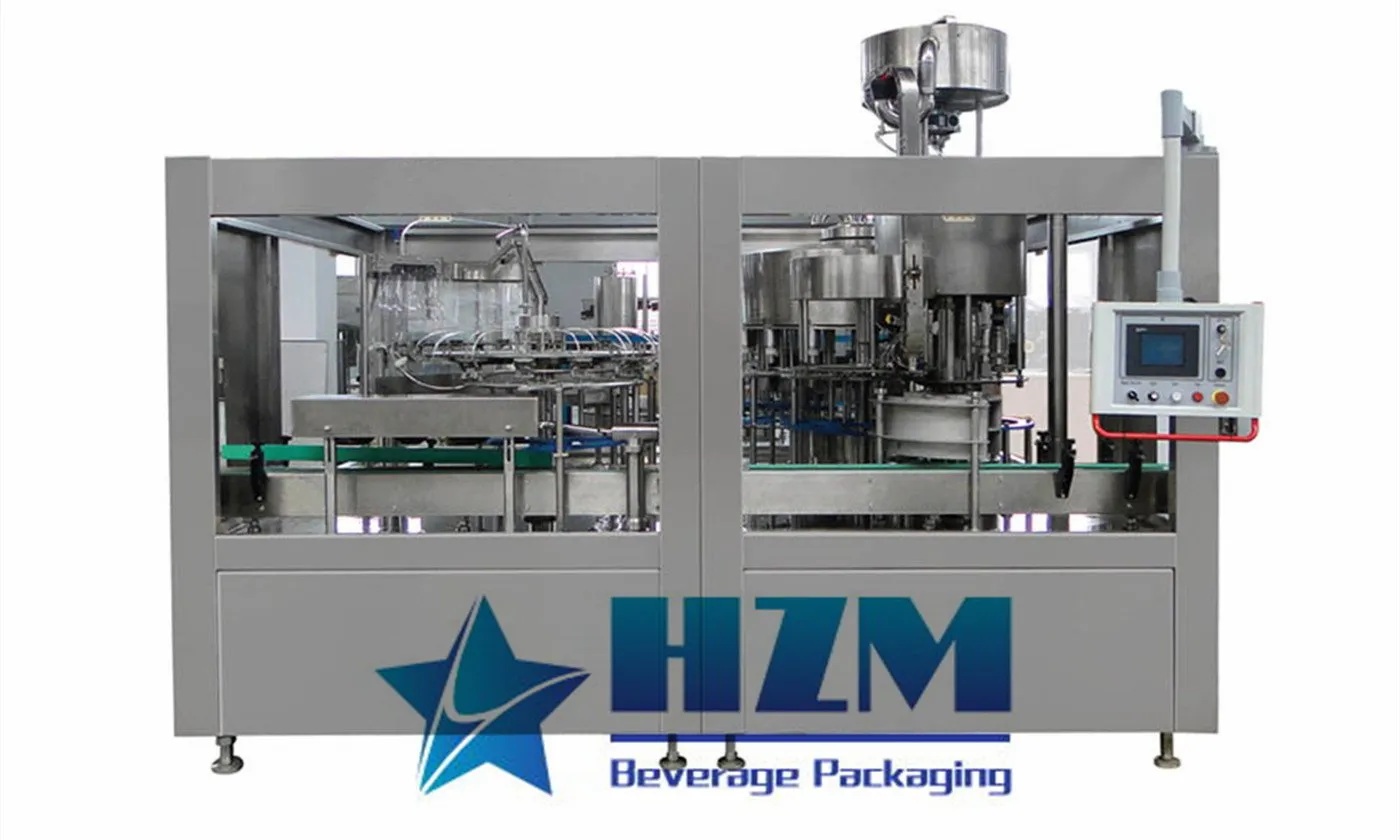
Equipment
3-10L Big PET Bottle Water Filling Machine
Large PET bottle water filling equipment for 3–10 L containers, combining rinsing, filling and capping.
Learn more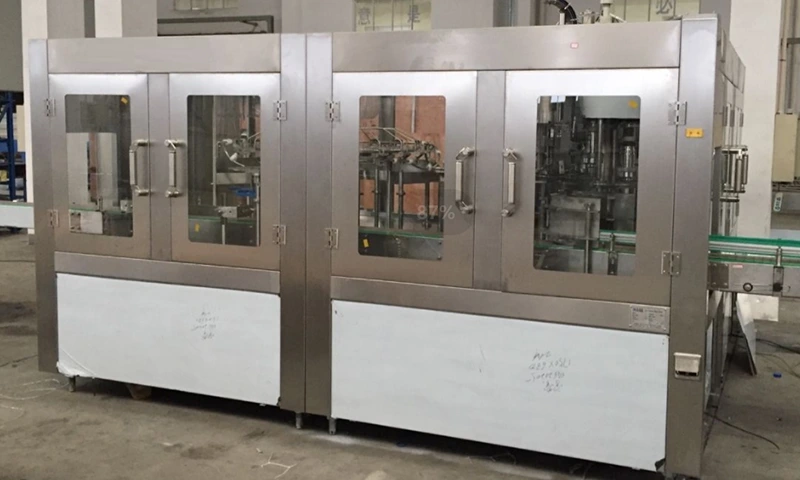
Equipment
10L Water Filling Machine 1200BPH – Automatic Washing Filling Capping Machine
RSXGF12-12-5(110Π) automatic rinsing, filling and capping for 10 L water bottles at 1,100–1,200 bottles/hour.
Learn more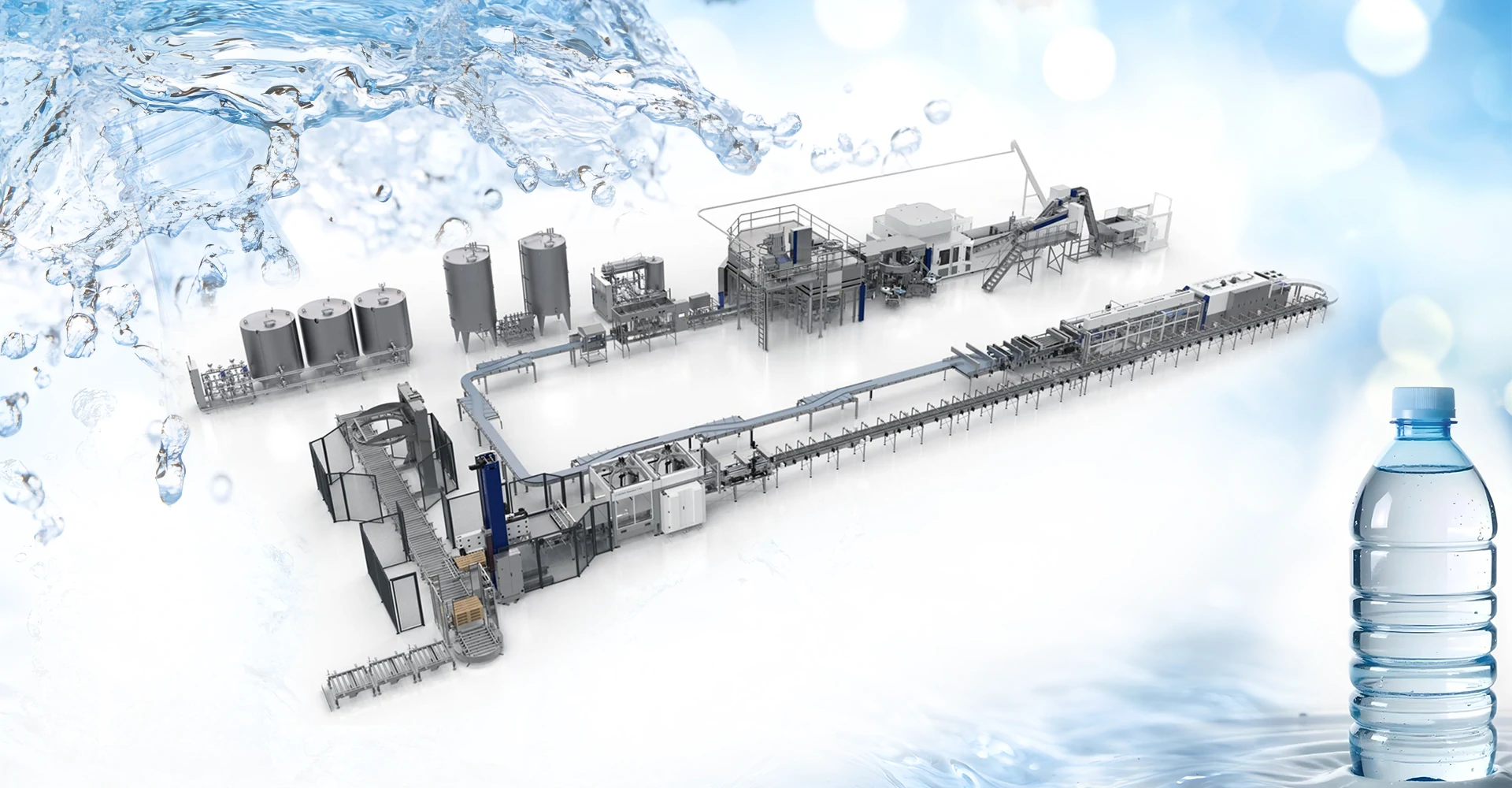
Equipment
Drinking water production line – Bottled Water Filling Machine Manufacturer
PET-bottled drinking-water production with automatic rinsing, filling and capping, plus water treatment and packaging equipment.
Learn more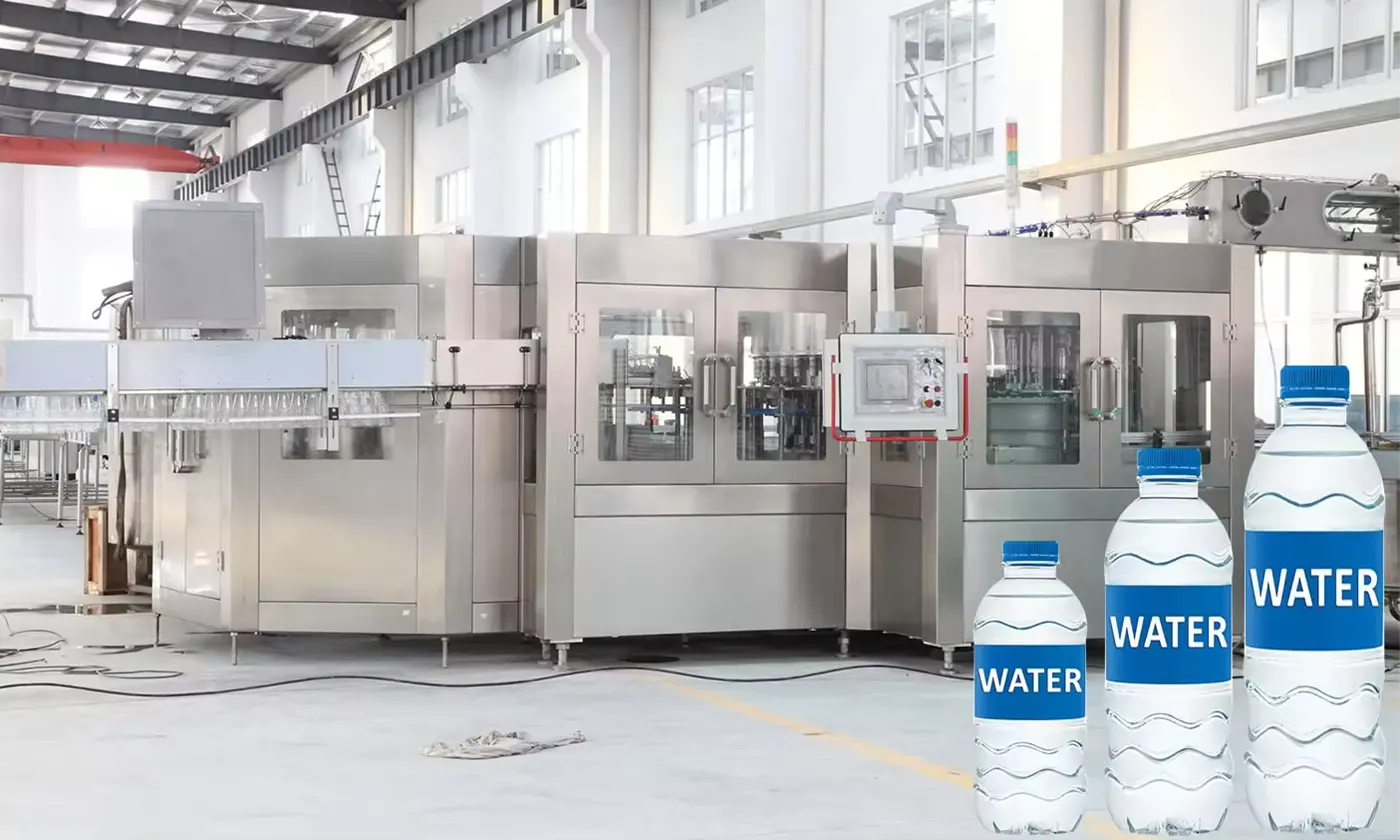
Equipment
Automatic Small Bottle Pure Water Filling Machine
Small PET bottle pure-water filling with automatic rinsing and capping, from 5,000 to 18,000 bottles/hour at 500 ml.
Learn more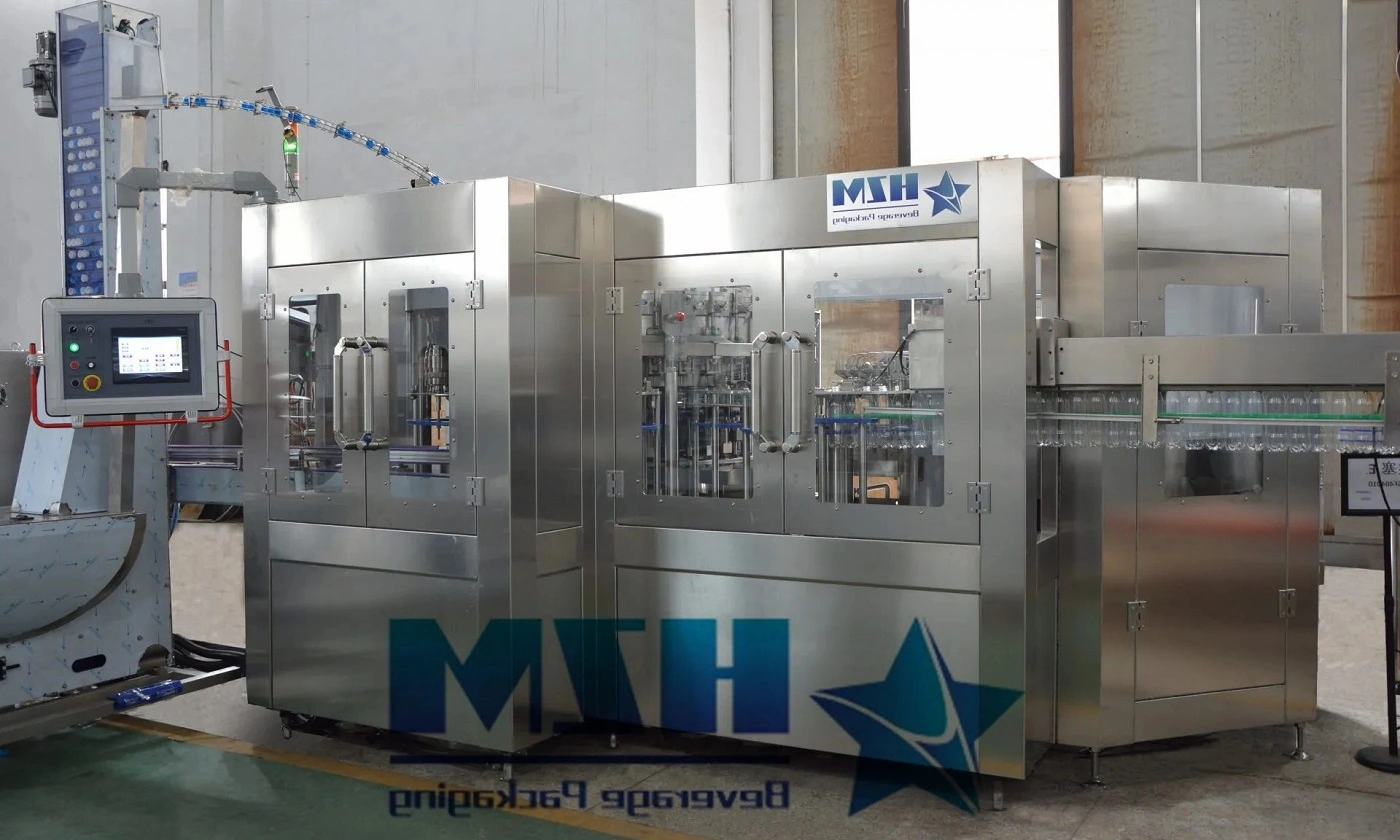
Equipment
Soft Drinks Sparkling Water Filling Machine
PET bottle filling for soft drinks and sparkling water, combining rinsing, counter-pressure filling and capping.
Learn more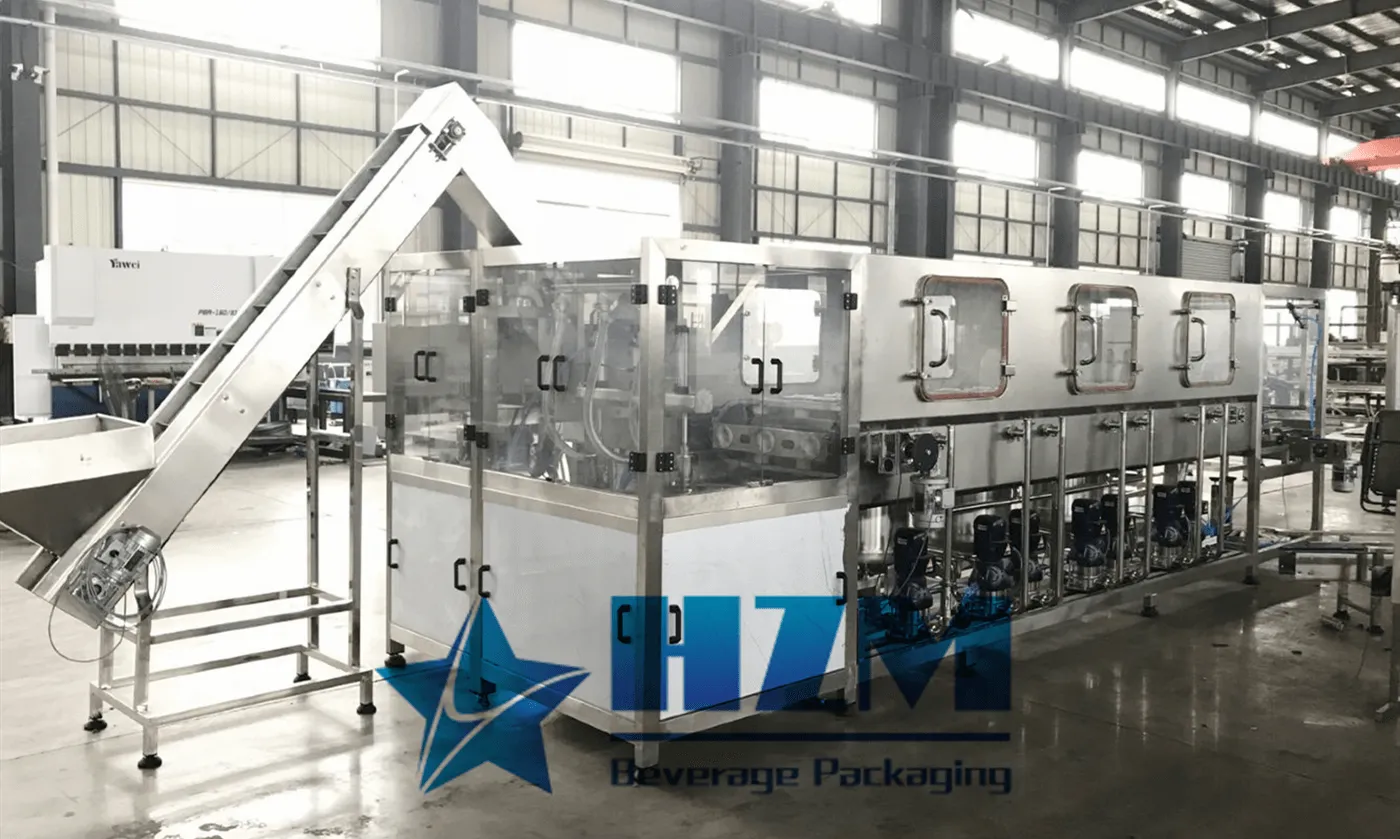
Equipment
3-5 Gallon Water Filling Line
Automatic washing, filling and capping for 3–5 gallon drinking-water jars, with QGF models from 120 to 900 jars/hour at 5 gallons.
Learn more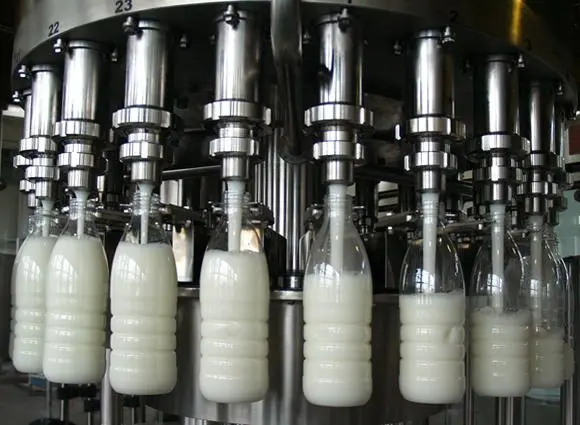
2023-09-12
Beverage Filling Machine Purchasing Guide
the beverage filling machine plays a crucial role in the daily operations of beverage production companies. This guide aims to provide you with a comprehensive beverage filling machine purchasing guide, helping you make informed decisions during the procurement process.
Learn more2024-02-27
Comprehensive Guide to the Three-in-One Filling Machine
The Three-in-One Filling Machine is utilized for the filling production of various non-gaseous liquids in glass and polyester bottles. It achieves fully automatic bottle flipping, filling, and capping on one machine, thereby reducing the contact time between materials and the external environment.
Learn more2024-03-22
3 Key Principles to Consider When Purchasing Filling Machines
Filling machines are gradually becoming indispensable equipment in industries such as food, pharmaceuticals, and daily chemicals. To ensure that the equipment operates at its highest efficiency, three main factors should be considered when purchasing.
Learn more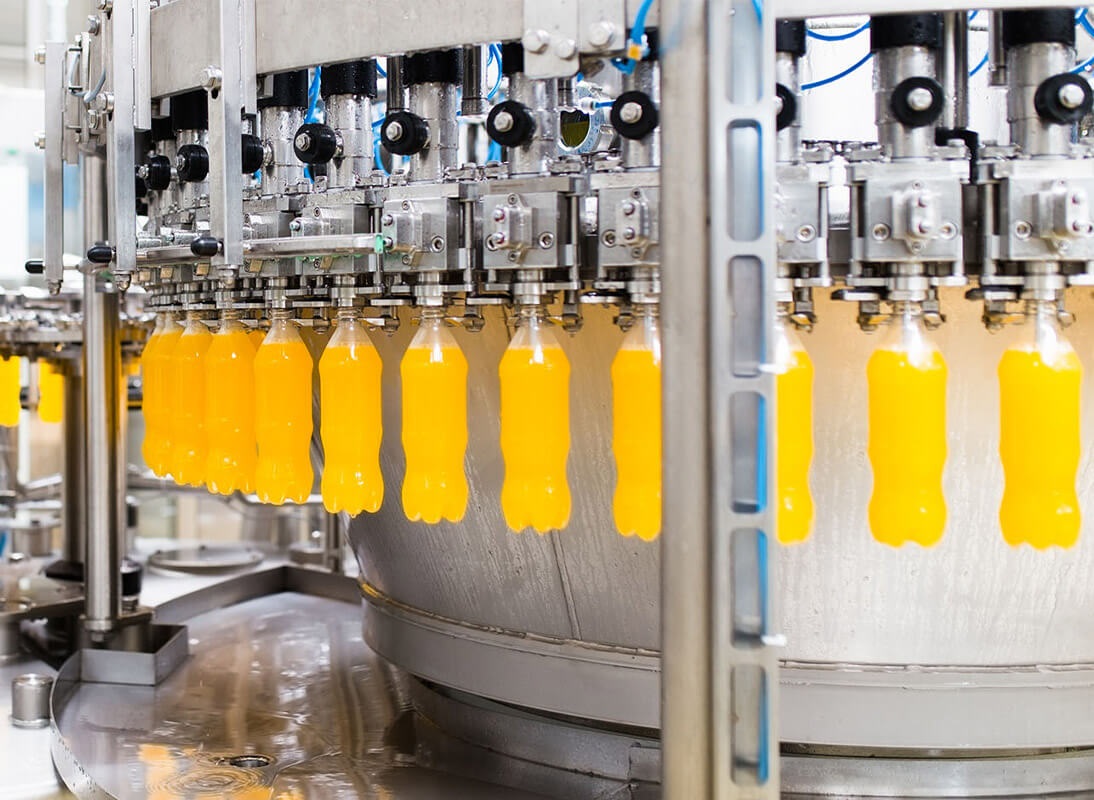
2023-05-10
The Principle and Characteristics of Beverage Filling Machine
It is a multifunctional beverage filling machine. It is used for filling carbonated drinks, soda water, salt soda water and other carbonated drinks. It can also be used for filling juice drinks, pure water and other non-carbonated drinks. It is a new type of practical filling machinery with high practicality.
Learn more
2023-04-26
HZM Machinery: Your Reliable Beverage Filling Machine Supplier
HZM Machinery is a professional supplier of beverage filling machines, dedicated to providing high-quality filling equipment and services to customers worldwide. With years of experience in the industry, we have become a trusted partner for many beverage manufacturers, helping them to improve their production efficiency, reduce costs, and enhance product quality
Learn more
2023-05-10
The common faults of a fully automatic beverage filling machine.
The common faults of a fully automatic beverage filling machine:1.Insufficient or excessive filling amount . 2.Bottles falling or caps not tightened. 3.Conveyor belt jams 4.Control system failure
Learn more