
Bottle Jams in a 3-in-1 Monoblock: Find the Real Cause
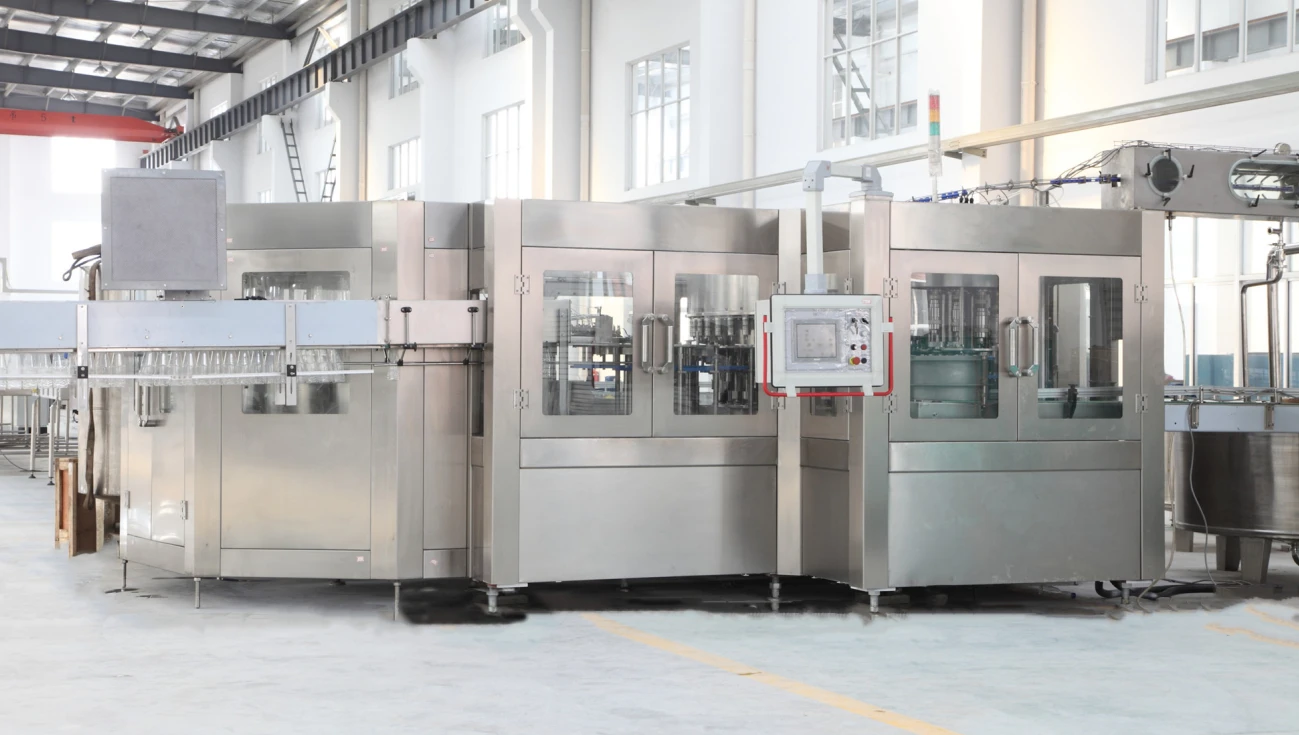
Mark the first contact point, not the final pile-up. Then check format parts, pitch synchronization, container dimensions, guide clearances, starwheel timing and upstream accumulation before adjusting speeds.
Stop automatic operation, isolate electrical and pneumatic energy, close and depressurize product circuits, and follow the machine lockout/tagout procedure before opening guards or removing a valve. Quarantine product made since the last confirmed good check.
Locate the fault
- Bottles scuff or stop at one transfer starwheel
- Jams occur only during acceleration or deceleration
- Lightweight bottles deform between guides
- The capper starwheel receives bottles at the wrong pitch
Inspection sequence
- Stop at the first abnormal contact and mark its position before clearing the pile-up
- Compare every installed format part and spacer with the signed changeover list
- Hand-turn the isolated machine using the approved procedure and a reference bottle
- Check starwheel phase marks, backlash and transfer clearances
- Measure good and jammed bottles for diameter, neck and base variation
- Review upstream conveyor logic and the machine speed reference during the event
Corrective work
- Install the correct matched format set and replace cracked or distorted handling parts
- Restore starwheel phase and drive condition to the manufacturer’s setting
- Correct guide and neck-support clearances without squeezing the bottle
- Tune line-control accumulation and speed references only after mechanical transfer is proven
Operating records and follow-up
- Color-code and inventory complete format kits
- Use a reference bottle and slow-cycle sign-off after every changeover
- Inspect starwheel teeth and guide edges for impact damage
- Trend jam location and container lot
- Protect synchronization parameters from unauthorized adjustment
Equipment details: 3-in-1 PET Bottle Filling Machine , Mono-block filling machine.
Need help planning your packaging line?
Share your product, bottle and capacity requirements for a practical equipment recommendation.
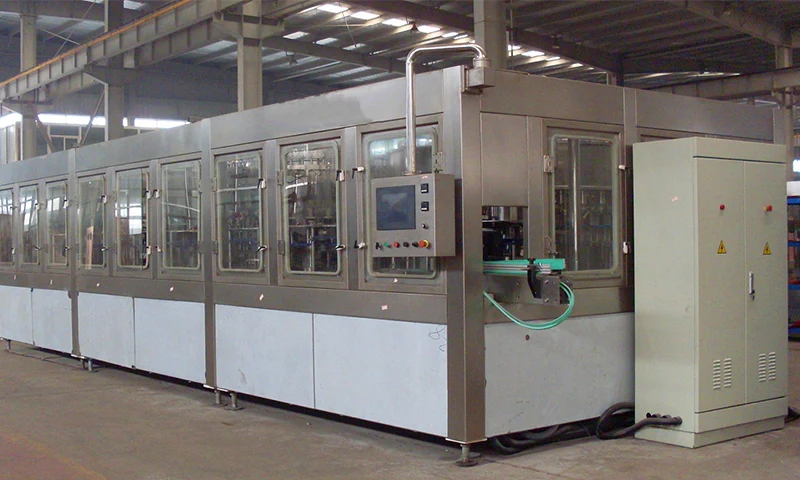
Mono-block Filling Machine 3 in 1
The monoblock filling machine brings bottle rinsing, filling and capping together in one continuous operation.
Learn more3-in-1 PET Bottle Filling Machine , Mono-block filling machine
3-in-1 PET water bottle rinsing, filling and capping at 20,000 bottles/hour for 500 ml bottles with PCO3025 necks.
Learn more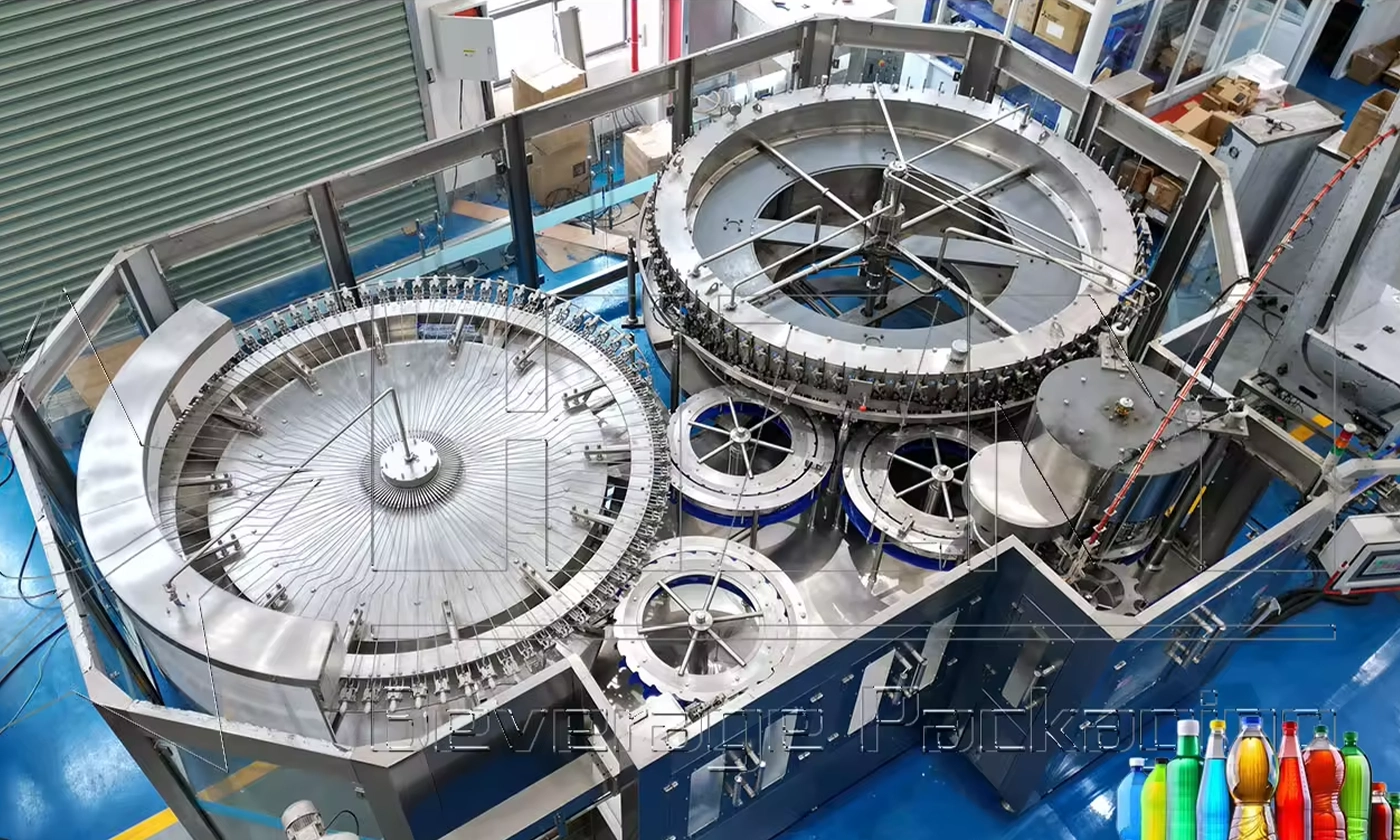
3-in-1 Isobaric Mono-block Filling Machine
The 3-in-1 isobaric monoblock combines bottle rinsing, counter-pressure filling and capping for carbonated beverage production.
Learn more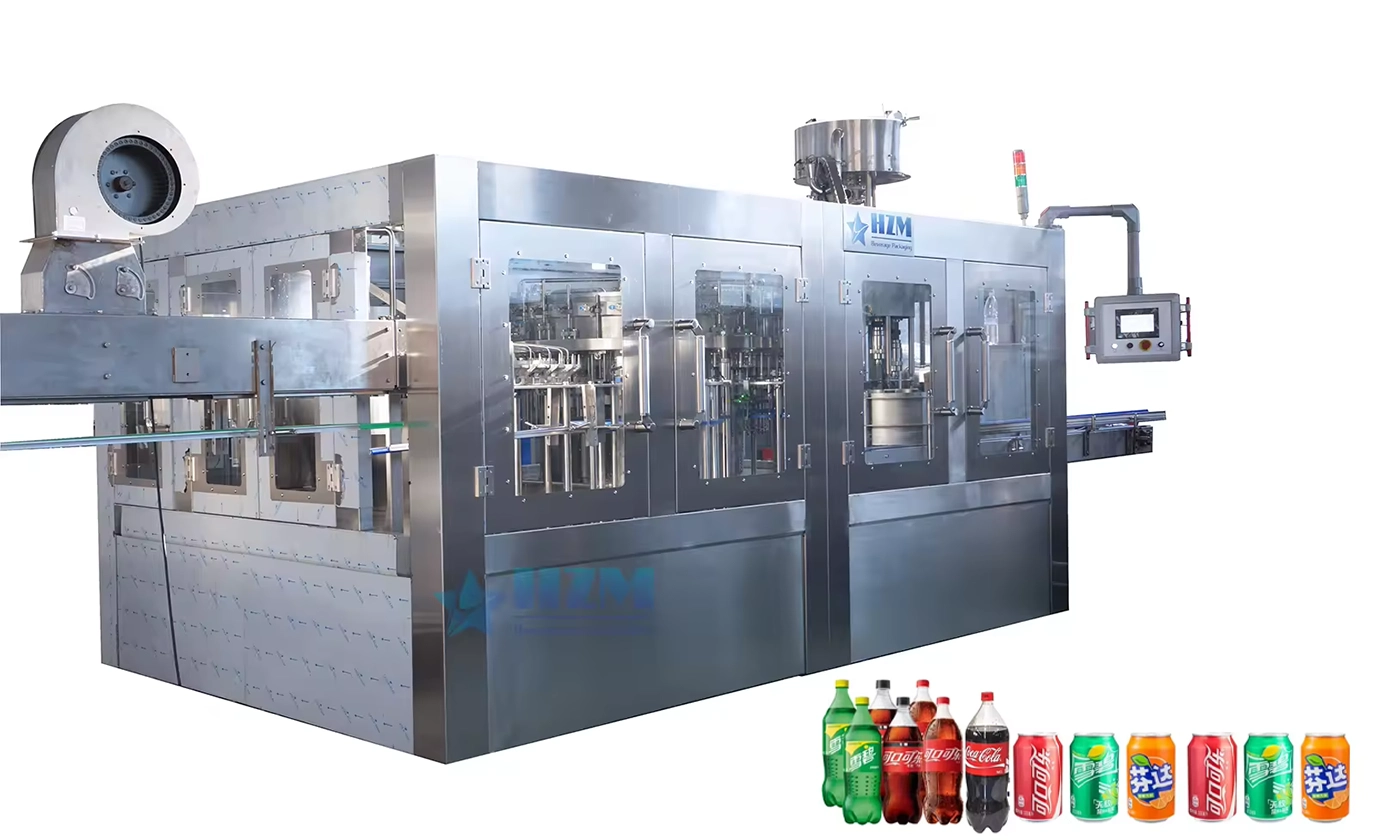
Mono-block Isobaric Filling Machine
DXGF40-40-10 rinsing, isobaric filling and capping for carbonated soft drinks, at 12,000–15,000 bottles/hour for 500 ml bottles.
Learn more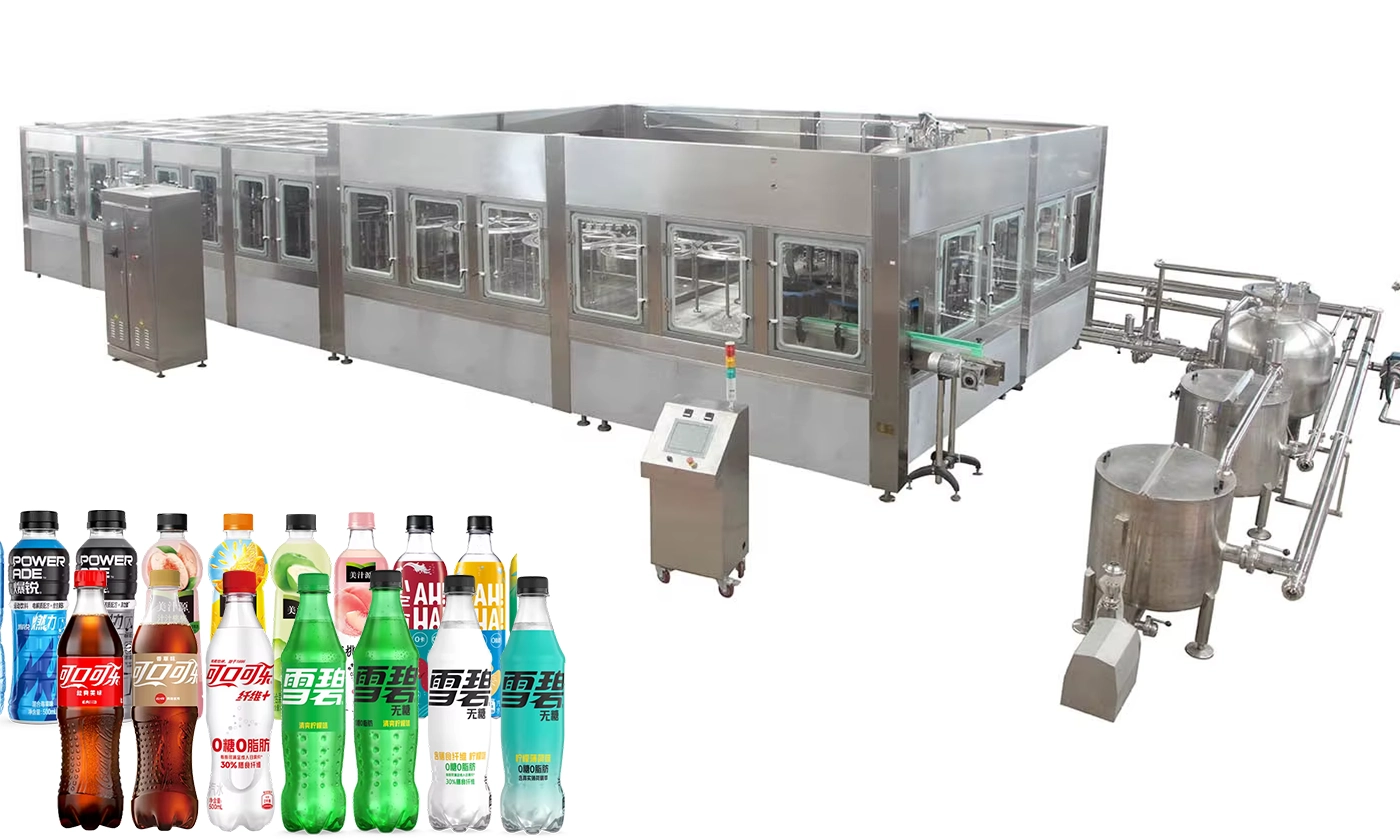
Rinsing, Filling And Capping Monoblock Machines
HZM monoblock machines combine bottle rinsing, filling and capping in a continuous operation.
Learn more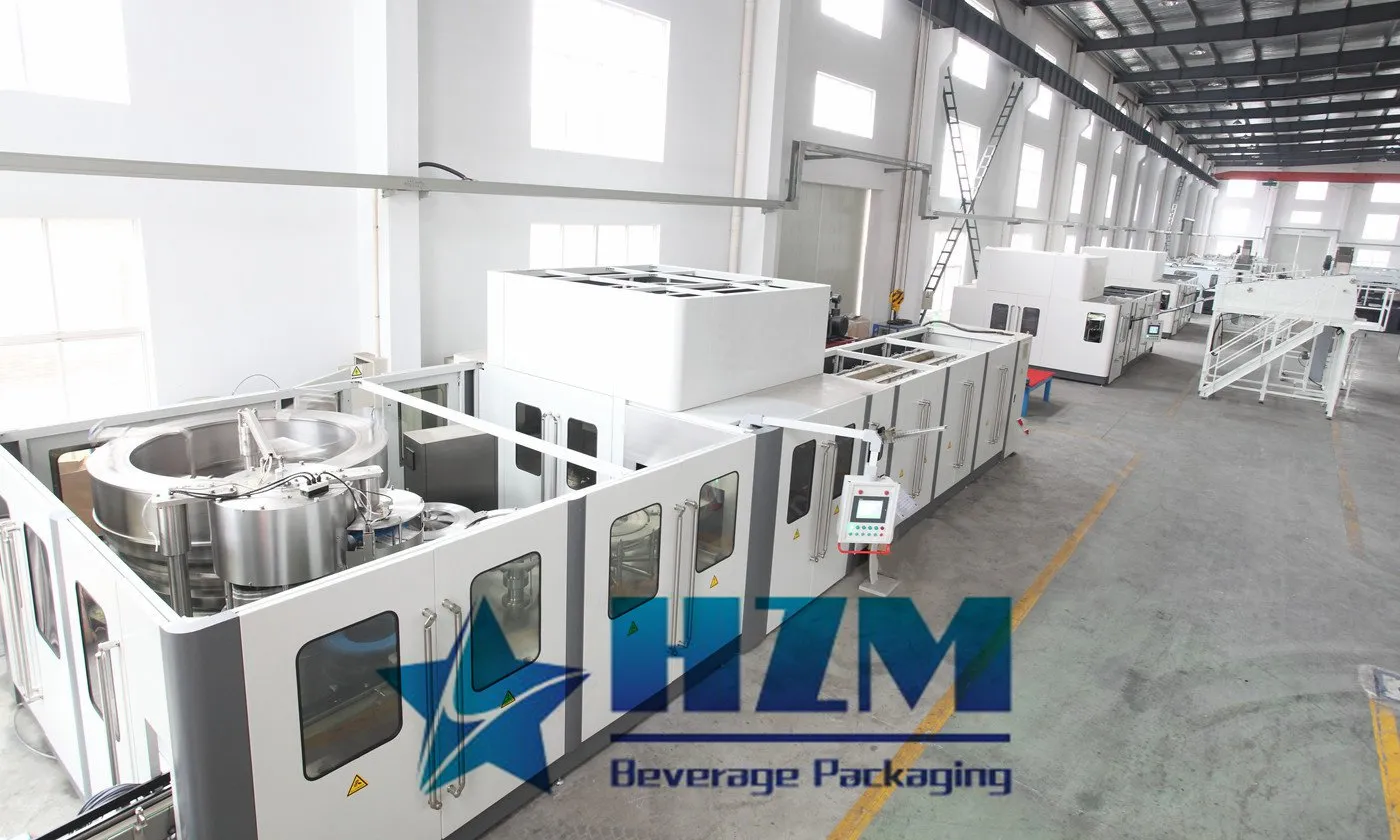
Blowing Filling Capping Combiblock for Water and Beverage Packaging
PET bottle blowing, filling and capping in one combiblock for water and beverage production, from 12,000 to 48,000 bottles/hour at 500 ml.
Learn more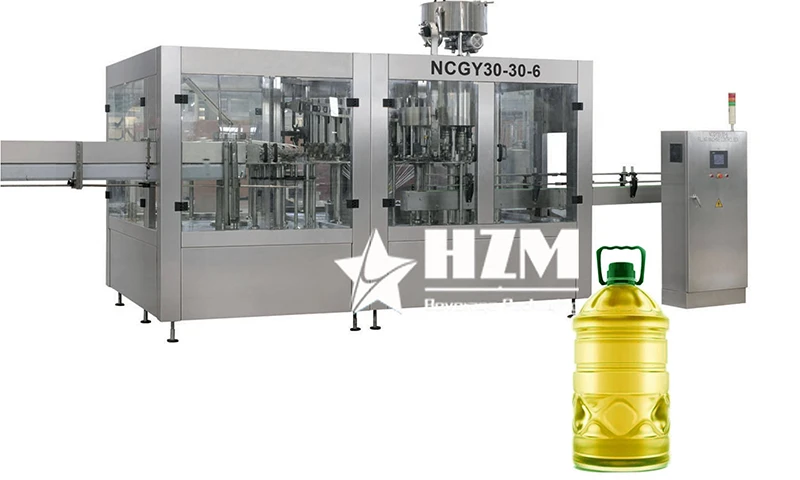
2-in-1 Monoblock Edible Cooking Oil Filling and Capping Machine
The 2-in-1 monoblock fills and caps bottles of edible cooking oil in a continuous operation.
Learn more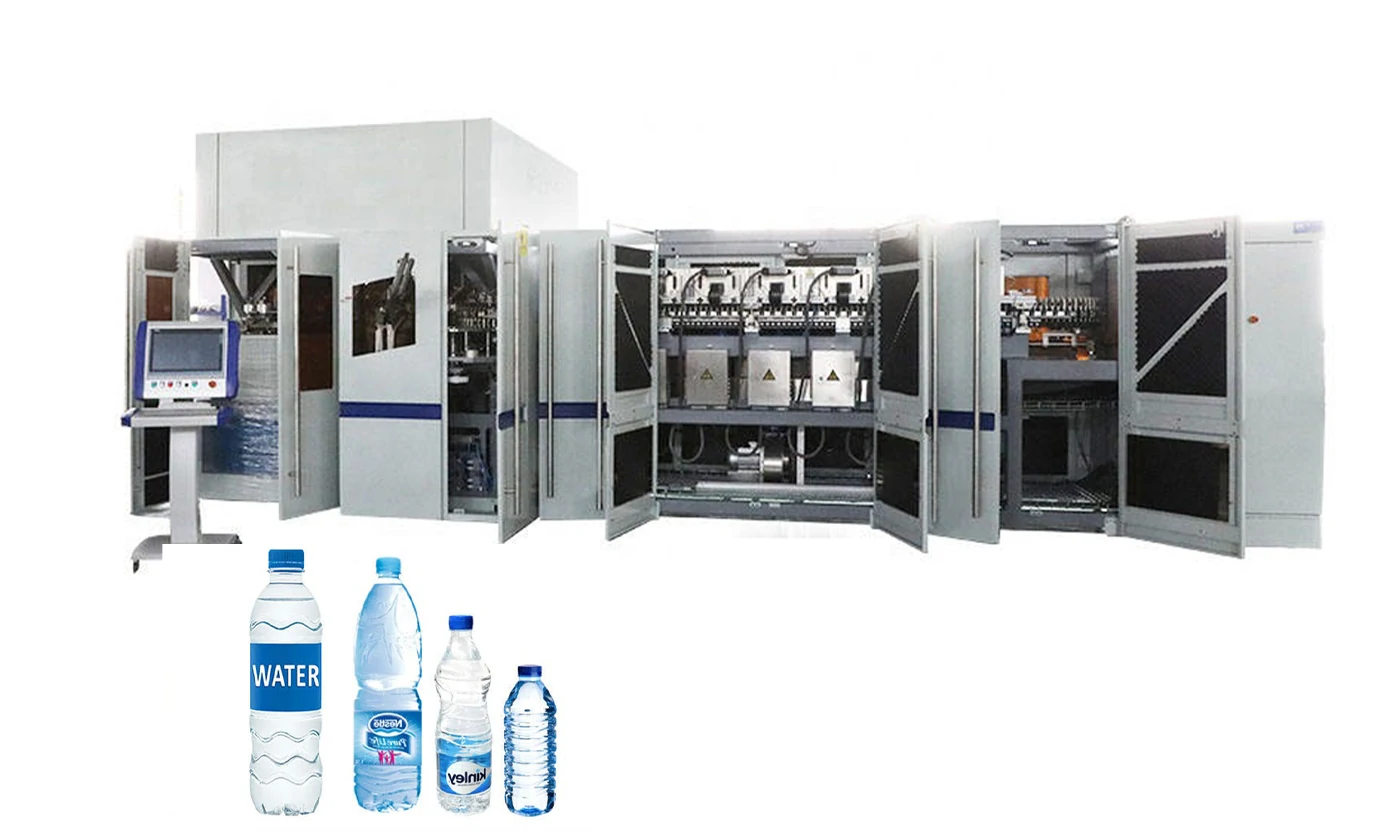
Automatic PET Bottle Blowing Filling Capping Machine – Best price beverage machinery
Automatic PET bottle blowing, filling and capping, with capacities of 12,000–48,000 bottles/hour at 500 ml and bottle volumes up to 2 L.
Learn moreMono-block vs. Separate Filling Machines: Key Differences and Selection Guide
Mono-block filling machines and separate filling machines are two common types of filling equipment, differing in design, degree of functional integration, and usage scenarios.
Learn more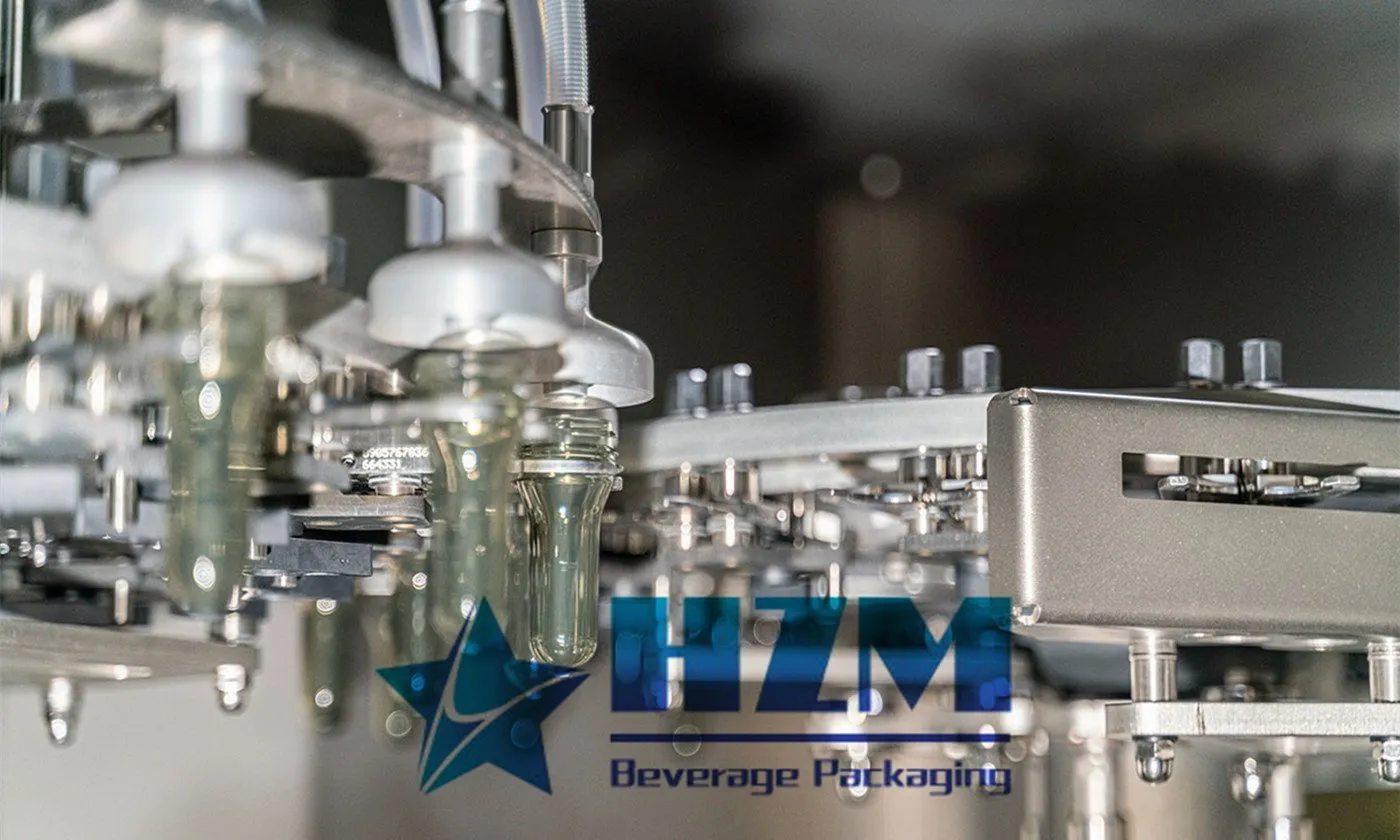
Automatic Combiblock Machine: Features, Applications, and Maintenance
The Automatic Combiblock Machine is a high-speed packaging machine that combines the functions of a filler, capper, and labeler in a single unit. It is a versatile machine used for filling and packaging different types of products, such as water, soft drinks, juices, and dairy products. In this article, we will discuss the features, applications, and maintenance of the Automatic Combiblock Machine.
Learn more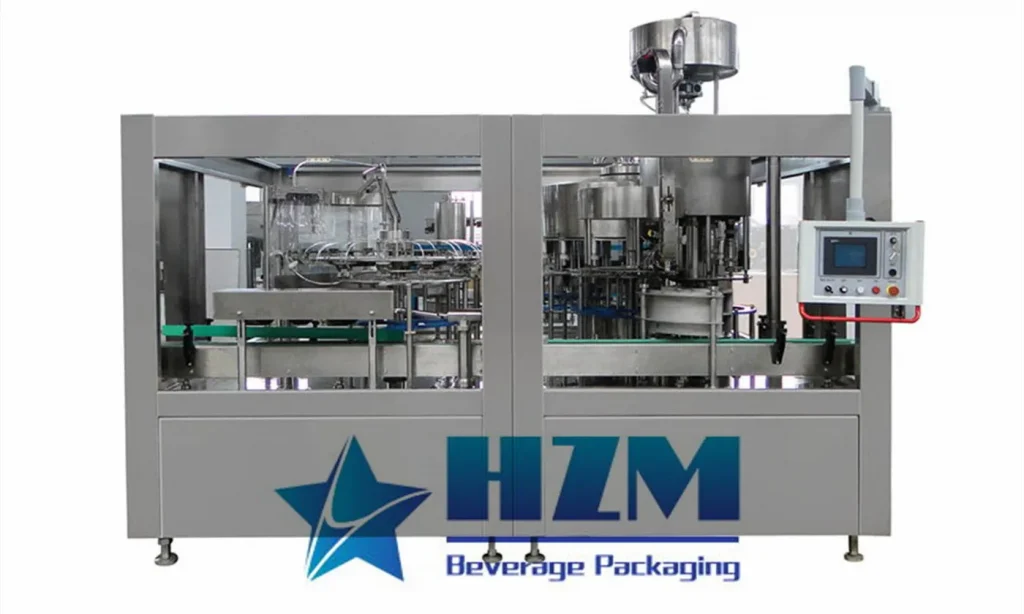
How Rinsing, Filling and Capping Work in One Monoblock
A three-in-one water monoblock transfers bottles through rinsing, filling and capping within a coordinated machine.
Learn moreThree Rinsing Filling Capping 5 in 1 Monoblock Machine
High quality Three Rinsing Filling Capping 5 in 1 Monoblock Machine from China, China's leading spout pouch filling and capping machine product, with strict quality control Spout Pouch Filling Capping Machine factories, producing high quality 1500bph Pouch Filling And Capping Machine products.
Learn more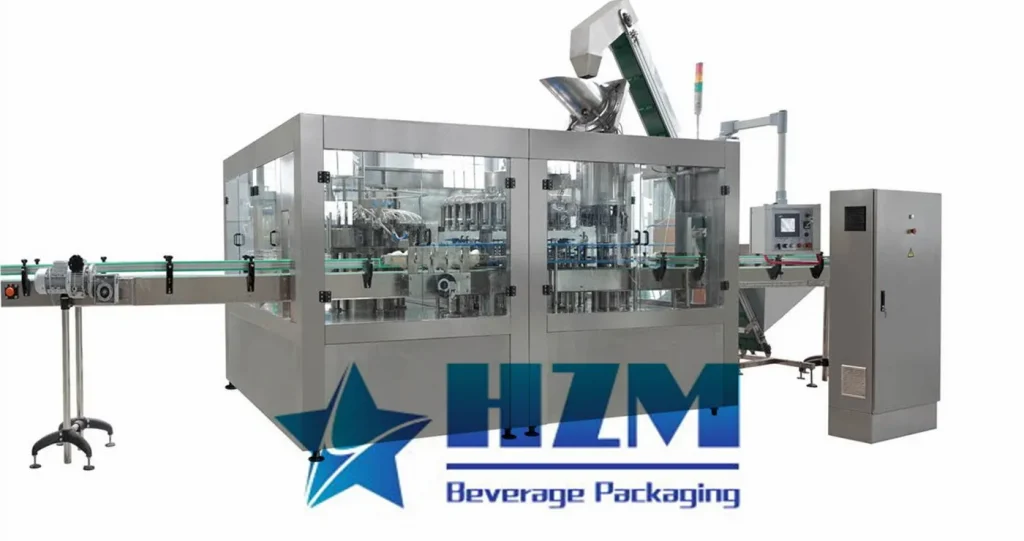
Rinsing, Filling and Capping: The Three Functions of a Water Monoblock
In HZM's water-filling equipment, “three-in-one” refers to rinsing, filling and capping.
Learn more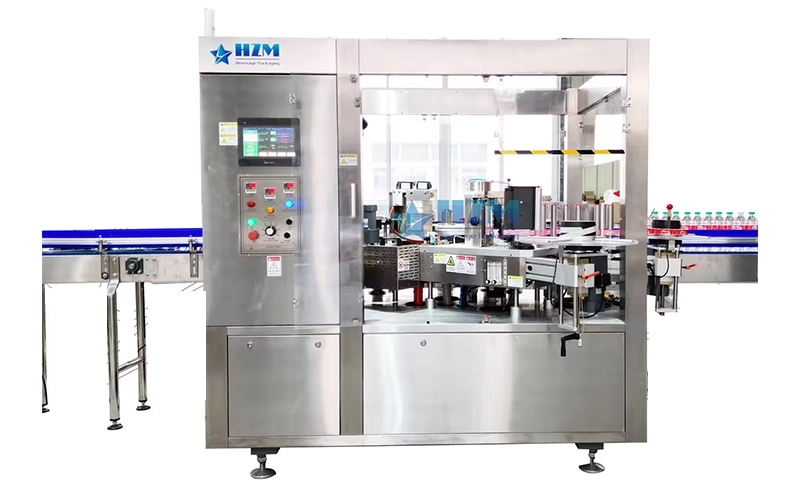
Bottle Labeler Jams After a Format Change
Verify the complete format setup—guides, feed screw, starwheels, centering bells, bottle plates, applicator height and saved recipe.
Learn more