
Insights & Updates
Hot-Fill Line Bottles Deform Before Labeling and Packing
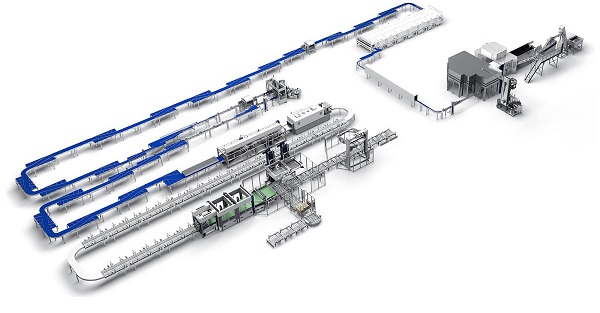
The cost of bottle deformation moving through a complete hot-fill juice line is not limited to the visible reject. It can include product giveaway, rework, unstable downstream operation and hours spent correcting the wrong variable.
A complete production line is a chain of dependent processes: treatment or preparation, container making, filling, closure, labelling, packing, conveying and utilities. The line output is set by the slowest unstable constraint, not by the nameplate speed of one machine. The objective is not merely to clear the alarm for bottle deformation moving through a complete hot-fill juice line, but to recover a repeatable, verifiable process.
Quick answer: Trace bottle temperature, internal pressure and mechanical load from filler to cooler, labeler and packer. Bottle design, fill temperature, cap seal, inversion, cooling and hot-container guides must work as one system.
What operators usually see
Use the following signs to define the boundary of the problem. A head-by-head, lane-by-lane or time-based pattern is especially valuable: For this case, preserve evidence that shows whether bottles panel after capping or cooling.
- Bottles panel after capping or cooling
- Labels wrinkle on hot or wet containers
- Pack guides dent softened sidewalls
- Defects depend on blow-moulder cavity
Make the equipment safe and protect the product
Use the line-wide stop, lockout/tagout and product-hold procedures. A safe diagnosis must include adjacent machines, stored pneumatic and hydraulic energy, hot process circuits, robots and the possibility that equipment can restart from an upstream or downstream command.
Use synchronized timestamps to collect state, speed, fault, starve and block data from every major machine. Add product-quality results and utility pressure, flow, temperature and power so a local alarm can be related to the upstream event that caused it. Explicitly record whether bottles panel after capping or cooling.
Most likely causes, in practical checking order
1. Bottle thermal design and blow process mismatch
Material distribution and heat set do not support the validated hot-fill cycle To test this explanation without guessing, map temperature and deformation at filler, inversion, cooling, drying, labeling and packing Record the result before moving to the next cause.
2. Cooling profile is uneven
Spray, residence and zone balance create local shrinkage and vacuum A practical confirmation step is to trace defects by blow cavity. Compare the finding with a known-good run.
3. Headspace and closure interaction
Fill level and cap sealing determine internal pressure during cooling Do not compensate for this condition in the recipe. First, measure fill level, cap condition and bottle dimensions Keep the original setting and measured result in the fault record.
4. Downstream handling contacts hot weak panels
Guides and accumulation apply force before the bottle stabilizes Separate this cause from the others with one controlled check: verify cooler spray and residence by lane Use the same product, format and speed for the comparison.
Step-by-step diagnostic procedure
Follow the sequence in order and preserve each result. Stop if any check would require defeating a guard, interlock or validated food-safety control.
- Map temperature and deformation at filler, inversion, cooling, drying, labeling and packing
- Trace defects by blow cavity
- Measure fill level, cap condition and bottle dimensions
- Verify cooler spray and residence by lane
- Inspect drying and label surface condition
- Check guides and accumulation at highest bottle temperature
Corrective actions that address the root cause
The repair must remove the mechanism, not hide its alarm. Use specified hygienic and safety-rated parts and record every change.
- Restore the qualified heat-resistant bottle and blow recipe
- Balance cooling and residence
- Correct fill level and closure condition
- Adjust downstream handling for stable non-compressive control
How to verify the repair before full-speed production
A successful no-load cycle is not enough. Use the actual product and package, sample every relevant head or lane, and verify this condition: Confirm that bottle deformation moving through a complete hot-fill juice line is absent for multiple consecutive cycles, not only for one sample. Review the alarm history and keep diagnostic product segregated until the site’s quality procedure releases it.
- Confirm that bottle deformation moving through a complete hot-fill juice line is absent for multiple consecutive cycles, not only for one sample.
- Compare the repaired result for “Bottles panel after capping or cooling” with the approved quality limit and the last known-good baseline.
- Check adjacent stations and downstream package quality for side effects associated with bottle thermal design and blow process mismatch.
- For “Hot-Fill Line Bottles Deform Before Labeling and Packing”, record the final settings, measurements, parts used and restart authorization.
Prevent the problem from returning
Use the repair evidence to improve the control plan. The following actions make recurrence visible early:
- Link blower and hot-fill records
- Trend cooler lanes
- Qualify label adhesion on actual surface condition
- Use hot-bottle setup samples
- Revalidate after bottle lightweighting
When to stop troubleshooting and call a specialist
Stop and contact the machine or component supplier when bottle deformation moving through a complete hot-fill juice line cannot be isolated with non-invasive checks, when it returns after an approved repair, or when calibration requires protected service tools. Stop local work when safe diagnosis requires protected service tools, energized access or a change to a validated process. Send the service engineer the fault history, photos, samples, trend data, recipe revision and work already completed.
Relevant equipment for this application
Where bottle deformation moving through a complete hot-fill juice line reveals an application mismatch rather than a maintenance fault, review the Juice Filling Production Line. A useful technical discussion includes the real bottle, closure, product properties, pack format and site conditions.
Frequently asked questions
What should be checked first when bottle deformation moving through a complete hot-fill juice line?
Trace bottle temperature, internal pressure and mechanical load from filler to cooler, labeler and packer. Bottle design, fill temperature, cap seal, inversion, cooling and hot-container guides must work as one system. Preserve the original settings and take representative samples before repair work begins.
How can we distinguish bottle thermal design and blow process mismatch from cooling profile is uneven?
Material distribution and heat set do not support the validated hot-fill cycle In contrast, spray, residence and zone balance create local shrinkage and vacuum Compare the two mechanisms under the same operating condition by completing these checks: map temperature and deformation at filler, inversion, cooling, drying, labeling and packing Then trace defects by blow cavity
Can production continue while bottle deformation moving through a complete hot-fill juice line?
Only when the plant’s documented risk assessment and quality procedure allow it. For bottle deformation moving through a complete hot-fill juice line, stop and segregate production when package integrity, sanitation, validated processing, pressure safety, electrical protection or an uncontrolled reject trend is involved.
What evidence will help the equipment supplier respond faster?
Provide the model and serial number, product and format, target speed, first fault, timestamps, photos or video, affected station pattern and maintenance history. For this issue, also include bottles panel after capping or cooling and the measured result from this check: check guides and accumulation at highest bottle temperature
Talk to our engineering team
Need help planning your packaging line?
Share your product, bottle and capacity requirements for a practical equipment recommendation.
Equipment
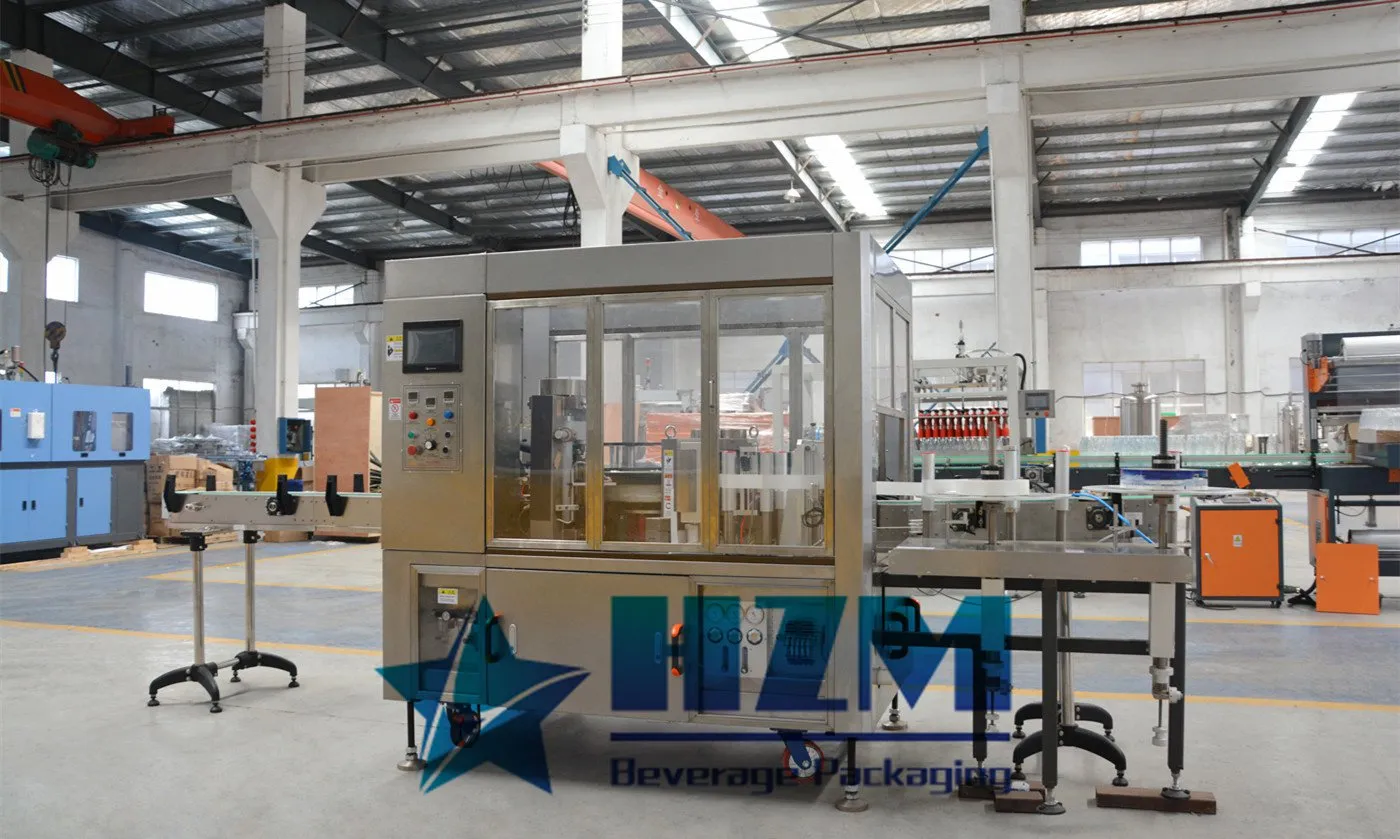
Automatic Linear Type Hot Glue Labeling Machine
Linear hot-glue labelling for water and soft-drink bottles, using roll-fed OPP labels at 8,000–24,000 bottles/hour.
Learn more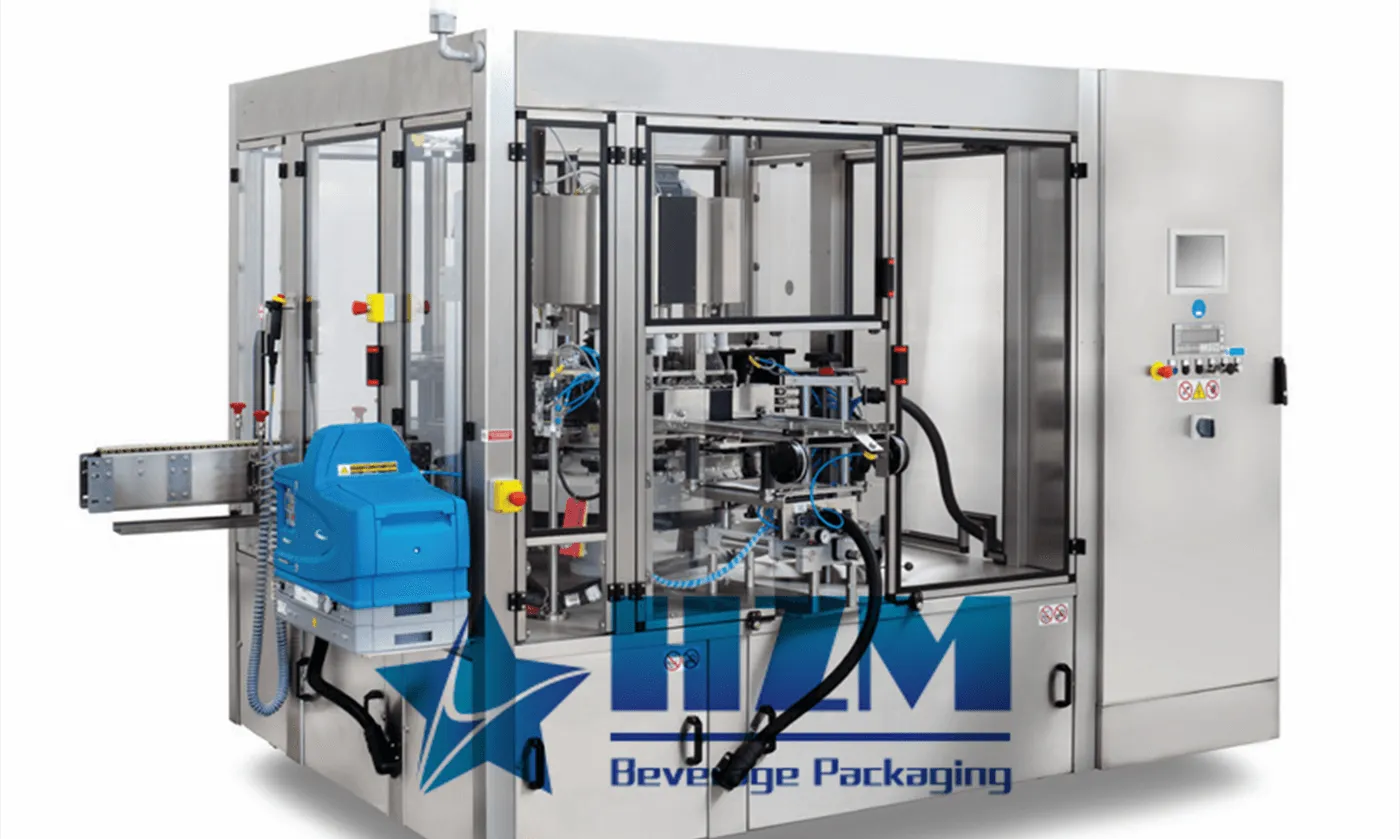
Equipment
Automatic BOPP Hot Glue Labeling Machine
Rotary BOPP hot-glue labelling for beverage containers, with RG models from 8,000 to 24,000 bottles/hour.
Learn more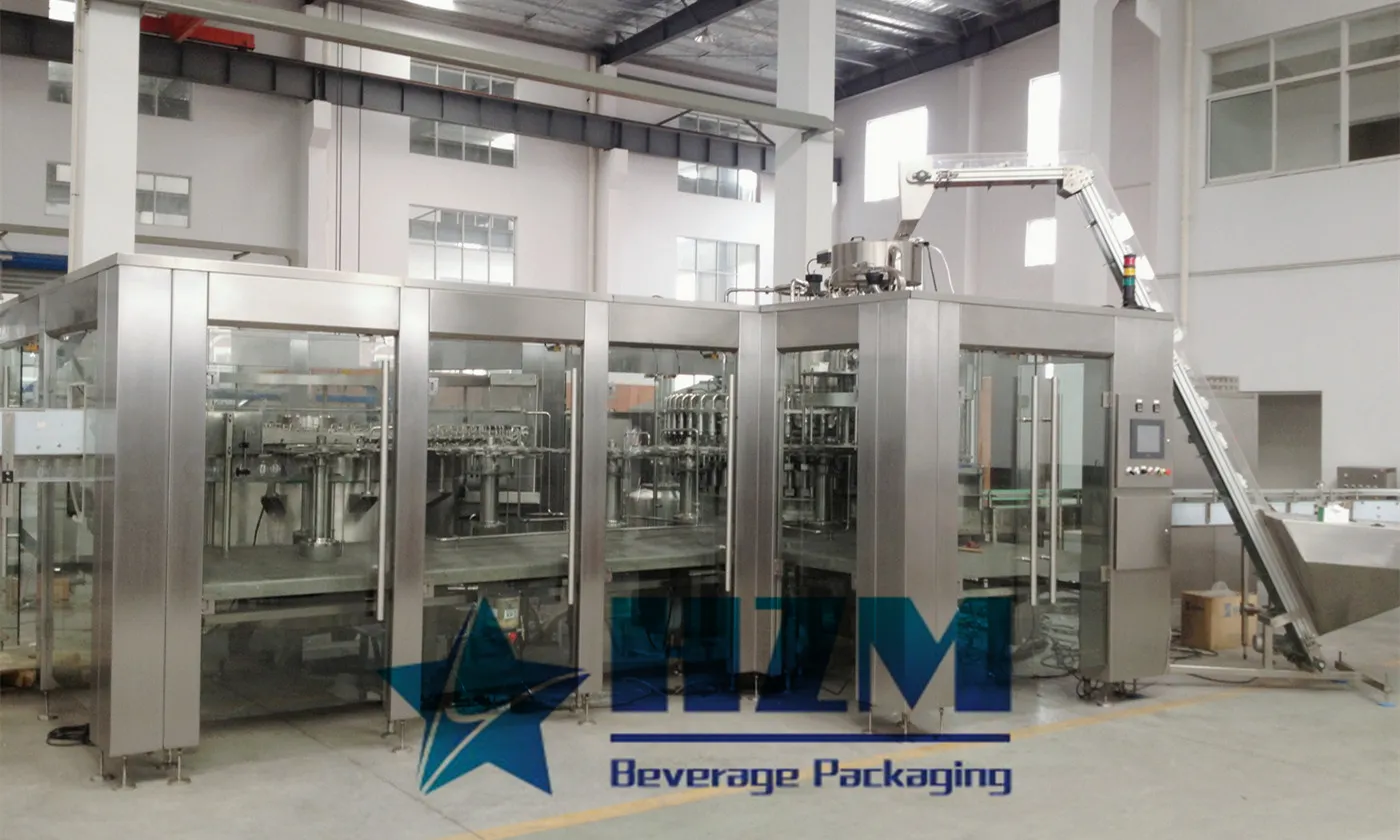
Equipment
PET Bottle juice Beverage Hot Filling Machine
Hot filling for juice and tea in heat-compatible PET bottles, with automatic rinsing, filling and capping.
Learn more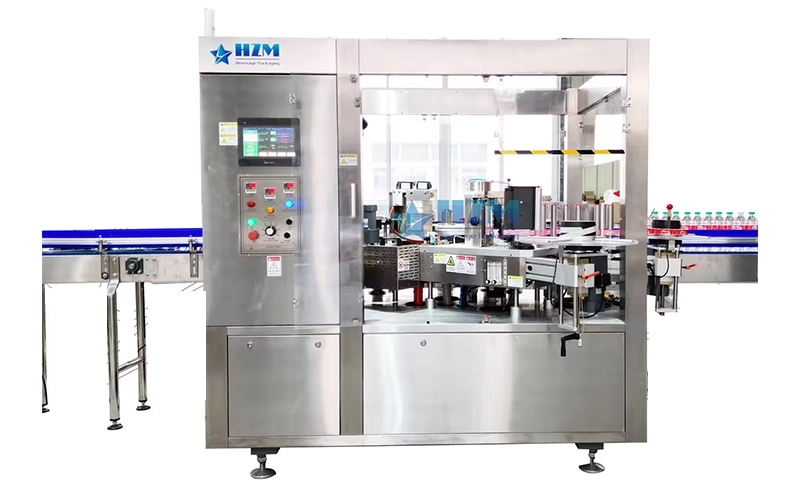
Equipment
Automatic Water Bottle Labeling Machine
Automatic hot-glue labelling for water and beverage bottles, with HG models from 8,000 to 24,000 bottles/hour.
Learn more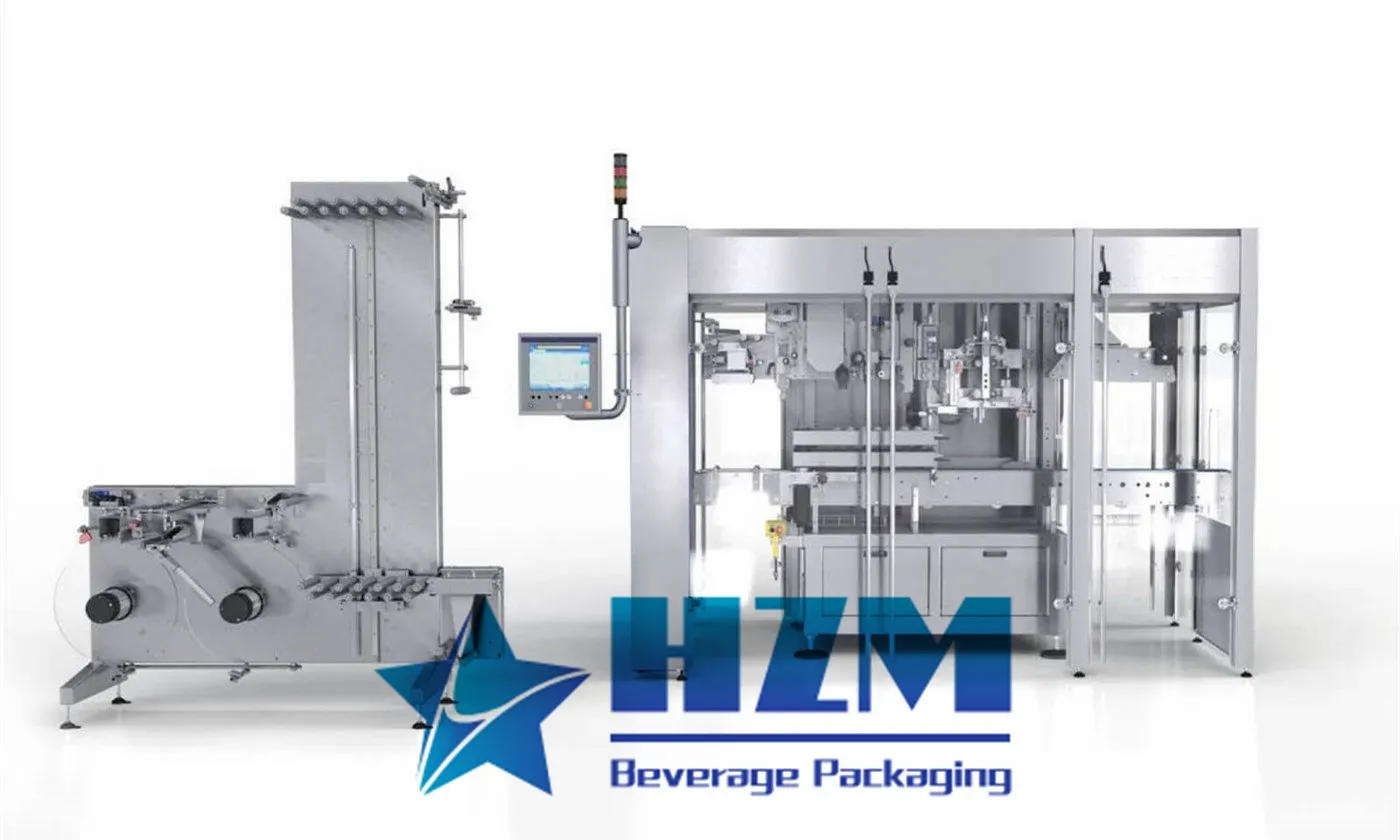
Equipment
Automatic Sleeve Labeling Machine
Automatic shrink sleeve labelling for beverage bottles, with SHB models from 9,000 to 27,000 bottles/hour.
Learn more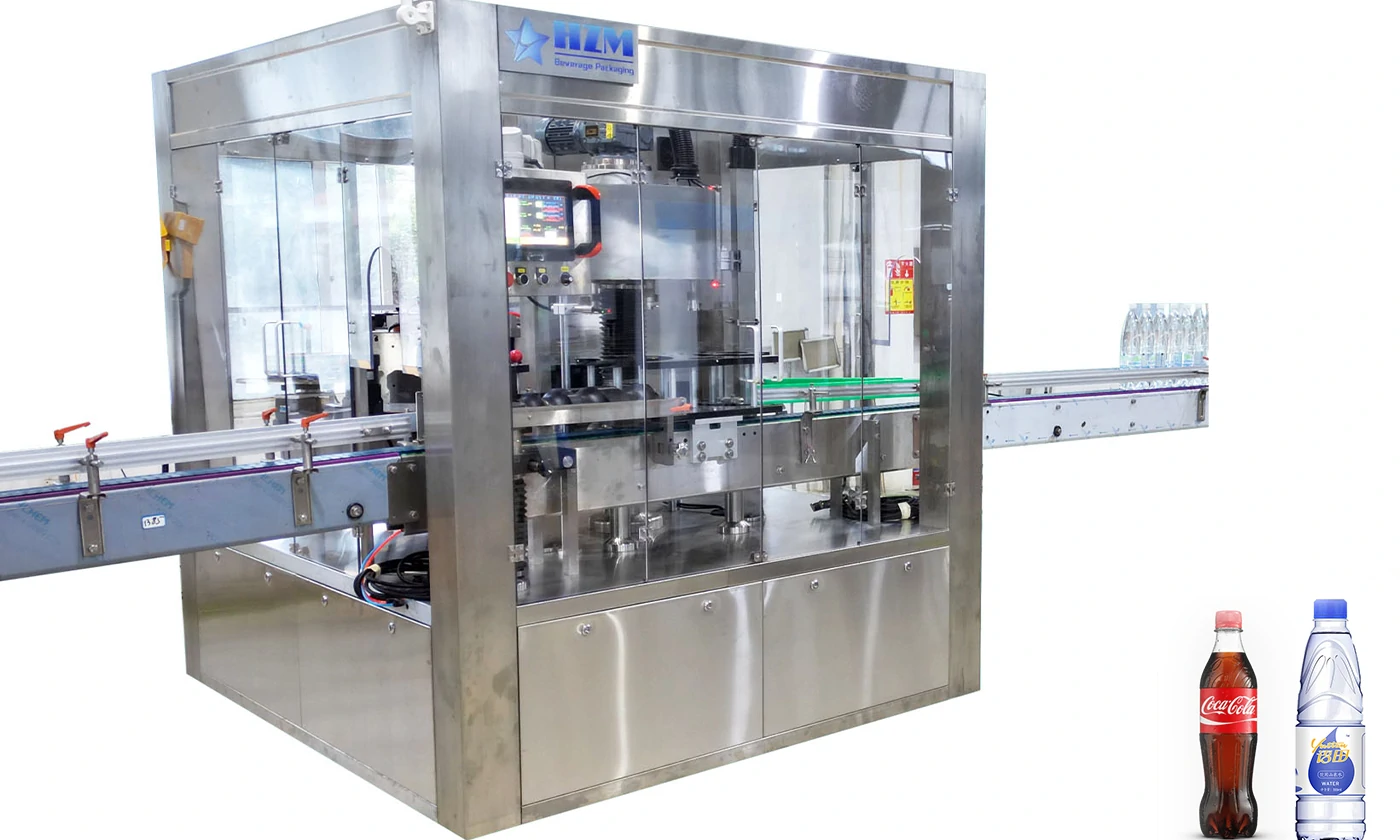
Equipment
Automatic BOPP labeling machine
Automatic BOPP hot-glue labelling for cylindrical containers, with a labelling speed of 12,000 bottles/hour.
Learn more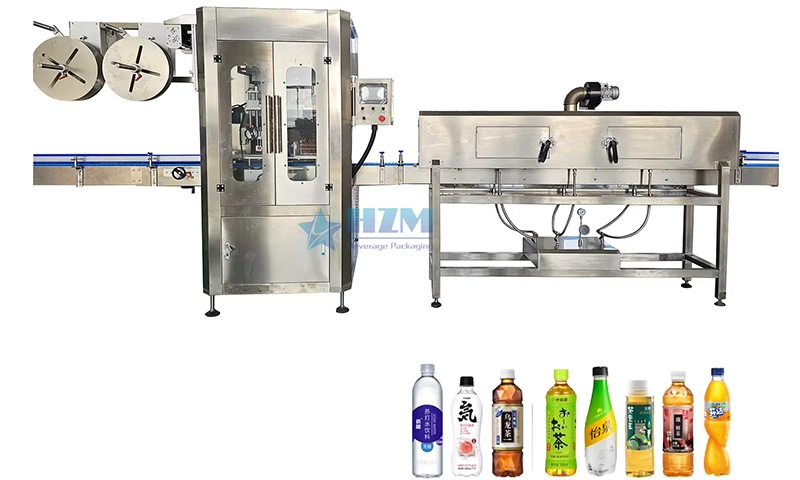
Equipment
Automatic Shrink Sleeve Bottles Labeling Capping Packing Machine
Automatic shrink sleeve application for beverage bottles, with SHB capacities of 9,000–27,000 bottles/hour.
Learn more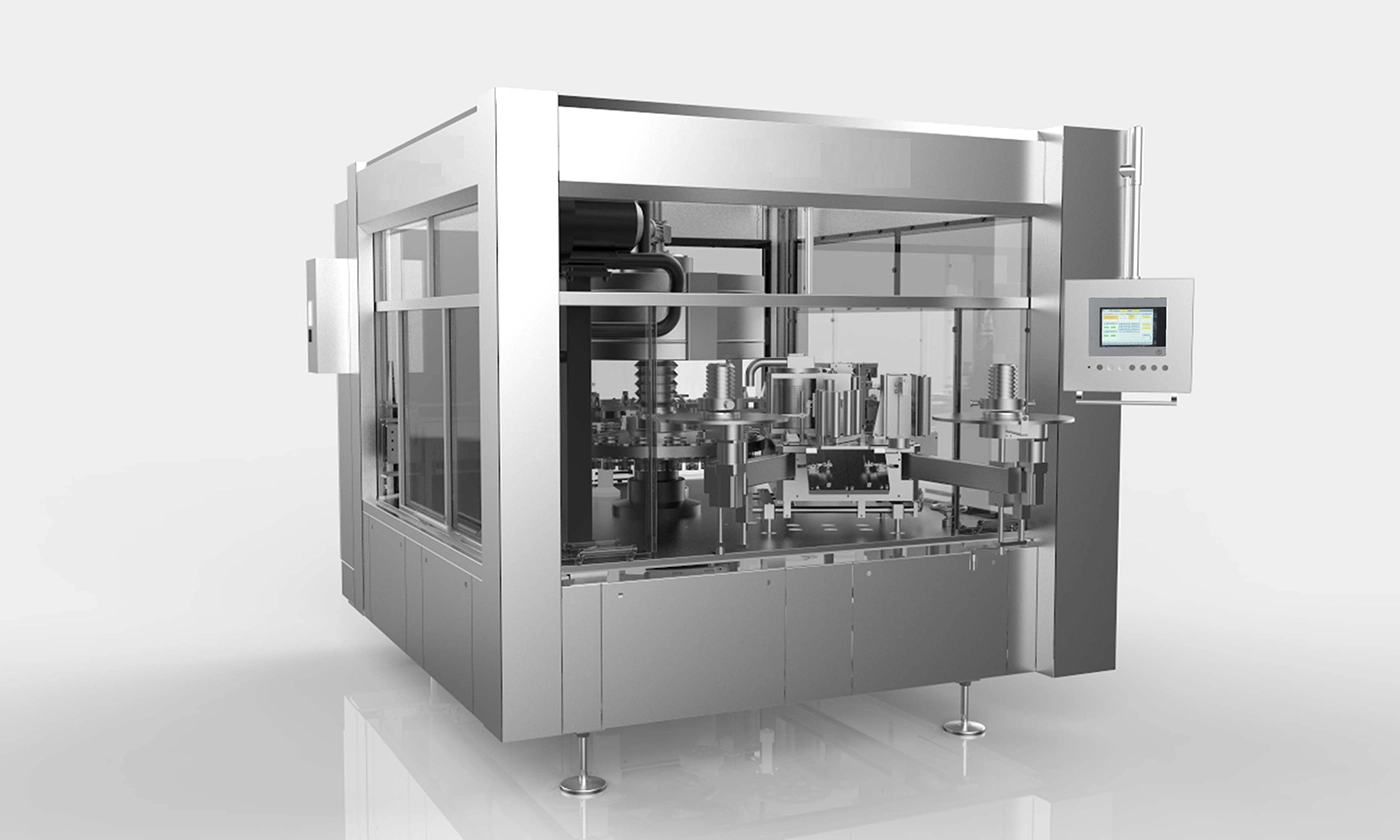
Equipment
Automatic rotary OPP labeling machine: Bottle labeling machine
RH8 rotary OPP and BOPP labelling for round containers, with speeds of 4,000–12,000 bottles/hour for 500–2,000 ml containers.
Learn more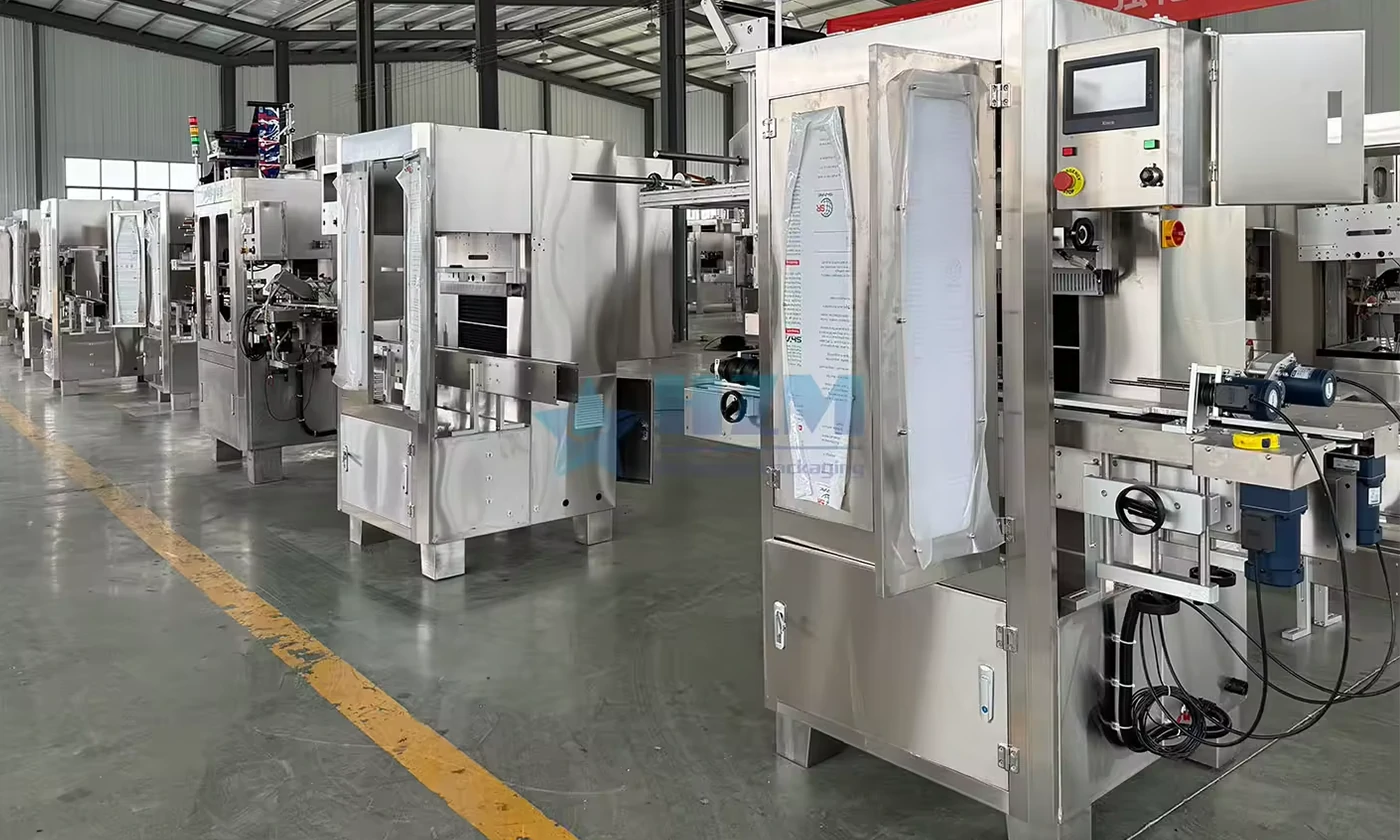
Equipment
Automatic High Speed Bottle Body Sleeve Labelling Machine
The automatic sleeve labelling machine applies shrink sleeves to bottle bodies for water and beverage packaging.
Learn more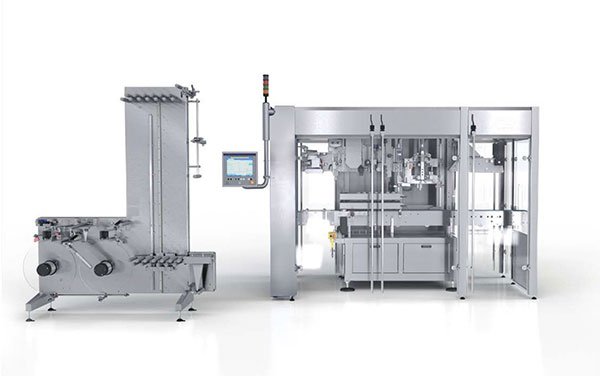
2023-03-24
Three common faults and quick solutions for automatic labeling machines
Labeling machines are widely used in the beverage packaging industry. In recent years, with the continuous development of the video beverage industry and the continuous progress of labeling technology, the labeling machine equipment selected by the beverage packaging industry has gradually put forward higher requirements. At present, the labeling machine has gradually entered the […]
Learn more
2023-06-01
How Do Label Machines Work?
Labels are vital aspects of every business because these help in different business aspects ranging from packaging to presentation, identification, and traceability. These serve as a communicating
Learn more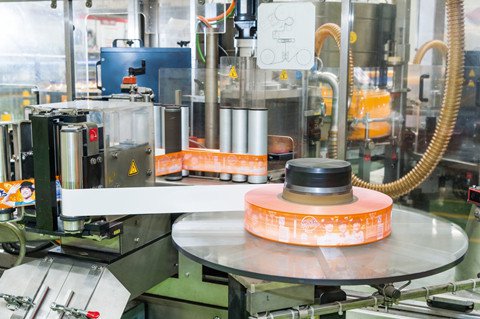
2023-03-24
What is A Labeling System?
A labeling system is a machine that puts labels on the containers, shoppers and bottles. The brands and companies are using them for decades. Through labels, consumers can easily come to know about the brand. Labels increase brand awareness. They also tell consumers about the product. Labels contain the brand name and a little info […]
Learn more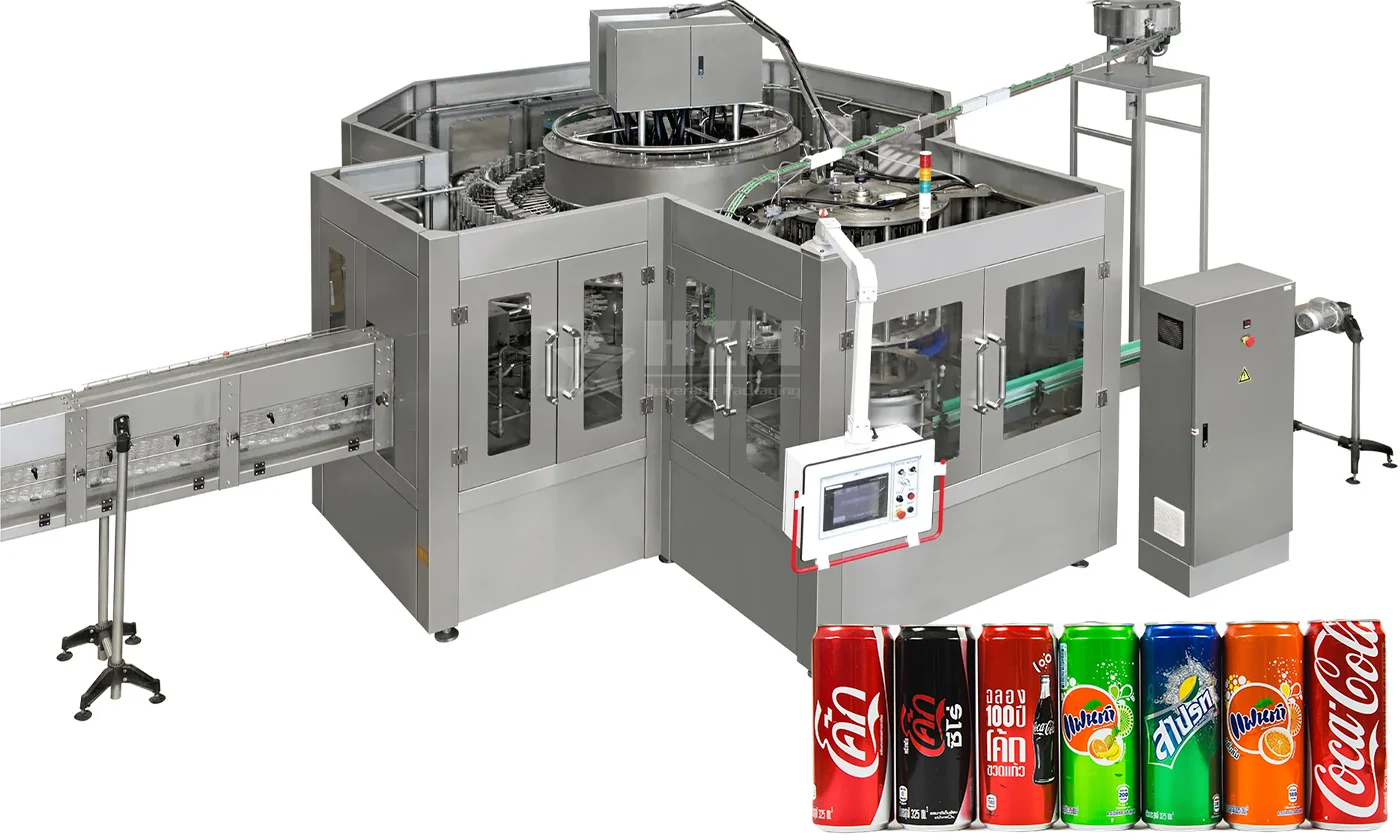
2025-10-24
Differences Between Hot Filling and Cold Filling in Beverage Filling Machines
In the field of beverage filling machines, Hot filling and Cold filling (also known as aseptic filling) are two core processes. Their fundamental differences lie in the product temperature during filling, sterilization logic, and applicable scenarios, which directly affect the beverage quality, shelf life, packaging costs, and equipment investment.
Learn more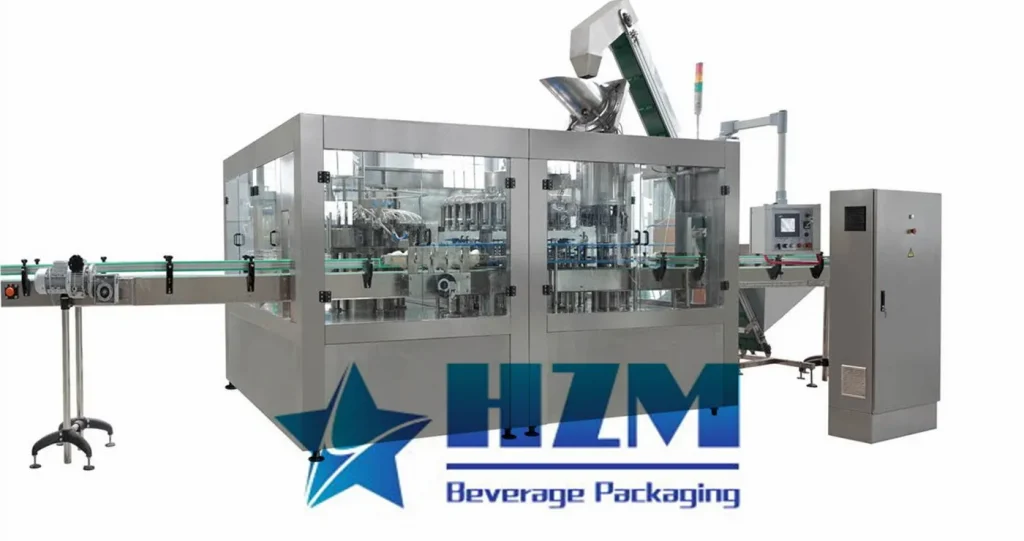
2023-08-09
Three-in-One Beverage Filling Machine: Filling, Capping, Labeling
The Three-in-One Beverage Filling Machine revolutionizes the beverage production process by integrating three crucial functions into one seamless operation
Learn more2024-06-27
Water Plant Labeling Machine
The labeling machine is one of the essential pieces of equipment in a mineral water plant production line. It is widely used for labeling mineral water, bottled drinking water, and beverage bottles.
Learn more