
Insights & Updates
Juice Filler Splashing and Foaming: How to Stabilize the Fill
A repeatable diagnosis of splashing, aeration or foam during juice filling begins with three questions: when did it start, where does it first appear, and what changed immediately beforehand? Those answers are more valuable than a quick reset.
Filling faults are rarely solved by changing one timer at random. Product condition, tank pressure, valve mechanics, container handling and the active recipe must be separated so that a quality symptom is not confused with a machine symptom. In this case, juice splashes onto the neck and cap area is the key observation to preserve. Use the guide to rank likely causes and document the restored condition.
Quick answer: Stabilize product temperature, dissolved air, tank level and nozzle position, then verify the fast/slow fill profile. Splashing often begins when the stream hits the bottle shoulder or when entrained air reaches the valve.
What operators usually see
Before opening the machine, compare the visible and measured symptoms. Note whether each one is continuous, intermittent or tied to a specific station: For this case, preserve evidence that shows whether juice splashes onto the neck and cap area.
- Juice splashes onto the neck and cap area
- Foam causes apparent underfill after settling
- Oxidation-sensitive product contains visible air bubbles
- The problem changes with bottle shape or nozzle
Make the equipment safe and protect the product
Stop automatic operation, isolate electrical and pneumatic energy, close and depressurize product circuits, and follow the machine lockout/tagout procedure before opening guards or removing a valve. Quarantine product made since the last confirmed good check.
Record filler speed, bowl or tank level, product temperature, pressure, fill result by valve or head, cap torque where applicable, and the exact time of each reject. A head-by-head pattern is far more useful than a line average. Explicitly record whether juice splashes onto the neck and cap area.
Most likely causes, in practical checking order
1. Entrained air in product supply
Suction leaks, high return velocity or poor deaeration carry bubbles into the filler To test this explanation without guessing, inspect product for bubbles before it enters the filler and check supply suction conditions Record the result before moving to the next cause.
2. Nozzle position or stream direction
The liquid jet strikes a shoulder, rib or wall at an unstable angle A practical confirmation step is to map splashing by nozzle and bottle format. Compare the finding with a known-good run.
3. Aggressive flow profile
High initial flow or late slow-down creates turbulence near the target level Do not compensate for this condition in the recipe. First, verify nozzle depth, concentricity and stream pattern at reduced speed Keep the original setting and measured result in the fault record.
4. Temperature or viscosity drift
Product response changes as temperature or formulation moves during the batch Separate this cause from the others with one controlled check: trend product temperature, viscosity indicator and tank level Use the same product, format and speed for the comparison.
Step-by-step diagnostic procedure
Use the last known-good run as the baseline. If a check needs energized access or pressure exposure, use the manufacturer’s approved specialist procedure.
- Inspect product for bubbles before it enters the filler and check supply suction conditions
- Map splashing by nozzle and bottle format
- Verify nozzle depth, concentricity and stream pattern at reduced speed
- Trend product temperature, viscosity indicator and tank level
- Compare commanded fast and slow fill phases with valve response
- Check finished-package oxygen or quality indicators required by the product plan
Corrective actions that address the root cause
Apply a correction only to the cause demonstrated by the checks. Save the old parameter, removed part and measured condition for review.
- Eliminate suction leaks and restore approved deaeration or gentle product return
- Align or replace the nozzle and use the correct format part
- Tune the validated fill profile only after mechanics and product condition are stable
- Control product temperature and formulation consistency
How to verify the repair before full-speed production
Before releasing full-speed production, reproduce the operating condition that originally exposed the fault. Then complete this acceptance check: Confirm that splashing, aeration or foam during juice filling is absent for multiple consecutive cycles, not only for one sample. Review the alarm history and keep diagnostic product segregated until the site’s quality procedure releases it.
- Confirm that splashing, aeration or foam during juice filling is absent for multiple consecutive cycles, not only for one sample.
- Compare the repaired result for “Juice splashes onto the neck and cap area” with the approved quality limit and the last known-good baseline.
- Check adjacent stations and downstream package quality for side effects associated with entrained air in product supply.
- For “Juice Filler Splashing and Foaming: How to Stabilize the Fill”, record the final settings, measurements, parts used and restart authorization.
Prevent the problem from returning
Add the checks below to the operator, sanitation or preventive-maintenance standard and assign a measurable acceptance condition.
- Use a changeover check for nozzle depth and stream position
- Trend air entrainment at the filler inlet
- Maintain pumps and seals on product supply
- Record fill-profile revisions
- Validate every new bottle shape with the real juice
When to stop troubleshooting and call a specialist
Stop and contact the machine or component supplier when splashing, aeration or foam during juice filling cannot be isolated with non-invasive checks, when it returns after an approved repair, or when calibration requires protected service tools. Specialist support is also required when the same protective fault returns after an approved repair or structural damage is suspected. Send the service engineer the fault history, photos, samples, trend data, recipe revision and work already completed.
Relevant equipment for this application
For a project-level comparison related to splashing, aeration or foam during juice filling, see HZM Machinery’s PET Bottle Juice Beverage Filling Machine. Use actual product, container and utility data when evaluating whether the configuration fits the duty.
Frequently asked questions
What should be checked first when splashing, aeration or foam during juice filling?
Stabilize product temperature, dissolved air, tank level and nozzle position, then verify the fast/slow fill profile. Splashing often begins when the stream hits the bottle shoulder or when entrained air reaches the valve. Preserve the original settings and take representative samples before repair work begins.
How can we distinguish entrained air in product supply from nozzle position or stream direction?
Suction leaks, high return velocity or poor deaeration carry bubbles into the filler In contrast, the liquid jet strikes a shoulder, rib or wall at an unstable angle Compare the two mechanisms under the same operating condition by completing these checks: inspect product for bubbles before it enters the filler and check supply suction conditions Then map splashing by nozzle and bottle format
Can production continue while splashing, aeration or foam during juice filling?
Only when the plant’s documented risk assessment and quality procedure allow it. For splashing, aeration or foam during juice filling, stop and segregate production when package integrity, sanitation, validated processing, pressure safety, electrical protection or an uncontrolled reject trend is involved.
What evidence will help the equipment supplier respond faster?
Provide the model and serial number, product and format, target speed, first fault, timestamps, photos or video, affected station pattern and maintenance history. For this issue, also include juice splashes onto the neck and cap area and the measured result from this check: check finished-package oxygen or quality indicators required by the product plan
Talk to our engineering team
Need help planning your packaging line?
Share your product, bottle and capacity requirements for a practical equipment recommendation.
Equipment
Bottled Juice Packaging Machine
Bottled juice filling equipment with rinsing and capping, from 6,000 to 18,000 bottles/hour at 500 ml.
Learn moreEquipment
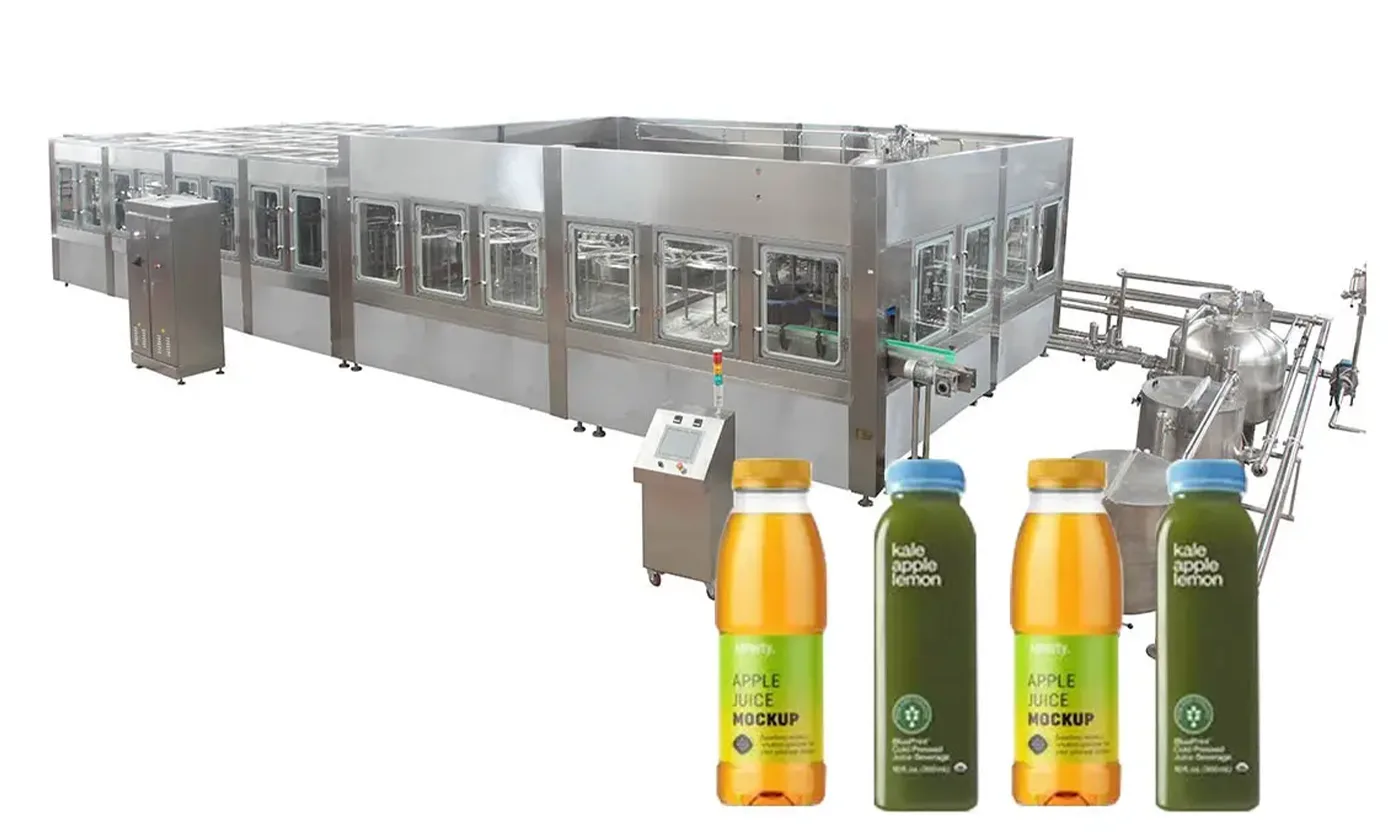
PET Bottle Juice Beverage Filling Machine
PET bottle juice filling with automatic rinsing and capping, for juice, tea and still beverages.
Learn more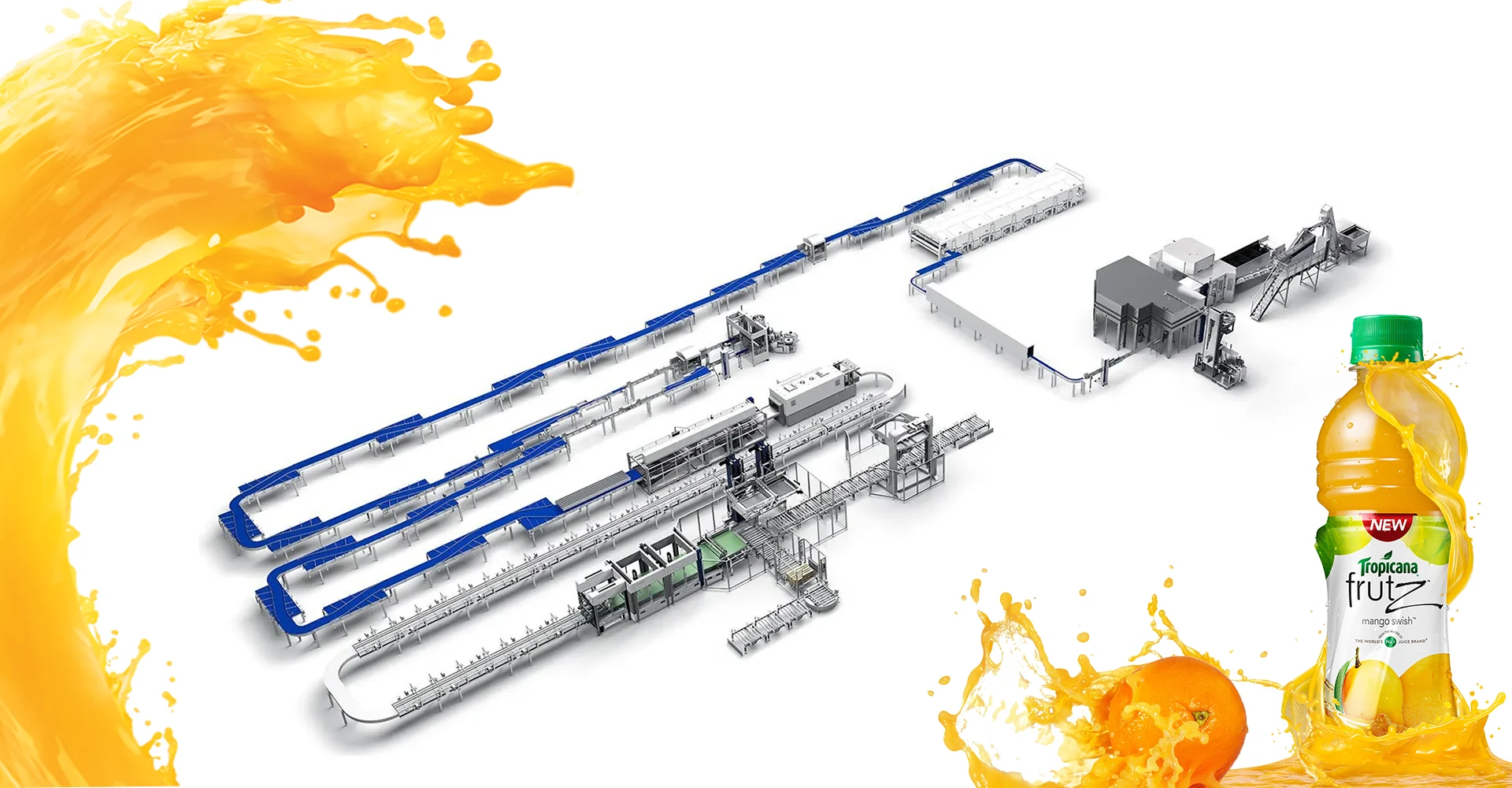
Equipment
Juice beverage bottling line
The juice beverage bottling line connects beverage preparation and thermal processing with bottle filling, capping, labelling and packing.
Learn more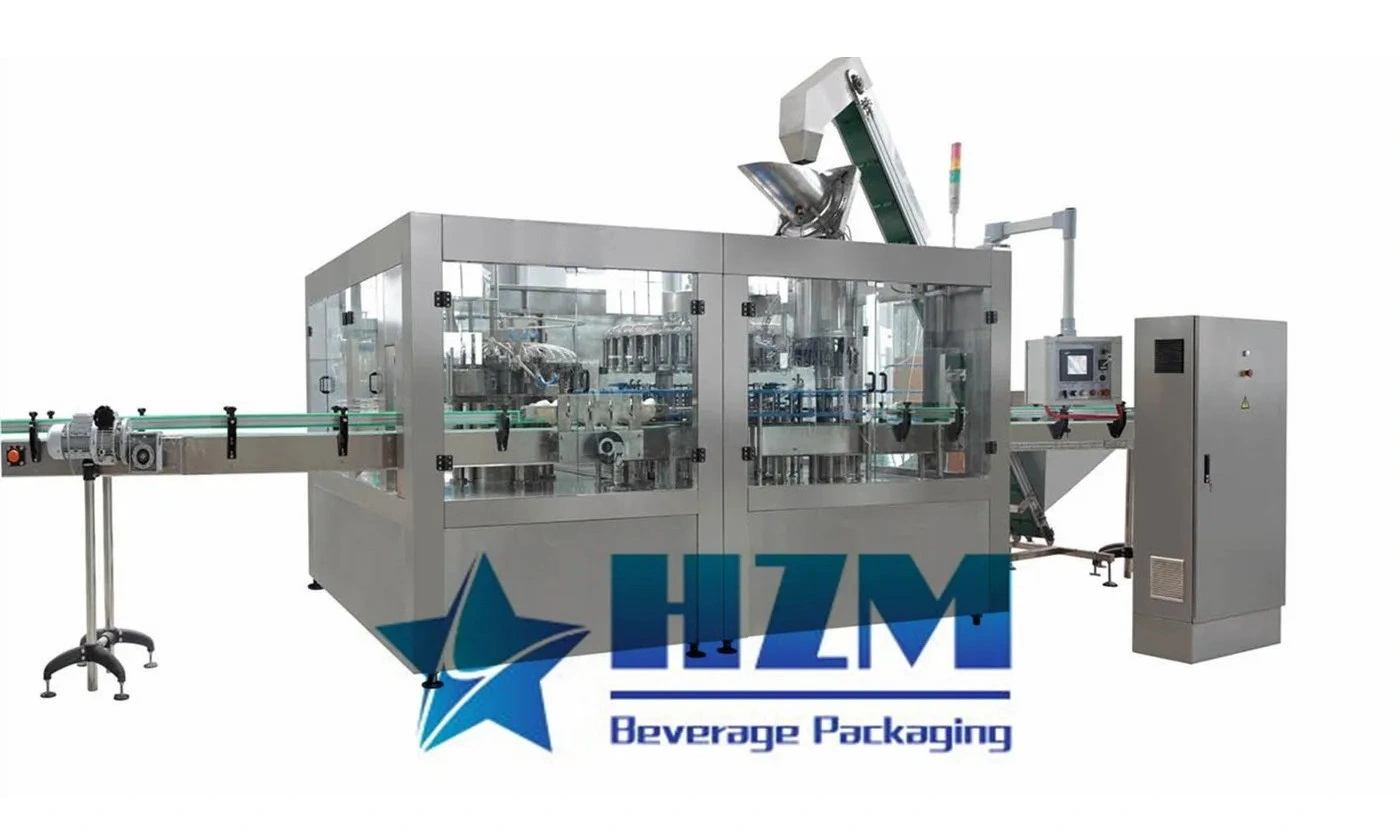
Equipment
Glass Bottle Juice Beverage Filling Machine
Glass bottle juice filling with rinsing and capping, for juice, tea and other still beverages.
Learn more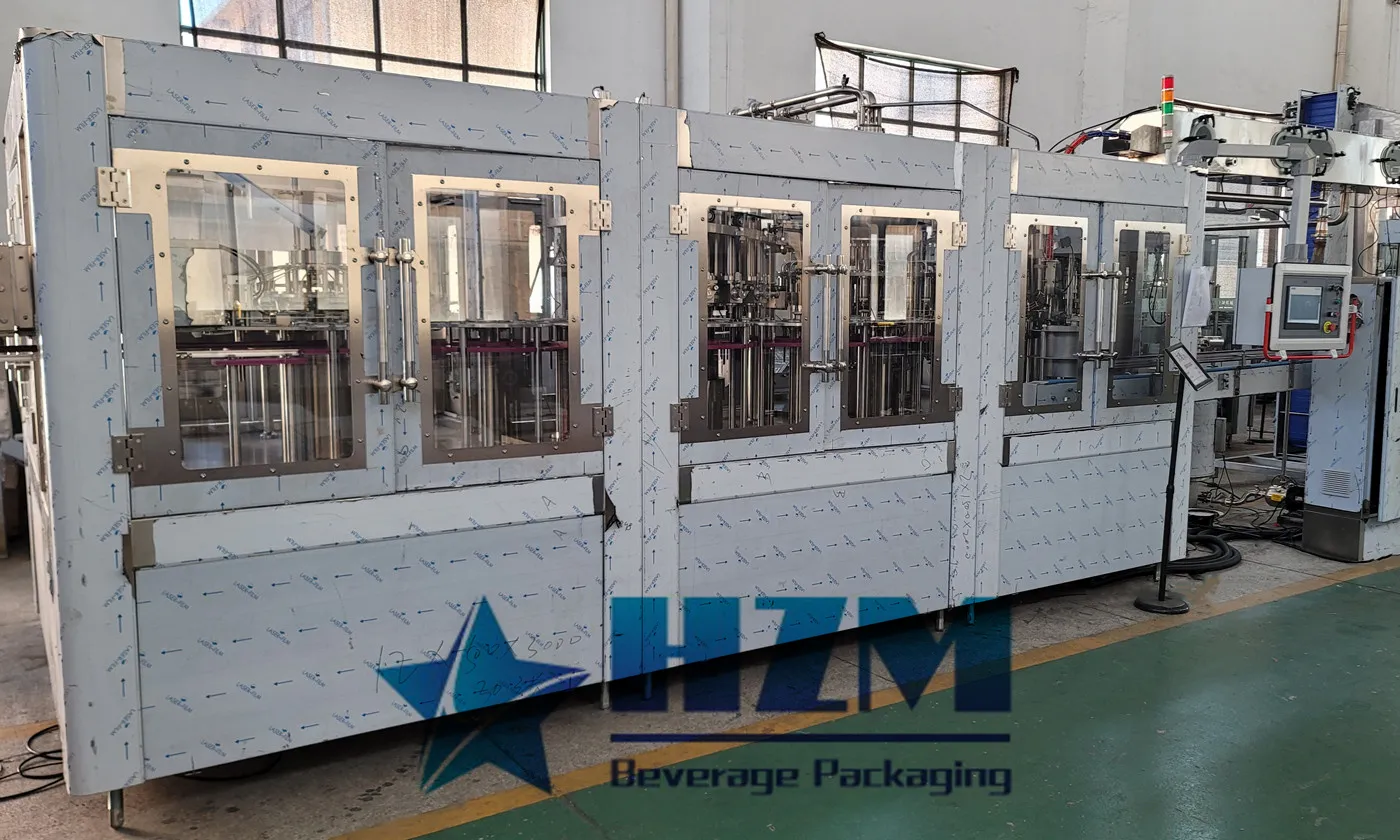
Equipment
Automatic Pulp Juice Filling Machine
Pulp juice filling with separate pulp and liquid dosing, bottle rinsing and capping for beverages containing fruit particles.
Learn more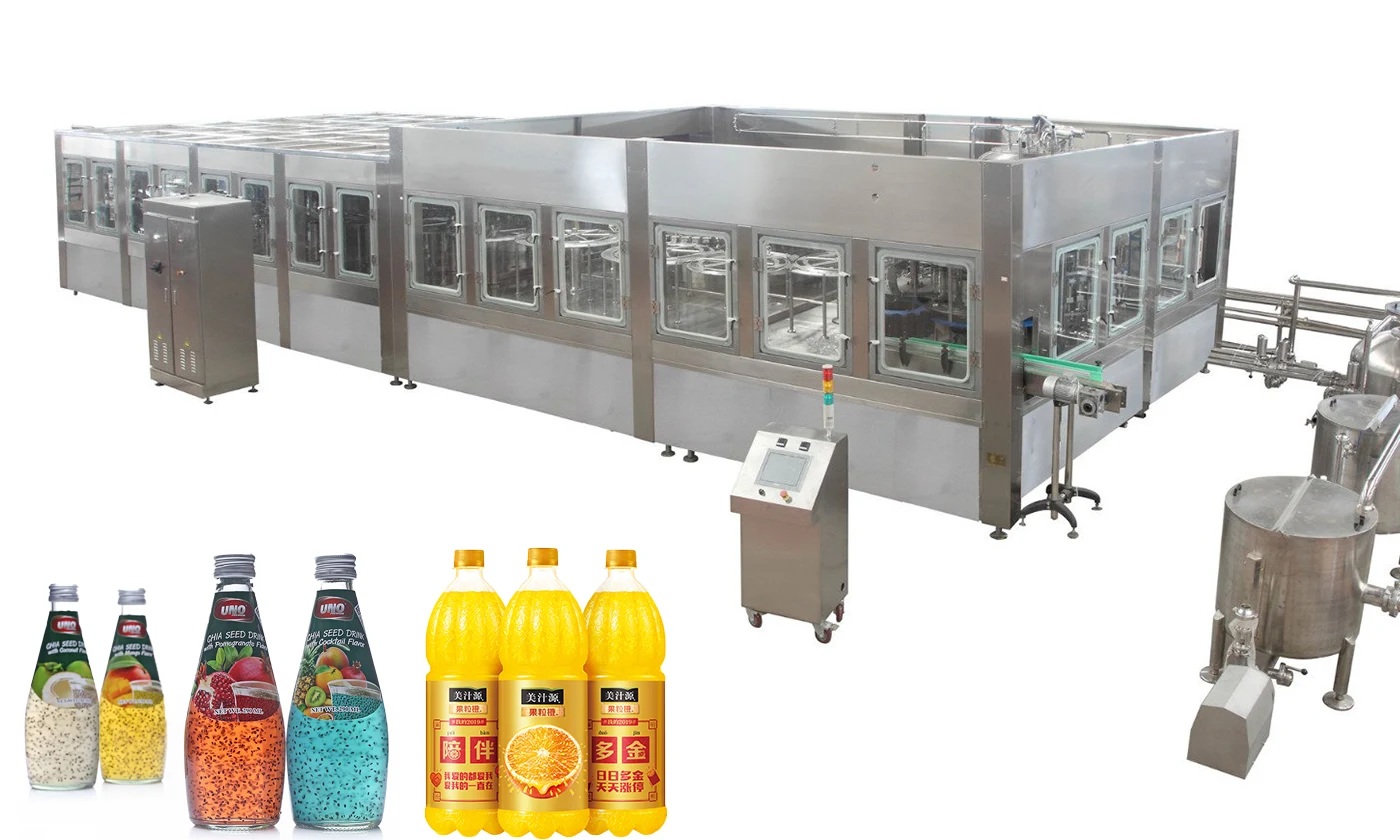
Equipment
juice Pulp Filling Machine 4 in 1
RXGGF16-16-5 pulp juice filling with separate pulp and liquid dosing, rinsing and capping at 5,000 bottles/hour for 250 ml bottles.
Learn more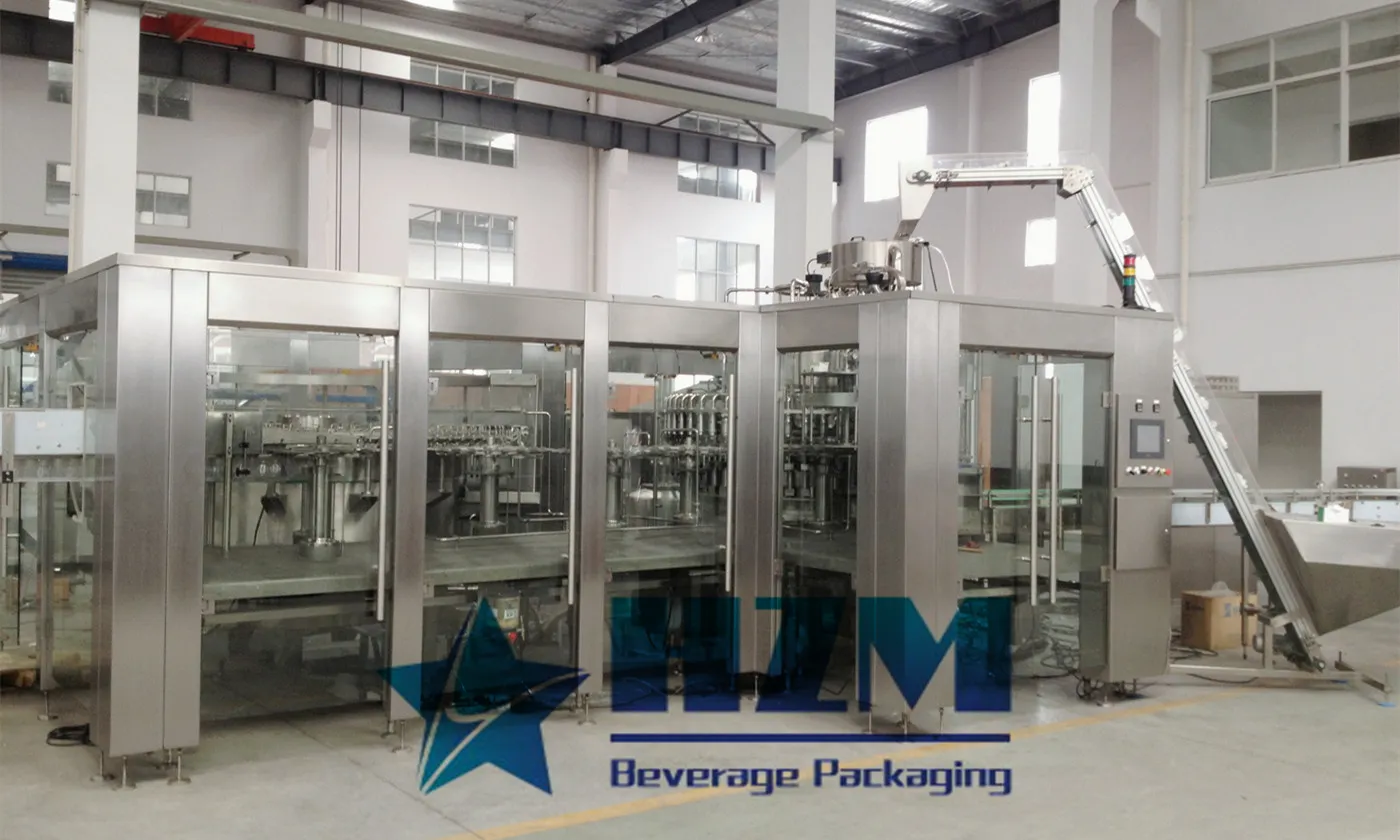
Equipment
PET Bottle juice Beverage Hot Filling Machine
Hot filling for juice and tea in heat-compatible PET bottles, with automatic rinsing, filling and capping.
Learn more
Equipment
Automatic Beverage Packaging Machines – Juice, Soda & Soft Drinks
HZM beverage packaging equipment connects juice, soda and soft drink filling with labelling, coding and secondary packaging.
Learn more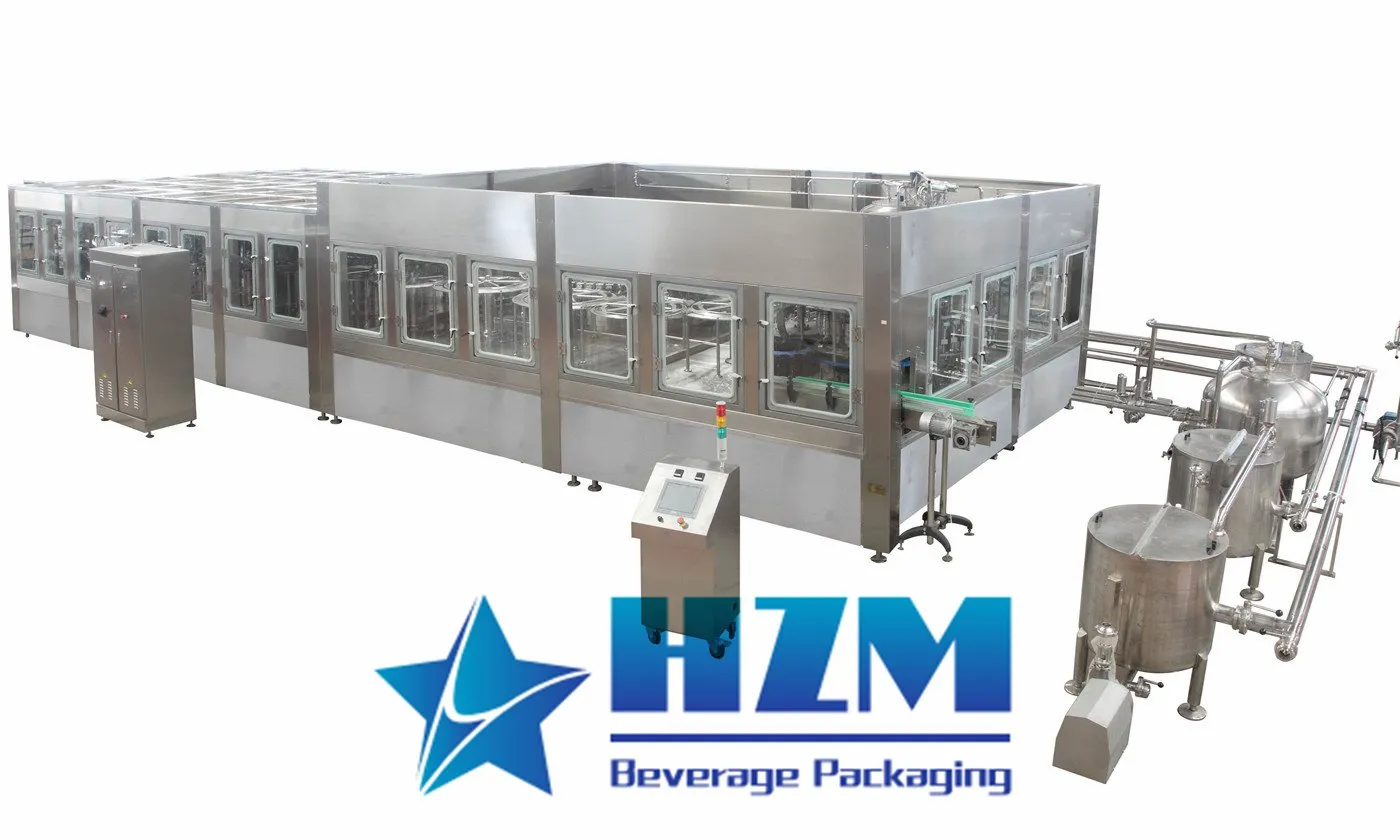
Equipment
Moderate Temperature Juice Filling Machine
Moderate-temperature juice filling with automatic bottle rinsing and capping, with XXGF models from 6,000 to 24,000 bottles/hour at 500 ml.
Learn more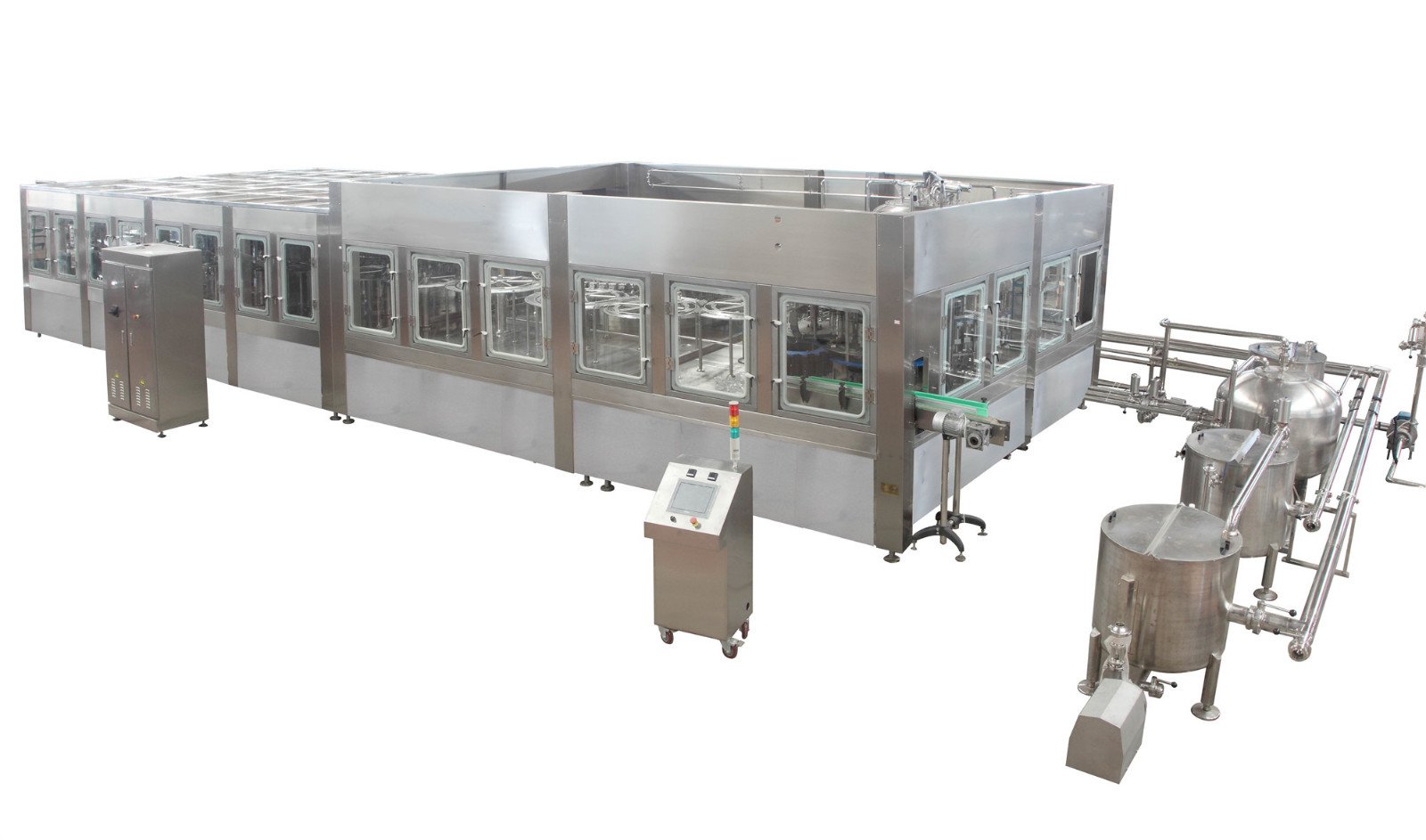
2023-03-24
The Working Principle of Juice Filling Machine
Juice filling machine and ordinary water or carbonated beverage materials are significantly different in composition, filling methods and filling processes are also different. Therefore, the structure of juice filling machine is very different from that of ordinary water filling machine in terms of filling cylinder, filling valve and management system. Because the ingredients of the juice hot filling […]
Learn more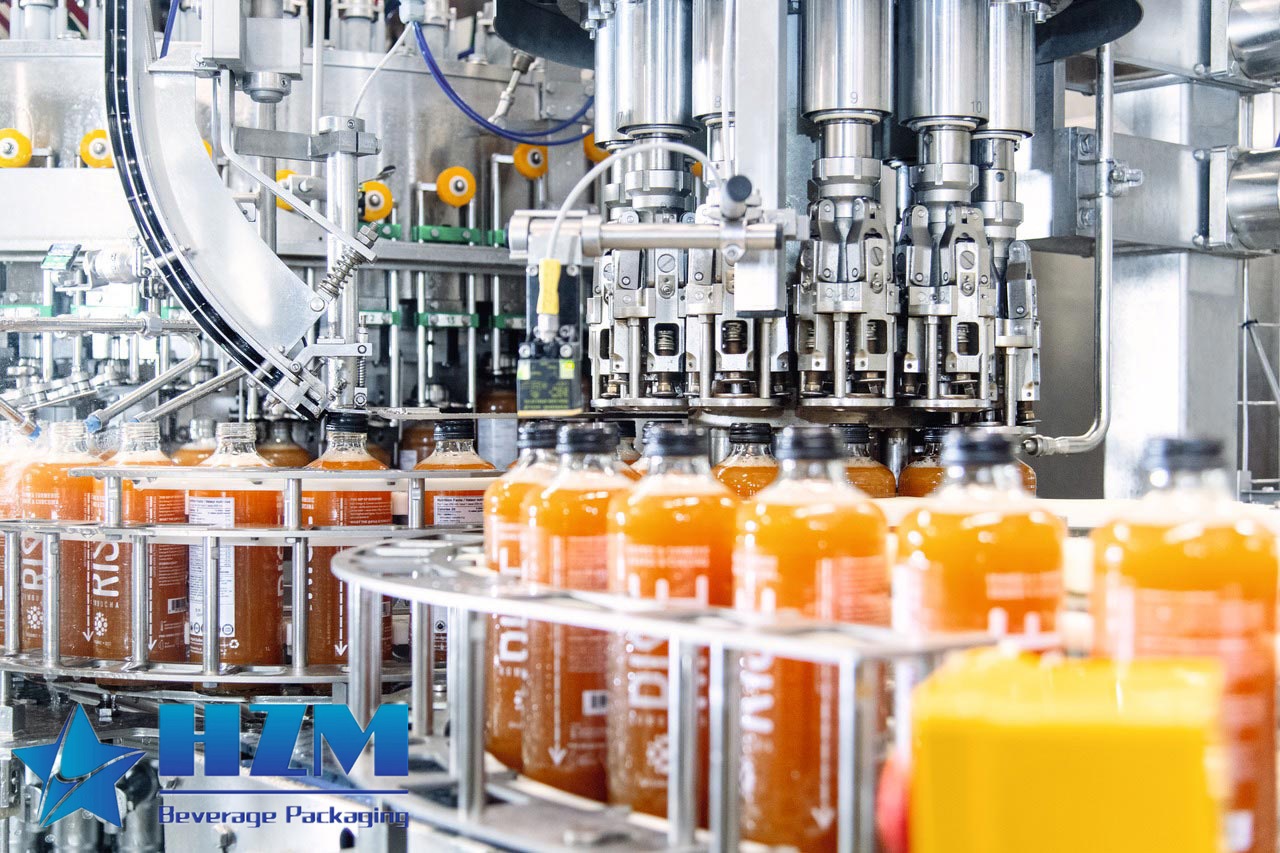
2023-08-22
The Application of Filling Machines in the Juice Beverage Industry
With the growing emphasis on healthy consumption, juice beverages have become increasingly popular in modern life. To meet market demands, juice beverage manufacturers employ advanced technologies and equipment, with filling machines playing a pivotal role in the juice beverage industry. This article focuses on the application and advantages of filling machines in the realm of juice beverages.
Learn more2023-11-22
Common Faults and Solutions in Juice Beverage Filling Machines
It is inevitable that issues may arise when using a juice beverage filling machine over an extended period. This does not necessarily indicate a problem with the quality of the equipment. Just like any other machinery, minor malfunctions can develop with time. While these issues may not immediately disrupt operations, if left unattended, they can […]
Learn more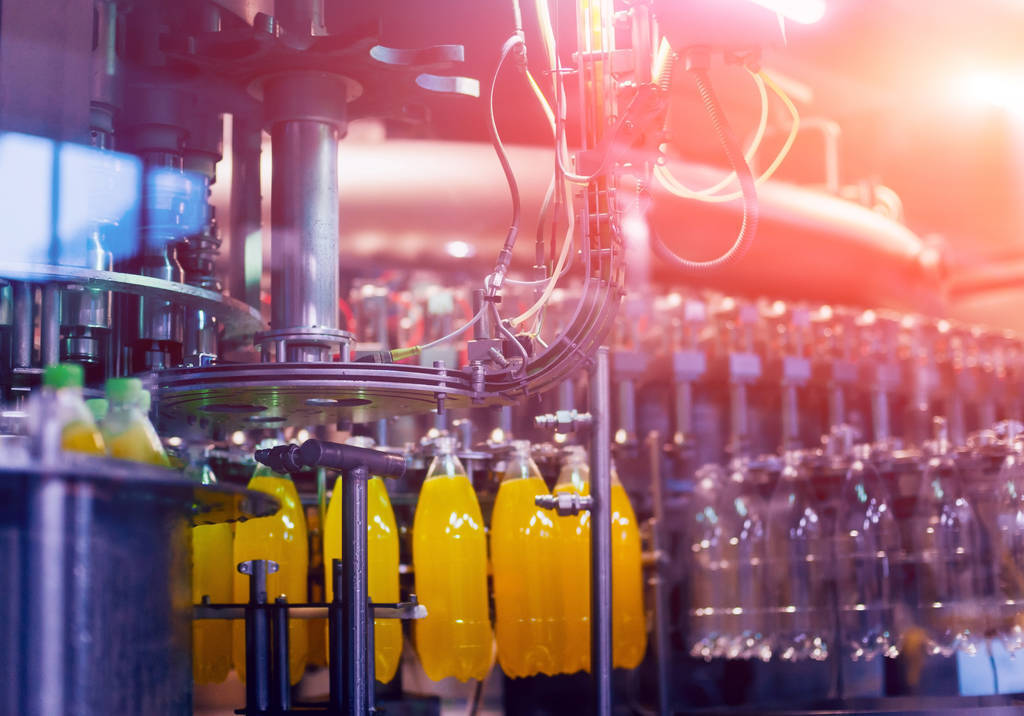
2023-07-16
Juice Beverage Filling Machine: Enhancing Production Efficiency
The flexibility and high output of the juice beverage filling machine make it an indispensable tool in the modern juice beverage production process. Whether accommodating different types and capacities of bottles or ensuring efficient production in terms of hourly output, the juice beverage filling machine plays a vital role.
Learn more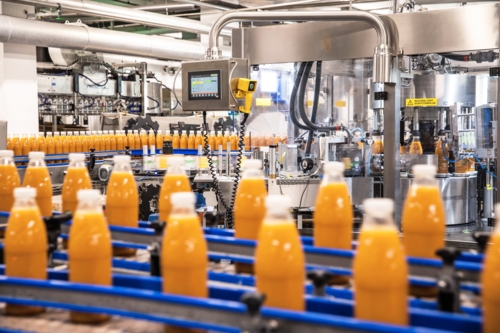
2023-11-27
Three-in-One Juice Beverage Packaging Machine
A three-in-one juice beverage packaging machine is a versatile piece of equipment that combines three essential functions into a single unit: bottle washing, filling, and capping.
Learn more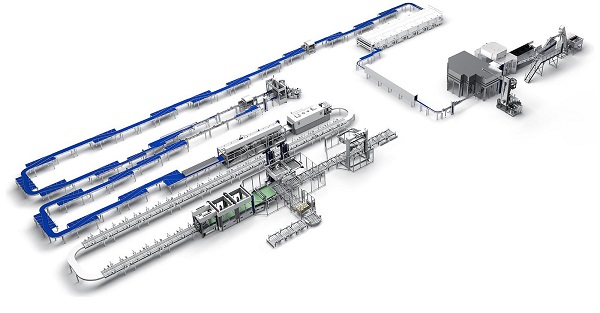
2023-09-08
Juice Beverage Filling Production Process
In the cold filling method of the beverage production line, the product is cooled to room temperature after being ultra-high-temperature sterilized. It is filled in aseptic conditions created by humans into bottles or cartons that have been sterilized with hydrogen peroxide.
Learn more