
Insights & Updates
Juice Line Brix and Temperature Drift from Blending to Filling
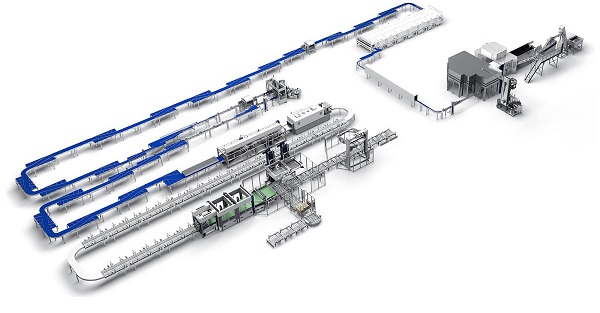
When brix and product temperature changing across a complete juice production line appears, changing the nearest setpoint is tempting but risky. A durable repair starts by retaining samples, capturing the first alarm and separating a local head or lane problem from a line-wide process problem.
A complete production line is a chain of dependent processes: treatment or preparation, container making, filling, closure, labelling, packing, conveying and utilities. The line output is set by the slowest unstable constraint, not by the nameplate speed of one machine. The objective is not merely to clear the alarm for brix and product temperature changing across a complete juice production line, but to recover a repeatable, verifiable process.
Quick answer: Use synchronized samples and instrument trends at blend tank, thermal process, buffer and filler. Check ratio control, tank mixing, water carryover, heat exchange, recirculation and residence during stops.
What operators usually see
Use the following signs to define the boundary of the problem. A head-by-head, lane-by-lane or time-based pattern is especially valuable: For this case, preserve evidence that shows whether blend-tank samples pass but packaged juice fails.
- Blend-tank samples pass but packaged juice fails
- The first bottles after a stop are diluted or cool
- Brix varies within one batch
- Filler temperature and process outlet disagree
Make the equipment safe and protect the product
Use the line-wide stop, lockout/tagout and product-hold procedures. A safe diagnosis must include adjacent machines, stored pneumatic and hydraulic energy, hot process circuits, robots and the possibility that equipment can restart from an upstream or downstream command.
Use synchronized timestamps to collect state, speed, fault, starve and block data from every major machine. Add product-quality results and utility pressure, flow, temperature and power so a local alarm can be related to the upstream event that caused it. Explicitly record whether blend-tank samples pass but packaged juice fails.
Most likely causes, in practical checking order
1. Tank or line stratification
Poor agitation and low recirculation create nonuniform product To test this explanation without guessing, tag a product slug and take synchronized approved samples along the line Record the result before moving to the next cause.
2. Residual water and valve leakage
CIP water or a leaking seat dilutes product between the process and filler A practical confirmation step is to trend Brix, temperature, flow and valve states on one clock. Compare the finding with a known-good run.
3. Thermal and flow control interaction
Heating changes viscosity and flow while unstable recirculation alters residence Do not compensate for this condition in the recipe. First, verify tank mixing and product return Keep the original setting and measured result in the fault record.
4. Sampling points are not synchronized
Different product slugs are compared as though they are the same material Separate this cause from the others with one controlled check: review line displacement and drain endpoints after CIP Use the same product, format and speed for the comparison.
Step-by-step diagnostic procedure
Follow the sequence in order and preserve each result. Stop if any check would require defeating a guard, interlock or validated food-safety control.
- Tag a product slug and take synchronized approved samples along the line
- Trend Brix, temperature, flow and valve states on one clock
- Verify tank mixing and product return
- Review line displacement and drain endpoints after CIP
- Check heat-exchanger and recirculation performance through stops
- Reconcile inline instruments with laboratory methods
Corrective actions that address the root cause
The repair must remove the mechanism, not hide its alarm. Use specified hygienic and safety-rated parts and record every change.
- Restore tank mixing and controlled recirculation
- Repair leaking valves and improve line displacement
- Stabilize thermal and flow loops
- Calibrate instruments and standardize timestamped sampling
How to verify the repair before full-speed production
A successful no-load cycle is not enough. Use the actual product and package, sample every relevant head or lane, and verify this condition: Confirm that brix and product temperature changing across a complete juice production line is absent for multiple consecutive cycles, not only for one sample. Review the alarm history and keep diagnostic product segregated until the site’s quality procedure releases it.
- Confirm that brix and product temperature changing across a complete juice production line is absent for multiple consecutive cycles, not only for one sample.
- Compare the repaired result for “Blend-tank samples pass but packaged juice fails” with the approved quality limit and the last known-good baseline.
- Check adjacent stations and downstream package quality for side effects associated with tank or line stratification.
- For “Juice Line Brix and Temperature Drift from Blending to Filling”, record the final settings, measurements, parts used and restart authorization.
Prevent the problem from returning
Use the repair evidence to improve the control plan. The following actions make recurrence visible early:
- Use a line-wide quality map
- Verify first product after every stop
- Trend lab-to-inline bias
- Maintain seat-leak detection
- Control recipe and valve-matrix changes
When to stop troubleshooting and call a specialist
Stop and contact the machine or component supplier when brix and product temperature changing across a complete juice production line cannot be isolated with non-invasive checks, when it returns after an approved repair, or when calibration requires protected service tools. Specialist support is also required when the same protective fault returns after an approved repair or structural damage is suspected. Send the service engineer the fault history, photos, samples, trend data, recipe revision and work already completed.
Relevant equipment for this application
For a project-level comparison related to brix and product temperature changing across a complete juice production line, see HZM Machinery’s Juice Filling Production Line. Use actual product, container and utility data when evaluating whether the configuration fits the duty.
Frequently asked questions
What should be checked first when brix and product temperature changing across a complete juice production line?
Use synchronized samples and instrument trends at blend tank, thermal process, buffer and filler. Check ratio control, tank mixing, water carryover, heat exchange, recirculation and residence during stops. Preserve the original settings and take representative samples before repair work begins.
How can we distinguish tank or line stratification from residual water and valve leakage?
Poor agitation and low recirculation create nonuniform product In contrast, cIP water or a leaking seat dilutes product between the process and filler Compare the two mechanisms under the same operating condition by completing these checks: tag a product slug and take synchronized approved samples along the line Then trend Brix, temperature, flow and valve states on one clock
Can production continue while brix and product temperature changing across a complete juice production line?
Only when the plant’s documented risk assessment and quality procedure allow it. For brix and product temperature changing across a complete juice production line, stop and segregate production when package integrity, sanitation, validated processing, pressure safety, electrical protection or an uncontrolled reject trend is involved.
What evidence will help the equipment supplier respond faster?
Provide the model and serial number, product and format, target speed, first fault, timestamps, photos or video, affected station pattern and maintenance history. For this issue, also include blend-tank samples pass but packaged juice fails and the measured result from this check: reconcile inline instruments with laboratory methods
Talk to our engineering team
Need help planning your packaging line?
Share your product, bottle and capacity requirements for a practical equipment recommendation.
Equipment
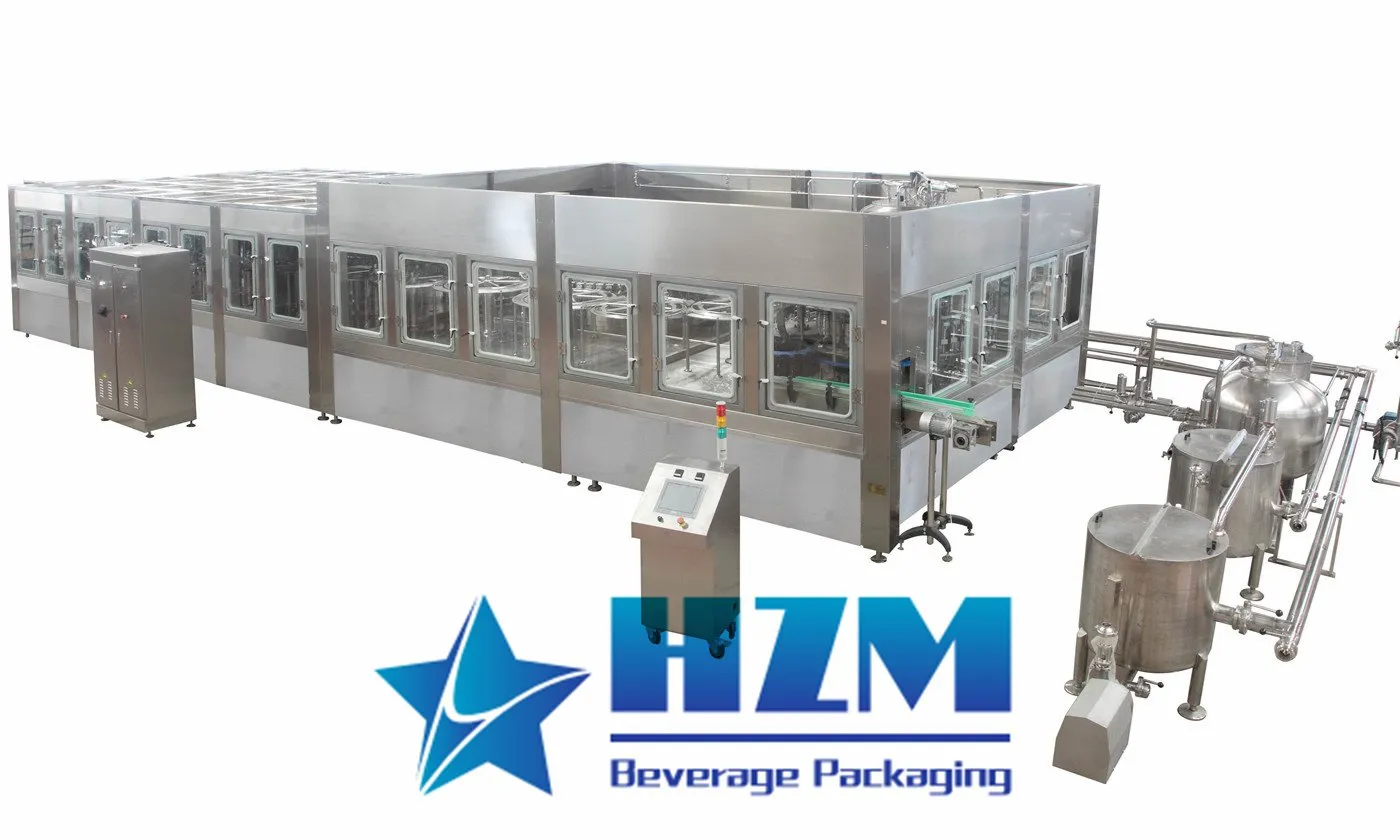
Moderate Temperature Juice Filling Machine
Moderate-temperature juice filling with automatic bottle rinsing and capping, with XXGF models from 6,000 to 24,000 bottles/hour at 500 ml.
Learn more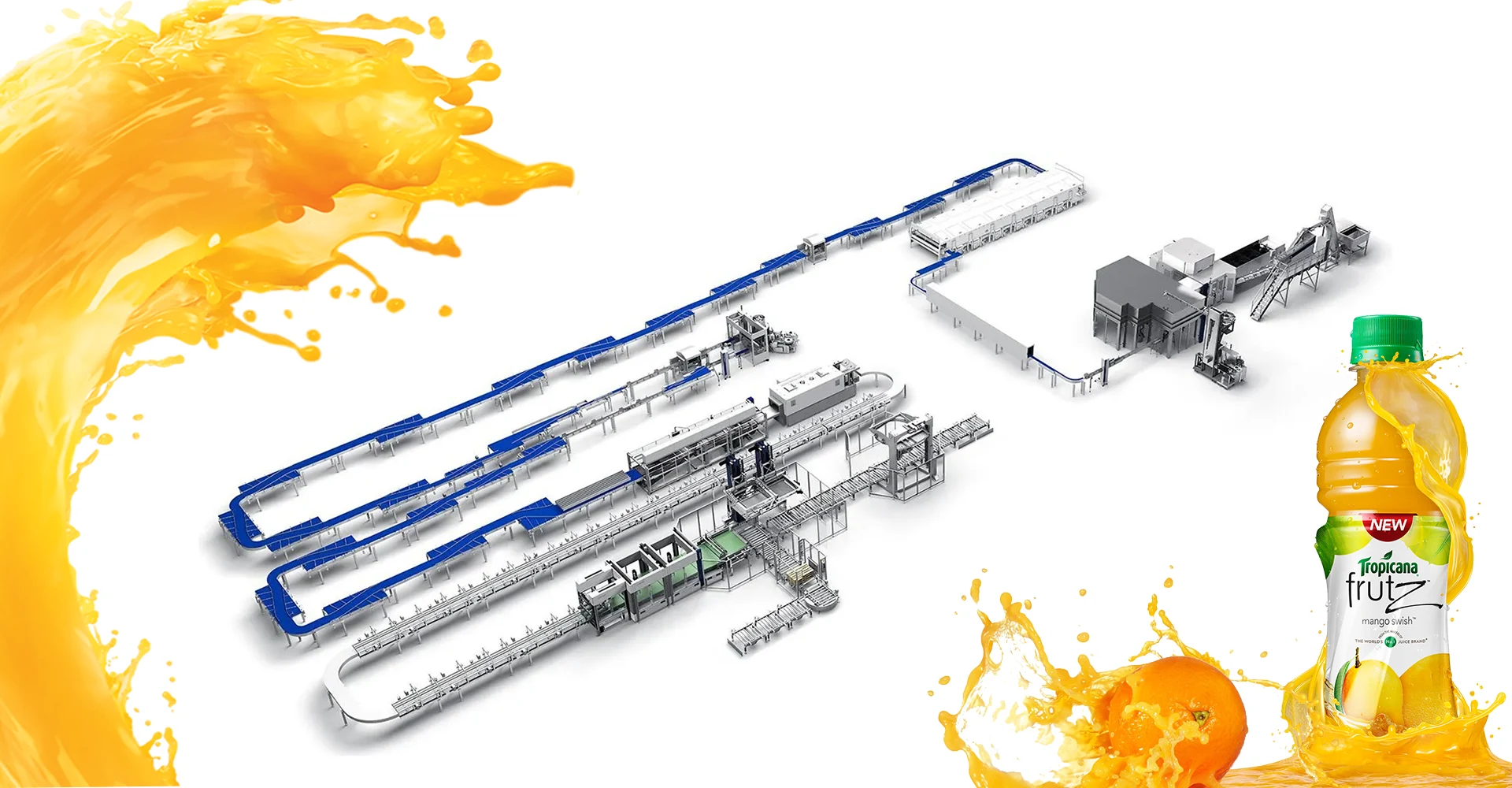
Equipment
Juice beverage bottling line
The juice beverage bottling line connects beverage preparation and thermal processing with bottle filling, capping, labelling and packing.
Learn more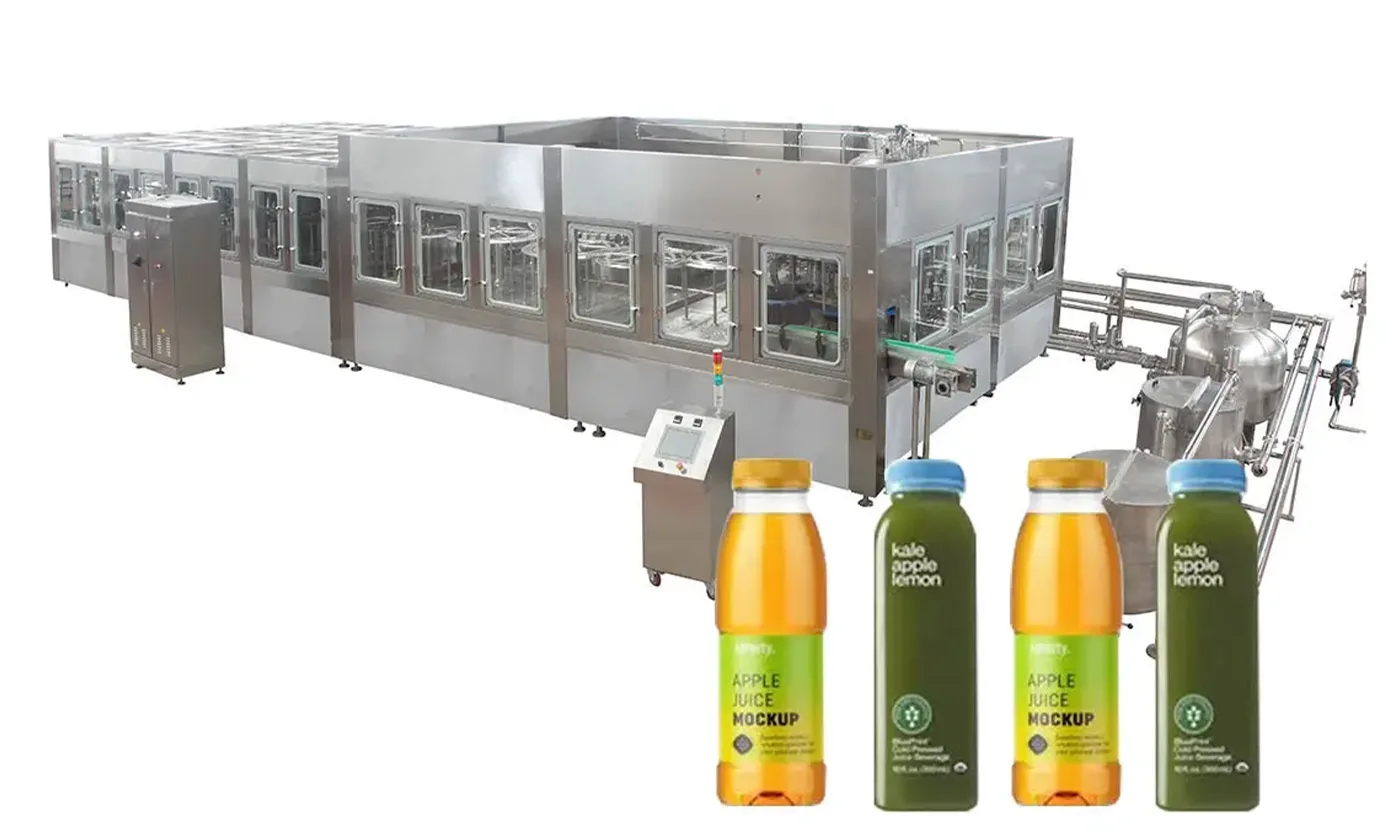
Equipment
Bottled Juice Packaging Machine
Bottled juice filling equipment with rinsing and capping, from 6,000 to 18,000 bottles/hour at 500 ml.
Learn more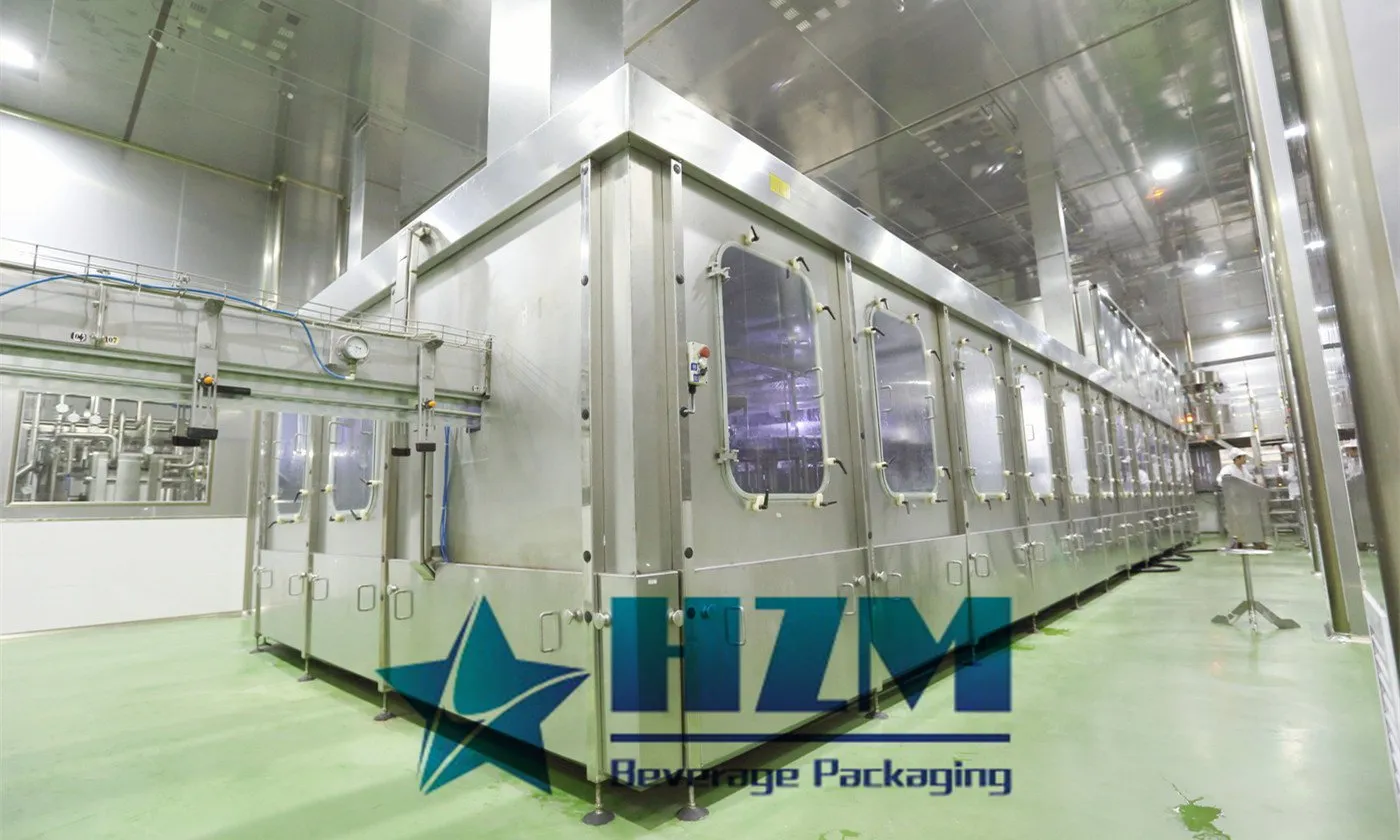
Equipment
PET Bottle Juice Beverage Filling Machine
PET bottle juice filling with automatic rinsing and capping, for juice, tea and still beverages.
Learn more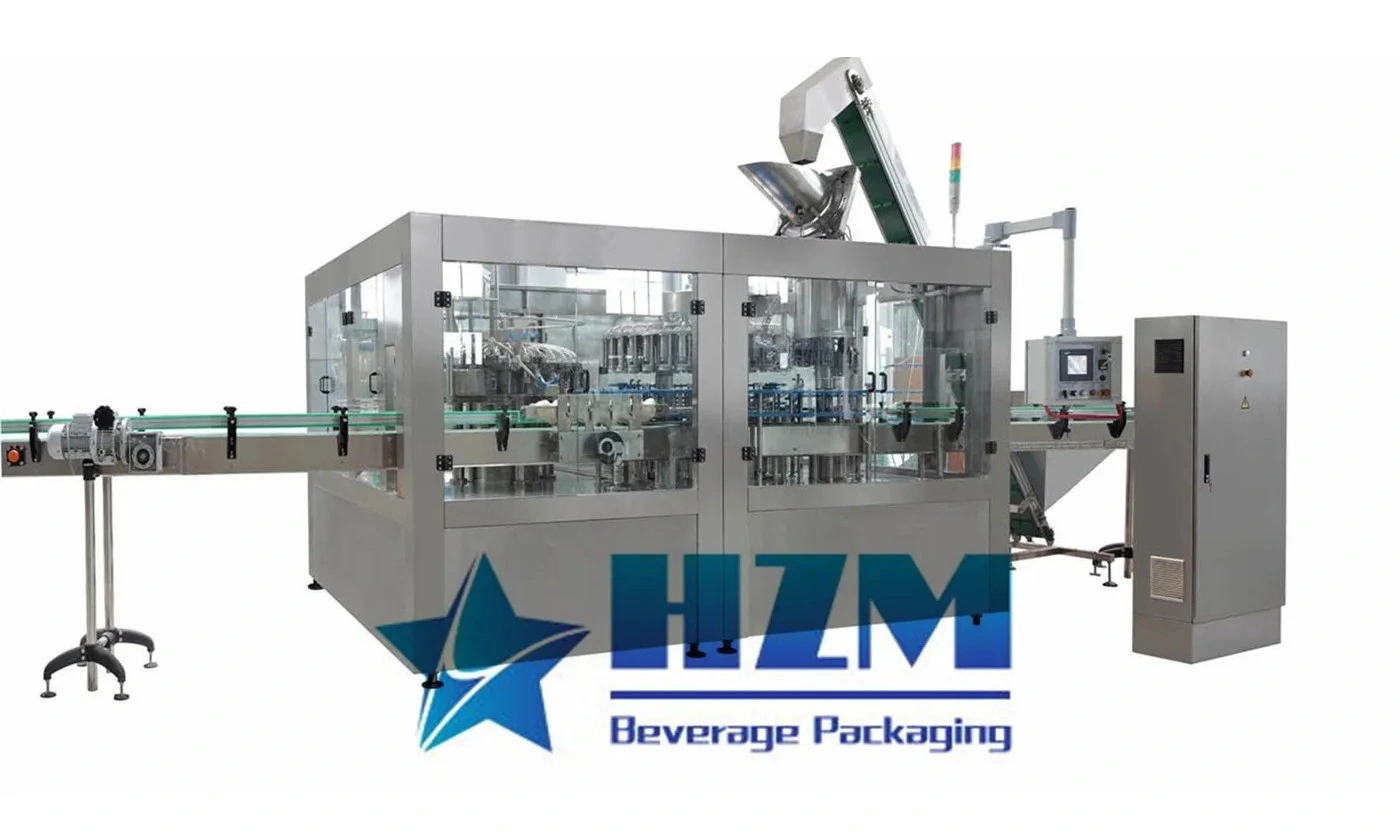
Equipment
Glass Bottle Juice Beverage Filling Machine
Glass bottle juice filling with rinsing and capping, for juice, tea and other still beverages.
Learn more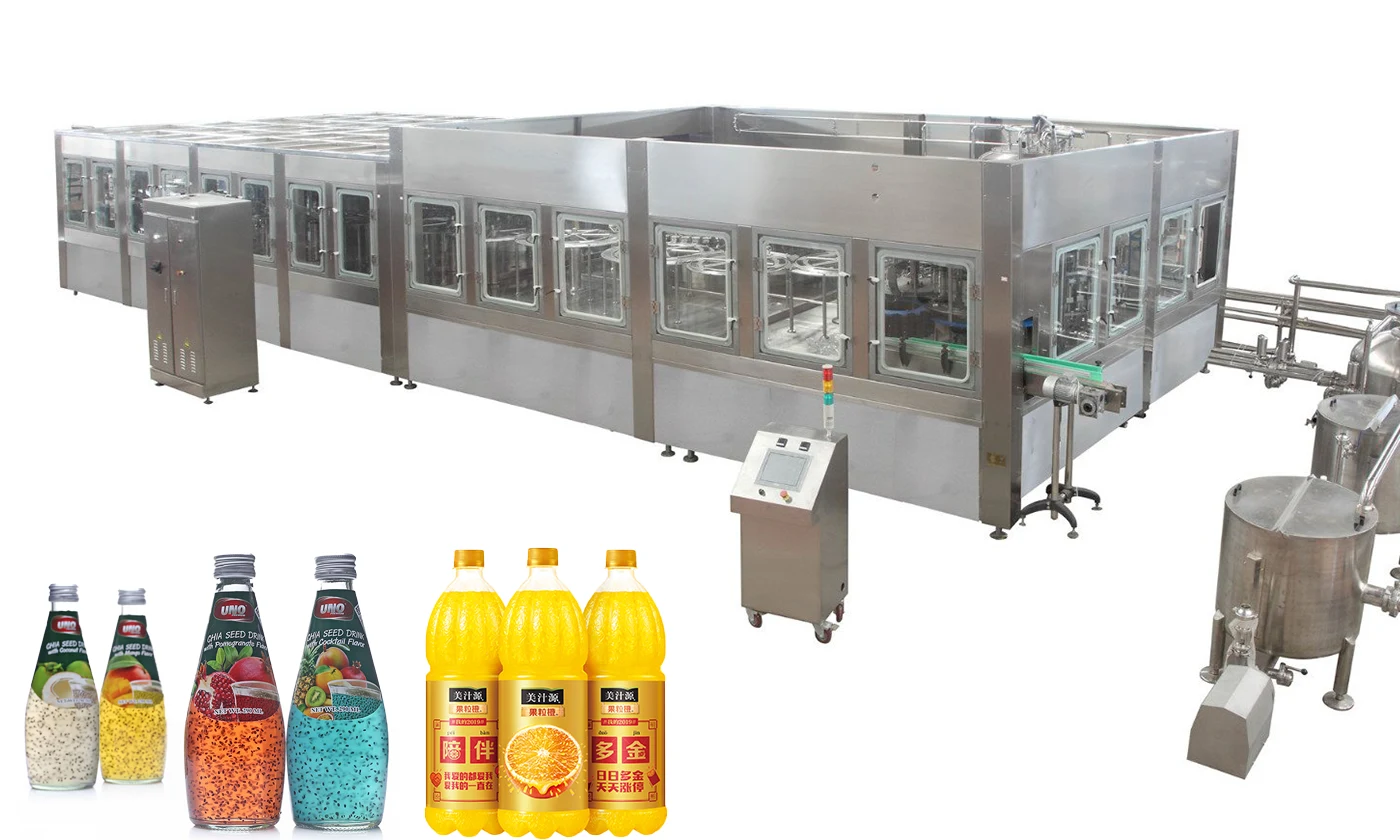
Equipment
juice Pulp Filling Machine 4 in 1
RXGGF16-16-5 pulp juice filling with separate pulp and liquid dosing, rinsing and capping at 5,000 bottles/hour for 250 ml bottles.
Learn more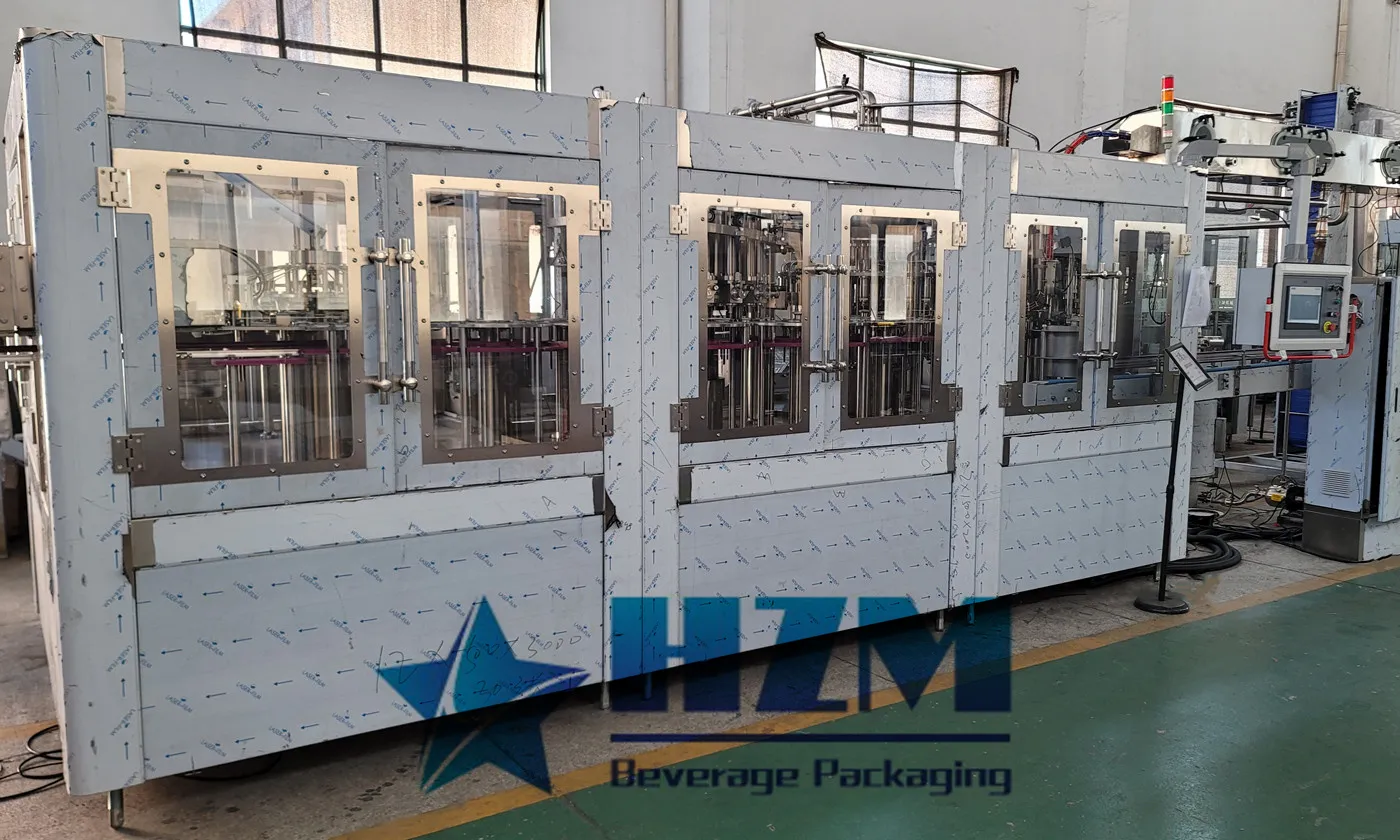
Equipment
Automatic Pulp Juice Filling Machine
Pulp juice filling with separate pulp and liquid dosing, bottle rinsing and capping for beverages containing fruit particles.
Learn more
Equipment
PET Bottle juice Beverage Hot Filling Machine
Hot filling for juice and tea in heat-compatible PET bottles, with automatic rinsing, filling and capping.
Learn more
Equipment
Automatic Beverage Packaging Machines – Juice, Soda & Soft Drinks
HZM beverage packaging equipment connects juice, soda and soft drink filling with labelling, coding and secondary packaging.
Learn more2023-06-09
Juice and Tea Filling Line Guide: Product Temperature and Process Selection
Practical HZM guidance on juice and tea filling line, focused on product temperature and process selection, line integration, RFQ data and measurable acceptance checks.
Learn more
2023-03-24
The Working Principle of Juice Filling Machine
Juice filling machine and ordinary water or carbonated beverage materials are significantly different in composition, filling methods and filling processes are also different. Therefore, the structure of juice filling machine is very different from that of ordinary water filling machine in terms of filling cylinder, filling valve and management system. Because the ingredients of the juice hot filling […]
Learn more
2023-08-22
The Application of Filling Machines in the Juice Beverage Industry
With the growing emphasis on healthy consumption, juice beverages have become increasingly popular in modern life. To meet market demands, juice beverage manufacturers employ advanced technologies and equipment, with filling machines playing a pivotal role in the juice beverage industry. This article focuses on the application and advantages of filling machines in the realm of juice beverages.
Learn more2023-11-22
Common Faults and Solutions in Juice Beverage Filling Machines
It is inevitable that issues may arise when using a juice beverage filling machine over an extended period. This does not necessarily indicate a problem with the quality of the equipment. Just like any other machinery, minor malfunctions can develop with time. While these issues may not immediately disrupt operations, if left unattended, they can […]
Learn more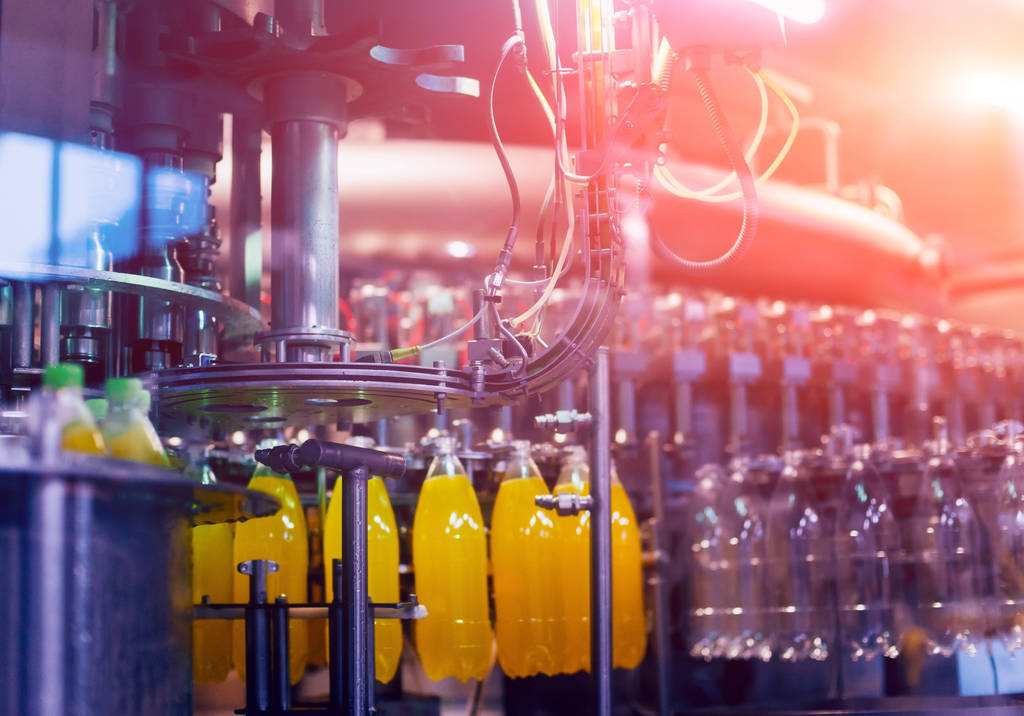
2023-07-16
Juice Beverage Filling Machine: Enhancing Production Efficiency
The flexibility and high output of the juice beverage filling machine make it an indispensable tool in the modern juice beverage production process. Whether accommodating different types and capacities of bottles or ensuring efficient production in terms of hourly output, the juice beverage filling machine plays a vital role.
Learn more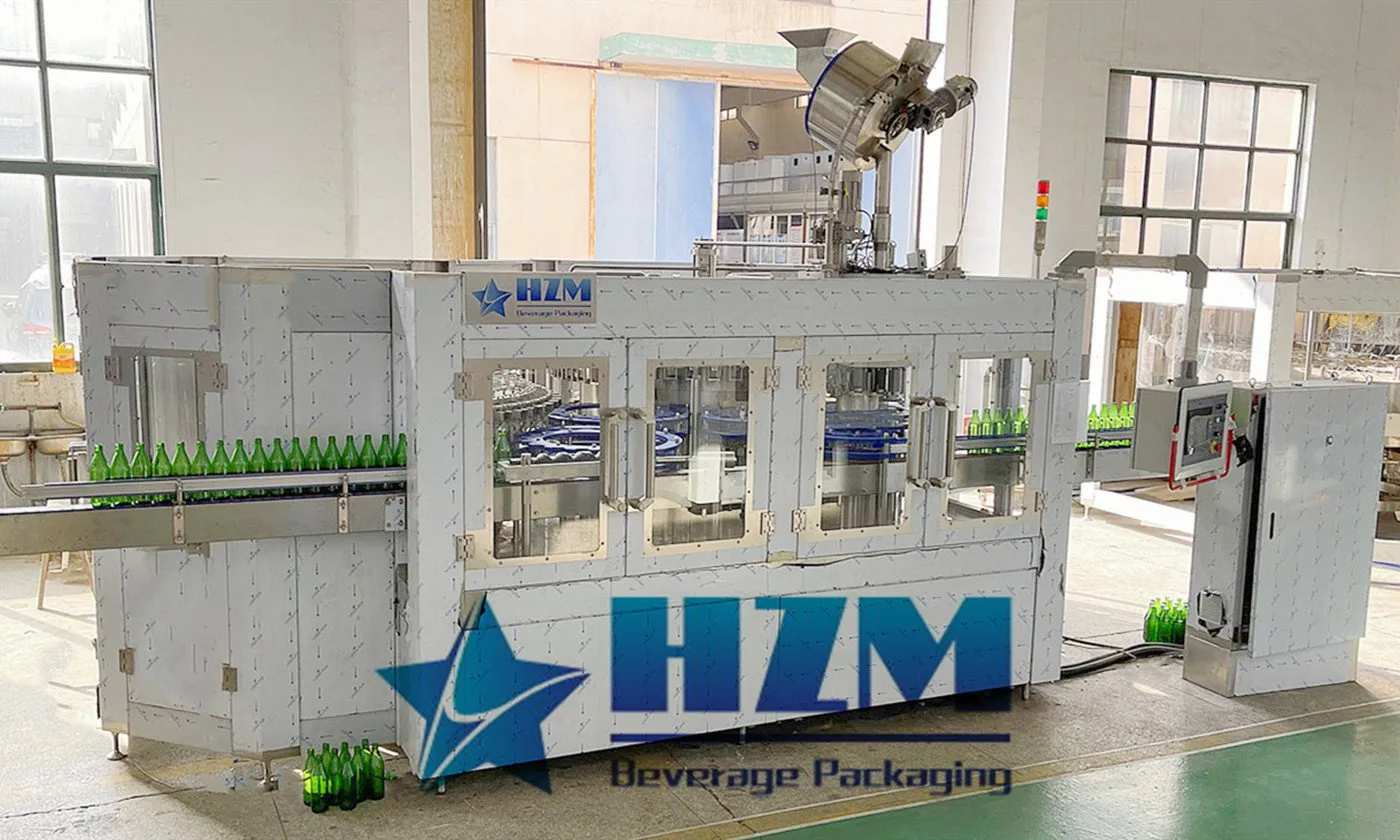
2023-06-09
Glass Bottle Filling Line Guide: Product Temperature and Filling Method
Practical HZM guidance on glass bottle filling line, focused on product temperature and filling method, line integration, RFQ data and measurable acceptance checks.
Learn more