Ozone Generator Output Is Low in a Bottled-Water Plant
Separate ozone generation from mass transfer and ozone demand. Check feed-gas dryness and purity, generator cooling and power, gas flow, injector or diffuser performance, contact time, off-gas and water quality.
Use the plant chemical-handling procedure, suitable PPE and lockout/tagout. Depressurize housings and verify that cleaning chemicals have been displaced before opening a pump, filter or membrane vessel.
Locate the fault
- Generator display is normal but dissolved residual is low
- Output falls during humid weather
- Injector vacuum or gas flow changes
- Residual disappears rapidly in the contact tank
Inspection sequence
- Apply ozone exposure and off-gas safety controls before testing
- Measure gas-phase output and gas flow with approved instruments where available
- Verify feed-gas pressure, purity and pressure dew point
- Check cooling-water or air conditions and generator alarms
- Inspect injector vacuum, diffuser condition and contact-tank hydraulics
- Sample ozone demand through the system and compare with current water quality
Corrective work
- Restore dry clean feed gas and service the oxygen or air preparation system
- Correct generator cooling, power or cell condition through qualified service
- Clean or repair the injector, diffuser and gas path
- Address upstream contaminants and restore validated contact time
Operating records and follow-up
- Trend feed-gas dew point and generator output
- Maintain cooling and gas filters
- Inspect mass-transfer equipment
- Track raw-water ozone demand
- Calibrate residual analyzers and test safety interlocks
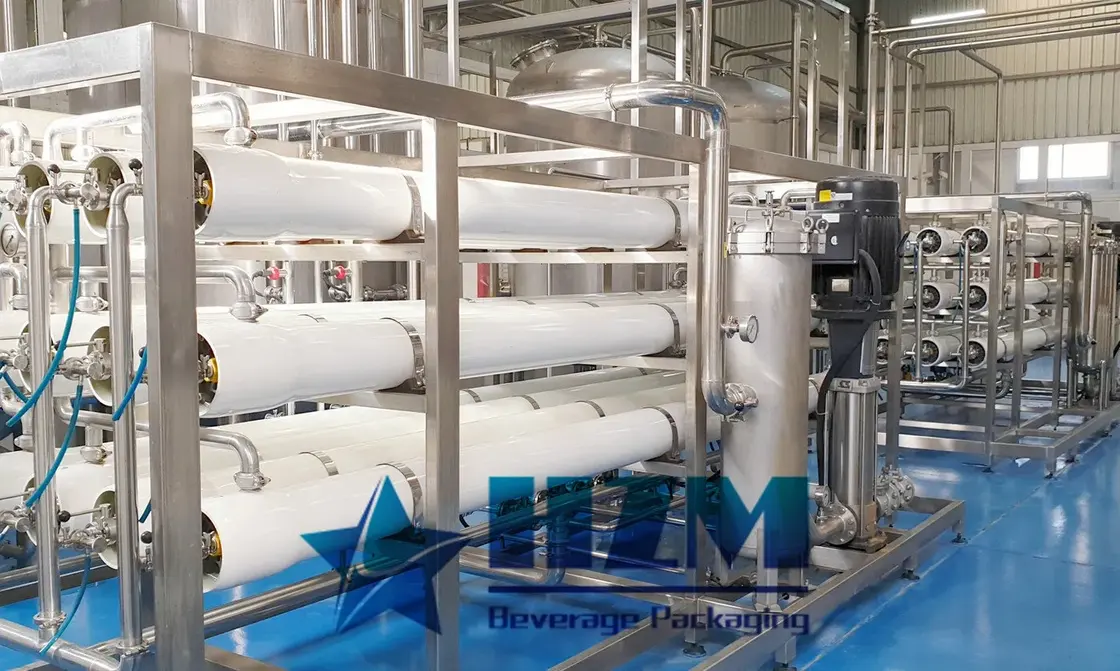
Equipment details: Water Treatment System.
Need help planning your packaging line?
Share your product, bottle and capacity requirements for a practical equipment recommendation.
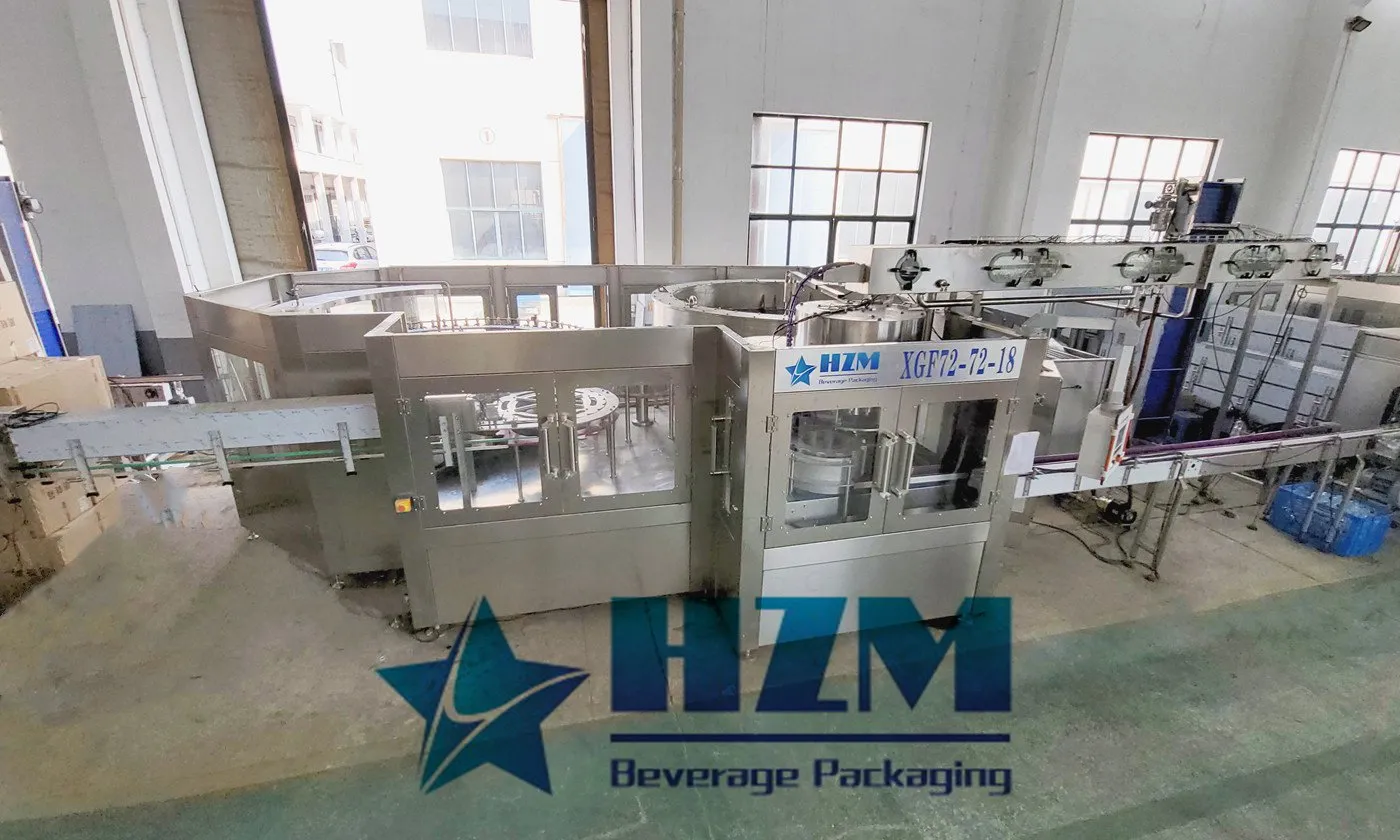
Automatic Water Bottle Filling Machine
Automatic rinsing, filling and capping for purified and mineral water in PET bottles, with capacities of 5,000–42,000 bottles/hour at 500 ml.
Learn more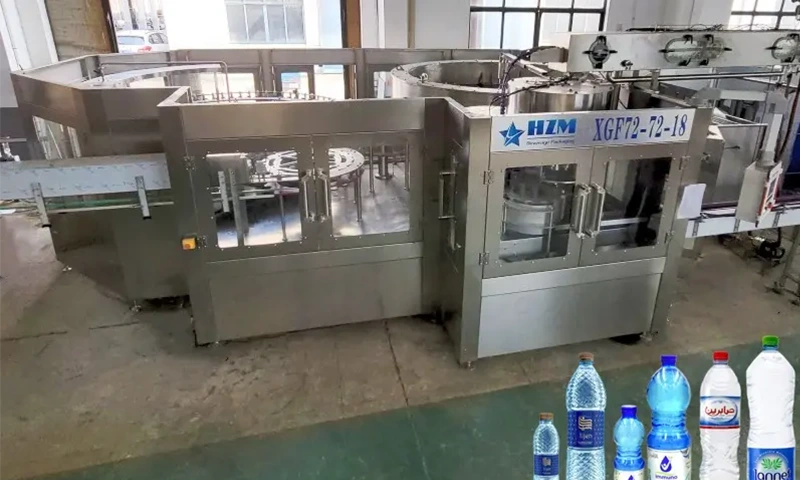
3-In-1 Water Bottle Filling Machine
A 3-in-1 PET bottle rinsing, filling and capping machine for drinking water, from 5,000 to 18,000 bottles/hour at 500 ml.
Learn more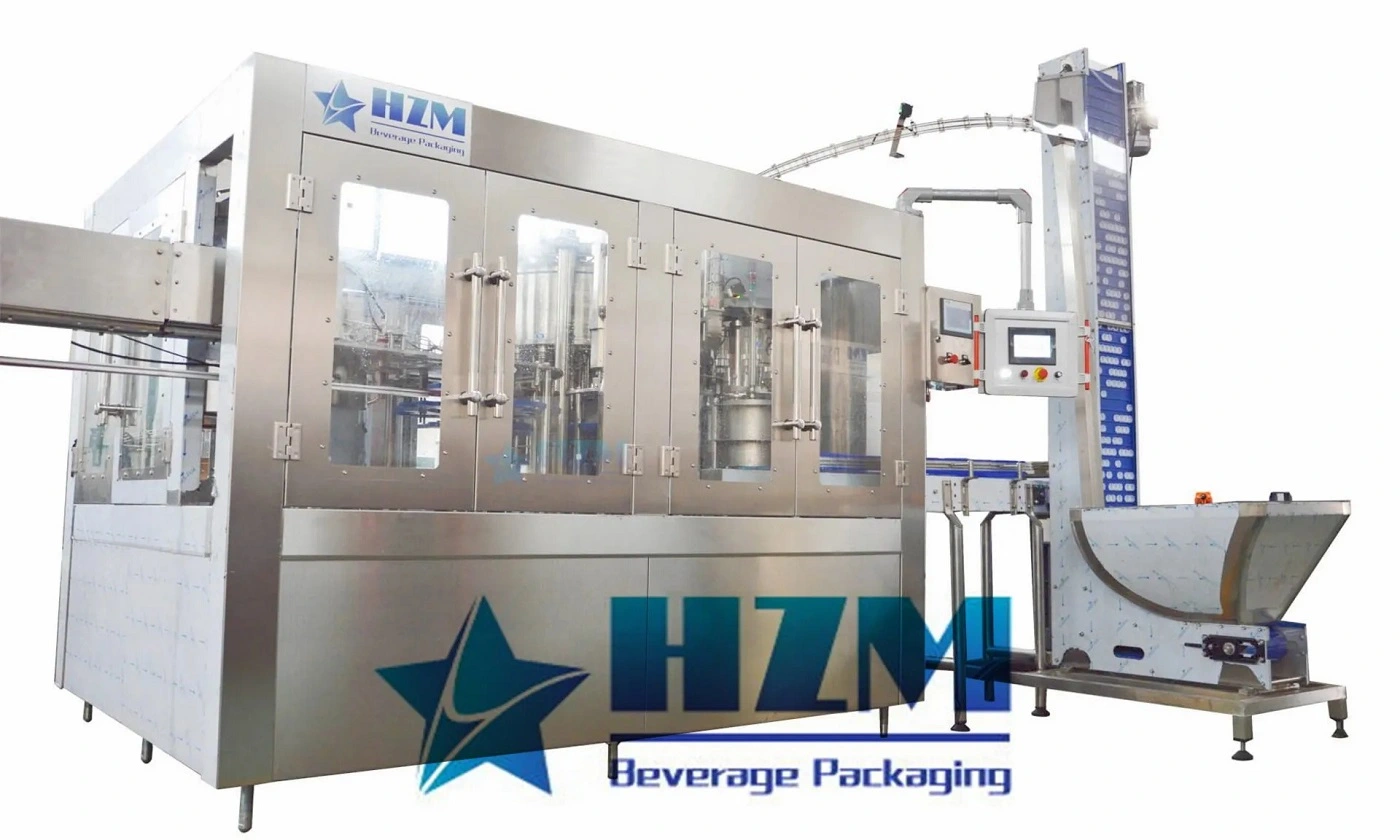
Automatic Drinking Water Bottling Machine
Drinking-water bottling equipment with automatic rinsing, filling and capping, plus conveying, labelling and packing options.
Learn more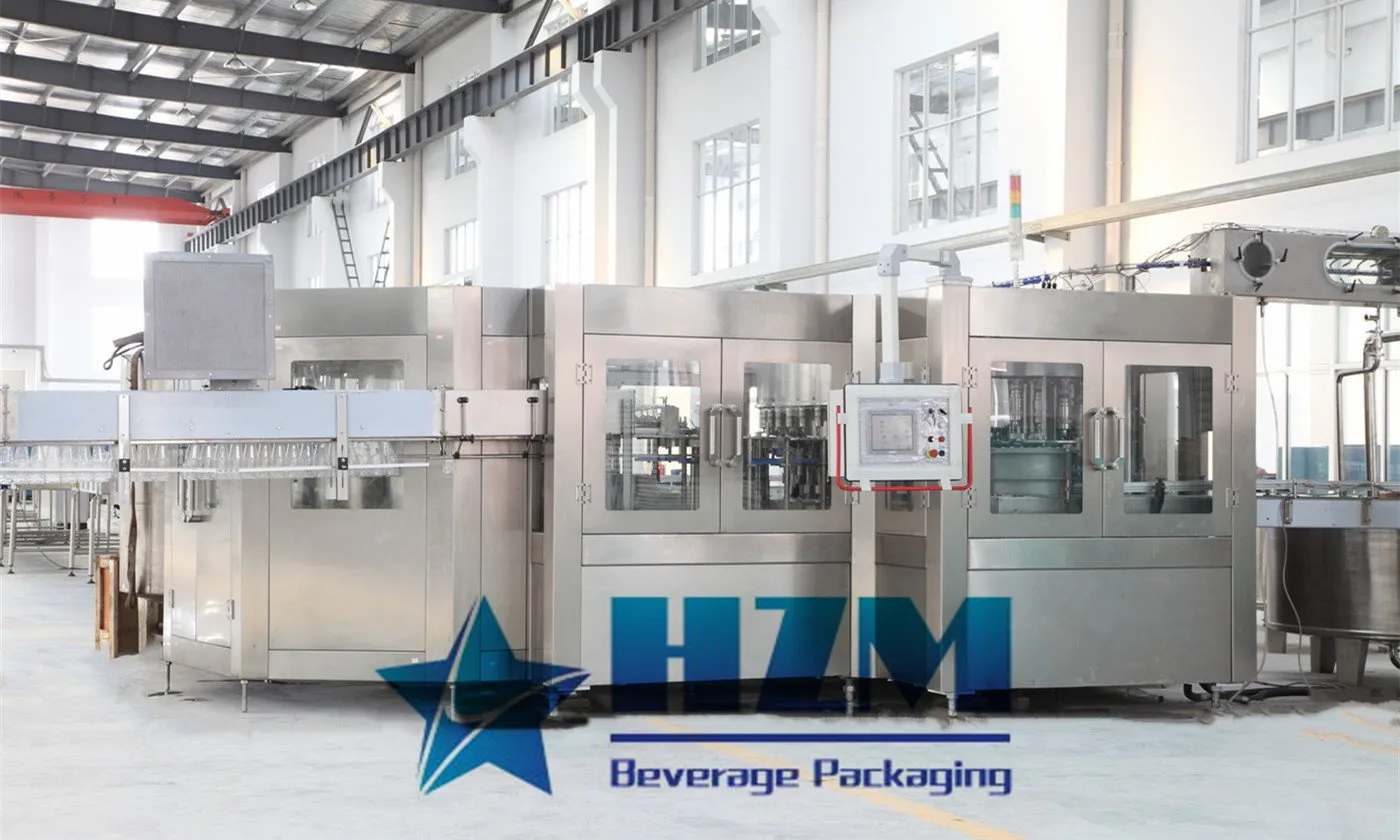
PET Bottle Water Filling Machine
PET bottle water filling with automatic rinsing and capping, for purified water, mineral water and still drinking water.
Learn more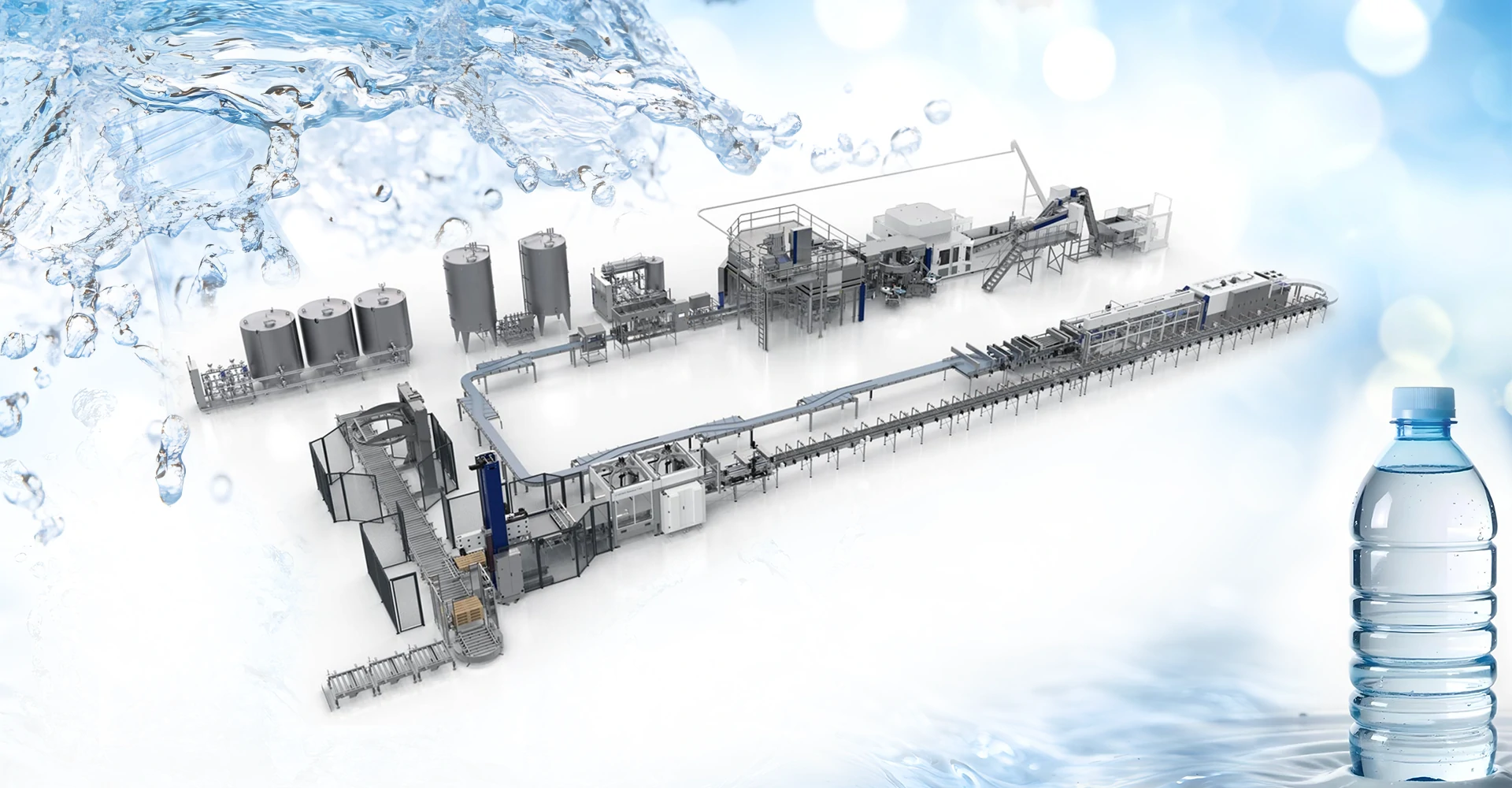
Drinking water production line – Bottled Water Filling Machine Manufacturer
PET-bottled drinking-water production with automatic rinsing, filling and capping, plus water treatment and packaging equipment.
Learn more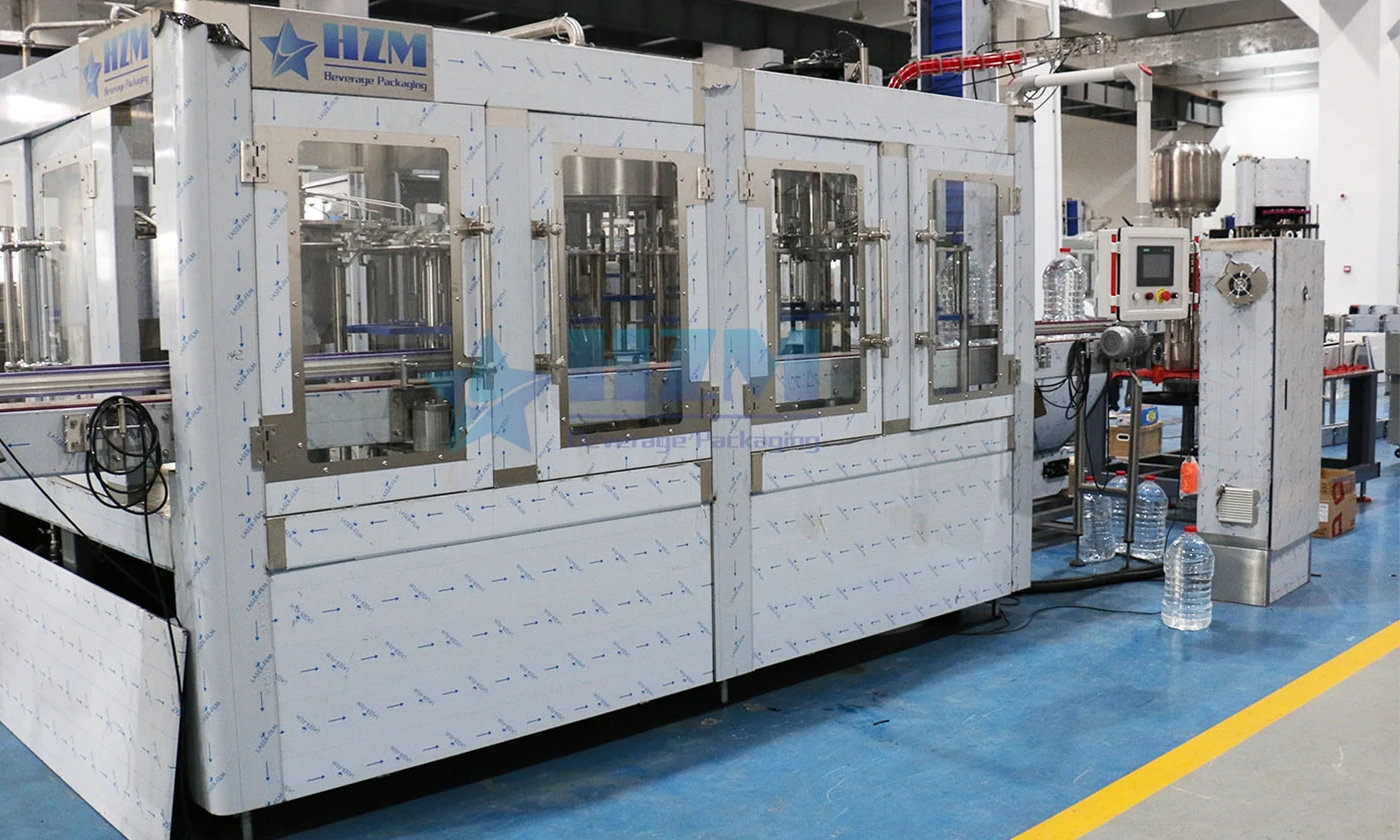
5L-10L Large Bottle Drinking Water production line
XGF12-12-4 rinsing, filling and capping for 5 L and 10 L water bottles, with stable outputs of 1,200 and 700 bottles/hour respectively.
Learn more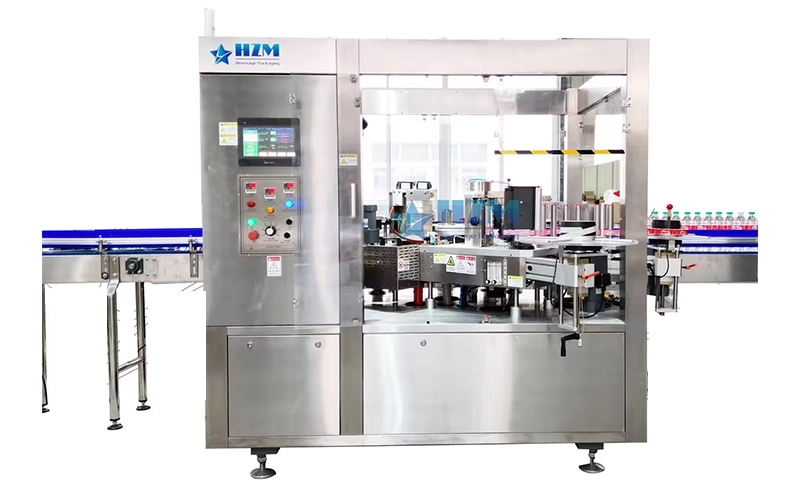
Automatic Water Bottle Labeling Machine
Automatic hot-glue labelling for water and beverage bottles, with HG models from 8,000 to 24,000 bottles/hour.
Learn more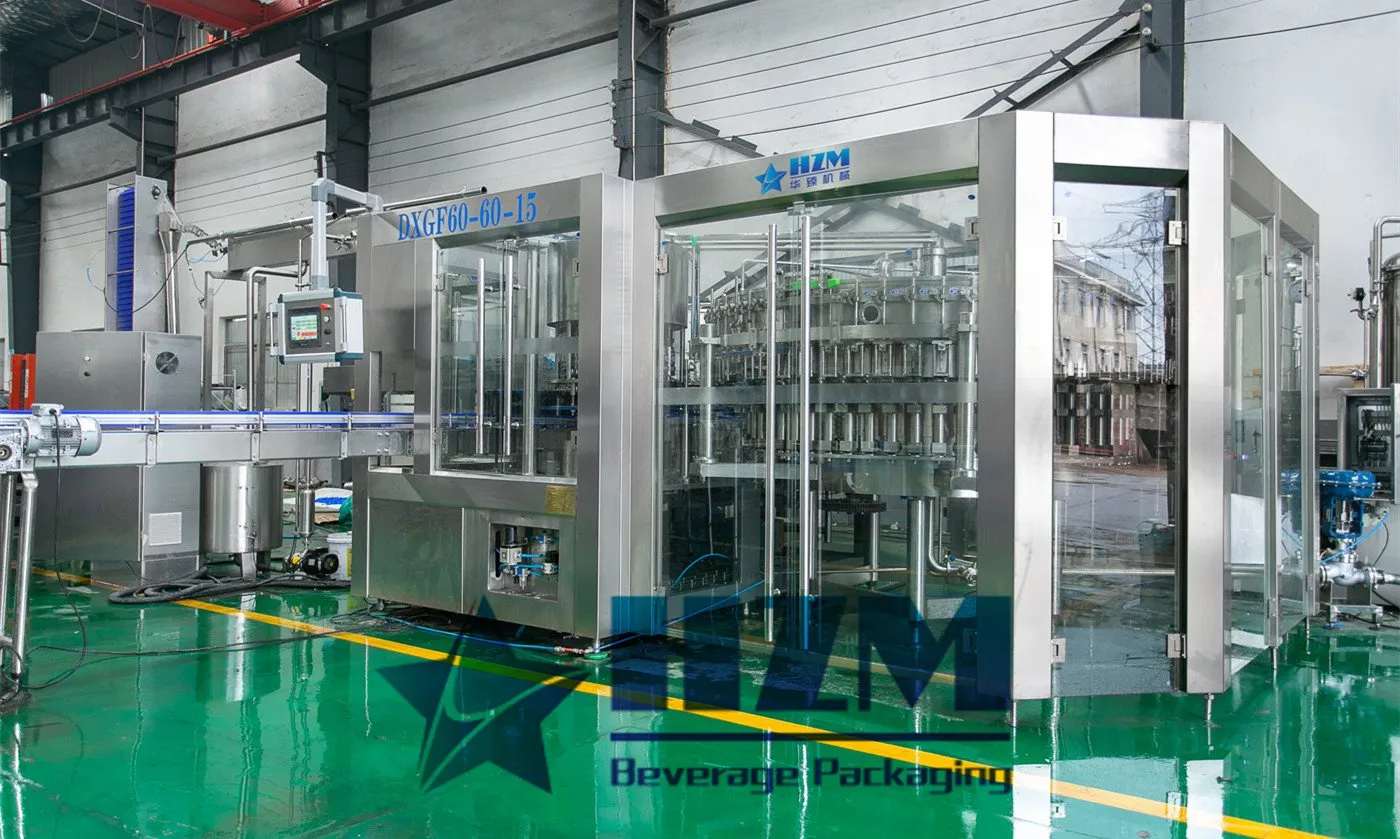
Soda Water Filling Machine
Soda water filling equipment with bottle rinsing, isobaric filling and capping for PET-bottled sparkling water.
Learn more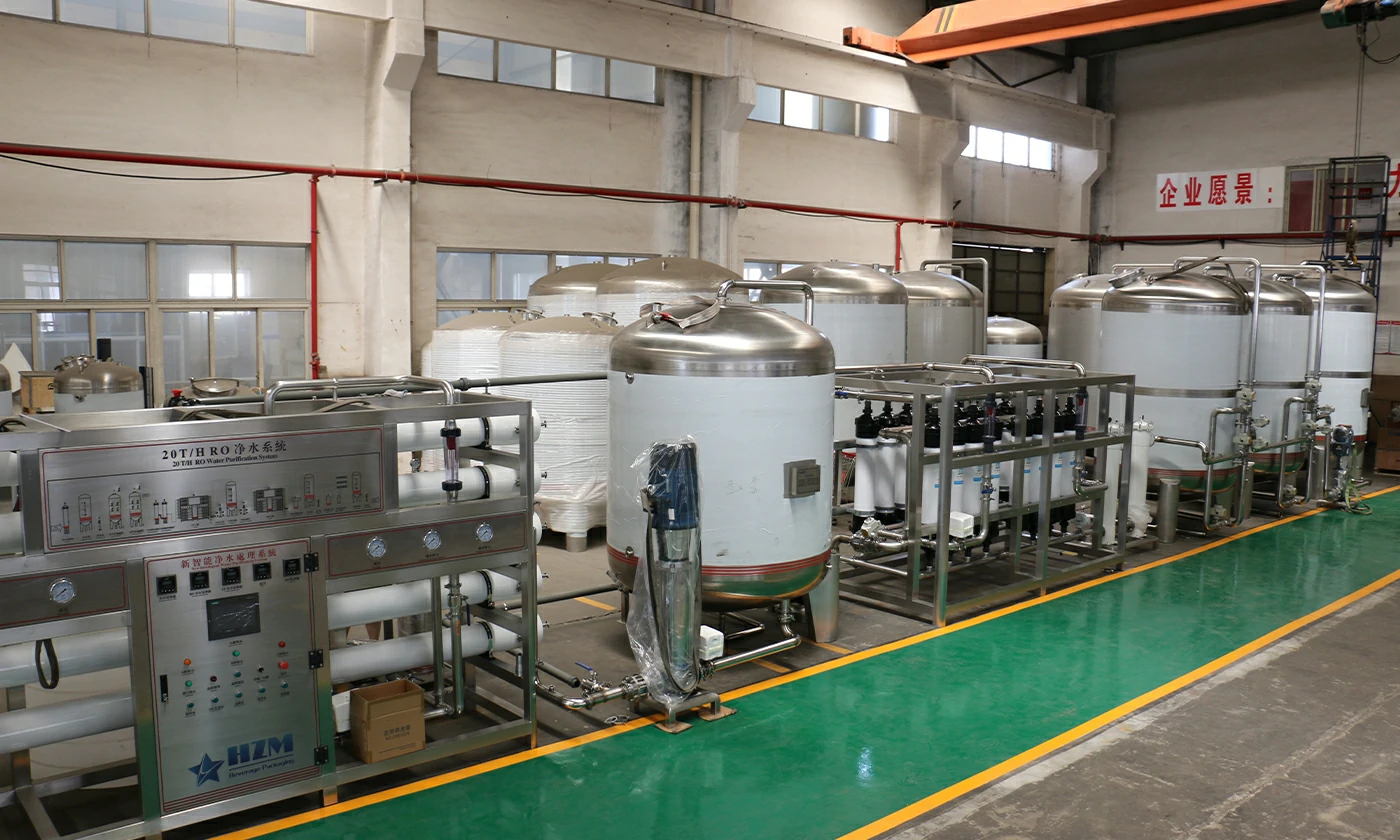
Industrial RO Drinking Water Treatment Plant – Reverse Osmosis Equipment for Beverage & Bottled Water
1,000 litres/hour reverse osmosis water treatment for bottled-water, beverage and food production.
Learn moreLow-cost PET bottle filling machine
Compare PET filling-machine costs, production capacity, labour, utilities and changeovers to choose equipment that meets your budget and bottle requirements.
Learn more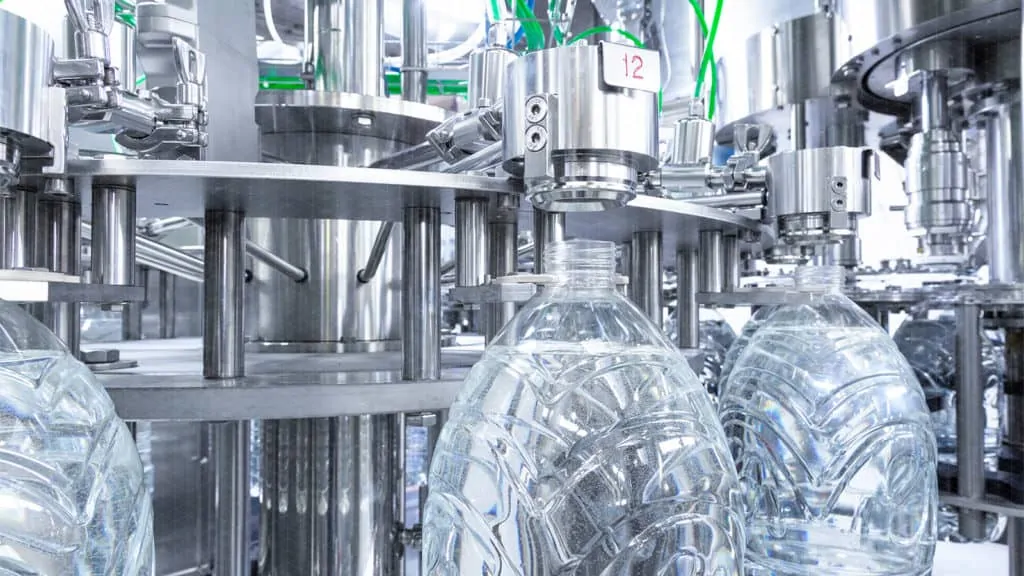
Water Bottling Plant Equipment For Sale
In the global arena, HZM Machinery stands as a highly acclaimed manufacturer of water bottling plant equipment, renowned for its professional expertise and factory-direct pricing.
Learn more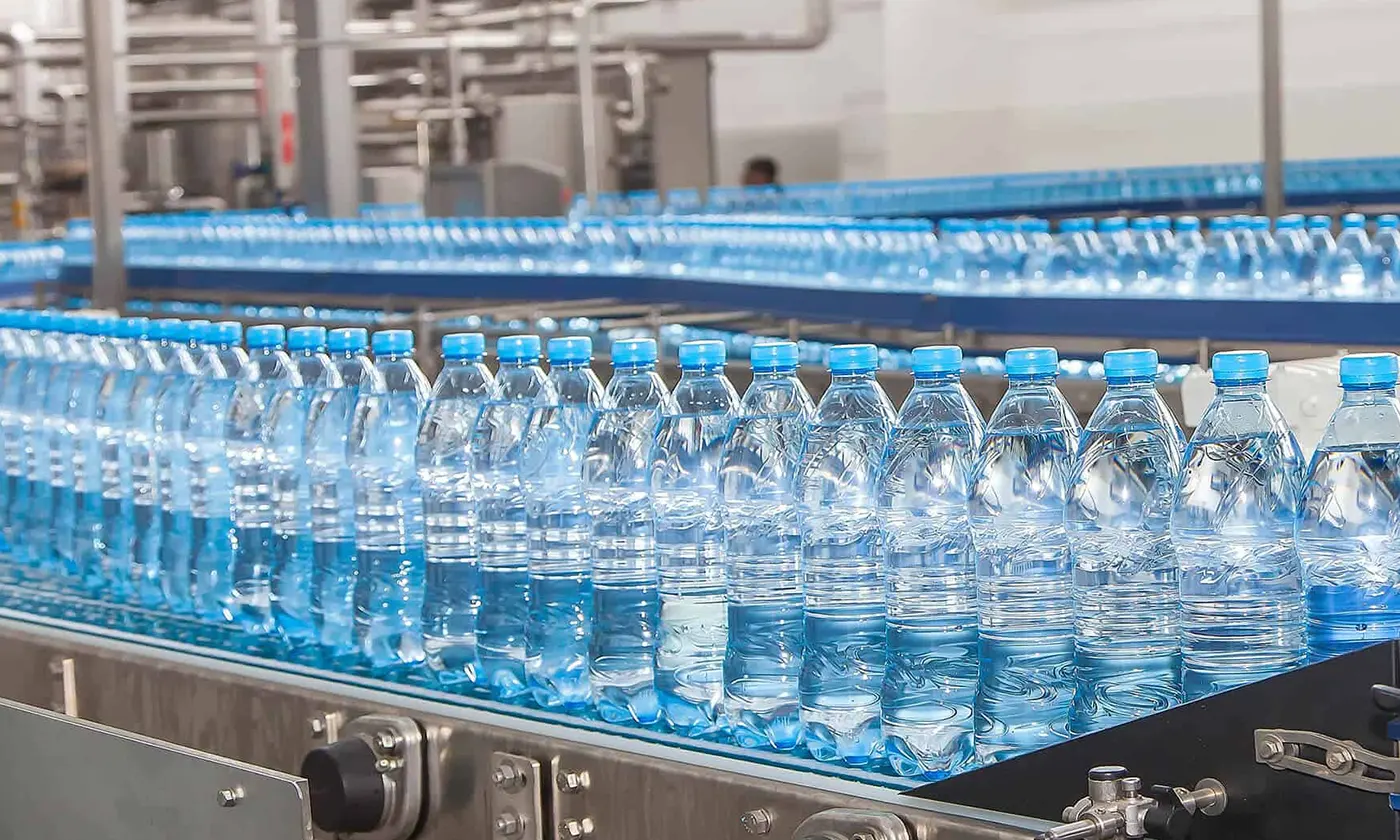
Water Bottling Plant Cost
The cost of establishing a water bottling plant can vary depending on several factors, including the size of the plant, location, type of equipment, level of automation in the production line, and local regulatory requirements.
Learn more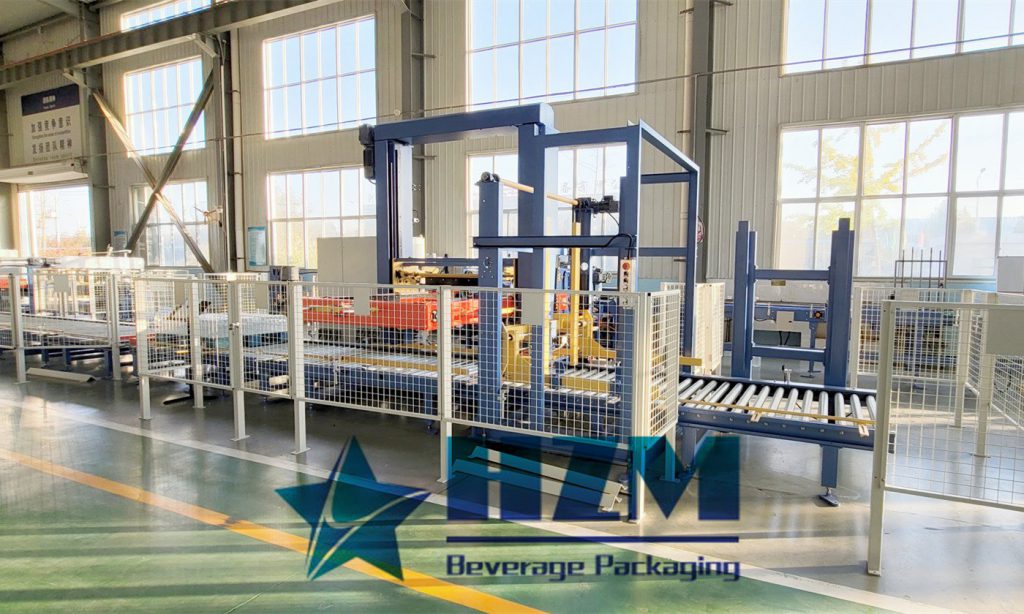
Matching Palletizing Output to a Water Bottling Line
Convert bottle production into pack arrival rate before selecting a palletizer. Bottles per pack, packs per layer and layers per pallet determine the downstream cycle.
Learn more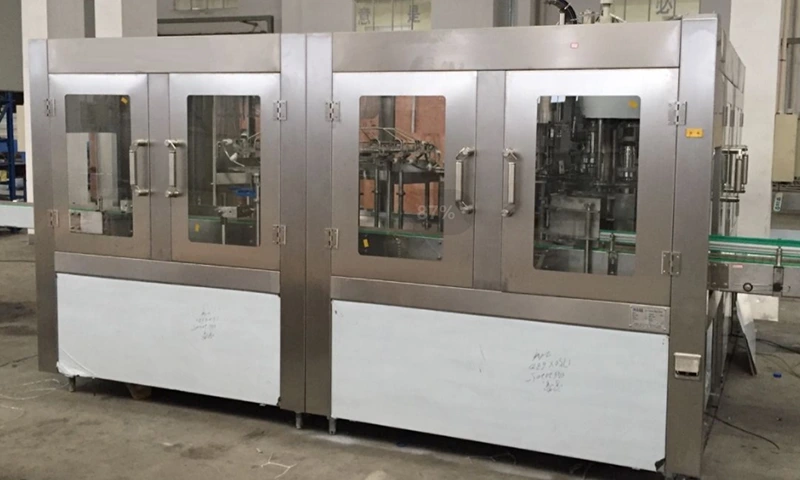
How to Choose a 10L Water Filling Machine for Your Bottling Plant (1200BPH Solution)
Learn how to choose a 10L water filling machine for your bottling plant. Discover features, benefits, and complete 1200BPH water production solutions.
Learn more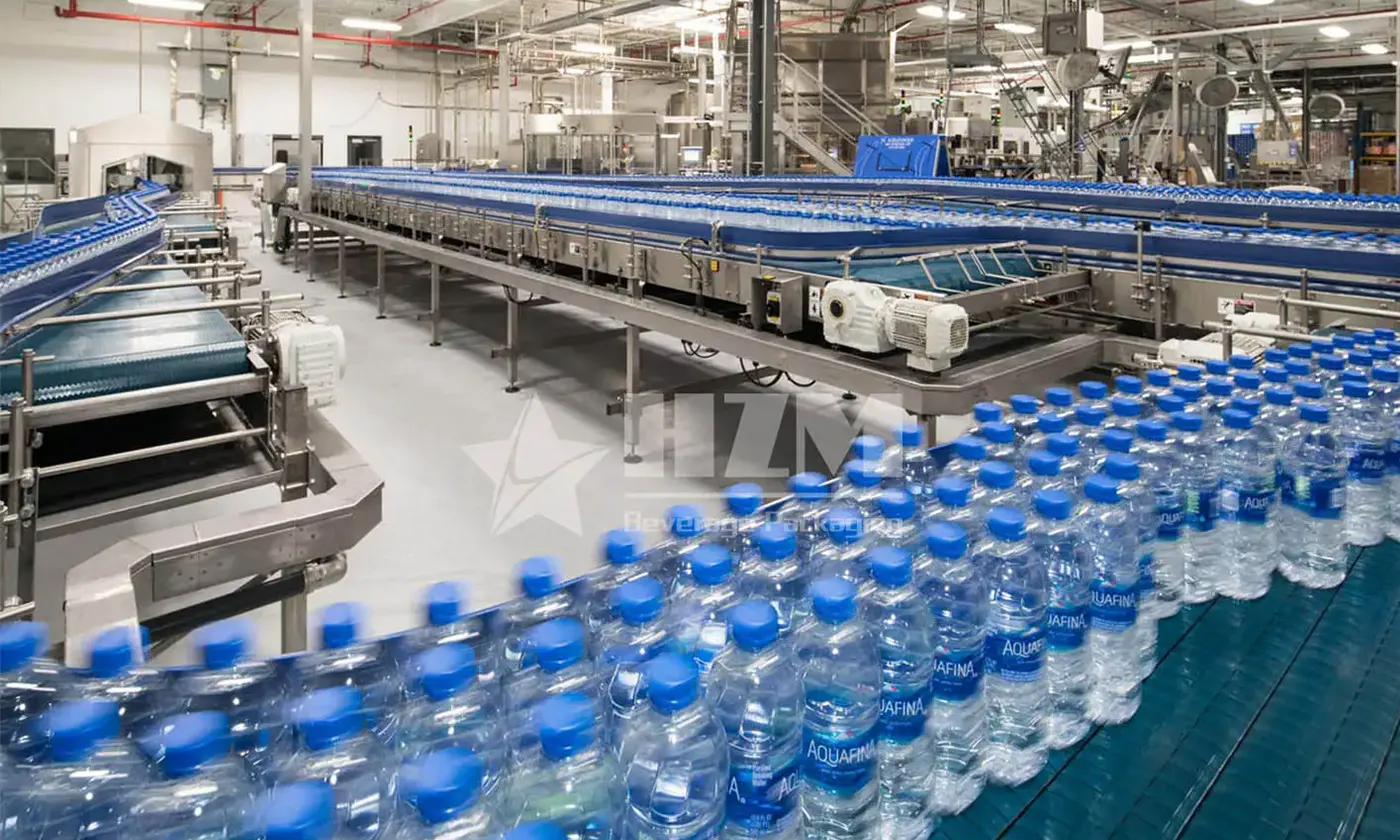
Drinking Water Bottling Line: Match Water Supply to Pack Output
Separate water treatment from rinsing, filling and packing, and calculate how bottle format and cleaning demand affect the required water supply.
Learn more