
Insights & Updates
Drinking Water Filling Production Line
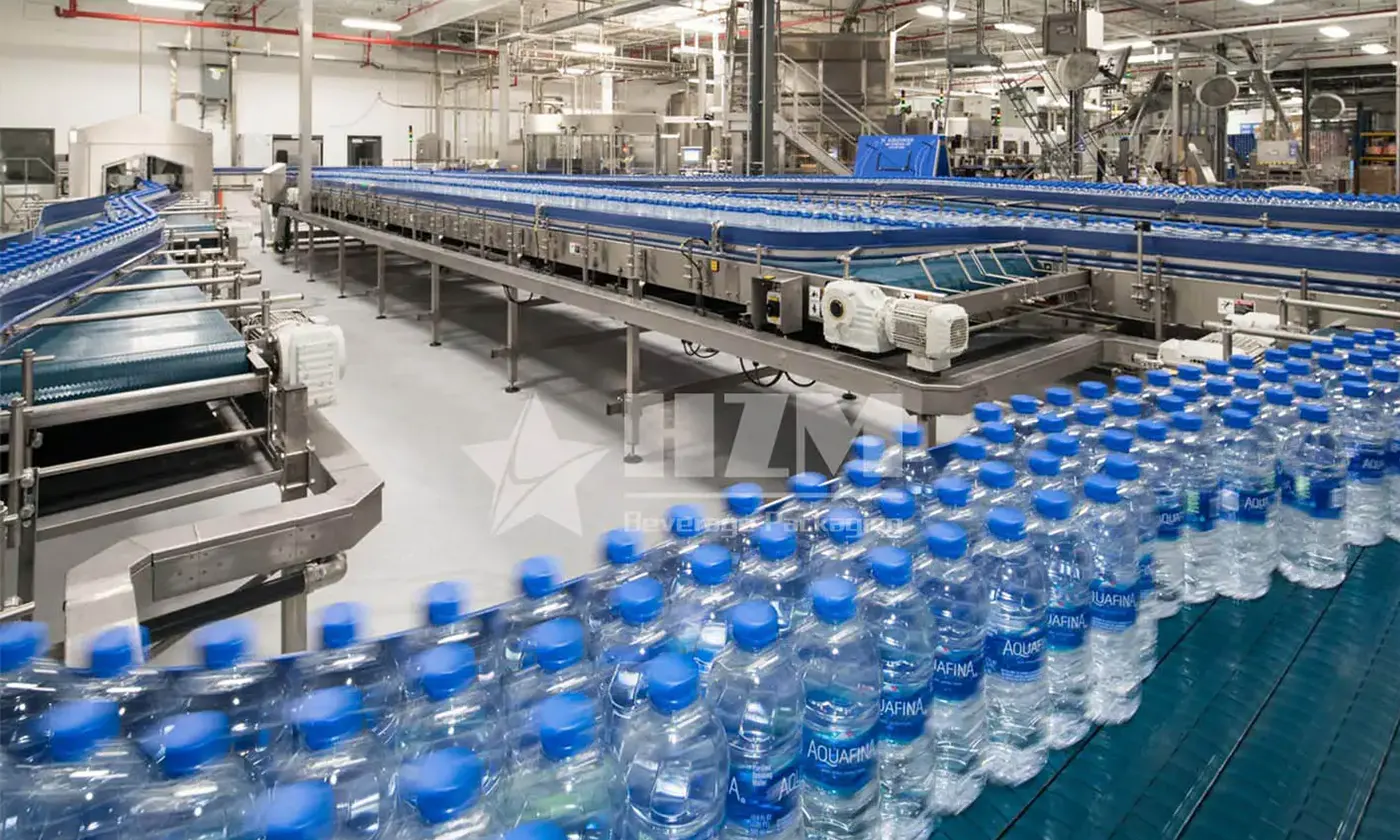
Drinking Water factories play a crucial role in safeguarding people’s health, with the process selection of water production systems being fundamental to ensuring water quality. The Drinking Water bottling production line is a vital component of this system, divided primarily into three main parts: pretreatment, reverse osmosis unit, and precision treatment. The system’s combined structure aims to minimize space occupation, facilitate transportation, and maintenance.
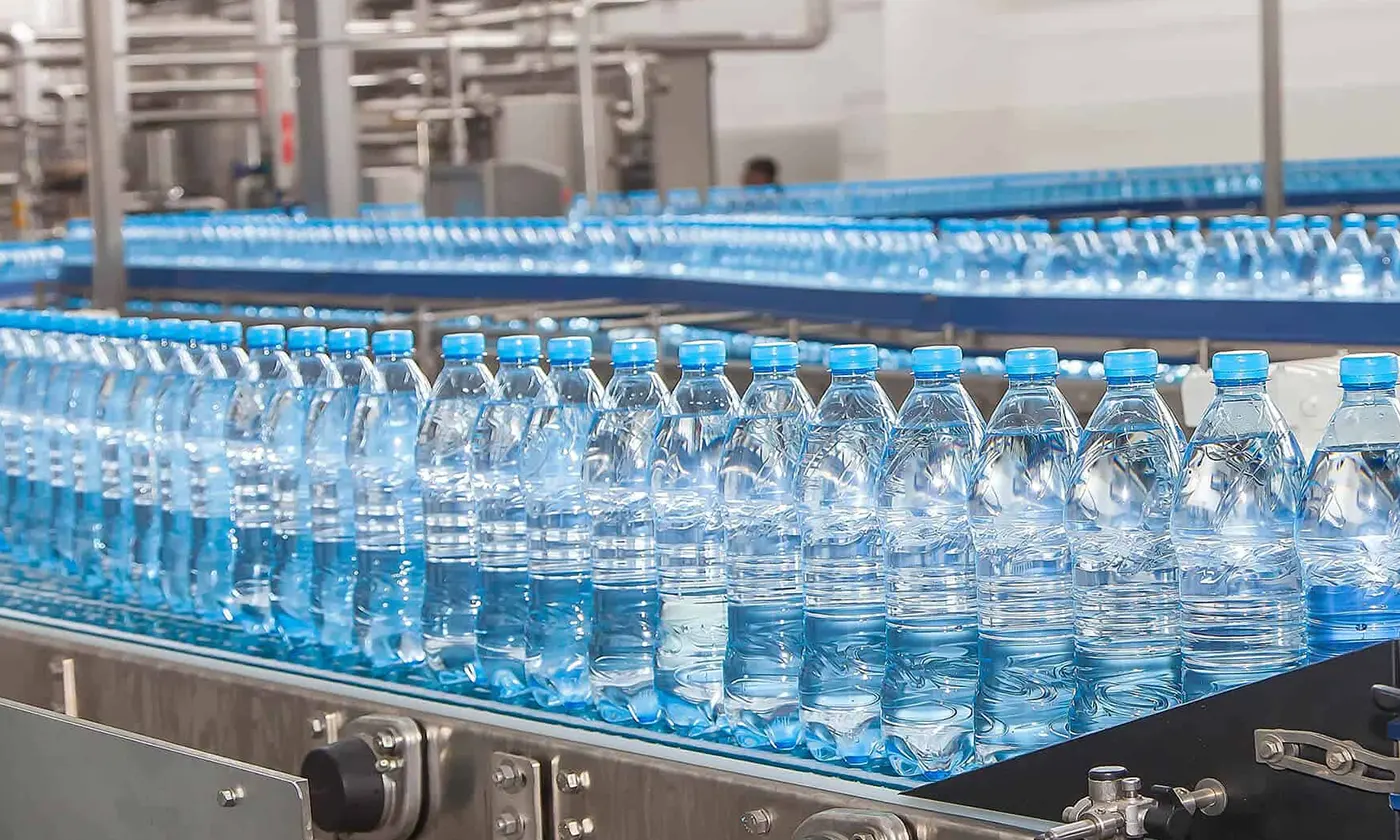
Features and Advantages:
- Equipped with online water quality analyzers for real-time monitoring and quality assurance of the produced water.
- Utilizes a stainless steel framework for corrosion resistance and easy cleaning of the purification equipment.
- Automatic flushing functionality for membrane components upon startup, with adjustable flushing time ranging from 2 to 10 minutes.
- Incorporates a cleaning and maintenance system to periodically clean and maintain equipment, thereby prolonging the lifespan of reverse osmosis membranes.
- Includes a wastewater recycling device to promote water reuse, enhance water resource utilization, and reduce operational costs.
Considerations:
- Preventing filter material from entering the reverse osmosis unit is crucial. This involves selecting appropriate filter outlet devices to prevent sand and activated carbon leakage and choosing compatible activated carbon to prevent powder shedding during usage.
- Establishing an independent water supply system ensures stable operation and minimizes momentary impacts on the entire plant’s water supply network during RO system start-up and shutdown. When the RO unit directly draws water from the raw water supply network, high and low-pressure protection facilities should be installed to mitigate fluctuations in municipal water pressure.
- Compatibility between chemicals and between chemicals and membrane materials should be considered. In RO systems, various chemicals like coagulants, flocculants, disinfectants, reducing agents, and scale inhibitors are commonly used simultaneously. Therefore, selecting chemically compatible agents is essential to ensure system stability. For instance, cationic coagulants are often used since colloids in natural water typically carry a negative charge.
Talk to our engineering team
Need help planning your packaging line?
Share your product, bottle and capacity requirements for a practical equipment recommendation.
Equipment
Drinking water production line – Bottled Water Filling Machine Manufacturer
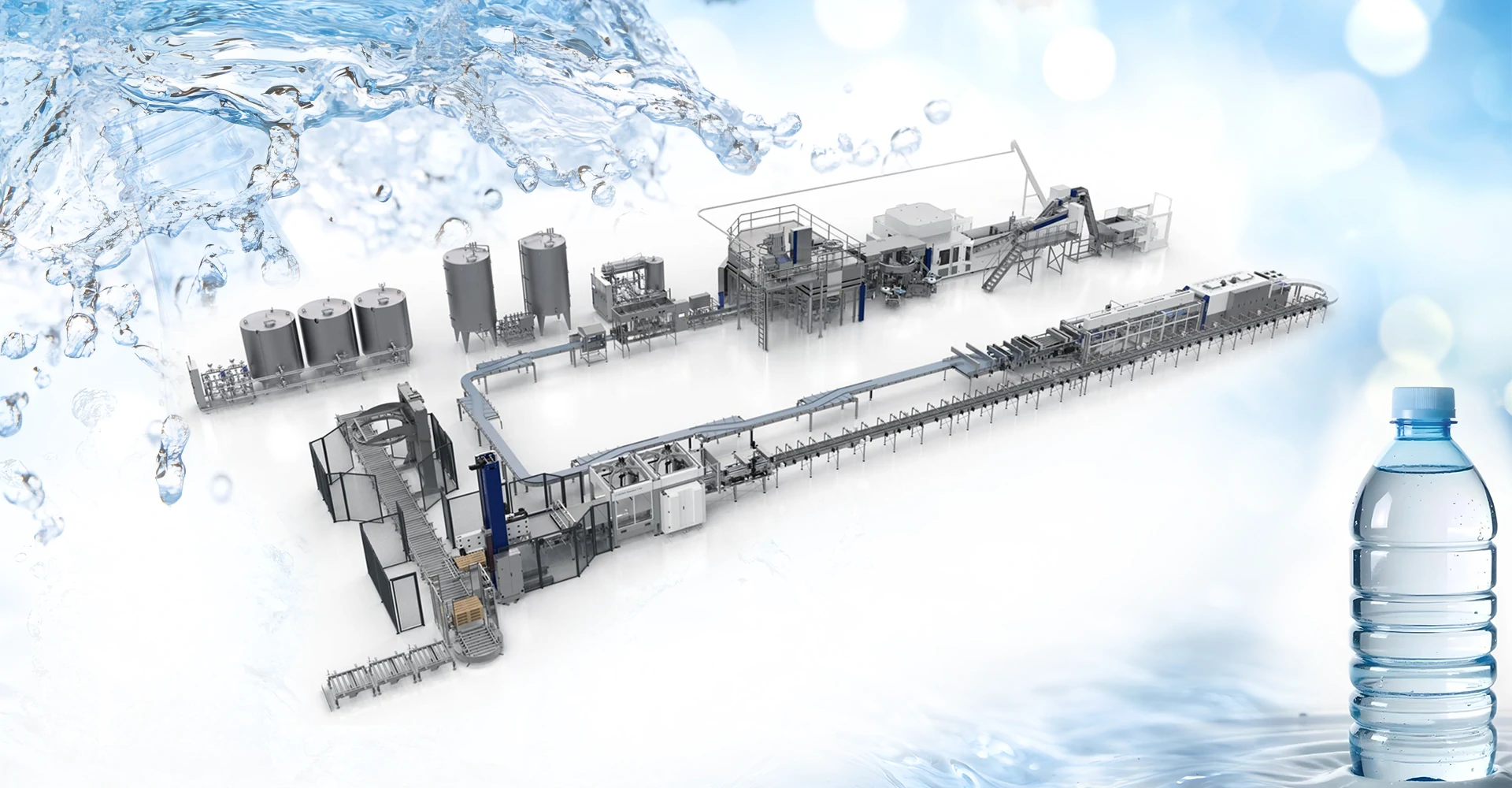
PET-bottled drinking-water production with automatic rinsing, filling and capping, plus water treatment and packaging equipment.
Learn more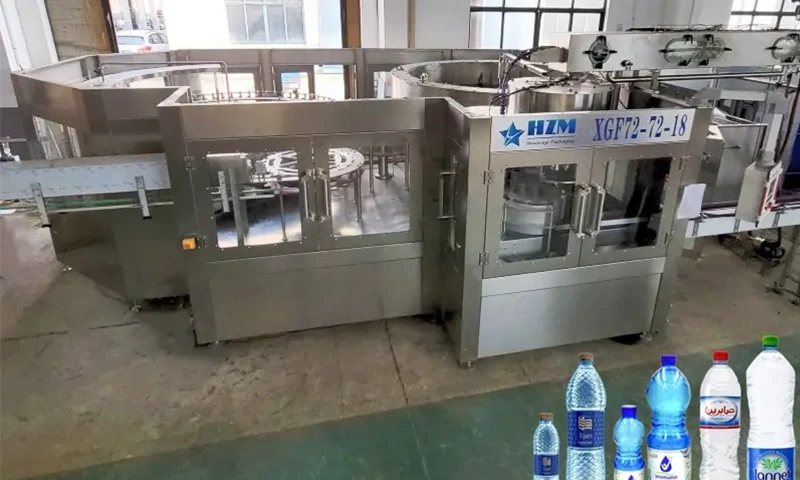
Equipment
3-In-1 Water Bottle Filling Machine
A 3-in-1 PET bottle rinsing, filling and capping machine for drinking water, from 5,000 to 18,000 bottles/hour at 500 ml.
Learn more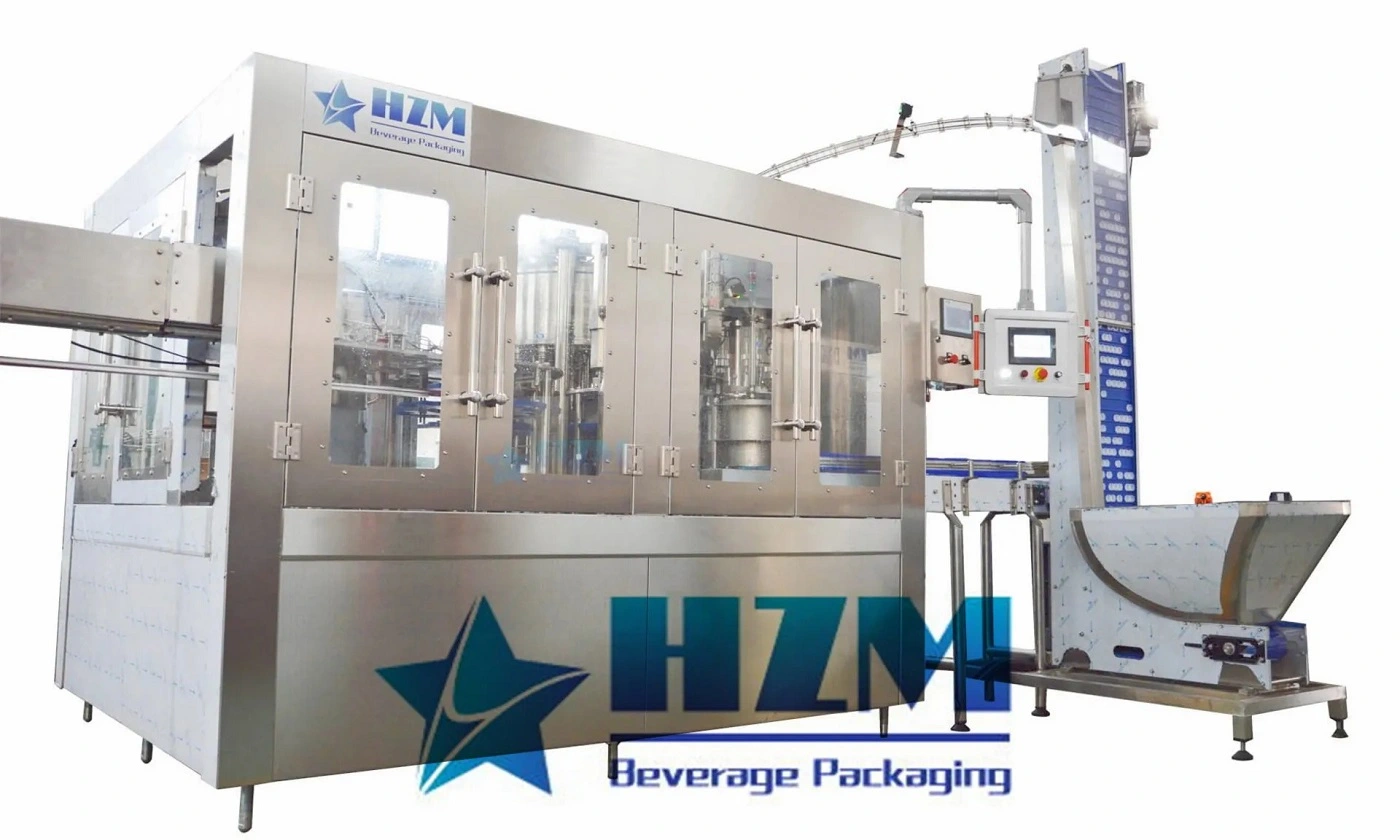
Equipment
Automatic Drinking Water Bottling Machine
Drinking-water bottling equipment with automatic rinsing, filling and capping, plus conveying, labelling and packing options.
Learn more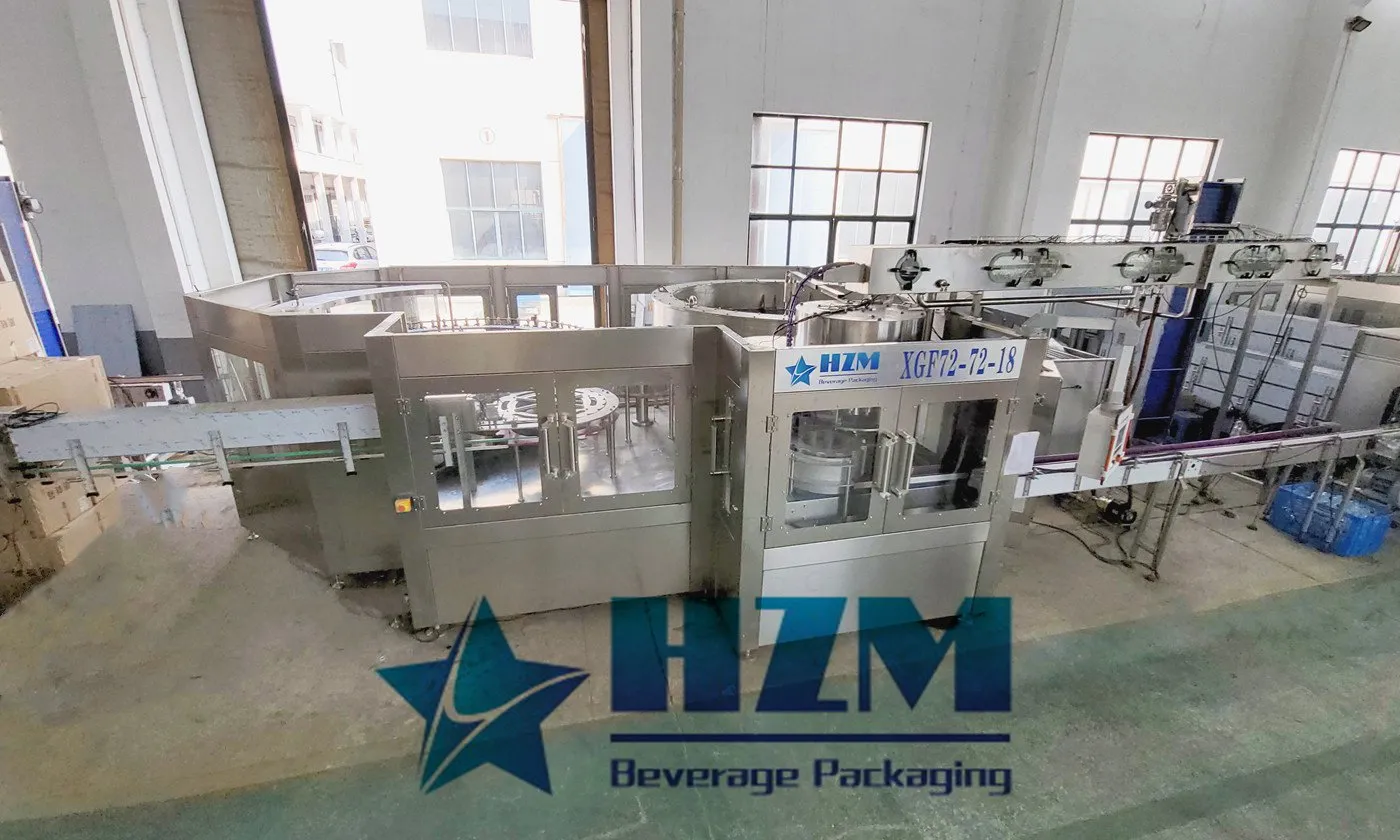
Equipment
Automatic Water Bottle Filling Machine
Automatic rinsing, filling and capping for purified and mineral water in PET bottles, with capacities of 5,000–42,000 bottles/hour at 500 ml.
Learn more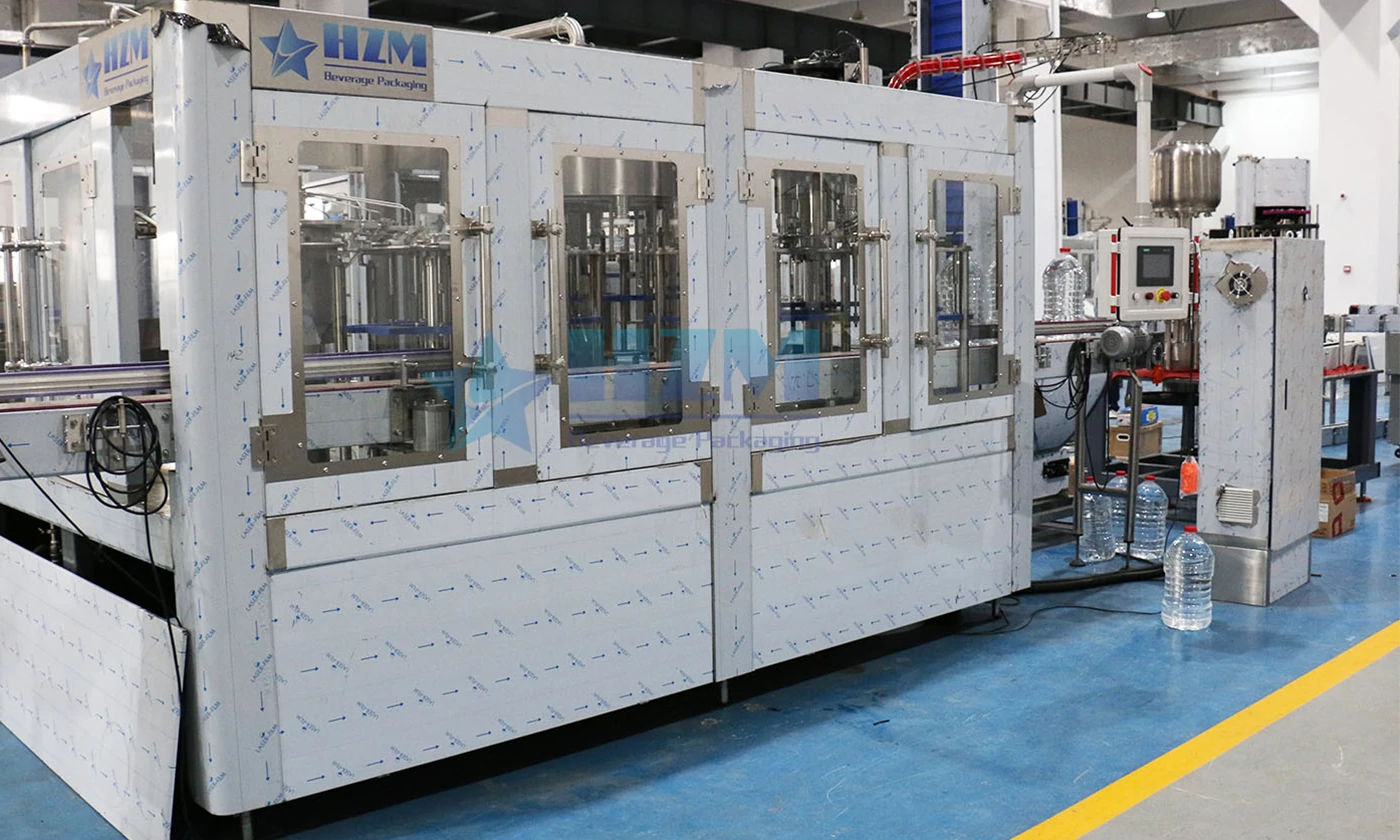
Equipment
5L-10L Large Bottle Drinking Water production line
XGF12-12-4 rinsing, filling and capping for 5 L and 10 L water bottles, with stable outputs of 1,200 and 700 bottles/hour respectively.
Learn more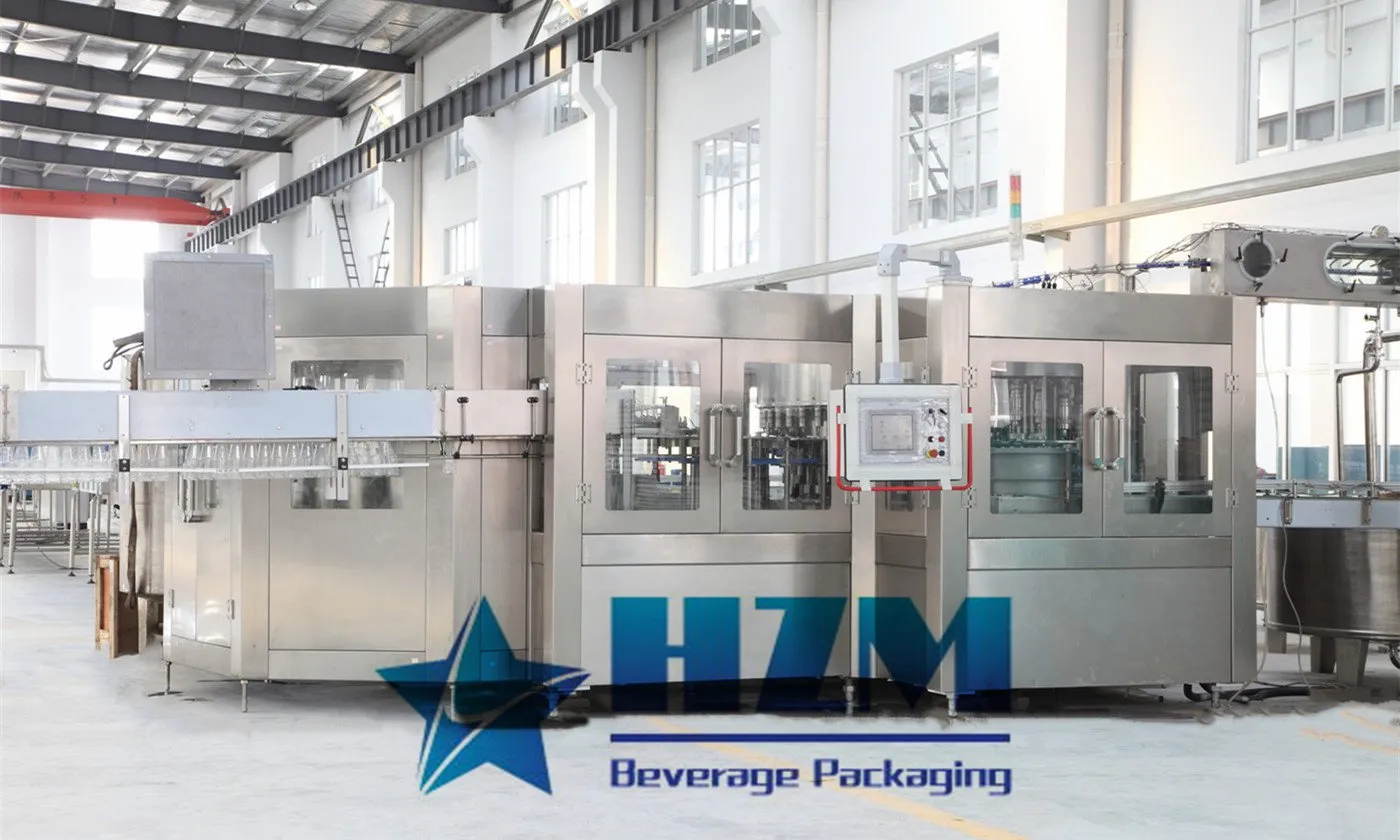
Equipment
PET Bottle Water Filling Machine
PET bottle water filling with automatic rinsing and capping, for purified water, mineral water and still drinking water.
Learn more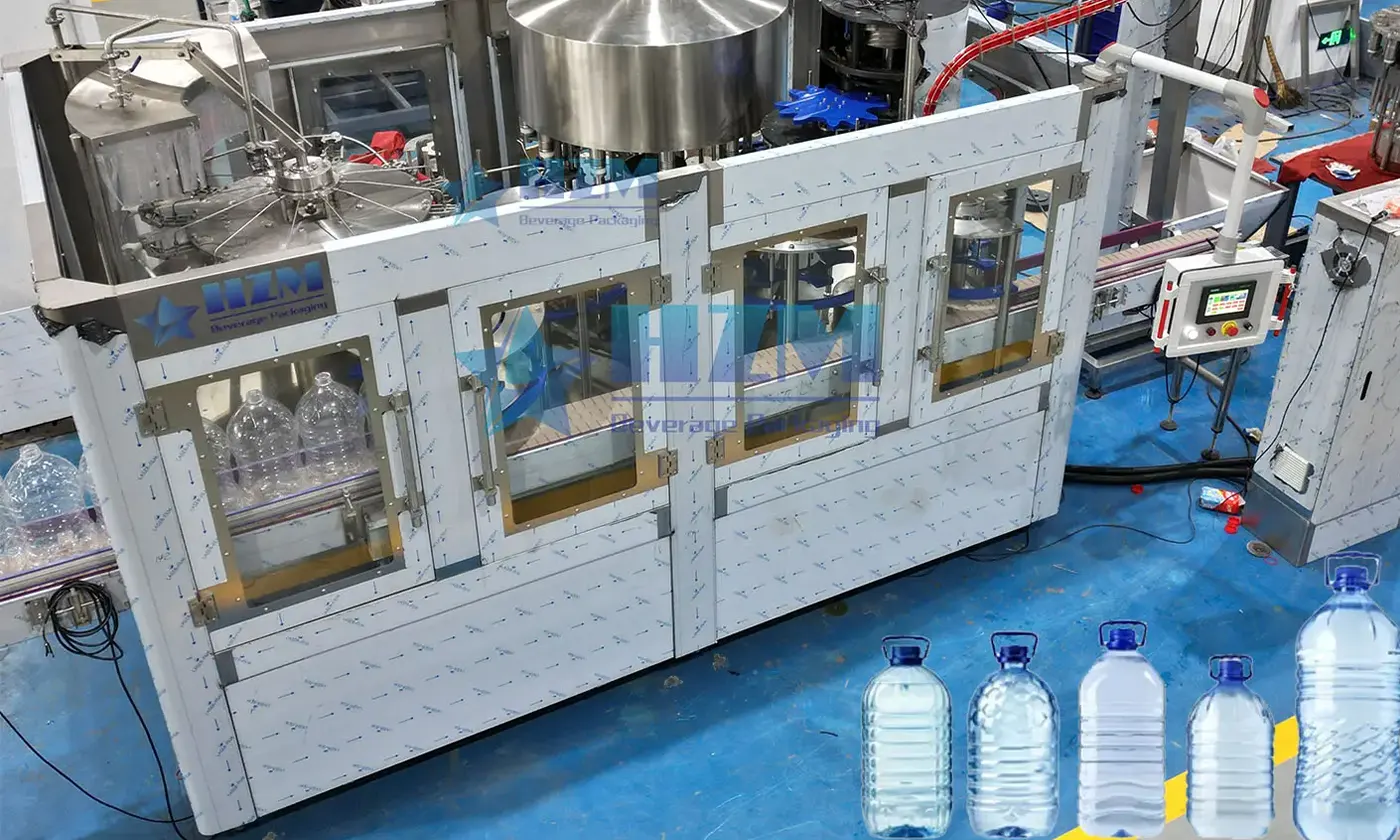
Equipment
Automatic Pure Water Bottling Filling Machine
Small PET bottle water filling with automatic rinsing and capping, from 5,000 to 18,000 bottles/hour at 500 ml.
Learn more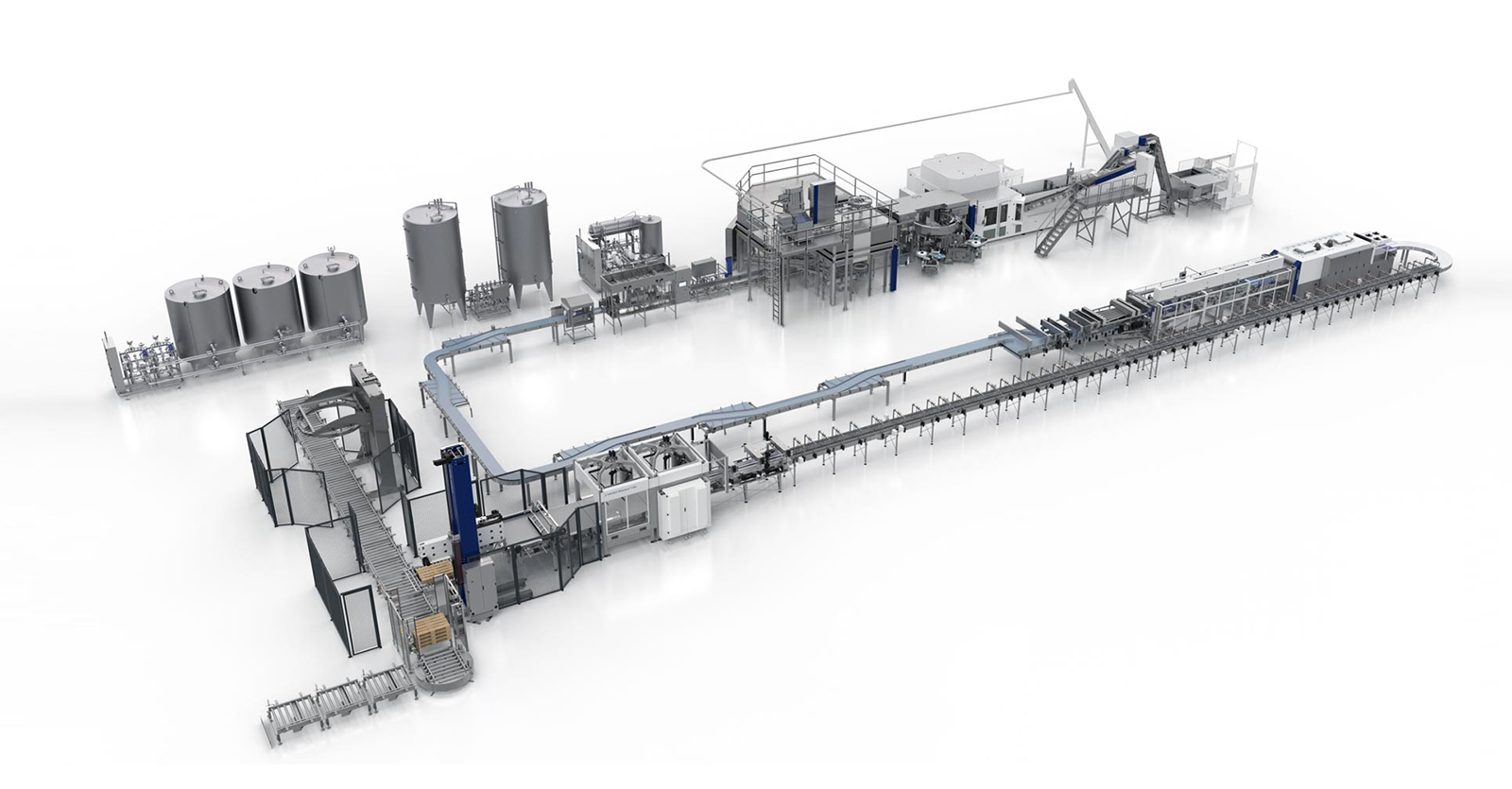
Equipment
Packaged Drinking Water Production Line
Complete packaged drinking-water production with treatment, bottle supply, rinsing, filling, capping and finished-bottle packing.
Learn more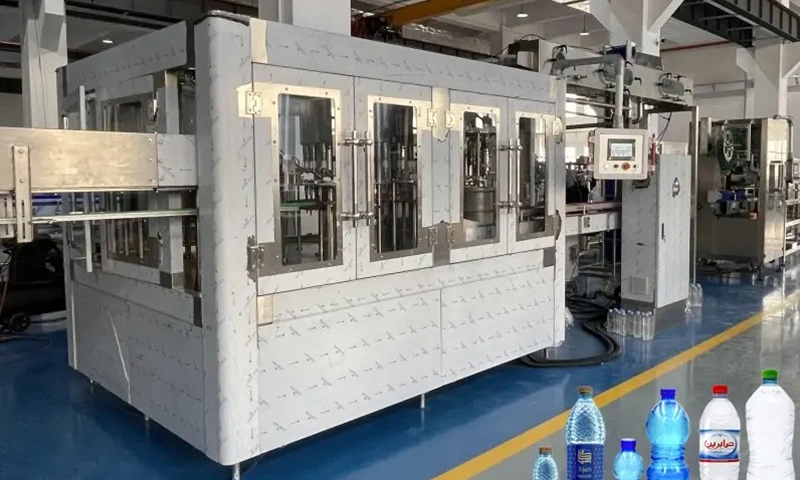
Equipment
Automatic Mineral Water Bottle Filling Machine
Automatic mineral-water bottling with rinsing, filling and capping, from 5,000 to 18,000 bottles/hour at 500 ml.
Learn more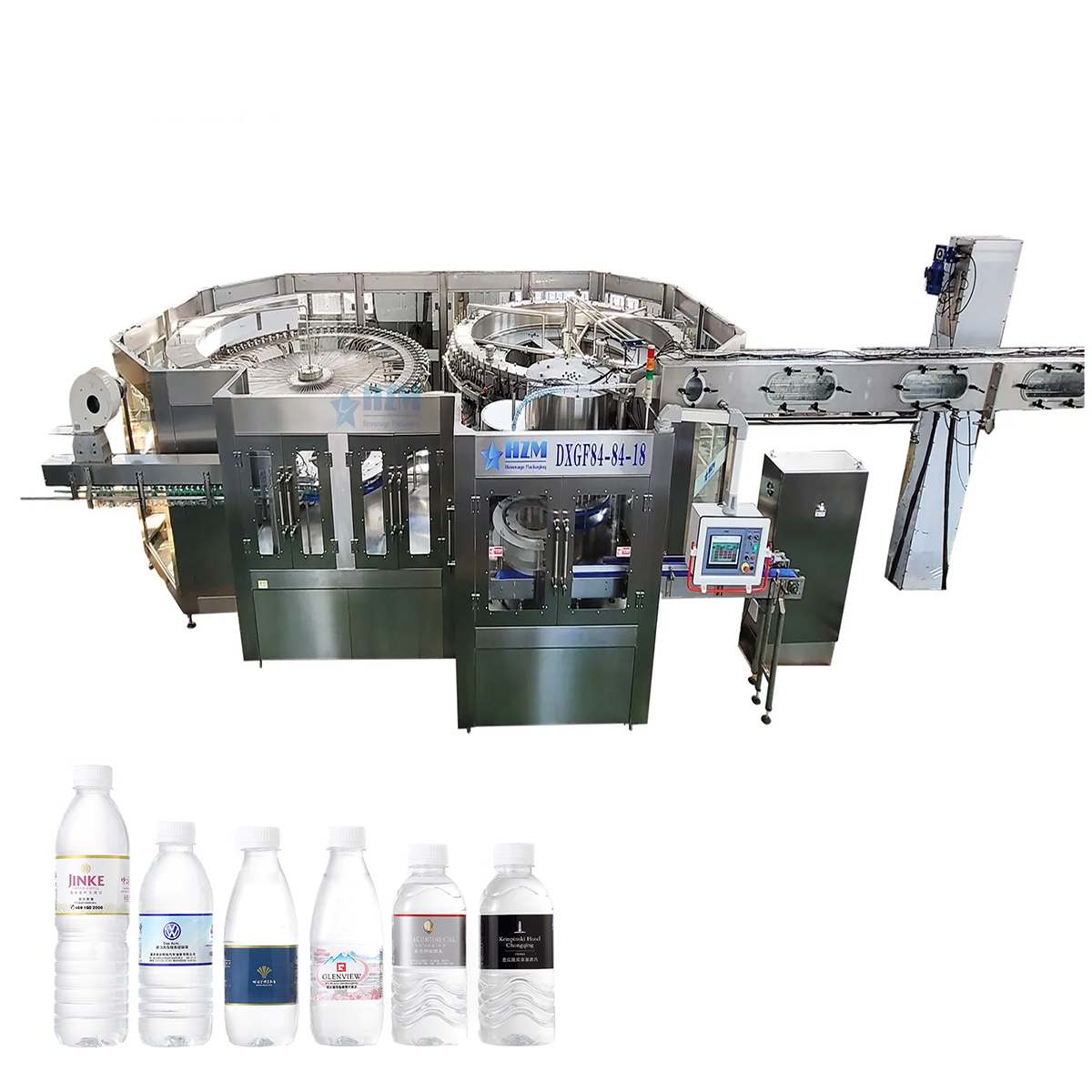
2025-04-21
Automatic Drinking Water Filling Production Line Equipment
The automatic drinking water filling production line is a highly efficient set of equipment that integrates water treatment, filling, capping, labeling, and packaging. It is widely used for industrial-scale production of bottled drinking water such as mineral water, purified water, and spring water. Empty bottles → Star-wheel bottle feeding → Pre-wash (inside & outside) → Rotary cleaning → Secondary spray rinsing → Filling → Screw-capping / shrink-film sealing → Labeling → Online checkweighing → Inkjet coding → Conveying → Packing / Palletizing
Learn more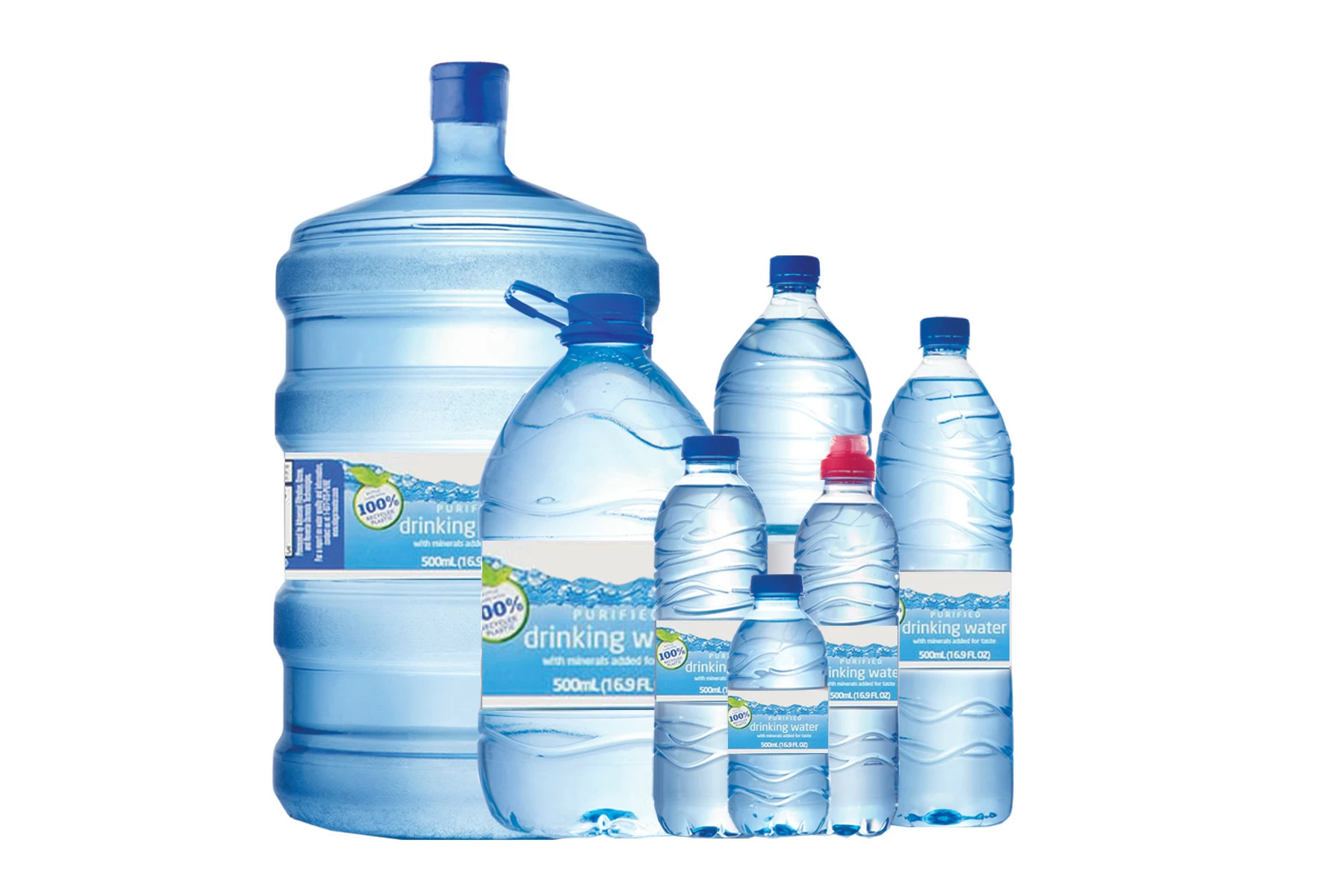
2023-11-21
Bottle Water Filling Machines and Production Line Equipment price
This article will delve into the price range of Bottle Water Filling Machines and the full set of production line equipment provided by HZM Machinery, providing you with a comprehensive understanding and reference.
Learn more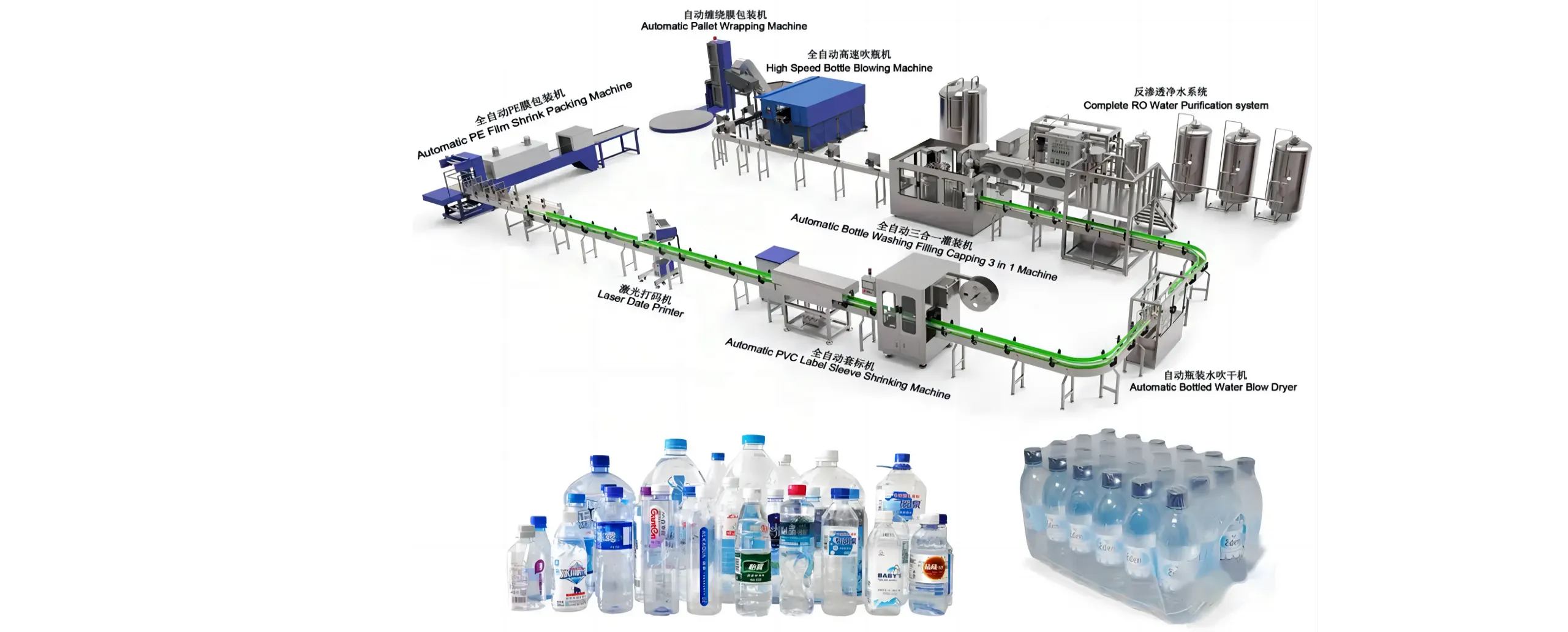
2023-12-07
Bottled Drinking Water Production Line: Equipment and Production Process
Today, we will delve into the equipment and production process of bottled drinking water production lines.HZM Machinery is a comprehensive professional supplier of Bottled Drinking Water Production Lines, integrating R&D, manufacturing, and sales.
Learn more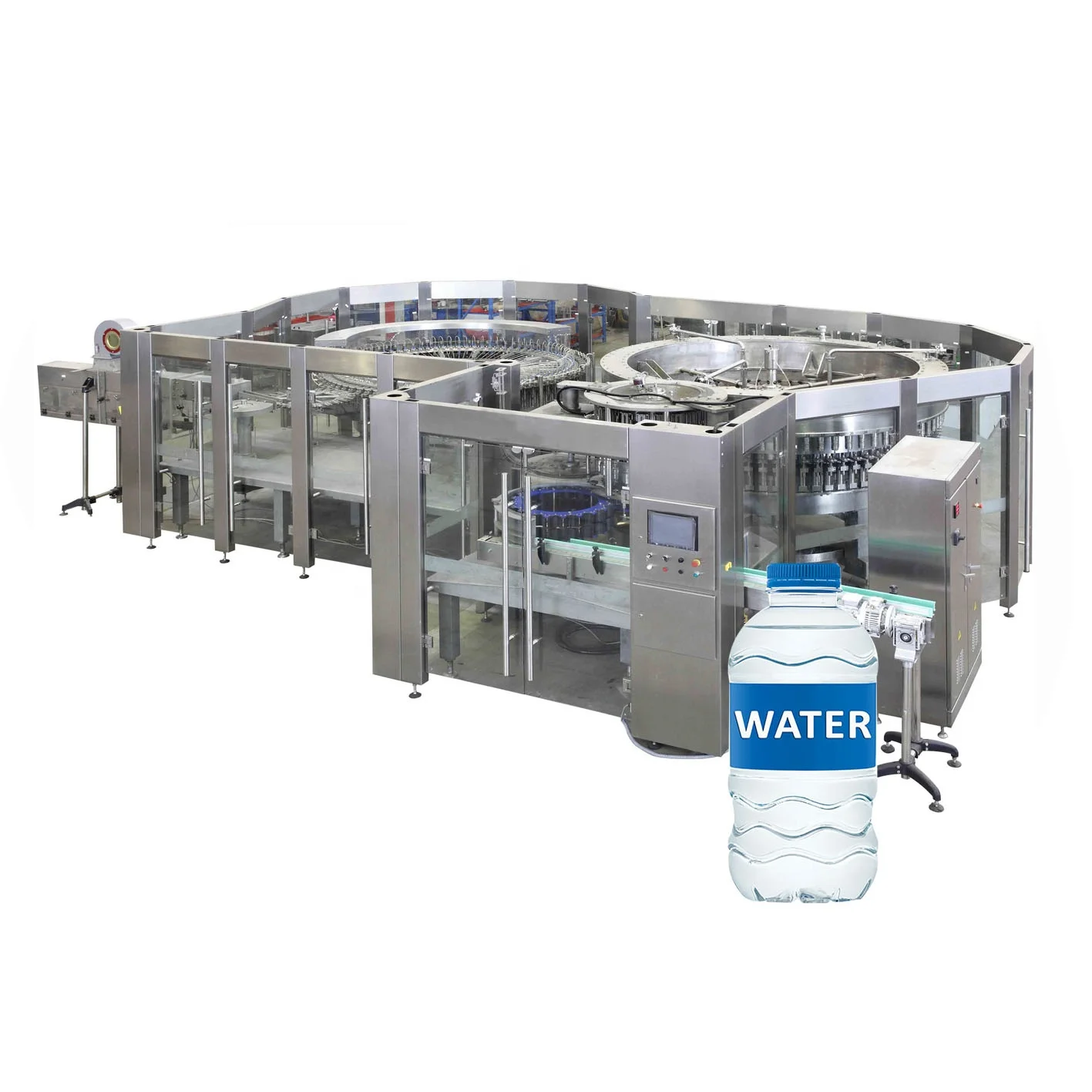
2023-11-24
Water Bottle Filling Machine Solutions
Water bottle filling machines come in various configurations, from small-scale, semi-automatic machines suitable for small businesses to fully automated, high-speed machines used in large-scale production facilities. They play a crucial role in ensuring the efficiency and quality of the water bottling process.
Learn more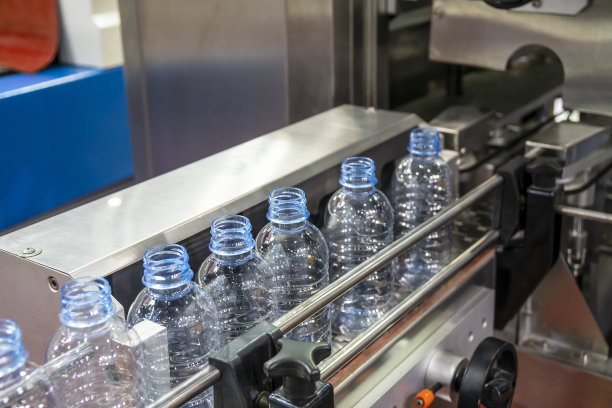
2023-09-14
Water Bottle Filling Machine Prices
Water bottle filling machines are highly automated filling equipment used for various containers, including water bottles, beverage bottles, and wine bottles. The application of this equipment is incredibly diverse, spanning across industries such as food, beverages, and household products
Learn more
2023-12-21
Water Bottling Plant Equipment For Sale
In the global arena, HZM Machinery stands as a highly acclaimed manufacturer of water bottling plant equipment, renowned for its professional expertise and factory-direct pricing.
Learn more