
Pulp Juice Line Has Settling, Blockages and Uneven Packs
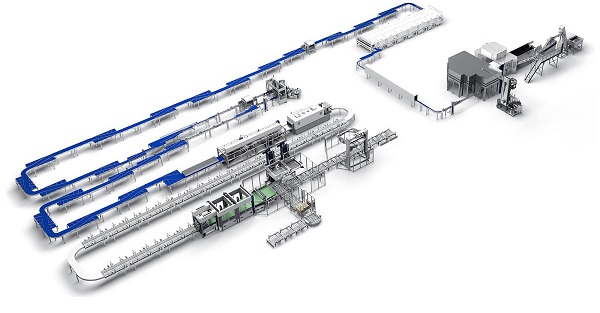
Treat pulp as a line-wide solids-handling problem. Verify particle specification, tank agitation, pipe velocity, pump selection, thermal effect, valve passage, recirculation and stop-time behavior.
Use the line-wide stop, lockout/tagout and product-hold procedures. A safe diagnosis must include adjacent machines, stored pneumatic and hydraulic energy, hot process circuits, robots and the possibility that equipment can restart from an upstream or downstream command.
Locate the fault
- Early bottles contain less pulp than late bottles
- Pipes and filler valves block after stops
- Pump pressure and fill time increase through the batch
- CIP removes heavy solids only at the beginning
Inspection sequence
- Measure representative particle size and solids distribution
- Sample tank and package at defined batch times
- Trend flow, pressure and temperature through process and filler
- Review agitation, recirculation and stop sequence
- Inspect recovered blockage material and exact geometry
- Verify CIP flow through solids-sensitive branches
Corrective work
- Align product particle specification and equipment passage
- Restore suitable low-shear suspension and recirculation
- Correct pump and valve condition
- Develop validated stop and cleaning sequences for the actual product
Operating records and follow-up
- Review new formulations with equipment teams
- Trend fill time and pressure
- Control maximum stop time
- Inspect low points
- Retain distribution samples
Need help planning your packaging line?
Share your product, bottle and capacity requirements for a practical equipment recommendation.
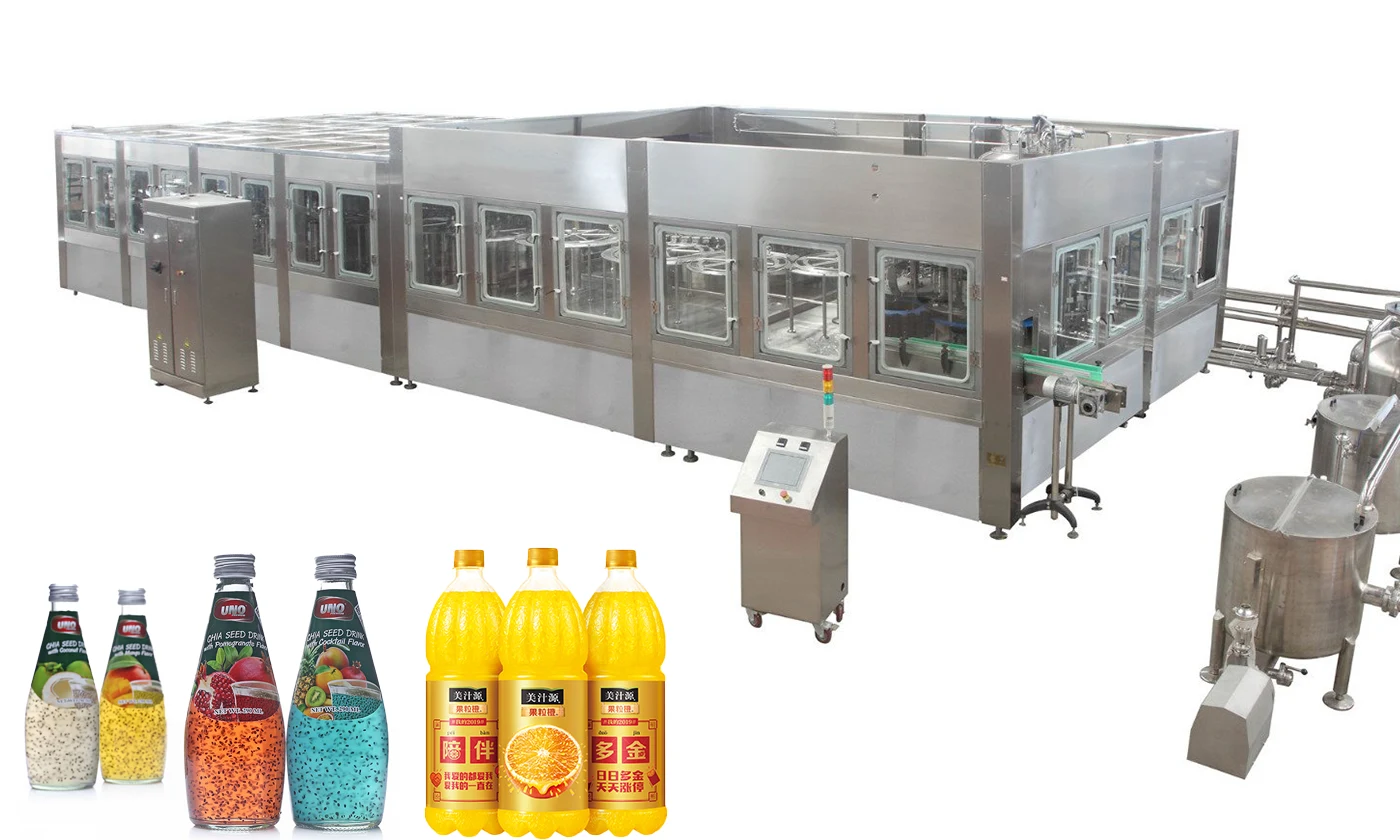
juice Pulp Filling Machine 4 in 1
RXGGF16-16-5 pulp juice filling with separate pulp and liquid dosing, rinsing and capping at 5,000 bottles/hour for 250 ml bottles.
Learn more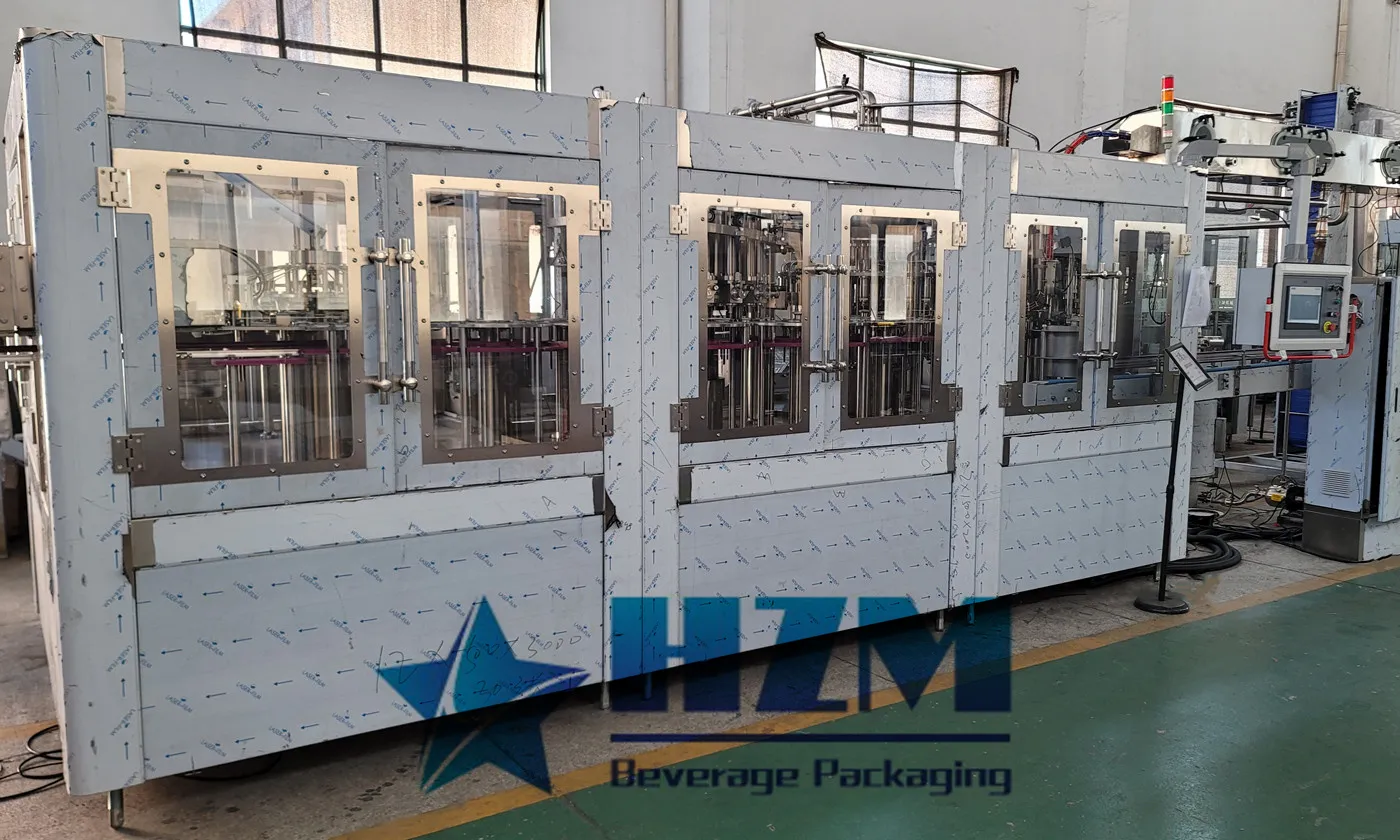
Automatic Pulp Juice Filling Machine
Pulp juice filling with separate pulp and liquid dosing, bottle rinsing and capping for beverages containing fruit particles.
Learn more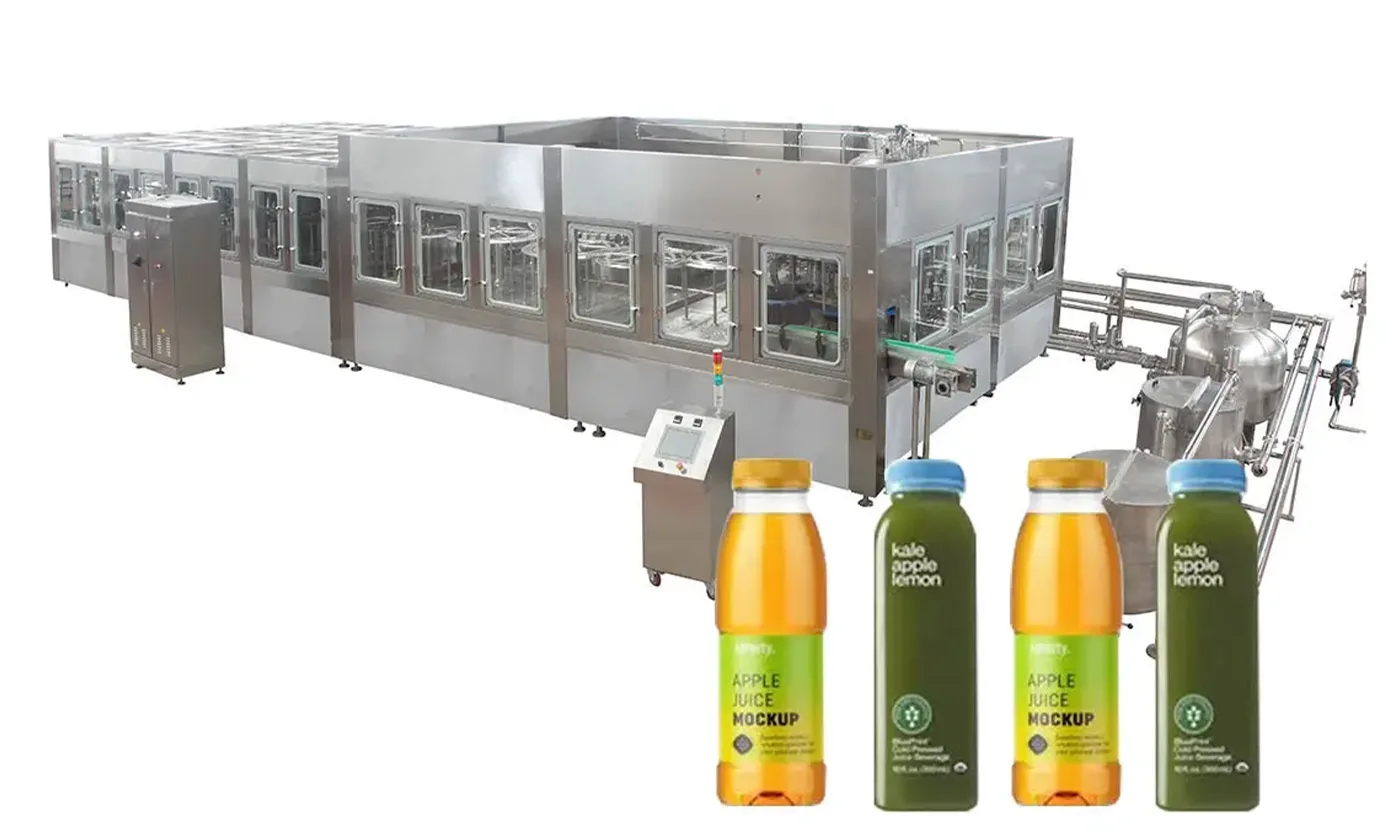
Bottled Juice Packaging Machine
Bottled juice filling equipment with rinsing and capping, from 6,000 to 18,000 bottles/hour at 500 ml.
Learn more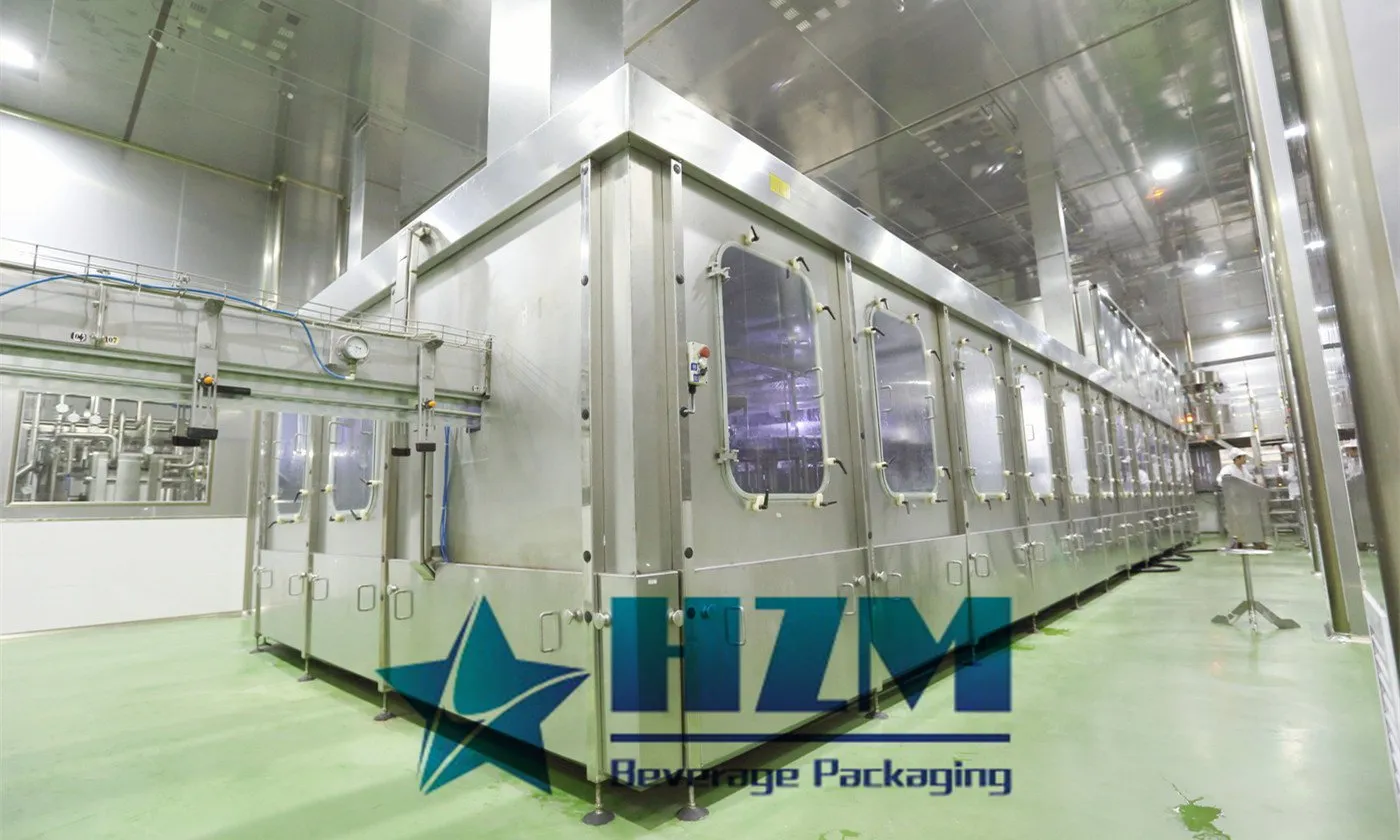
PET Bottle Juice Beverage Filling Machine
PET bottle juice filling with automatic rinsing and capping, for juice, tea and still beverages.
Learn more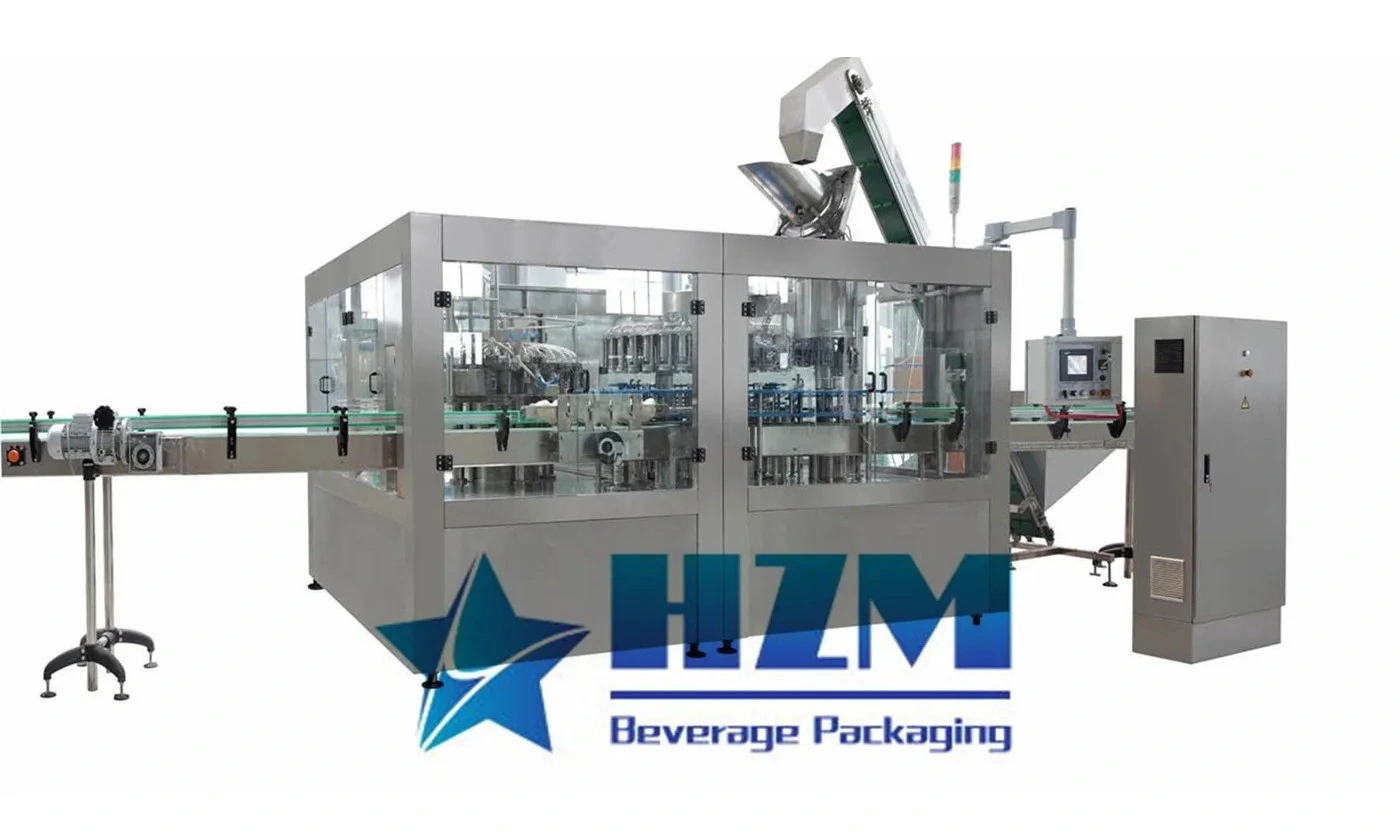
Glass Bottle Juice Beverage Filling Machine
Glass bottle juice filling with rinsing and capping, for juice, tea and other still beverages.
Learn more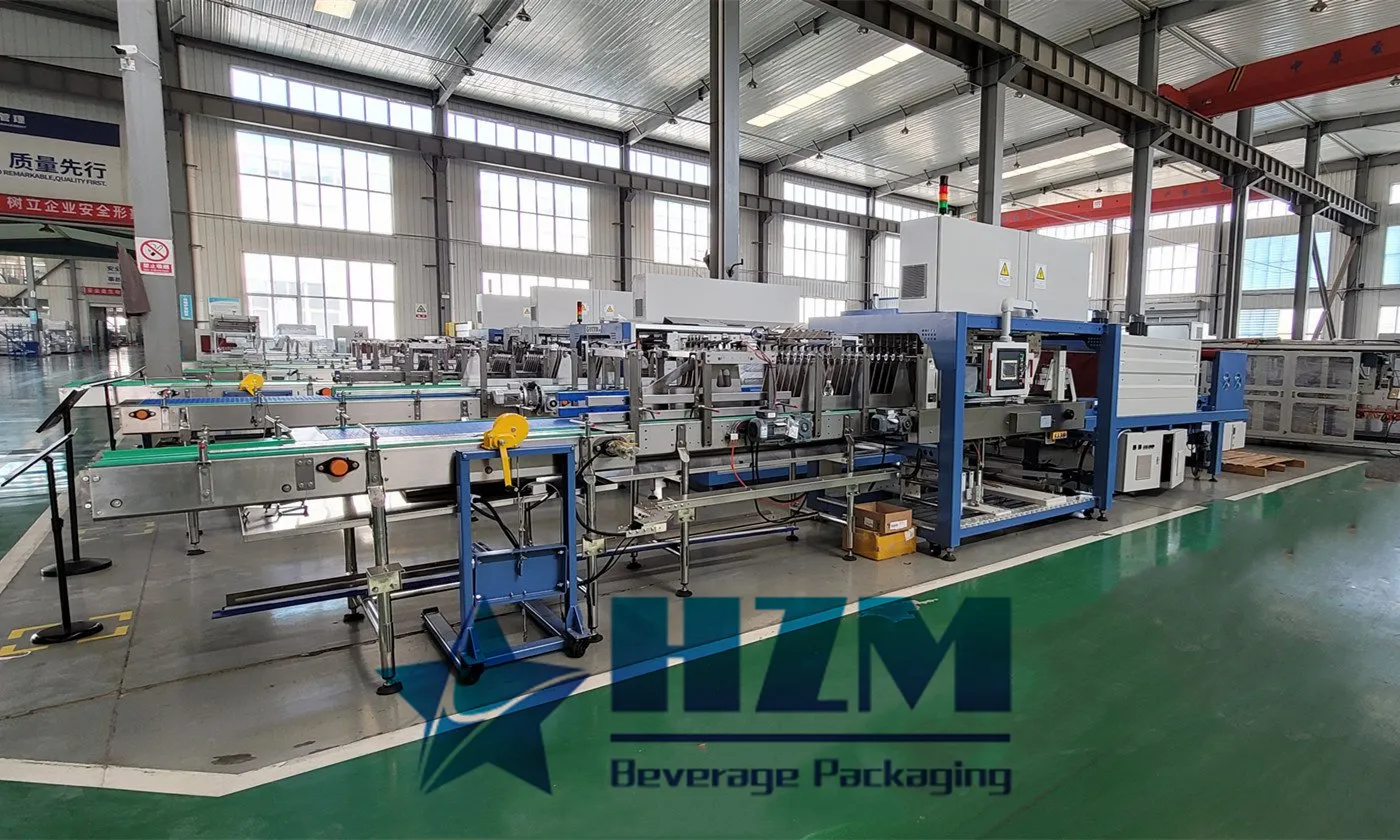
Automatic Beverage Packaging Machines – Juice, Soda & Soft Drinks
HZM beverage packaging equipment connects juice, soda and soft drink filling with labelling, coding and secondary packaging.
Learn more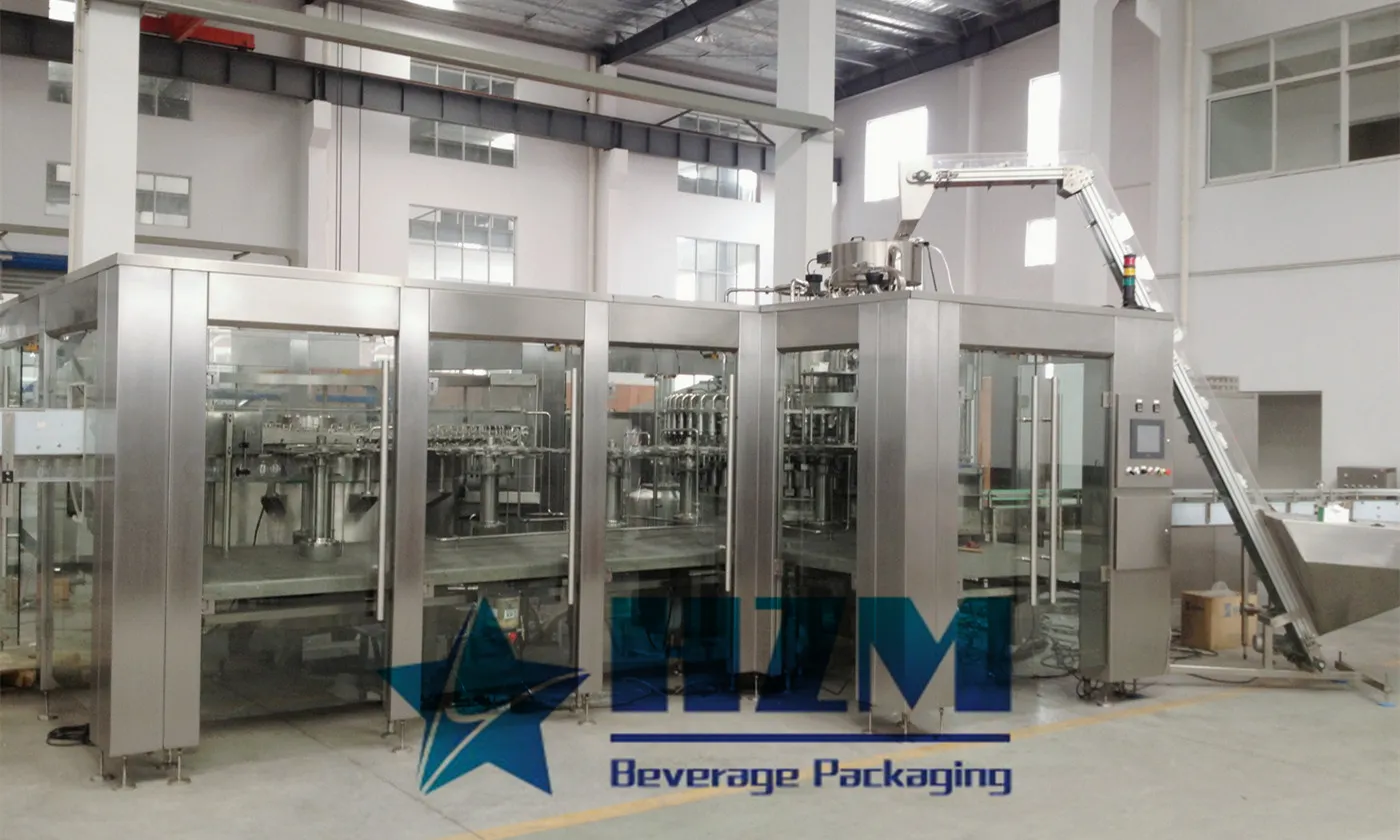
PET Bottle juice Beverage Hot Filling Machine
Hot filling for juice and tea in heat-compatible PET bottles, with automatic rinsing, filling and capping.
Learn more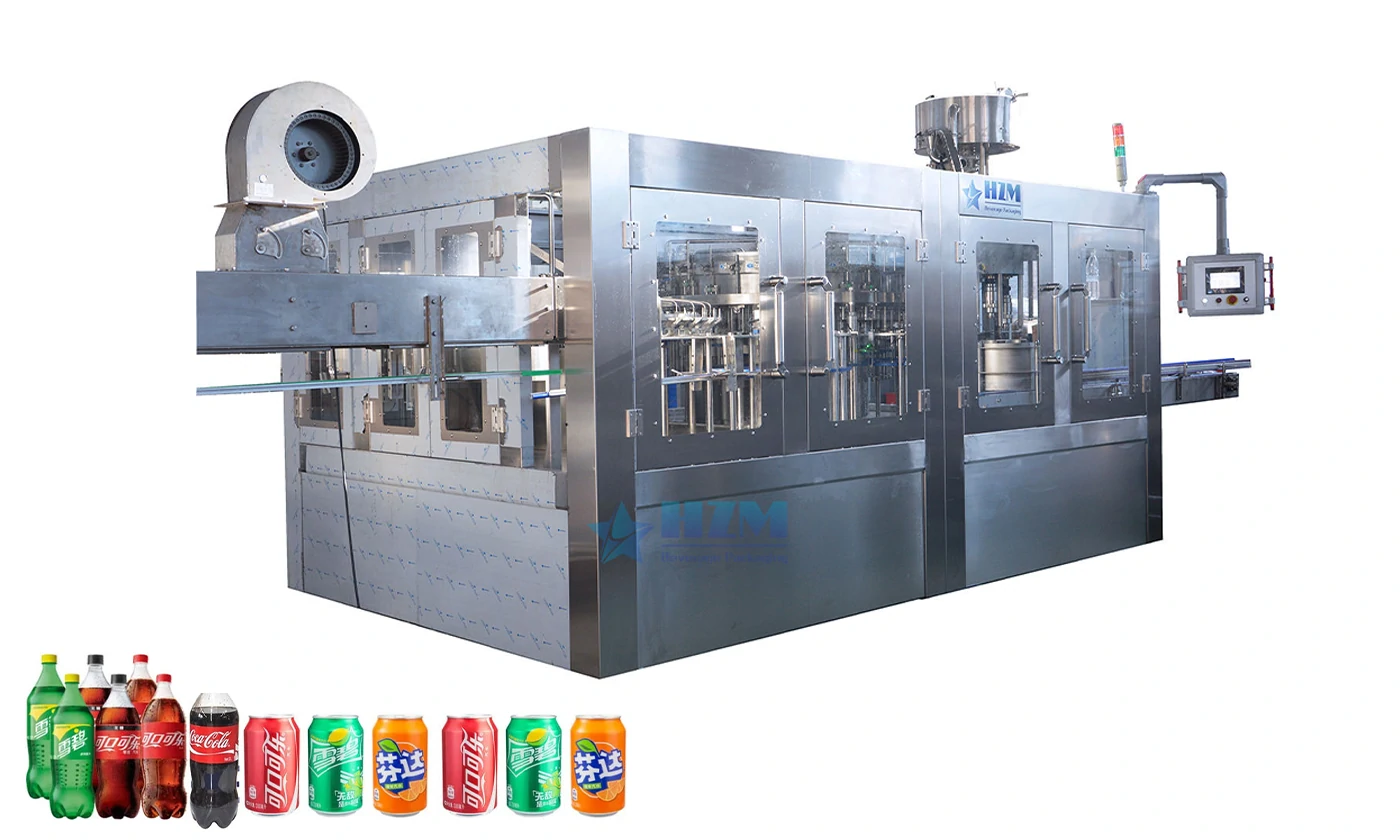
Beverage Packaging Machine for Juice, Soft Drinks, Carbonated Drinks, and Energy Drink
HZM supplies beverage production and packaging equipment for juice, soft drinks, carbonated drinks and energy drinks.
Learn more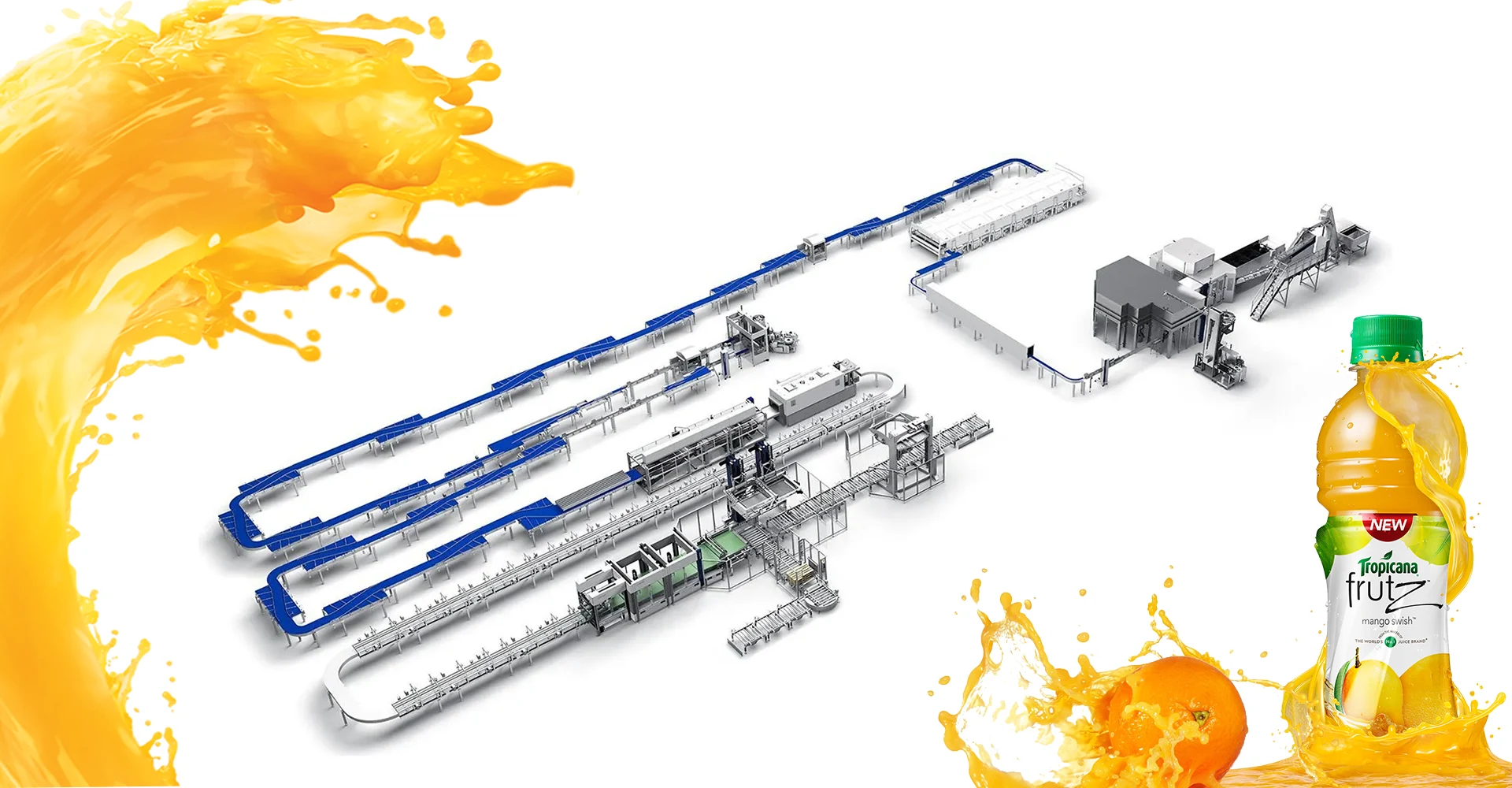
Beverage Filling Machine & Turnkey Filling Line for Juice, Soft Drinks and Cans
Beverage filling machines and turnkey lines for juice, soft drinks, water and beer in PET bottles, glass bottles or cans.
Learn moreWhat a Juice Line Supplier Needs to Know About the Product
A juice filling enquiry should describe soluble solids, viscosity, pulp and the intended preservation route.
Learn more
Three-in-One Juice Beverage Packaging Machine
A three-in-one juice beverage packaging machine is a versatile piece of equipment that combines three essential functions into a single unit: bottle washing, filling, and capping.
Learn more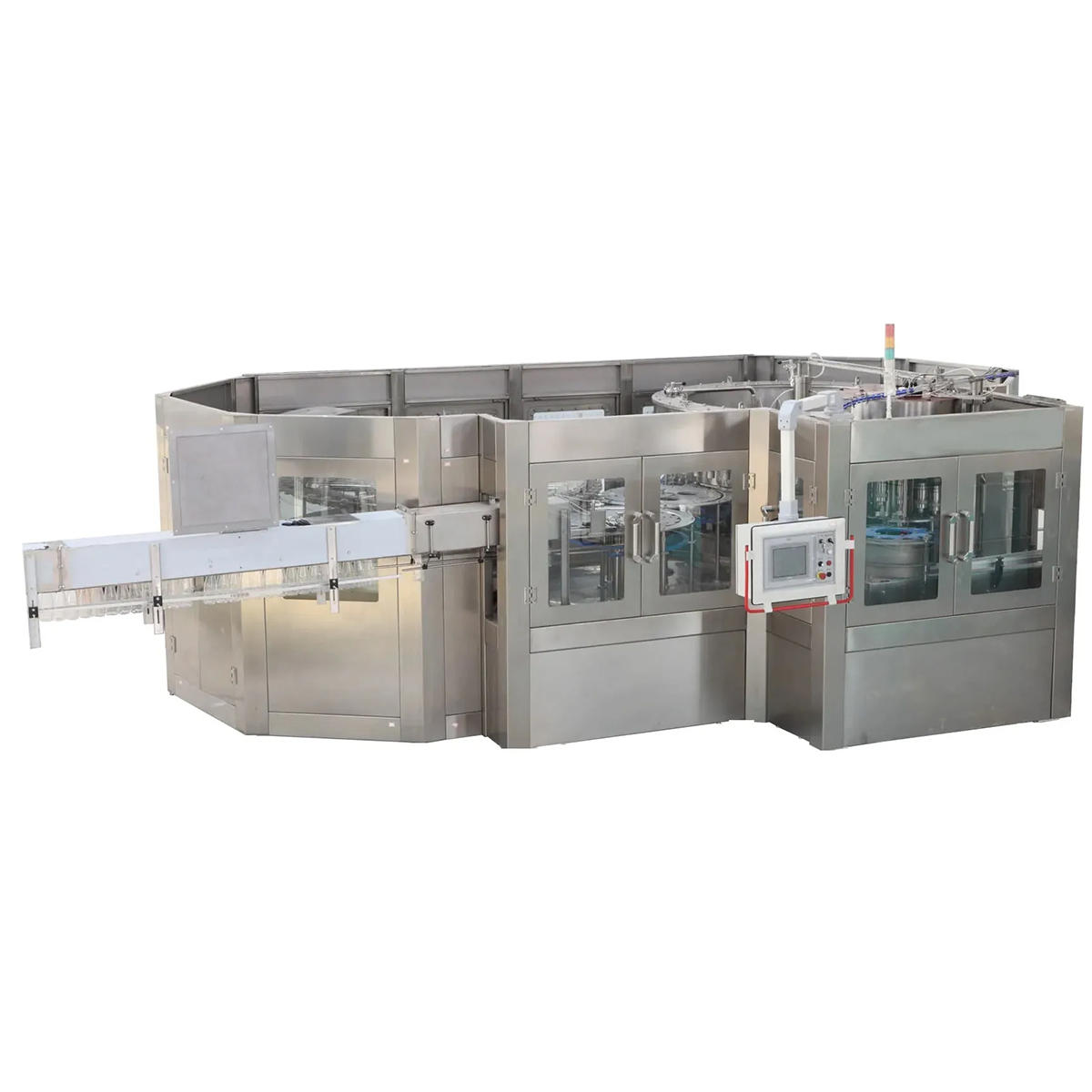
Configuring a Juice Filler for Clear and Pulp Products
Clear juice and pulp juice can require different transfer and valve arrangements. The formulation also determines the preservation and cleaning duty.
Learn more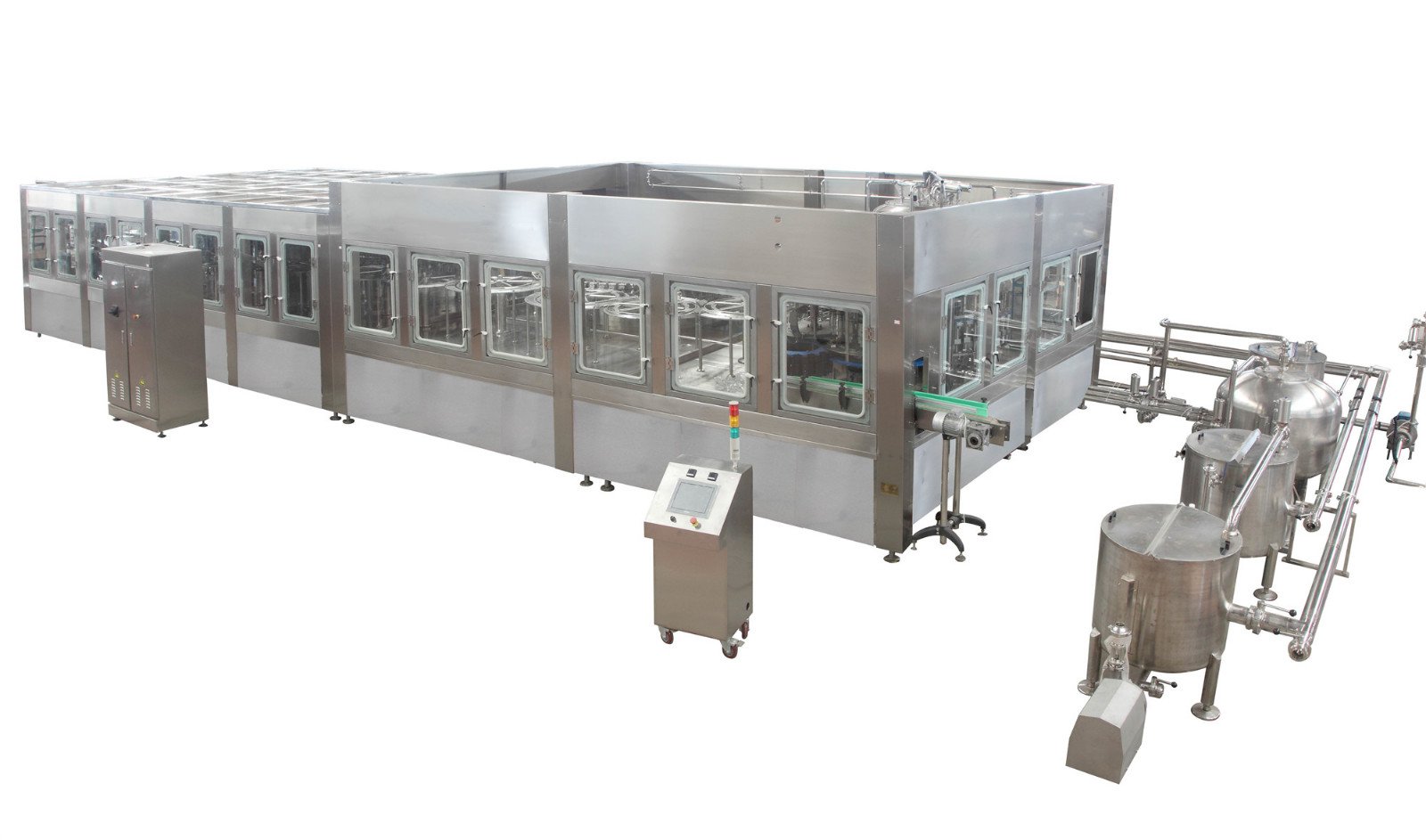
The Working Principle of Juice Filling Machine
Juice filling machine and ordinary water or carbonated beverage materials are significantly different in composition, filling methods and filling processes are also different. Therefore, the structure of juice filling machine is very different from that of ordinary water filling machine in terms of filling cylinder, filling valve and management system. Because the ingredients of the juice hot filling […]
Learn more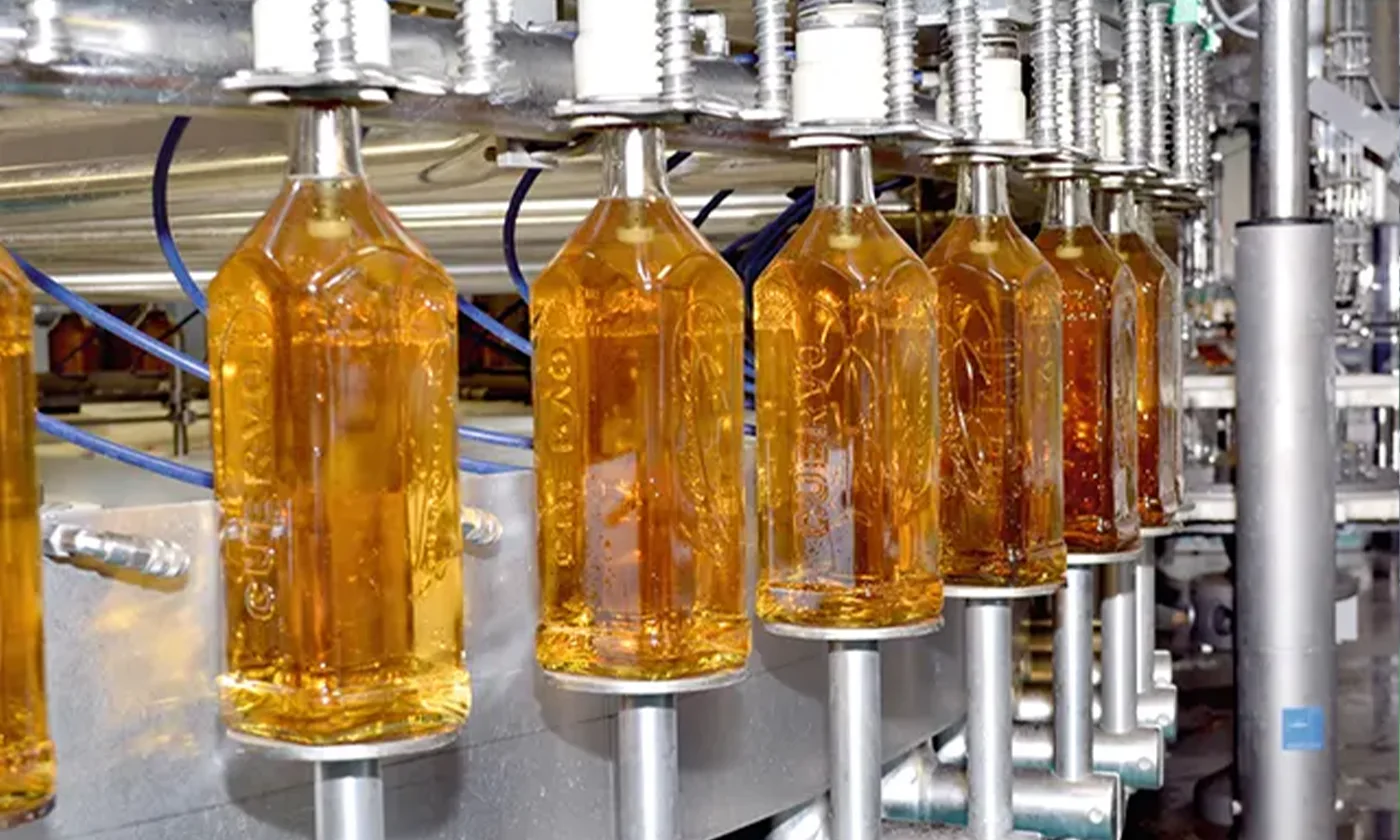
Detailed Solutions for Uneven Filling in Beverage Filling Machines
As a common beverage packaging equipment, automatic beverage filling machines are widely utilized across various industries. With the expanding market, the demand for automatic filling machines continues to grow.
Learn more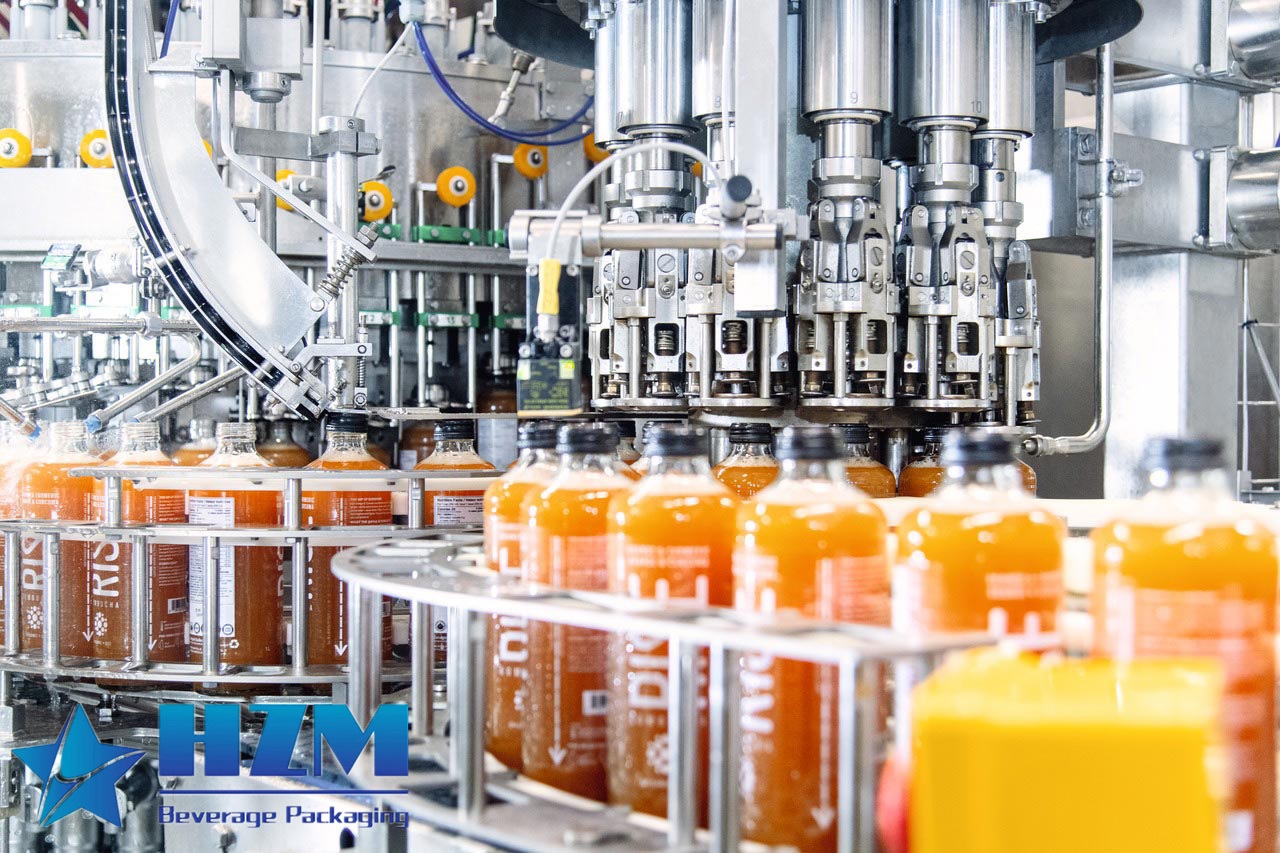
The Application of Filling Machines in the Juice Beverage Industry
With the growing emphasis on healthy consumption, juice beverages have become increasingly popular in modern life. To meet market demands, juice beverage manufacturers employ advanced technologies and equipment, with filling machines playing a pivotal role in the juice beverage industry. This article focuses on the application and advantages of filling machines in the realm of juice beverages.
Learn more