
Insights & Updates
Small Beverage Production Line Safety: Practical Operating Guidelines
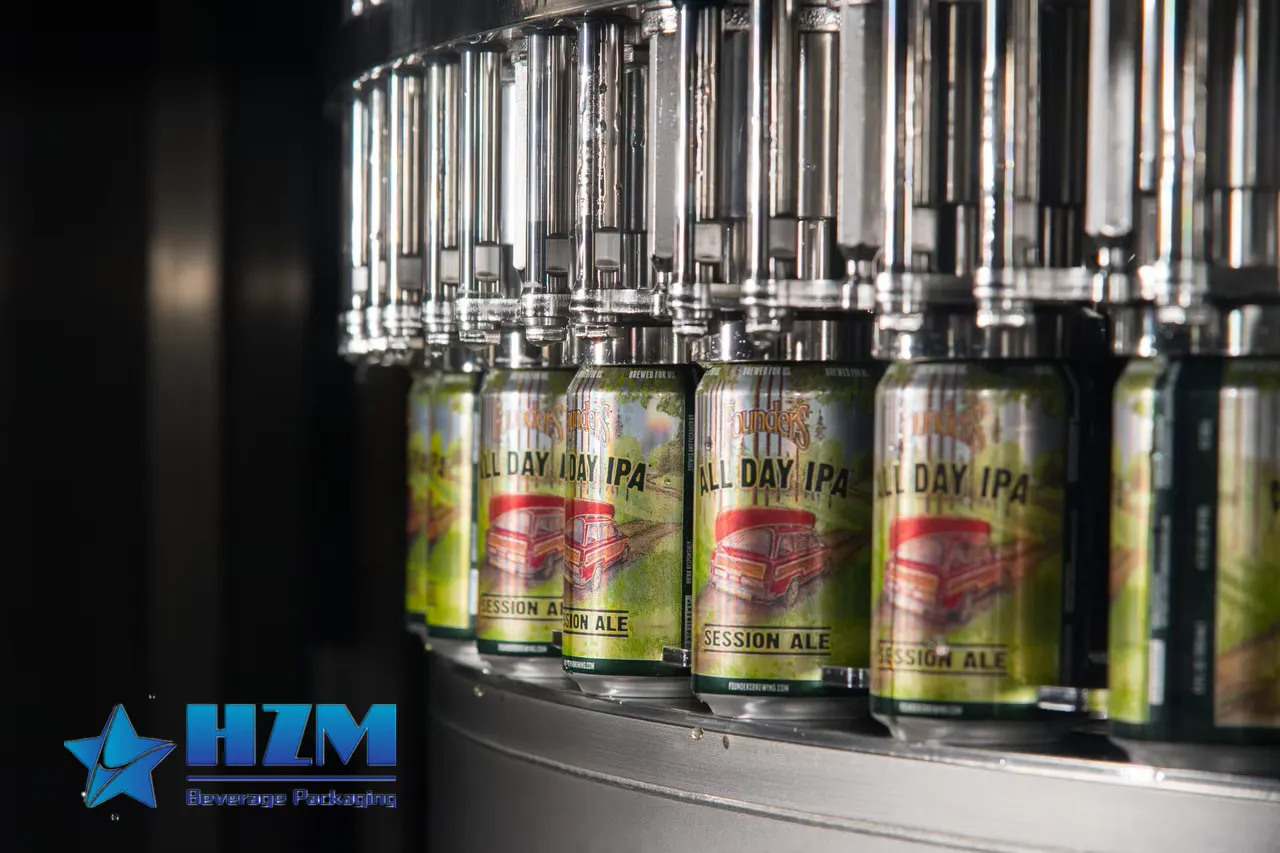
A compact beverage line may occupy less floor space than a high-speed plant, but it still combines moving conveyors, electrical panels, compressed air, hot liquids, chemicals and pressurized product. The greatest risk is often not a dramatic equipment failure. It is a routine shortcut: reaching past a guard, clearing a bottle while the conveyor is live, opening a hot line too early or starting cleaning before every operator understands the sequence.
This guide gives owners, supervisors and operators a practical framework for running a small functional beverage production line more safely. It is a general operating guide, not a substitute for the machine manual, site risk assessment or applicable local regulations.
Why functional beverage lines need a product-specific safety plan
Functional drinks may contain sugar, acids, vitamins, plant extracts, proteins or suspended particles. These ingredients change the way a line behaves. Syrup on the floor creates a slip hazard, powder charging can generate dust, acidic product may attack unsuitable materials, and hot filling exposes operators to burns. A safety plan should therefore cover the actual recipe, package and process—not only the filler.
Map the complete route from ingredient preparation to finished packing. Include the water treatment system, mixing tanks, pumps, filters, thermal process, rinser-filler-capper, conveyors, labeler, packer, compressed-air system and cleaning station. For each area, identify energy sources, hot surfaces, nip points, chemicals and the tasks that put people close to them.
Pre-start checks before every production shift
A short, documented pre-start inspection prevents many avoidable stoppages and injuries. The responsible operator should confirm the following:
- Guards, covers and access doors are installed and their interlocks function correctly.
- Emergency-stop devices are accessible, undamaged and tested according to the site procedure.
- Electrical cabinets are closed, cables are intact and the machine is properly grounded.
- Air, water, steam and product connections show no visible leak or loose fitting.
- Conveyors, star wheels and change parts match the current bottle or can format.
- The work area is dry, well lit and free of broken glass, loose tools and packaging debris.
- Operators know the planned product, cleaning status, changeover condition and unresolved faults from the previous shift.
Never defeat an interlock to save startup time. If the line will not run with a guard closed, the correct response is to diagnose the safety circuit—not to bypass it.
Control electrical, pneumatic and stored energy
Switching the control panel to “off” may not remove every energy source. A machine can retain compressed air, spring force, elevated machine parts, pressure in product pipes or electrical charge inside components. Maintenance and jam-clearing procedures should specify how to isolate, lock and verify each source before work begins.
Only trained and authorized personnel should open electrical cabinets. Do not spray water toward control panels, motors, sensors or connectors, even when their enclosures appear water resistant. Use the cleaning method defined by the equipment supplier and keep damaged seals or cable glands on the repair list.
Safe operation around the filler and conveyor
Misaligned containers should be cleared with the approved stop-and-isolate method. Hands, clothing and tools must stay away from rotating tables, cap chutes, star wheels, chains and conveyor transfer points while equipment is moving. Long hair, jewelry and loose sleeves should be secured before entering the production area.
Do not keep increasing conveyor speed to compensate for a downstream blockage. Accumulating bottles can fall, burst or force an operator into repeated manual intervention. A balanced beverage filling line uses coordinated speeds, sensors and accumulation so that upstream machines slow or stop predictably.
Hot product, pressure and carbon dioxide hazards
For hot-filled drinks, mark hot pipes and surfaces and use suitable personal protective equipment for sampling or connection work. Verify that pressure has been released before opening clamps, filters or valve bodies. A product temperature alarm is not a license to continue filling: the affected product needs a documented hold-and-review decision.
Carbonated beverage operations also require ventilation because carbon dioxide can displace oxygen without an obvious warning. Inspect hoses and regulators, secure gas cylinders correctly and use area monitoring where the risk assessment requires it. Never loosen a pressurized product or gas connection to “check” whether it is blocked.
CIP and chemical handling
Cleaning-in-place introduces concentrated chemicals, hot solutions and automated valve movements. Store chemicals in labeled containers, separate incompatible materials and make safety data available to the team. Operators should confirm chemical identity and concentration before dosing; guessing from container color is not acceptable.
Before a CIP system starts, verify the correct circuit, valve position, return path and tank capacity. Prevent access to points that may open or move during the sequence. After cleaning, confirm the approved rinse endpoint and line clearance before beverage enters the circuit.
Maintenance, training and incident learning
Preventive maintenance protects people as well as output. Worn bearings, leaking seals, loose guards and unreliable sensors create pressure to improvise. Record defects during the shift and define which conditions require an immediate stop. Repairs should use compatible parts and be followed by a controlled test before normal production resumes.
Training should be task based. An operator who can start the line may not be qualified to enter a guarded area, adjust a seamer, mix chemicals or troubleshoot an electrical fault. Refresher training is especially important after equipment changes, a new package format or a near miss.
A simple end-of-shift handover
- Record stops, alarms, temporary adjustments and safety-related observations.
- Identify product or cleaning solution remaining in tanks and pipes.
- Return tools and change parts to their assigned locations.
- Clean spills using the approved method and leave walkways unobstructed.
- Brief the next shift on unresolved problems before it takes control.
The best small-line safety system is easy to follow under production pressure. Clear isolation points, working guards, short checklists and disciplined handovers reduce both injury risk and unplanned downtime. When specifying new equipment, share the product, temperature, utilities, container and cleaning method so the safety features can be designed around the real process.
Talk to our engineering team
Need help planning your packaging line?
Share your product, bottle and capacity requirements for a practical equipment recommendation.
2024-03-20
Practical Guide to Ensuring Electrical Safety in Filling Machines
Filling machines are common equipment in the light industry and are part of the packaging machinery industry. With different functions, these machines are widely used across various sectors of the light industry.
Learn more
2023-03-24
Operating knowledge of semi-automatic liquid filling equipment
Semi-automatic liquid filling equipment has a wide range of uses. His characters can be seen in catering, daily chemical, chemical and other industries. The operating knowledge of semi-automatic liquid filling equipment manufacturers must be mastered, not only to make the liquid filling equipment function better For the production service of our enterprise, but also for […]
Learn more2023-08-25
Filling Machine Operation Guidelines
Power on and start the air compressor, adjust the pressure to 6 kg/cm², supply compressed air to the filling machine, and connect the power source.
Learn more2023-06-09
PET Juice Filling and Packaging Line: A Practical Selection Guide
Plan a PET juice filling and packaging line for 200 ml to 1.5 L bottles by matching the beverage process, bottle, output target and downstream equipment.
Learn more
2023-07-07
Operating Procedures for Automatic Filling Machine
The automatic filling machine is a common filling equipment that can automatically complete the liquid filling process, improving production efficiency and reducing manual operations. To ensure the normal operation of the automatic filling machine, improve production efficiency, and ensure product quality and safety, it is crucial to establish reasonable operating procedures. The following are the operating procedures for the automatic filling machine.
Learn more
2026-07-24
Beverage Machinery Safety and Maintenance Precautions
A practical preventive-maintenance guide for beverage machinery, with daily, weekly and monthly checks for fillers, pumps, conveyors, sensors, lubrication and sanitation.
Learn more