
Insights & Updates
Operating Procedures for Automatic Filling Machine
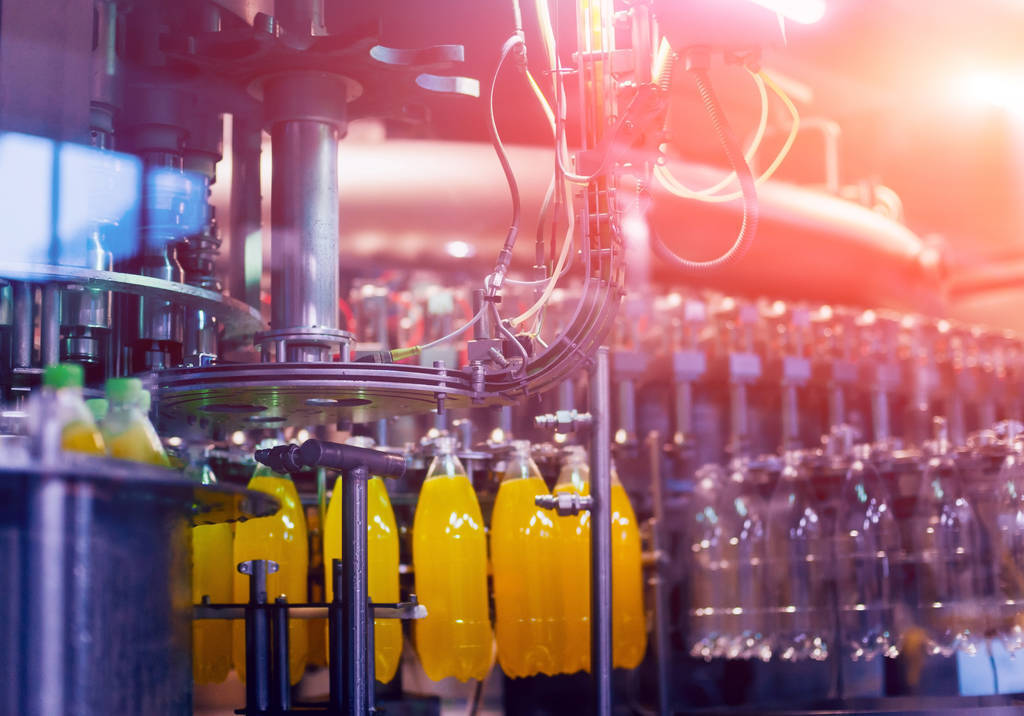
The automatic filling machine is a common filling equipment that can automatically complete the liquid filling process, improving production efficiency and reducing manual operations. To ensure the normal operation of the automatic filling machine, improve production efficiency, and ensure product quality and safety, it is crucial to establish reasonable operating procedures. The following are the operating procedures for the automatic filling machine.
I. Preparations before Operation
- Check the equipment for integrity. Ensure that all components of the equipment are undamaged or loose.
- Clean the equipment. Clean all components of the equipment, including the filling port, filling head, and the entire machine surface. The cleaning solution should be sterile.
- Check the settings of the main controller. Ensure that the operating mode, working parameters, alarm settings, and safety measures of the equipment are appropriately set.
- Prepare filling materials. Pour an appropriate amount of liquid into the filling tank.
- Prepare packaging materials. Ensure that the packaging materials meet the production requirements, including size, material, and quantity.
- Pre-start inspection. Check whether the position of the filling head is correct before starting the machine. Safety precautions should be taken during the inspection.
II. Machine Startup
- Start the equipment. Start the automatic filling machine according to the settings of the main controller.
- Adjust the filling head. Adjust the position of the filling head to ensure alignment with the packaging containers. Fine adjustments can be made manually.
- Adjust the filling volume. Adjust the filling volume according to the requirements of the product to ensure accurate filling.
- Start automatic filling. Place the containers below the equipment, activate the automatic filling, ensure the containers are in place, and the filling head is fully inserted into the containers to begin filling.
- Monitor equipment operation. During the filling process, continuously monitor the operation of the equipment to ensure normal and stable operation.
- Replace packaging containers in a timely manner. When one packaging container is filled, promptly replace it with a new one to ensure the continuity and stability of the filling process.
- Pay attention to safety during the filling process. Wear protective gloves, goggles, and other protective equipment during operations to avoid accidents.
III. Completion of Operation and Cleaning
- Turn off the equipment. After completing the filling, turn off the equipment. Ensure that the machine stops running safely while turning it off.
- Clean the equipment. After filling, clean the equipment thoroughly, including the interior and exterior parts.
- Record data. Record filling time, filling quantity, and other data, and keep proper records and backups.
- Equipment maintenance. Regular equipment maintenance is crucial to ensure the long-term normal operation of the equipment. Maintenance work includes periodic inspections, replacement of worn-out parts, lubrication of equipment, etc.
- Storage of equipment. When storing the equipment, it should be kept in a dry, ventilated, and cool place to avoid exposure to sunlight and moisture.
The above operating procedures are applicable to the operation process of automatic filling machines. Safety should be emphasized during operations to prevent equipment failures and accidents. The operating procedures should be familiarized by operators and regularly reviewed and updated during usage.
Talk to our engineering team
Need help planning your packaging line?
Share your product, bottle and capacity requirements for a practical equipment recommendation.
2023-03-24
Operating knowledge of semi-automatic liquid filling equipment
Semi-automatic liquid filling equipment has a wide range of uses. His characters can be seen in catering, daily chemical, chemical and other industries. The operating knowledge of semi-automatic liquid filling equipment manufacturers must be mastered, not only to make the liquid filling equipment function better For the production service of our enterprise, but also for […]
Learn more
2026-02-05
Mineral Water Production Cost: Equipment and Operating Cost Checklist
Estimate mineral water production cost by separating plant scope, packaging, utilities, labor, maintenance and local compliance instead of relying on a generic price.
Learn more
2024-03-13
Operating Steps and Precautions for Small Bottle Water Filling Machine
The small bottle water filling machine is characterized by high filling accuracy, fast production speed, and easy operation, suitable for filling various specifications of small bottle water bottles.
Learn more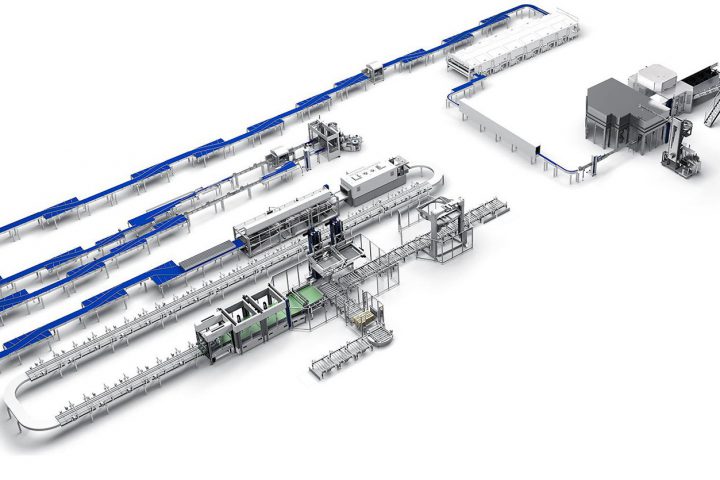
2023-06-09
Aseptic Beverage Filling Project Guide: OEE and Aseptic Recovery Procedures
Practical HZM guidance on aseptic beverage filling project, focused on oee and aseptic recovery procedures, line integration, RFQ data and measurable acceptance checks.
Learn more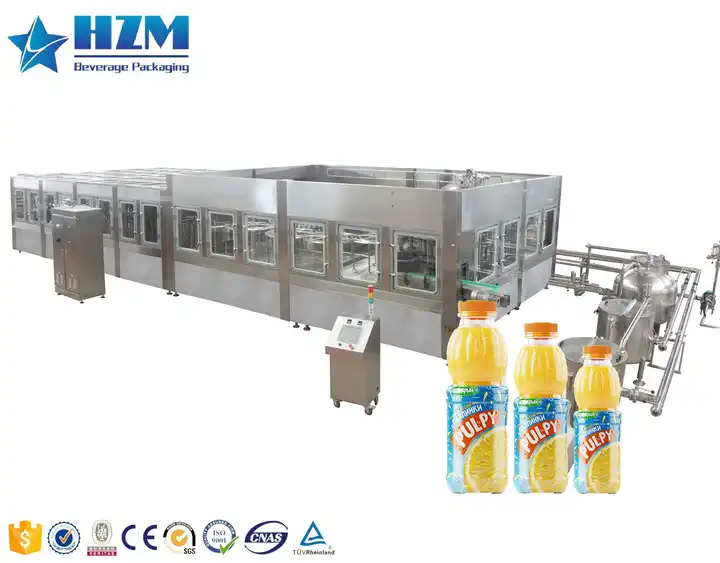
2023-11-02
Operating Techniques and Precautions for Juice Beverage Filling Machines
In juice beverage production lines, the filling machine plays a pivotal role. Its function is to fill prepared juice beverages into bottles or cans for sale and transportation. However, operating a filling machine requires specific techniques and precautions. Let's delve into this in detail
Learn more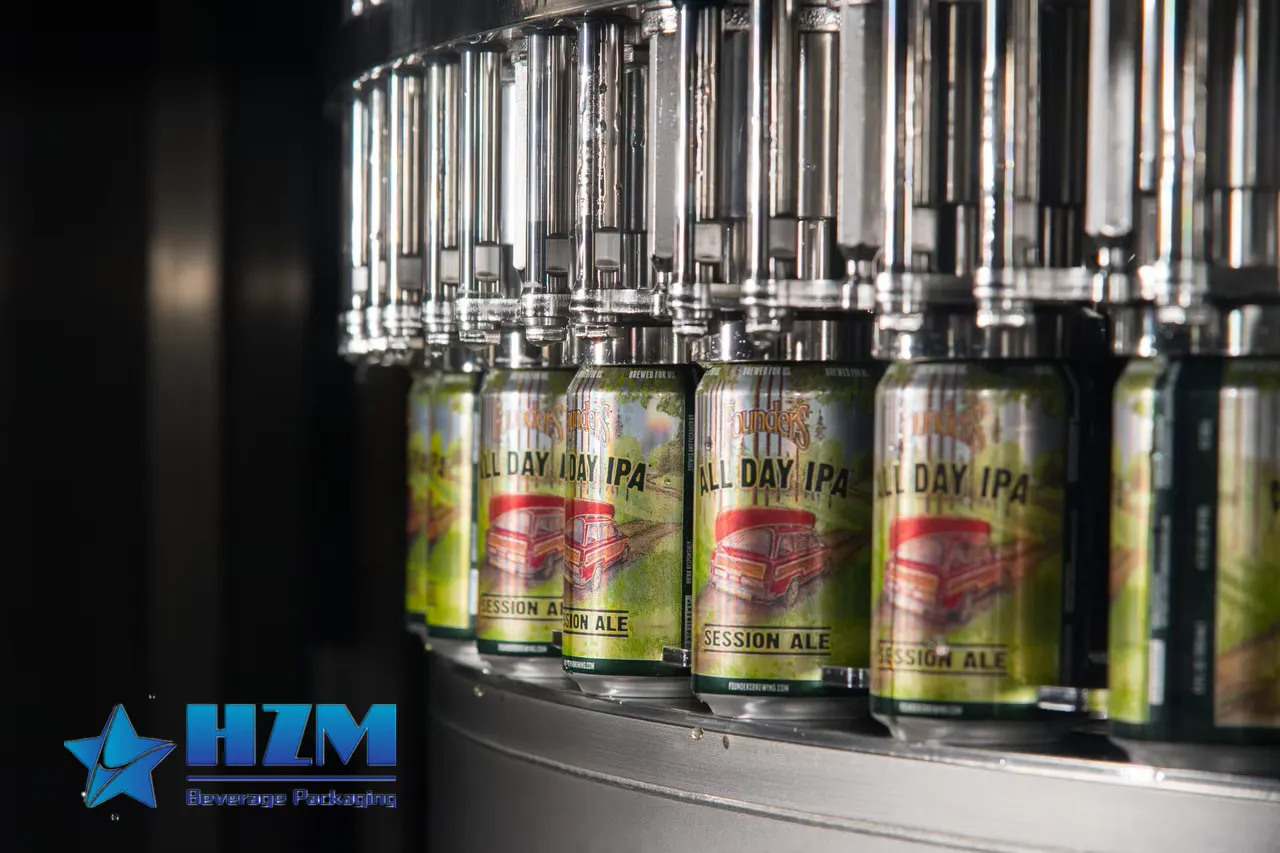
2026-07-24
Small Beverage Production Line Safety: Practical Operating Guidelines
A practical safety guide for small functional beverage lines, covering startup checks, electrical and pneumatic isolation, hot-product handling, CIP, guarding, hygiene and shift handover.
Learn more