
Insights & Updates
Full Automatic Beverage Quantitative Filling Machine: The Essential Tool for Modern Beverage Production
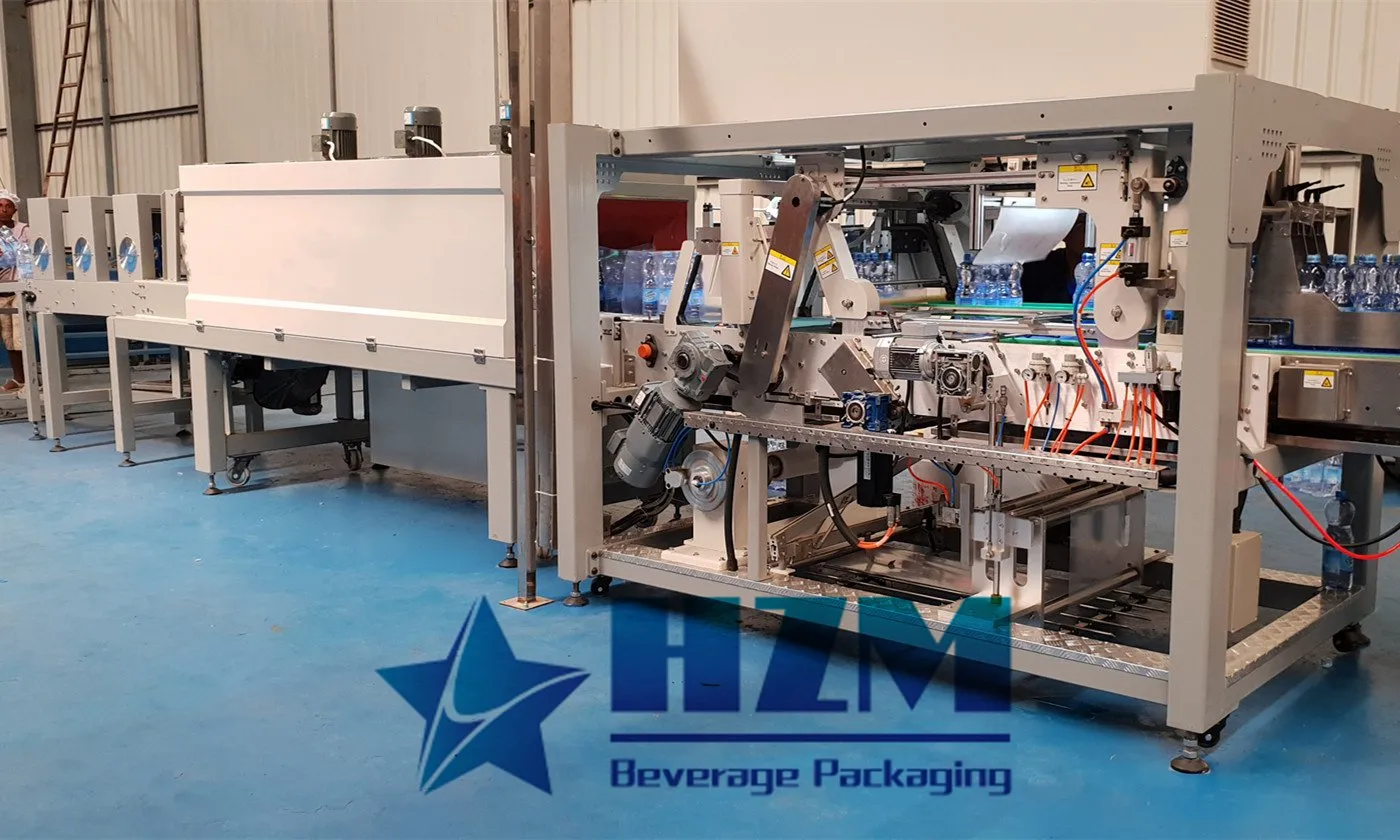
With the continuous expansion of the beverage market and the increasing demand from consumers, beverage production companies are placing higher demands on production efficiency, product quality, and safety. In this context, the Full Automatic Beverage Quantitative Filling Machine, as an outstanding representative of aseptic filling equipment, is becoming an indispensable tool on modern beverage production lines with its efficient and precise filling capabilities.
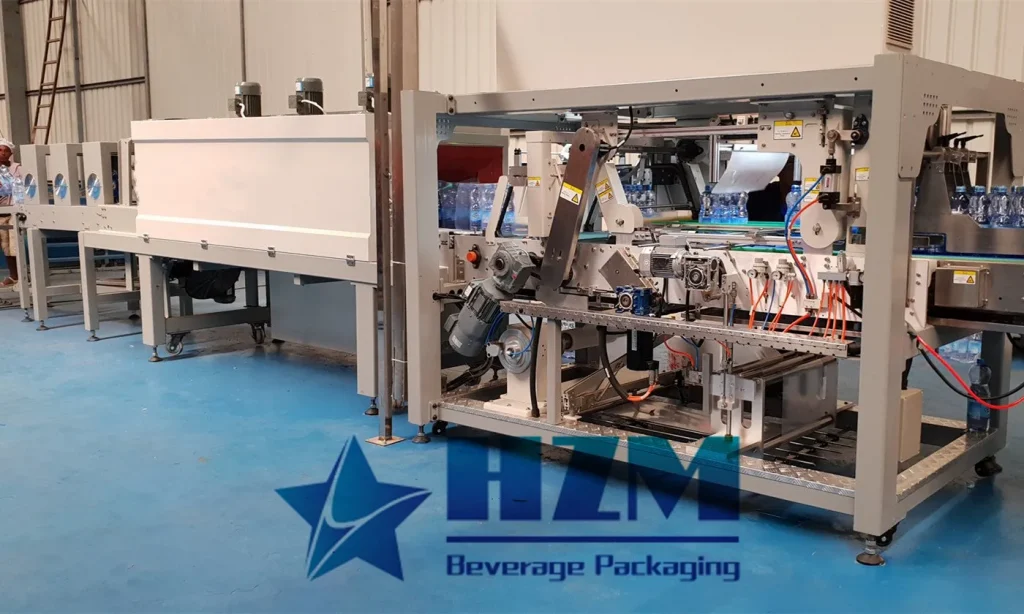
The Full Automatic Beverage Quantitative Filling Machine is renowned for its excellent filling technology and advanced control systems. Whether it’s juice, tea beverages, carbonated drinks, or mineral water, it can adapt to various specifications and types of beverage bottles, with a sterile working area during filling to ensure the quality and safety of the beverage. This equipment not only improves production efficiency but also significantly reduces production costs while ensuring product quality, thus winning the favor of numerous beverage production companies.
In the field of food filling, especially aseptic filling, the Full Automatic Beverage Quantitative Filling Machine has unique advantages. Its application covers a wide range of beverage types, from common fruit juices to specialty tea beverages, to popular carbonated drinks and mineral water, all of which it can handle with ease. In modern beverage production enterprises, these devices have long been indispensable production tools. With the aid of automated filling processes, companies can not only greatly improve production efficiency but also ensure the quality and safety of products, which is crucial for the long-term development of enterprises.
With the increasing emphasis on environmental protection, future Full Automatic Beverage Quantitative Filling Machines will pay more attention to environmental protection and energy conservation. In terms of design, the equipment will adopt more environmentally friendly materials and technologies to reduce energy consumption and waste emissions during the production process, achieving green production. This not only meets the requirements of modern society for environmental protection but also saves resources and costs for beverage production companies, enhancing their image and competitiveness.
In summary, the Full Automatic Beverage Quantitative Filling Machine, as a representative of aseptic filling equipment, has become an indispensable tool on modern beverage production lines with its efficient and precise filling capabilities. In the future, with the increase in environmental awareness, these devices will further develop to better meet market demands and contribute to the sustainable development of beverage production companies.
Talk to our engineering team
Need help planning your packaging line?
Share your product, bottle and capacity requirements for a practical equipment recommendation.
Equipment
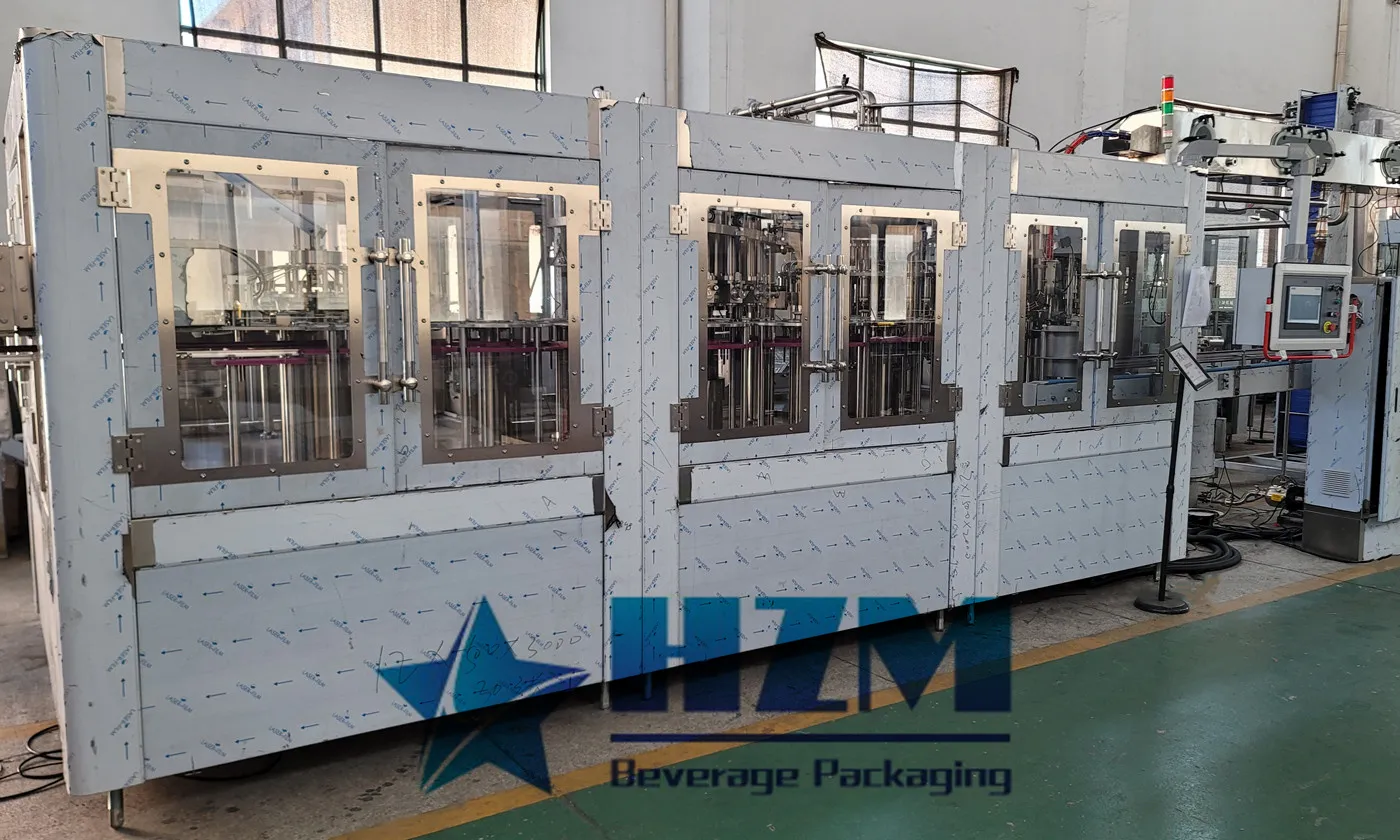
Automatic Pulp Juice Filling Machine
Pulp juice filling with separate pulp and liquid dosing, bottle rinsing and capping for beverages containing fruit particles.
Learn more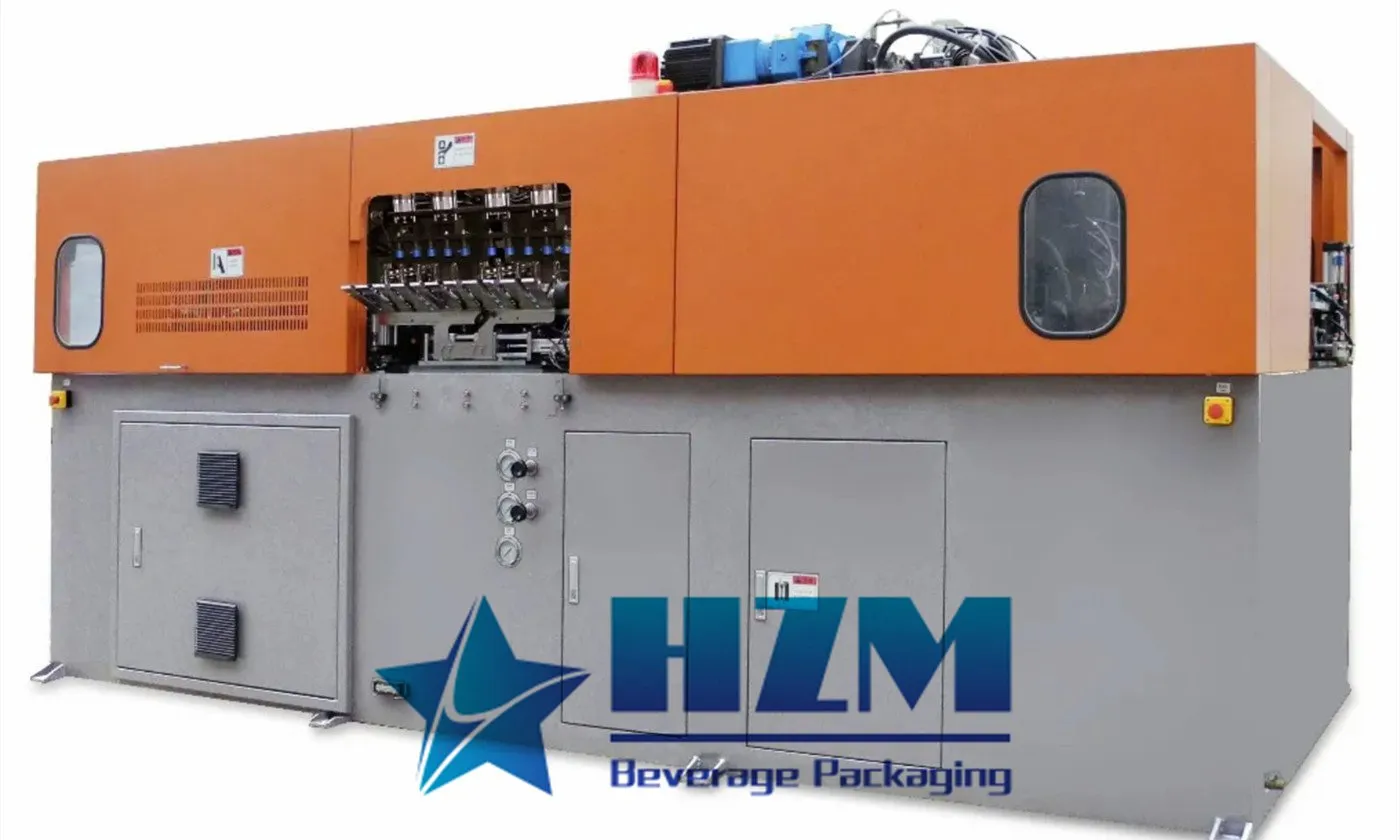
Equipment
Full Electric Servo Type Blow Molding Machine
Full-electric servo PET blow moulding with 4, 6, 9 or 10 cavities and capacities of 5,400–13,000 bottles/hour at 500 ml.
Learn more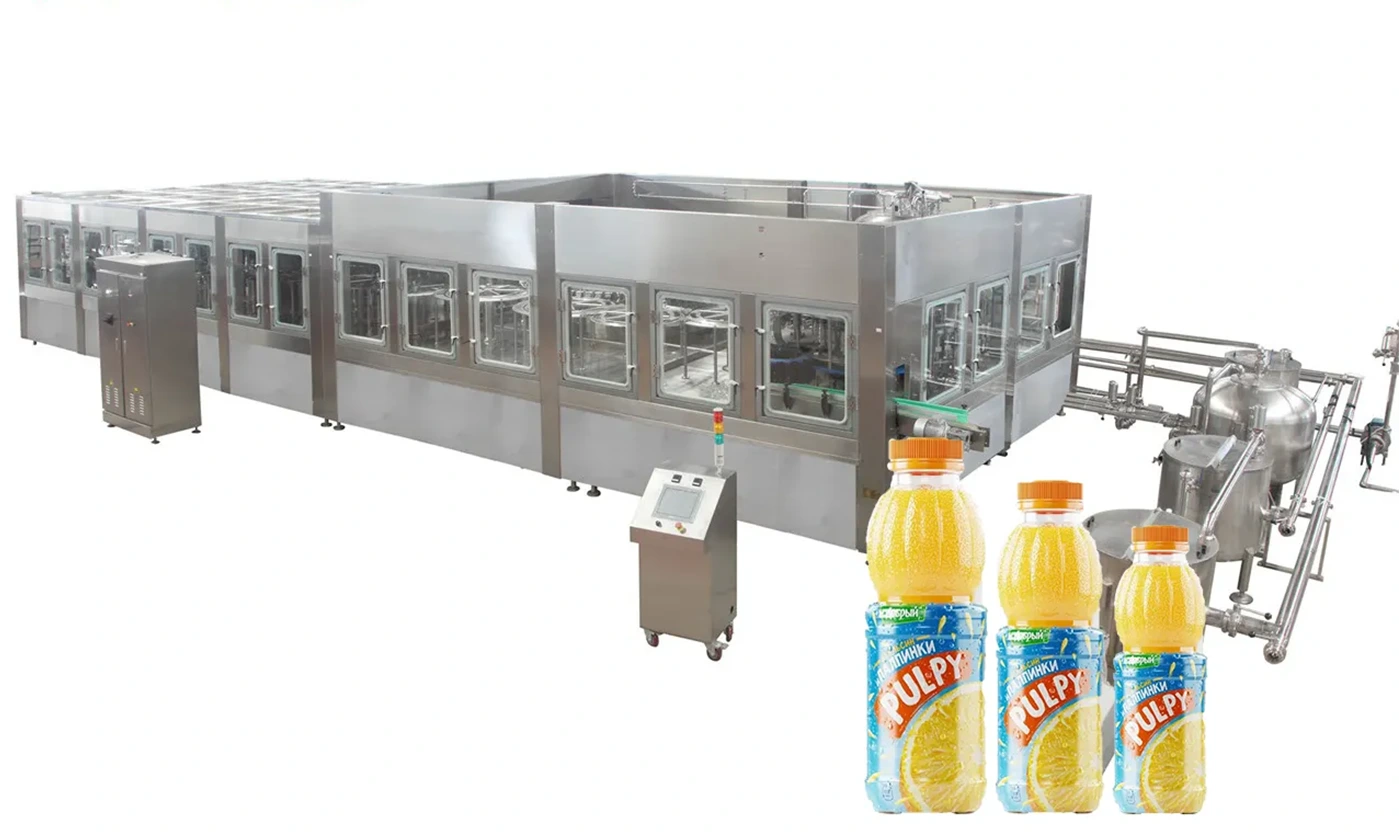
Equipment
Fully Automatic Beverage Filling Machine
The fully automatic beverage filling machine combines bottle rinsing, filling and capping.
Learn more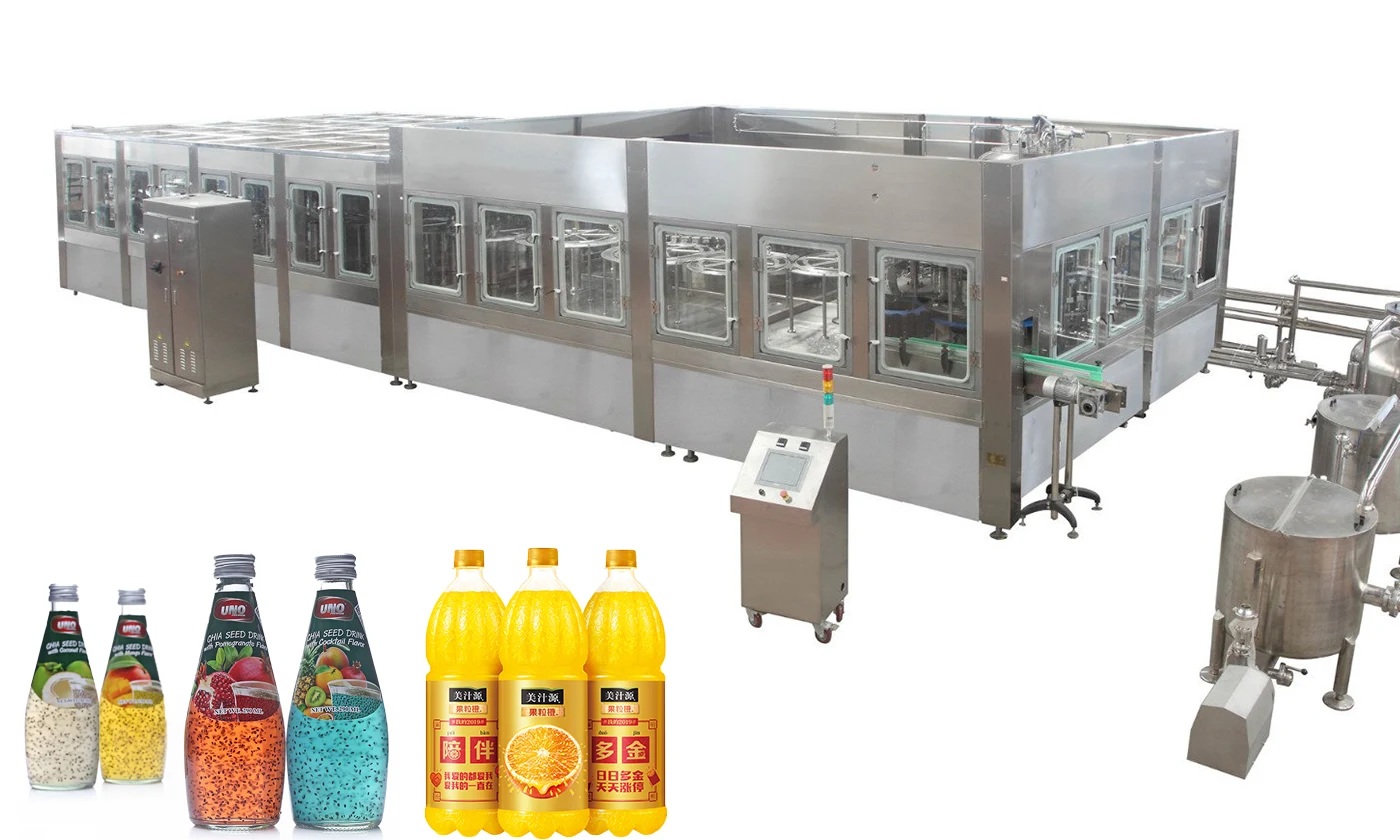
Equipment
juice Pulp Filling Machine 4 in 1
RXGGF16-16-5 pulp juice filling with separate pulp and liquid dosing, rinsing and capping at 5,000 bottles/hour for 250 ml bottles.
Learn more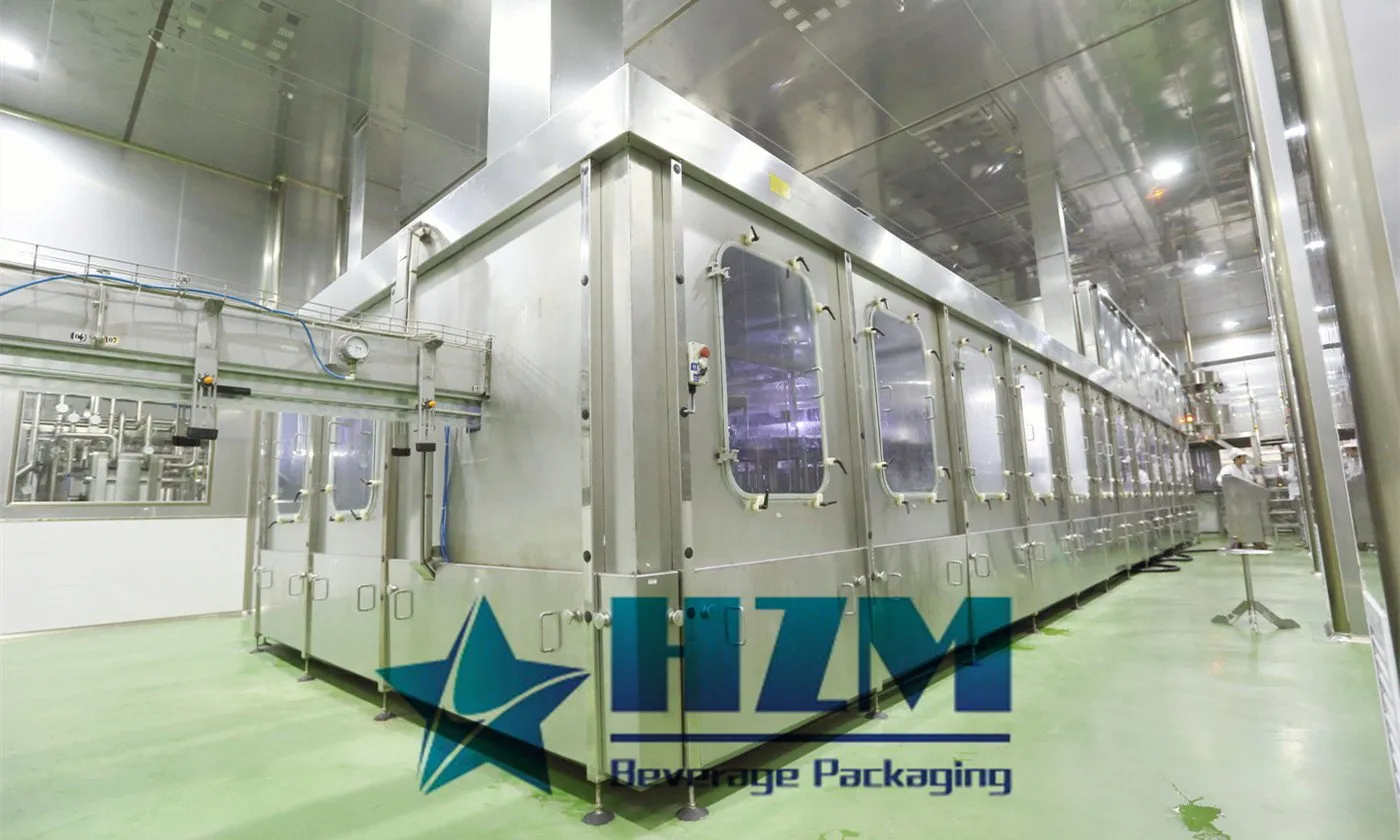
Equipment
PET Bottle Juice Beverage Filling Machine
PET bottle juice filling with automatic rinsing and capping, for juice, tea and still beverages.
Learn more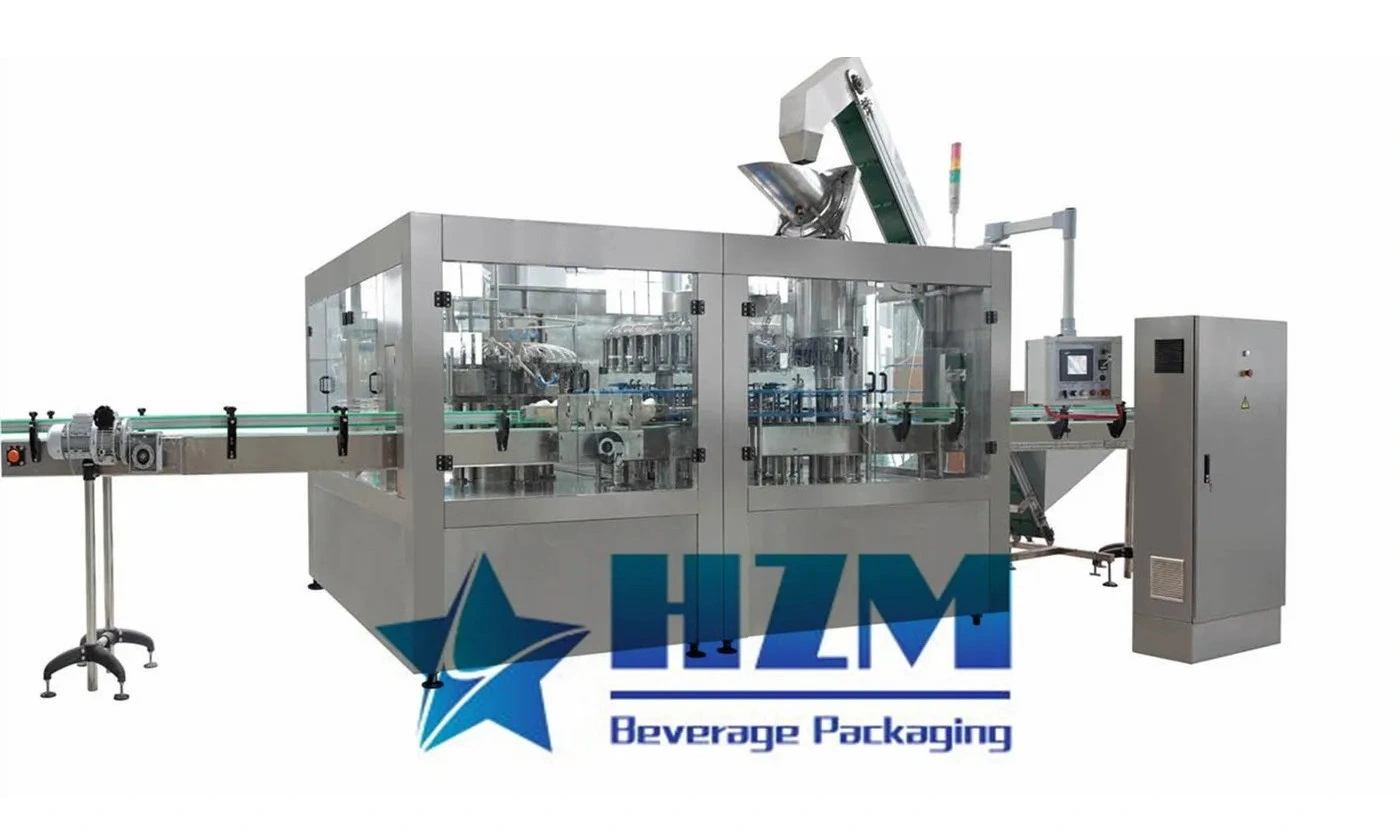
Equipment
Glass Bottle Juice Beverage Filling Machine
Glass bottle juice filling with rinsing and capping, for juice, tea and other still beverages.
Learn more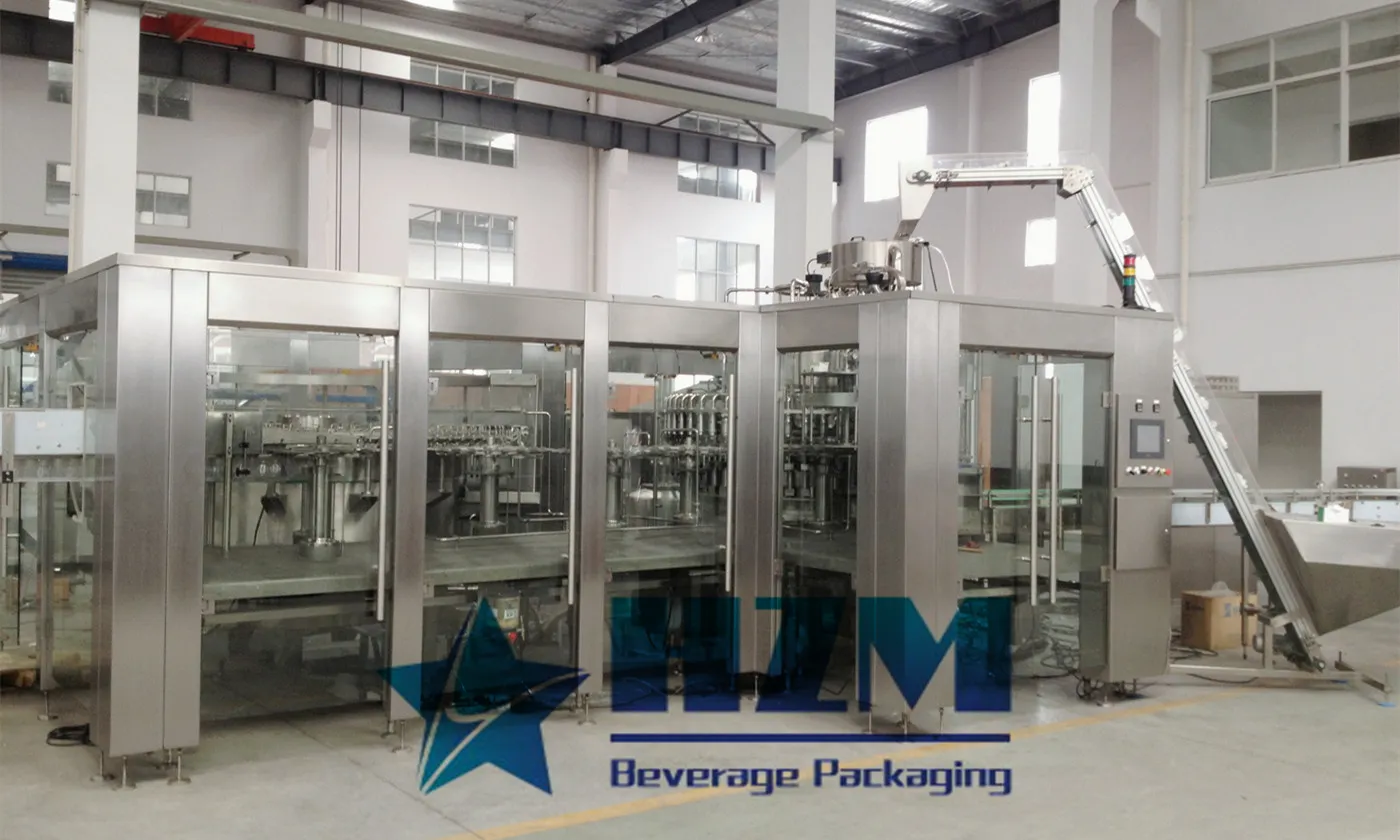
Equipment
PET Bottle juice Beverage Hot Filling Machine
Hot filling for juice and tea in heat-compatible PET bottles, with automatic rinsing, filling and capping.
Learn more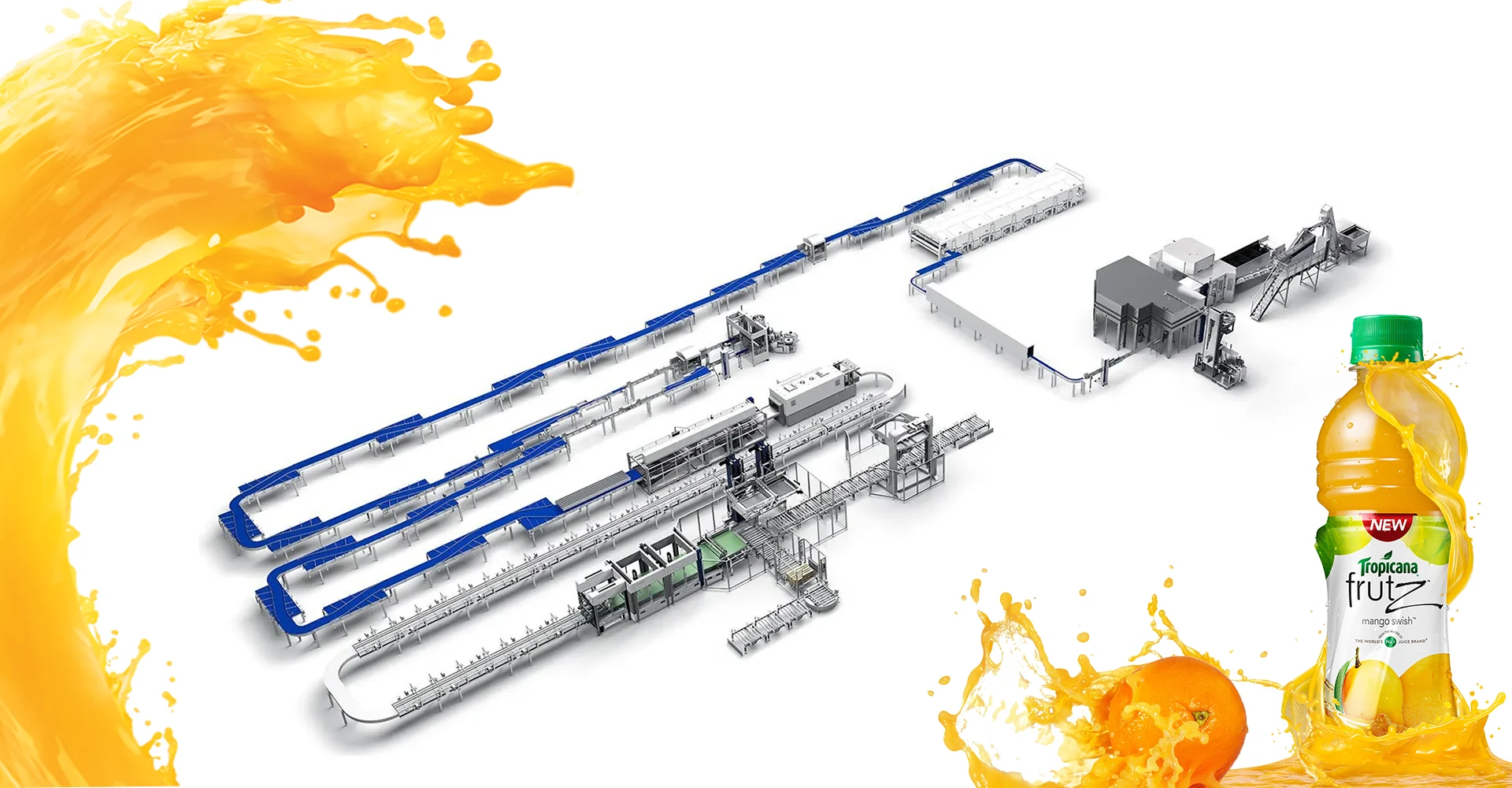
Equipment
Juice beverage bottling line
The juice beverage bottling line connects beverage preparation and thermal processing with bottle filling, capping, labelling and packing.
Learn more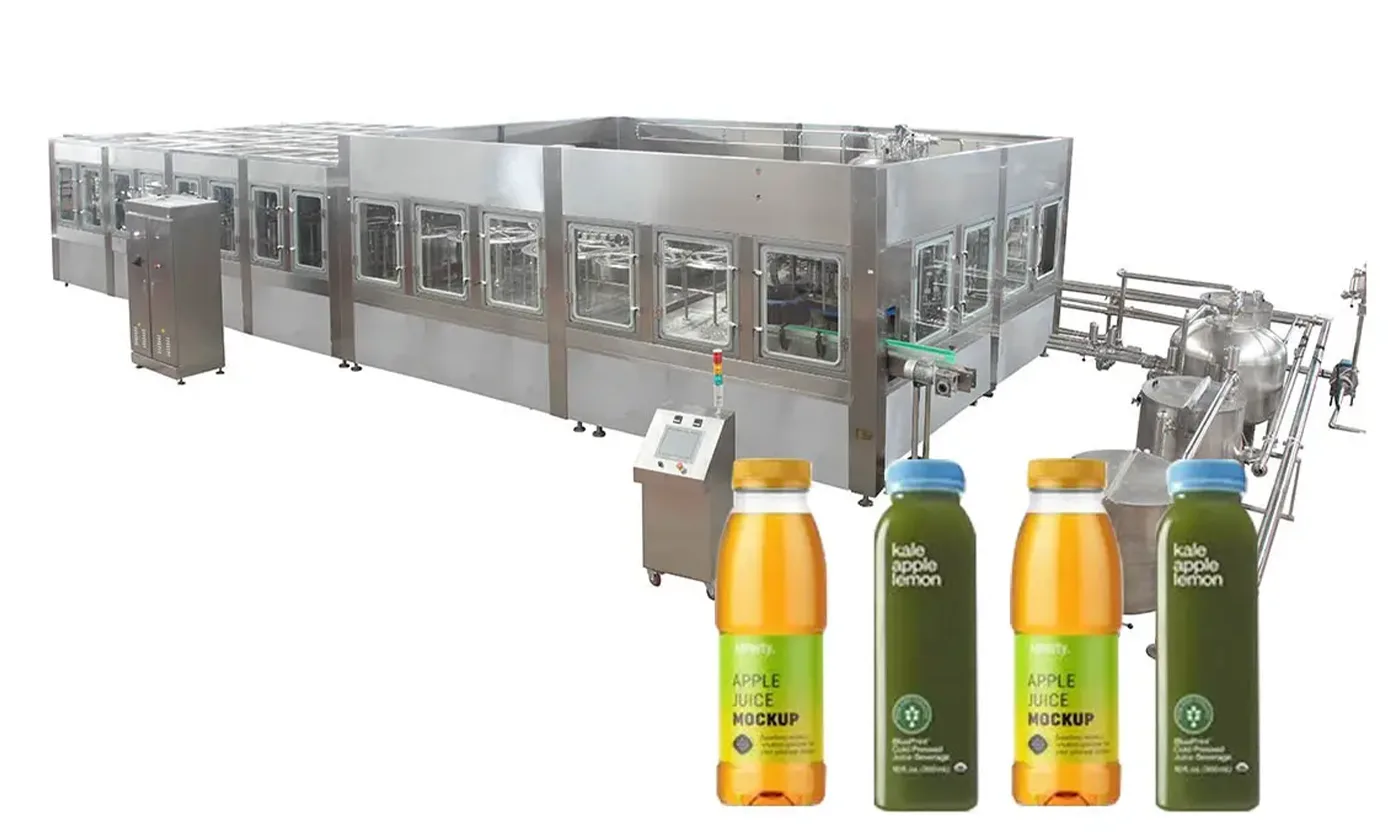
Equipment
Bottled Juice Packaging Machine
Bottled juice filling equipment with rinsing and capping, from 6,000 to 18,000 bottles/hour at 500 ml.
Learn more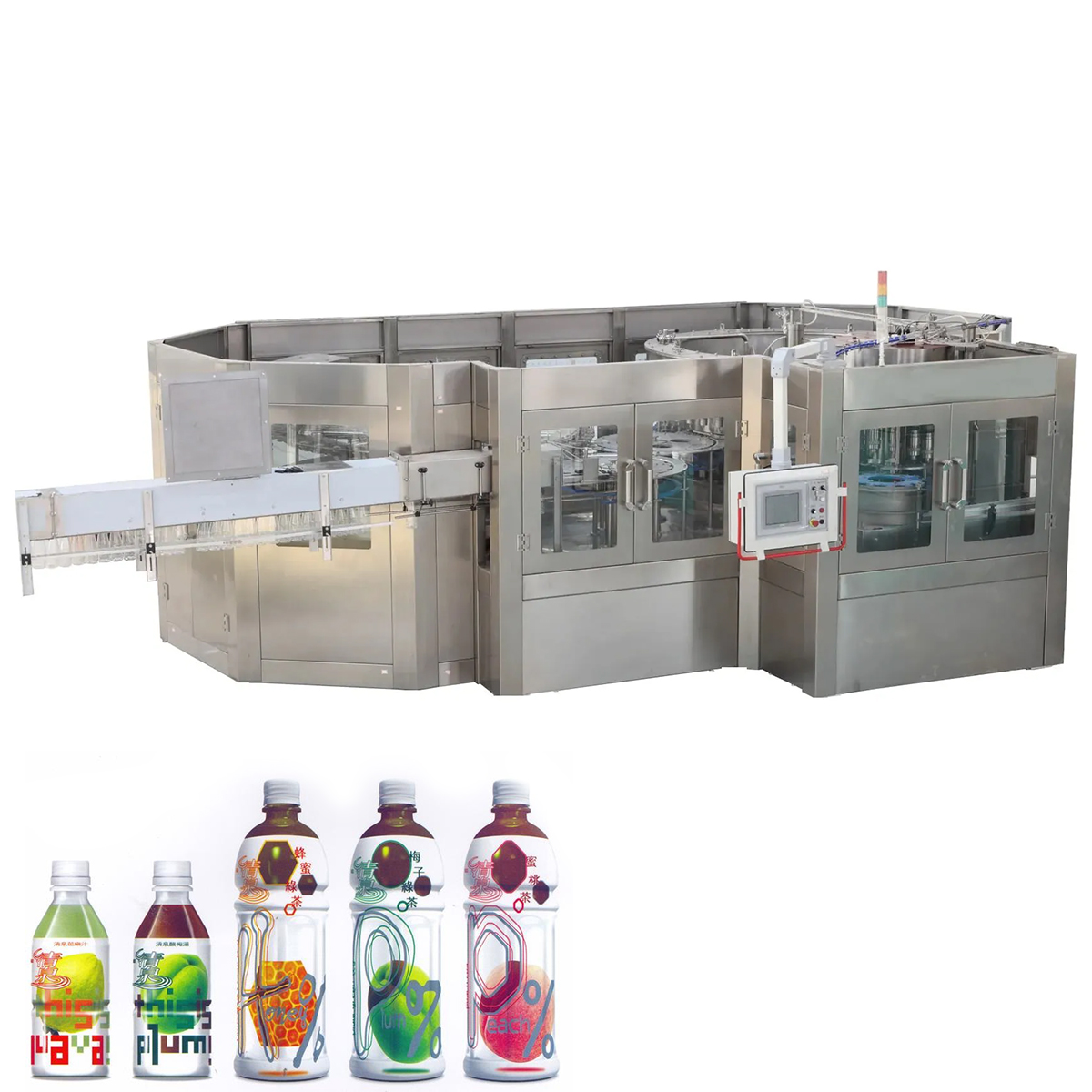
2023-07-08
Filling Machine Manufacturer – HZM Machinery’s Product Overview
High-quality filling machines are extensively used in industries such as mineral water, fruit juice, carbonated beverages, canned beverages, and edible oil. A filling machine is a fully automatic multifunctional combined unit that includes washing, filling, and capping processes
Learn more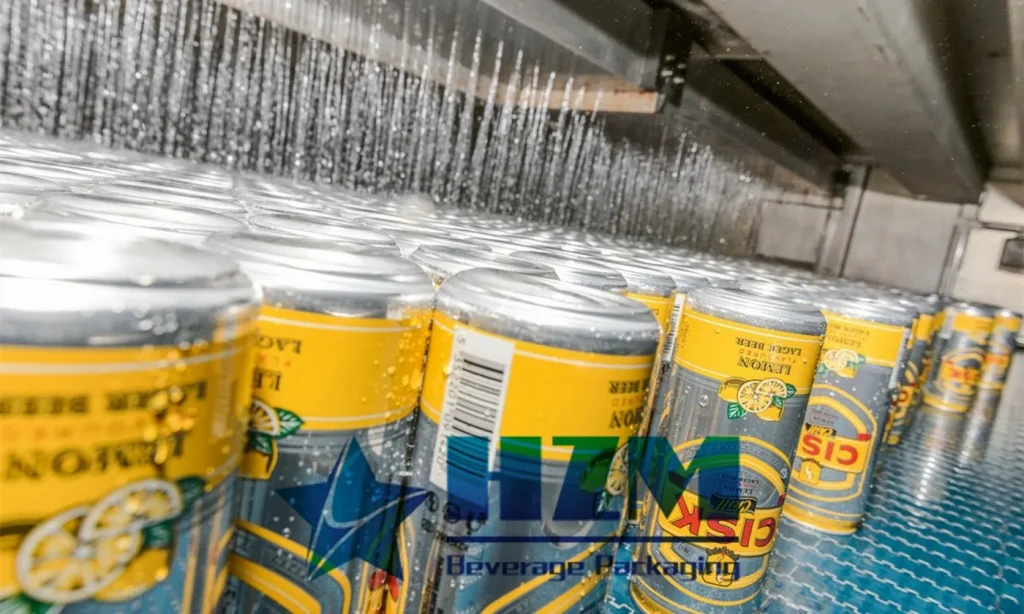
2023-09-06
Modern Beverage Tunnel Pasteurizer Machine
modern beverage manufacturing companies need advanced technological equipment to ensure the quality and safety of their products. The Beverage Tunnel Pasteurizer Machine, as an efficient and reliable sterilization device, provides a crucial safeguard for the beverage industry, helping companies produce safer and fresher products that meet consumer demands.
Learn more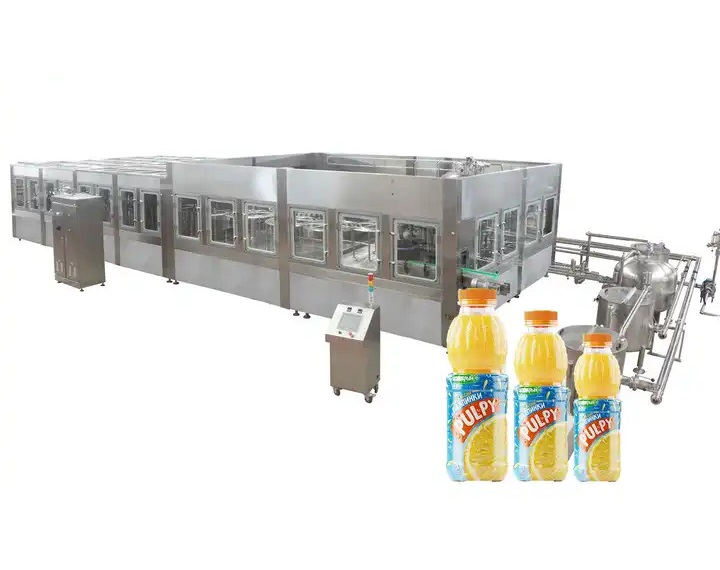
2023-08-12
Modern Beverage Filling Equipment: The Perfect Blend of Efficiency and Quality
With the continuous development of the global beverage industry, the demand for efficient and high-quality beverage filling equipment has become increasingly urgent
Learn more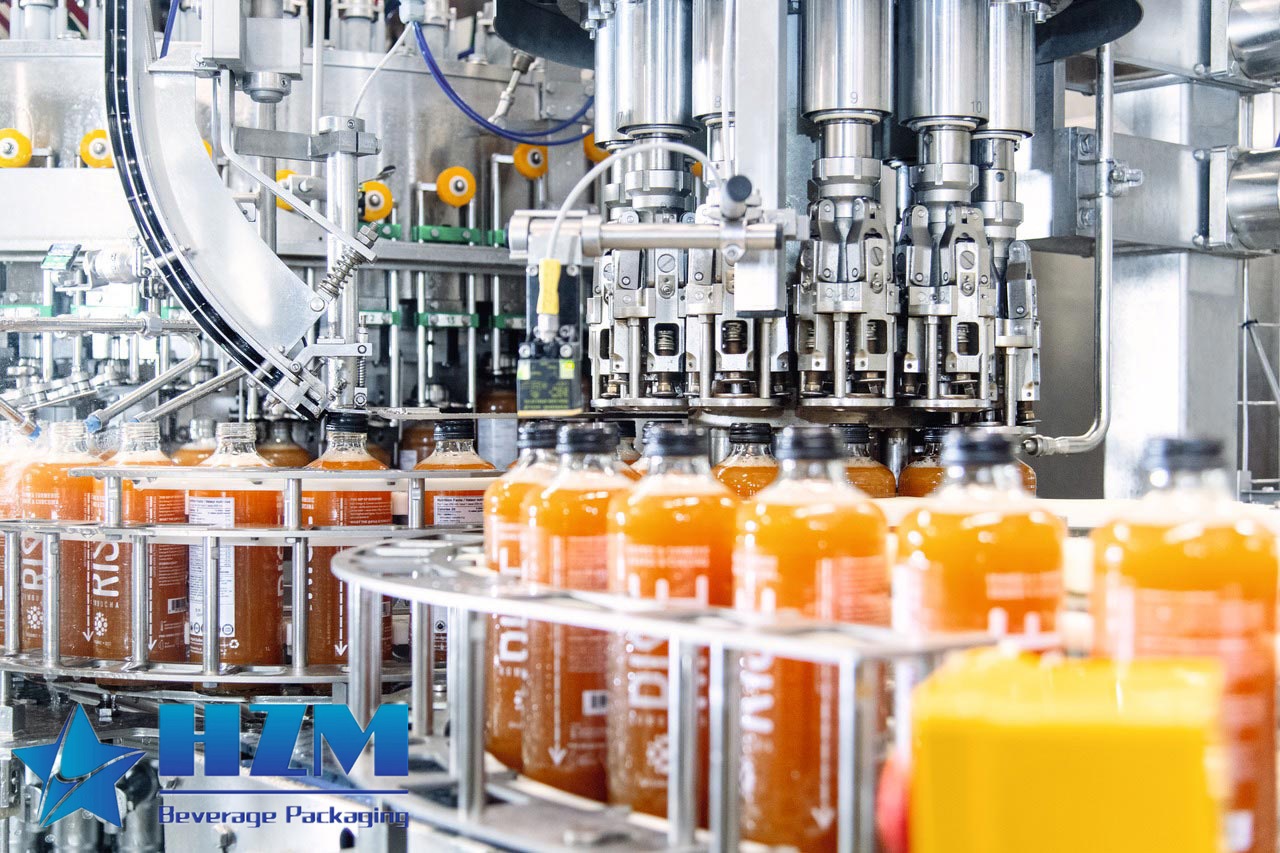
2023-11-03
Full Automatic 4 in 1 Fruit Juice with Pulp Washing Filling Capping Machine
We are a professional supplier of juice beverage packaging machines. We offer factory-direct sales with highly competitive pricing and provide dedicated after-sales service engineers to ensure comprehensive support and assistance for your product's ongoing use.
Learn more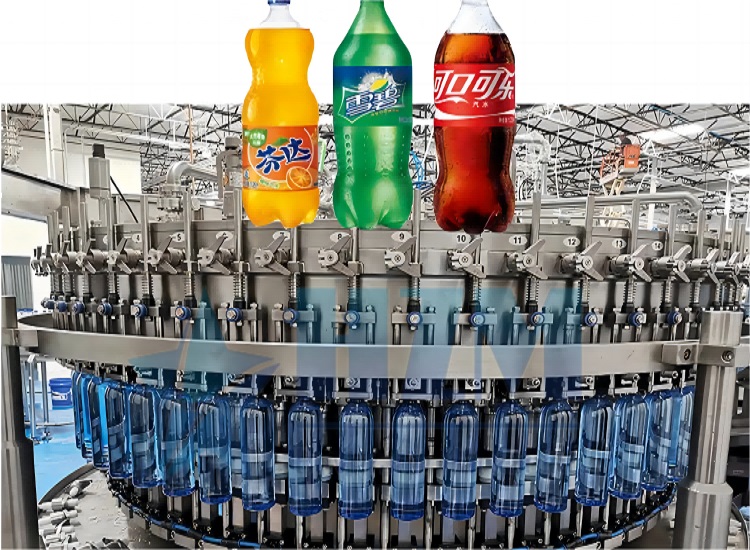
2023-09-08
Coca-Cola Filling Machine: An Efficient Production Tool for Carbonated Beverages
Coca-Cola, as one of the world's most popular carbonated beverages, consumes a significant amount of production processes and resources annually. To meet market demand, manufacturers rely on efficient production lines and innovative technology.
Learn more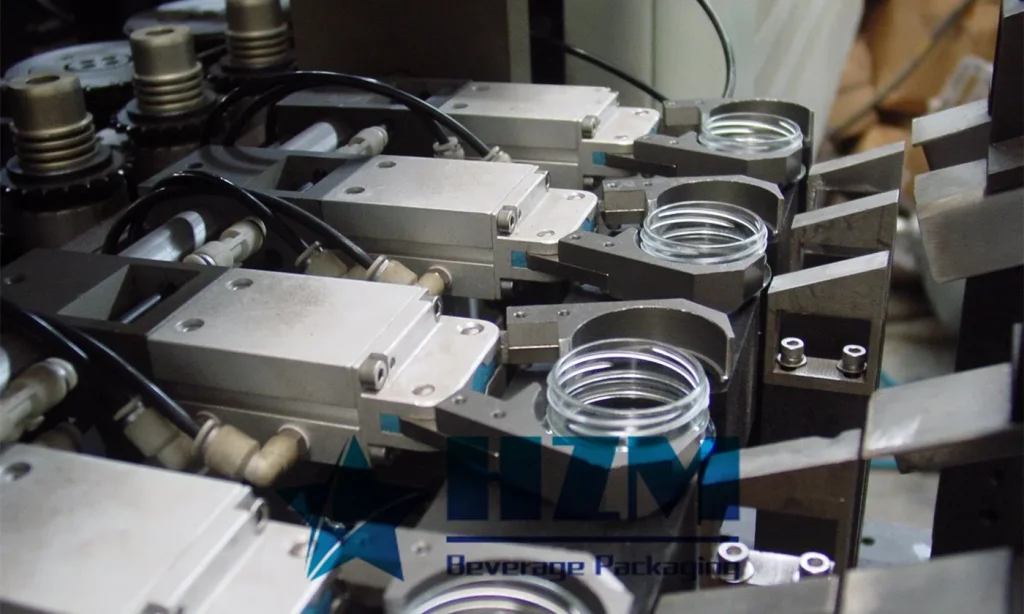
2023-09-22
Full Automatic Servo Type 1,000-1,200BPH 10L Bottle Blowing Molding Machine
A Full Automatic Servo Type 1,000-1,200BPH 10L Bottle Blowing Molding Machine is a piece of industrial equipment used in the manufacturing of plastic bottles. Let’s break down its key components and features: Full Automatic: This means that the machine operates without requiring constant human intervention. It is capable of performing its functions automatically, which can […]
Learn more