
Insights & Updates
Beverage Machinery Safety and Maintenance Precautions
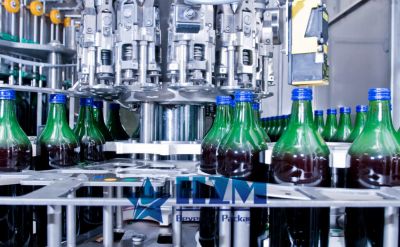
Beverage machinery rarely fails without warning. A capper begins to show torque variation, a pump seal starts weeping, bottles hesitate at one transfer point or a sensor needs increasingly frequent cleaning. If these early signs are ignored, the result is usually a longer stop, more product loss and a rushed repair during production.
A good maintenance program combines safe working practices, hygienic design and condition-based inspection. The purpose is not to service every component on the same calendar. It is to detect deterioration early and perform the right work before quality or output is affected.
First rule: make the equipment safe before intervention
Stopping a machine from the operator screen does not necessarily isolate electrical power, compressed air, product pressure or stored mechanical energy. Before removing a guard, entering a machine zone or loosening a connection, follow the site’s lockout and verification procedure. Only trained personnel should work inside electrical panels or modify safety circuits.
Never reach into a moving conveyor to straighten a bottle. Stop the affected section using the approved procedure, remove the cause and check guides or timing before restarting. Repeated jams are a process signal, not a normal operator task.
Daily checks: short inspections with high value
Daily inspections should be easy to complete and record at the beginning or end of each shift:
- Look for product, water, oil and compressed-air leaks.
- Listen for new vibration, grinding, air leakage or bearing noise.
- Check guards, door switches and emergency stops according to the site test plan.
- Inspect bottle transfers, cap delivery and conveyor accumulation for recurring contact or instability.
- Confirm sensors are clean and correctly aligned; do not compensate for a dirty sensor by changing logic.
- Review alarms and rejects instead of clearing counters without investigation.
- Verify that the machine has been cleaned and released for the next product.
A two-minute observation while the line is running normally is valuable. Record the baseline motor sound, air pressure, fill level, cap behavior and container flow so abnormal conditions are easier to recognize.
Weekly checks: focus on wear and repeatability
Inspect conveyor chains, belts, guide rails, star wheels and change parts for wear or looseness. Verify fasteners in areas exposed to vibration, using the manufacturer’s torque requirements where specified. Check pneumatic tubing for abrasion and make sure water is drained or managed in the air-preparation system as designed.
Review filler-valve performance by position. If one valve repeatedly underfills, foams or drips, investigate that station rather than changing a global setting that affects every valve. Check capper heads or seaming components for consistent results and use measured closure data instead of appearance alone.
Monthly or planned-stop work
The exact interval should come from the equipment manual, operating hours, environment and failure history. Typical planned work includes:
- Inspecting bearings, gearboxes, couplings and drive alignment.
- Checking fill-level or flow-measurement accuracy against a verified method.
- Testing critical instruments and recording calibration results.
- Inspecting product seals, valve seats, hoses and hygienic connections.
- Cleaning ventilation filters and checking cabinet cooling.
- Backing up control recipes and documenting authorized program changes.
- Reviewing spare-part stock for high-wear and long-lead components.
Lubrication without contaminating the product zone
More lubricant is not better. Use the specified grade, quantity and interval for each point. Excess grease can attract dirt or migrate toward containers, while an incompatible lubricant can damage seals. Keep food-zone and non-food-zone materials clearly identified and store dispensing tools so they cannot be mixed.
Do not lubricate a running mechanism unless the manufacturer provides a safe, purpose-designed method. Clean the point before application and remove excess material afterward.
Cleaning precautions that protect the machine
Water and chemical cleaning can shorten equipment life when electrical enclosures, bearings or unsuitable materials are repeatedly flooded. Do not direct high-pressure spray at sensors, motors, connectors or control cabinets. Use the approved chemical concentration, temperature, contact time and rinse method for product-contact parts.
Inspect elastomers after recipe or chemical changes. Swelling, cracking or loss of elasticity can create leaks and microbial harborage. A compatible CIP system improves repeatability, but flow, temperature and chemical return still need verification.
Common symptoms and what they may indicate
| Observed symptom | Areas to inspect |
|---|---|
| Frequent bottle jams at one transfer | Guide spacing, star-wheel timing, worn change parts, bottle variation and conveyor speed |
| Fill level varies by valve | Valve condition, vent path, seals, product supply and station-specific settings |
| Foaming increases during the shift | Product temperature, pressure stability, carbonation, valve behavior and tank level |
| Caps loosen or leak | Cap quality, chute condition, head wear, torque setting, neck finish and alignment |
| Unexplained intermittent stops | Sensor contamination, loose connectors, air-pressure dips, safety circuits and alarm history |
The table is a starting point, not a diagnosis. Change one controlled variable at a time and record the result.
Build maintenance around evidence
Track failures by component, operating hours, SKU and root cause. If a seal fails every three months, simply replacing it every two months may hide misalignment, chemical incompatibility or pressure problems. A useful record includes the symptom, confirmed cause, parts used, setting changes and post-repair test.
When planning new filling equipment, ask how routine inspection points are accessed, which parts are format-specific and what spares are recommended for the first two years. Maintainability should be evaluated before purchase, not after the first breakdown.
Consistent beverage production comes from many small disciplines: clean sensors, correct lubrication, controlled adjustments, timely seal replacement and a safe response to abnormal conditions. These practices extend machine life while protecting fill quality and operator safety.
Talk to our engineering team
Need help planning your packaging line?
Share your product, bottle and capacity requirements for a practical equipment recommendation.
2023-05-05
Usage and Precautions for Beverage Filling Machinery
In the process of using beverage machinery, it is important to follow the operation instructions of the vacuum pump and perform regular maintenance. It is essential not to reverse the vacuum pump to avoid damaging its operation
Learn more
2023-12-02
Beer Filling Machine Usage Precautions
A beer filling machine is a specialized device designed for filling beer into bottles, cans, or other containers. These machines are typically utilized in beer production lines to automate processes and enhance production efficiency. 1.Cleaning and Maintenance Thorough cleaning is required before using the beer filling machine. This includes cleaning the machine’s surfaces and internal […]
Learn more
2023-10-27
Precautions for Beer Filling Machine
It is essential to control sterilization temperature and time to guarantee the sterilization effect. Additionally, one should avoid excessively high sterilization temperatures or prolonged sterilization times to minimize beer oxidation. After sterilization, the beer should be rapidly cooled to below a certain temperature (preferably below 35°C).
Learn more
2024-02-29
Essential Maintenance Tips for Labeling Machines
Like countless other mechanical devices, the use of a labeling machine is inseparable from daily correct operation and maintenance. Only when both are carried out simultaneously can the labeling machine perform with maximum efficiency.
Learn more
2024-10-09
Beverage Packaging Machine: Cleaning and Maintenance Guide
The beverage packaging machine is a crucial piece of equipment in beverage production, primarily used to fill beverages into containers. To ensure sanitary and safe production and prevent contamination, regular cleaning and maintenance of the machine are essential.
Learn more2024-03-20
Practical Guide to Ensuring Electrical Safety in Filling Machines
Filling machines are common equipment in the light industry and are part of the packaging machinery industry. With different functions, these machines are widely used across various sectors of the light industry.
Learn more