5-Gallon Water Line Skips Washing or Filling Stations
Preserve the first missed-station signal. Check container detection, indexing position, interlock logic, pneumatic response and station-ready feedback instead of forcing manual outputs.
Stop automatic operation, isolate electrical and pneumatic energy, close and depressurize product circuits, and follow the machine lockout/tagout procedure before opening guards or removing a valve. Quarantine product made since the last confirmed good check.
Locate the fault
- A bottle passes one wash stage without spray
- The filler occasionally indexes an empty position
- The cap station reports no bottle when a barrel is present
- The fault disappears after a reset and then returns
Inspection sequence
- Capture the first alarm, PLC input state and station position before reset
- Clean and align the bottle sensor, then verify signal margin with empty and full barrels
- Check indexing repeatability against mechanical reference marks
- Trend local air pressure while several cylinders move simultaneously
- Time actuator command-to-feedback response for the affected station
- Review the sequence permissives and determine which condition first changed state
Corrective work
- Replace or correctly teach a sensor that lacks stable margin
- Restore indexing mechanics, encoder coupling or position setting
- Repair air leaks, filters, valves or cylinder seals causing slow travel
- Correct the verified interlock input or sequence condition without bypassing safety logic
Operating records and follow-up
- Protect sensors from direct spray and inspect optical surfaces each shift
- Log indexing-position deviation
- Monitor pneumatic pressure at the machine rather than only at the compressor
- Keep PLC backups and controlled sequence revisions
- Use alarm-first-out logic where the controller supports it
Equipment details: Automatic 5 Gallon Water Filling Line | 3-5 Gallon Bottled Water Production Line Manufacturer.
Need help planning your packaging line?
Share your product, bottle and capacity requirements for a practical equipment recommendation.
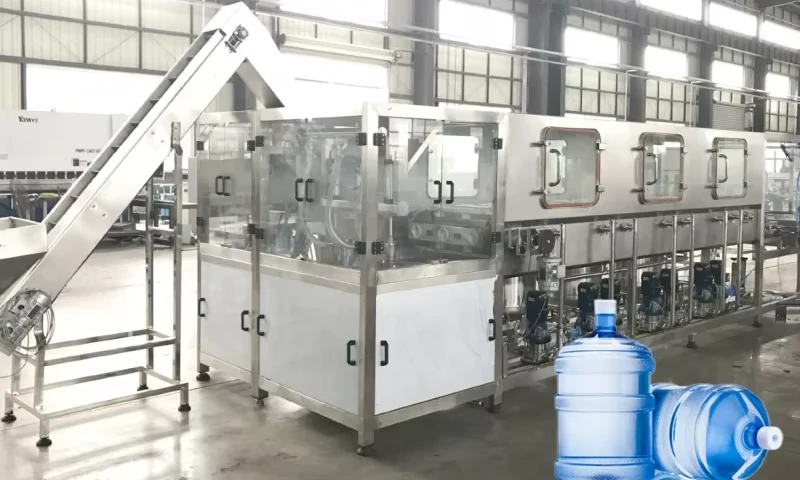
Automatic 5 Gallon Water Filling Line | 3-5 Gallon Bottled Water Production Line Manufacturer
The automatic 3–5 gallon water filling line washes, fills and caps returnable jars for purified-water and mineral-water production.
Learn more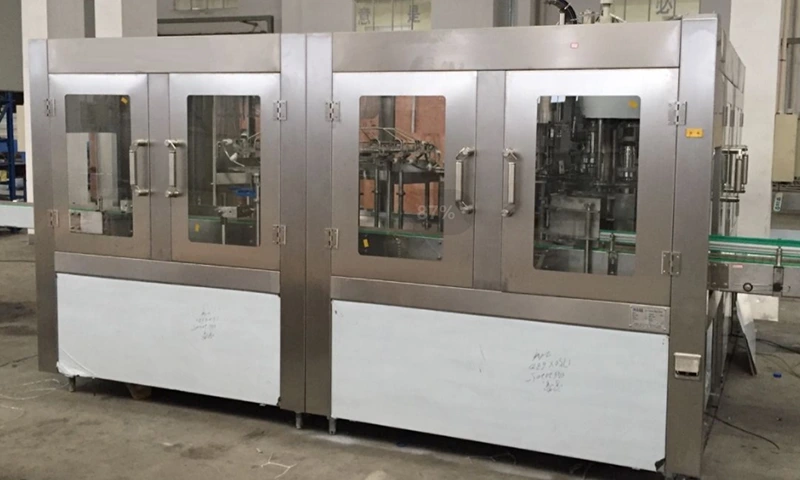
10L Water Filling Machine 1200BPH – Automatic Washing Filling Capping Machine
RSXGF12-12-5(110Π) automatic rinsing, filling and capping for 10 L water bottles at 1,100–1,200 bottles/hour.
Learn more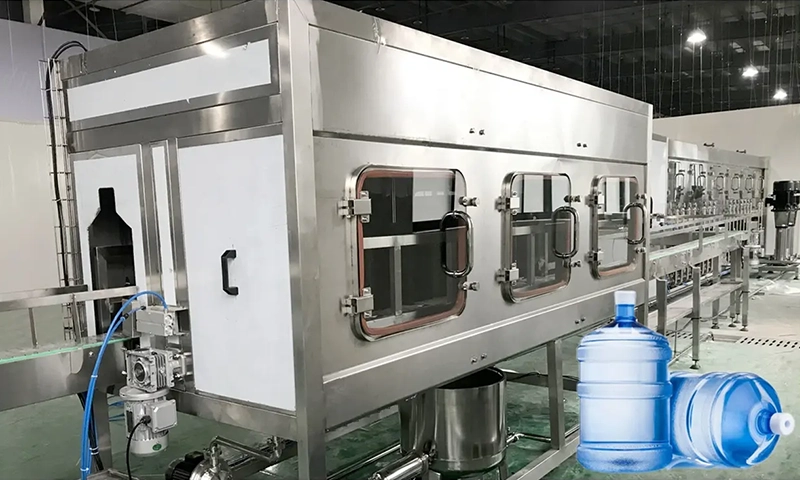
5 Gallon Barrel Water Filling Machine
Automatic washing, filling and capping for 3–5 gallon drinking-water jars, with de-capping and jar-washing line options.
Learn more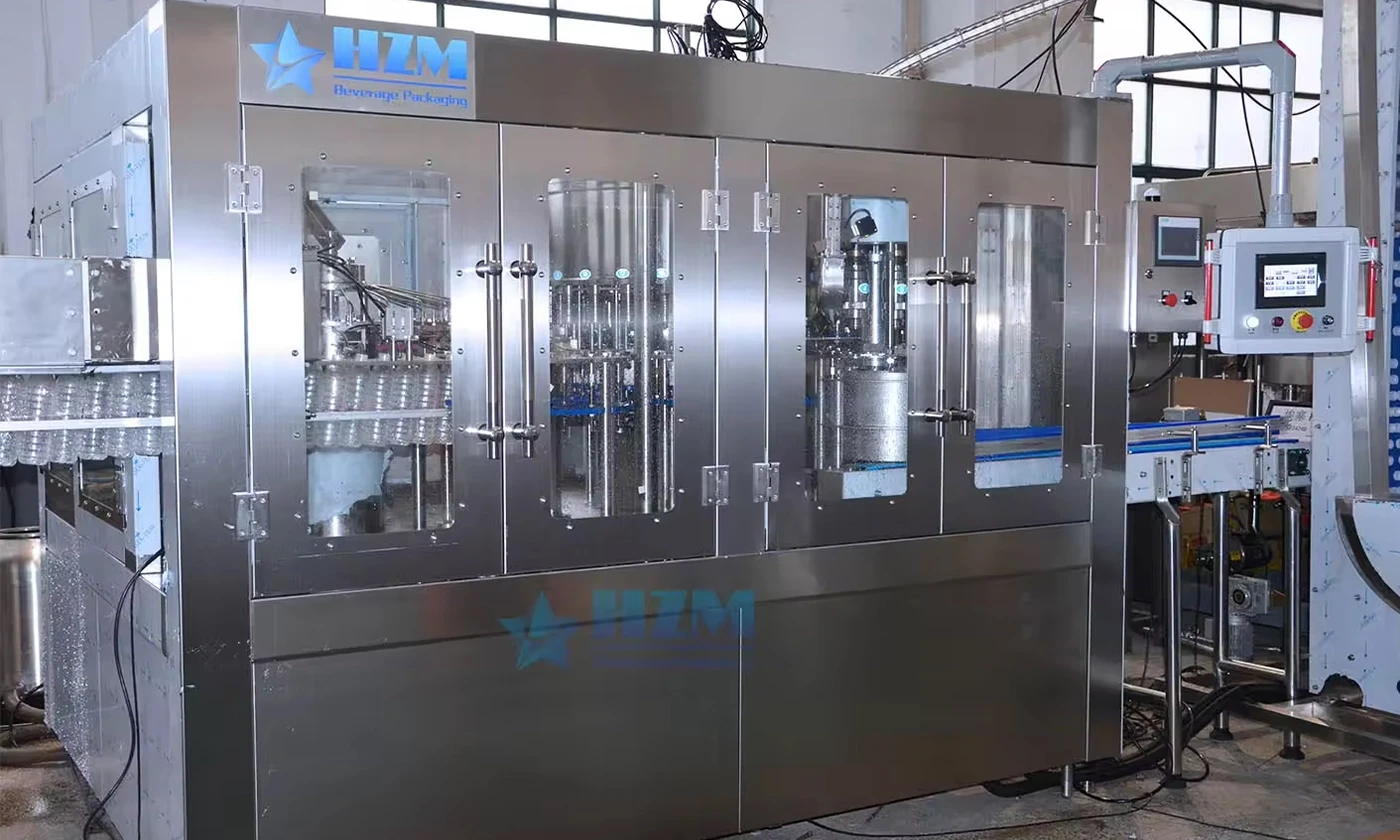
Bottle Washing-Filling-Capping Machine
Large-bottle water rinsing, filling and capping with design outputs of 1,500 bottles/hour at 5 L, 1,000 at 7 L and 700 at 10 L.
Learn more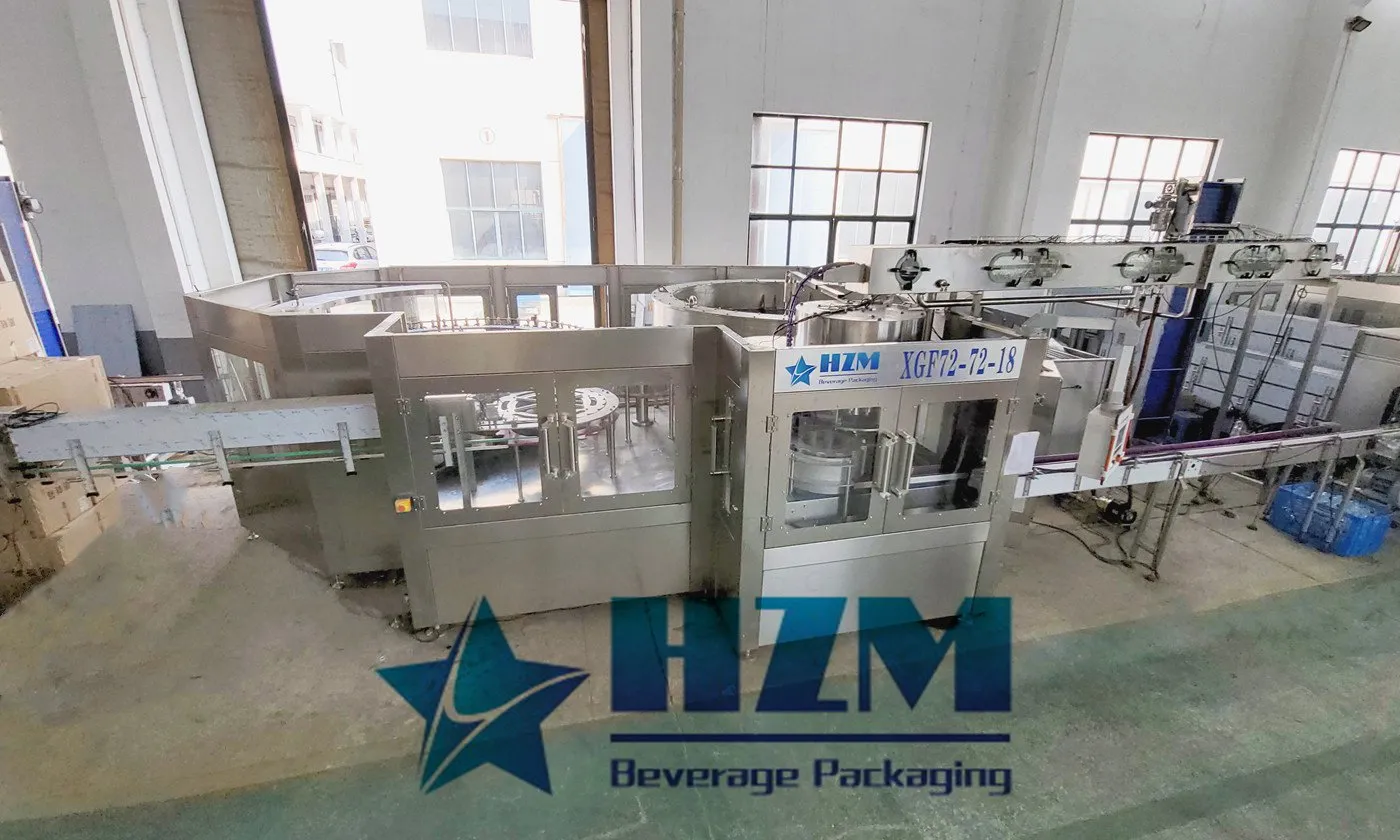
Automatic Water Bottle Filling Machine
Automatic rinsing, filling and capping for purified and mineral water in PET bottles, with capacities of 5,000–42,000 bottles/hour at 500 ml.
Learn more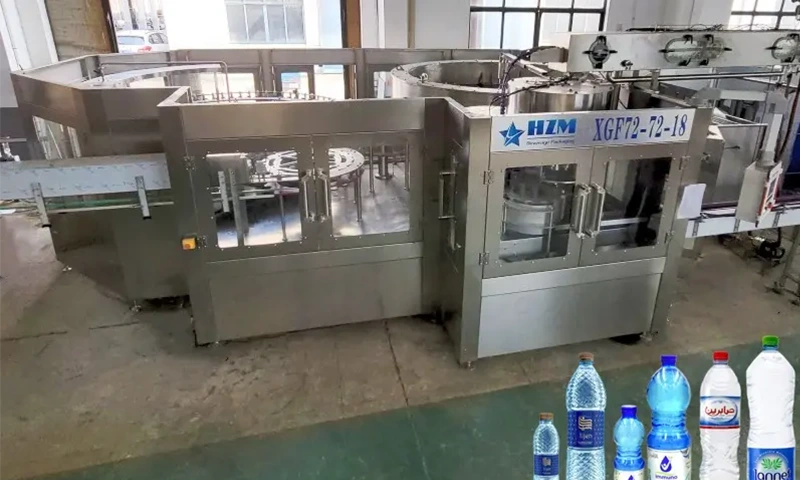
3-In-1 Water Bottle Filling Machine
A 3-in-1 PET bottle rinsing, filling and capping machine for drinking water, from 5,000 to 18,000 bottles/hour at 500 ml.
Learn more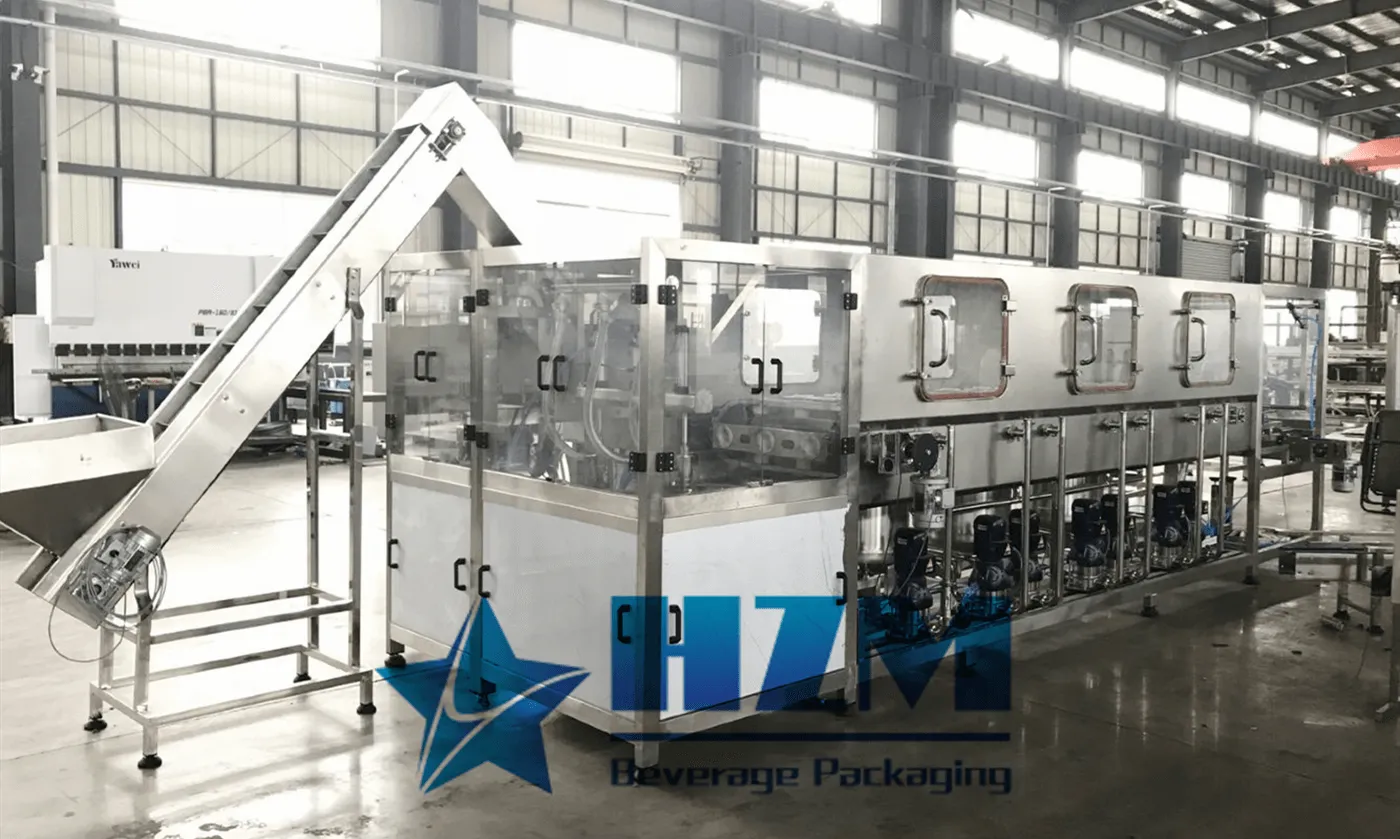
3–5 Gallon Water Filling: From Returned Jar to Sealed Pack
The HZM QGF line combines jar handling, washing, filling and capping for large drinking-water containers.
Learn more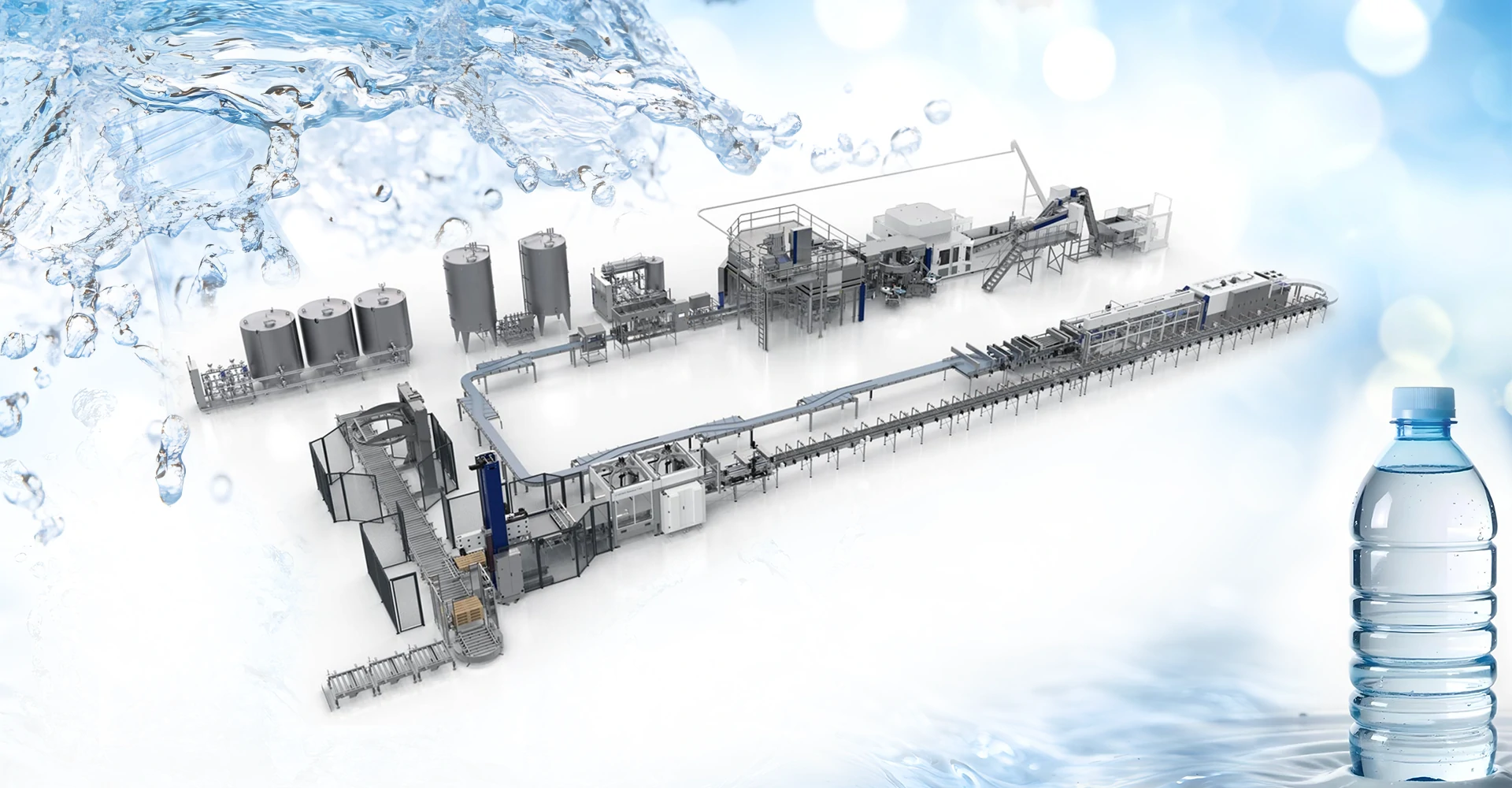
Drinking water production line – Bottled Water Filling Machine Manufacturer
PET-bottled drinking-water production with automatic rinsing, filling and capping, plus water treatment and packaging equipment.
Learn more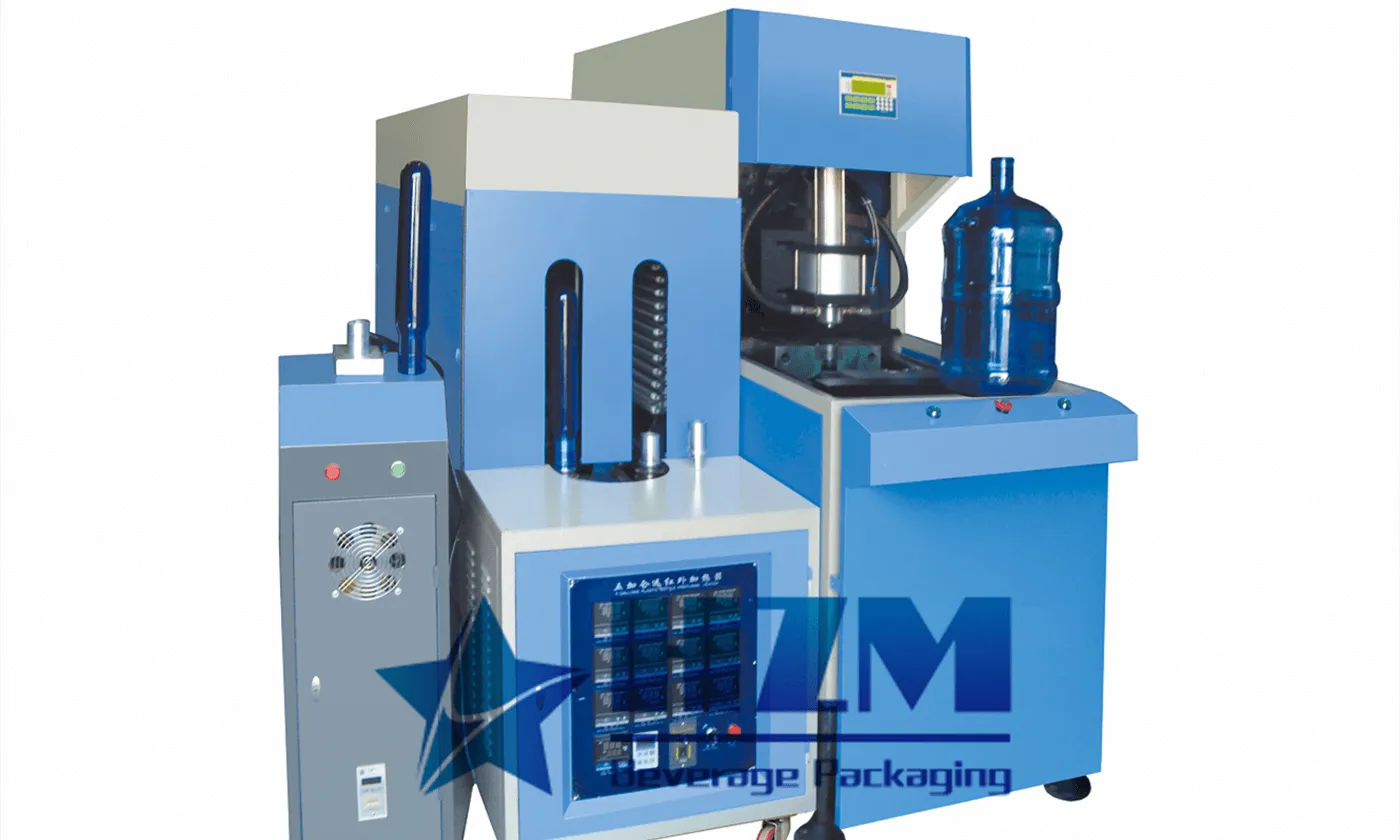
5 Gallon Bottle Blow Molding Machine
This blow moulding machine produces large PET water bottles, including 5-gallon containers.
Learn moreHZM: Your Reliable Supplier for 5 Gallon Water Filling Line
A 5 gallon water filling line is designed to automate the entire process of filling and sealing large water containers. It includes various stages, such as bottle washing, sterilization, filling, capping, and labeling.
Learn more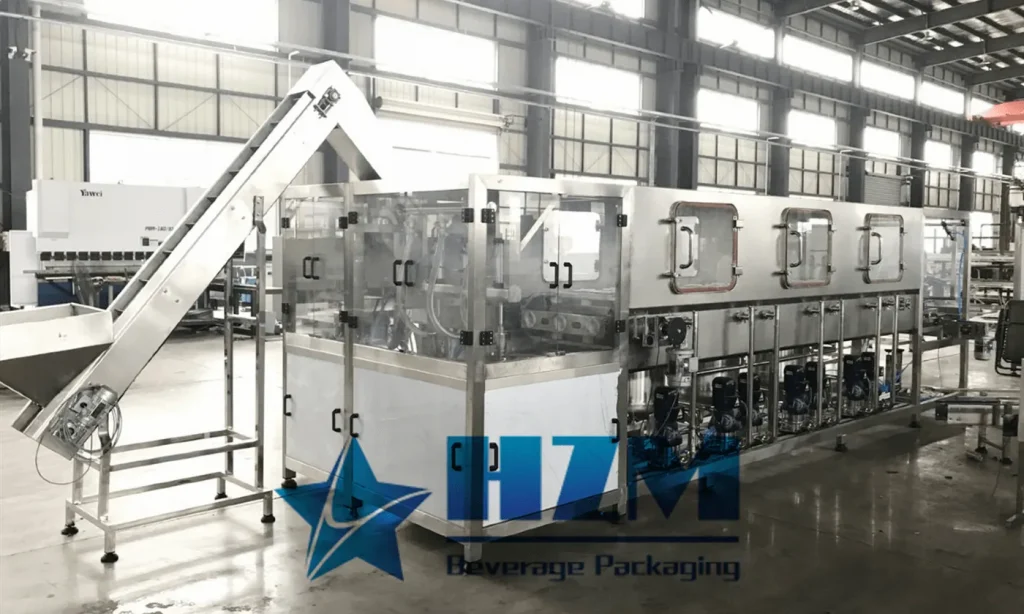
Efficient and Reliable 3-5 Gallon Water Filling Line
We specialize in the production and sale of 5 Gallon Water Filling Machines, reverse osmosis equipment, purified water production lines, mineral water production lines, and three-in-one filling machine equipment
Learn more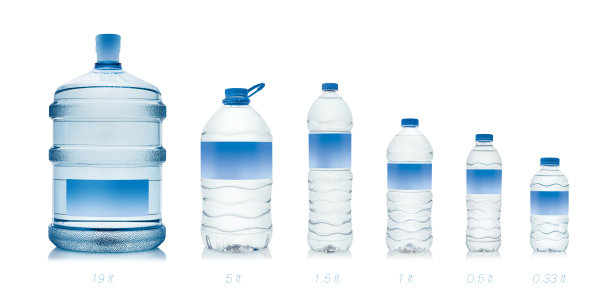
5-Gallon Water Production Line
At HZM Machinery, we strive to provide high-quality and efficient solutions for 5-Gallon Water Production Line to meet the needs of the industry.
Learn more5-Gallon Returnable Water Bottles: Washing and Inspection Checklist
A practical receiving, inspection, washing, rinsing and verification checklist for returnable 3–5 gallon bottled-water production.
Learn moreFive Gallon 1500 BPH Water Filling Machine
High quality Five Gallon 1500 BPH Water Filling Machine from China, China's leading 1500 bph 20 Ltr Water Jar Filling Machine product, with strict quality control 0.75kW 20 Ltr Water Jar Filling Machine factories, producing high quality 0.75kW Five Gallon Jar Filling Machine products.
Learn moreHigh Stability 1500bph 5 Gallon Water Filling Machine
High quality High Stability 1500bph 5 Gallon Water Filling Machine from China, China's leading 1500bph 5 Gallon Water Filling Machine product, with strict quality control 750W 5 Gallon Water Filling Machine factories, producing high quality 1500bph 5 gallon water bottling machine products.
Learn more