Can Seam Droops, Vees and Leaks
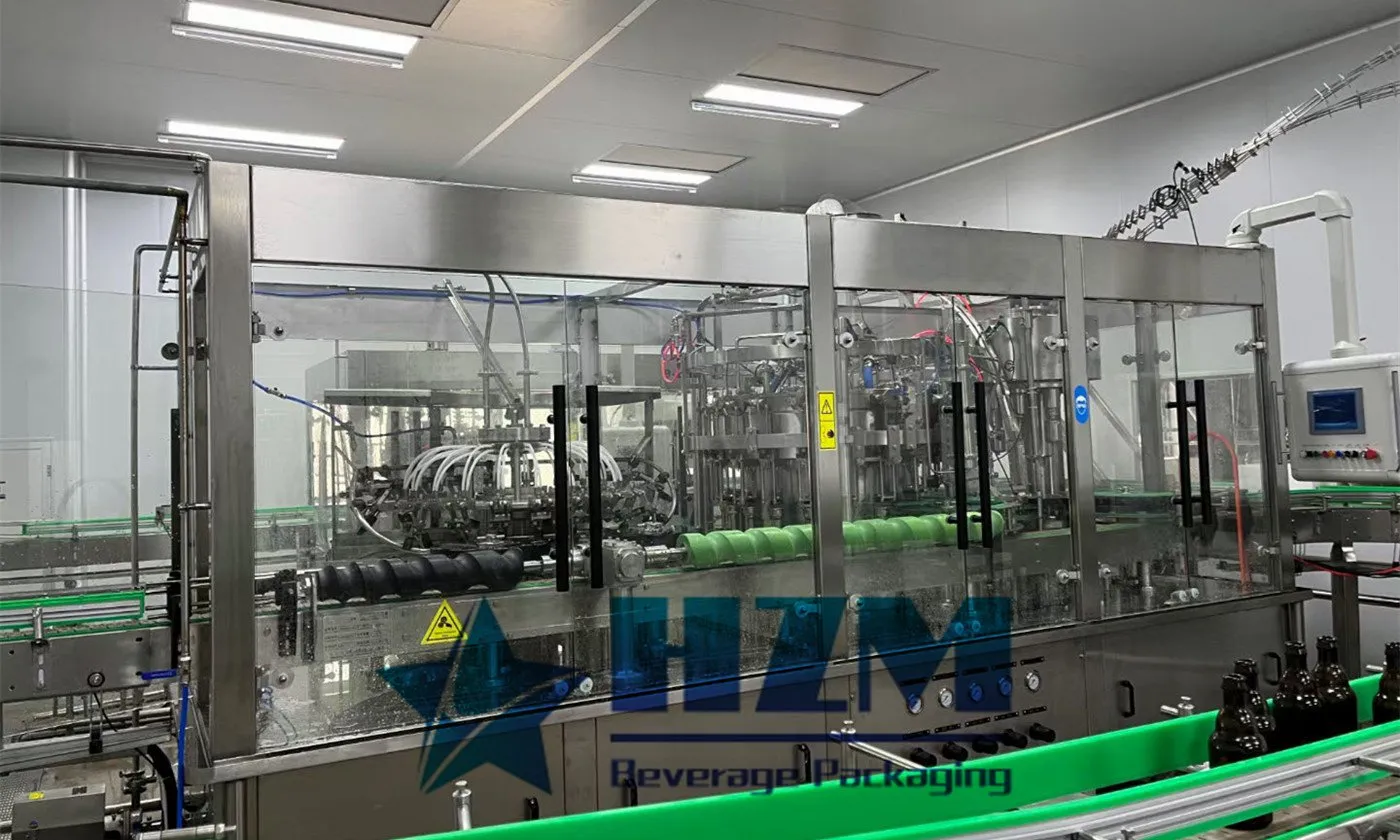
Classify the visible defect, identify the seaming head, hold affected product and perform a qualified teardown. Check product contamination, end feed, flange condition, roll profile, chuck condition, baseplate pressure and pin height.
Stop automatic operation, isolate electrical and pneumatic energy, close and depressurize product circuits, and follow the machine lockout/tagout procedure before opening guards or removing a valve. Quarantine product made since the last confirmed good check.
Locate the fault
- A smooth droop or V-shaped projection extends below the seam
- The seam feels sharp or shows a cut-over
- Leaks appear after handling or cooling
- One head has poor overlap or excessive wrinkles
Inspection sequence
- Stop and identify the last confirmed acceptable seam check
- Classify the visible defect and map it to head and angular location
- Perform teardown measurements and tightness evaluation to the supplier specification
- Inspect fill control and foam that may contaminate the seam area
- Check roll freedom, profile, chuck lip and tooling cleanliness
- Verify baseplate pressure, pin height and setup records after safe isolation
Corrective work
- Correct fill or foam control so the seam area remains clean
- Clean, replace and set seaming tooling with qualified procedures
- Restore lifter pressure and pin height to the specified setup
- Segregate all potentially affected cans for authorized evaluation
Operating records and follow-up
- Conduct frequent documented visual and teardown checks
- Inspect immediately after a jam or adjustment
- Keep seaming tools matched and protected
- Control fill level and foam before the seamer
- Train more than one qualified closure inspector per shift
Equipment details: Craft Beer Can Filling Machine.
Need help planning your packaging line?
Share your product, bottle and capacity requirements for a practical equipment recommendation.
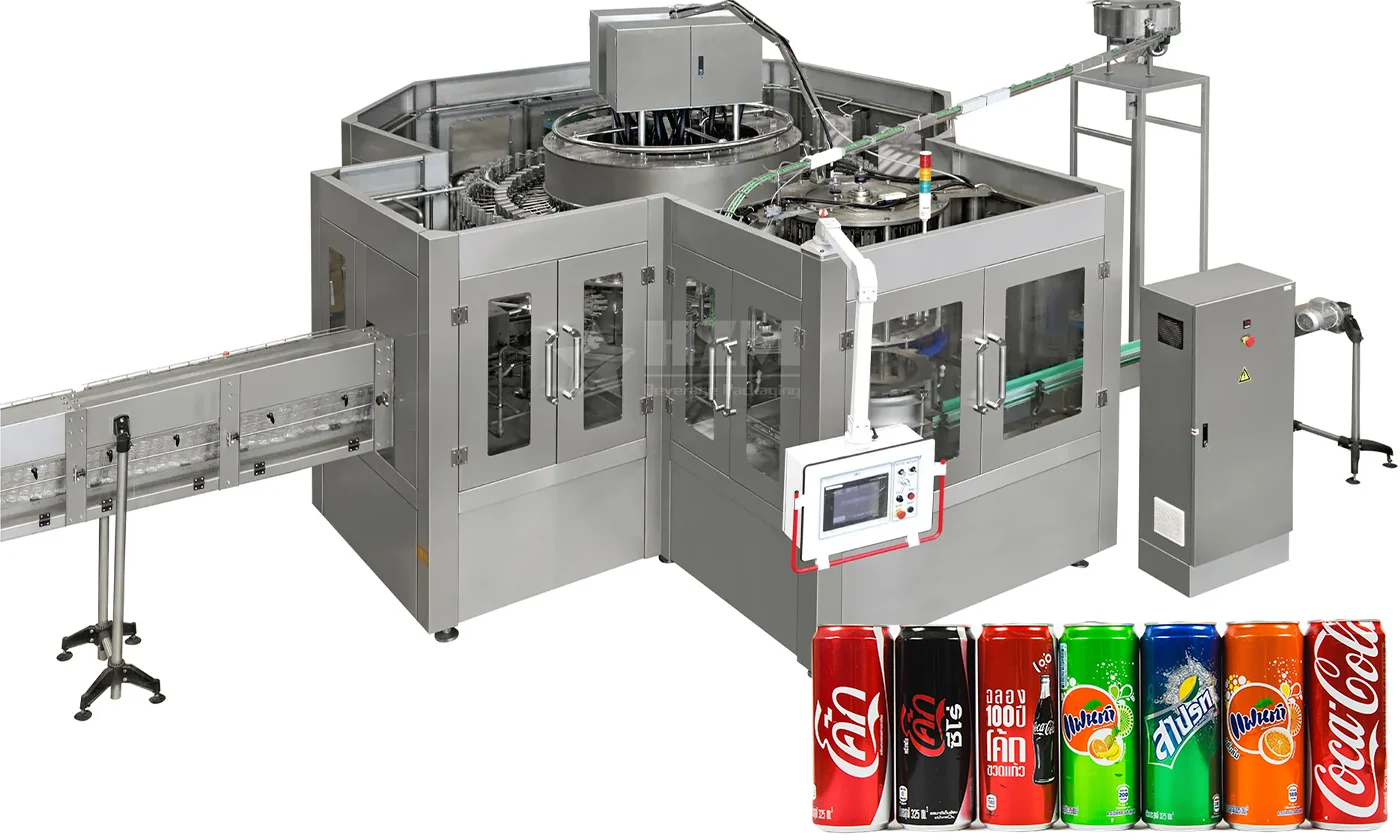
Beverage Can Packaging machine
Beverage can filling and seaming for carbonated drinks and beer, with conveying, packing and palletising line options.
Learn more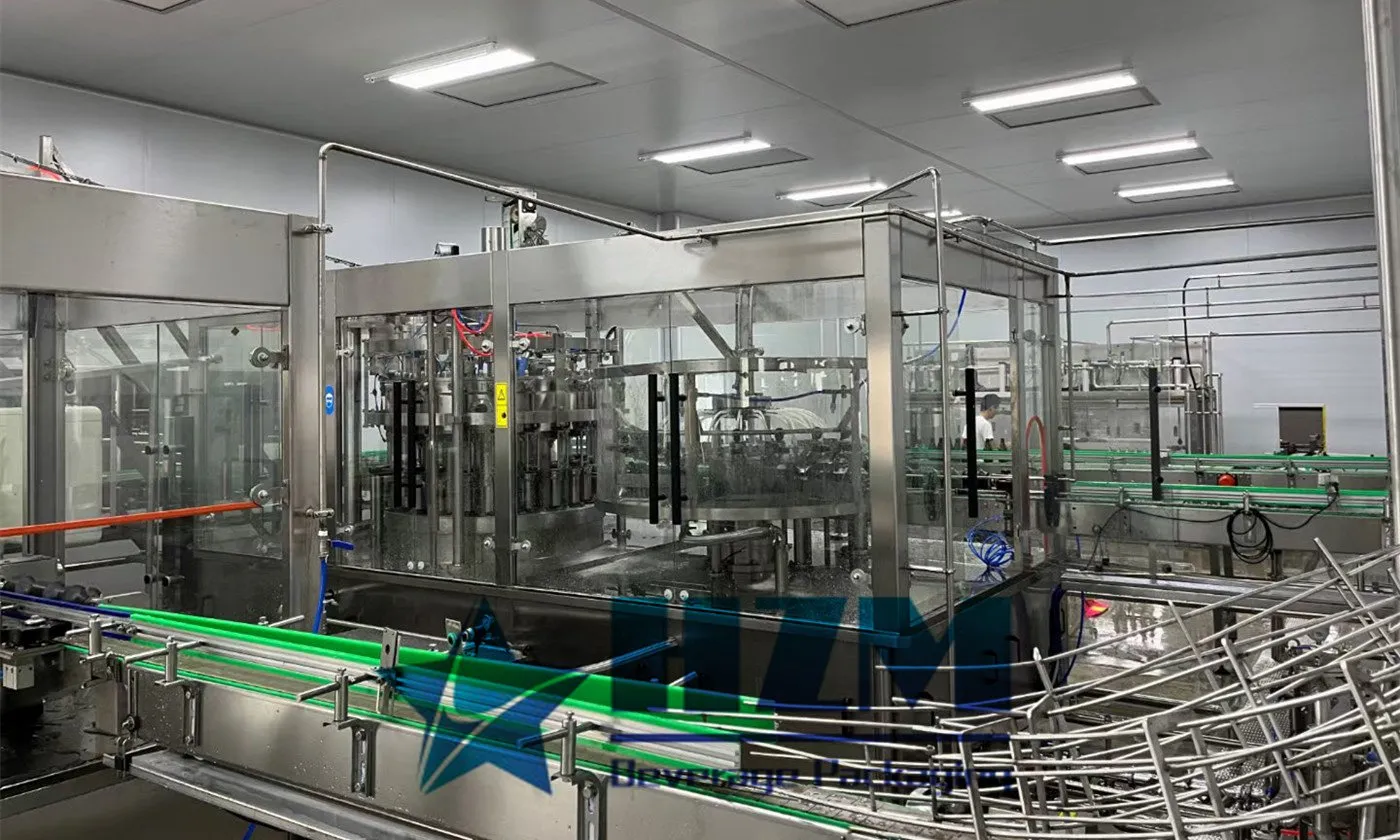
CSD Beverage Can Filling Machine
CGS can filling and seaming for carbonated beverages, with capacities of 6,000–36,000 cans/hour at 330 ml.
Learn moreCarbonated Beverage Can Filling Machine
Automatic carbonated beverage can filling and seaming, with CGS capacities of 6,000–36,000 cans/hour at 330 ml.
Learn more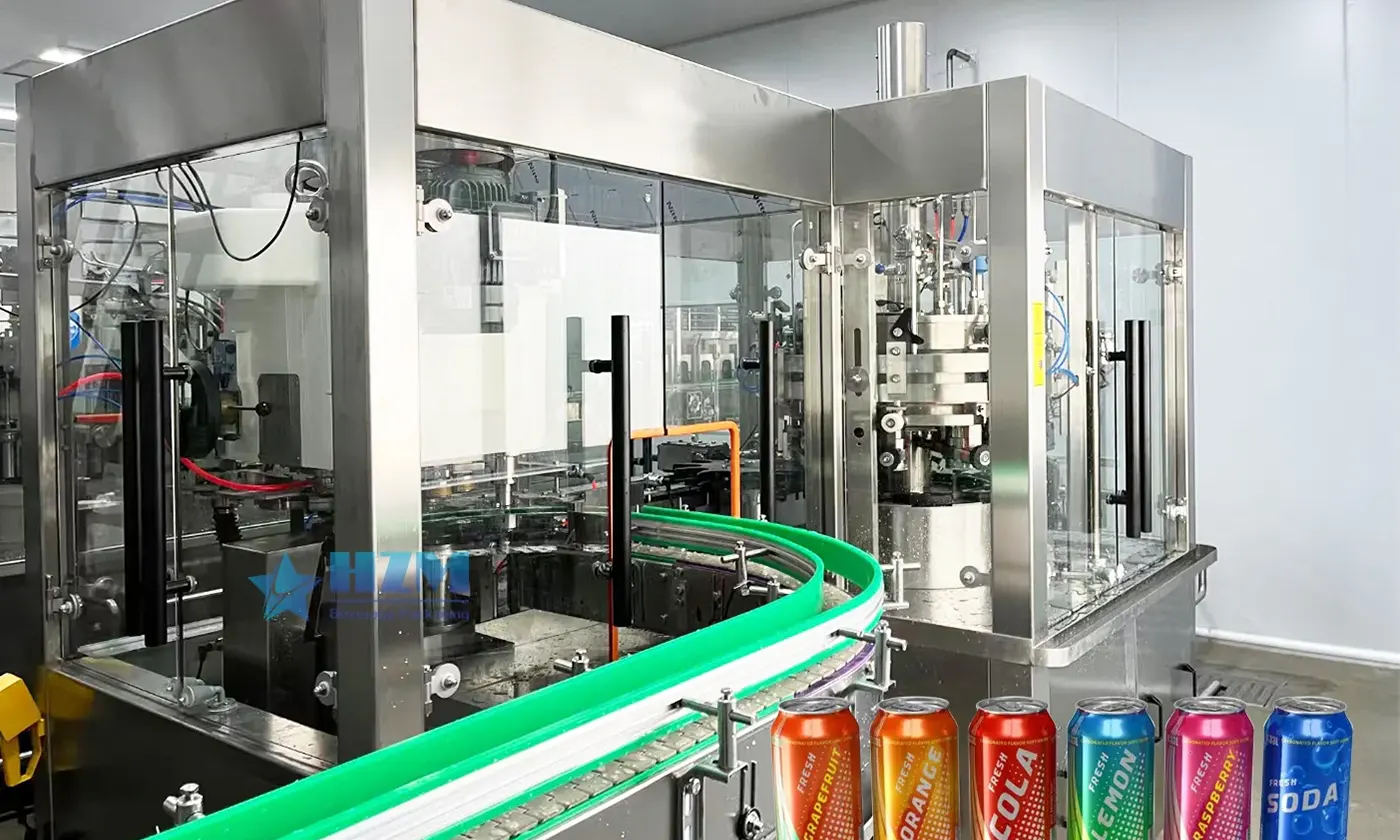
Aluminum Can Filling Machine
Beer can filling and seaming equipment for beverage canning lines, with CGS models from 6,000 to 36,000 cans/hour at 330 ml.
Learn more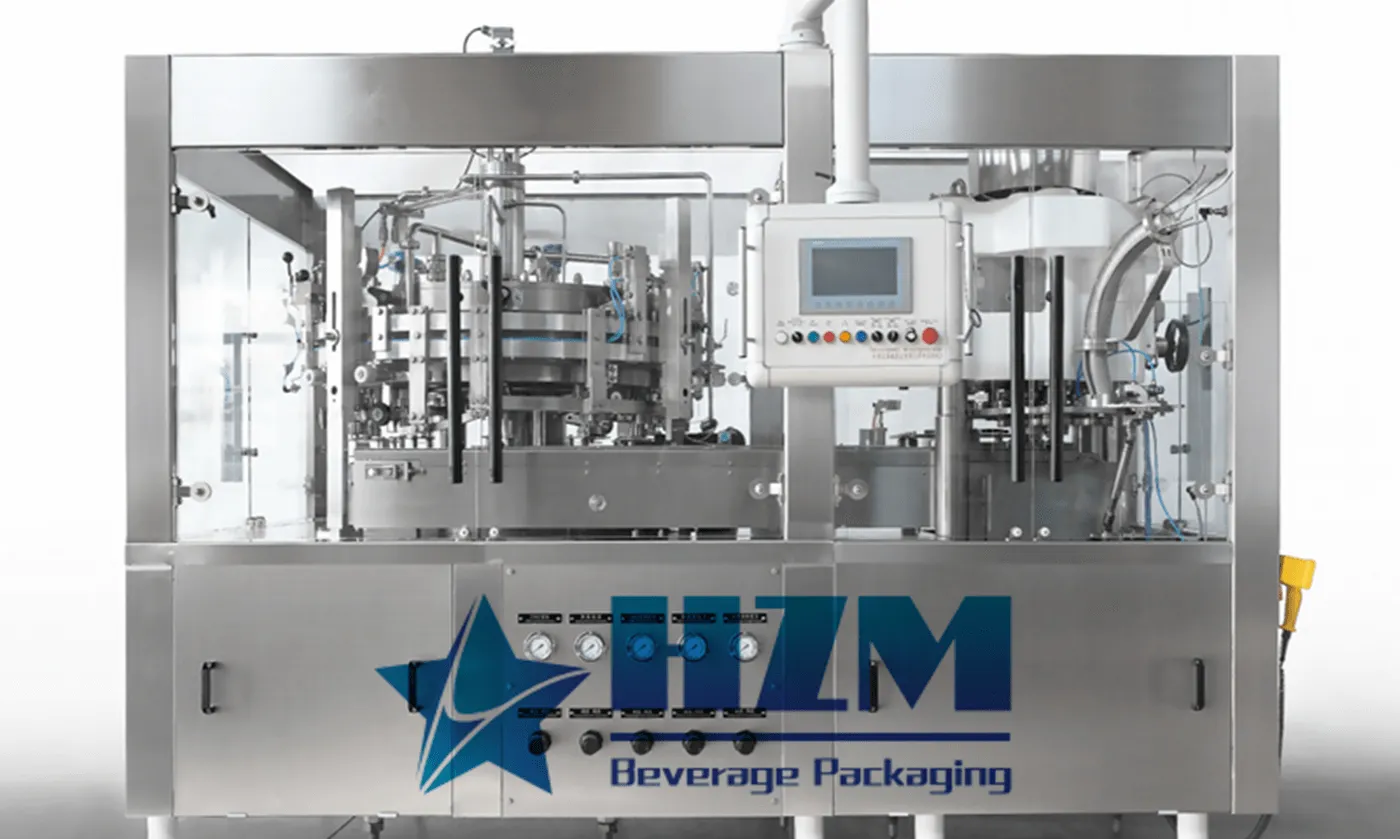
Can Filling Sealing Machine
Automatic beverage can filling and seaming for carbonated soft drinks and beer, from 6,000 to 36,000 cans/hour at 330 ml.
Learn moreCraft Beer Can Filling Machine
Craft beer can filling and seaming with CGS models from 6,000 to 36,000 cans/hour at 330 ml.
Learn more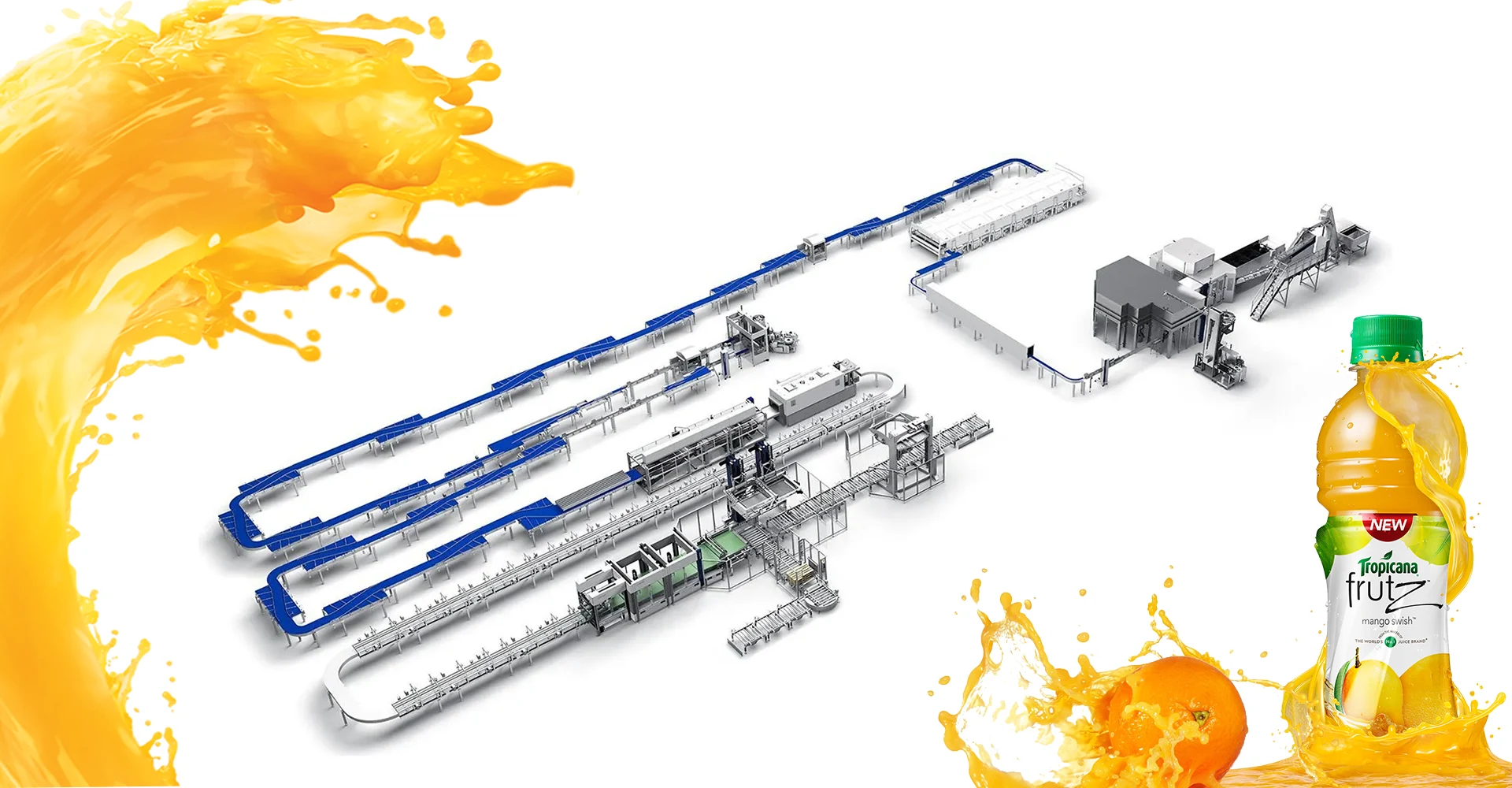
Beverage Filling Machine & Turnkey Filling Line for Juice, Soft Drinks and Cans
Beverage filling machines and turnkey lines for juice, soft drinks, water and beer in PET bottles, glass bottles or cans.
Learn more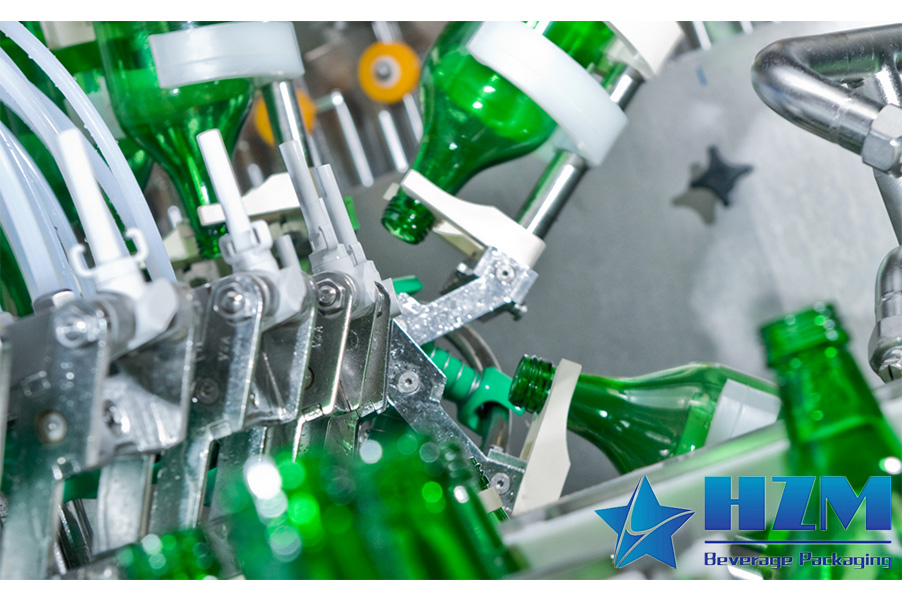
Three Can Filling Methods and Their Characteristics in Beverage Filling Machines
A beverage filling machine is a subcategory of packaging machinery used for producing bottled and barrelled drinking water, including mineral water. It comprises processes such as cleaning, filling, and capping, making it an ideal equipment for the production of mineral water and purified water.
Learn more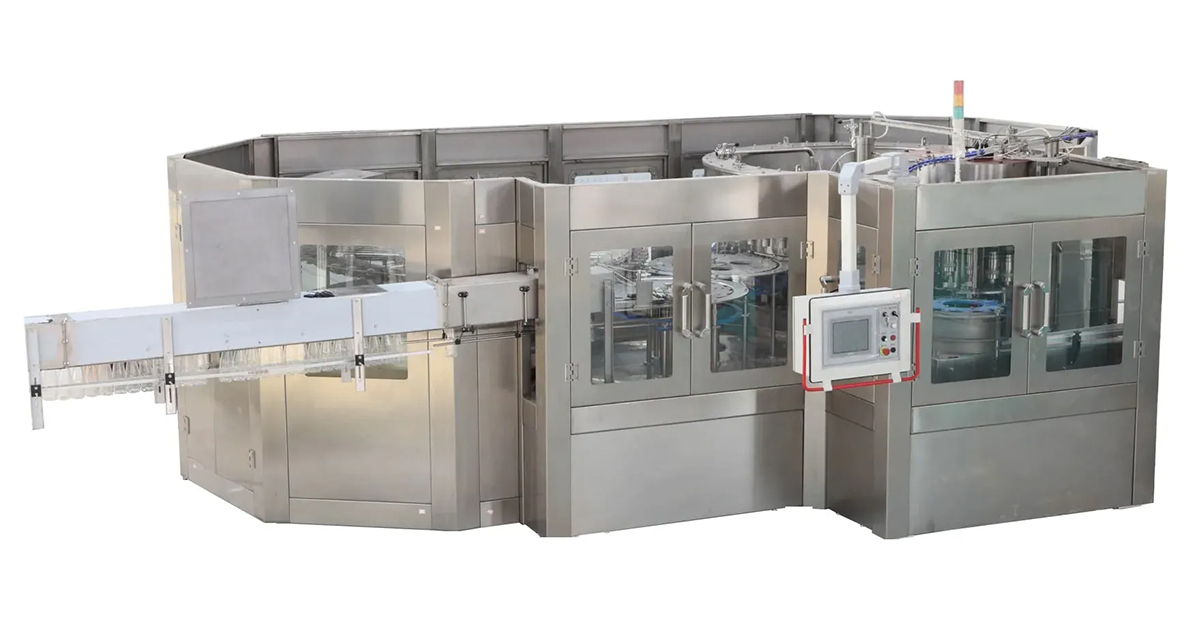
Advanced Bottle and Can Filling Machines by HZM Machinery
In the ever-growing demand for bottle and can filling machines, HZM Machinery stands out as an excellent manufacturer committed to offering superior equipment and comprehensive pre-sale, in-sale, and after-sale services to drinking water manufacturers, mineral water producers, and 5-gallon drinking water suppliers.
Learn moreBeverage Can Filling Line Guide: Seamer Setup and Double-Seam Inspection
Practical HZM guidance on beverage can filling line, focused on seamer setup and double-seam inspection, line integration, RFQ data and measurable acceptance checks.
Learn moreCan Double-Seam Quality: A Buyer and Operator Inspection Checklist
Protect canned beverage quality with correct end handling, seamer setup, teardown measurements, defect trending and maintenance controls.
Learn more10000-36000BPM Carbonated Drink Beverage Can Filling Machine
High quality 10000-36000BPM Carbonated Drink Beverage Can Filling Machine from China, China's leading 1500bph Beverage Can Filling Machine product, with strict quality control 1500bph Carbonated Drink Filling Machine factories, producing high quality 200ml Beverage Can Filling Machine products.
Learn more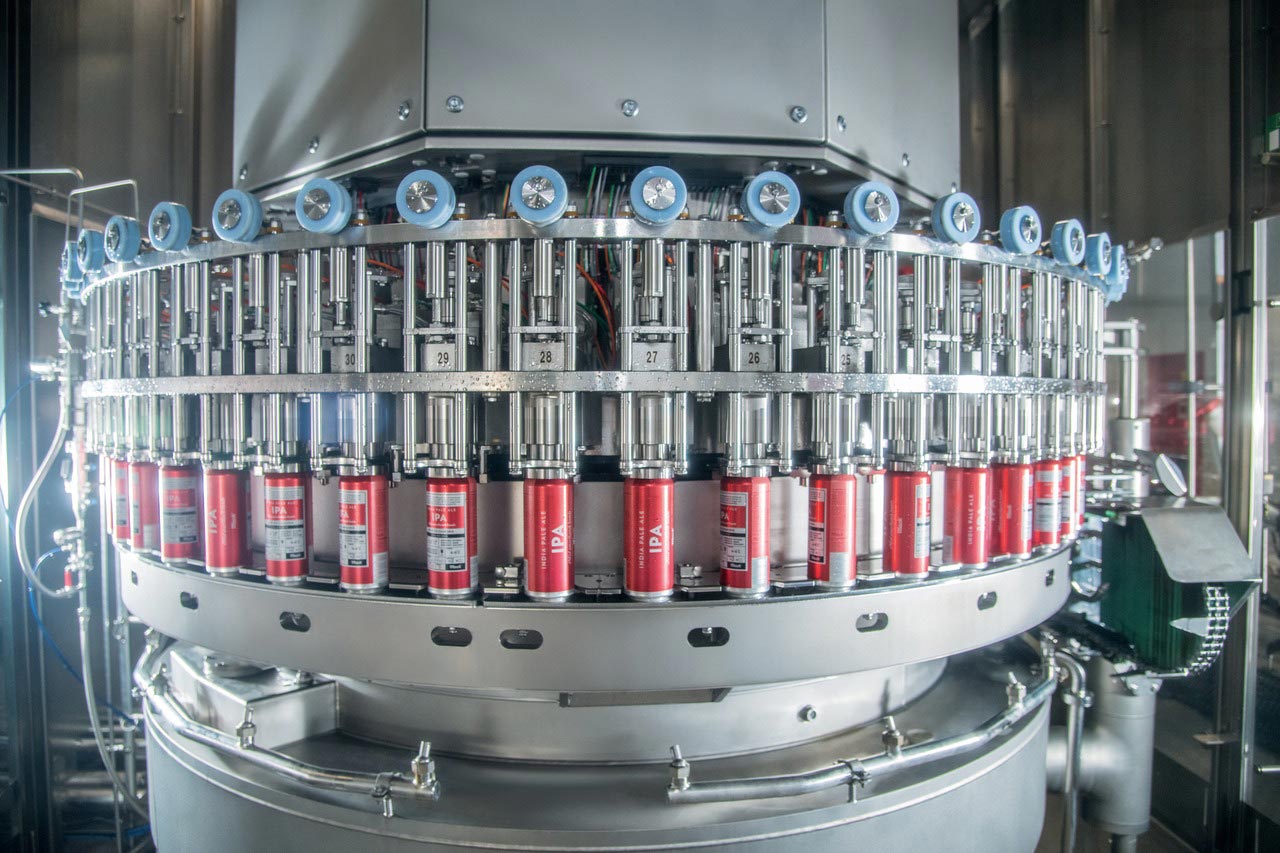
Canning Machine for Beverage Cans: A Marvel of Efficiency
Canning machines for beverage cans have become the go-to choice for efficient beverage production. In this article, we will introduce beverage cans and their canning machines, and provide a table showcasing the bottle capacities and hourly output of these canning machines.
Learn more