
Edible Oil Filling Machine Leaks: Beyond Replacing a Seal
Identify the exact leak path while the machine is safe: valve seat, nozzle, hose, manifold, pump seal or connection. Then check oil temperature and viscosity, pressure, seal compatibility, closing response and alignment.
Stop automatic operation, isolate electrical and pneumatic energy, close and depressurize product circuits, and follow the machine lockout/tagout procedure before opening guards or removing a valve. Quarantine product made since the last confirmed good check.
Locate the fault
- Oil drips from nozzles between fills
- A hose or manifold joint becomes wet under pressure
- Leakage grows as product temperature rises
- The same seal fails repeatedly after replacement
Inspection sequence
- Clean the area, apply safe isolation and mark the first point where fresh oil appears
- Record product temperature, viscosity grade and pressure during the event
- Verify seal part number, material, orientation and compression
- Check pressure relief and return paths without defeating protective devices
- Measure valve closing response and inspect seat condition
- Inspect hose support and piping alignment through the full nozzle movement
Corrective work
- Install the specified compatible seal with correct lubrication and assembly method
- Correct pressure regulation, restriction or pump-control fault
- Rebuild the leaking valve or replace a damaged seat and actuator component
- Realign and support piping so the hygienic connection is not carrying external load
Operating records and follow-up
- Maintain a seal-compatibility and batch record
- Trend product pressure and temperature by recipe
- Inspect nozzles for after-drip on startup
- Torque and inspect hygienic connections by procedure
- Investigate repeat failures before installing another identical part
Equipment details: Edible Oil Filling Machine.
Need help planning your packaging line?
Share your product, bottle and capacity requirements for a practical equipment recommendation.
Edible Oil Filling Machine
Rotary edible oil filling and capping with GYH models from 3,500 to 10,000 bottles/hour at 500 ml.
Learn more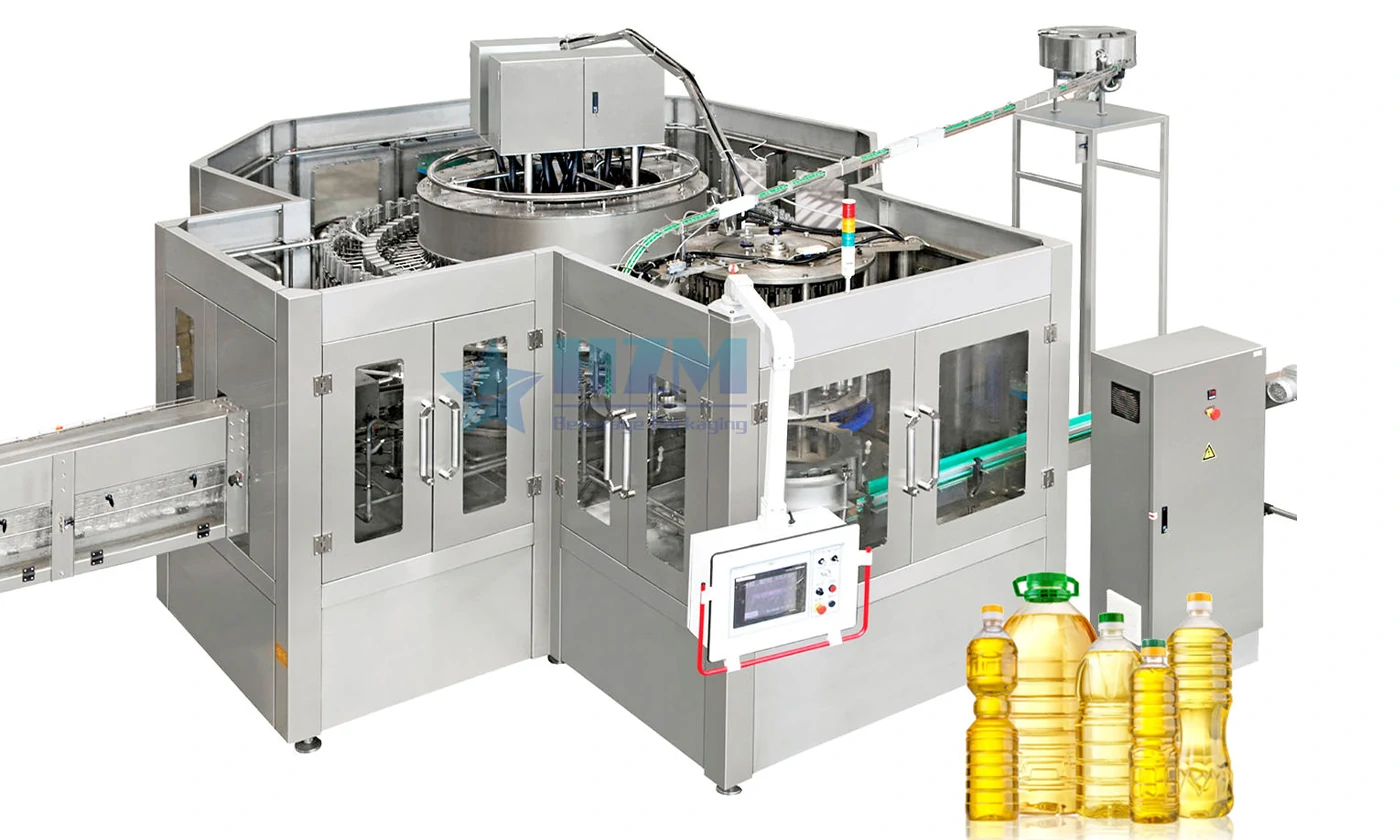
PET Bottle Edible Oil Bottling Line | Automatic Rotary Type Edible Oil Filling Machine
The PET bottle edible oil bottling line combines rotary oil filling and capping with bottle conveying and downstream packaging.
Learn more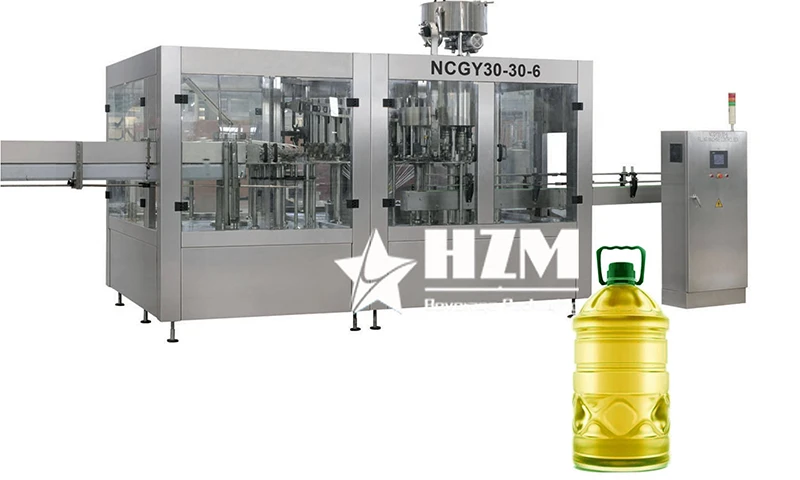
2-in-1 Monoblock Edible Cooking Oil Filling and Capping Machine
The 2-in-1 monoblock fills and caps bottles of edible cooking oil in a continuous operation.
Learn more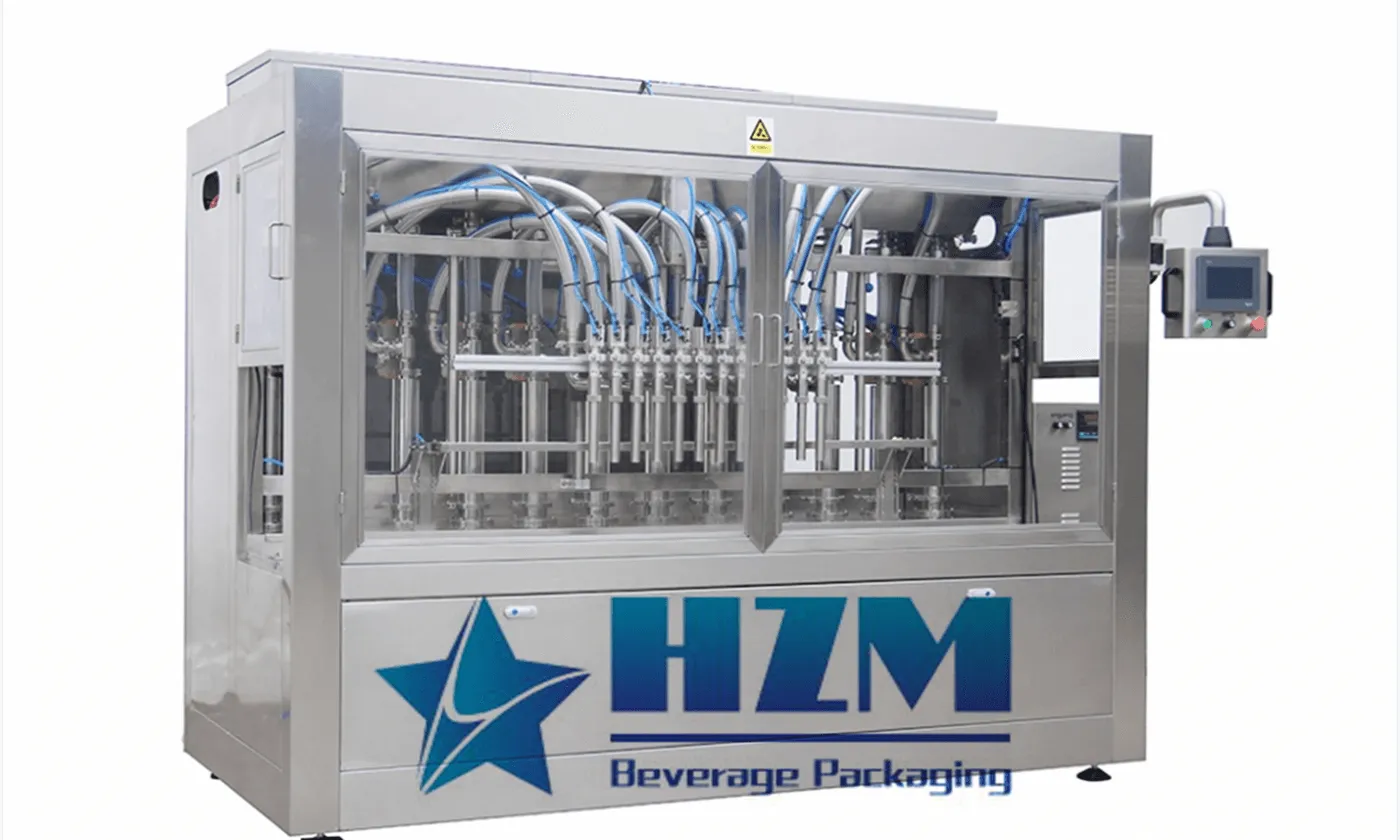
Linear Type Oil Filling Machine
The linear oil filling machine fills bottled edible oils and compatible liquid food products.
Learn more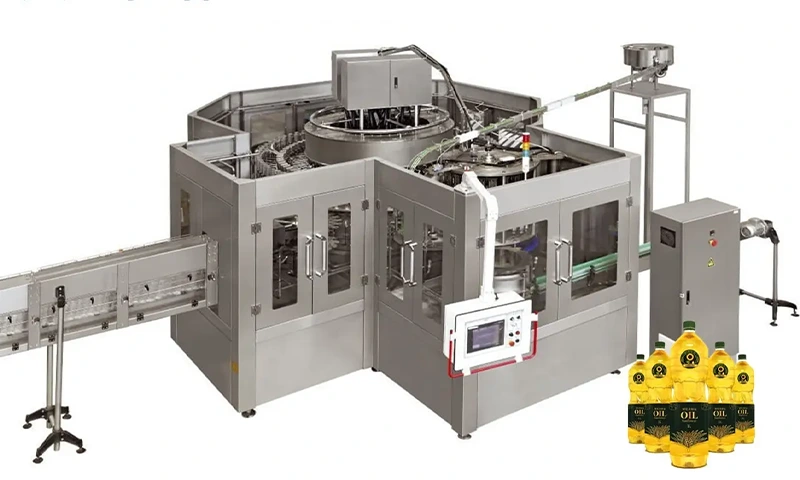
Olive Oil Filling Machine
Olive oil bottle filling and capping with GYH models from 3,500 to 10,000 bottles/hour at 500 ml.
Learn more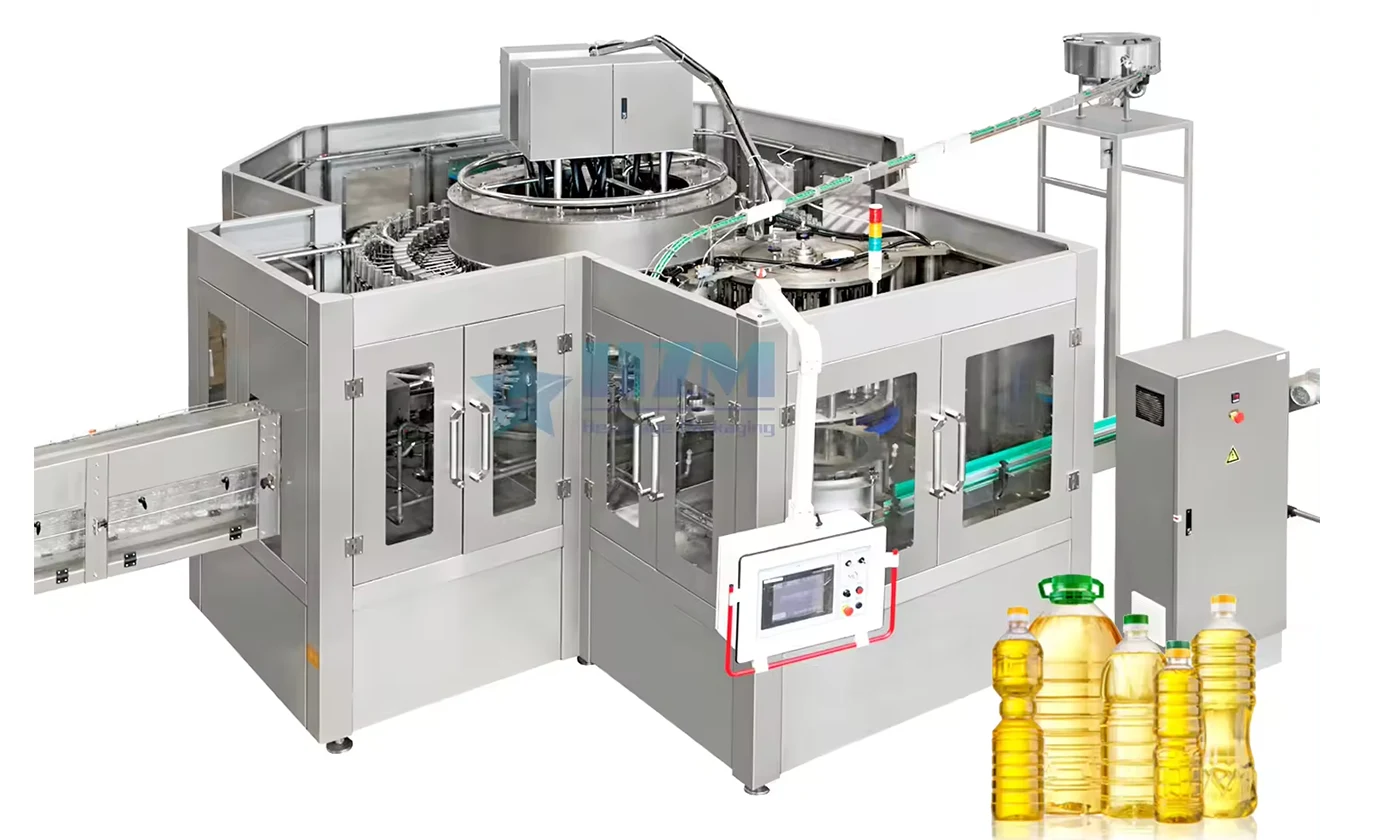
Automatic Cooking Oil Filling Machine
The automatic cooking oil filling machine fills and caps bottles of edible oil.
Learn moreAutomatic Edible Oil Filling Machine | Cooking Oil Bottling & Packing Line
Automatic cooking oil filling and capping with GYH models from 3,500 to 10,000 bottles/hour at 500 ml.
Learn more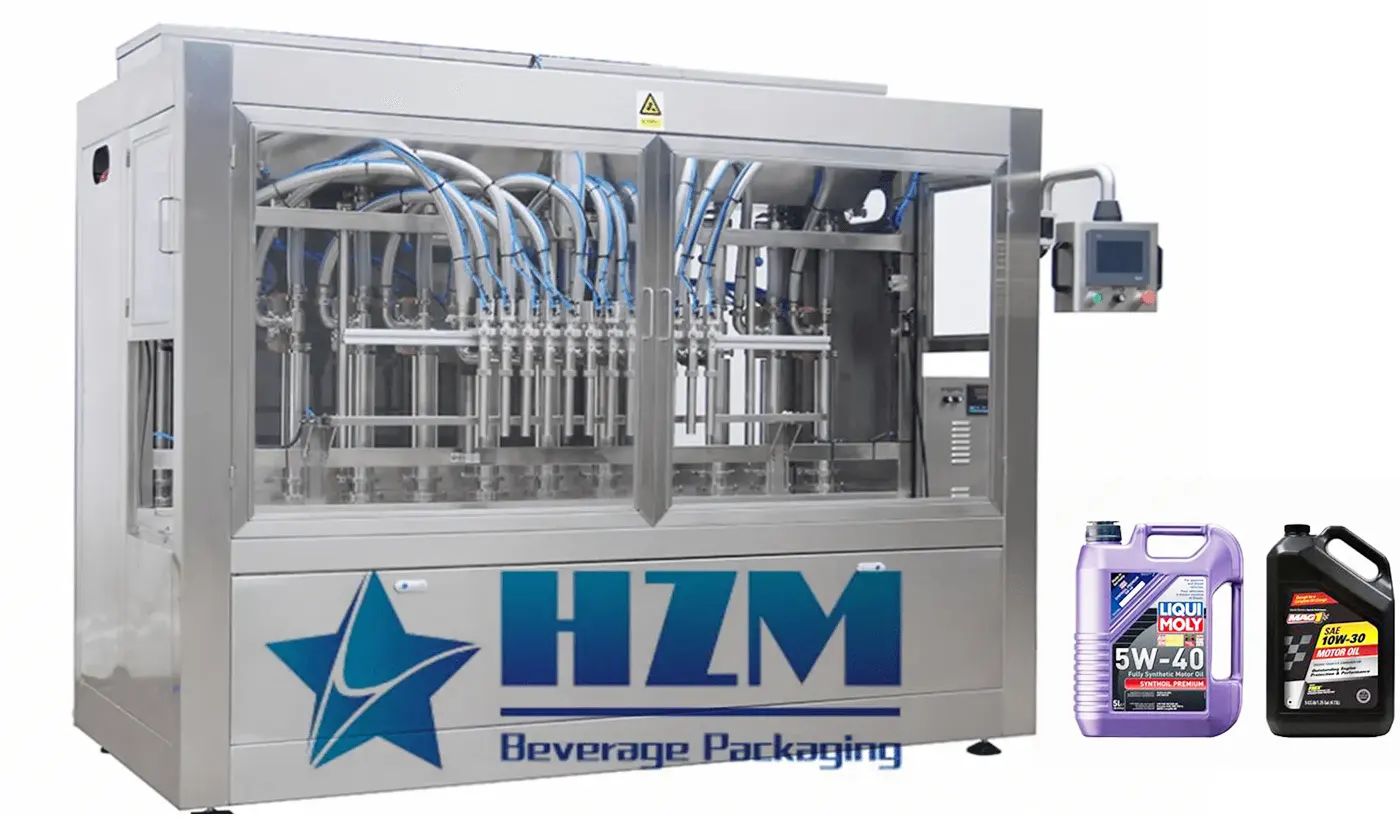
Automotive Lubricants Oil Filling Machine
This automotive lubricating-oil filling machine doses oil into bottles and containers on a linear filling line.
Learn more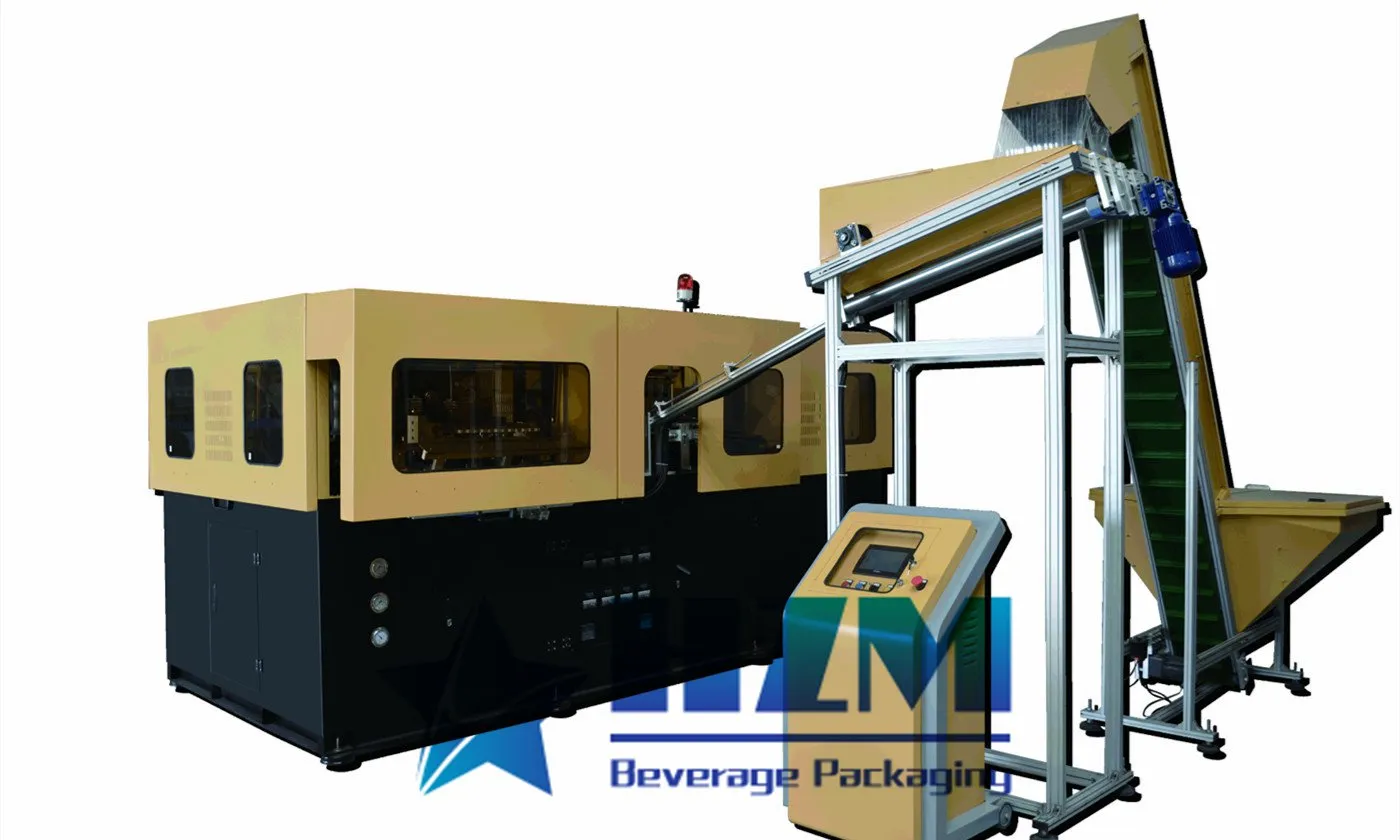
Automatic Oil Bottle Wide Neck PET Bottle Blowing Machine
PET blow moulding equipment for large edible-oil, drinking-water and wide-neck bottles, with bottle sizes up to 5–10 L by model.
Learn more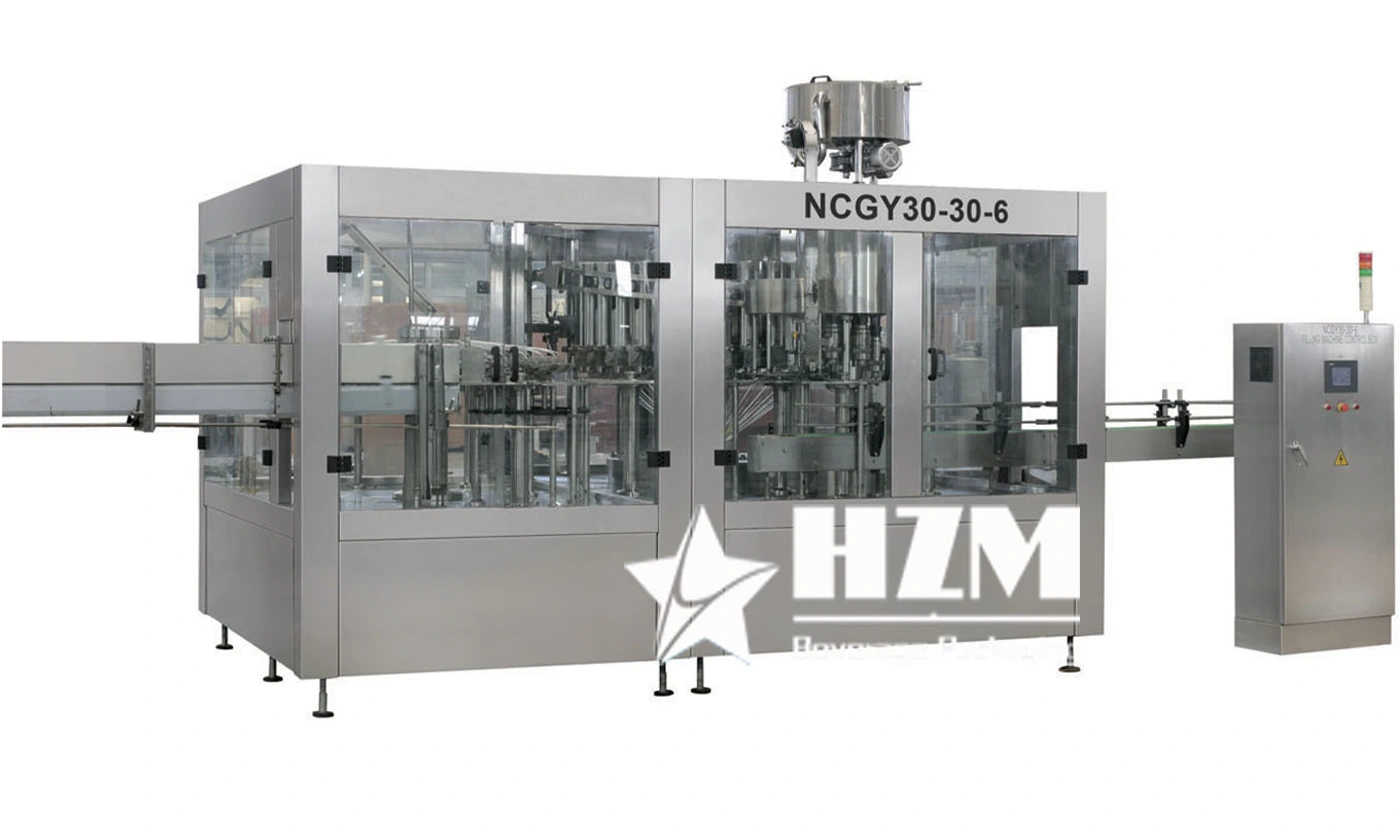
Introduction to the Edible Oil Filling Production Line
The edible oil filling production line is a modern bottling production system designed to enhance the efficiency and quality of edible oil production while meeting the demands of standardized production. This assembly line consists of various individual machines, including bottle sorting, filling, capping, aluminum foil sealing, and adhesive labeling equipment.
Learn more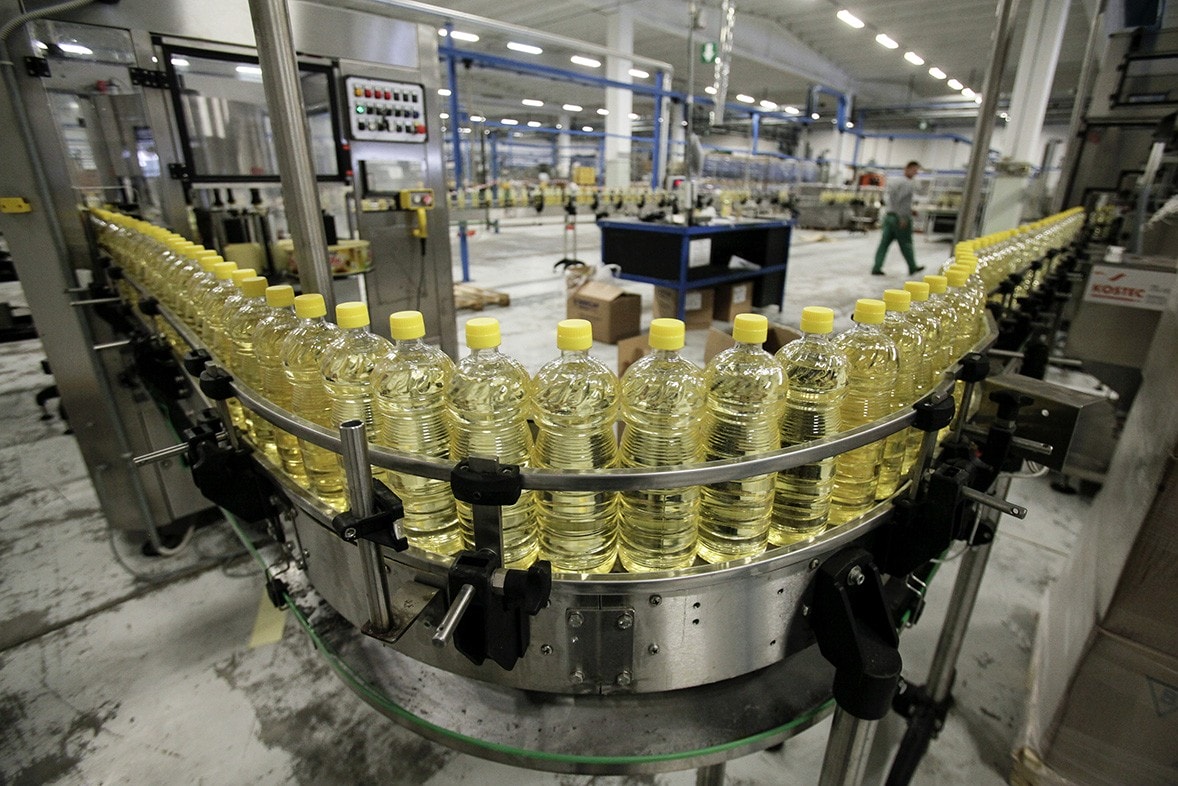
Edible Oil Production Line Equipment and Costs
As a professional edible oil packaging machine solution provider, HZM Machinery offers tailor-made complete edible oil filling production line solutions to meet customer needs.
Learn more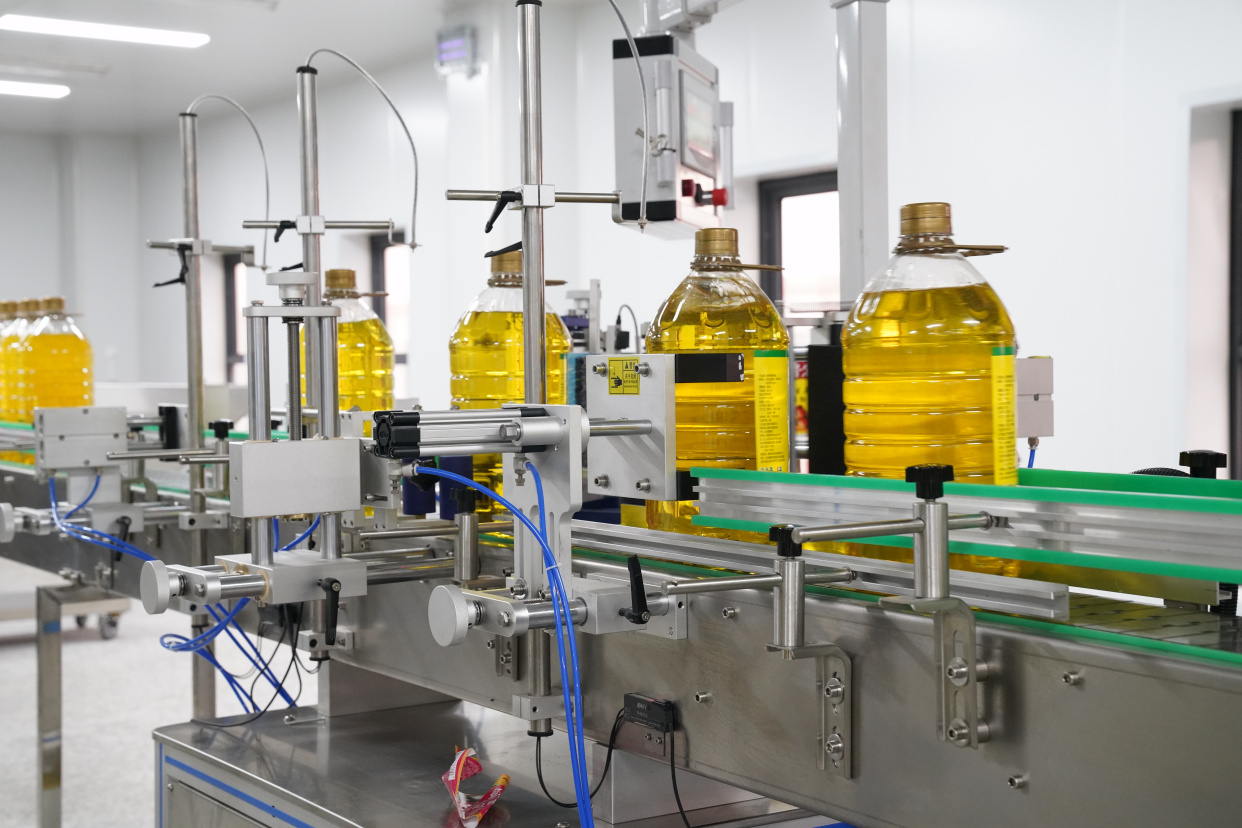
Edible Oil Bottle Filling Machine: Manufacturers and Pricing
Edible Oil Bottle Filling Machines are indispensable in the food production industry, ensuring accurate and efficient bottling processes. When seeking reliable machinery, HZM Machinery, as professional Edible Oil Bottle Filling Machine manufacturers, offers tailored solutions with a commitment to quality and competitive pricing.
Learn more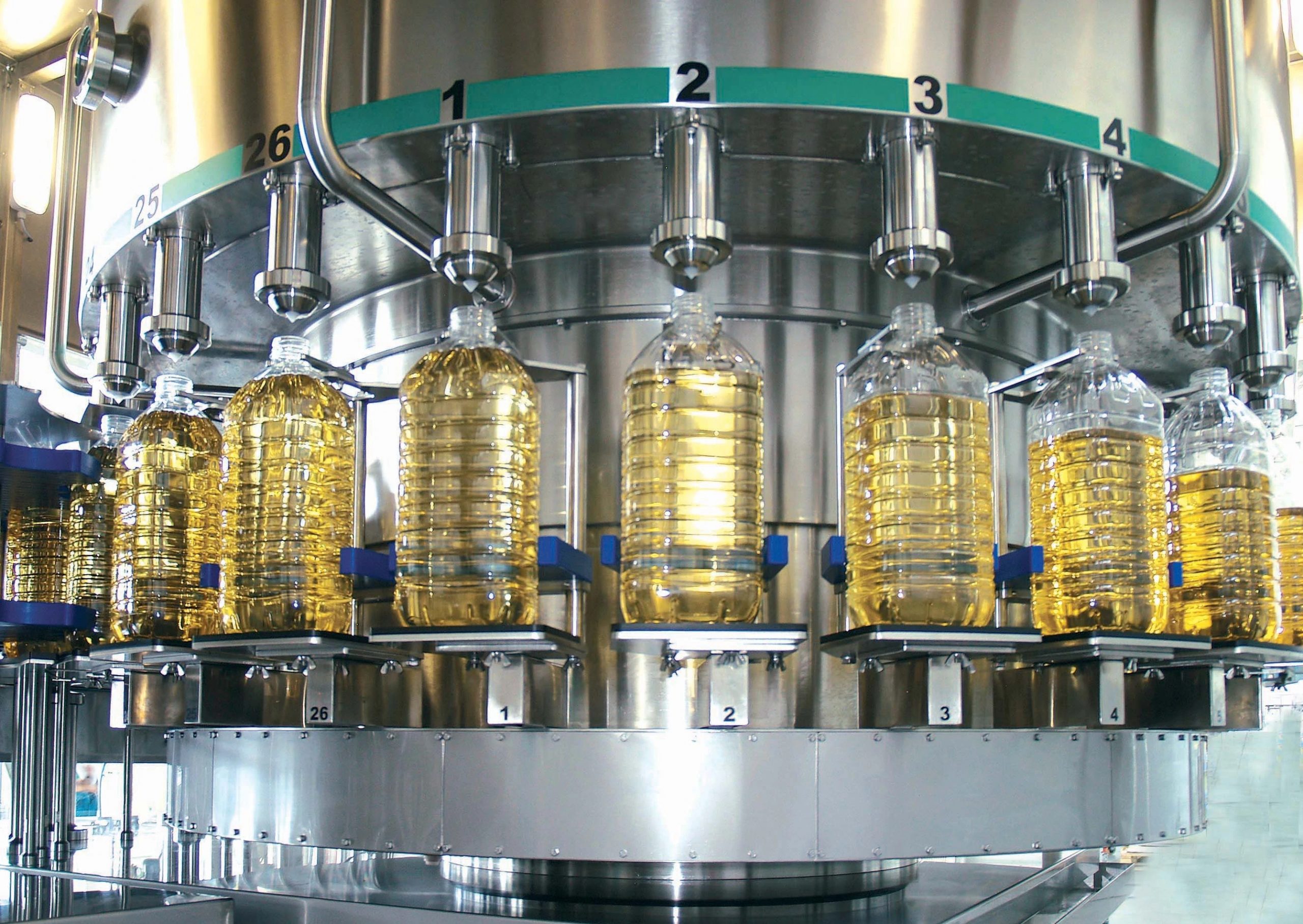
Edible Oil production process
The edible oil production process is a multi-stage operation that involves extracting oil from oilseeds, refining it, and packaging it for sale.
Learn more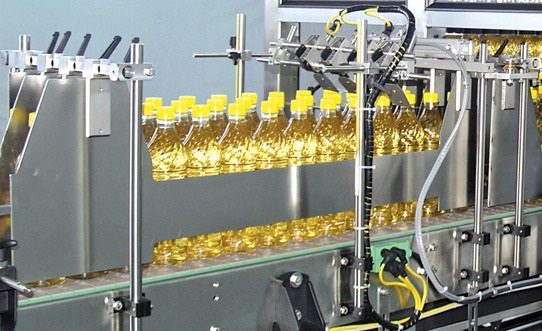
Overview of Equipment for Edible Oil Filling Production Line
However, the key challenge lies in understanding how to configure the equipment for an edible oil filling production line, which is crucial for packaging edible oil. Below, let us provide a detailed explanation of the equipment typically required for a complete edible oil filling production line.
Learn more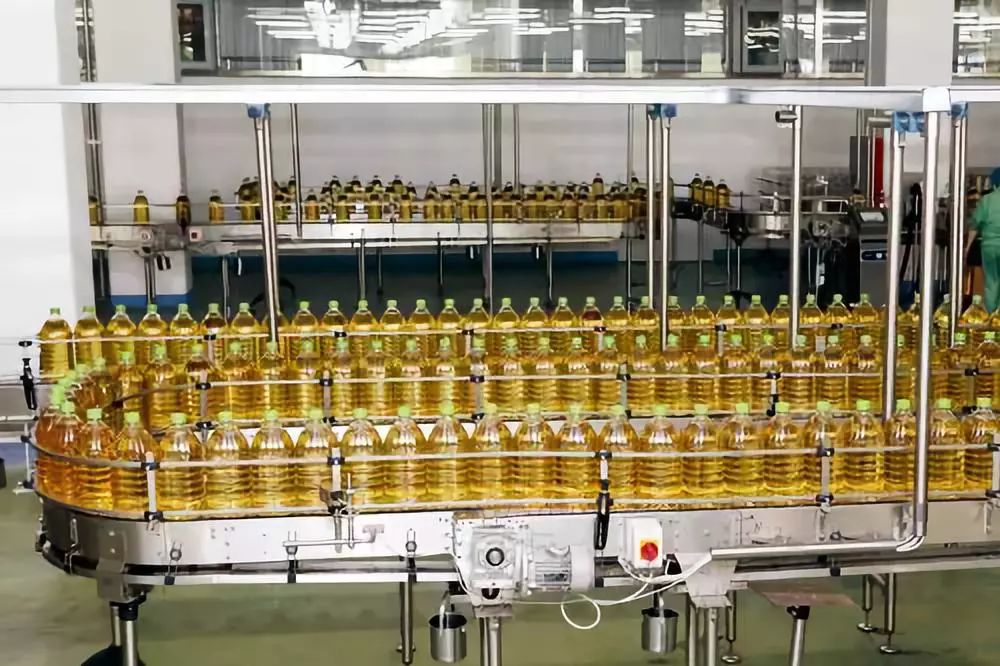
Daily Maintenance Tips for Edible Oil Filling Machines
during the maintenance of the edible oil filling machine, special attention should be paid to the fact that when conducting maintenance checks, the circuit breaker should be cut off or the power plug should be unplugged to prevent electric shock, burns, and injuries during the check.
Learn more