
Insights & Updates
Edible Oil production process
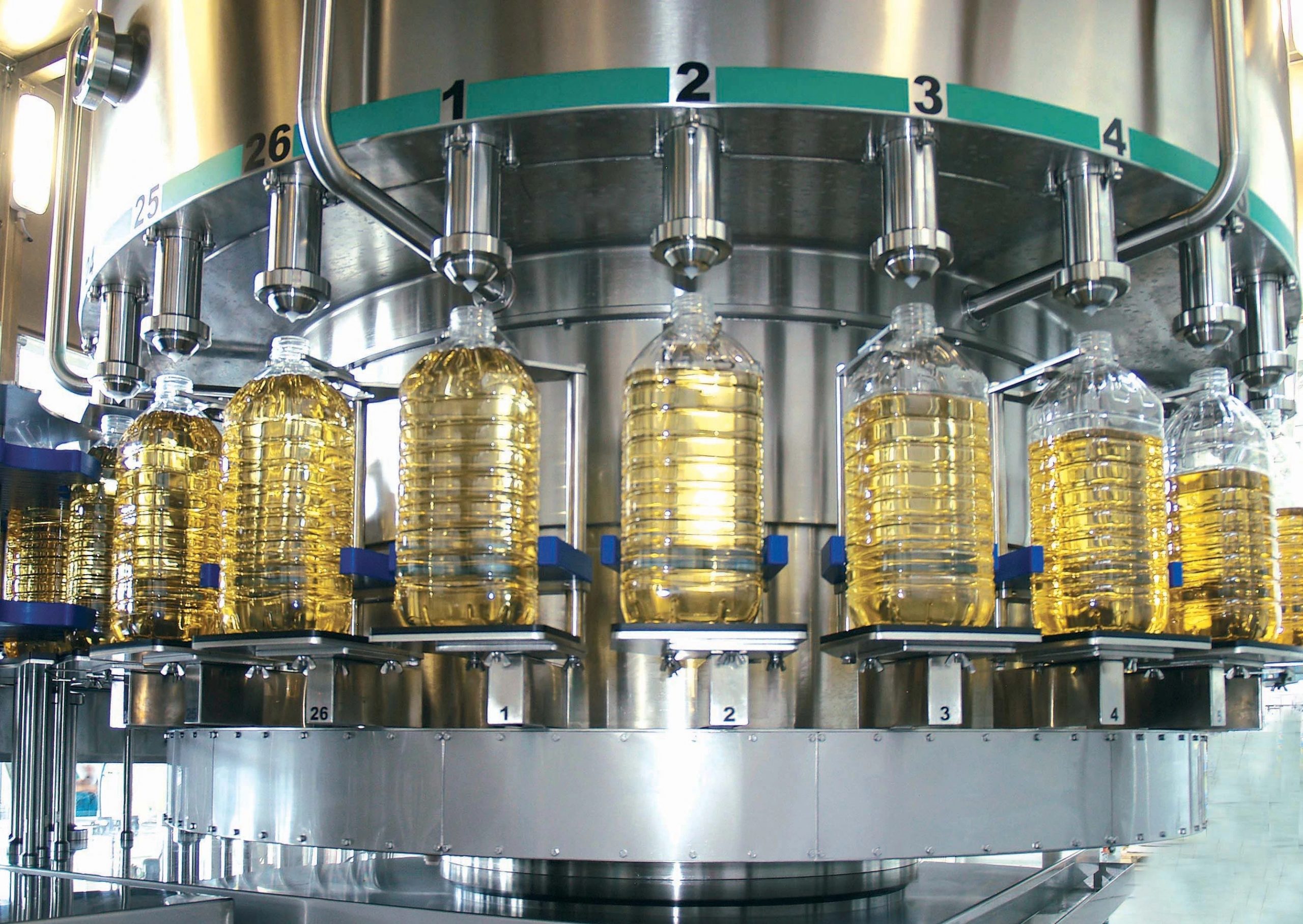
The edible oil production process is a multi-stage operation that involves extracting oil from oilseeds, refining it, and packaging it for sale.
1.Seed Preparation:
The process begins with the selection and cleaning of oilseeds (such as soybeans, sunflower seeds, or palm fruits).
Seeds are cleaned to remove impurities and foreign materials.
2.Oil Extraction:
Mechanical pressing or solvent extraction methods are commonly used to extract oil from seeds.
Mechanical pressing involves using an expeller press to physically squeeze the oil out of the seeds.
Solvent extraction uses chemicals like hexane to dissolve the oil from the seeds.
3.Oil Refining:
The crude oil extracted undergoes refining processes to remove impurities, color, odor, and undesirable components.
Refining may involve degumming, neutralization, bleaching, and deodorization.
4.Degumming:
Removes phospholipids from the crude oil.
5.Neutralization:
Neutralizes free fatty acids in the oil.
6.Bleaching:
Removes pigments, residual soap, and other impurities.
7.Deodorization:
Removes volatile components that cause odor and flavor in the oil.
8.Fractionation:
Separates the oil into different fractions, such as liquid oil and solid fat, based on their melting points.
9.Packaging and Storage:
The final refined oil is packaged and stored for distribution.
Talk to our engineering team
Need help planning your packaging line?
Share your product, bottle and capacity requirements for a practical equipment recommendation.
Equipment
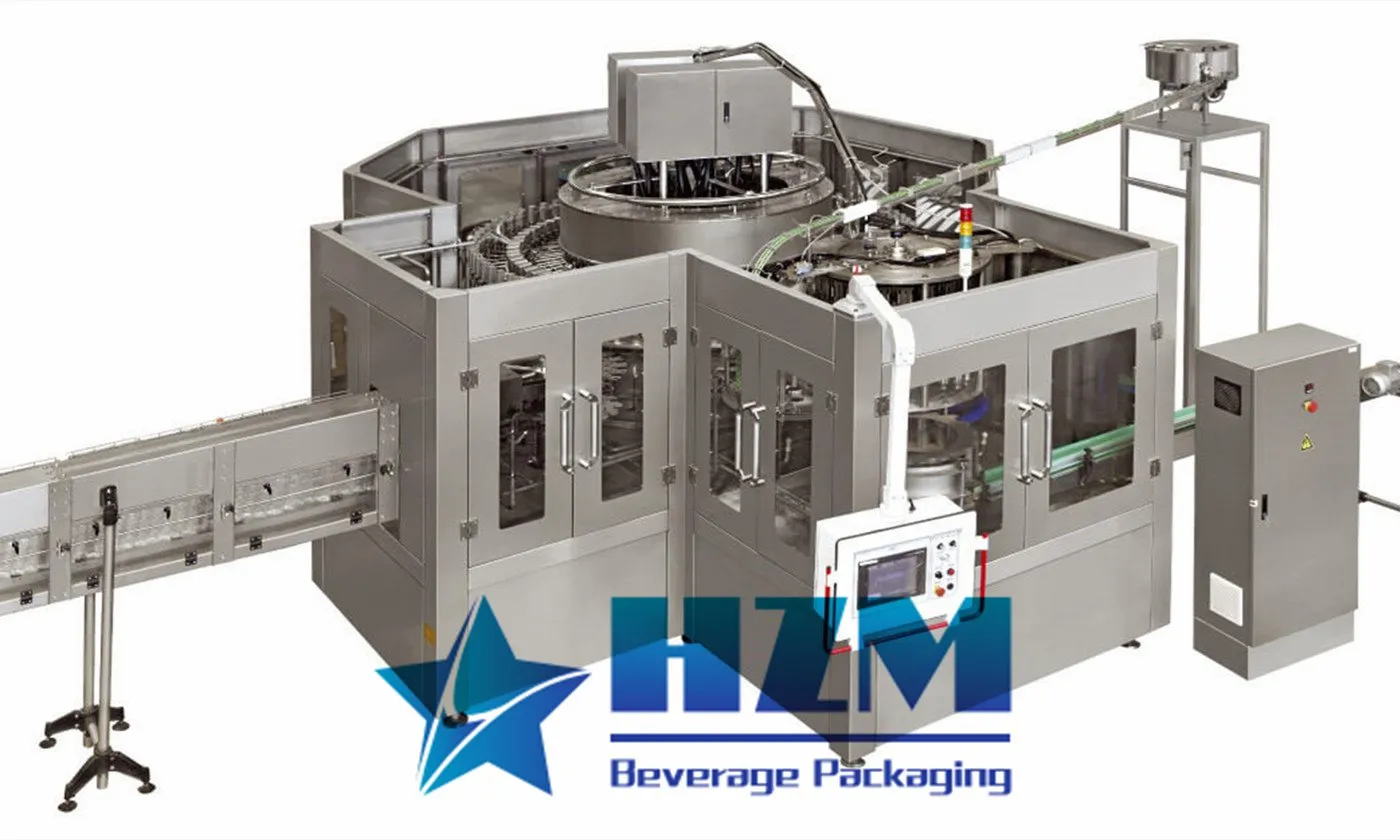
Edible Oil Filling Machine
Rotary edible oil filling and capping with GYH models from 3,500 to 10,000 bottles/hour at 500 ml.
Learn more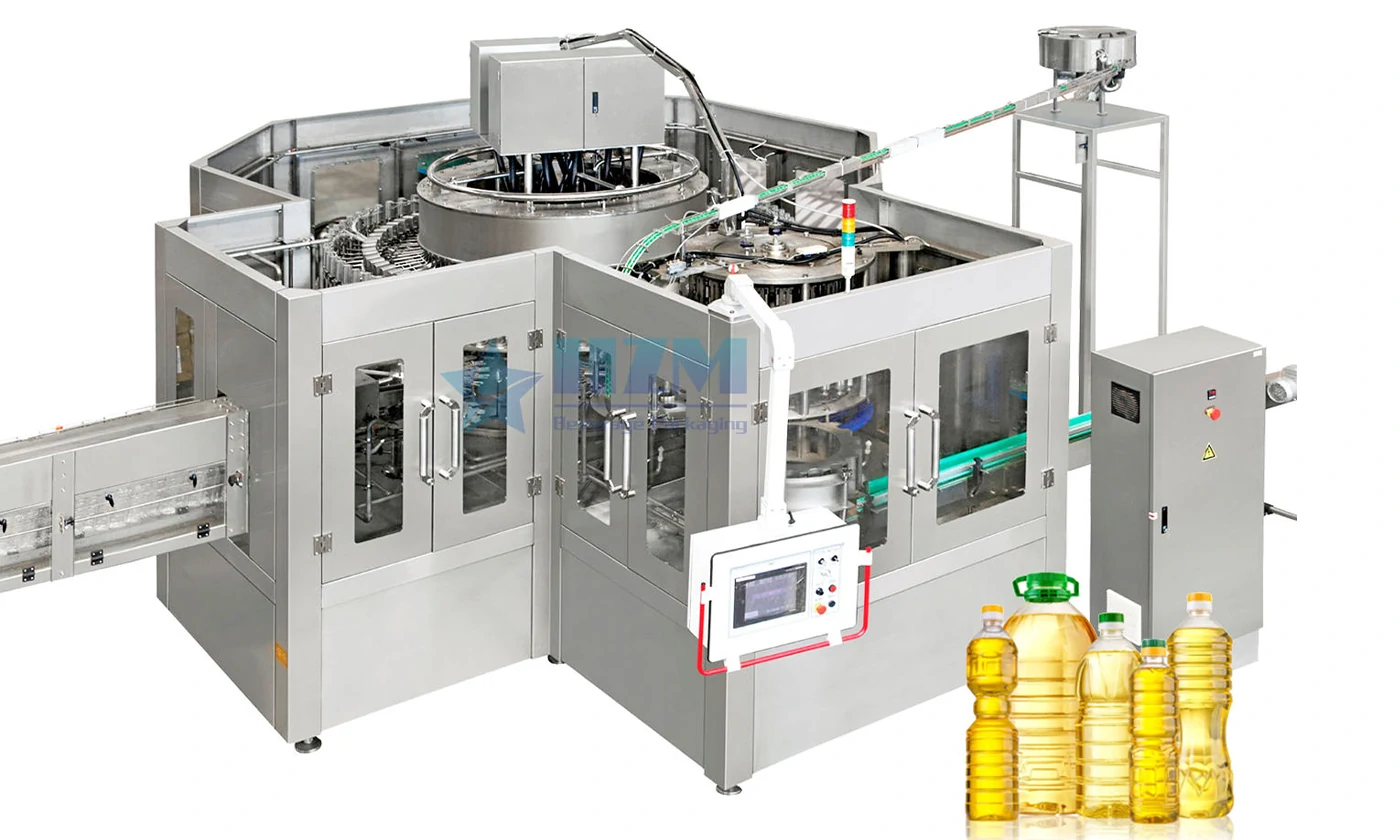
Equipment
PET Bottle Edible Oil Bottling Line | Automatic Rotary Type Edible Oil Filling Machine
The PET bottle edible oil bottling line combines rotary oil filling and capping with bottle conveying and downstream packaging.
Learn more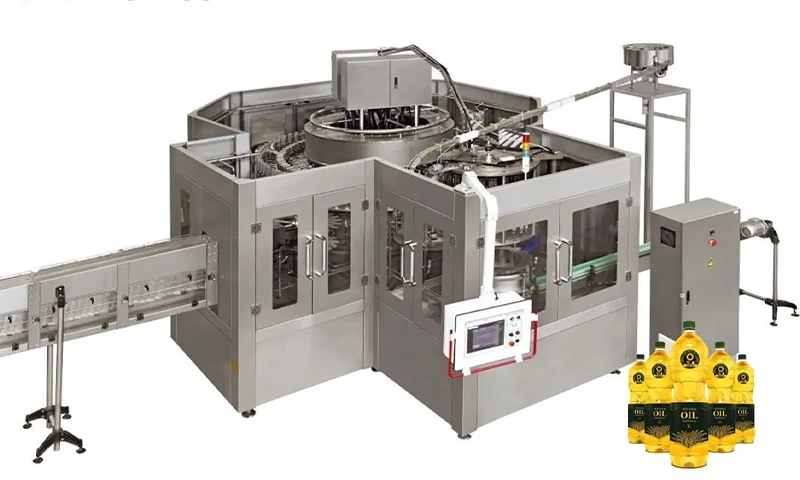
Equipment
Olive Oil Filling Machine
Olive oil bottle filling and capping with GYH models from 3,500 to 10,000 bottles/hour at 500 ml.
Learn more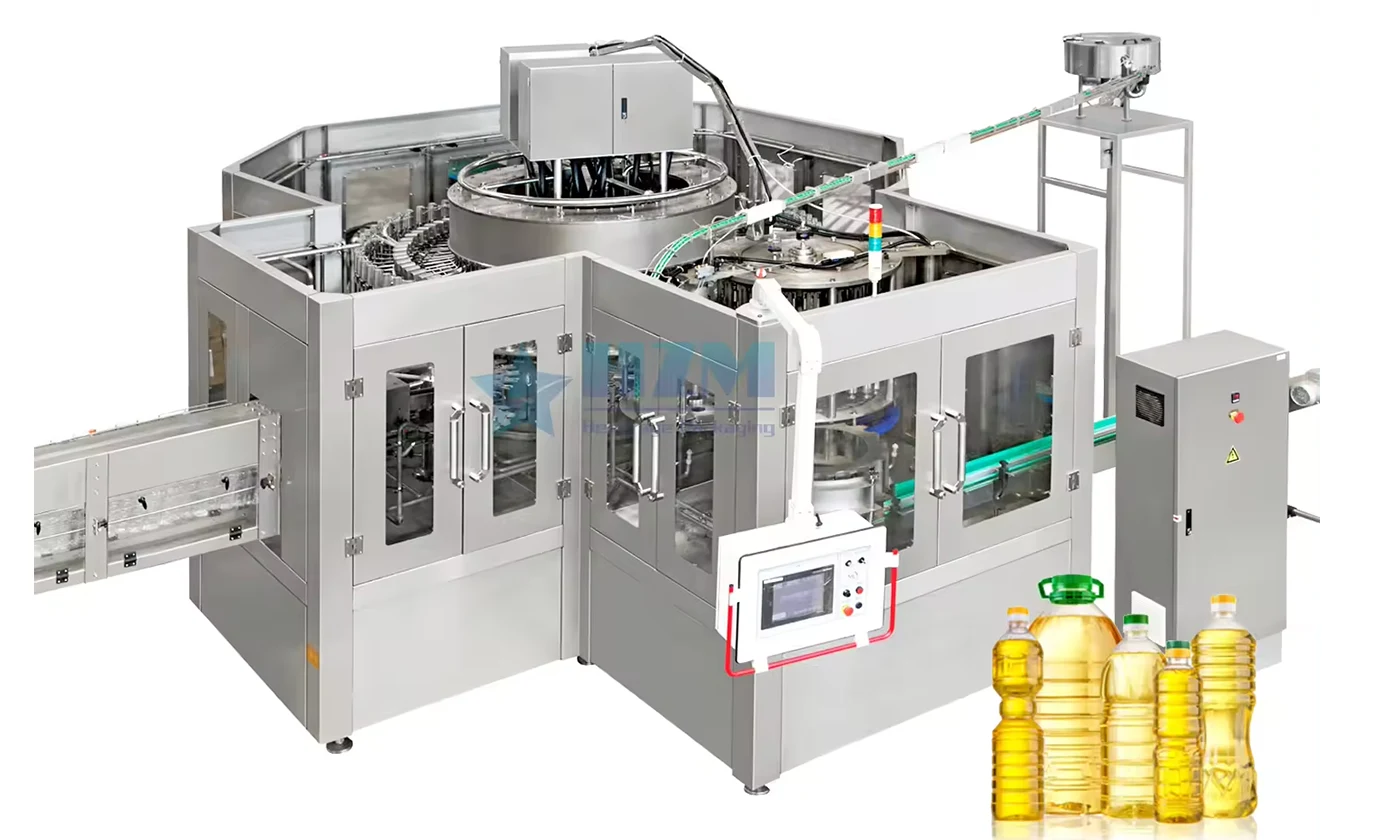
Equipment
Automatic Cooking Oil Filling Machine
The automatic cooking oil filling machine fills and caps bottles of edible oil.
Learn more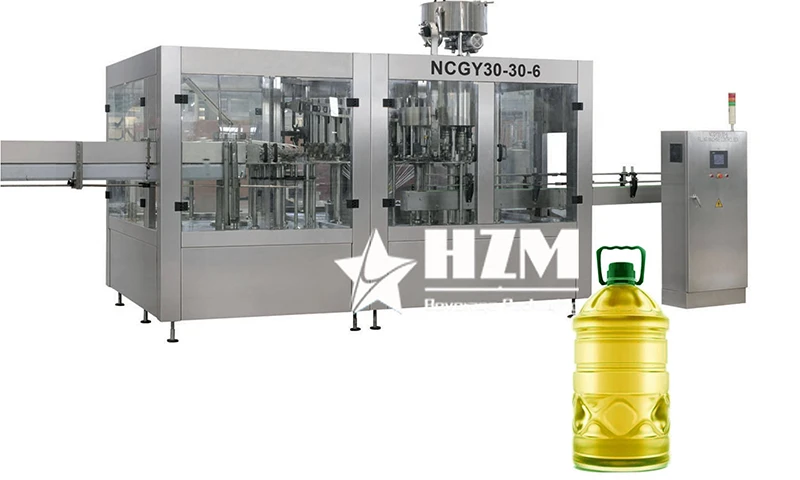
Equipment
2-in-1 Monoblock Edible Cooking Oil Filling and Capping Machine
The 2-in-1 monoblock fills and caps bottles of edible cooking oil in a continuous operation.
Learn moreEquipment
Automatic Edible Oil Filling Machine | Cooking Oil Bottling & Packing Line
Automatic cooking oil filling and capping with GYH models from 3,500 to 10,000 bottles/hour at 500 ml.
Learn more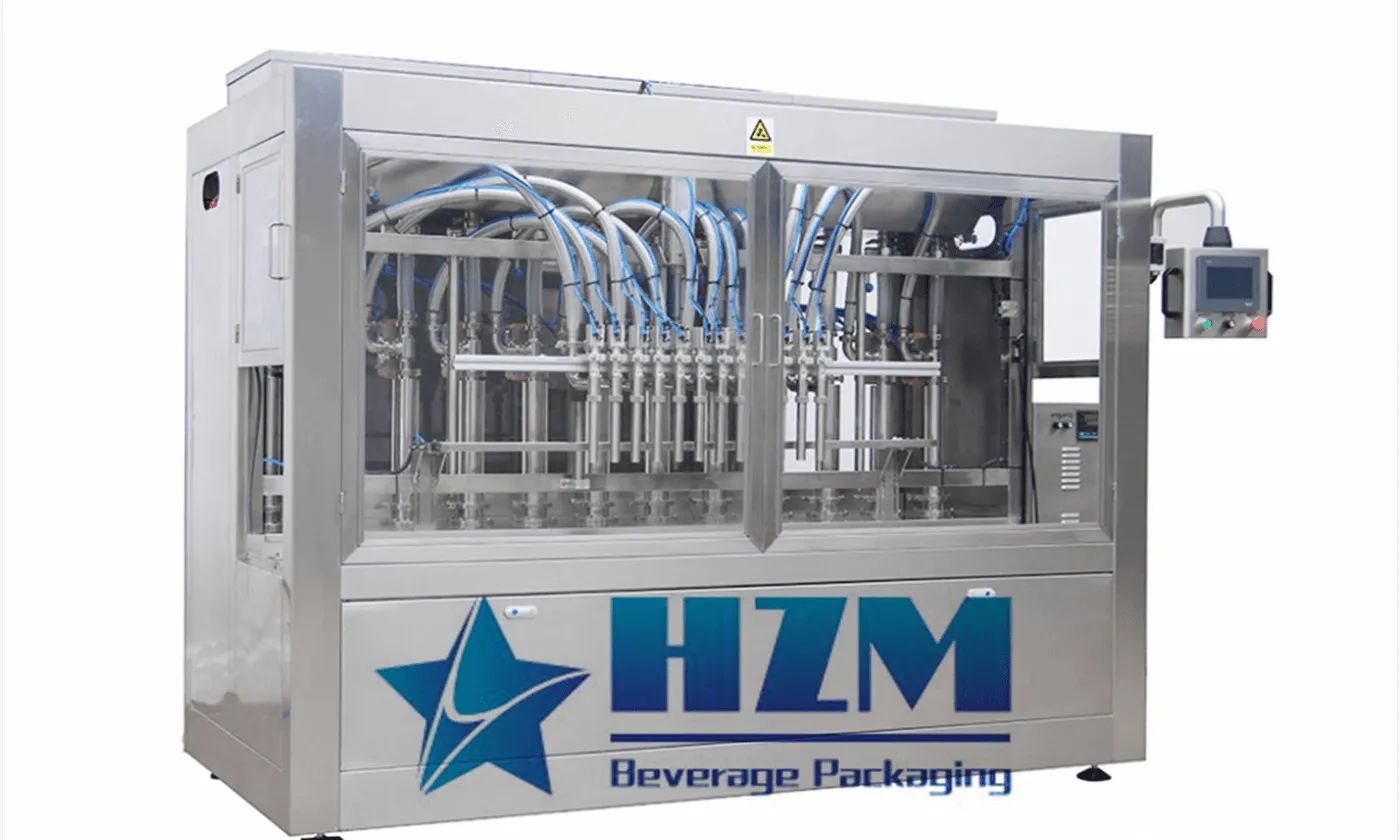
Equipment
Linear Type Oil Filling Machine
The linear oil filling machine fills bottled edible oils and compatible liquid food products.
Learn more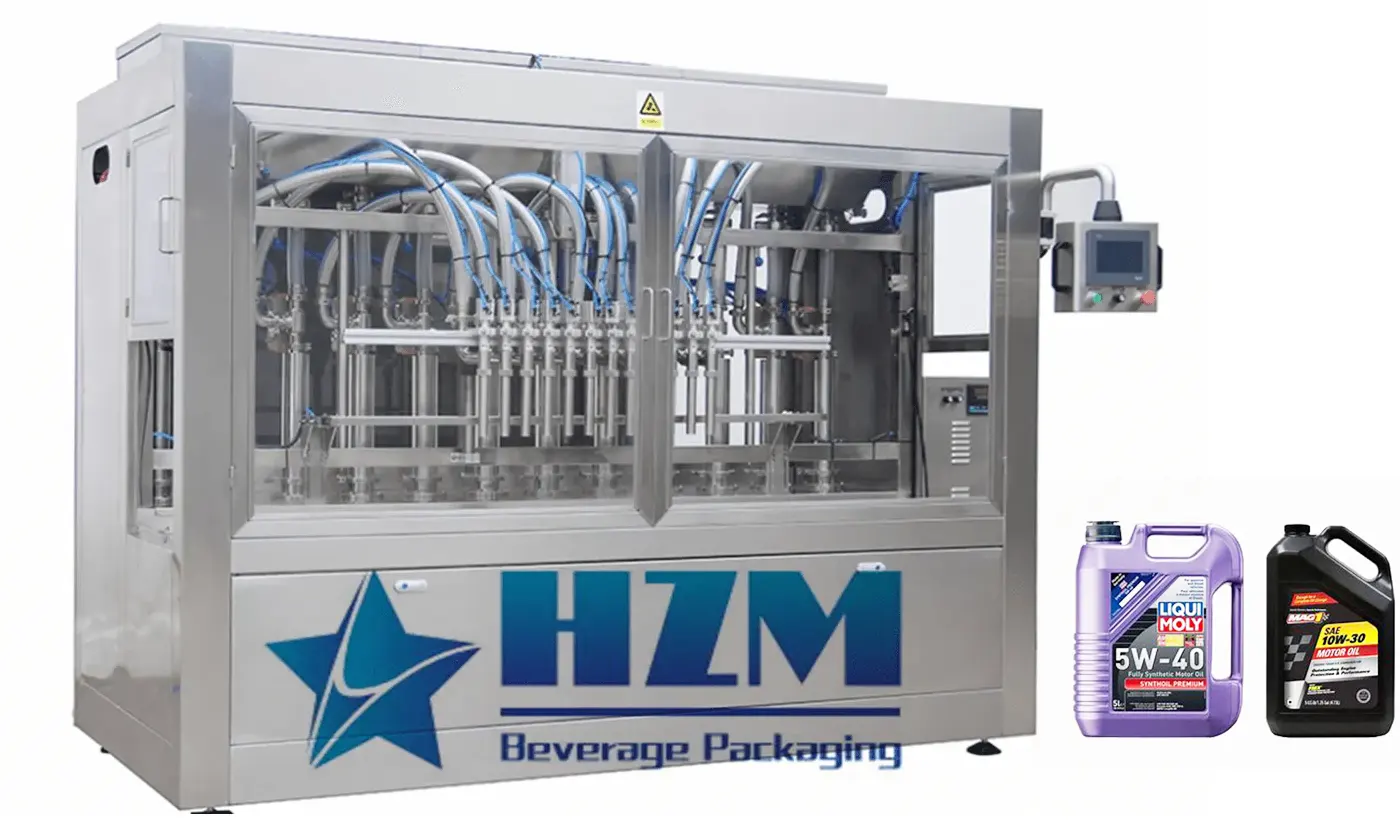
Equipment
Automotive Lubricants Oil Filling Machine
This automotive lubricating-oil filling machine doses oil into bottles and containers on a linear filling line.
Learn more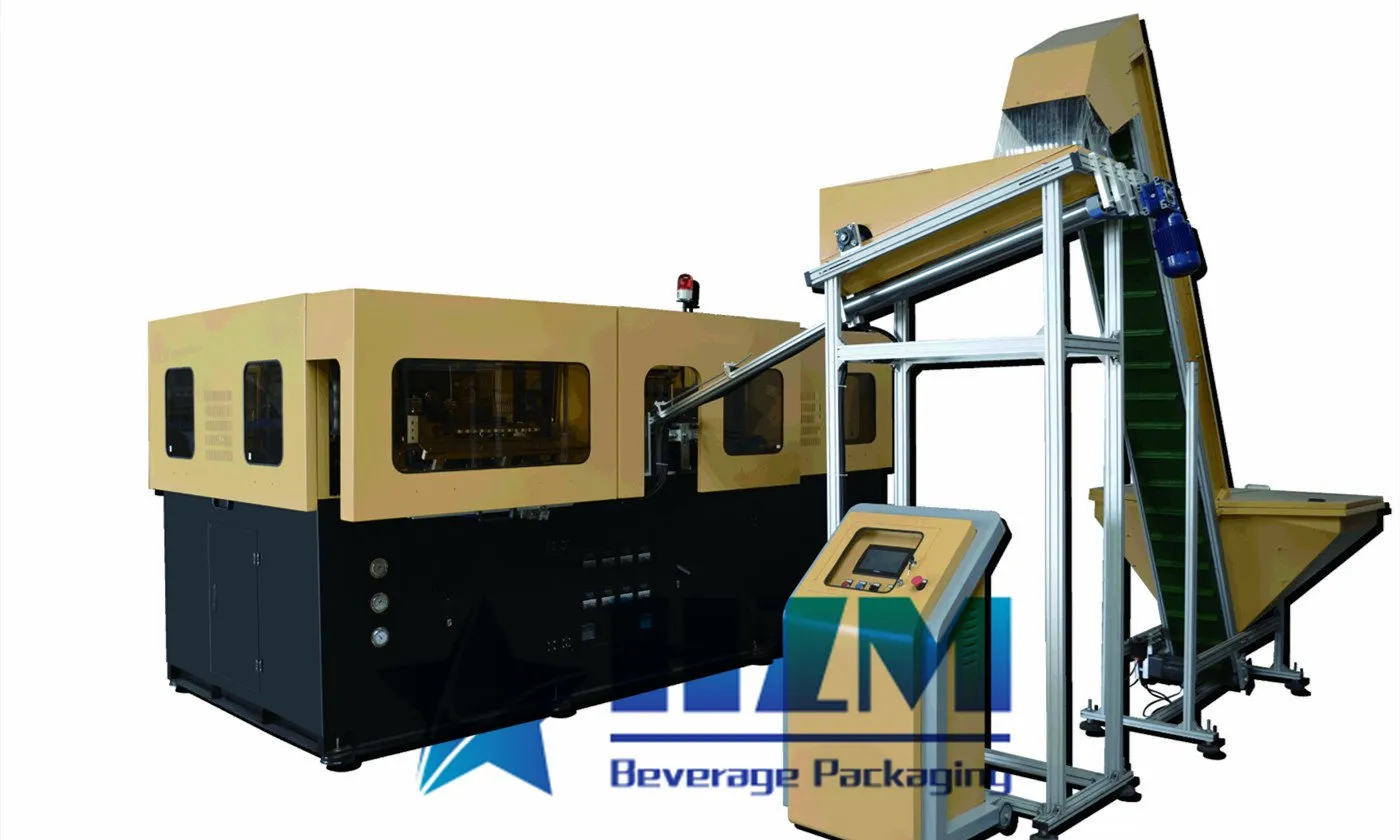
Equipment
Automatic Oil Bottle Wide Neck PET Bottle Blowing Machine
PET blow moulding equipment for large edible-oil, drinking-water and wide-neck bottles, with bottle sizes up to 5–10 L by model.
Learn more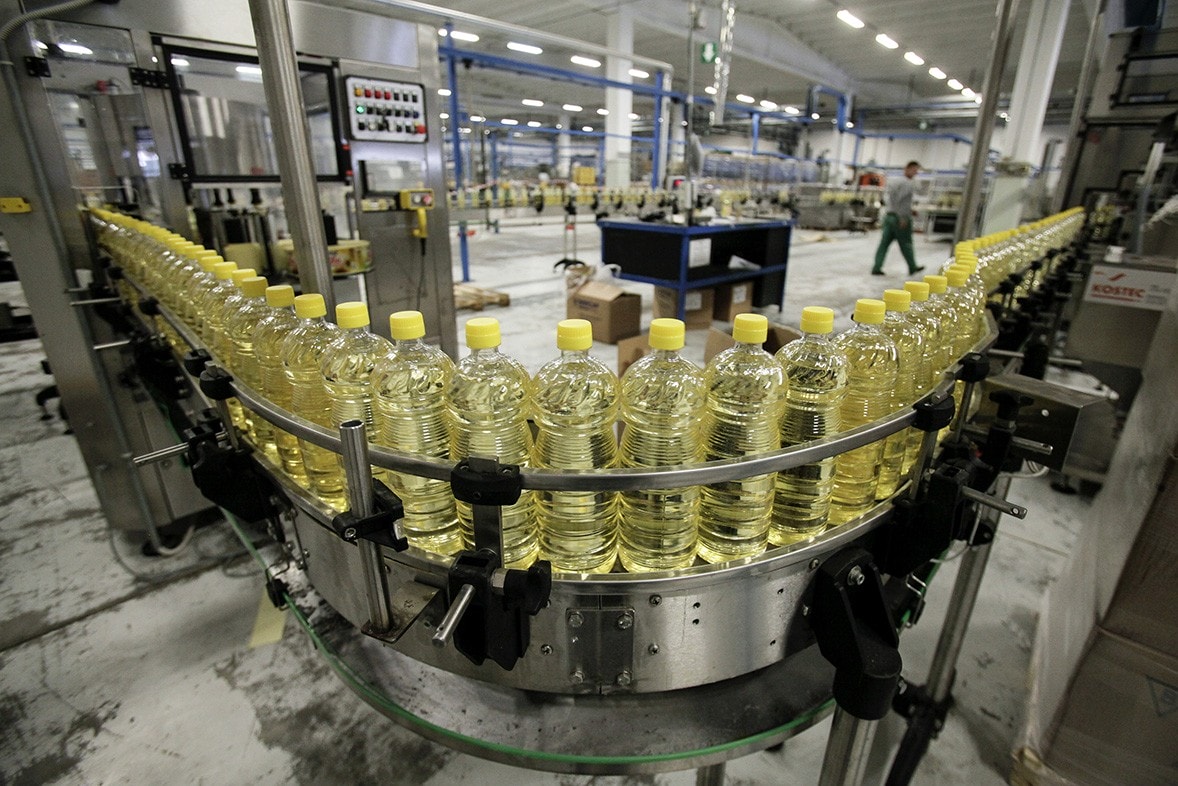
2023-11-20
Edible Oil Production Line Equipment and Costs
As a professional edible oil packaging machine solution provider, HZM Machinery offers tailor-made complete edible oil filling production line solutions to meet customer needs.
Learn more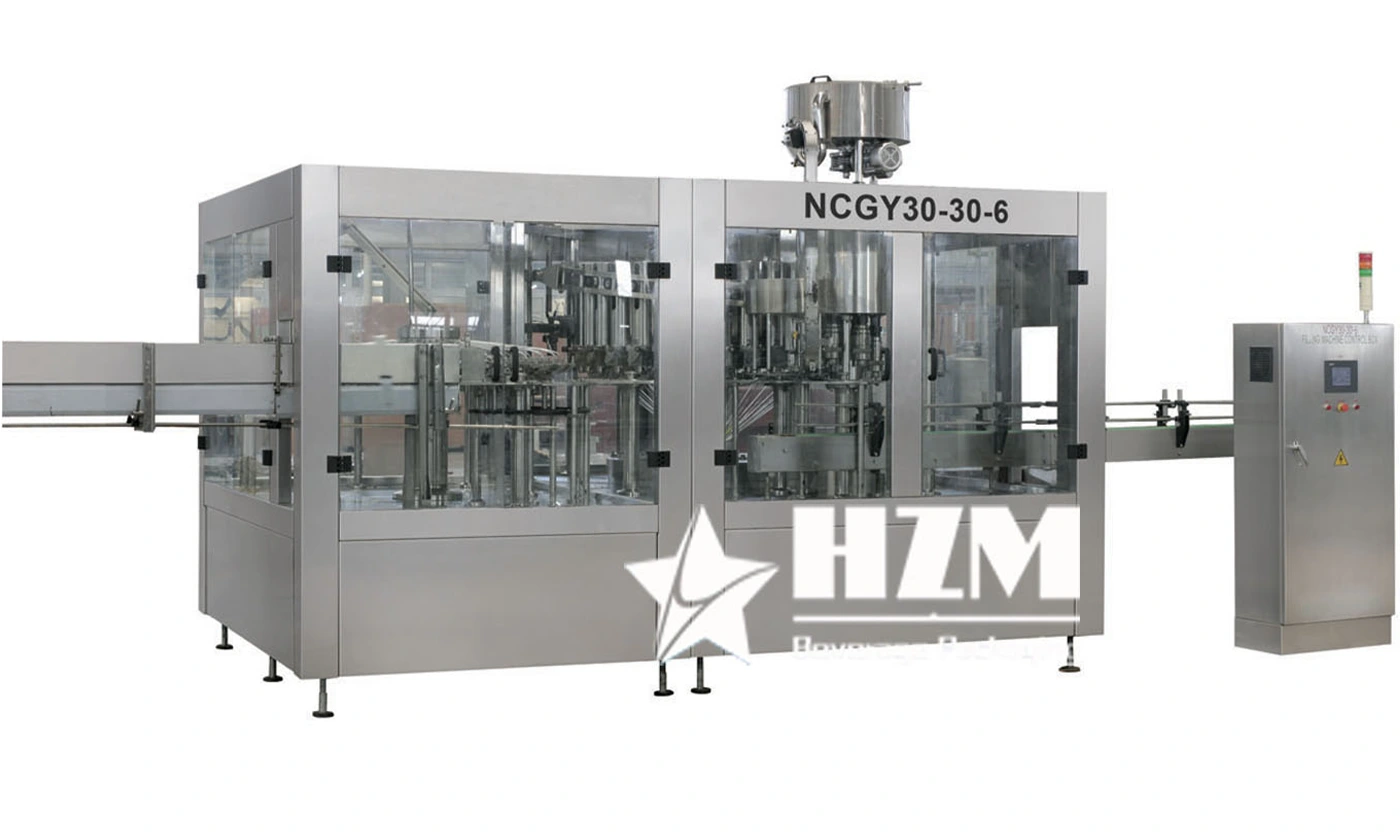
2023-11-26
Introduction to the Edible Oil Filling Production Line
The edible oil filling production line is a modern bottling production system designed to enhance the efficiency and quality of edible oil production while meeting the demands of standardized production. This assembly line consists of various individual machines, including bottle sorting, filling, capping, aluminum foil sealing, and adhesive labeling equipment.
Learn more2023-10-22
What is an edible oil filling machine?
An edible oil filling machine is a specialized mechanical device used for filling and packaging edible oils. It is widely employed in the production and packaging processes of oil-based products to ensure precise filling, sealing, and packaging of these products.
Learn more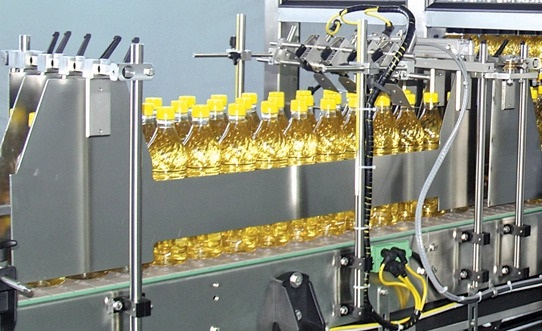
2023-09-25
Overview of Equipment for Edible Oil Filling Production Line
However, the key challenge lies in understanding how to configure the equipment for an edible oil filling production line, which is crucial for packaging edible oil. Below, let us provide a detailed explanation of the equipment typically required for a complete edible oil filling production line.
Learn more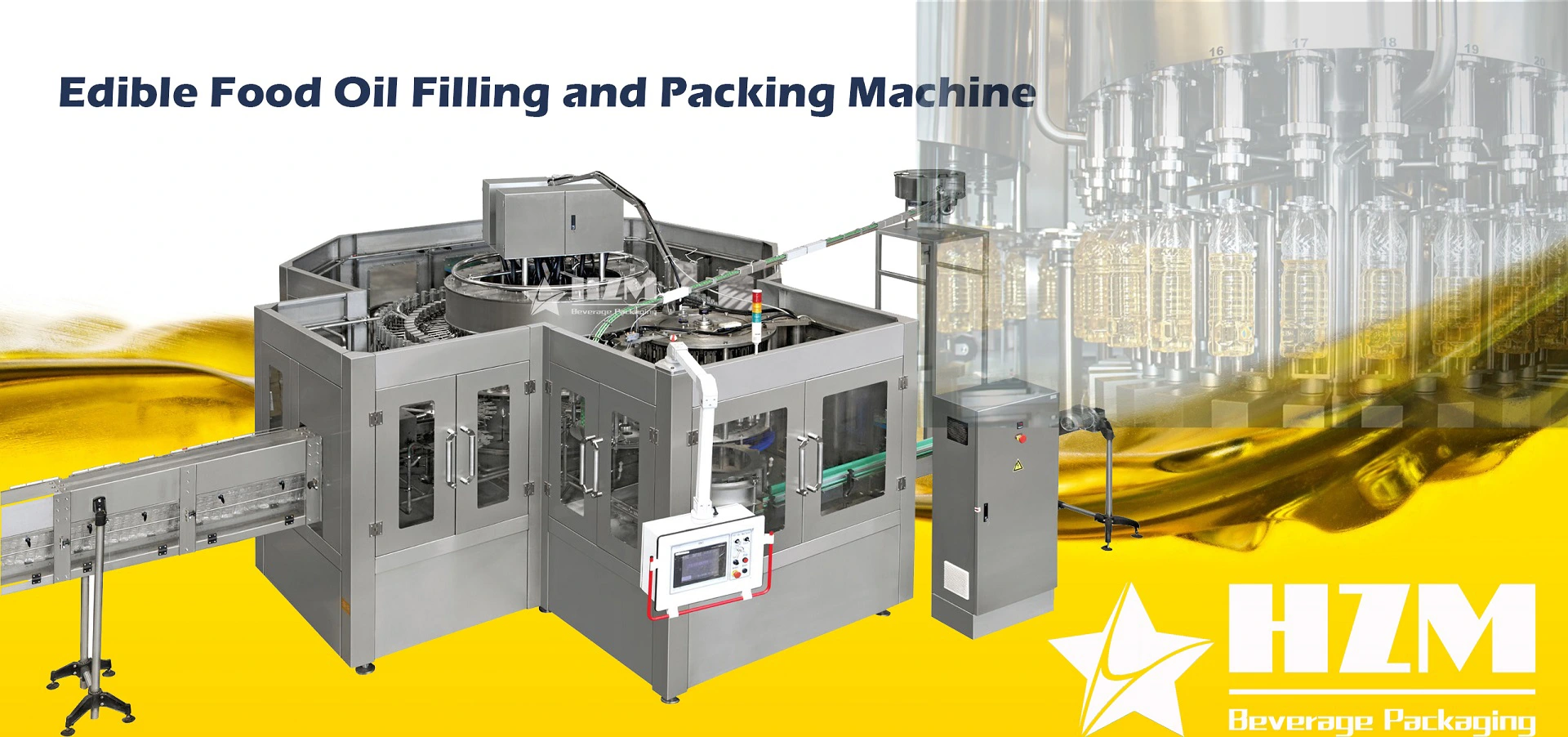
2023-10-25
What equipment does the edible oil filling production line include?
The edible oil industry has always been popular, attracting many entrepreneurs who are eager to open edible oil packaging factories. However, configuring the equipment for the edible oil filling production line has always been a problem.
Learn more2023-11-15
Choosing Quality Cooking Oil: Tips from Edible Oil Filling Machine Manufacturer
Choosing the right cooking oil is essential for both health and culinary purposes. Amid the multitude of cooking oil brands and types available in the supermarket, HZM Machinery, a manufacturer of edible oil filling machines, offers practical tips for selecting cooking oil, helping you navigate the supermarket's overwhelming selection
Learn more