
High-Pressure Air Limits a Blow-Fill CSD Line
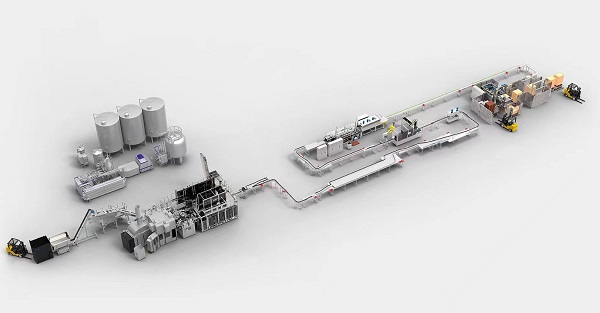
High-pressure compressed air constraining a CSD blow-fill line is easiest to solve while the original evidence is still available. Keep affected samples, record the operating state and resist making several adjustments at once.
A complete production line is a chain of dependent processes: treatment or preparation, container making, filling, closure, labelling, packing, conveying and utilities. The line output is set by the slowest unstable constraint, not by the nameplate speed of one machine. The objective is not merely to clear the alarm for high-pressure compressed air constraining a CSD blow-fill line, but to recover a repeatable, verifiable process.
Quick answer: Measure blower air demand, recovery pressure, dryer condition and distribution loss at target output. Leaks, undersized storage, hot inlet air and simultaneous pneumatic demand can reduce both bottle quality and filler stability.
What operators usually see
Use the following signs to define the boundary of the problem. A head-by-head, lane-by-lane or time-based pattern is especially valuable: For this case, preserve evidence that shows whether bottle formation degrades as line speed rises.
- Bottle formation degrades as line speed rises
- Compressor pressure recovers only during stops
- Dryer differential pressure increases
- Other pneumatic machines slow during blowing peaks
Make the equipment safe and protect the product
Use the line-wide stop, lockout/tagout and product-hold procedures. A safe diagnosis must include adjacent machines, stored pneumatic and hydraulic energy, hot process circuits, robots and the possibility that equipment can restart from an upstream or downstream command.
Use synchronized timestamps to collect state, speed, fault, starve and block data from every major machine. Add product-quality results and utility pressure, flow, temperature and power so a local alarm can be related to the upstream event that caused it. Explicitly record whether bottle formation degrades as line speed rises.
Most likely causes, in practical checking order
1. Compressor or booster capacity shortfall
Actual free-air demand exceeds corrected capacity at site conditions To test this explanation without guessing, trend compressor, receiver and blower-inlet pressure with cavity pressure curves Record the result before moving to the next cause.
2. Leaks and blow-valve losses
High-pressure leakage consumes large power and reduces recovery A practical confirmation step is to measure corrected air demand and compressor loading. Compare the finding with a known-good run.
3. Dryer, filter or pipe pressure loss
Treatment and distribution restrict peak flow Do not compensate for this condition in the recipe. First, perform an approved high-pressure leak survey Keep the original setting and measured result in the fault record.
4. Receiver and sequencing inadequate
Short demand peaks reach the machine before compressors respond Separate this cause from the others with one controlled check: check dryer and filter differential pressure and dew point Use the same product, format and speed for the comparison.
Step-by-step diagnostic procedure
Follow the sequence in order and preserve each result. Stop if any check would require defeating a guard, interlock or validated food-safety control.
- Trend compressor, receiver and blower-inlet pressure with cavity pressure curves
- Measure corrected air demand and compressor loading
- Perform an approved high-pressure leak survey
- Check dryer and filter differential pressure and dew point
- Review receiver volume, pipe diameter and valve restrictions
- Compare bottle defects with pressure recovery
Corrective actions that address the root cause
The repair must remove the mechanism, not hide its alarm. Use specified hygienic and safety-rated parts and record every change.
- Repair high-pressure leaks and blow-valve losses
- Service loaded filters and dryers
- Improve engineered storage and distribution
- Add or sequence capacity only after verified demand analysis
How to verify the repair before full-speed production
A successful no-load cycle is not enough. Use the actual product and package, sample every relevant head or lane, and verify this condition: Confirm that high-pressure compressed air constraining a csd blow-fill line is absent for multiple consecutive cycles, not only for one sample. Review the alarm history and keep diagnostic product segregated until the site’s quality procedure releases it.
- Confirm that high-pressure compressed air constraining a csd blow-fill line is absent for multiple consecutive cycles, not only for one sample.
- Compare the repaired result for “Bottle formation degrades as line speed rises” with the approved quality limit and the last known-good baseline.
- Check adjacent stations and downstream package quality for side effects associated with compressor or booster capacity shortfall.
- For “High-Pressure Air Limits a Blow-Fill CSD Line”, record the final settings, measurements, parts used and restart authorization.
Prevent the problem from returning
Use the repair evidence to improve the control plan. The following actions make recurrence visible early:
- Trend air use per accepted bottle
- Maintain dryers and filters
- Inspect high-pressure seals
- Review capacity for new bottle sizes
- Prevent pressure setpoint inflation as a leak substitute
When to stop troubleshooting and call a specialist
Stop and contact the machine or component supplier when high-pressure compressed air constraining a csd blow-fill line cannot be isolated with non-invasive checks, when it returns after an approved repair, or when calibration requires protected service tools. Escalate immediately for a damaged pressure boundary, uncontrolled motion, food-safety risk, exposed conductor or repeated protective trip. Send the service engineer the fault history, photos, samples, trend data, recipe revision and work already completed.
Relevant equipment for this application
The site example most closely related to high-pressure compressed air constraining a CSD blow-fill line is the CSD Filling Production Line. Equipment selection should be checked against samples, quality limits, required sustained output and available utilities.
Frequently asked questions
What should be checked first when high-pressure compressed air constraining a CSD blow-fill line?
Measure blower air demand, recovery pressure, dryer condition and distribution loss at target output. Leaks, undersized storage, hot inlet air and simultaneous pneumatic demand can reduce both bottle quality and filler stability. Preserve the original settings and take representative samples before repair work begins.
How can we distinguish compressor or booster capacity shortfall from leaks and blow-valve losses?
Actual free-air demand exceeds corrected capacity at site conditions In contrast, high-pressure leakage consumes large power and reduces recovery Compare the two mechanisms under the same operating condition by completing these checks: trend compressor, receiver and blower-inlet pressure with cavity pressure curves Then measure corrected air demand and compressor loading
Can production continue while high-pressure compressed air constraining a CSD blow-fill line?
Only when the plant’s documented risk assessment and quality procedure allow it. For high-pressure compressed air constraining a CSD blow-fill line, stop and segregate production when package integrity, sanitation, validated processing, pressure safety, electrical protection or an uncontrolled reject trend is involved.
What evidence will help the equipment supplier respond faster?
Provide the model and serial number, product and format, target speed, first fault, timestamps, photos or video, affected station pattern and maintenance history. For this issue, also include bottle formation degrades as line speed rises and the measured result from this check: compare bottle defects with pressure recovery
Need help planning your packaging line?
Share your product, bottle and capacity requirements for a practical equipment recommendation.
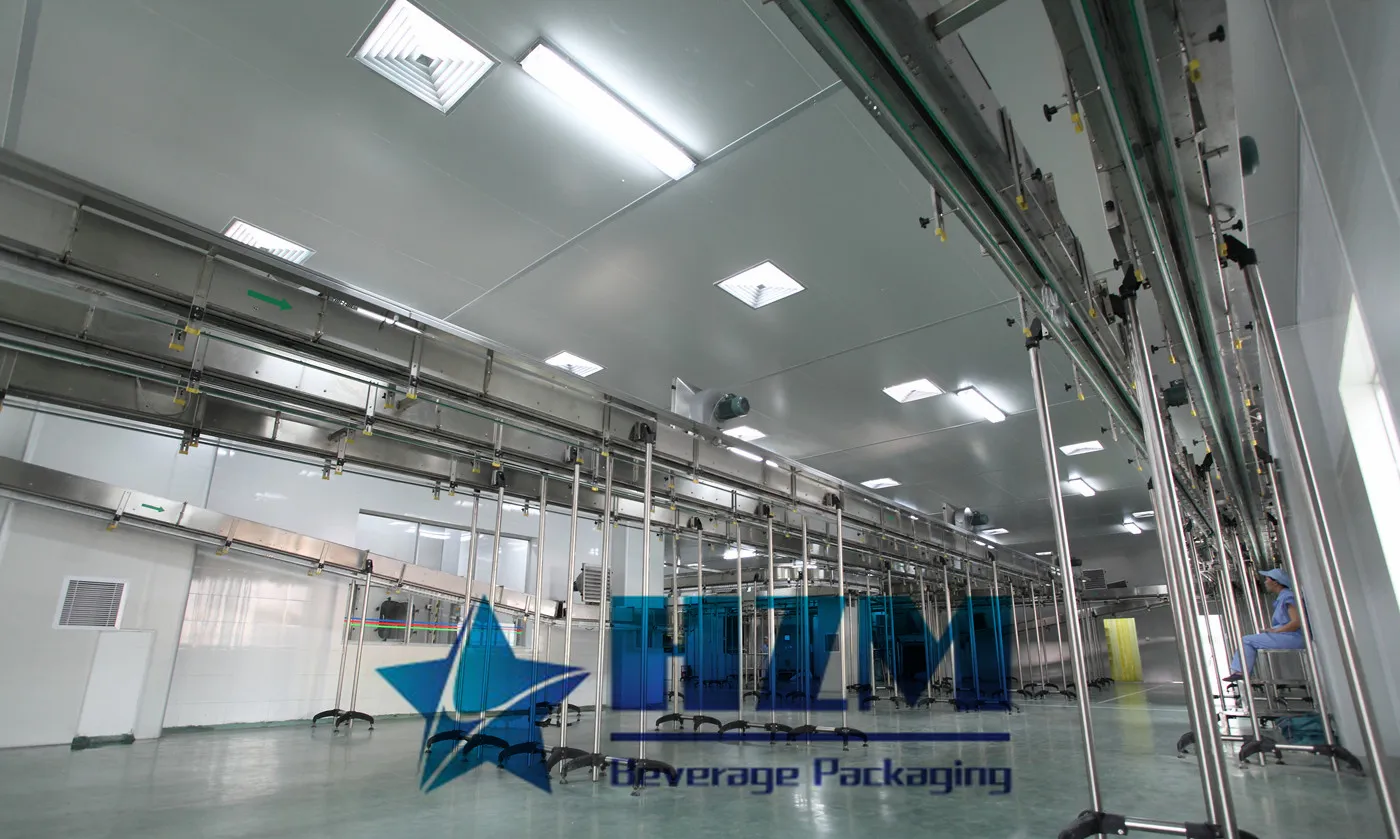
Bottle Air Conveyor
The bottle air conveyor transfers empty PET bottles from the blowing machine to the filler.
Learn more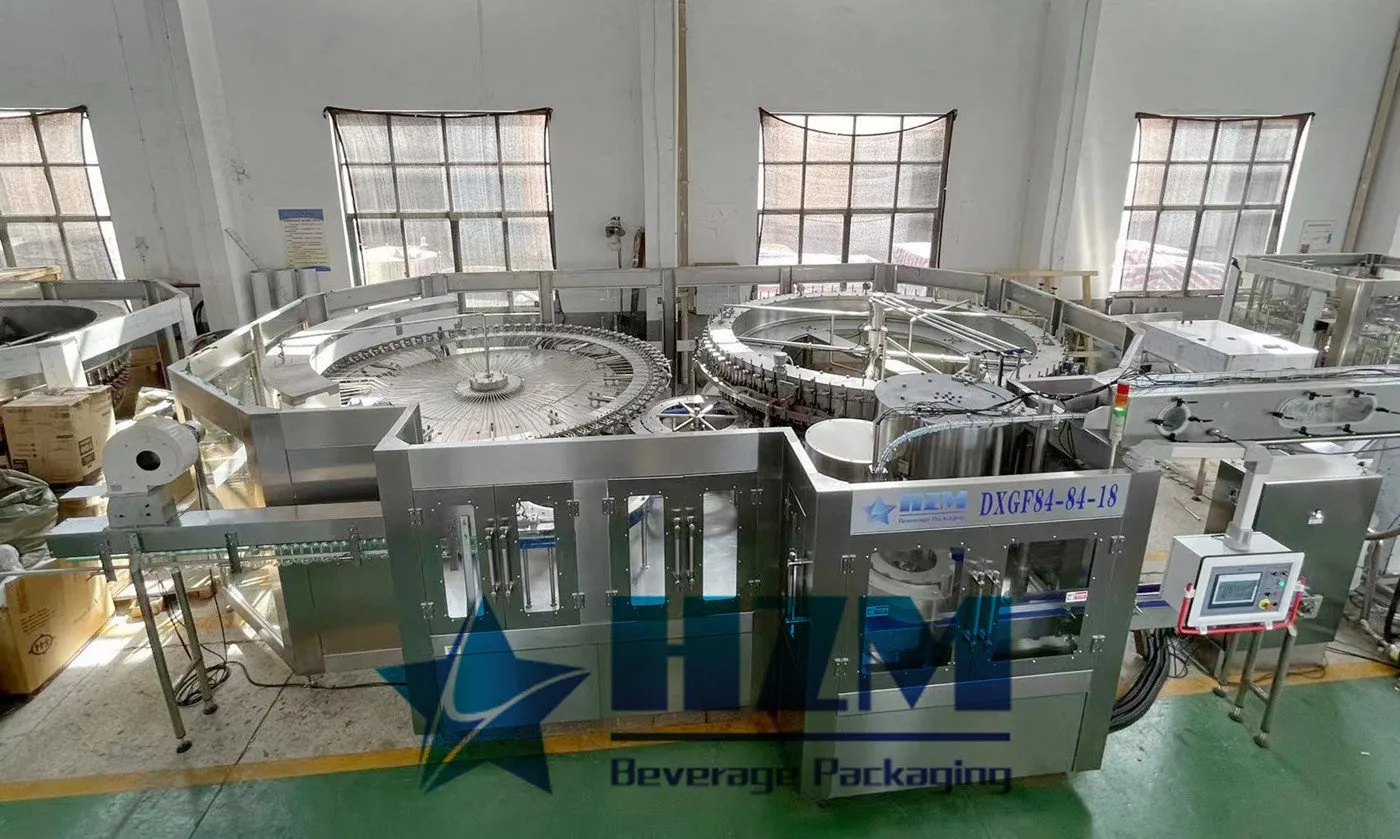
Carbonated Drinks Filling Machine
Carbonated drink rinsing, isobaric filling and capping for PET bottles, with capacities of 4,000–36,000 bottles/hour at 500 ml.
Learn more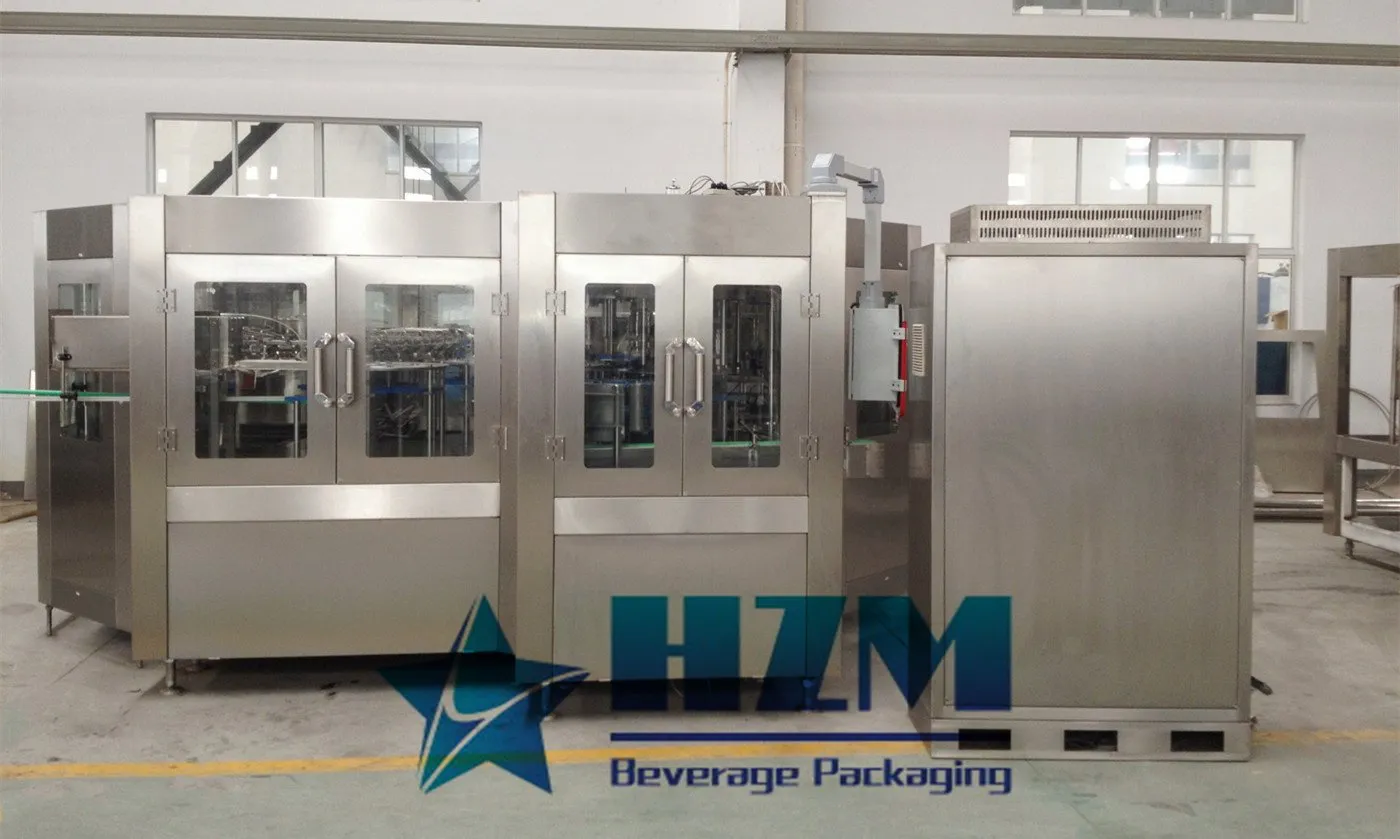
PET Bottle CSD Beverage Filling Machine
Automatic PET bottle rinsing, isobaric filling and capping for cola, soda water and other carbonated soft drinks.
Learn more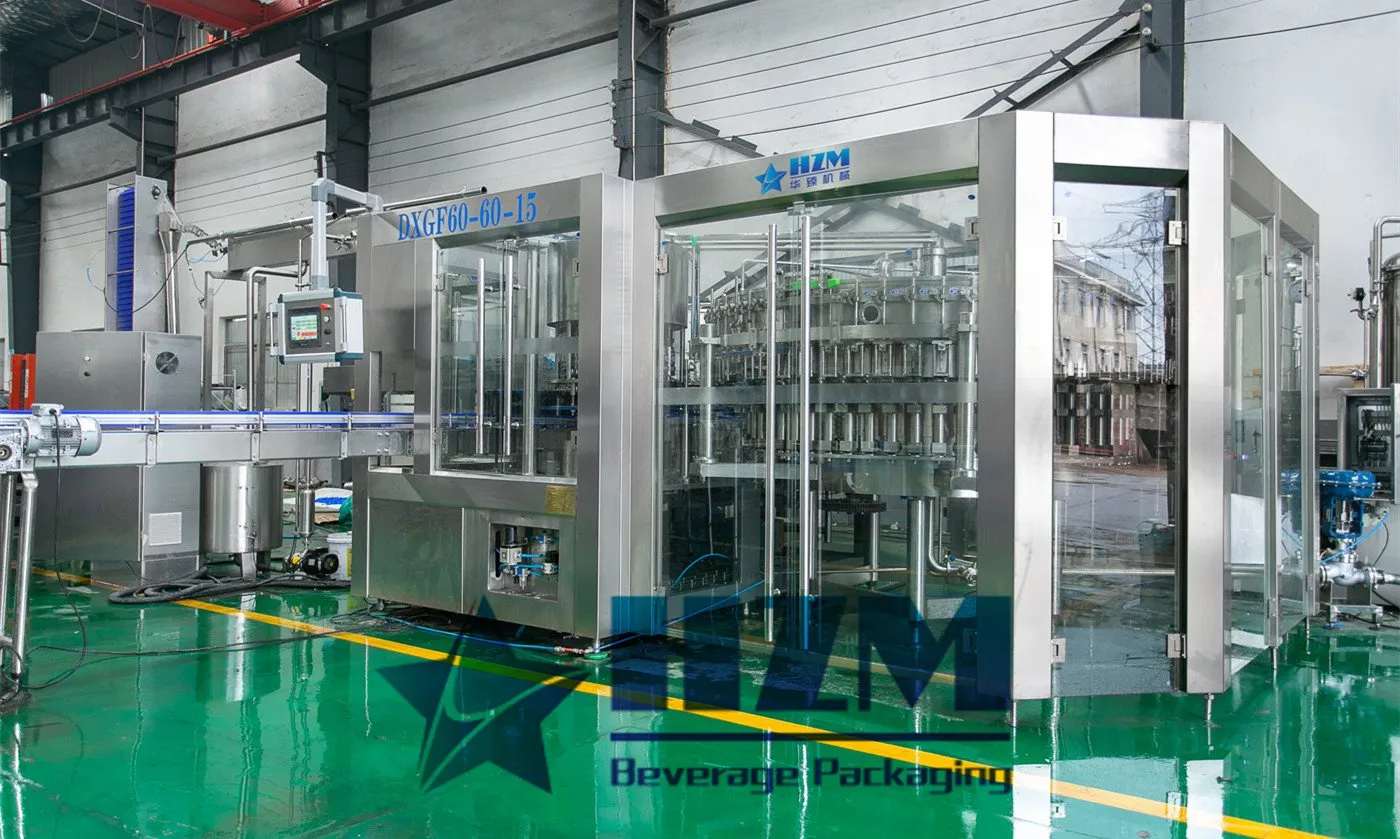
Soda Water Filling Machine
Soda water filling equipment with bottle rinsing, isobaric filling and capping for PET-bottled sparkling water.
Learn more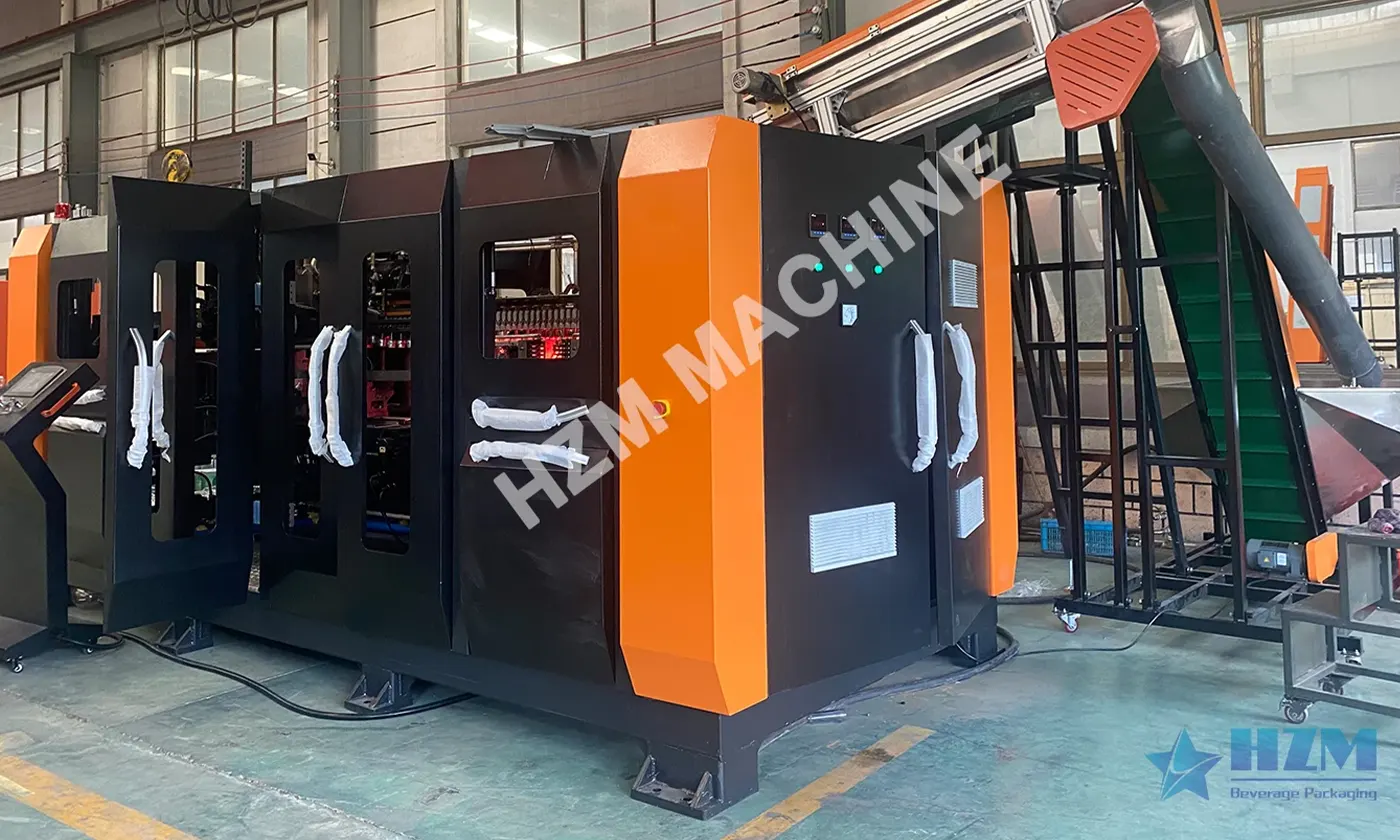
Plastic Bottle Blowing Machine, making machine
PET bottle making for drinking water, beverages and liquid packaging, with automatic preform heating and stretch blowing.
Learn more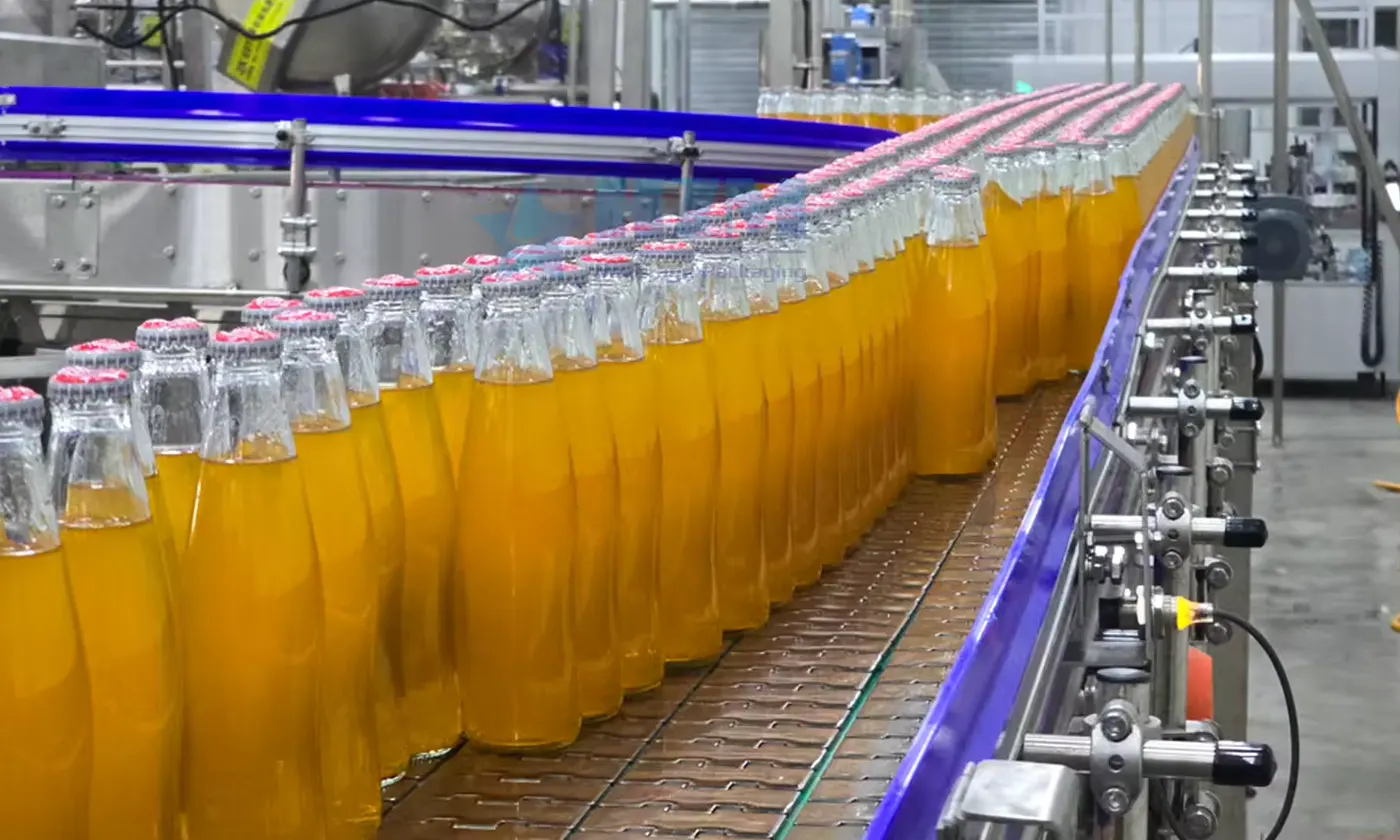
Glass Bottle Carbonated Beverage Filling Bottling Line
This glass bottle carbonated beverage line combines bottle rinsing, isobaric filling and capping with conveying, labelling and packing.
Learn more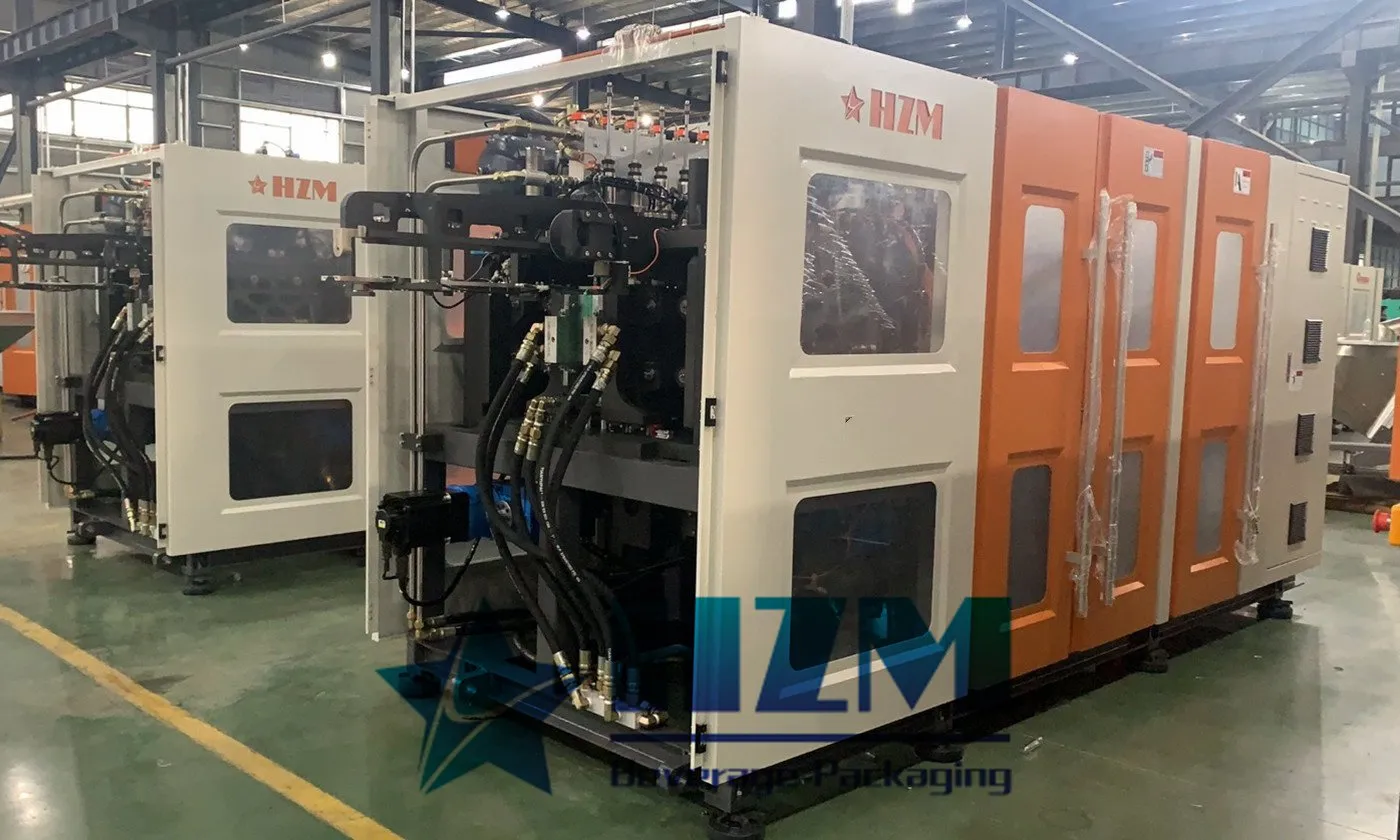
Automatic Blow Molding Machine
Automatic PET bottle blowing for water and beverage packaging, with capacities of 12,000–24,000 bottles/hour at 500 ml.
Learn more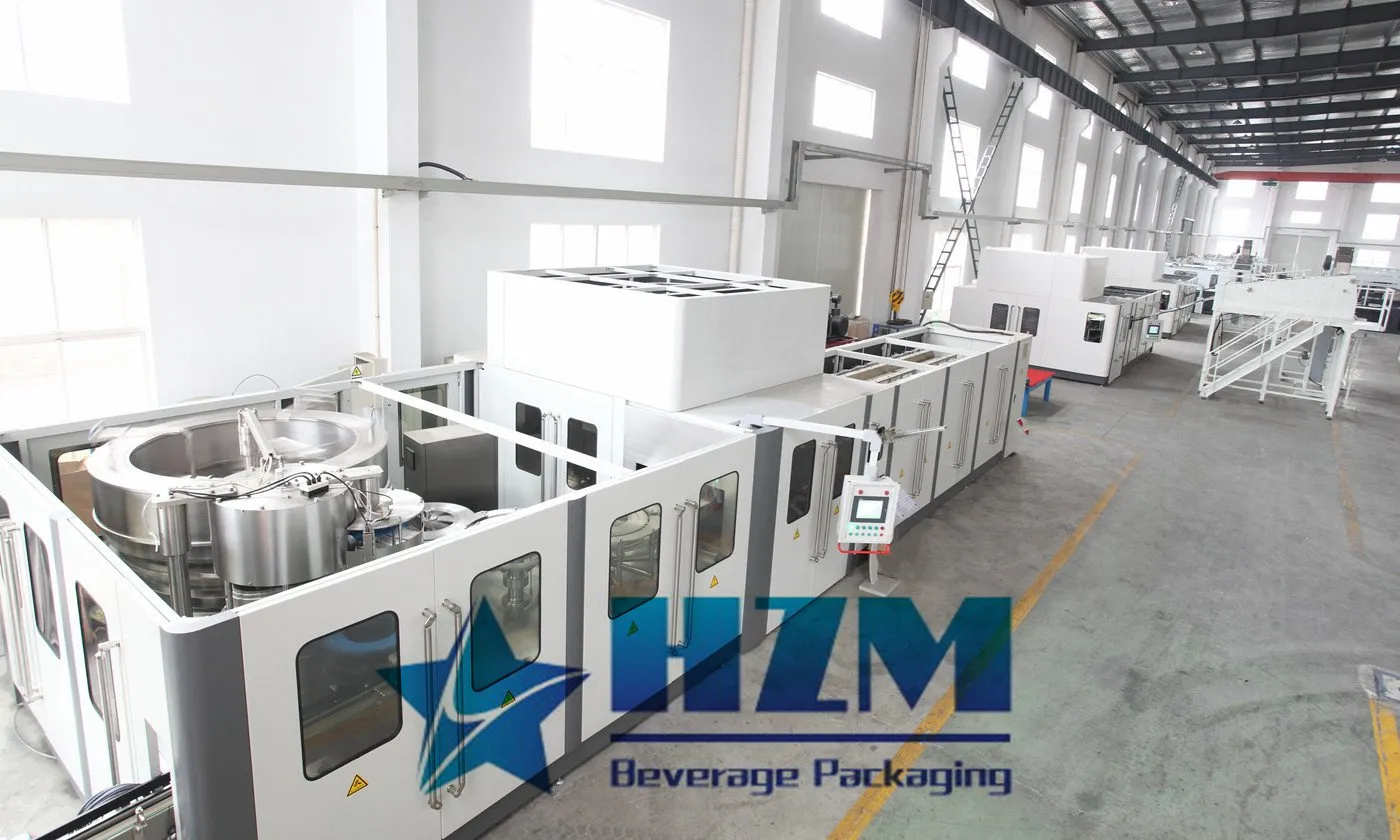
Blowing-Filling-Capping Machine
A PET combiblock that combines preform heating, bottle blowing, filling and capping at 12,000–48,000 bottles/hour at 500 ml.
Learn more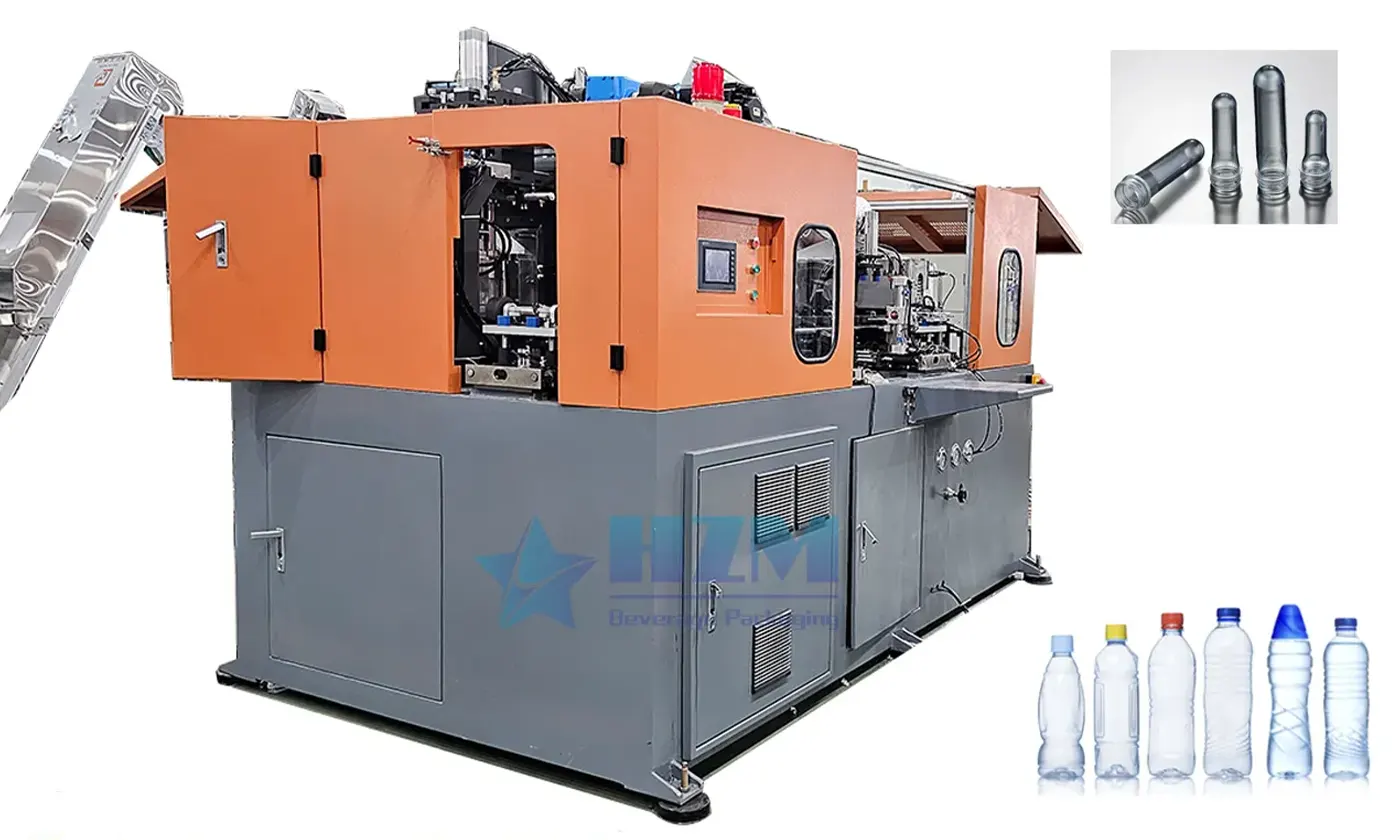
PET Bottle Blow Molding Machine
PET bottle blow moulding with 6–12 cavities and capacities of 12,000–21,600 bottles/hour at 500 ml.
Learn more
PET Blow Molding System Guide: High-Pressure Air Quality and Recovery
Practical HZM guidance on pet blow molding system, focused on high-pressure air quality and recovery, line integration, RFQ data and measurable acceptance checks.
Learn more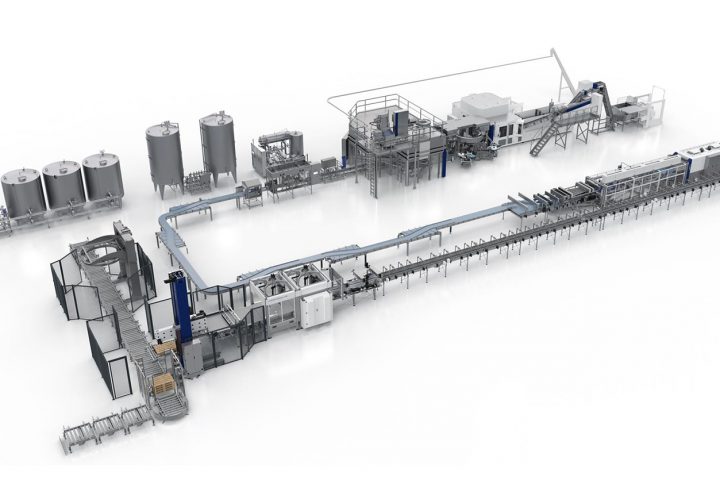
Blow-Fill-Cap Combi Block Guide: High-Pressure Air and Energy Planning
Practical HZM guidance on blow-fill-cap combi block, focused on high-pressure air and energy planning, line integration, RFQ data and measurable acceptance checks.
Learn more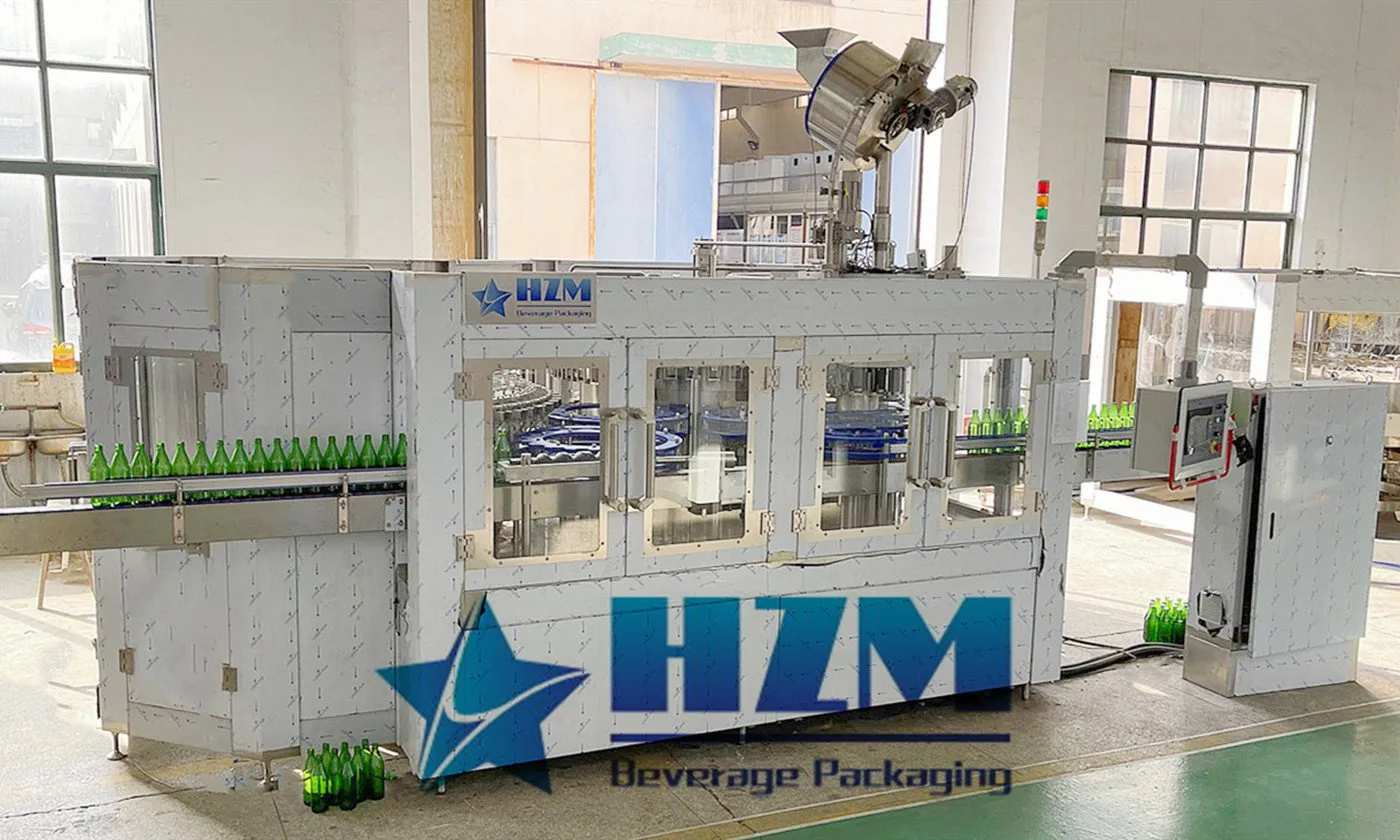
Glass Bottle Filling Line Guide: Pressure Control for Carbonated Beverages
Practical HZM guidance on glass bottle filling line, focused on pressure control for carbonated beverages, line integration, RFQ data and measurable acceptance checks.
Learn moreCSD Production Line Pressure Oscillates from Mixer to Filler
Trend mixer, buffer, filler and gas-supply pressures with flow and tank levels. Control loops can fight each other when pump capacity, valve sizing, buffer volume or setpoints are not coordinated. Follow this practical fault-isolation, repair and prevention guide for bottling-line operators and maintenance teams.
Learn more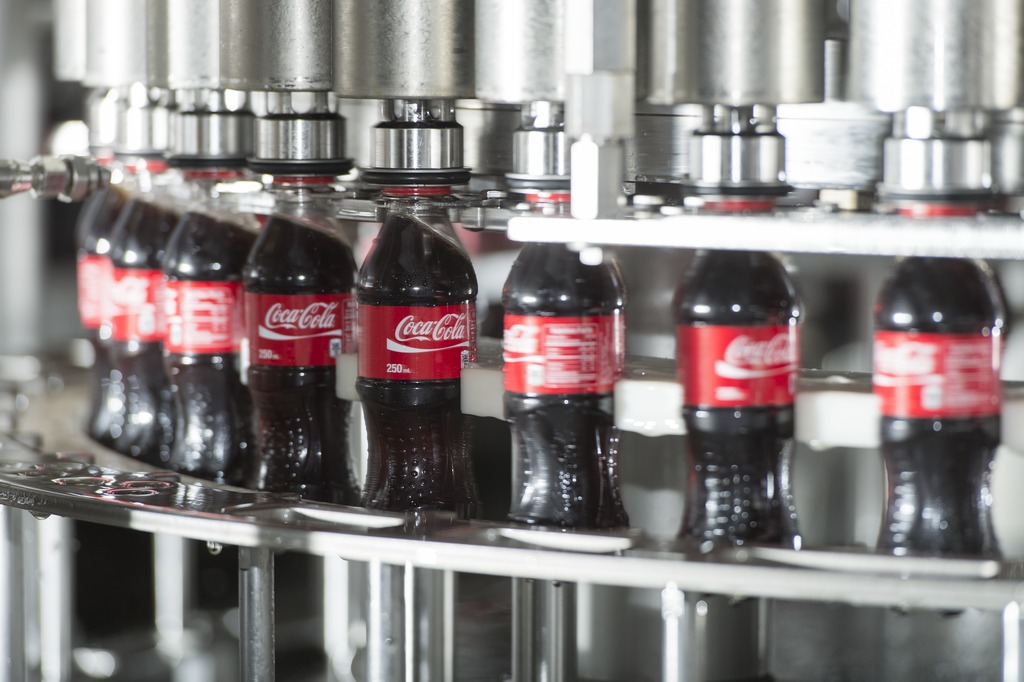
Carbonated Beverage Filling Machine Solution
Carbonated beverage filling equipment is used for filling sweetened drinks containing carbon dioxide, commonly known as carbonated drinks or carbonated beverages. They typically consist of water
Learn more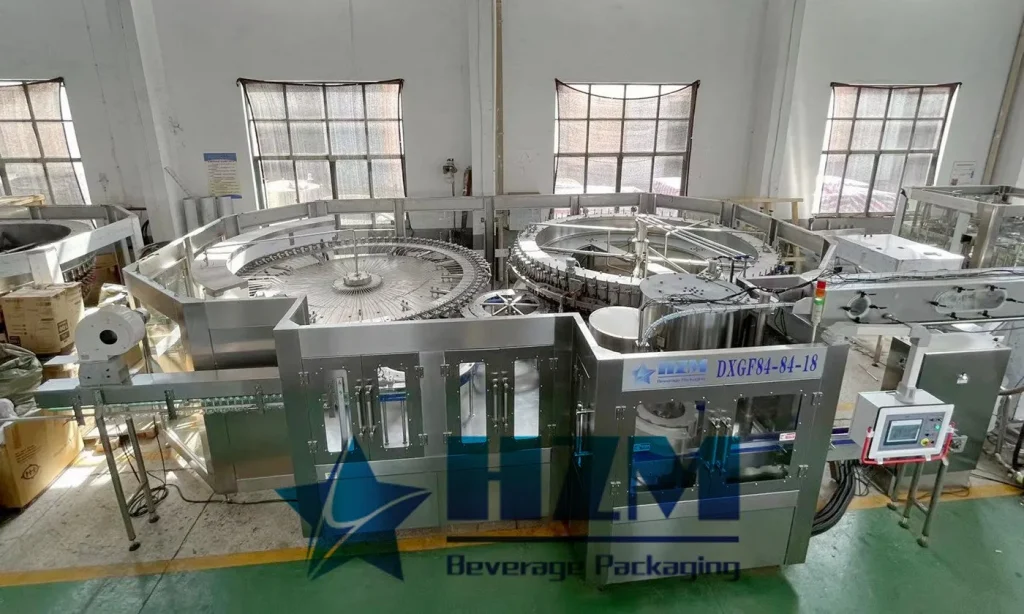
Choosing Between Used and New Carbonated Beverage Filling Machines
When it comes to setting up or expanding your carbonated beverage production line, one of the critical decisions you'll face is whether to invest in a new or used carbonated beverage filling machine. Both options have their advantages and disadvantages, and making the right choice depends on your specific needs and circumstances.
Learn more