
Insights & Updates
Label Position Drifts as Machine Speed Changes
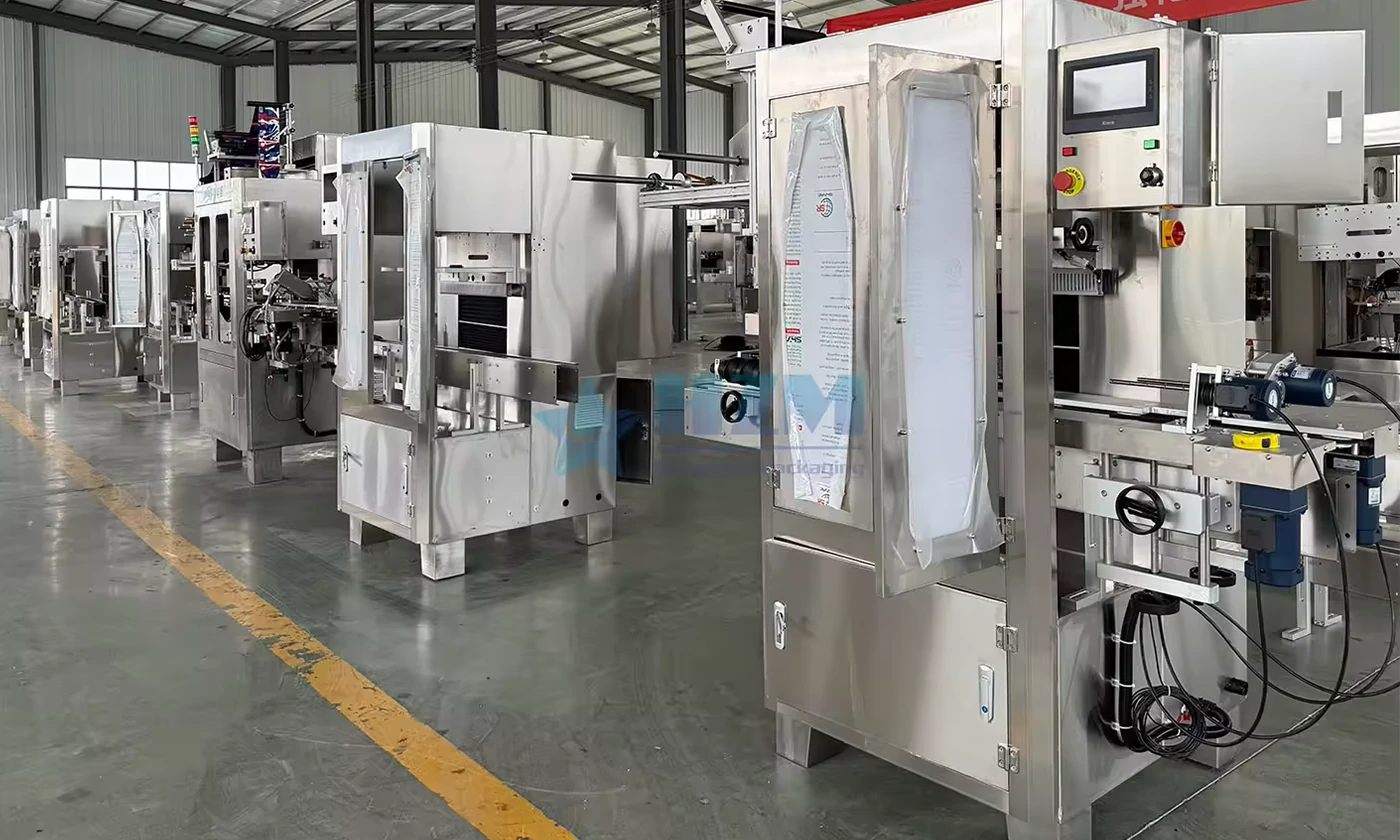
Label registration drifting with line speed can turn a stable production run into a cycle of resets, rejects and unplanned adjustment. The useful evidence is in the pattern: which station, product, format, speed and time window changed first.
Label defects follow the relationship between container presentation, sensor timing, web or label handling, adhesive condition and downstream shrink or curing. Diagnose the first point at which position or tension becomes unstable. In this case, labels are correct at low speed but late at high speed is the key observation to preserve. Use the guide to rank likely causes and document the restored condition.
Quick answer: Check the speed reference chain: encoder, bottle pitch, product sensor, registration sensor, web drive and application delay. Mechanical slip or filtering can create a position error that grows with speed.
What operators usually see
Before opening the machine, compare the visible and measured symptoms. Note whether each one is continuous, intermittent or tied to a specific station: For this case, preserve evidence that shows whether labels are correct at low speed but late at high speed.
- Labels are correct at low speed but late at high speed
- Position oscillates after acceleration
- The HMI position value remains constant while bottles drift
- One bottle format is affected more than others
Make the equipment safe and protect the product
Lock out the machine before reaching into cutters, feed screws, starwheels, vacuum drums, driven rollers or hot-melt systems. Follow adhesive and shrink-tunnel burn precautions.
Save a labelled sample and record bottle format, label roll or batch, web tension, registration mark signal, applicator speed, adhesive temperature where used, conveyor speed and reject pattern. Explicitly record whether labels are correct at low speed but late at high speed.
Most likely causes, in practical checking order
1. Encoder slip or scaling error
The controller calculates distance from a speed signal that does not match actual motion To test this explanation without guessing, record label error against actual machine speed and acceleration state Record the result before moving to the next cause.
2. Bottle pitch instability
Infeed screw, starwheel or conveyor slip changes arrival time A practical confirmation step is to mark encoder shaft and coupling to check mechanical slip. Compare the finding with a known-good run.
3. Sensor response or teach problem
Marginal detection and filtering delay the trigger inconsistently Do not compensate for this condition in the recipe. First, measure bottle pitch at the trigger and application points Keep the original setting and measured result in the fault record.
4. Web-drive dynamics
Tension, servo tuning or worn rollers cannot follow rapid speed changes Separate this cause from the others with one controlled check: clean, align and verify signal margin of product and registration sensors Use the same product, format and speed for the comparison.
Step-by-step diagnostic procedure
Use the last known-good run as the baseline. If a check needs energized access or pressure exposure, use the manufacturer’s approved specialist procedure.
- Record label error against actual machine speed and acceleration state
- Mark encoder shaft and coupling to check mechanical slip
- Measure bottle pitch at the trigger and application points
- Clean, align and verify signal margin of product and registration sensors
- Compare commanded and actual web-drive position or load
- Inspect rollers, belts and tension devices for wear or contamination
Corrective actions that address the root cause
Apply a correction only to the cause demonstrated by the checks. Save the old parameter, removed part and measured condition for review.
- Secure or replace the encoder coupling and correct scaling
- Restore stable bottle metering and conveyor synchronization
- Teach or replace marginal sensors and use appropriate filtering
- Service web-drive mechanics and restore approved servo settings
How to verify the repair before full-speed production
Before releasing full-speed production, reproduce the operating condition that originally exposed the fault. Then complete this acceptance check: Confirm that label registration drifting with line speed is absent for multiple consecutive cycles, not only for one sample. Review the alarm history and keep diagnostic product segregated until the site’s quality procedure releases it.
- Confirm that label registration drifting with line speed is absent for multiple consecutive cycles, not only for one sample.
- Compare the repaired result for “Labels are correct at low speed but late at high speed” with the approved quality limit and the last known-good baseline.
- Check adjacent stations and downstream package quality for side effects associated with encoder slip or scaling error.
- For “Label Position Drifts as Machine Speed Changes”, record the final settings, measurements, parts used and restart authorization.
Prevent the problem from returning
Add the checks below to the operator, sanitation or preventive-maintenance standard and assign a measurable acceptance condition.
- Trend encoder and servo following error
- Inspect bottle-pitch components
- Clean sensors before position alarms
- Qualify acceleration as well as steady speed
- Protect registration recipes
When to stop troubleshooting and call a specialist
Stop and contact the machine or component supplier when label registration drifting with line speed cannot be isolated with non-invasive checks, when it returns after an approved repair, or when calibration requires protected service tools. Stop local work when safe diagnosis requires protected service tools, energized access or a change to a validated process. Send the service engineer the fault history, photos, samples, trend data, recipe revision and work already completed.
Relevant equipment for this application
Where label registration drifting with line speed reveals an application mismatch rather than a maintenance fault, review the Automatic High Speed Bottle Body Sleeve Labelling Machine. A useful technical discussion includes the real bottle, closure, product properties, pack format and site conditions.
Frequently asked questions
What should be checked first when label registration drifting with line speed?
Check the speed reference chain: encoder, bottle pitch, product sensor, registration sensor, web drive and application delay. Mechanical slip or filtering can create a position error that grows with speed. Preserve the original settings and take representative samples before repair work begins.
How can we distinguish encoder slip or scaling error from bottle pitch instability?
The controller calculates distance from a speed signal that does not match actual motion In contrast, infeed screw, starwheel or conveyor slip changes arrival time Compare the two mechanisms under the same operating condition by completing these checks: record label error against actual machine speed and acceleration state Then mark encoder shaft and coupling to check mechanical slip
Can production continue while label registration drifting with line speed?
Only when the plant’s documented risk assessment and quality procedure allow it. For label registration drifting with line speed, stop and segregate production when package integrity, sanitation, validated processing, pressure safety, electrical protection or an uncontrolled reject trend is involved.
What evidence will help the equipment supplier respond faster?
Provide the model and serial number, product and format, target speed, first fault, timestamps, photos or video, affected station pattern and maintenance history. For this issue, also include labels are correct at low speed but late at high speed and the measured result from this check: inspect rollers, belts and tension devices for wear or contamination
Talk to our engineering team
Need help planning your packaging line?
Share your product, bottle and capacity requirements for a practical equipment recommendation.
Equipment
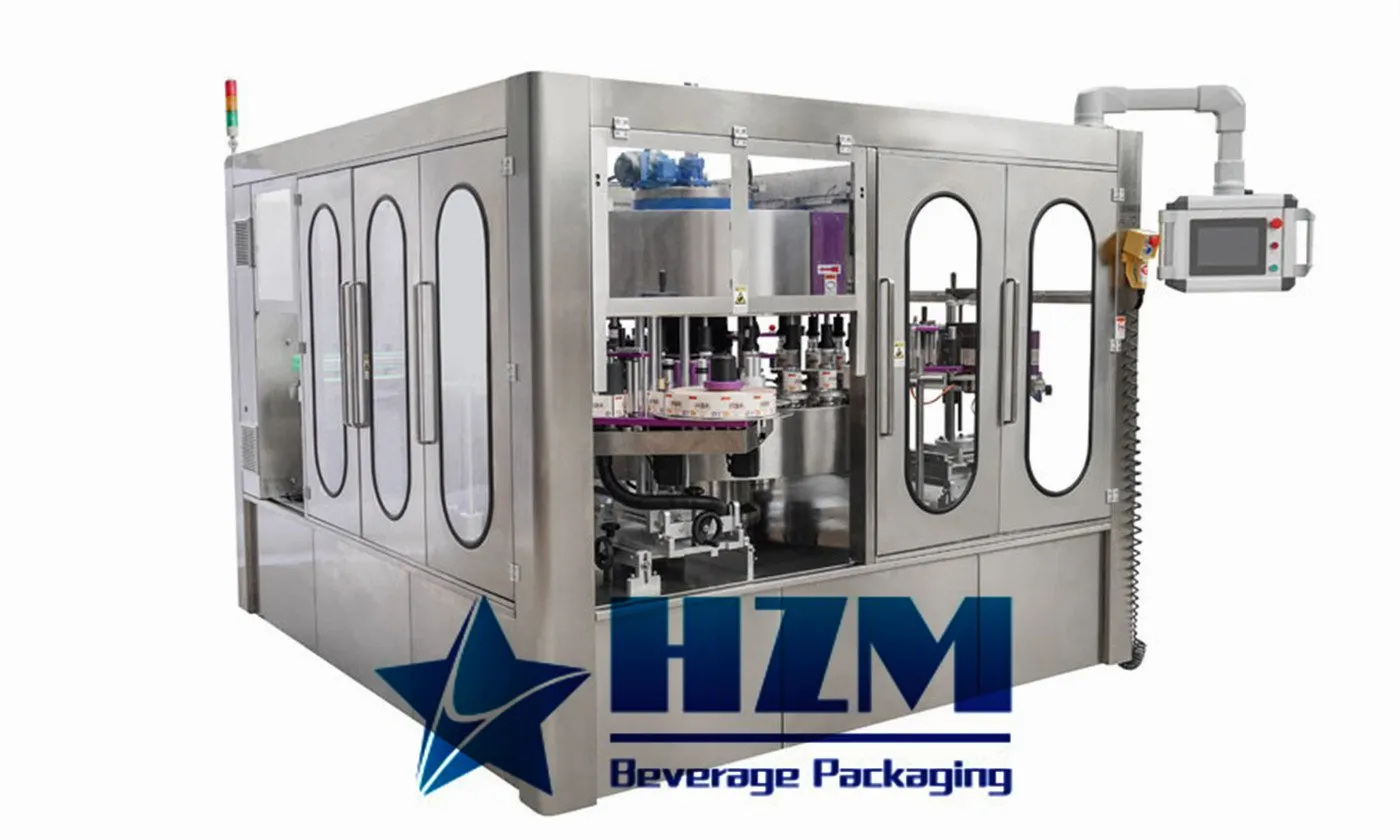
Automatic Self-Adhesive Labeling Machine
Automatic self-adhesive labelling for cylindrical containers, with ALM models covering 90–600 bottles/minute.
Learn more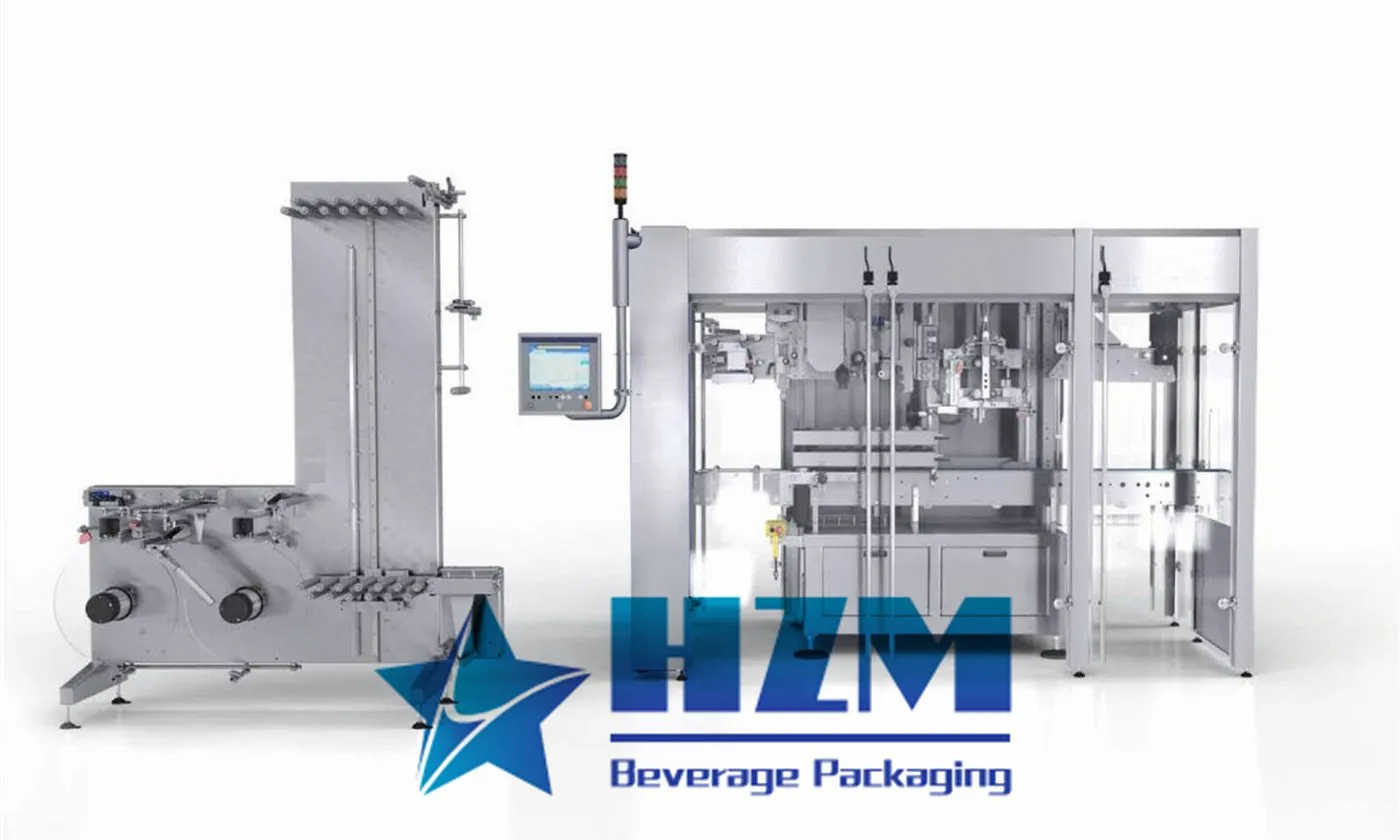
Equipment
Automatic Sleeve Labeling Machine
Automatic shrink sleeve labelling for beverage bottles, with SHB models from 9,000 to 27,000 bottles/hour.
Learn more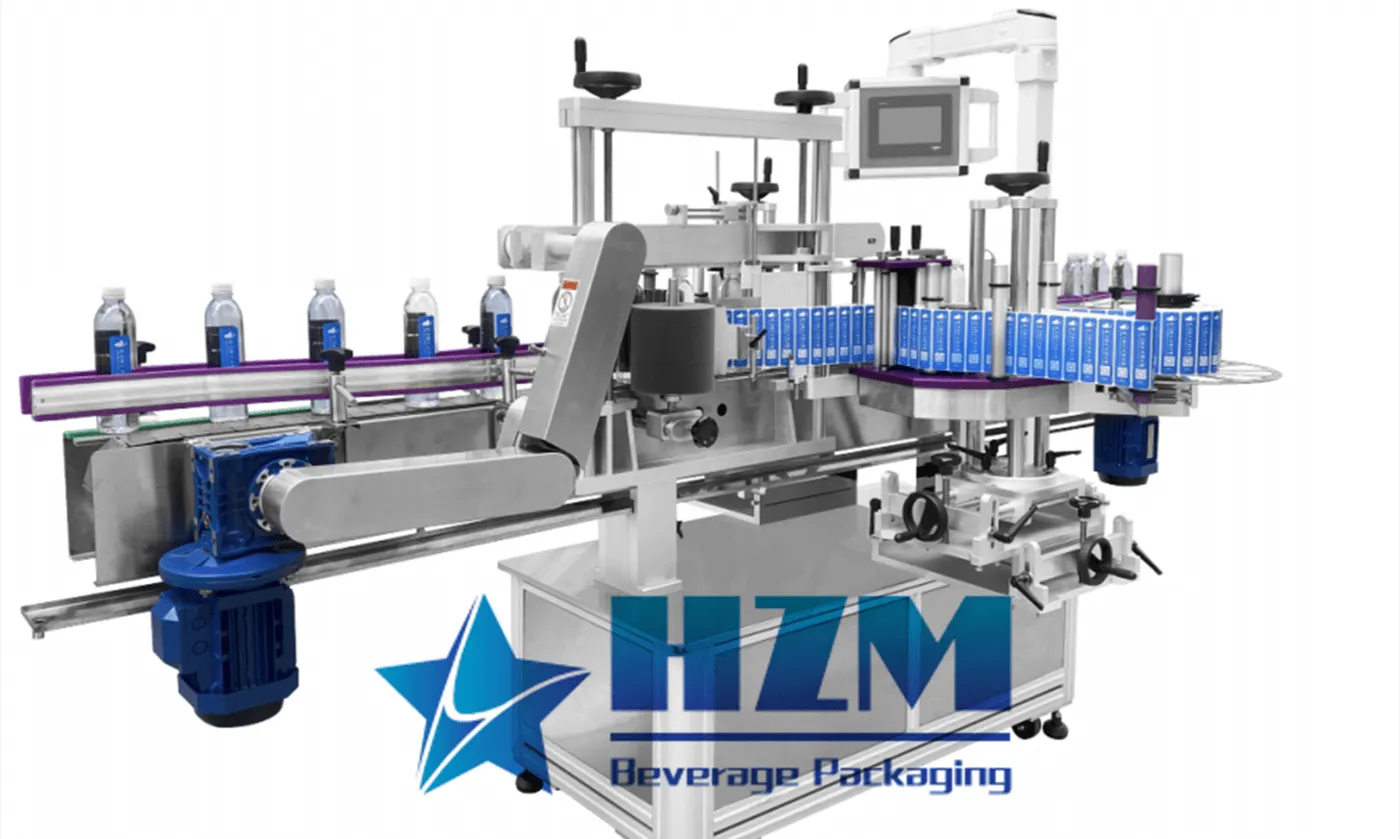
Equipment
Automatic Linear Type Adhesive Sticker Labeling Machine
The linear self-adhesive labelling machine applies pressure-sensitive labels to bottles and other containers.
Learn more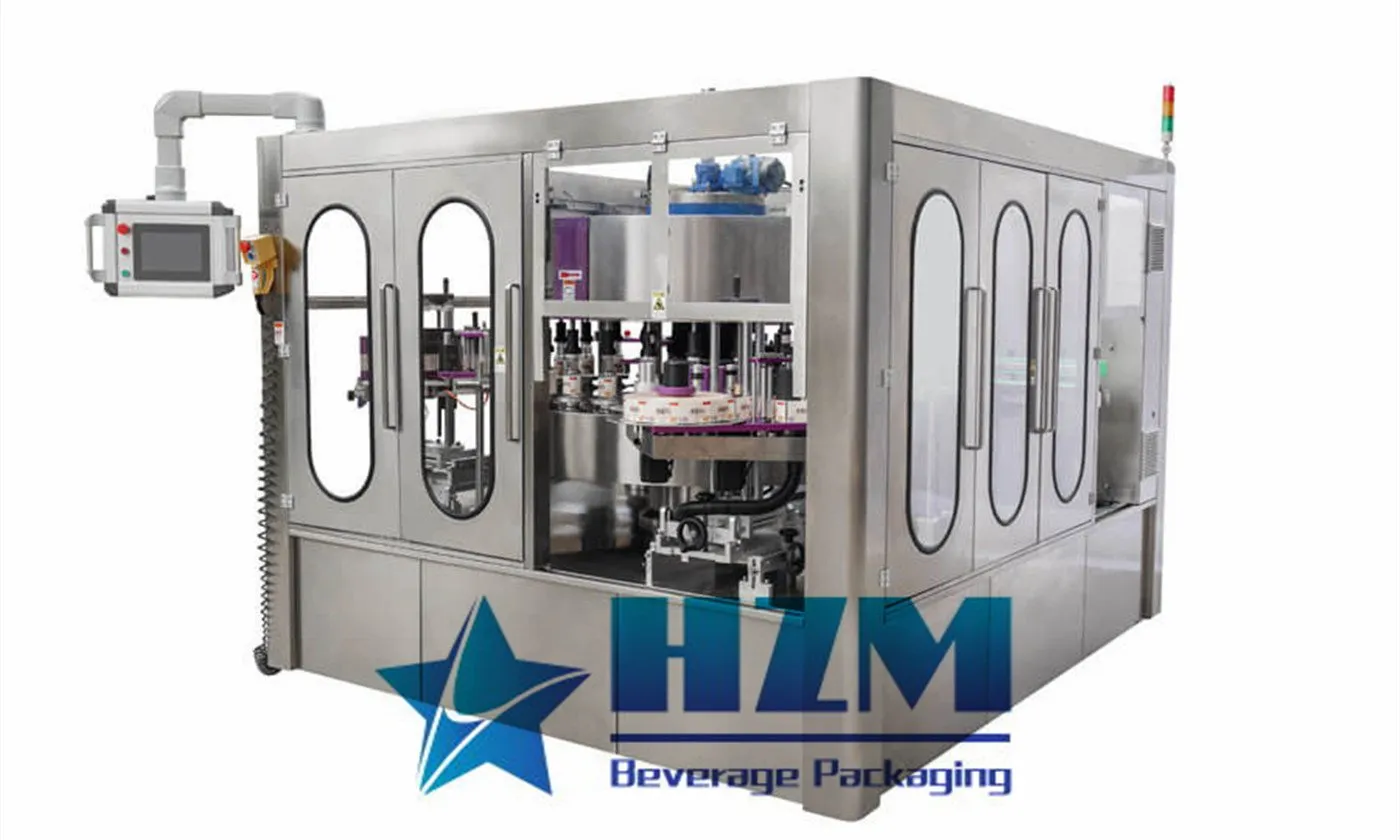
Equipment
Automatic Cold Glue Stick Labeling Machine
Cold-glue paper label application for beverage bottles, with LJ models from 12,000 to 32,000 bottles/hour.
Learn more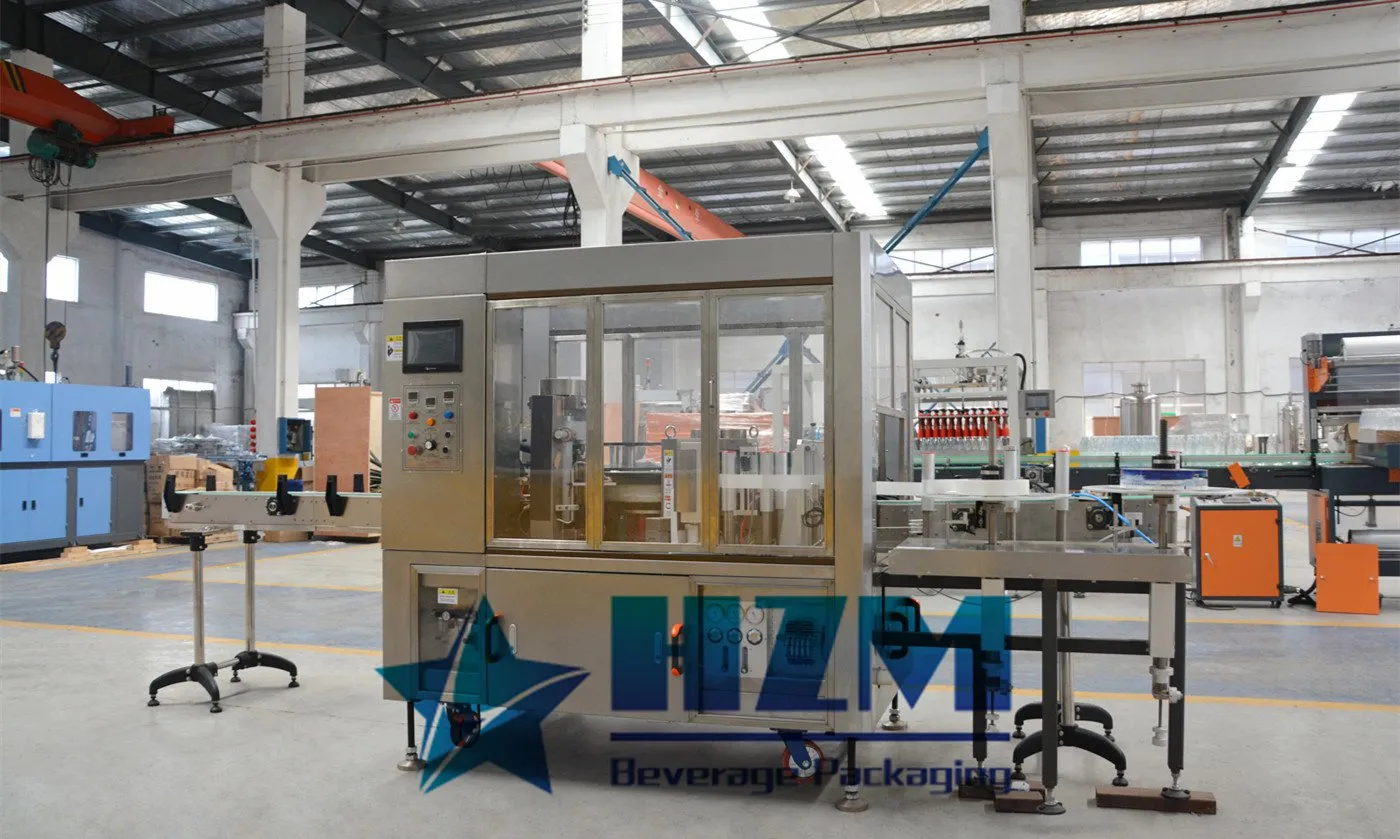
Equipment
Automatic Linear Type Hot Glue Labeling Machine
Linear hot-glue labelling for water and soft-drink bottles, using roll-fed OPP labels at 8,000–24,000 bottles/hour.
Learn more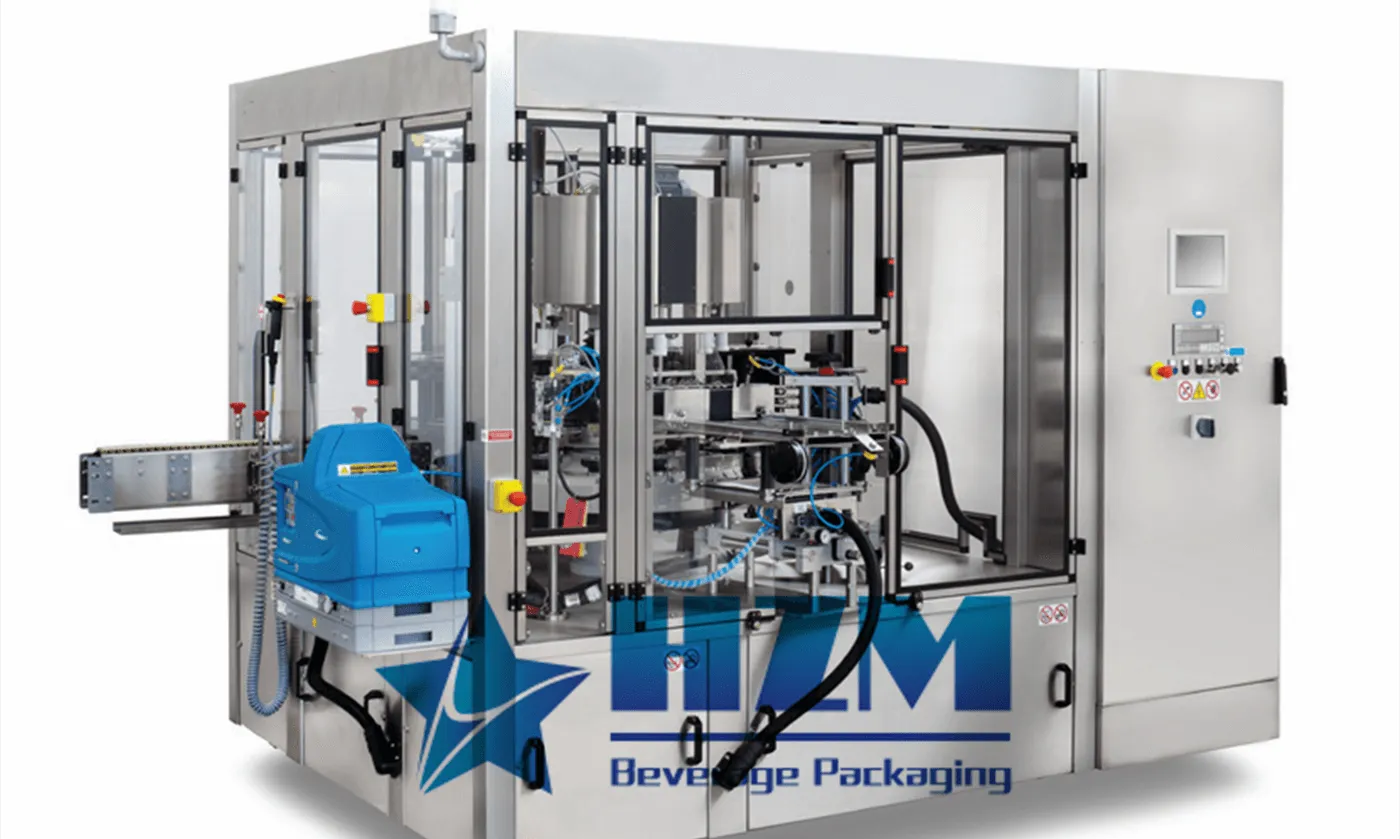
Equipment
Automatic BOPP Hot Glue Labeling Machine
Rotary BOPP hot-glue labelling for beverage containers, with RG models from 8,000 to 24,000 bottles/hour.
Learn more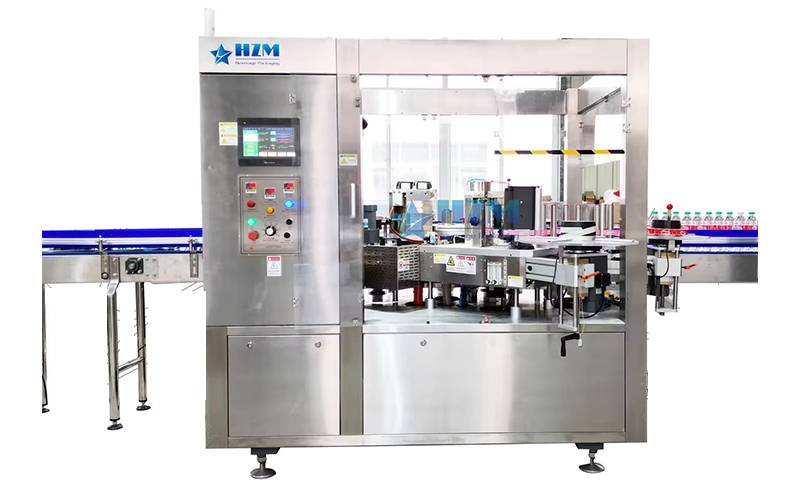
Equipment
Automatic Water Bottle Labeling Machine
Automatic hot-glue labelling for water and beverage bottles, with HG models from 8,000 to 24,000 bottles/hour.
Learn more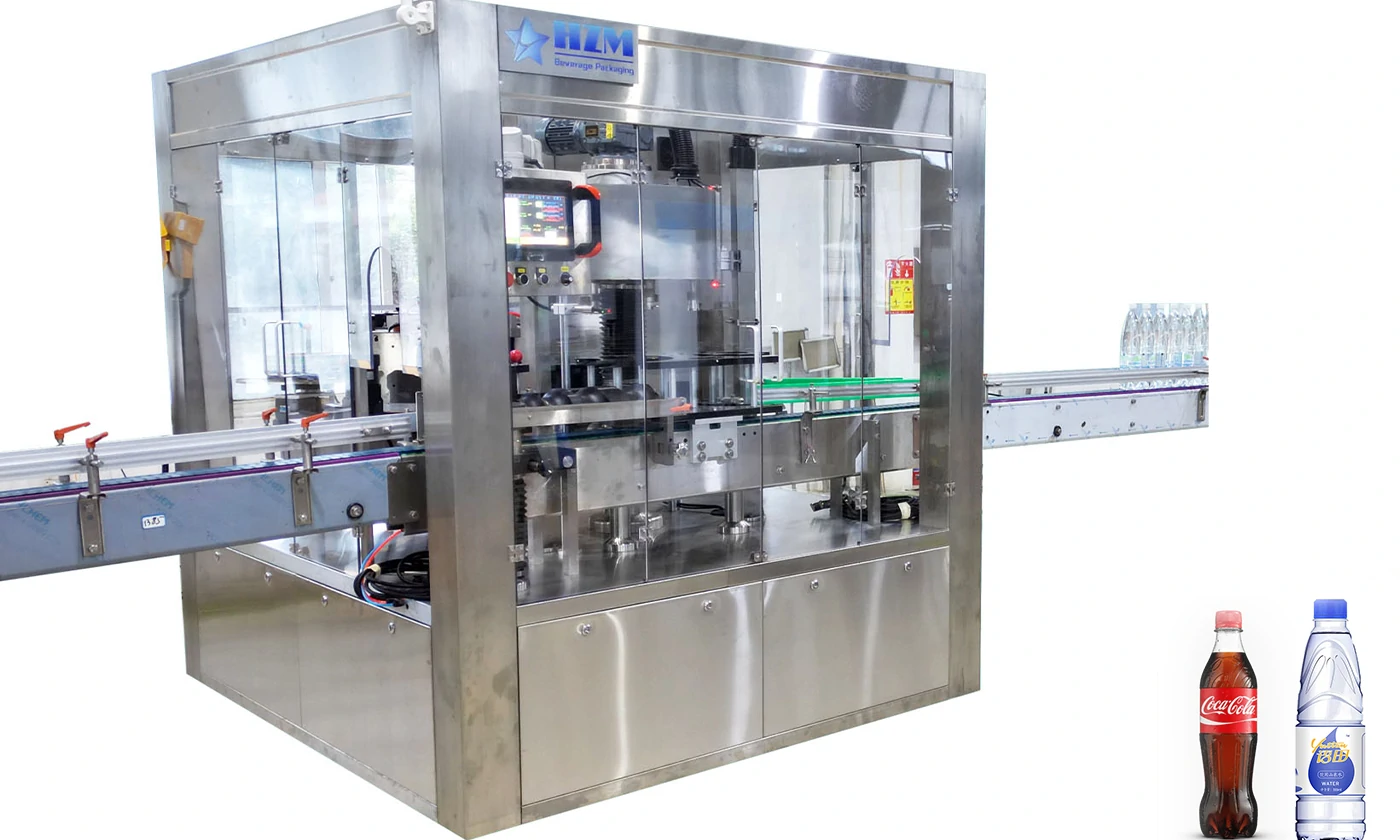
Equipment
Automatic BOPP labeling machine
Automatic BOPP hot-glue labelling for cylindrical containers, with a labelling speed of 12,000 bottles/hour.
Learn moreEquipment
Automatic High Speed Bottle Body Sleeve Labelling Machine
The automatic sleeve labelling machine applies shrink sleeves to bottle bodies for water and beverage packaging.
Learn more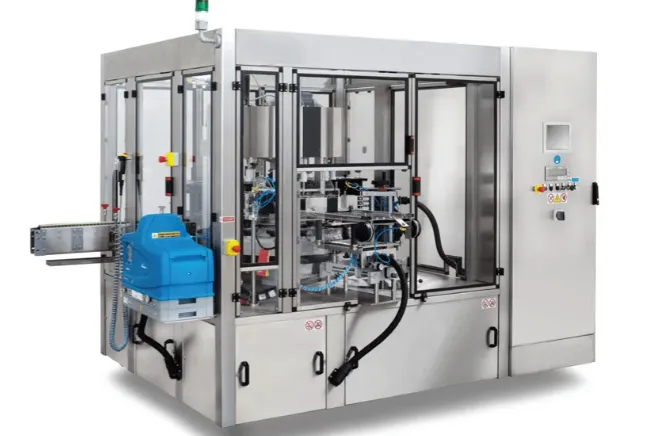
2023-06-01
How Do Label Machines Work?
Labels are vital aspects of every business because these help in different business aspects ranging from packaging to presentation, identification, and traceability. These serve as a communicating
Learn more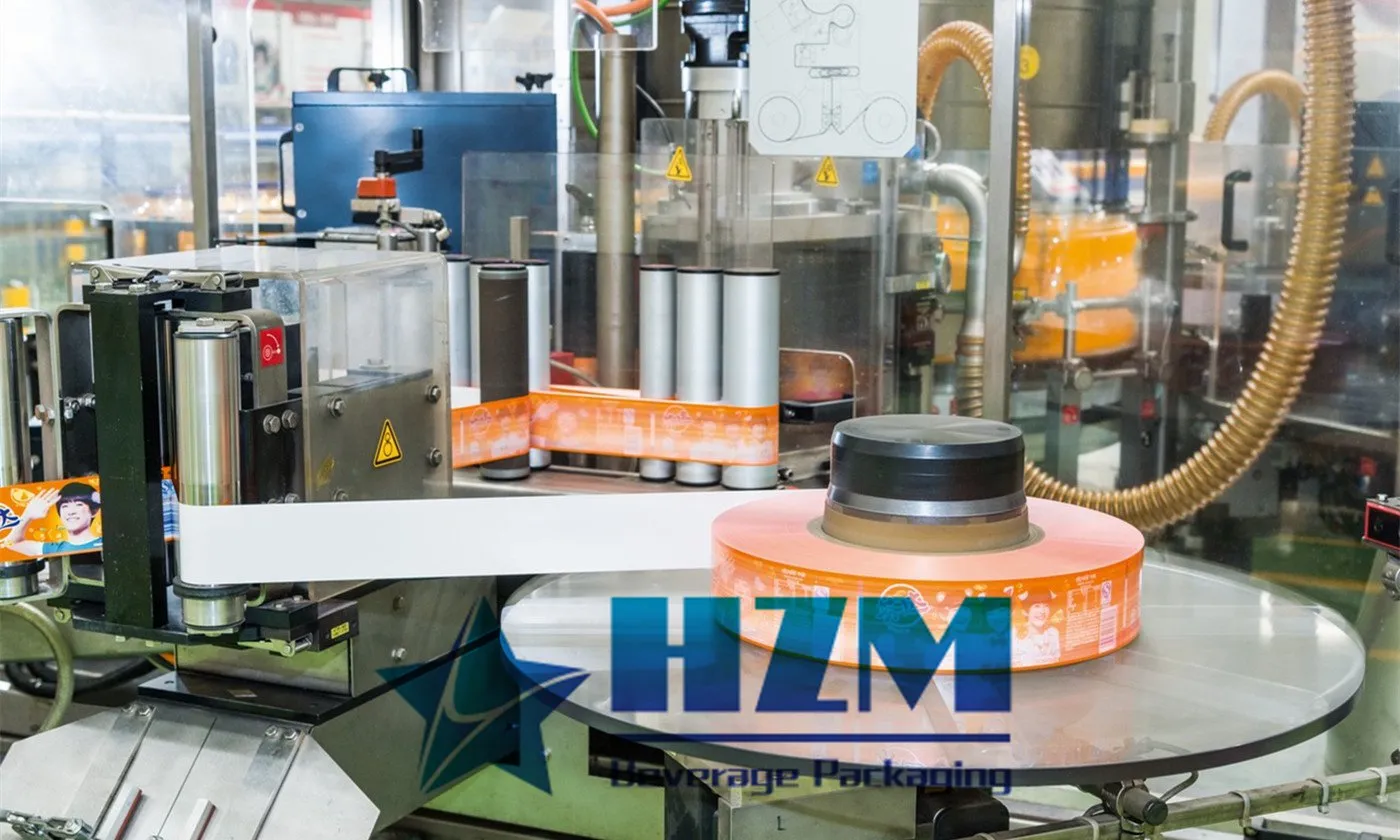
2024-02-29
Essential Maintenance Tips for Labeling Machines
Like countless other mechanical devices, the use of a labeling machine is inseparable from daily correct operation and maintenance. Only when both are carried out simultaneously can the labeling machine perform with maximum efficiency.
Learn more2023-06-09
Stainless Steel Labeller 3Mpa Automatic Labeling Machine
High quality Stainless Steel Labeller 3Mpa Automatic Labeling Machine from China, China's leading 3Mpa Automatic Labeling Machine product, with strict quality control 3Mpa Stainless Steel Labeller factories, producing high quality SS304 Automatic Labeling Machine products.
Learn more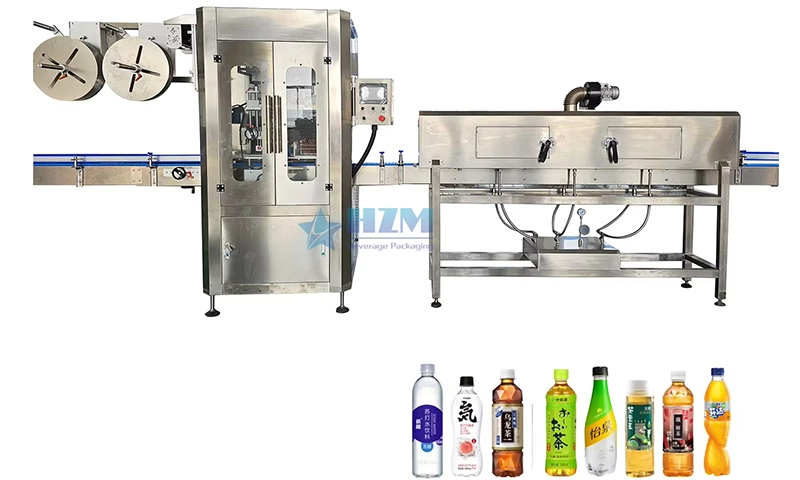
2026-08-28
Sleeve Labels Wrinkle After the Shrink Tunnel
Determine whether the sleeve was straight before entering the tunnel. Then check film shrink curve, tunnel-zone temperature, airflow or steam distribution, bottle moisture, conveyor speed and container geometry. Follow this practical fault-isolation, repair and prevention guide for bottling-line operators and maintenance teams.
Learn more2026-08-18
Shrink Sleeve Labels Are Skewed: Sensor, Cutter or Bottle?
Inspect the sleeve before heat is applied. Check bottle centering, film web tracking and tension, registration-mark detection, cutter condition, mandrel alignment and sleeve drop timing. Follow this practical fault-isolation, repair and prevention guide for bottling-line operators and maintenance teams.
Learn more2024-06-14
What Machines Are Used to Apply Plastic Labels on Beverage Bottles?
The plastic wrapping on beverage bottles is typically applied using specialized labeling machines. Common labeling methods include shrink sleeve labeling, hot melt glue labeling, self-adhesive labeling, and paper label labeling.
Learn more