
Oil Bottles Have Weight Variation: A Filling Accuracy Checklist
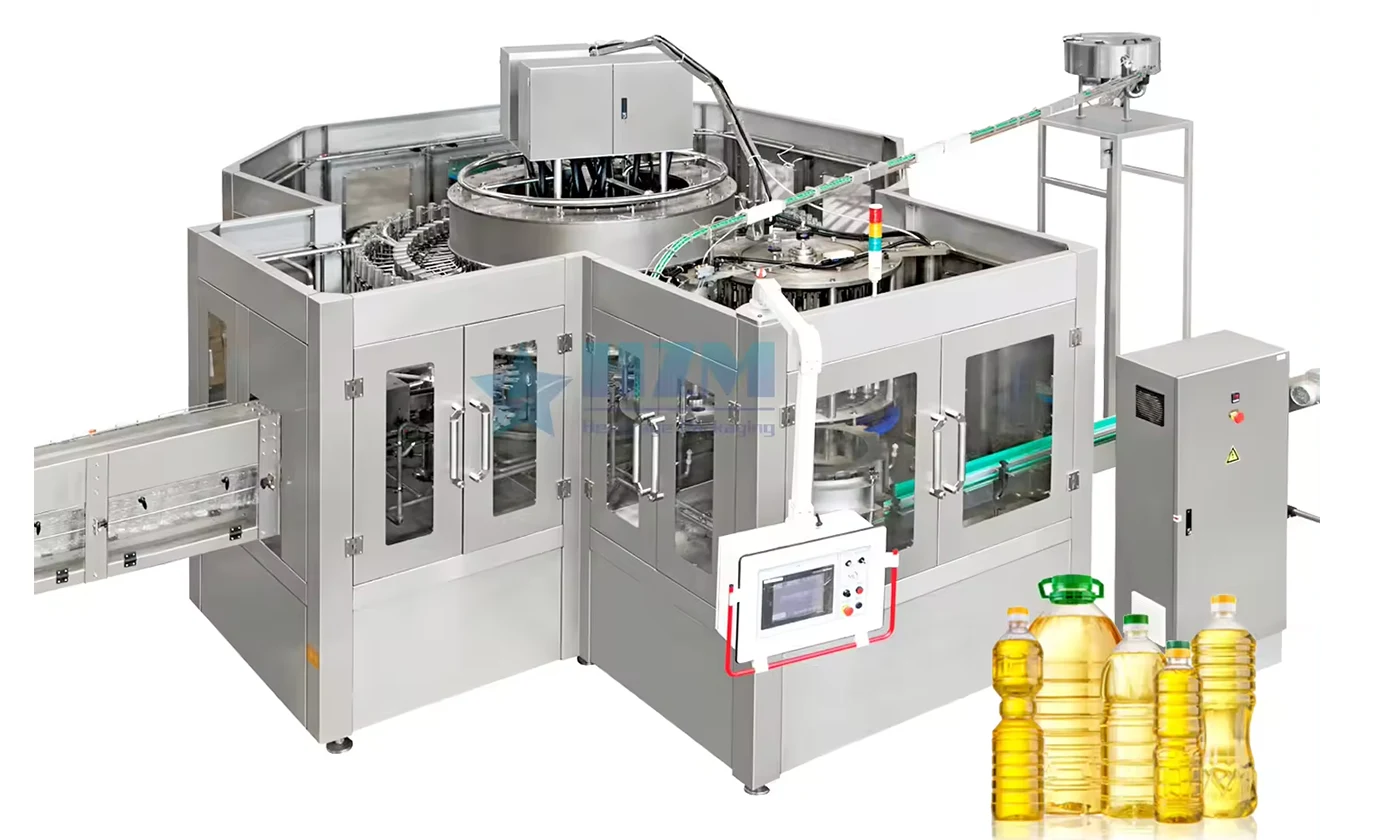
Use traceable checkweight data by filling head, then separate density and temperature effects from meter, piston, valve and supply-pressure effects. Never correct a head without proving which variable moved.
Stop automatic operation, isolate electrical and pneumatic energy, close and depressurize product circuits, and follow the machine lockout/tagout procedure before opening guards or removing a valve. Quarantine product made since the last confirmed good check.
Locate the fault
- Package weight drifts as oil warms
- One nozzle consistently underfills
- Variation increases at the beginning and end of a tank
- Displayed volume does not match net weight
Inspection sequence
- Tare containers and collect consecutive net weights by filling head
- Measure oil temperature and use the approved density relationship
- Inspect supply for air, tank vortexing and pressure variation
- Compare commanded volume, meter or piston feedback and actual net weight
- Check mechanical backlash, seals and encoder coupling on the suspect channel
- Measure cutoff-to-zero-flow delay for each nozzle
Corrective work
- Apply the validated temperature or density compensation method
- Eliminate air ingress and stabilize product feed
- Service and calibrate the confirmed meter, piston or position system
- Repair valve response and apply documented cutoff compensation only after service
Operating records and follow-up
- Chart weight by head and temperature
- Calibrate with the actual oil family
- Prevent low-tank vortexing
- Maintain piston seals and feedback couplings
- Verify cutoff response after valve maintenance
Equipment details: Automatic Cooking Oil Filling Machine.
Need help planning your packaging line?
Share your product, bottle and capacity requirements for a practical equipment recommendation.
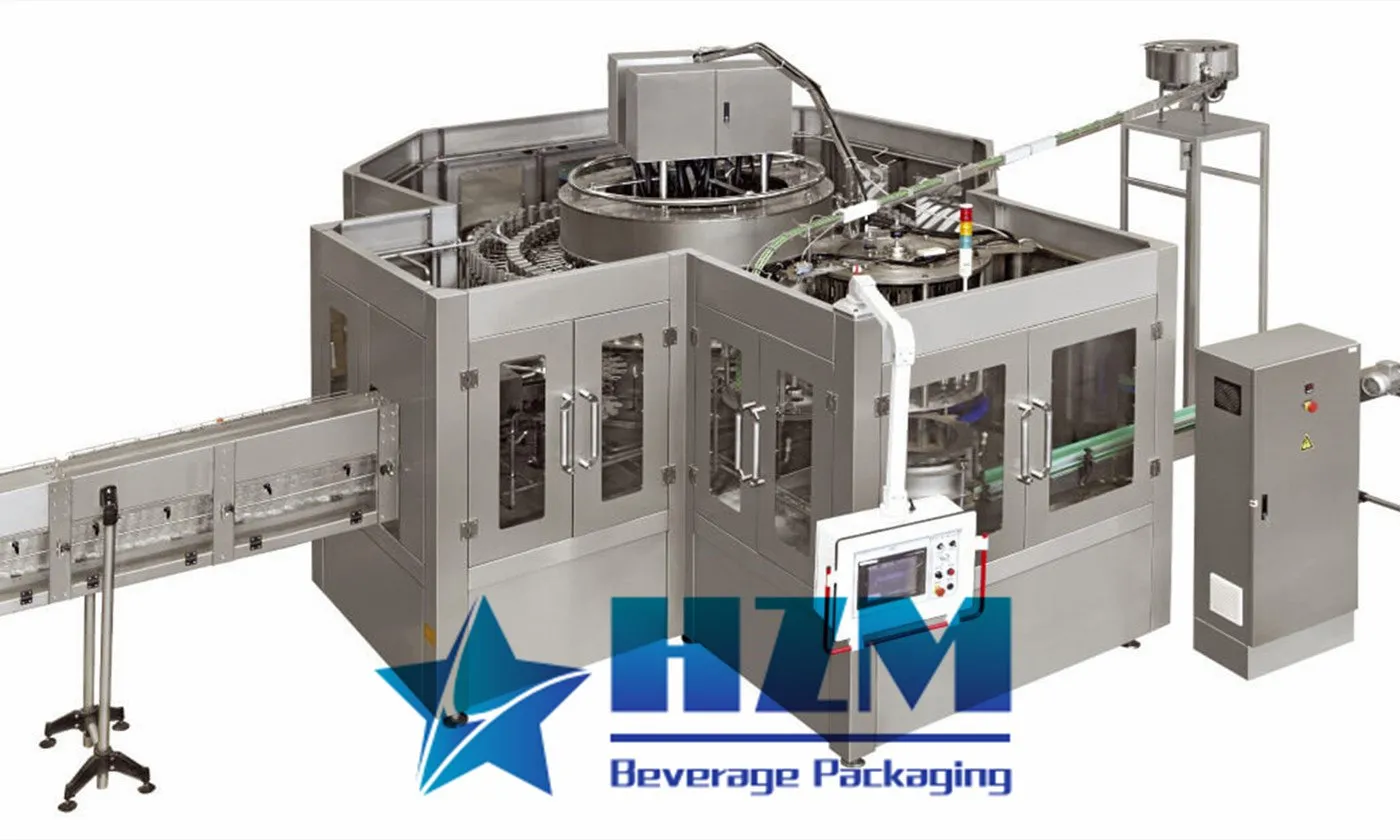
Edible Oil Filling Machine
Rotary edible oil filling and capping with GYH models from 3,500 to 10,000 bottles/hour at 500 ml.
Learn more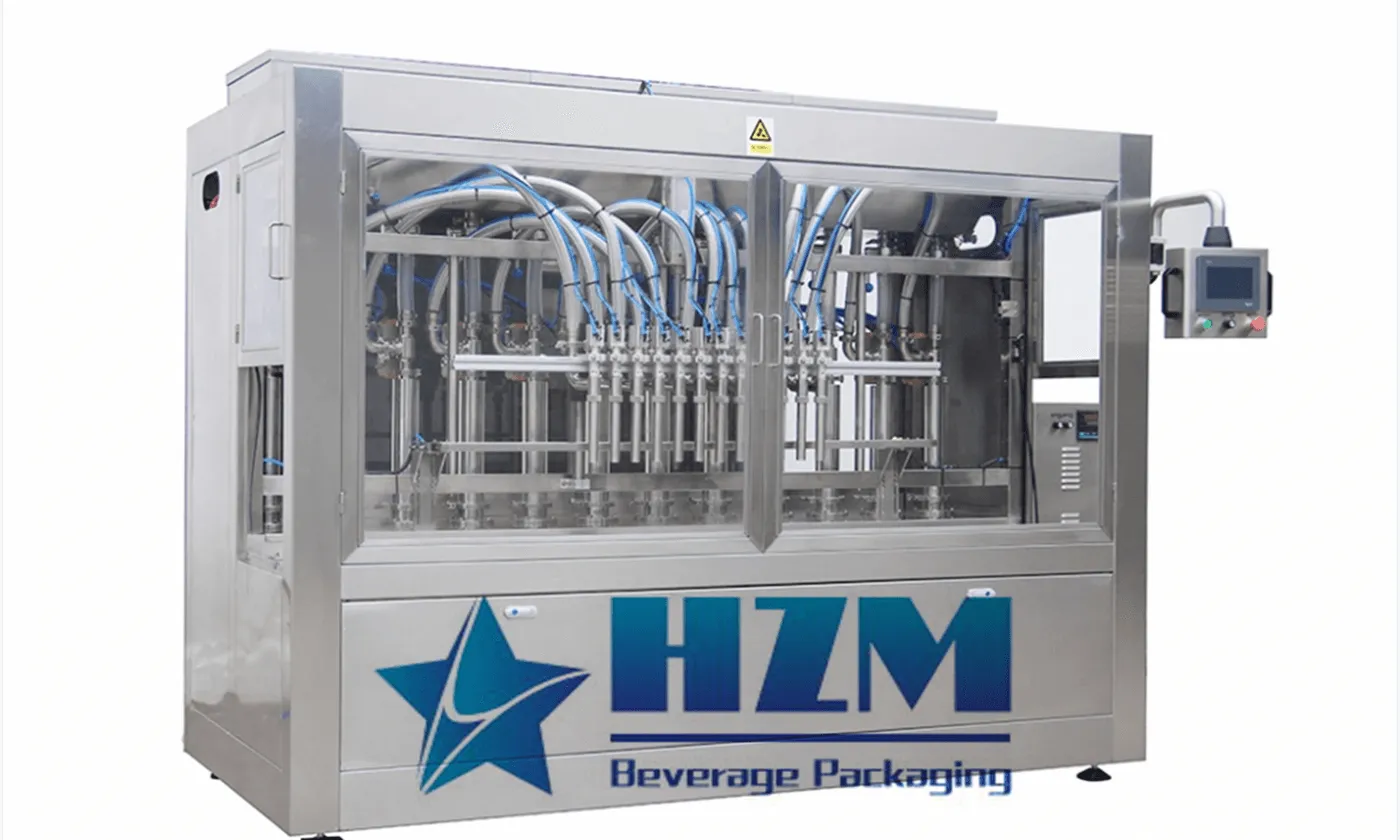
Linear Type Oil Filling Machine
The linear oil filling machine fills bottled edible oils and compatible liquid food products.
Learn moreAutomatic Cooking Oil Filling Machine
The automatic cooking oil filling machine fills and caps bottles of edible oil.
Learn more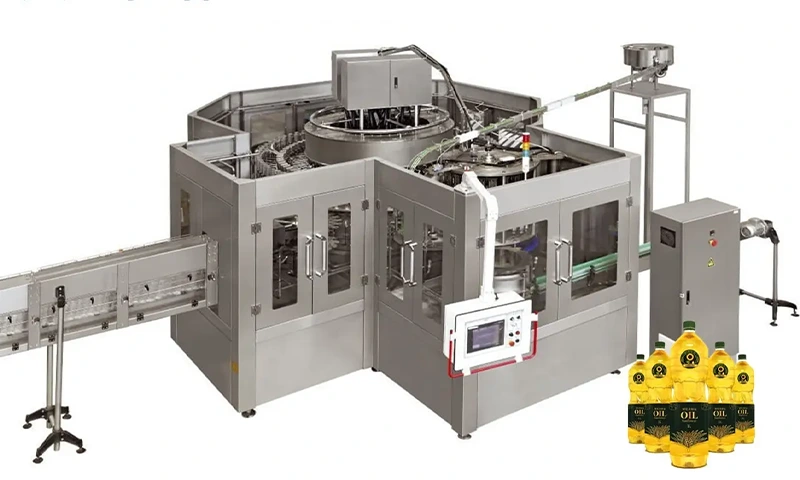
Olive Oil Filling Machine
Olive oil bottle filling and capping with GYH models from 3,500 to 10,000 bottles/hour at 500 ml.
Learn moreAutomatic Edible Oil Filling Machine | Cooking Oil Bottling & Packing Line
Automatic cooking oil filling and capping with GYH models from 3,500 to 10,000 bottles/hour at 500 ml.
Learn more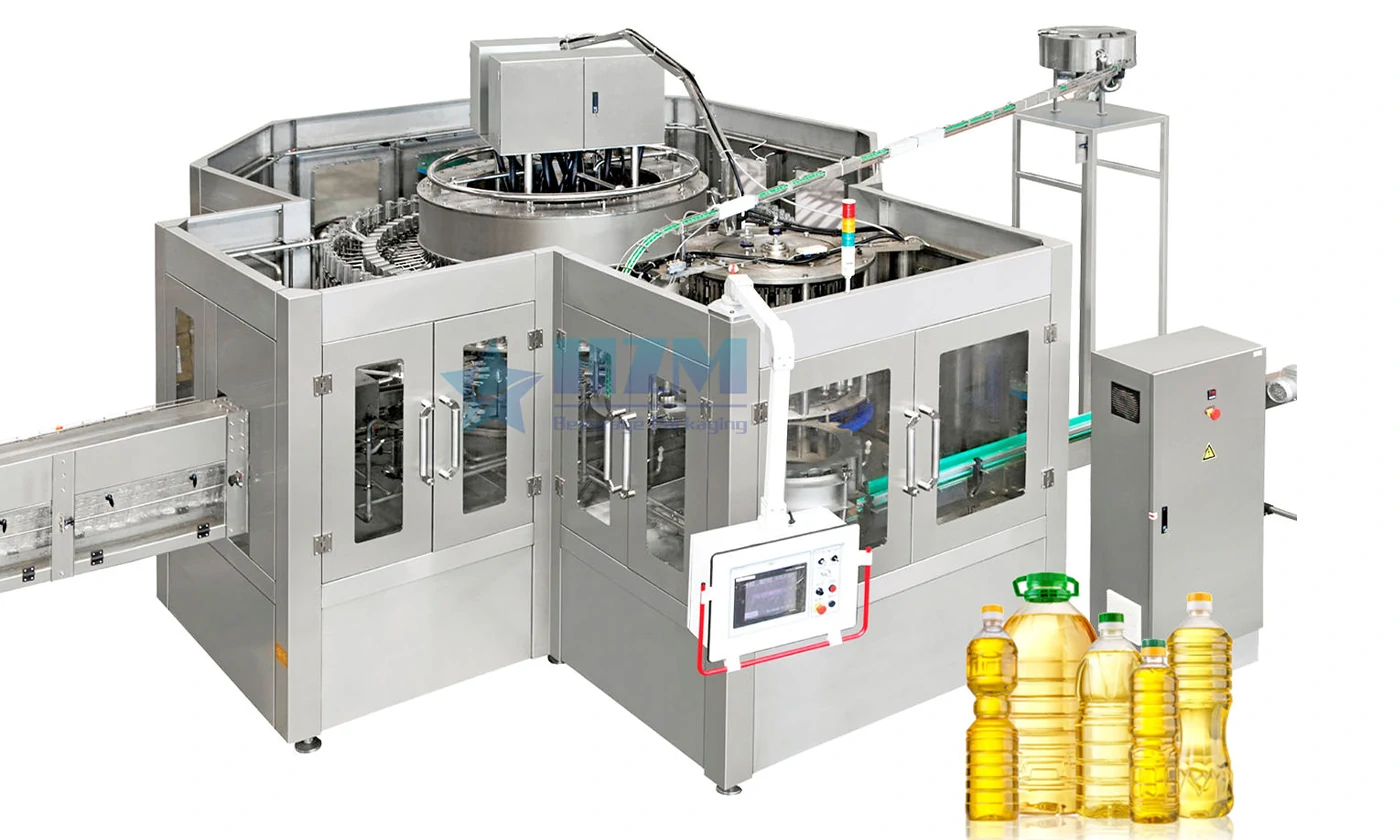
PET Bottle Edible Oil Bottling Line | Automatic Rotary Type Edible Oil Filling Machine
The PET bottle edible oil bottling line combines rotary oil filling and capping with bottle conveying and downstream packaging.
Learn more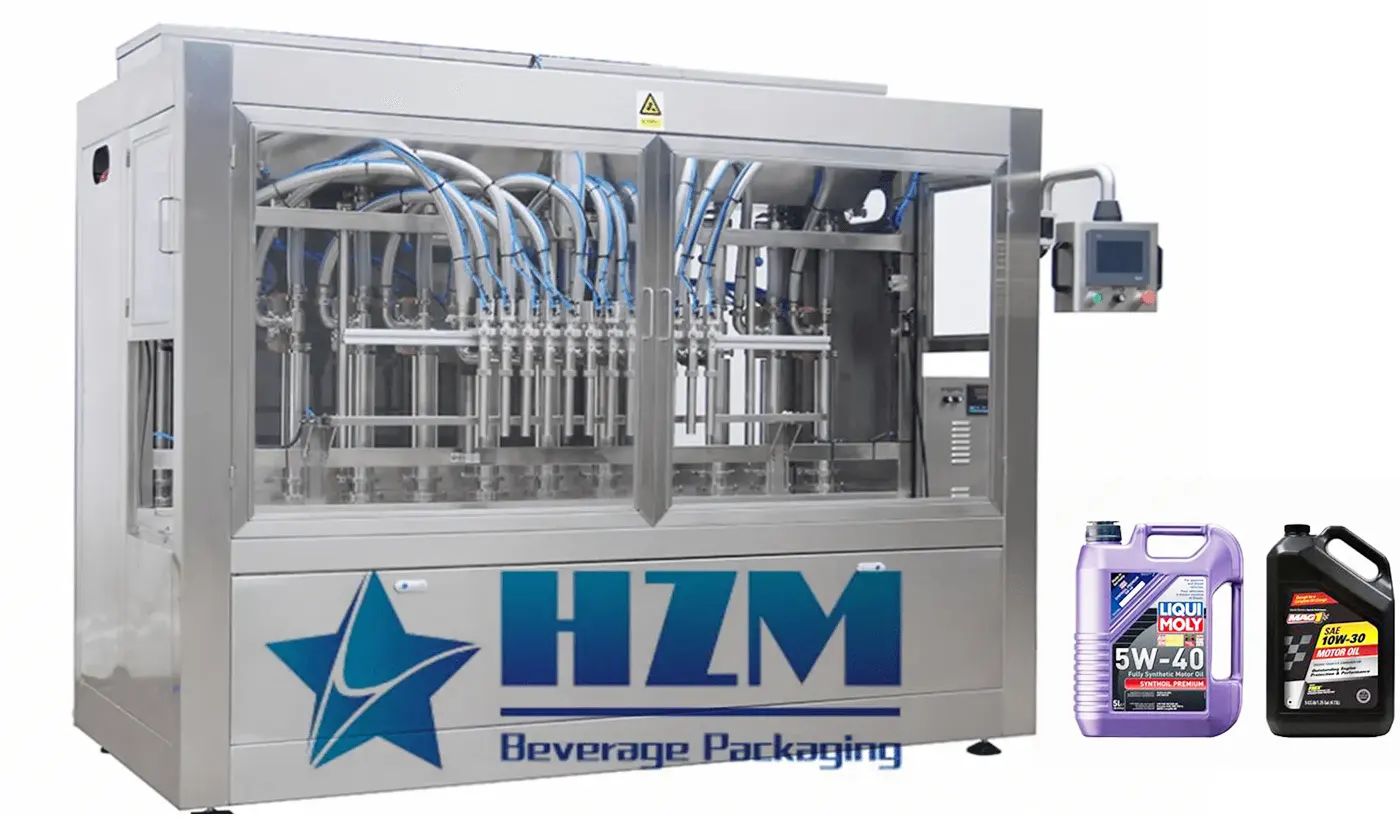
Automotive Lubricants Oil Filling Machine
This automotive lubricating-oil filling machine doses oil into bottles and containers on a linear filling line.
Learn more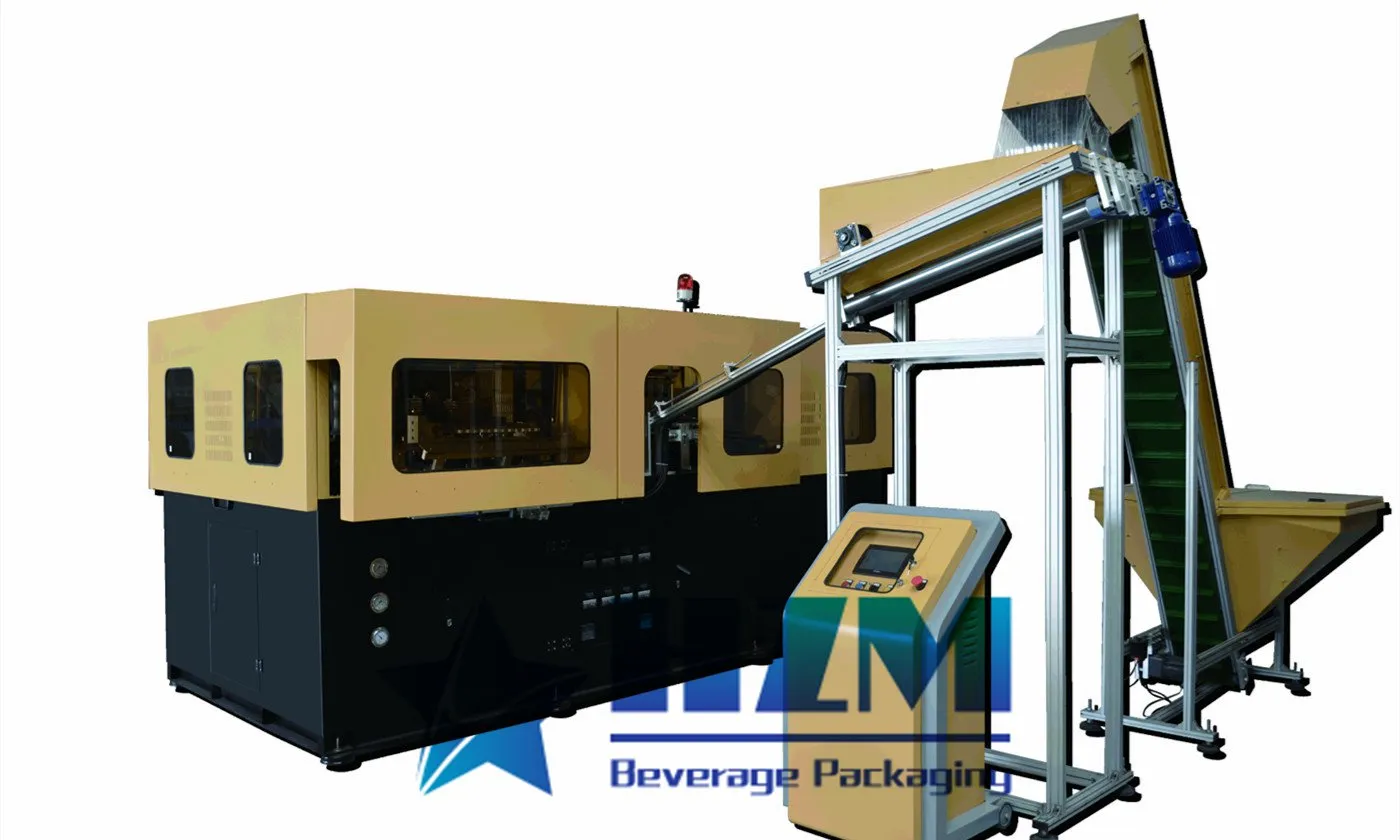
Automatic Oil Bottle Wide Neck PET Bottle Blowing Machine
PET blow moulding equipment for large edible-oil, drinking-water and wide-neck bottles, with bottle sizes up to 5–10 L by model.
Learn more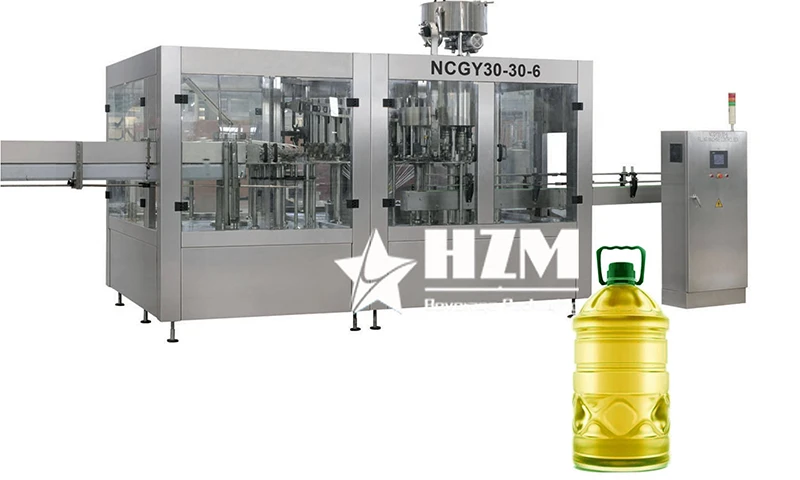
2-in-1 Monoblock Edible Cooking Oil Filling and Capping Machine
The 2-in-1 monoblock fills and caps bottles of edible cooking oil in a continuous operation.
Learn moreAutomatic Edible Oil Filling Machine Guide: Accuracy, Drip Control and Cleaning
Learn how to select an automatic edible oil filling machine using real viscosity, bottle, accuracy, cleaning, speed and line-integration requirements.
Learn more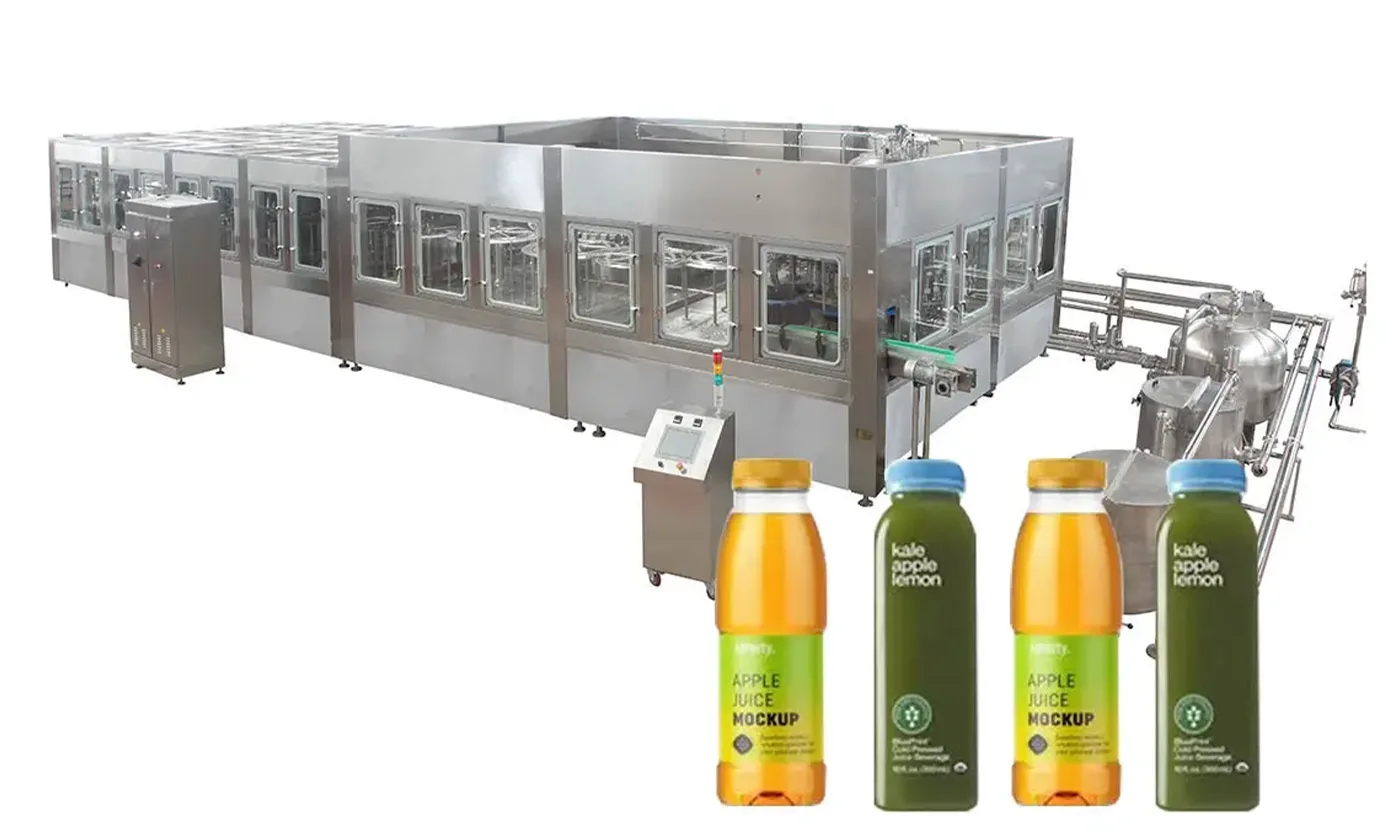
The 10 Most Common Questions Customers Have About Beverage Packaging Machines
They want to know how many bottles, cans, or cartons the machine can process per hour or day. This is crucial in determining whether the machine can meet their production demands.
Learn more
Servo Piston Filling for Sauces: Nozzle, Particle Size and Accuracy Checklist
Specify a servo piston filler for ketchup, mayonnaise, soy sauce and particulate products by viscosity, particle size, nozzle, hopper, cleaning and accuracy.
Learn more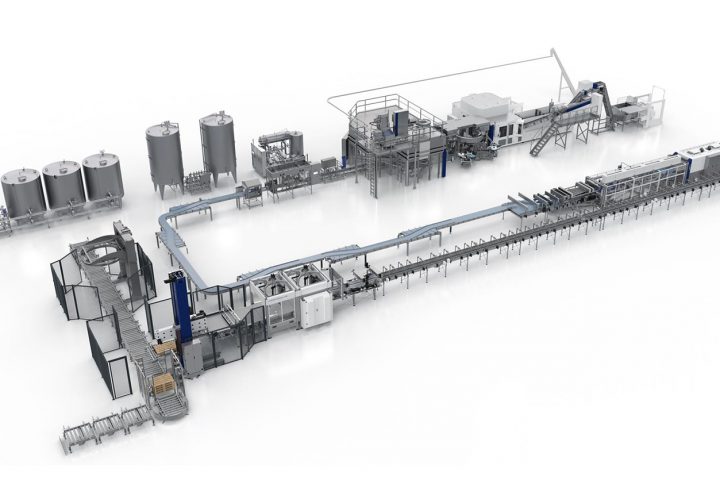
Water Filling Accuracy and Product Giveaway
Use the agreed net-quantity method and sample by filling head. A shift average can hide one head that underfills while another gives product away.
Learn more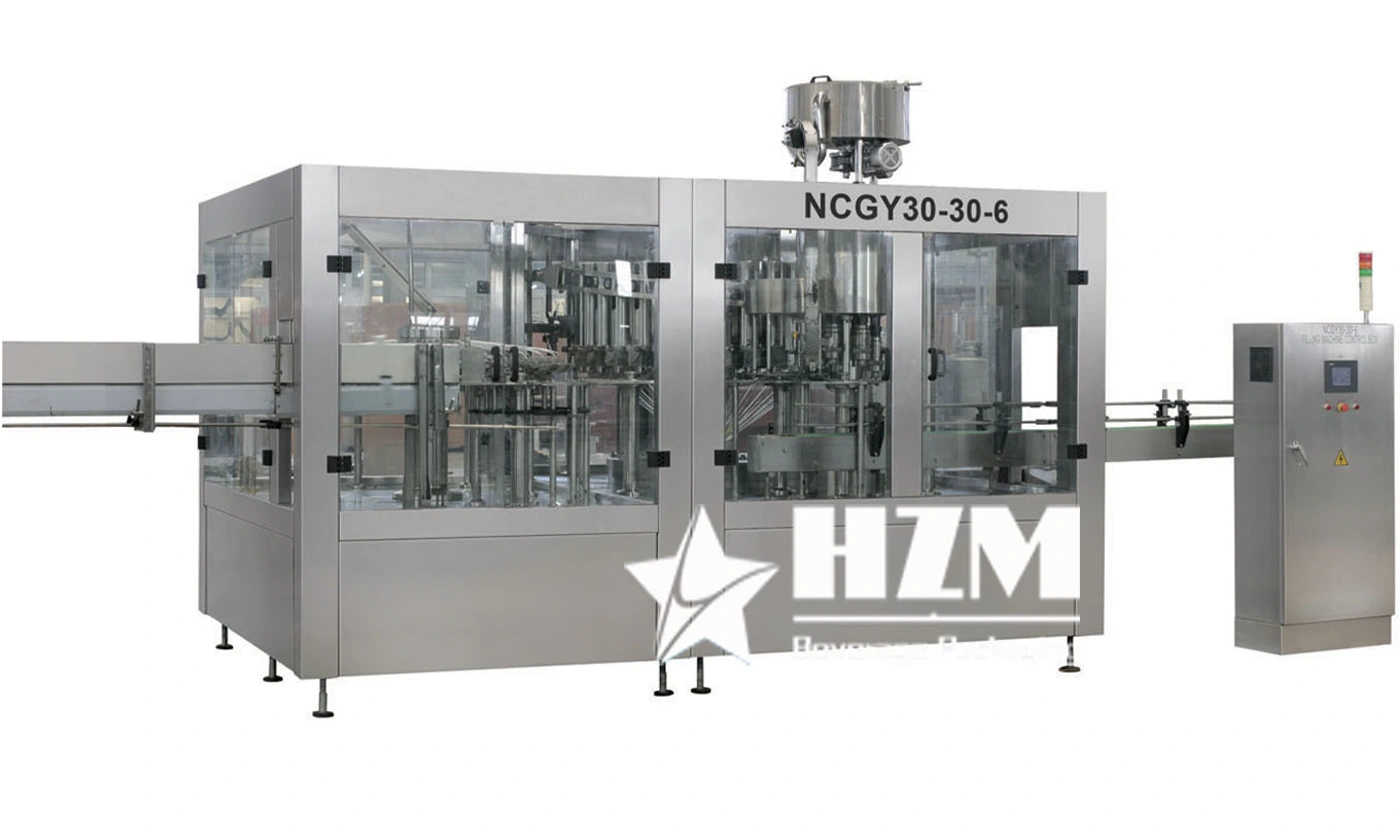
Introduction to the Edible Oil Filling Production Line
The edible oil filling production line is a modern bottling production system designed to enhance the efficiency and quality of edible oil production while meeting the demands of standardized production. This assembly line consists of various individual machines, including bottle sorting, filling, capping, aluminum foil sealing, and adhesive labeling equipment.
Learn more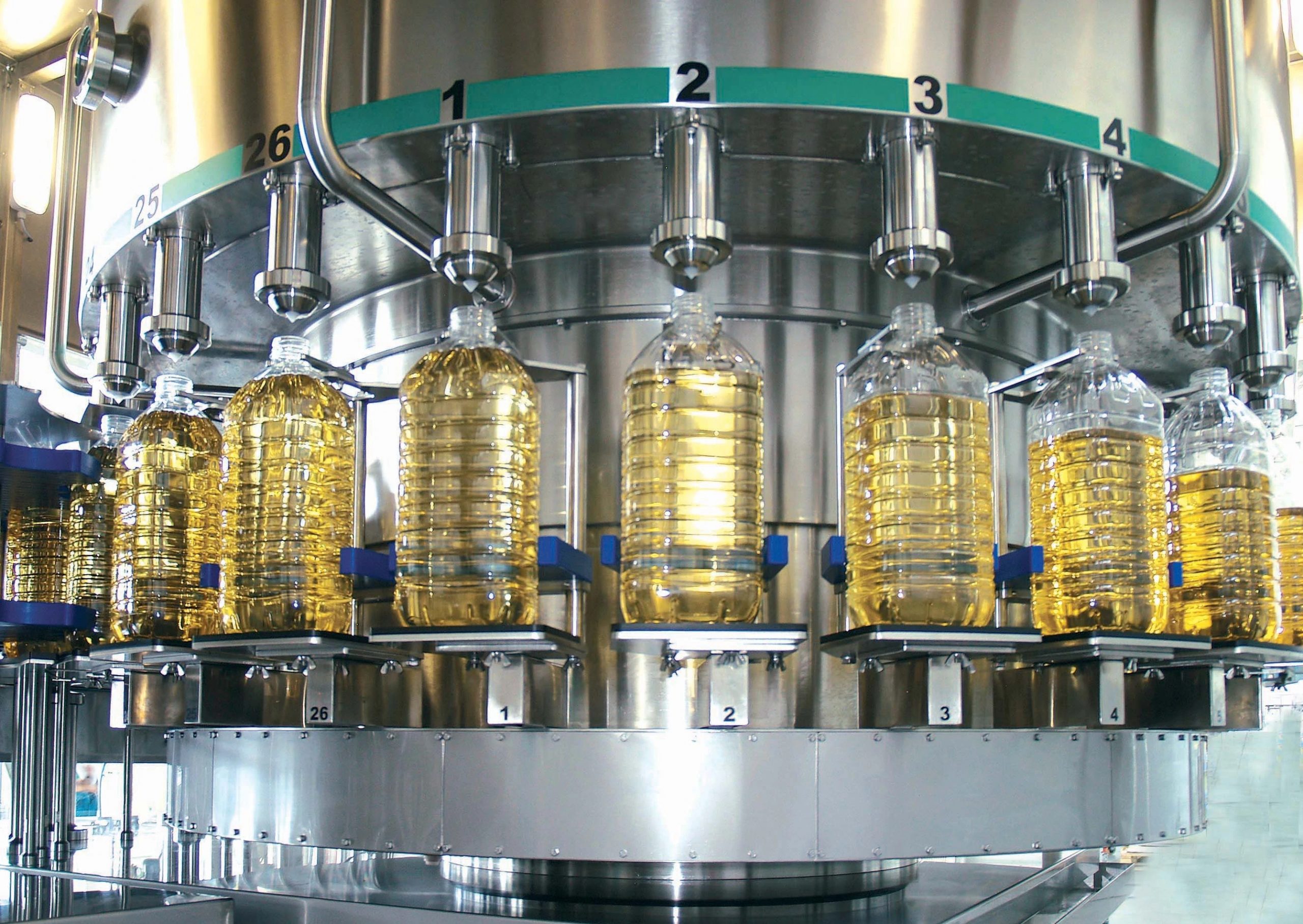
What is an edible oil filling machine?
An edible oil filling machine is a specialized mechanical device used for filling and packaging edible oils. It is widely employed in the production and packaging processes of oil-based products to ensure precise filling, sealing, and packaging of these products.
Learn more