Insights & Updates
Returnable 5-Gallon Water Line Has High Rejects and Downtime

High container rejects and unstable operation on a 3–5 gallon returnable water line can turn a stable production run into a cycle of resets, rejects and unplanned adjustment. The useful evidence is in the pattern: which station, product, format, speed and time window changed first.
A complete production line is a chain of dependent processes: treatment or preparation, container making, filling, closure, labelling, packing, conveying and utilities. The line output is set by the slowest unstable constraint, not by the nameplate speed of one machine. The sections below connect wash time and chemical consumption rise with measurements so maintenance work addresses the failure mechanism.
Quick answer: Classify returned barrels before washing. Separate odor, contamination, neck damage, cracks, deformation and label residue, then evaluate decapping, washing, inspection, filling, capping and conveyor performance by defect class.
What operators usually see
Start by describing the defect precisely. These observations reveal whether the event follows a component, a material lot, a speed change or the entire process: For this case, preserve evidence that shows whether wash time and chemical consumption rise.
- Wash time and chemical consumption rise
- Cracked or leaking barrels reach the filler
- Jams follow mixed container designs
- Final product has inconsistent appearance or odor
Make the equipment safe and protect the product
Use the line-wide stop, lockout/tagout and product-hold procedures. A safe diagnosis must include adjacent machines, stored pneumatic and hydraulic energy, hot process circuits, robots and the possibility that equipment can restart from an upstream or downstream command.
Use synchronized timestamps to collect state, speed, fault, starve and block data from every major machine. Add product-quality results and utility pressure, flow, temperature and power so a local alarm can be related to the upstream event that caused it. Explicitly record whether wash time and chemical consumption rise.
Most likely causes, in practical checking order
1. Incoming container population is uncontrolled
Barrel age, resin, neck and contamination vary far beyond a single setup To test this explanation without guessing, establish incoming defect categories and sample rejection rates Record the result before moving to the next cause.
2. Inspection occurs too late
Damaged containers consume wash and machine time before rejection A practical confirmation step is to trace each class through decapping, washing and inspection. Compare the finding with a known-good run.
3. Wash cycle does not match soil class
One recipe cannot safely remove every returned contaminant Do not compensate for this condition in the recipe. First, verify wash chemistry, temperature, mechanical action and rinse endpoint Keep the original setting and measured result in the fault record.
4. Handling damages heavy filled barrels
Guides, drops and caps experience high load after filling Separate this cause from the others with one controlled check: check bottle geometry and format compatibility Use the same product, format and speed for the comparison.
Step-by-step diagnostic procedure
Begin with process conditions and external evidence, then move toward invasive inspection. Make only one controlled change between comparison runs.
- Establish incoming defect categories and sample rejection rates
- Trace each class through decapping, washing and inspection
- Verify wash chemistry, temperature, mechanical action and rinse endpoint
- Check bottle geometry and format compatibility
- Perform leak and closure checks by container class
- Map new damage to conveyor and transfer locations
Corrective actions that address the root cause
Choose the least invasive correction that restores the approved condition, then verify its effect before changing anything else.
- Reject unsafe or incompatible barrels before washing
- Use validated soil-appropriate wash and inspection criteria
- Standardize accepted container designs or format controls
- Repair heavy-barrel handling and capping conditions
How to verify the repair before full-speed production
Keep product made during testing on hold. At low, normal and target speed, apply this first criterion: Confirm that high container rejects and unstable operation on a 3–5 gallon returnable water line is absent for multiple consecutive cycles, not only for one sample. Review the alarm history and keep diagnostic product segregated until the site’s quality procedure releases it.
- Confirm that high container rejects and unstable operation on a 3–5 gallon returnable water line is absent for multiple consecutive cycles, not only for one sample.
- Compare the repaired result for “Wash time and chemical consumption rise” with the approved quality limit and the last known-good baseline.
- Check adjacent stations and downstream package quality for side effects associated with incoming container population is uncontrolled.
- For “Returnable 5-Gallon Water Line Has High Rejects and Downtime”, record the final settings, measurements, parts used and restart authorization.
Prevent the problem from returning
Turn the confirmed cause into a centerline, inspection or trend so the team can detect drift before the same shutdown returns.
- Track barrel population age and defects
- Use early automated or manual inspection
- Control chemical endpoints
- Audit return-container suppliers or channels
- Trend damage by line location
When to stop troubleshooting and call a specialist
Stop and contact the machine or component supplier when high container rejects and unstable operation on a 3–5 gallon returnable water line cannot be isolated with non-invasive checks, when it returns after an approved repair, or when calibration requires protected service tools. Stop local work when safe diagnosis requires protected service tools, energized access or a change to a validated process. Send the service engineer the fault history, photos, samples, trend data, recipe revision and work already completed.
Relevant equipment for this application
Where high container rejects and unstable operation on a 3–5 gallon returnable water line reveals an application mismatch rather than a maintenance fault, review the 3-5 Gallon Water Production Line. A useful technical discussion includes the real bottle, closure, product properties, pack format and site conditions.
Frequently asked questions
What should be checked first when high container rejects and unstable operation on a 3–5 gallon returnable water line?
Classify returned barrels before washing. Separate odor, contamination, neck damage, cracks, deformation and label residue, then evaluate decapping, washing, inspection, filling, capping and conveyor performance by defect class. Preserve the original settings and take representative samples before repair work begins.
How can we distinguish incoming container population is uncontrolled from inspection occurs too late?
Barrel age, resin, neck and contamination vary far beyond a single setup In contrast, damaged containers consume wash and machine time before rejection Compare the two mechanisms under the same operating condition by completing these checks: establish incoming defect categories and sample rejection rates Then trace each class through decapping, washing and inspection
Can production continue while high container rejects and unstable operation on a 3–5 gallon returnable water line?
Only when the plant’s documented risk assessment and quality procedure allow it. For high container rejects and unstable operation on a 3–5 gallon returnable water line, stop and segregate production when package integrity, sanitation, validated processing, pressure safety, electrical protection or an uncontrolled reject trend is involved.
What evidence will help the equipment supplier respond faster?
Provide the model and serial number, product and format, target speed, first fault, timestamps, photos or video, affected station pattern and maintenance history. For this issue, also include wash time and chemical consumption rise and the measured result from this check: map new damage to conveyor and transfer locations
Talk to our engineering team
Need help planning your packaging line?
Share your product, bottle and capacity requirements for a practical equipment recommendation.
Equipment
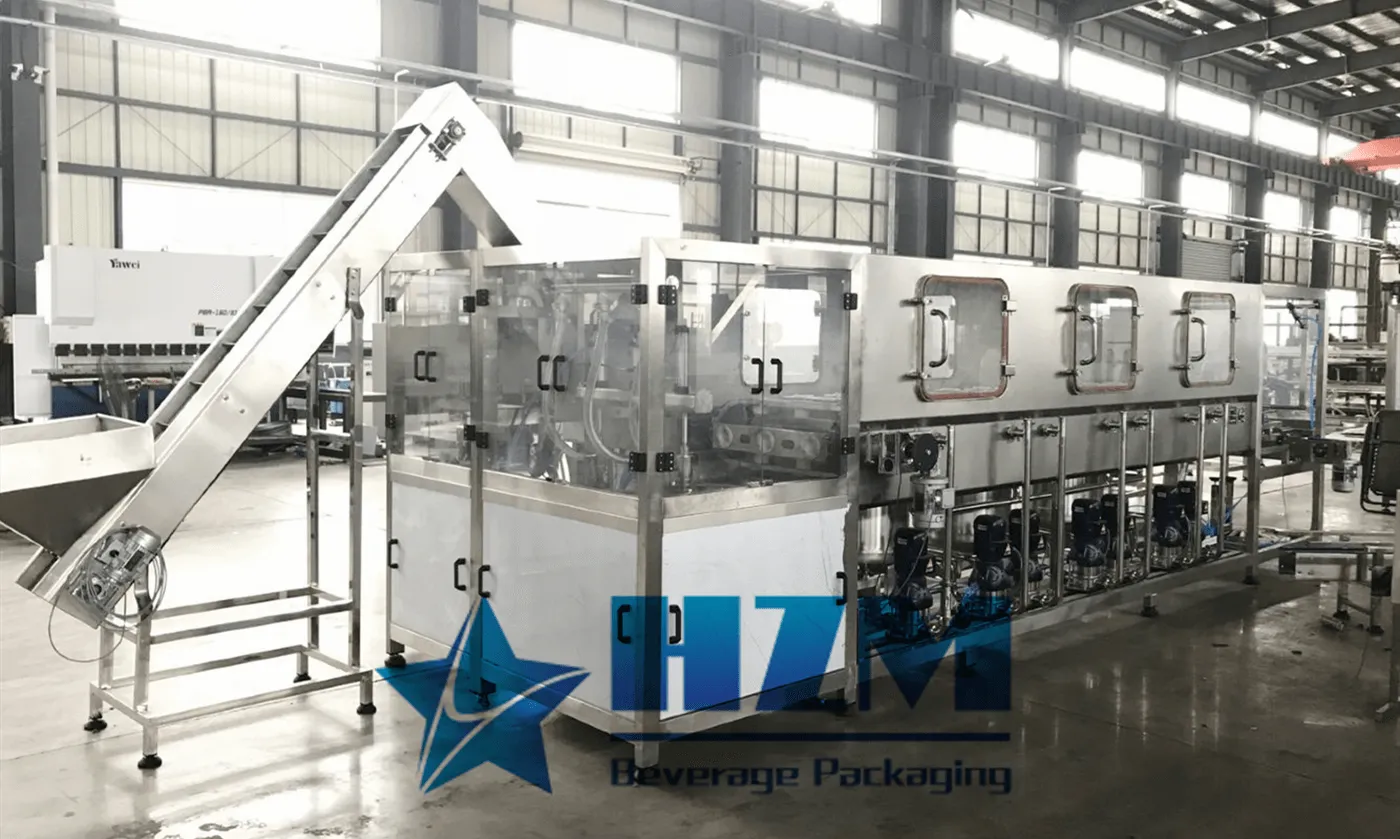
3-5 Gallon Water Filling Line
Automatic washing, filling and capping for 3–5 gallon drinking-water jars, with QGF models from 120 to 900 jars/hour at 5 gallons.
Learn more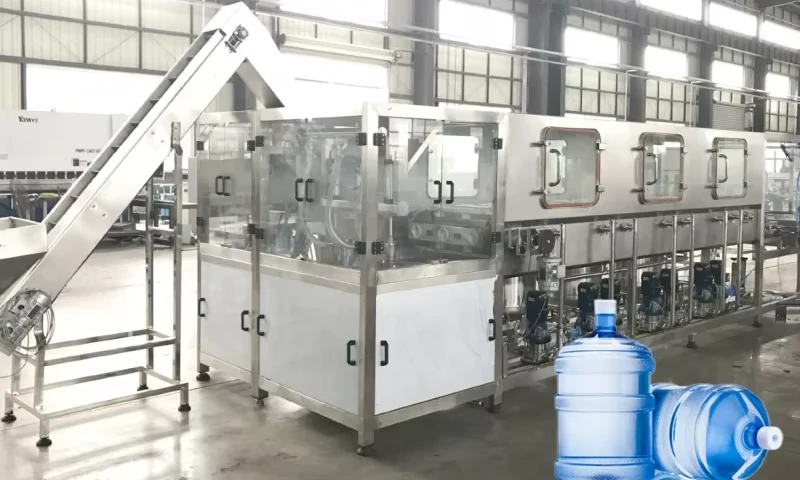
Equipment
Automatic 5 Gallon Water Filling Line | 3-5 Gallon Bottled Water Production Line Manufacturer
The automatic 3–5 gallon water filling line washes, fills and caps returnable jars for purified-water and mineral-water production.
Learn more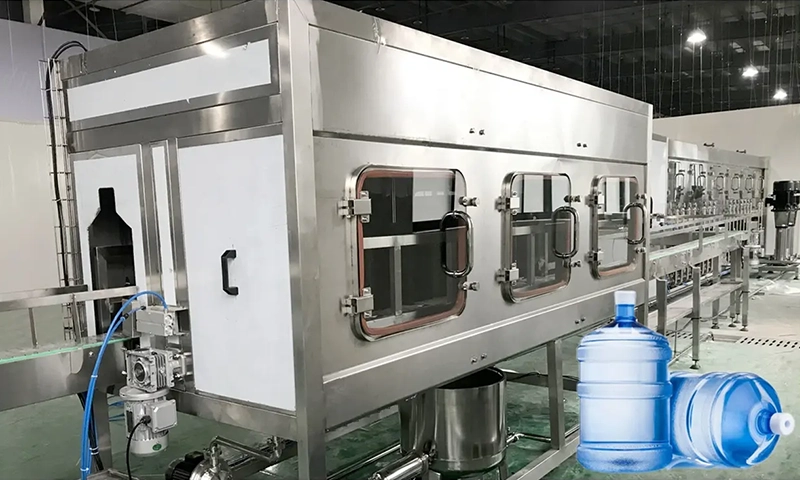
Equipment
5 Gallon Barrel Water Filling Machine
Automatic washing, filling and capping for 3–5 gallon drinking-water jars, with de-capping and jar-washing line options.
Learn more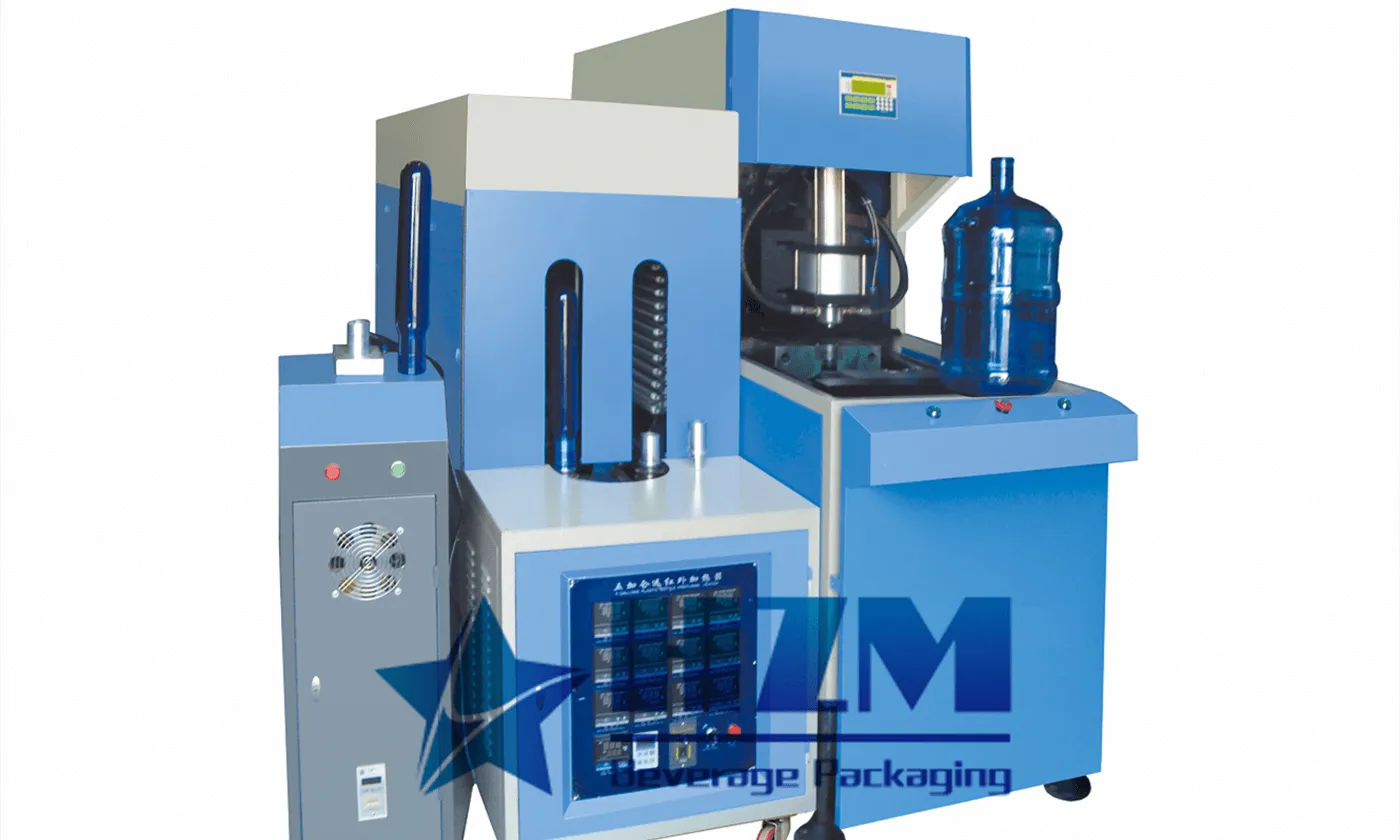
Equipment
5 Gallon Bottle Blow Molding Machine
This blow moulding machine produces large PET water bottles, including 5-gallon containers.
Learn more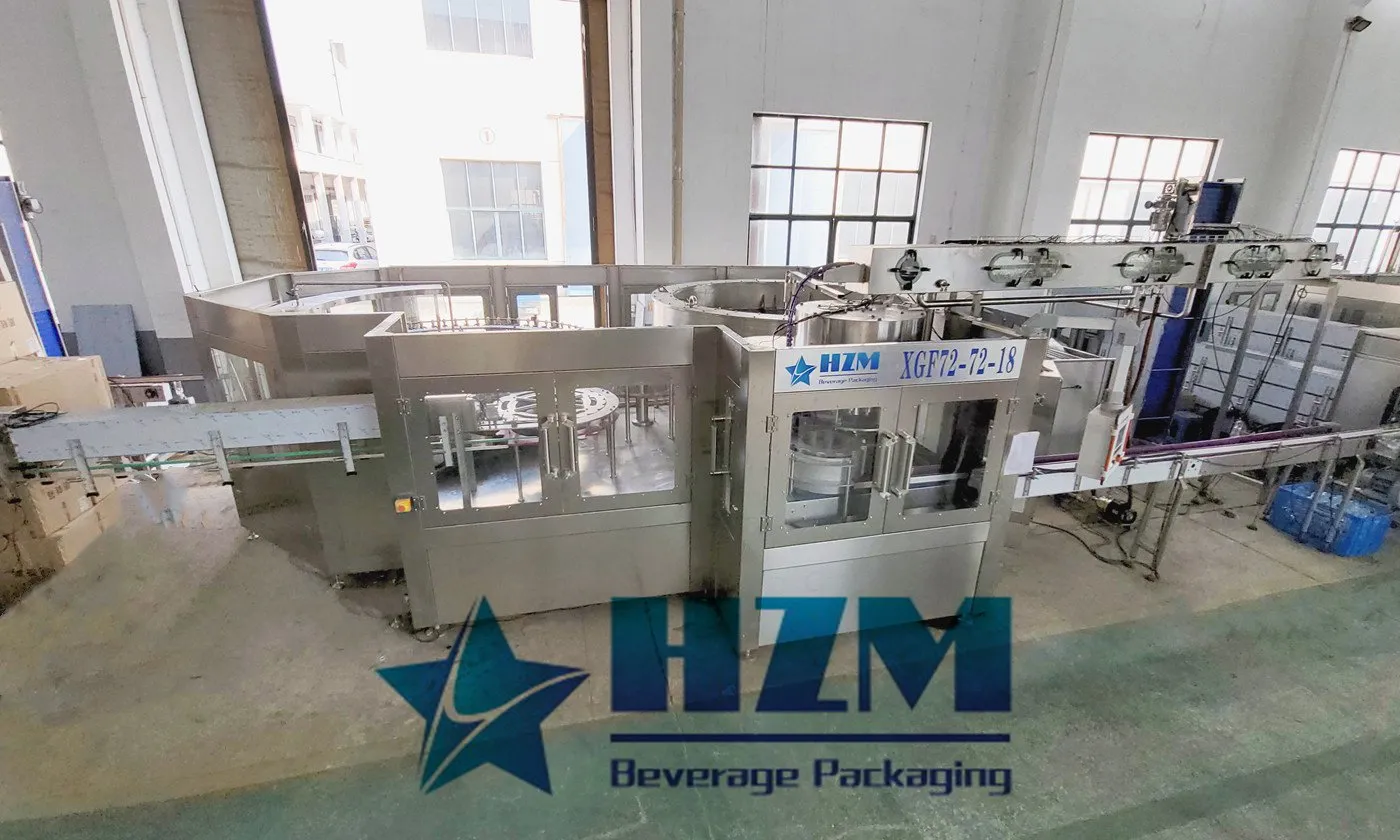
Equipment
Automatic Water Bottle Filling Machine
Automatic rinsing, filling and capping for purified and mineral water in PET bottles, with capacities of 5,000–42,000 bottles/hour at 500 ml.
Learn more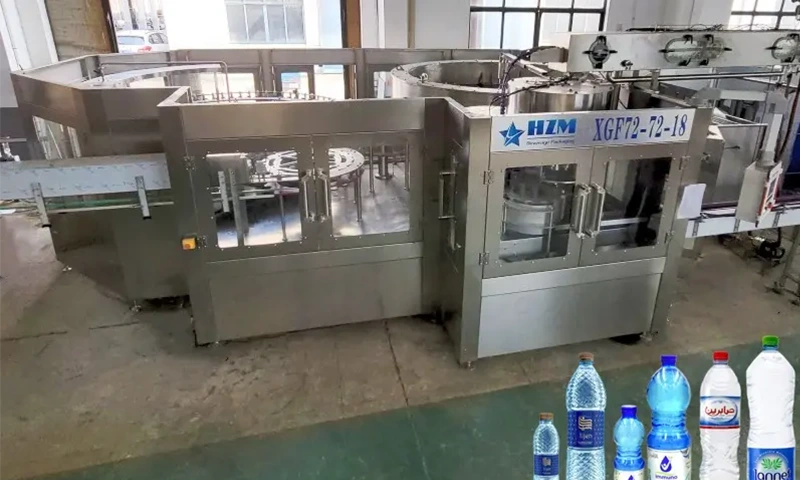
Equipment
3-In-1 Water Bottle Filling Machine
A 3-in-1 PET bottle rinsing, filling and capping machine for drinking water, from 5,000 to 18,000 bottles/hour at 500 ml.
Learn more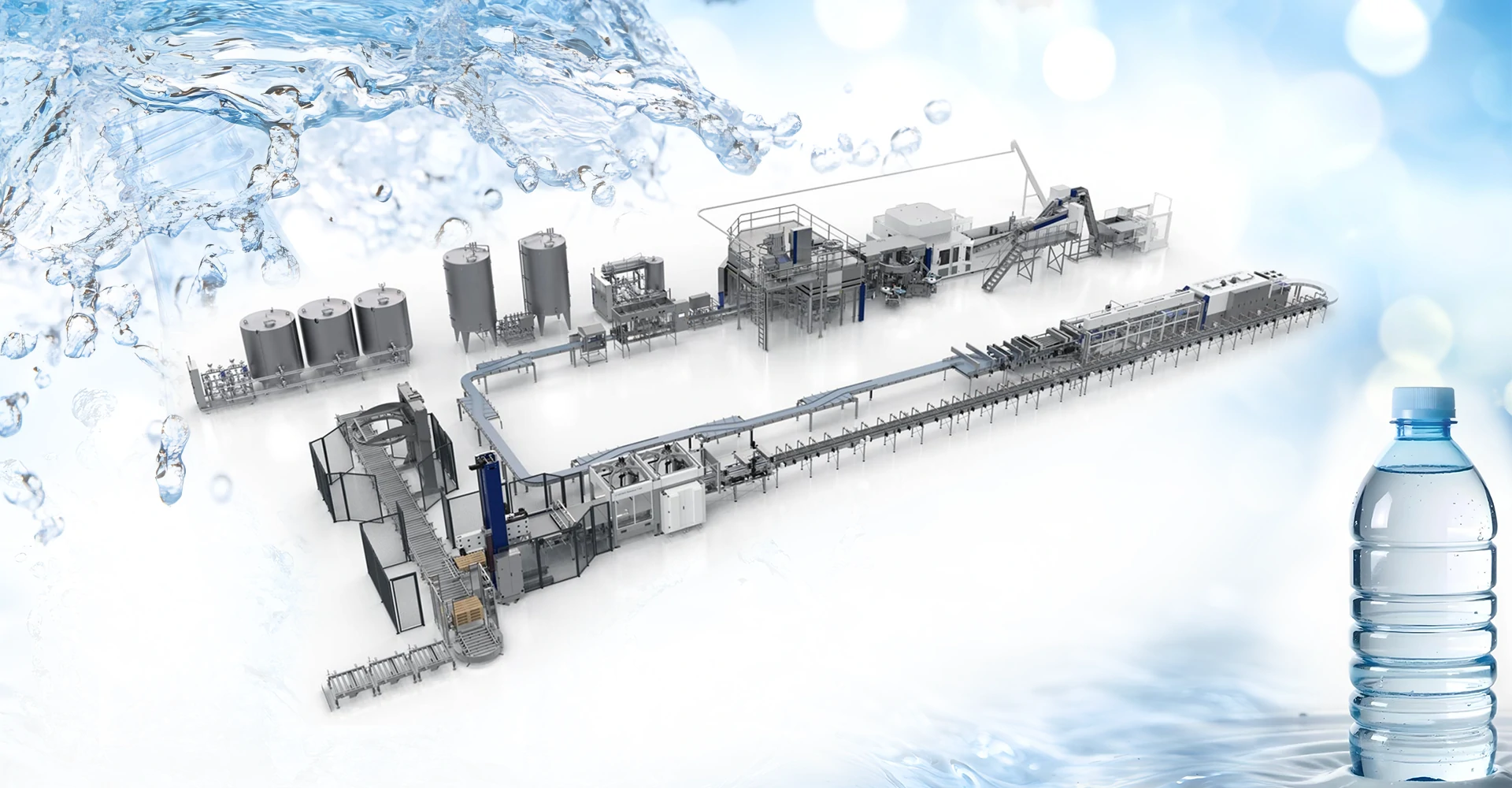
Equipment
Drinking water production line – Bottled Water Filling Machine Manufacturer
PET-bottled drinking-water production with automatic rinsing, filling and capping, plus water treatment and packaging equipment.
Learn more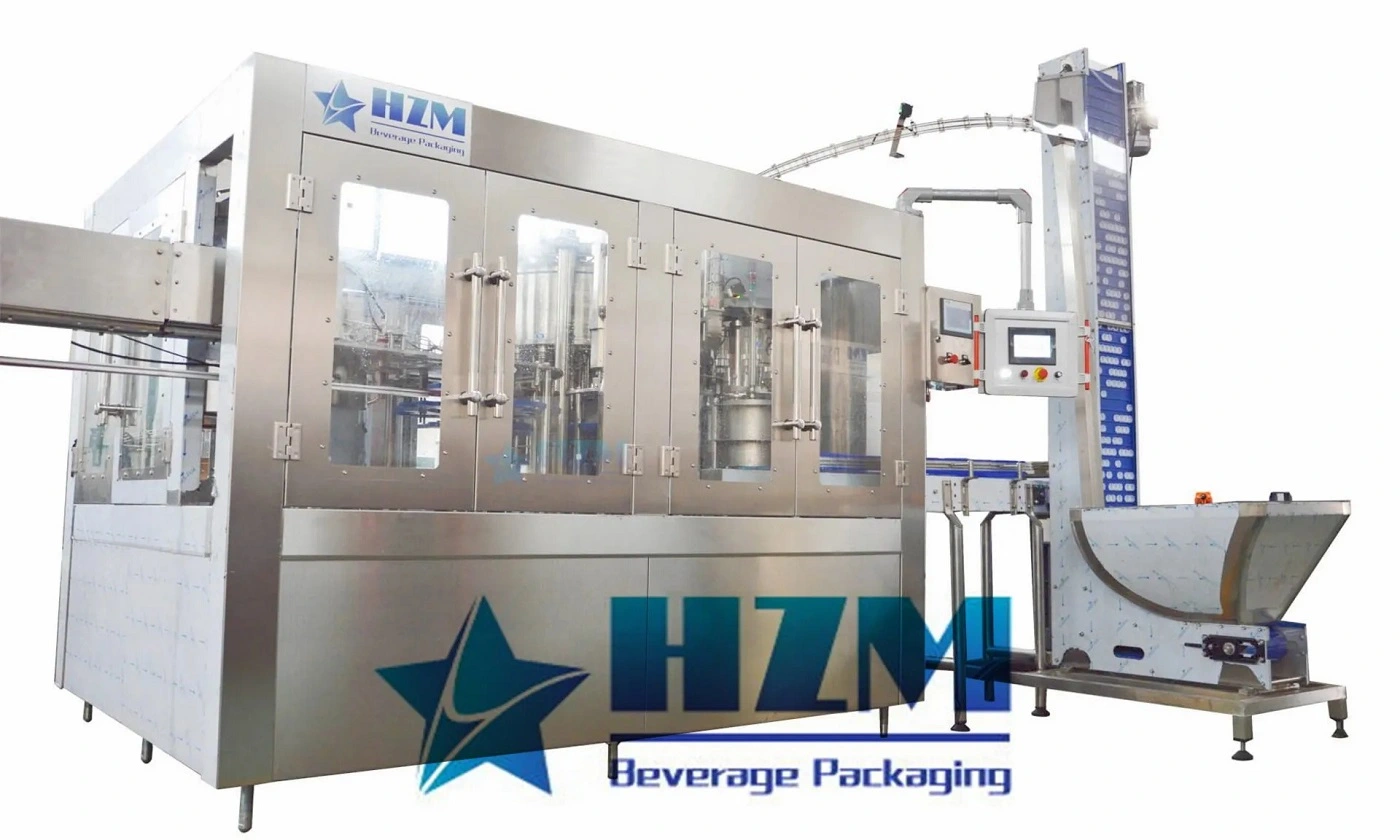
Equipment
Automatic Drinking Water Bottling Machine
Drinking-water bottling equipment with automatic rinsing, filling and capping, plus conveying, labelling and packing options.
Learn more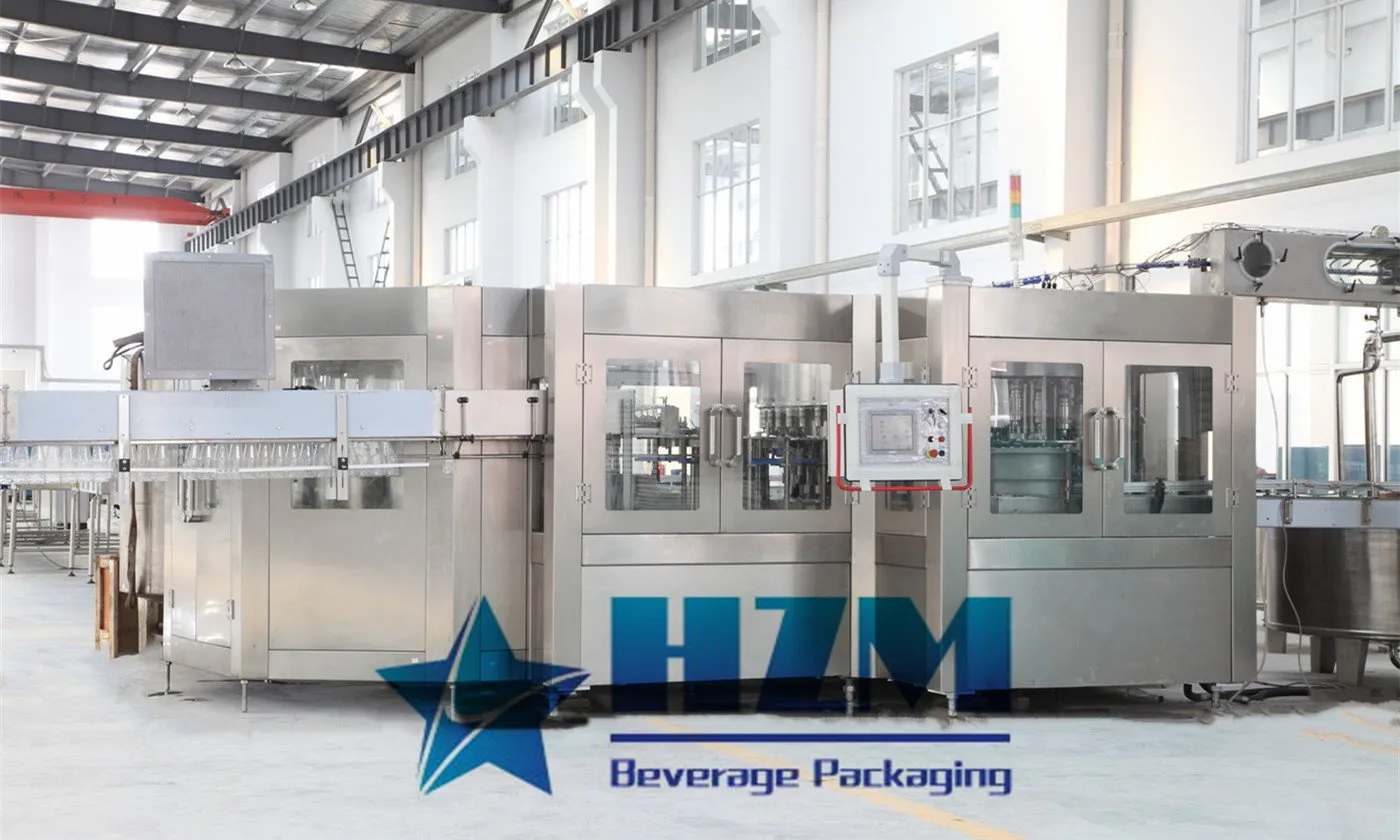
Equipment
PET Bottle Water Filling Machine
PET bottle water filling with automatic rinsing and capping, for purified water, mineral water and still drinking water.
Learn more2023-06-02
HZM: Your Reliable Supplier for 5 Gallon Water Filling Line
A 5 gallon water filling line is designed to automate the entire process of filling and sealing large water containers. It includes various stages, such as bottle washing, sterilization, filling, capping, and labeling.
Learn more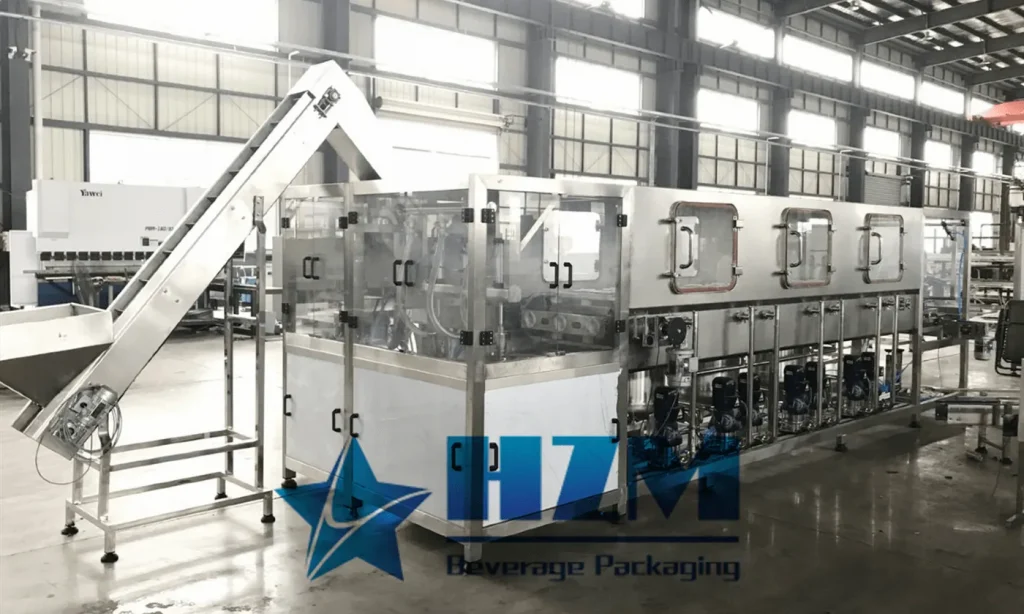
2023-07-12
Efficient and Reliable 3-5 Gallon Water Filling Line
We specialize in the production and sale of 5 Gallon Water Filling Machines, reverse osmosis equipment, purified water production lines, mineral water production lines, and three-in-one filling machine equipment
Learn more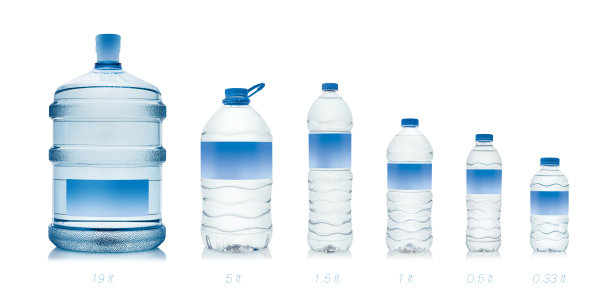
2023-06-23
5-Gallon Water Production Line
At HZM Machinery, we strive to provide high-quality and efficient solutions for 5-Gallon Water Production Line to meet the needs of the industry.
Learn more
2023-06-23
Bottled Water Production Line:5-gallon
Bottled Water Production Line is suitable for producing large water barrels with capacities of 3 gallons, 5 gallons (18.9L), and so on. Currently, based on market demand, our company offers bottled water production line equipment with capacities ranging from 150 barrels/hour to 2000 barrels/hour. The main components of the 5-gallon bottled water filling machine include […]
Learn more2023-06-09
5-Gallon Water Bottling Line Guide: Returnable Jar Inspection and Washing
Practical HZM guidance on 5-gallon water bottling line, focused on returnable jar inspection and washing, line integration, RFQ data and measurable acceptance checks.
Learn more2026-08-01
5-Gallon Returnable Water Bottles: Washing and Inspection Checklist
A practical receiving, inspection, washing, rinsing and verification checklist for returnable 3–5 gallon bottled-water production.
Learn more