
Insights & Updates
Top 5 Causes of Damage to Aluminum Cans on the Cans Filling Line
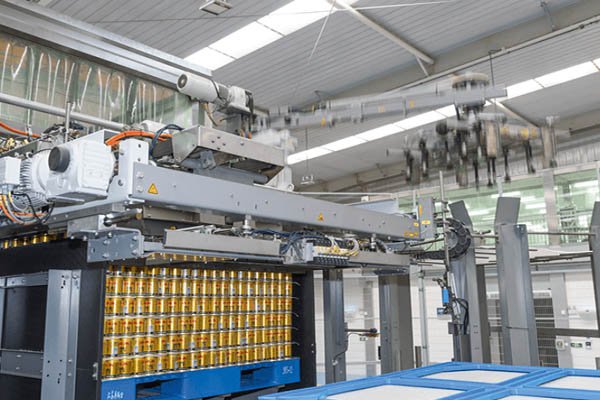
Aluminum packaging has several positive attributes. Aluminum containers can be recycled indefinitely. The manufacture of aluminum cans is very challenging and requires a lot of research, design and precision machining. Many people think that aluminum cans are the most advanced products in engineering in the world.
Despite the feat of modern engineering, processors have encountered problems that could be improved on the filling and packaging lines.
Running can filling lines is no different. No matter how many products are running, deceleration, stopping and damage will still cause losses. These same engineering marvels can easily be crushed and sunken in the side walls of the container.

The characteristics of aluminum containers
Lightweight and cost-effective aluminum cans and bottles are an increasingly popular choice for producers, but like any material, they are easily damaged. In the case of aluminum, it is more susceptible to dents, aesthetics, and crush damage.
Types of damage most common in aluminum cans during processing:
Denting & Pin-hole Damage
Label Degradation (including UPC)
Crush Damage
Aesthetic Damage
Improper Seal
When talking about this type of damage in can production line, one of our customers at Masitek is experiencing such high friction that the UPC code has been deleted and becomes unusable. Another business of a leading beer producer encountered pinholes and leaks in the canning business. Most packaging engineers I personally spoke to were aware of this damage. Identify and understand more challenging causes of damage.
Until technology innovations, smart in-line sensors, it was difficult to pinpoint high levels of Shock, Pressure and Vertical Load but now these forces can be pinpointed and equipment variable adjusted.
As a can filling machine, think about what conveyor, lubricant or calibration settings will reduce damage or increase efficiency.
Talk to our engineering team
Need help planning your packaging line?
Share your product, bottle and capacity requirements for a practical equipment recommendation.
Equipment
Aluminum Can Filling Machine
Beer can filling and seaming equipment for beverage canning lines, with CGS models from 6,000 to 36,000 cans/hour at 330 ml.
Learn more
Equipment
Beverage Can Packaging machine
Beverage can filling and seaming for carbonated drinks and beer, with conveying, packing and palletising line options.
Learn more
Equipment
CSD Beverage Can Filling Machine
CGS can filling and seaming for carbonated beverages, with capacities of 6,000–36,000 cans/hour at 330 ml.
Learn moreEquipment
Carbonated Beverage Can Filling Machine
Automatic carbonated beverage can filling and seaming, with CGS capacities of 6,000–36,000 cans/hour at 330 ml.
Learn more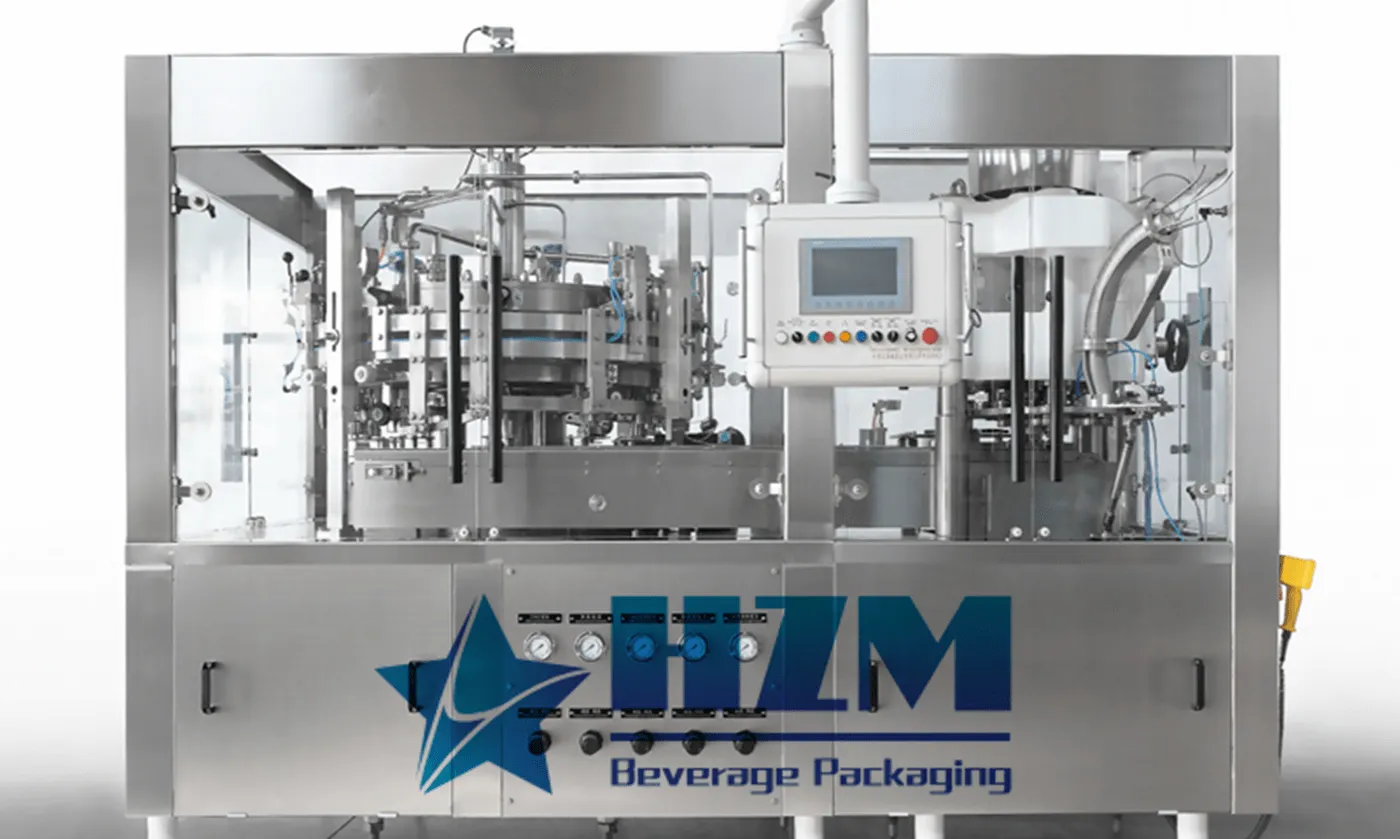
Equipment
Can Filling Sealing Machine
Automatic beverage can filling and seaming for carbonated soft drinks and beer, from 6,000 to 36,000 cans/hour at 330 ml.
Learn more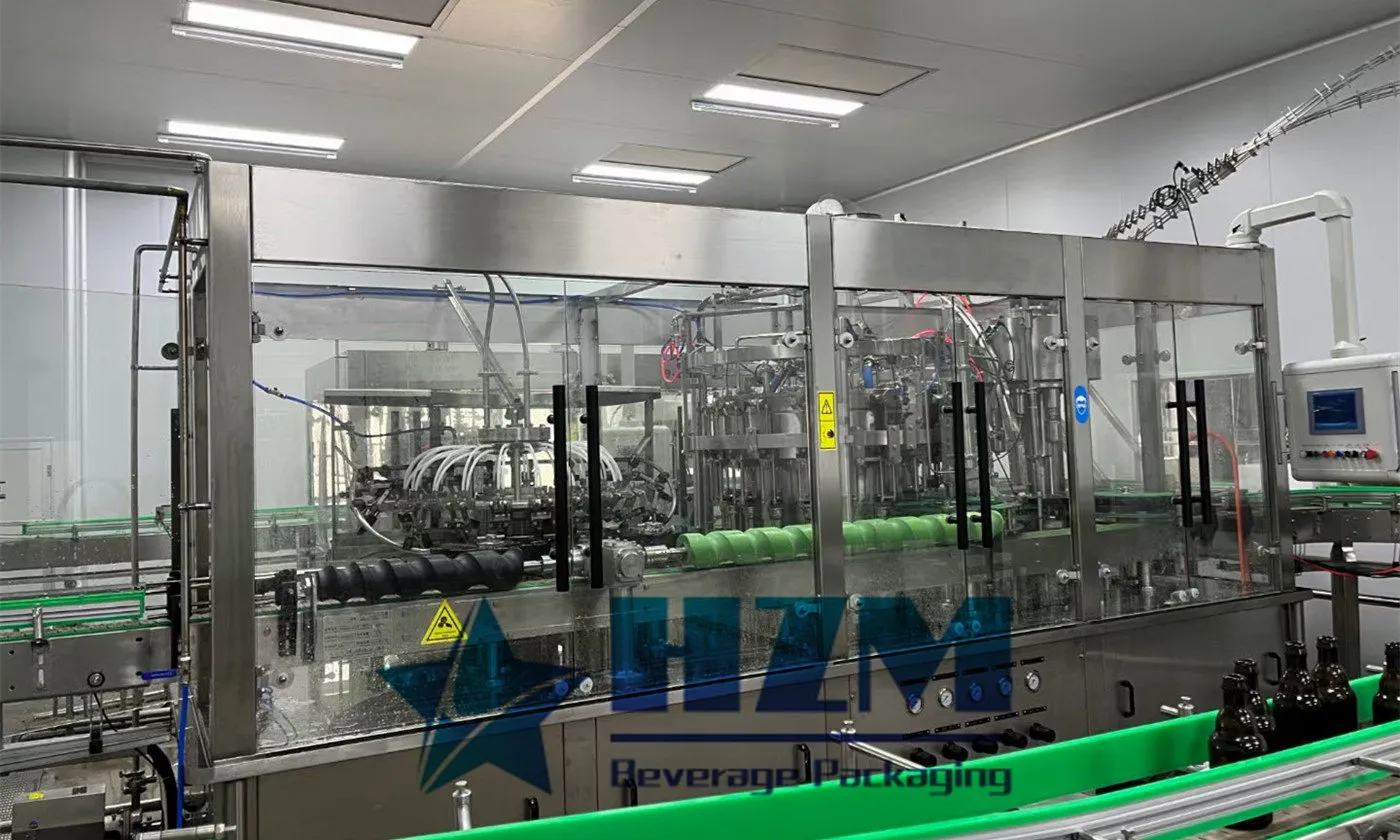
Equipment
Craft Beer Can Filling Machine
Craft beer can filling and seaming with CGS models from 6,000 to 36,000 cans/hour at 330 ml.
Learn more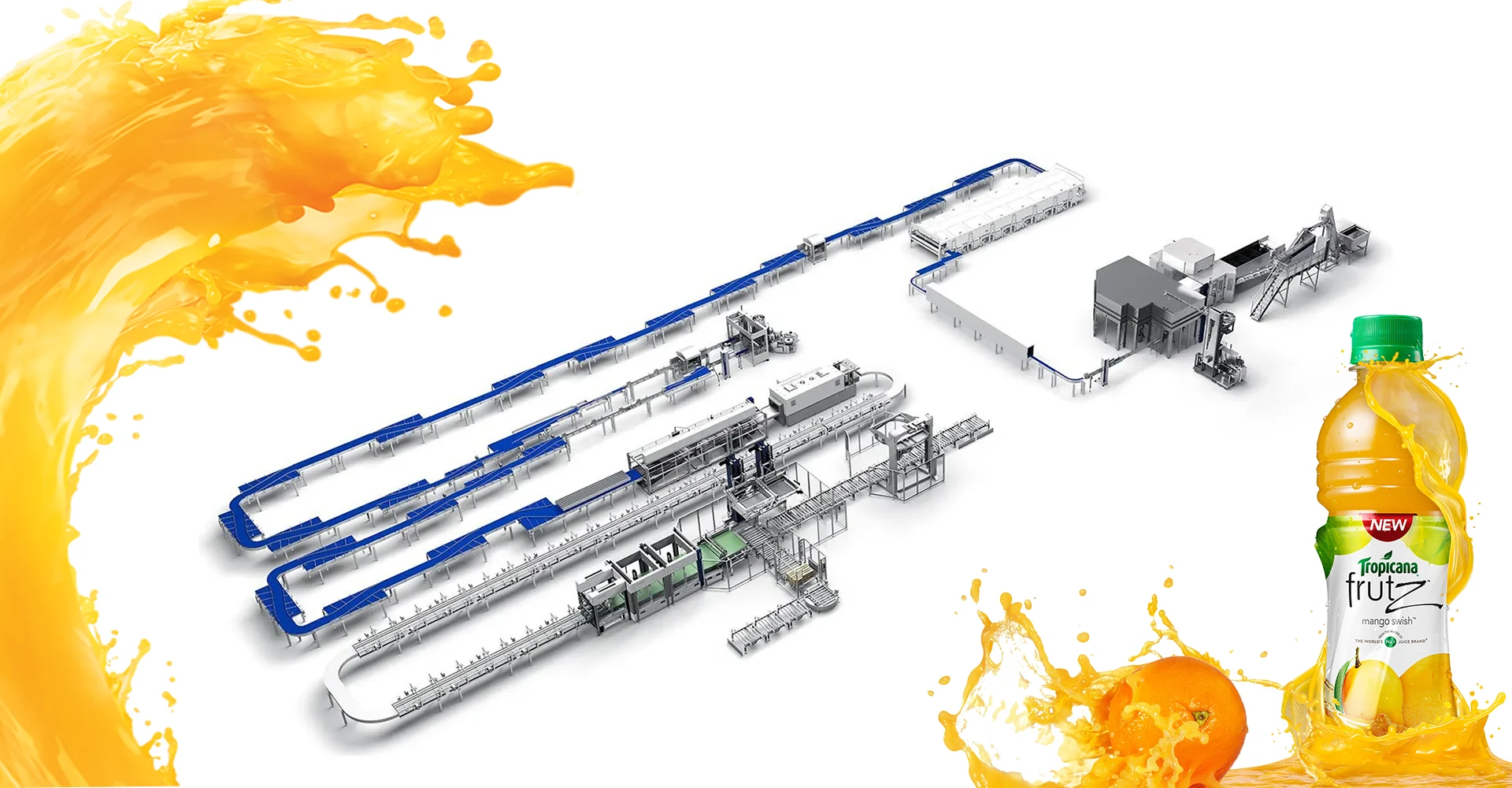
Equipment
Beverage Filling Machine & Turnkey Filling Line for Juice, Soft Drinks and Cans
Beverage filling machines and turnkey lines for juice, soft drinks, water and beer in PET bottles, glass bottles or cans.
Learn more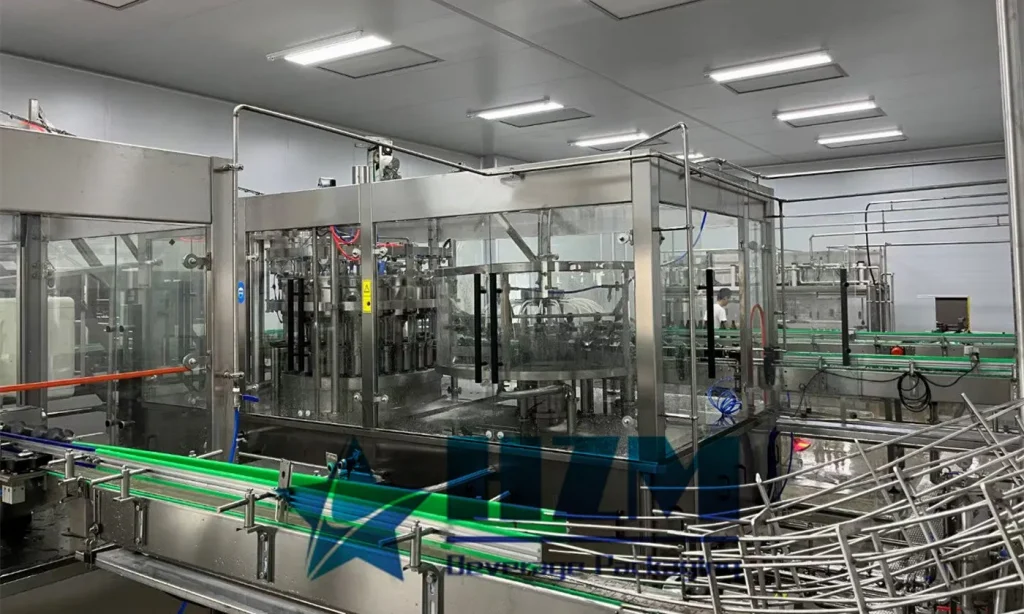
2023-09-20
Beverage Can Filling Machine Manufacturer Prices
Beverage can filling machines are automated systems engineered to fill liquid beverages into various can types, including aluminum, plastic, and glass. These machines accommodate a wide range of beverages, from carbonated drinks and juices to water and energy drinks.
Learn more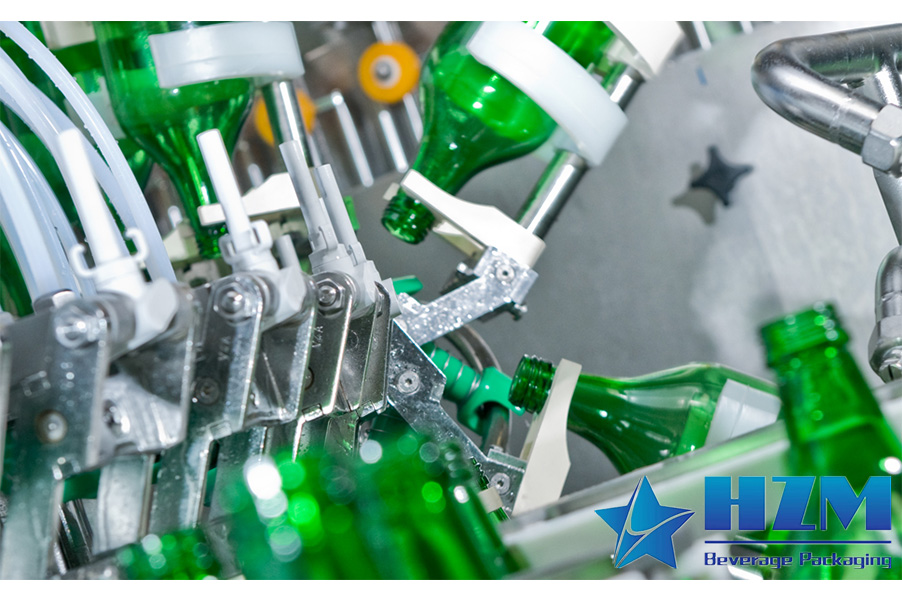
2023-10-09
Three Can Filling Methods and Their Characteristics in Beverage Filling Machines
A beverage filling machine is a subcategory of packaging machinery used for producing bottled and barrelled drinking water, including mineral water. It comprises processes such as cleaning, filling, and capping, making it an ideal equipment for the production of mineral water and purified water.
Learn more2023-10-24
Automatic Can Packaging Machine
Automatic Can Packaging Machine are mainly used in industries such as food and beverage, dairy, brewery, condiments, etc., and are production equipment designed for efficient and precise filling and can sealing.
Learn more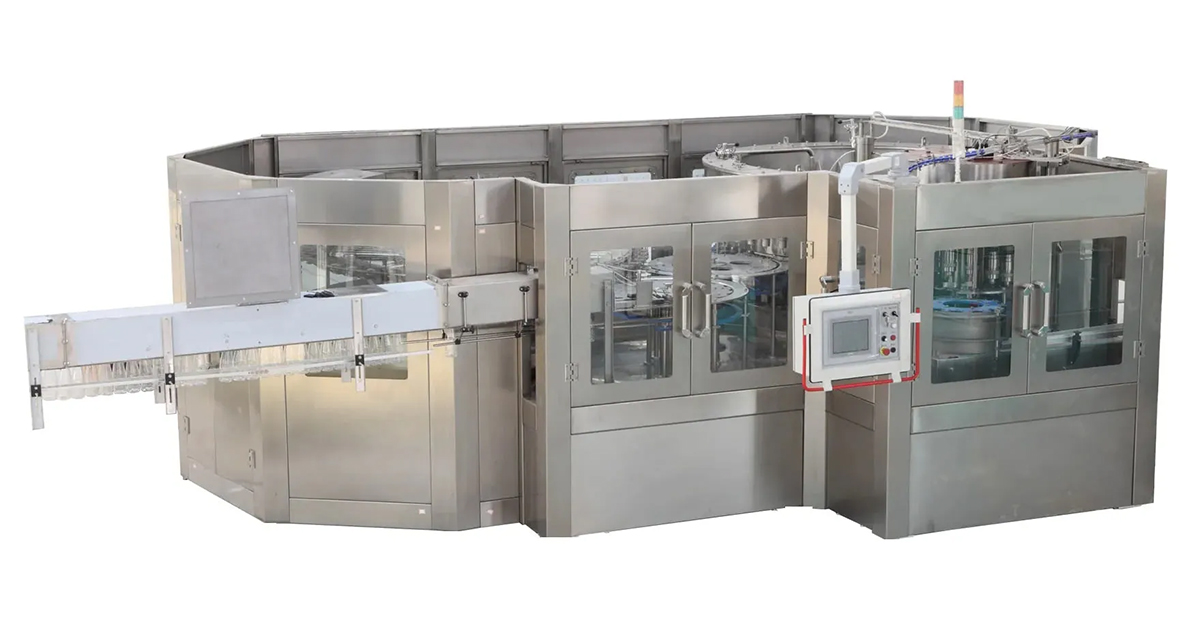
2023-07-08
Advanced Bottle and Can Filling Machines by HZM Machinery
In the ever-growing demand for bottle and can filling machines, HZM Machinery stands out as an excellent manufacturer committed to offering superior equipment and comprehensive pre-sale, in-sale, and after-sale services to drinking water manufacturers, mineral water producers, and 5-gallon drinking water suppliers.
Learn more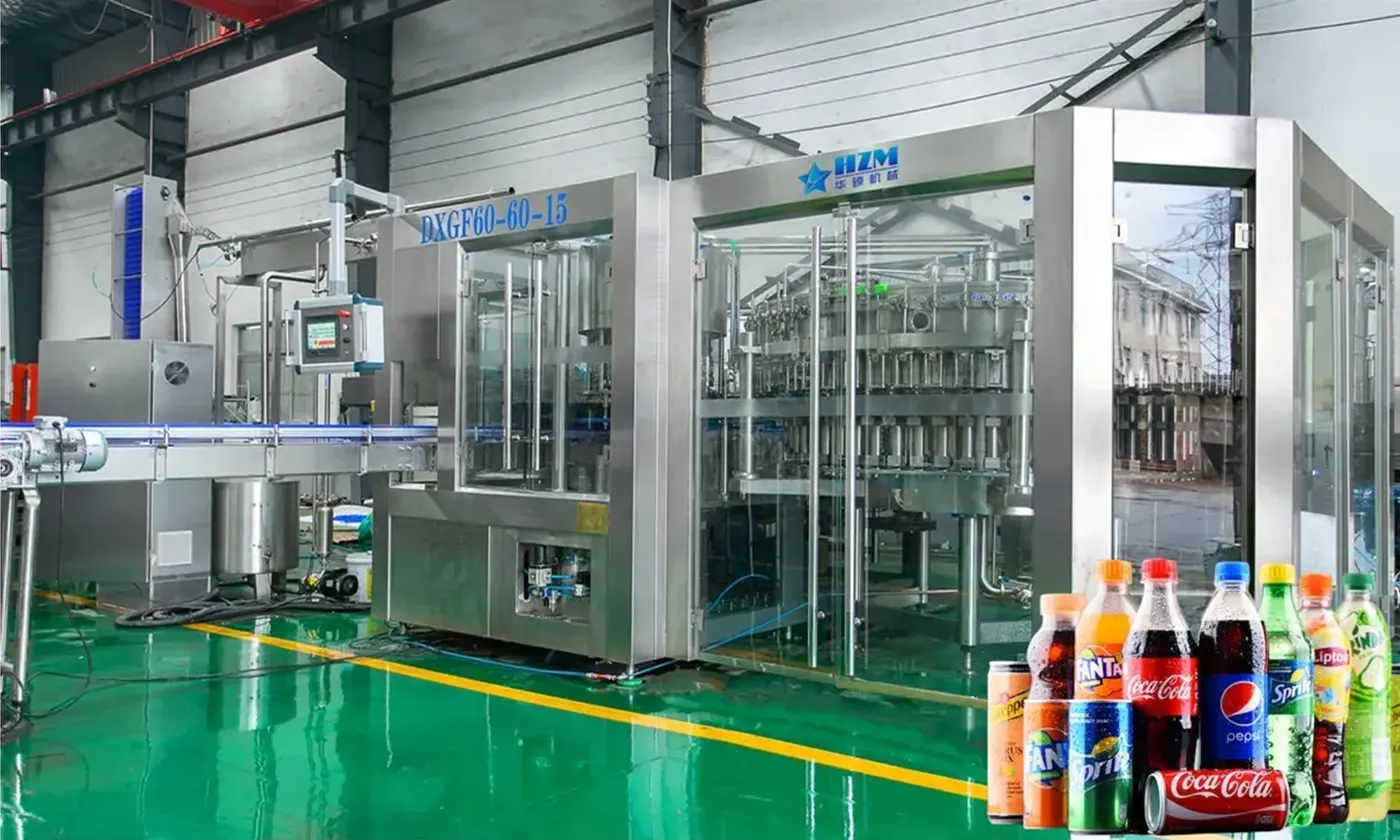
2023-12-01
What are the causes and solutions for filling errors in beverage filling machines?
the beverage filling machine may encounter filling errors, affecting both product quality and production efficiency. So, what are the reasons behind the occurrence of filling errors in beverage filling machines?
Learn more2024-03-18
Causes of Error in Liquid Filling Machines
Liquid filling machines equipped with advanced automatic temperature control technology, convenient operation, and stable sealing quality are widely used in packaging pharmaceuticals, various beverages, soy sauce, and other liquid mediums.
Learn more