
Tunnel Pasteurizer PU Values Are Too High or Too Low
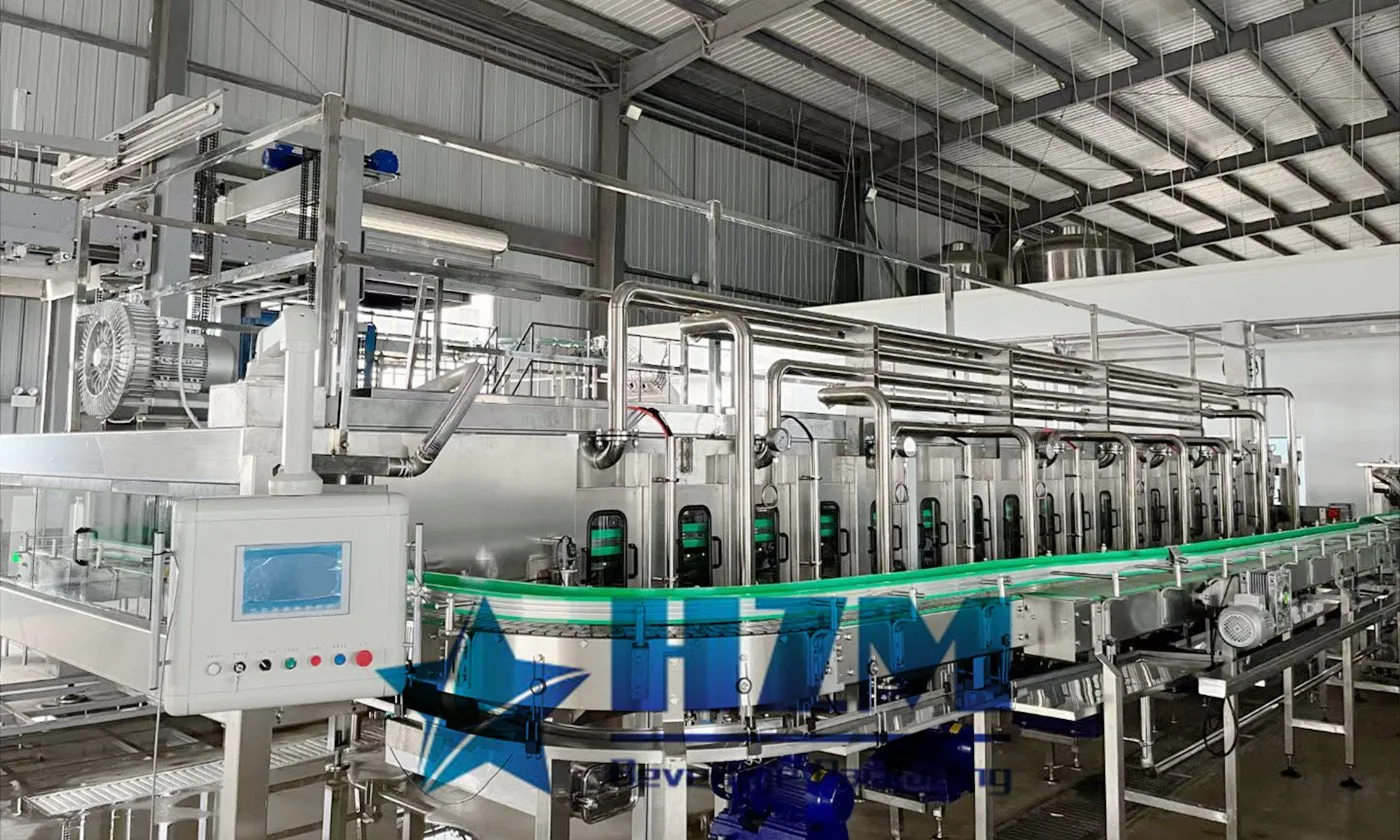
Verify the PU measurement, then check product entry temperature, conveyor residence, zone temperatures, spray coverage, nozzle blockage, recirculation flow and container position. Average tunnel temperature can hide cold lanes.
Place affected product on hold and follow the validated food-safety plan. Isolate heat, pressure, chemicals and rotating equipment before inspection; only an authorized process authority may release product after a critical deviation.
Locate the fault
- Data loggers show different PU by conveyor lane
- Packages overheat or remain underprocessed
- Zone temperature is stable but product temperature is not
- Results change with conveyor loading
Inspection sequence
- Hold affected product under the scheduled process and quality plan
- Verify calibrated PU loggers and consistent container placement
- Map product-temperature histories by lane and position
- Measure conveyor speed and actual residence including stops
- Inspect spray pattern, nozzles, strainers and recirculation flow
- Trend zone temperatures and incoming package temperature
Corrective work
- Clean and balance spray distribution
- Restore conveyor speed and stop handling to the validated process
- Repair zone heating, cooling and controls
- Repeat a qualified temperature-distribution and PU validation
Operating records and follow-up
- Inspect spray coverage at startup
- Trend lane-specific performance
- Maintain strainers and pumps
- Control product entry temperature
- Revalidate after conveyor or zone changes
Equipment details: Tunnel Pasteurizer.
Need help planning your packaging line?
Share your product, bottle and capacity requirements for a practical equipment recommendation.
Tunnel Pasteurizer
The tunnel pasteurizer carries packaged beverages through controlled heating, pasteurising and cooling zones.
Learn more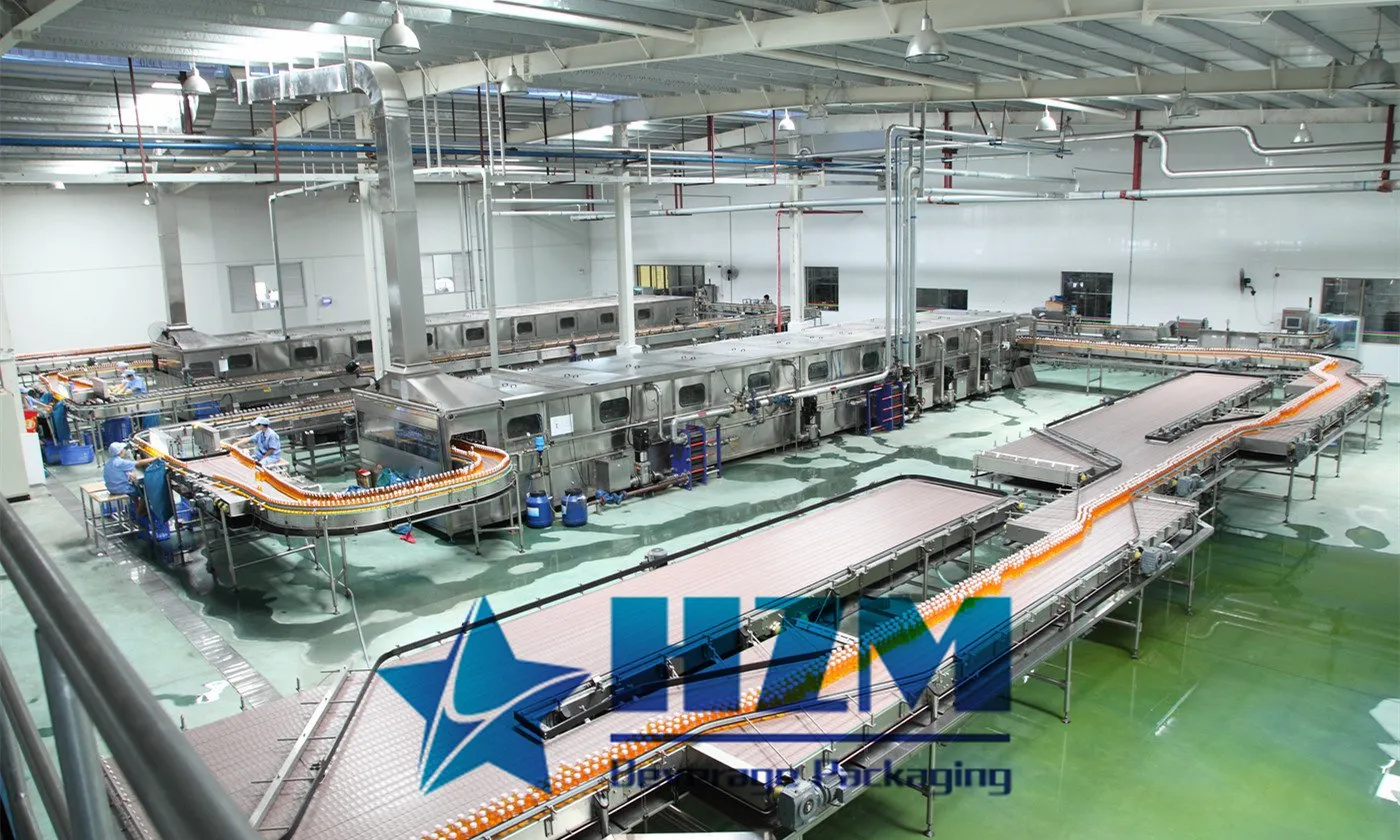
Automatic Spraying Tunnel
Water-spray heating and cooling equipment for bottled and canned beverages, with adjustable treatment time and temperature.
Learn more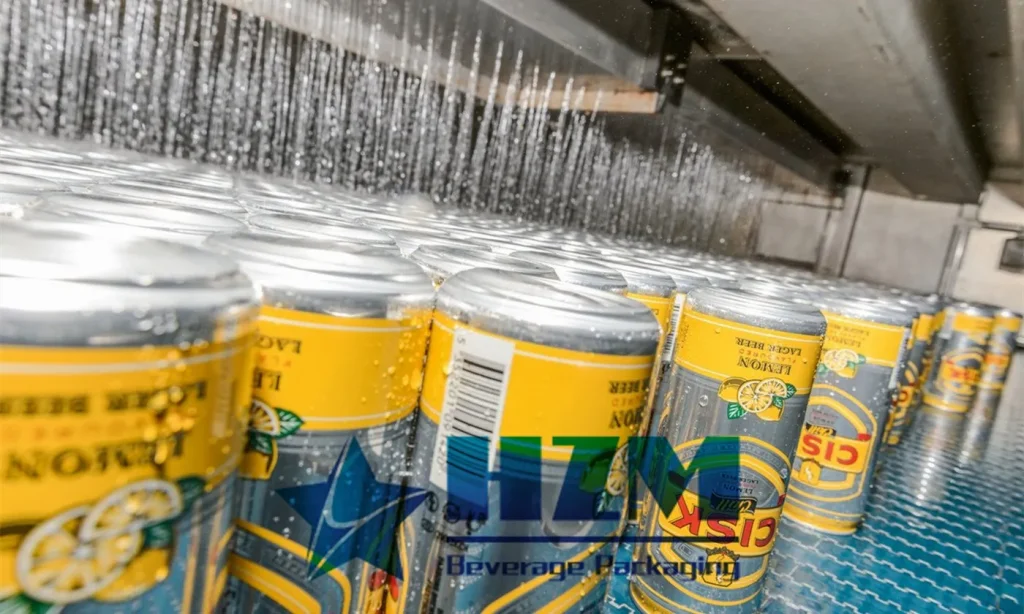
Modern Beverage Tunnel Pasteurizer Machine
modern beverage manufacturing companies need advanced technological equipment to ensure the quality and safety of their products. The Beverage Tunnel Pasteurizer Machine, as an efficient and reliable sterilization device, provides a crucial safeguard for the beverage industry, helping companies produce safer and fresher products that meet consumer demands.
Learn more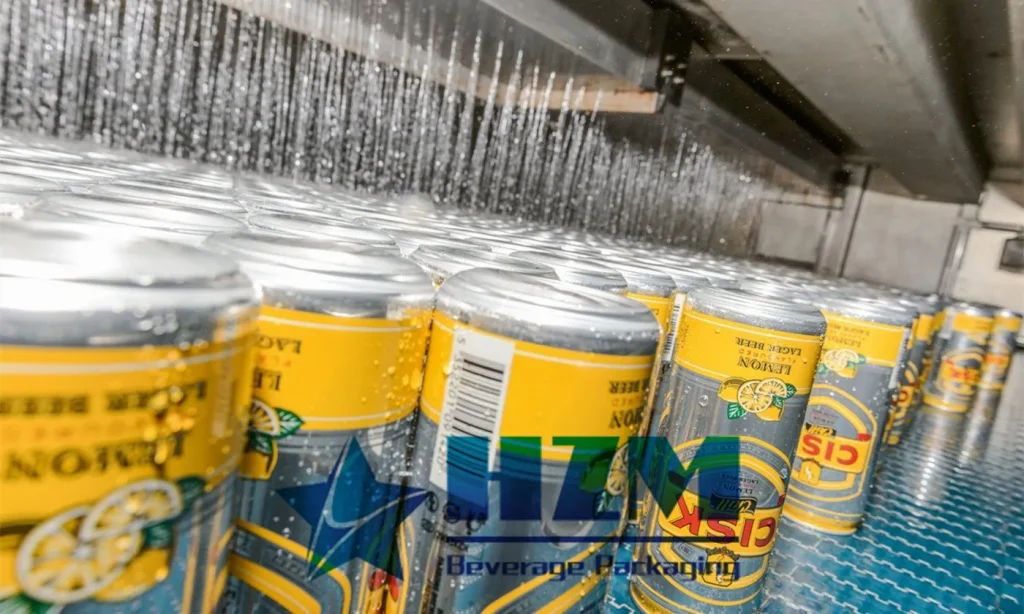
Preparing the Site for a Beverage Tunnel Pasteurizer
A tunnel pasteurizer needs the approved product-package process, conveyor arrangement, utilities and drainage.
Learn more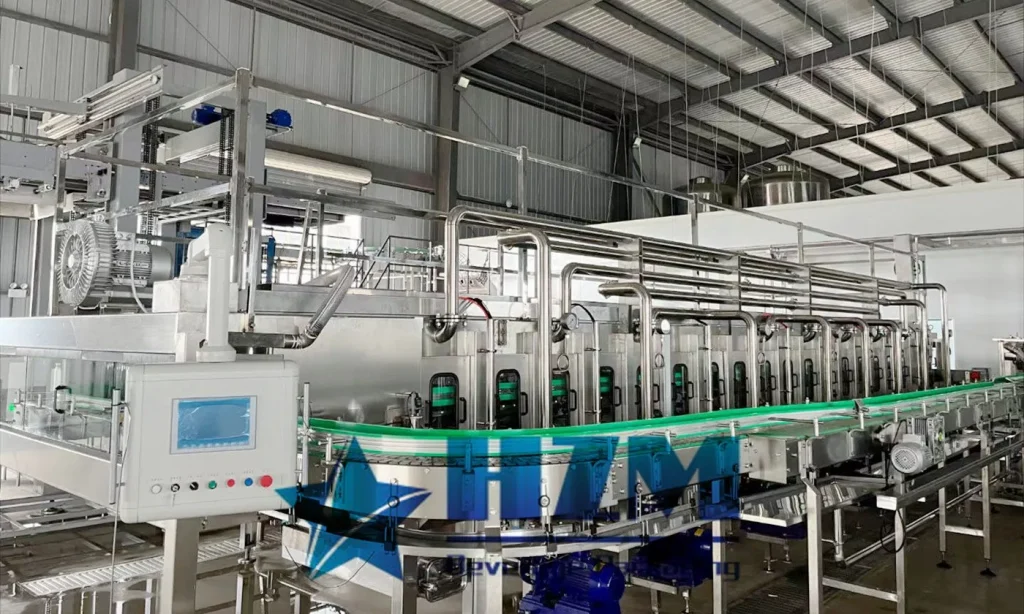
Advancing Food Safety with the Tunnel Pasteurizer Machine
In the ever-evolving landscape of food and beverage production, ensuring the safety and quality of products is paramount. One significant innovation in this realm is the Tunnel Pasteurizer machine.
Learn more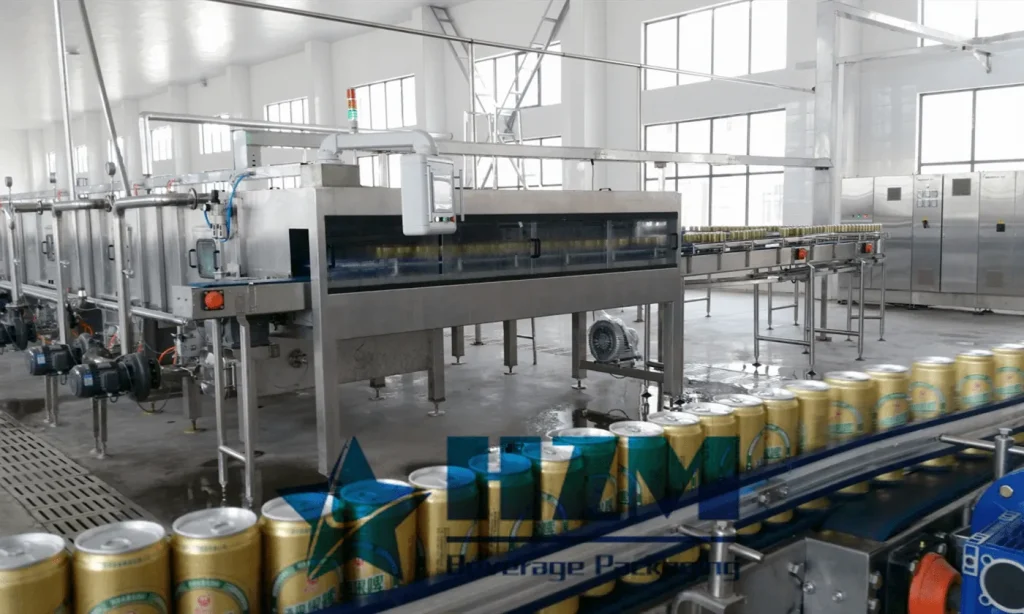
Controlling Package Treatment in a Tunnel Pasteurizer
Connect product temperature history, belt loading, spray coverage and line-stop response with a validated tunnel pasteurization process.
Learn moreMeasuring Utility Use on a Beverage Tunnel
A tunnel's utility use depends on product entry conditions, production rate, thermal duty and operating interruptions.
Learn more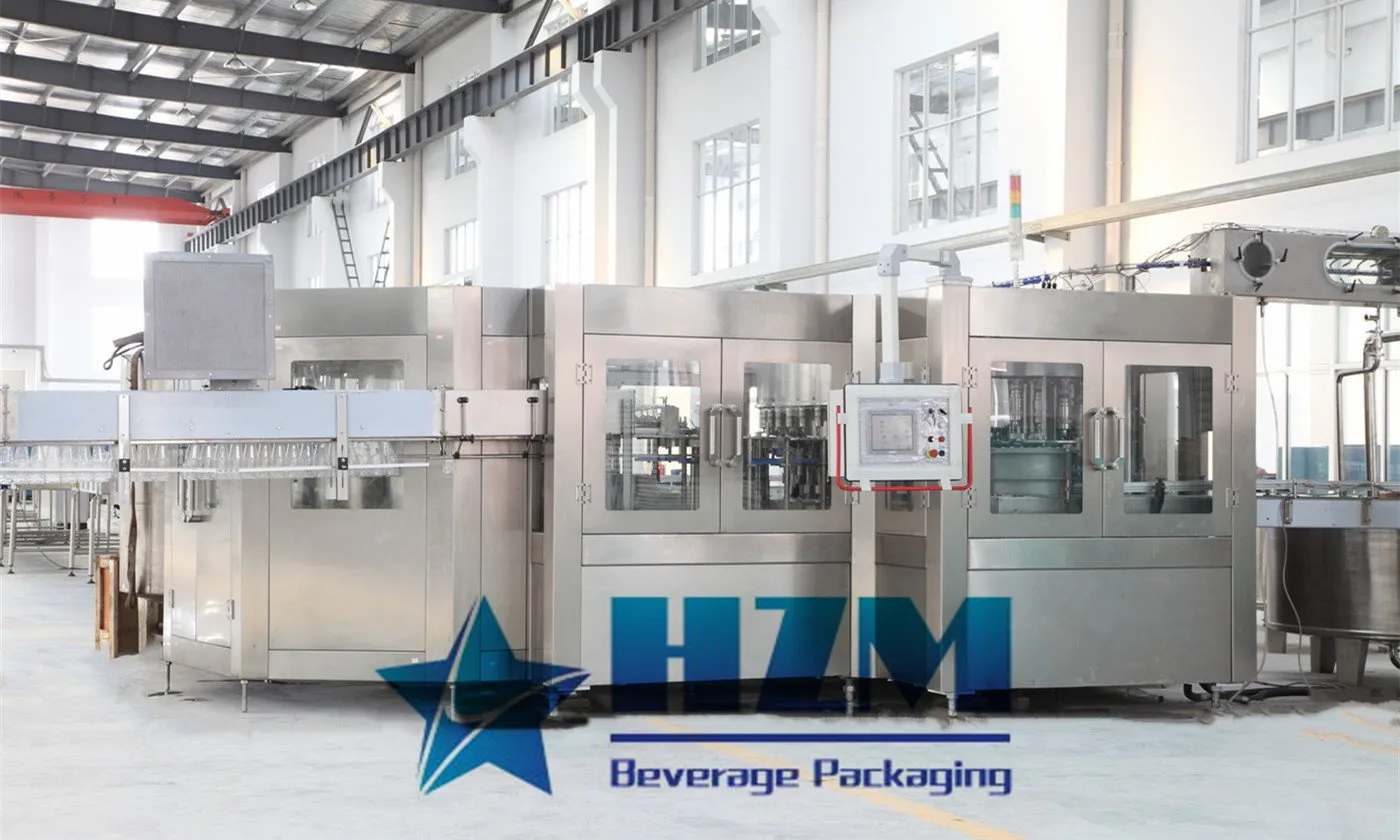
Low-cost PET bottle filling machine
Compare PET filling-machine costs, production capacity, labour, utilities and changeovers to choose equipment that meets your budget and bottle requirements.
Learn more