
Insights & Updates
Tunnel Pasteurizer Production Line: Process, Controls and Safety
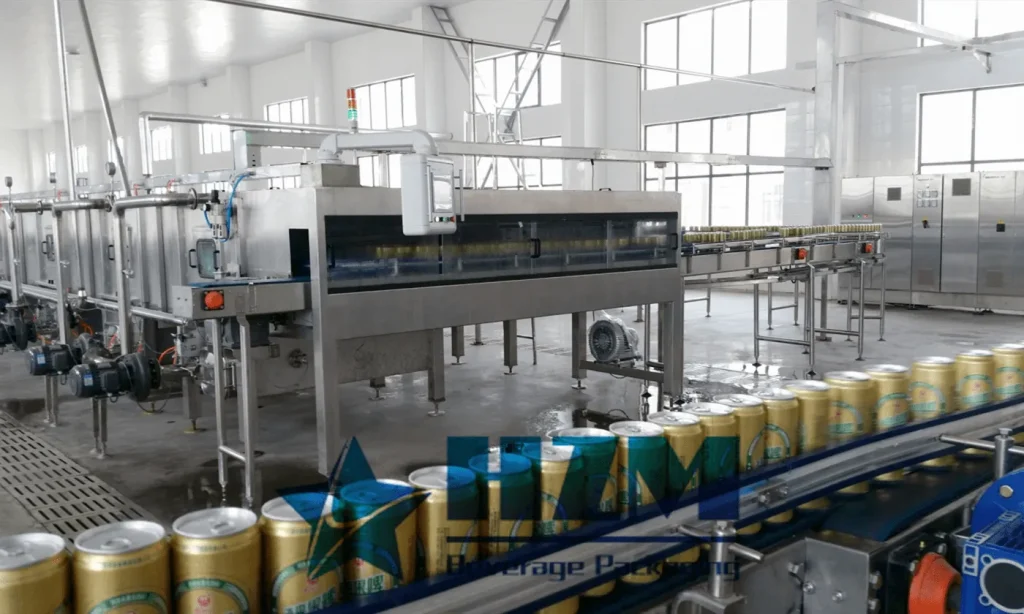
A tunnel pasteurizer applies a controlled heat treatment to sealed bottles or cans as they travel through warm-up, pasteurization and cooling zones. It is commonly used for beer, juice, tea and other packaged beverages whose process has been validated for tunnel treatment. The machine must deliver the required microbial effect without damaging flavor, labels, closures or containers.
It is important to separate two different processes. A plate or tubular pasteurizer heats liquid before filling; a tunnel pasteurizer treats the already sealed package. The right choice depends on the product, package, filling method and shelf-life plan.
How the tunnel process works
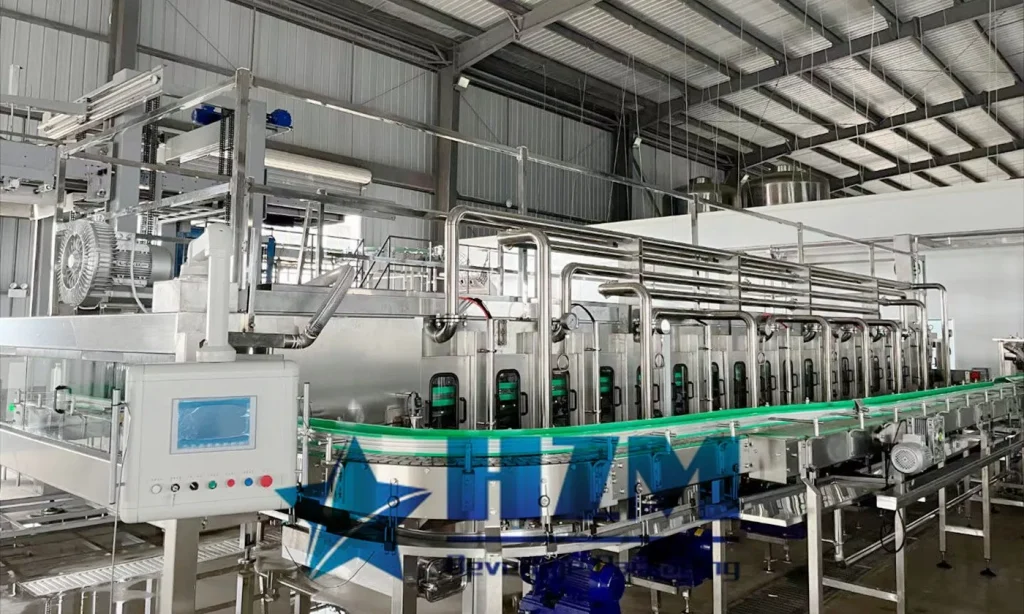
Packages enter on a wide conveyor or modular belt. Pumps circulate water through spray headers above the containers. Separate zones raise the package temperature gradually, hold it in the pasteurization range and then cool it in controlled steps.
- Preheating: reduces thermal shock by raising package temperature in stages.
- Heating: brings the coldest point in the product toward the target range.
- Pasteurization or holding: delivers the validated time-temperature effect.
- Pre-cooling: lowers temperature gradually and can recover heat to an earlier zone.
- Final cooling: prepares the package for labeling, packing or storage.
Zone temperatures alone do not prove that the product received the required treatment. Validation uses instrumented packages and a defined calculation or time-temperature target for the actual product and container.
Pasteurization units and process validation
Many beverage operations express tunnel treatment as pasteurization units, or PU, calculated from the product’s time-temperature history. The reference temperature and z-value depend on the process definition; they should not be copied blindly from another product.
Under-processing can leave a microbiological risk. Excessive treatment can damage taste, color, nutrients and package appearance. The target and acceptable range should be established by the beverage technologist or process authority and confirmed with a calibrated data logger.
Information required for machine sizing
- Product type, initial temperature and validated treatment target.
- Container material, diameter, height, wall strength and closure.
- Required containers per hour for every format.
- Package layout and maximum loading density on the belt.
- Available steam or hot water, cooling water and electrical supply.
- Factory ambient conditions and cooling-water temperature.
- Infeed and discharge conveyor height and available footprint.
- Heat-recovery, water-treatment and filtration requirements.
The supplier uses residence time, belt loading and heat-transfer assumptions to determine tunnel length and width. Capacity should be guaranteed for the most demanding package, not only the smallest bottle.
Critical controls and instruments
| Control | Purpose | Failure symptom |
|---|---|---|
| Zone temperature | Maintains the programmed heat profile | Under- or over-pasteurization |
| Belt speed | Sets package residence time | Treatment changes when speed drifts |
| Spray pressure and coverage | Transfers heat evenly | Cold lanes or uneven package results |
| Tank level | Protects pumps and circulation | Pump cavitation or loss of spray |
| Package accumulation | Prevents uncontrolled dwell time | Packages remain hot during downstream stops |
| Data recording | Supports traceability and validation | No evidence that the scheduled process was delivered |
Protect bottles, cans and closures
Glass bottles can crack when temperature changes are too abrupt or existing defects are present. PET bottles may soften or deform. Cans can buckle if internal and external pressure are not considered. Closures, liners, inks, adhesives and labels must tolerate the full temperature and moisture profile.
Test production packages through the complete tunnel. A container that survives a laboratory water bath may still scuff, tip or lose labels on a moving belt.
What happens during a line stop?
A downstream jam can trap packages in a hot zone and deliver excessive treatment. The control system needs a defined response: coordinated slowdown, controlled cooling, bypass or automatic discharge depending on the design. Operators must know how affected product will be identified and quarantined.
Upstream and downstream accumulation should be included in the line study. HZM’s juice filling line overview provides context for where pasteurization and cooling fit around filling and packaging.
Water management and cleaning
Circulated spray water can accumulate label fibers, glass fragments, soil and minerals. Strainers, filters, tank access and a planned water-change schedule are essential. Water chemistry should control scale and corrosion without creating package residues.
Inspect spray nozzles for blockage and confirm lane-to-lane coverage. Clean tanks, belts and internal surfaces under a documented procedure. Standing warm water after shutdown should not become an uncontrolled hygiene risk.
Operator safety
- Guard drives, chains, hot pipes and moving belt components.
- Interlock access doors and provide lockout points.
- Insulate hot surfaces and mark burn hazards.
- Provide safe access for nozzle, filter and tank cleaning.
- Control steam and hot-water pressure before maintenance.
- Use non-slip floors and drainage around wet zones.
Factory and site acceptance tests
The acceptance plan should prove throughput, zone-temperature control, belt speed, spray coverage, alarms and stop recovery. At the site, use instrumented packages to record the product temperature profile across representative belt lanes and loading conditions. Verify the calculated process result against the approved target.
A tunnel pasteurizer is not just a heated conveyor. It is a controlled thermal process. When treatment target, package data, water system and line-stop strategy are defined early, the machine can protect both product safety and sensory quality without unnecessary heat damage.
Talk to our engineering team
Need help planning your packaging line?
Share your product, bottle and capacity requirements for a practical equipment recommendation.
Equipment
Tunnel Pasteurizer
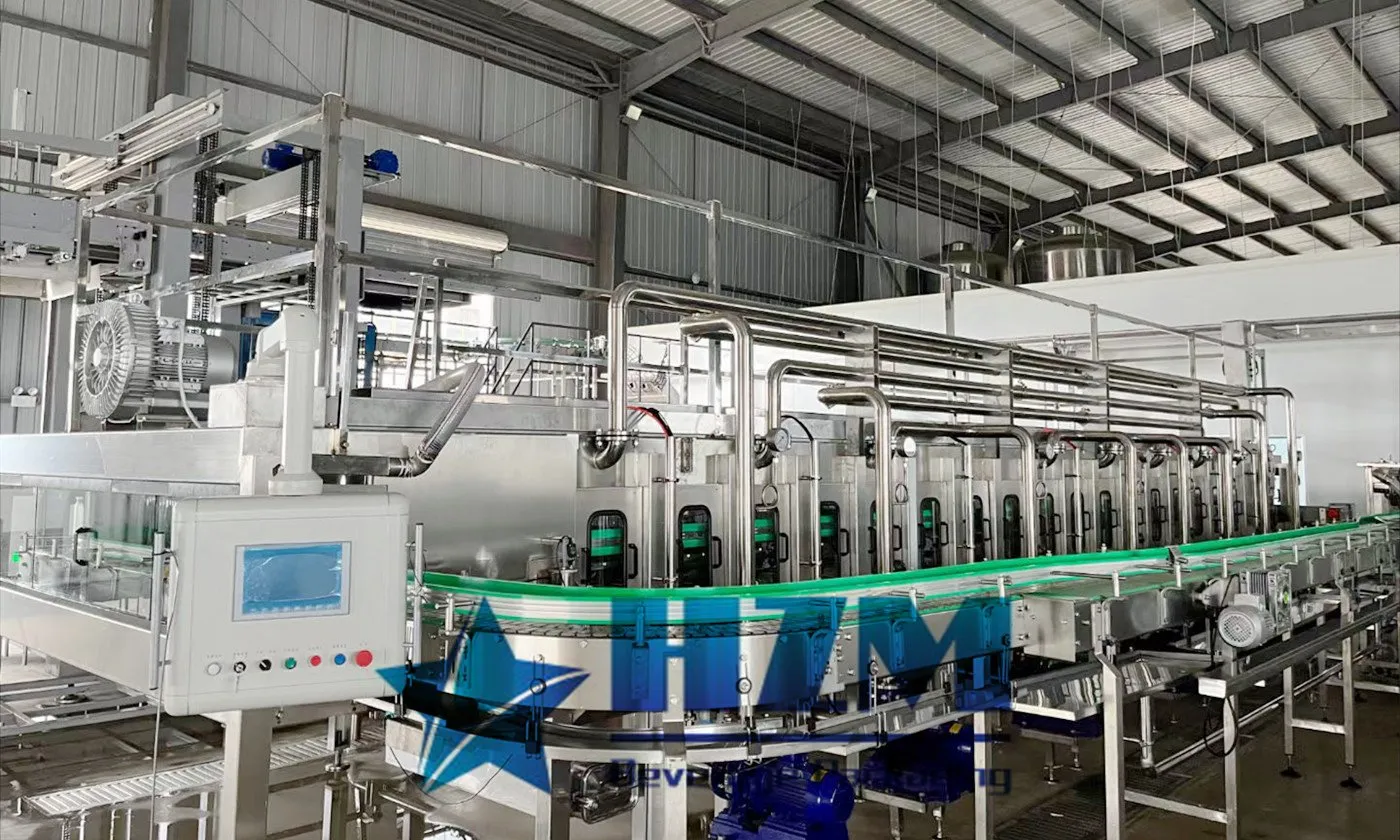
The tunnel pasteurizer carries packaged beverages through controlled heating, pasteurising and cooling zones.
Learn more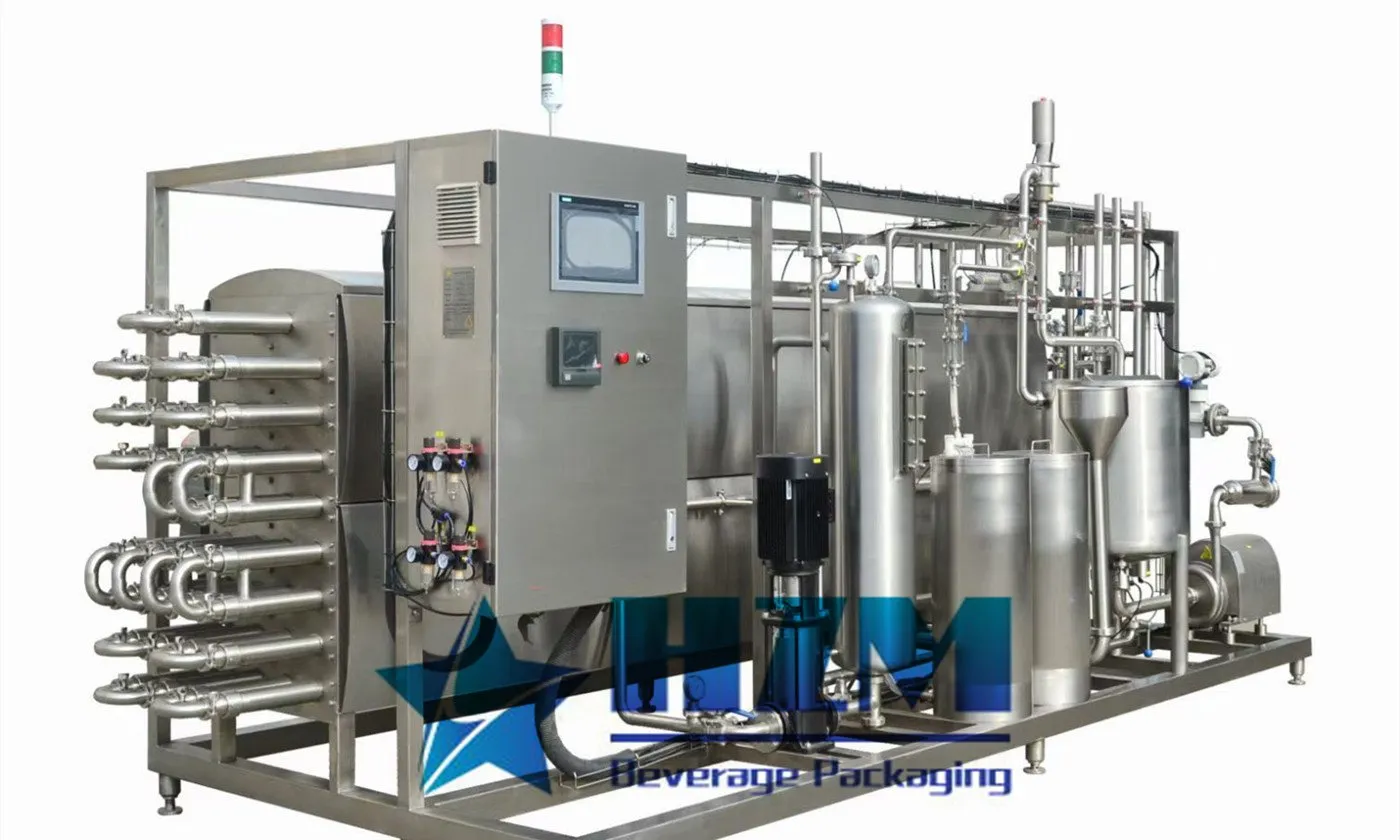
Equipment
UHT Sterilizer
The UHT sterilizer heats and cools liquid products continuously in a closed system.
Learn more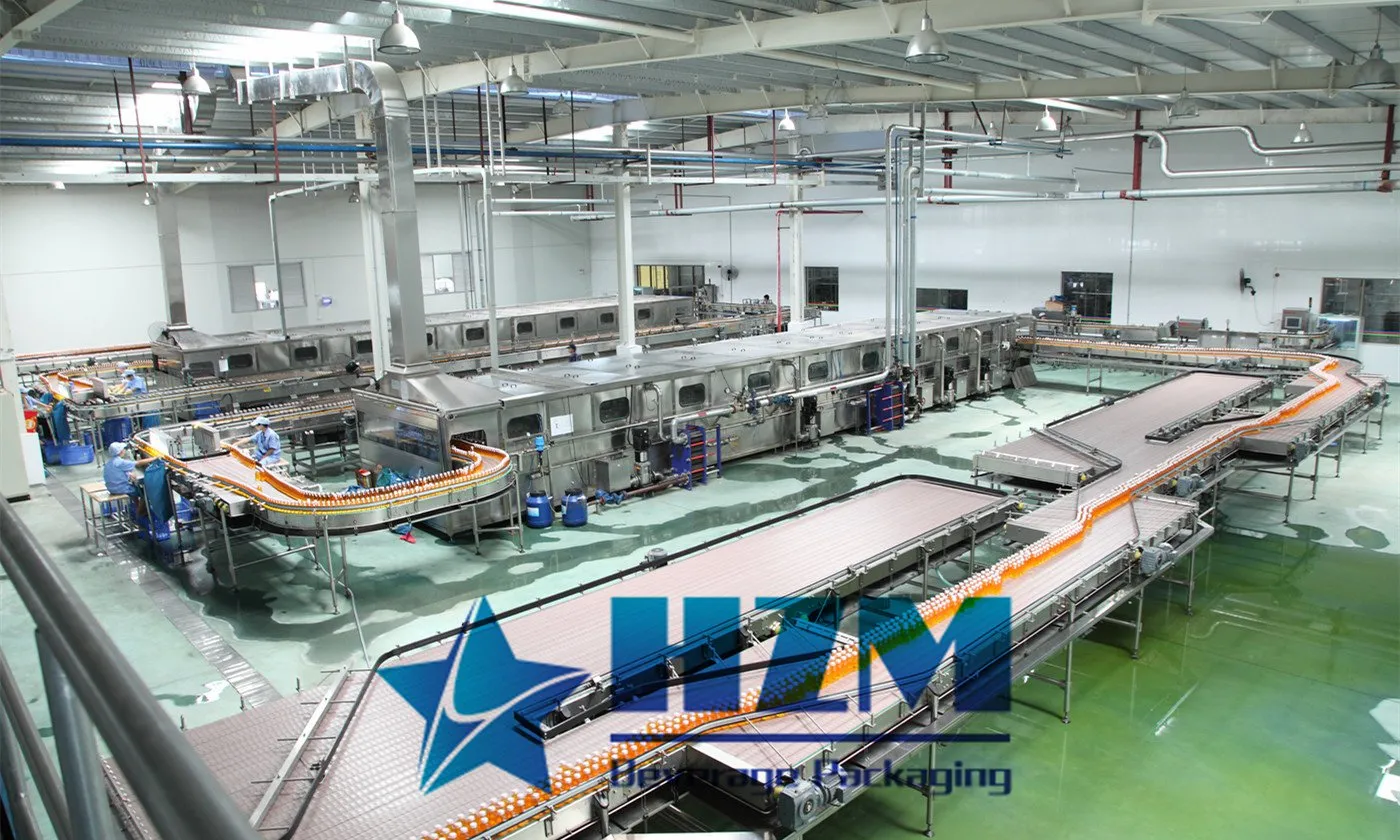
Equipment
Automatic Spraying Tunnel
Water-spray heating and cooling equipment for bottled and canned beverages, with adjustable treatment time and temperature.
Learn more2023-09-01
Advancing Food Safety with the Tunnel Pasteurizer Machine
In the ever-evolving landscape of food and beverage production, ensuring the safety and quality of products is paramount. One significant innovation in this realm is the Tunnel Pasteurizer machine.
Learn more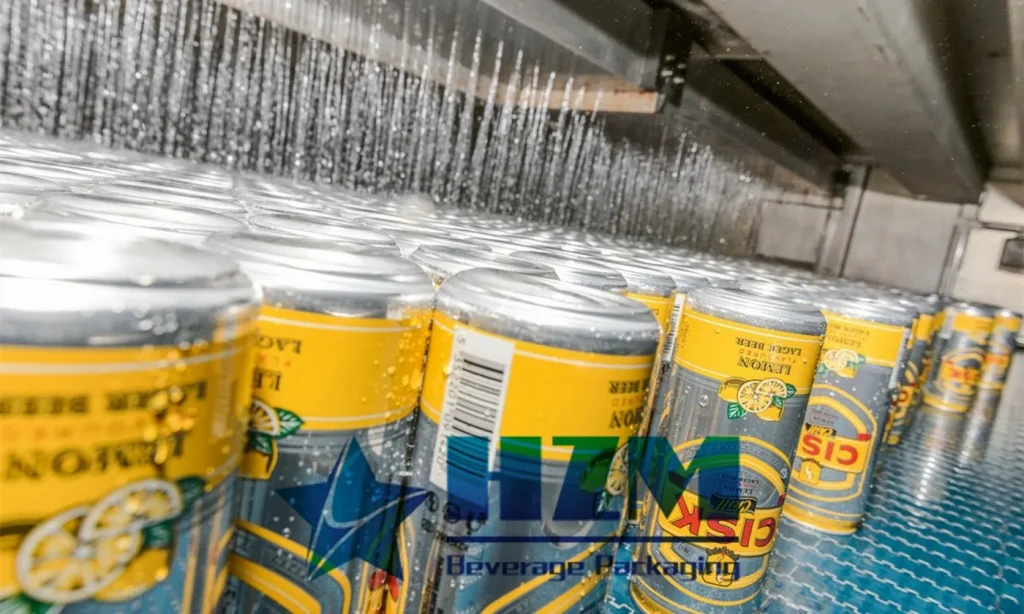
2023-09-06
Modern Beverage Tunnel Pasteurizer Machine
modern beverage manufacturing companies need advanced technological equipment to ensure the quality and safety of their products. The Beverage Tunnel Pasteurizer Machine, as an efficient and reliable sterilization device, provides a crucial safeguard for the beverage industry, helping companies produce safer and fresher products that meet consumer demands.
Learn more2023-09-05
HZM Tunnel Pasteurizer Machine: The Ultimate Solution for Quality and Sustainability in Beverage Processing
In the dynamic landscape of beverage production, ensuring the quality, safety, and sustainability of products has become a primary focus for manufacturers worldwide. The HZM Tunnel Pasteurizer Machine stands as a shining example of innovation in this realm, offering a sophisticated blend of high quality, sustainability, and ergonomic design
Learn more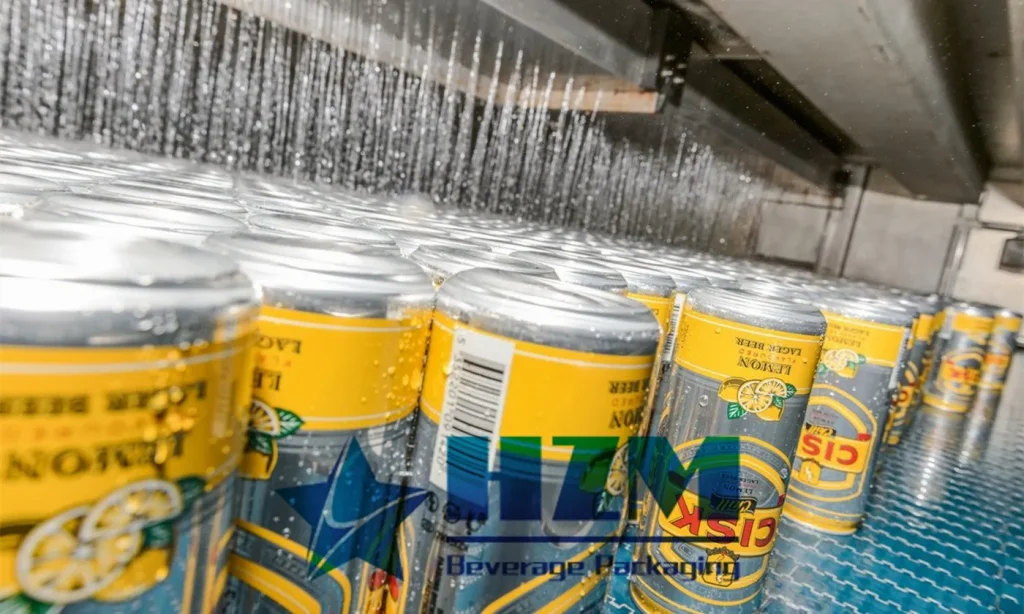
2023-09-03
HZM Machinery Provides Professional Tunnel Pasteurizer Machine Purchase and Installation
In modern food production, ensuring the safety and quality of products is of paramount importance. The Tunnel Pasteurizer Machine, as a significant innovation in the food industry, is not only suitable for pasteurizing 300-1000ml canned carbonated drinks but also adapts to various packaging forms such as PET bottles, glass jars, etc., as long as their […]
Learn more2024-02-20
Key Points for Purchasing Fully Automatic Sterilization Pots
The fully automatic sterilization pot is a precision device that utilizes the high heat resistance of various bacteria in food for high-temperature and high-pressure sterilization. Each component of this sophisticated sterilization equipment works in close coordination, making them indispensable.
Learn more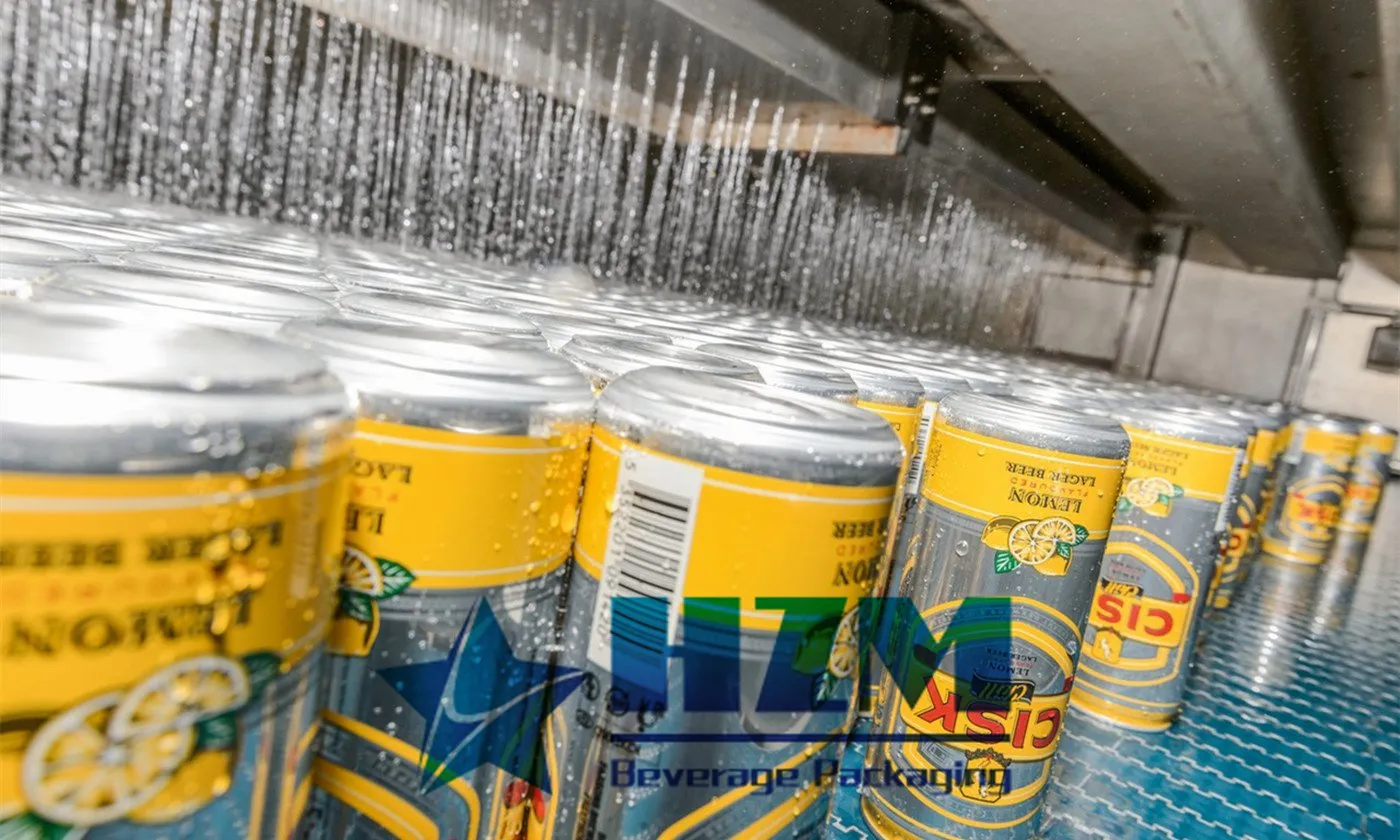
2023-05-14
Enhancing Beverage Quality with Automatic Spraying Tunnel: A Comprehensive Guide
Automatic Spraying Tunnel is an industrial equipment that is widely used in the production line of tea beverages, hot filling, and carbonated beverages. It is designed to regulate the temperature of beverage products to ensure the best quality of the final product.
Learn more