
Insights & Updates
Modern Beverage Tunnel Pasteurizer Machine
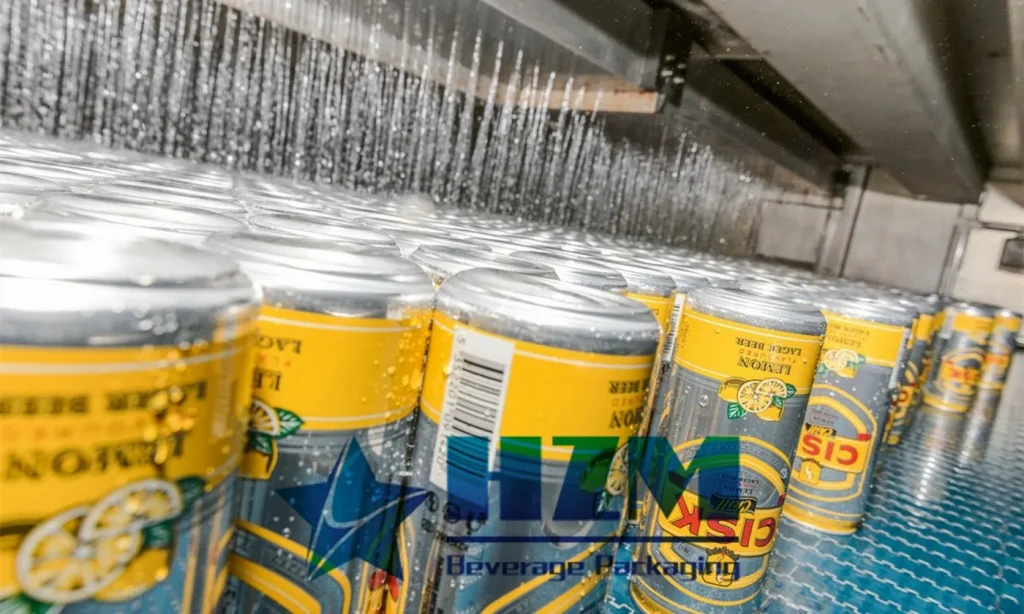
modern beverage manufacturing companies need advanced technological equipment to ensure the quality and safety of their products. The Beverage Tunnel Pasteurizer Machine, as an efficient and reliable sterilization device, provides a crucial safeguard for the beverage industry, helping companies produce safer and fresher products that meet consumer demands. With continuous technological advancements, this equipment is expected to further develop and contribute to the prosperity of the beverage industry in the future.
1. Technological Principle
The Beverage Tunnel Pasteurizer Machine, also known as the Beverage Pasteurizer, employs a method of high-temperature short-time treatment to effectively eliminate bacteria and microorganisms from beverages, thereby extending the product’s shelf life. The core principle involves exposing the beverage to high temperatures for a short duration and then rapidly cooling it, achieving the desired sterilization effect. This method not only preserves the nutritional content and taste of the beverage to the maximum extent but also reduces the microbial count, ensuring the product’s safety.
2. Equipment Structure
The Beverage Tunnel Pasteurizer Machine typically consists of several main components:
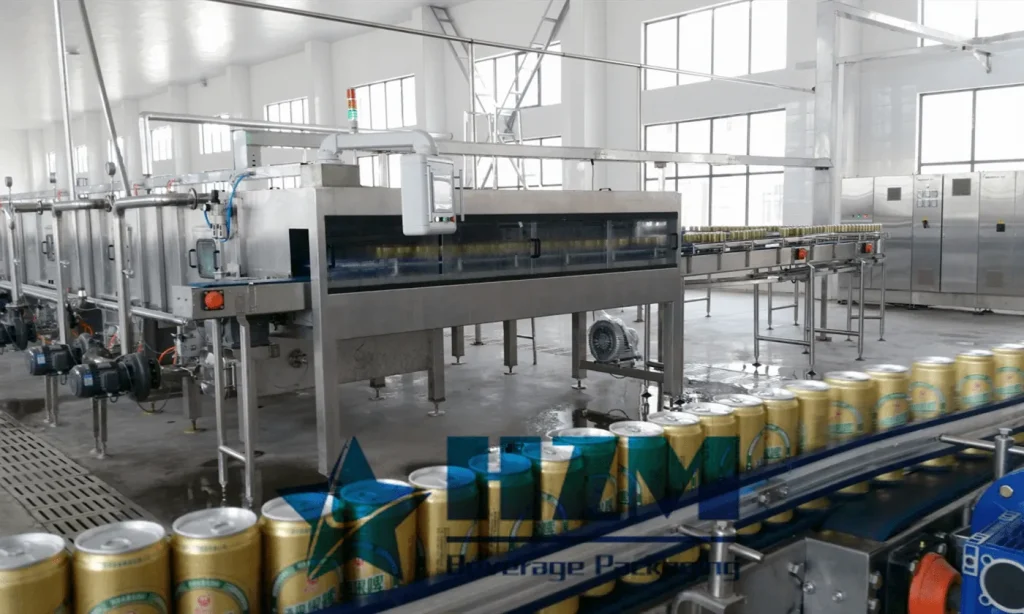
2.1 Infeed System: This system conveys the beverage to be treated into the tunnel pasteurizer machine through conveyor belts or other means.
2.2 Heating Zone: In this area, the beverage is rapidly heated to a specific temperature to achieve sterilization. The temperature typically ranges between 70 to 90 degrees Celsius, varying based on the type of beverage and processing requirements.
2.3 High-Temperature Holding Zone: In this region, the beverage is maintained at a specific temperature to effectively eliminate microorganisms.
2.4 Cooling Zone: In this area, the beverage is rapidly cooled to ensure that the quality of the product remains uncompromised.
2.5 Outfeed System: The processed beverage is transported out of the equipment through conveyor belts or similar mechanisms, ready for the next production phase.
3. Advantages and Applications
The Beverage Tunnel Pasteurizer Machine offers several significant advantages:
3.1 Efficient Sterilization: The high-temperature short-time treatment method rapidly eliminates microorganisms, ensuring the safety of the beverage.
3.2 Quality Preservation: Compared to traditional sterilization methods, the tunnel pasteurizer machine better preserves the original taste, color, and nutritional content of the beverage.
3.3 Extended Shelf Life: Sterilization significantly extends the shelf life of the beverage, reducing the risk of spoilage.
3.4 Wide Applicability: The Beverage Tunnel Pasteurizer Machine is suitable for various types of beverages, including juices, tea drinks, dairy products, and more.
HZM Machinery is a manufacturer with an excellent reputation in the field of food processing equipment, specializing in the production of Beverage Tunnel Pasteurizer Machines. They stand out in the industry with their advanced technology and high-quality products. From equipment design, manufacturing to quality control, HZM Machinery always prioritizes customer needs, dedicated to providing reliable, efficient, and safe solutions for beverage pasteurization. Whether it’s juices, tea beverages, or dairy products, choosing HZM Machinery’s Beverage Tunnel Pasteurizer Machine ensures you receive top-notch equipment and professional technical support, ensuring your products stand out in the competitive market.
Talk to our engineering team
Need help planning your packaging line?
Share your product, bottle and capacity requirements for a practical equipment recommendation.
Equipment
Tunnel Pasteurizer
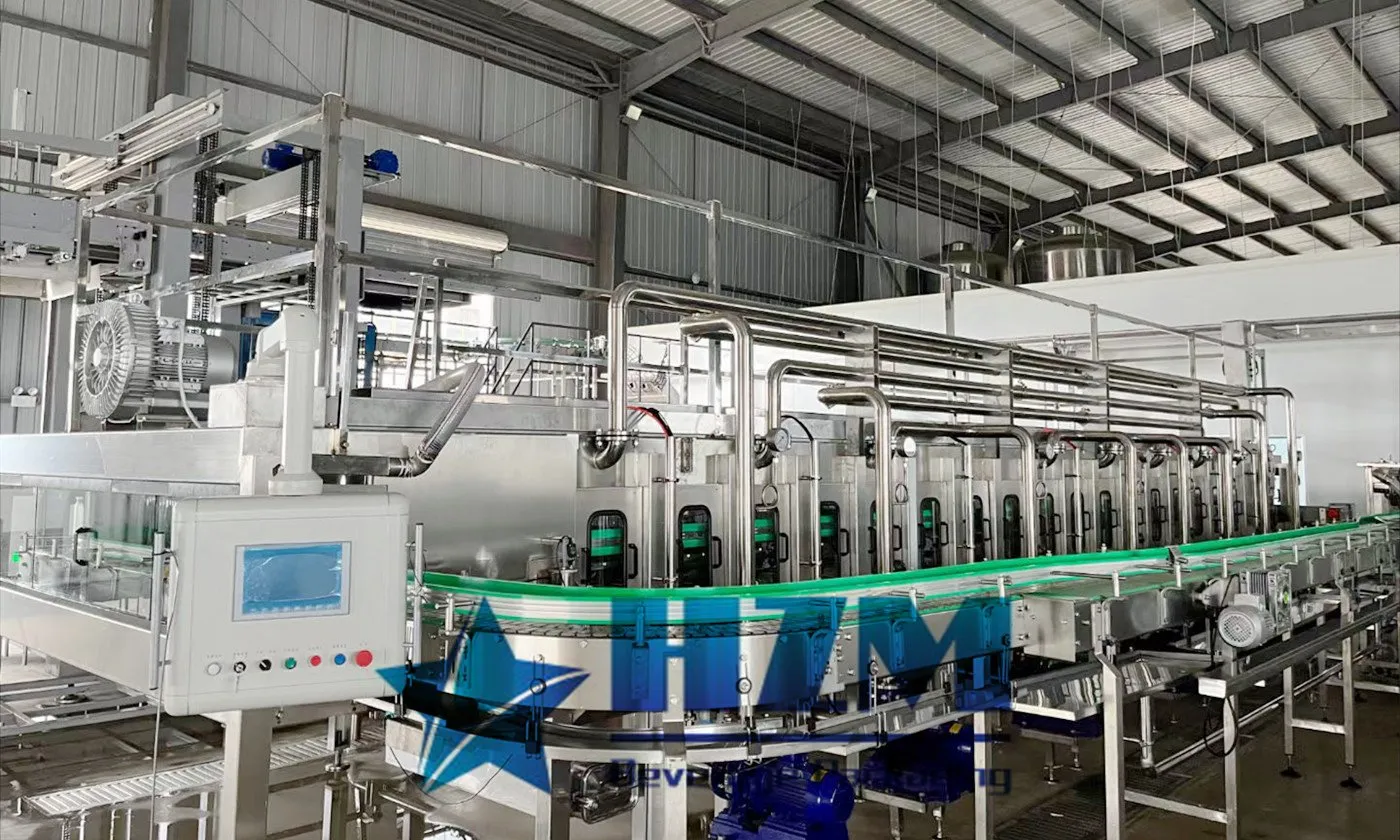
The tunnel pasteurizer carries packaged beverages through controlled heating, pasteurising and cooling zones.
Learn more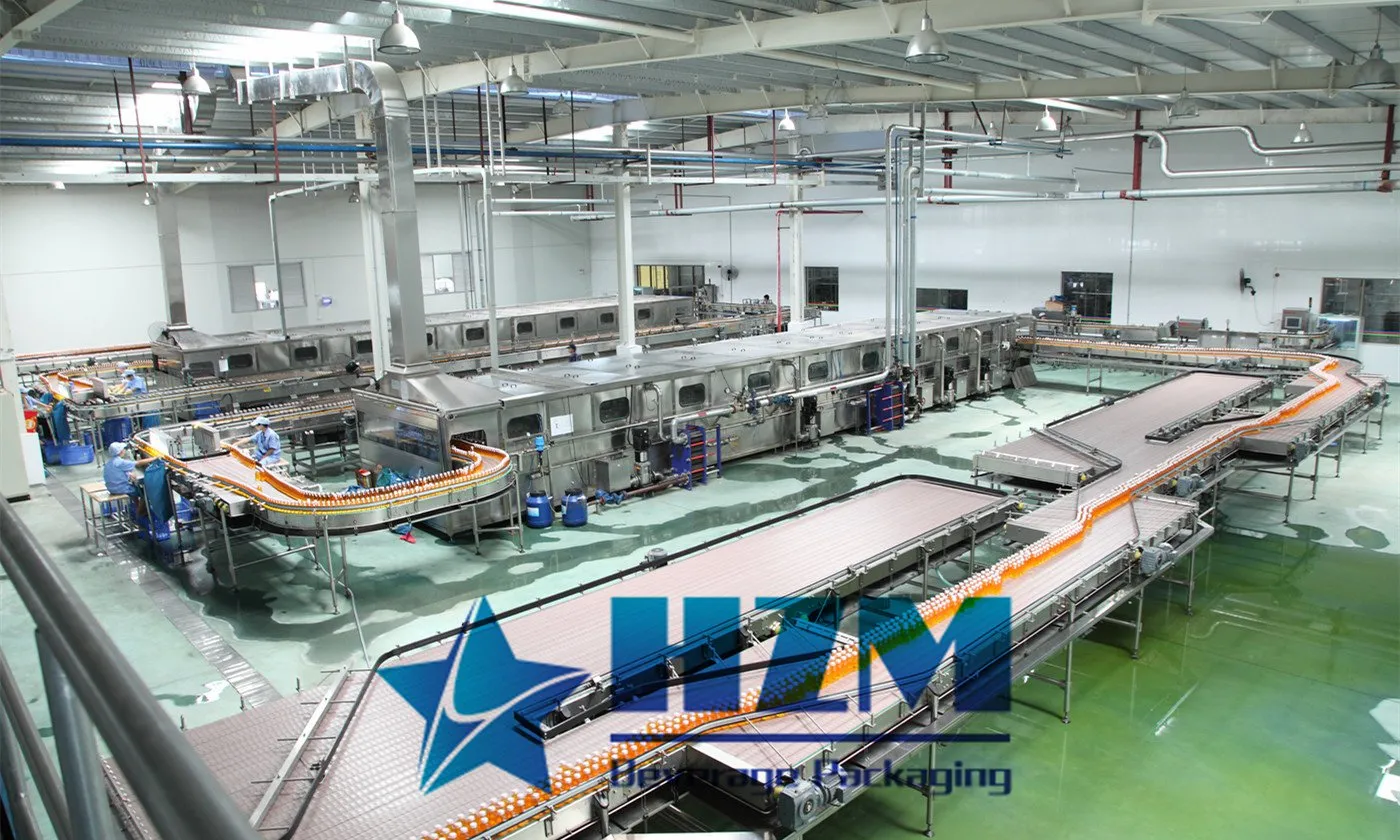
Equipment
Automatic Spraying Tunnel
Water-spray heating and cooling equipment for bottled and canned beverages, with adjustable treatment time and temperature.
Learn more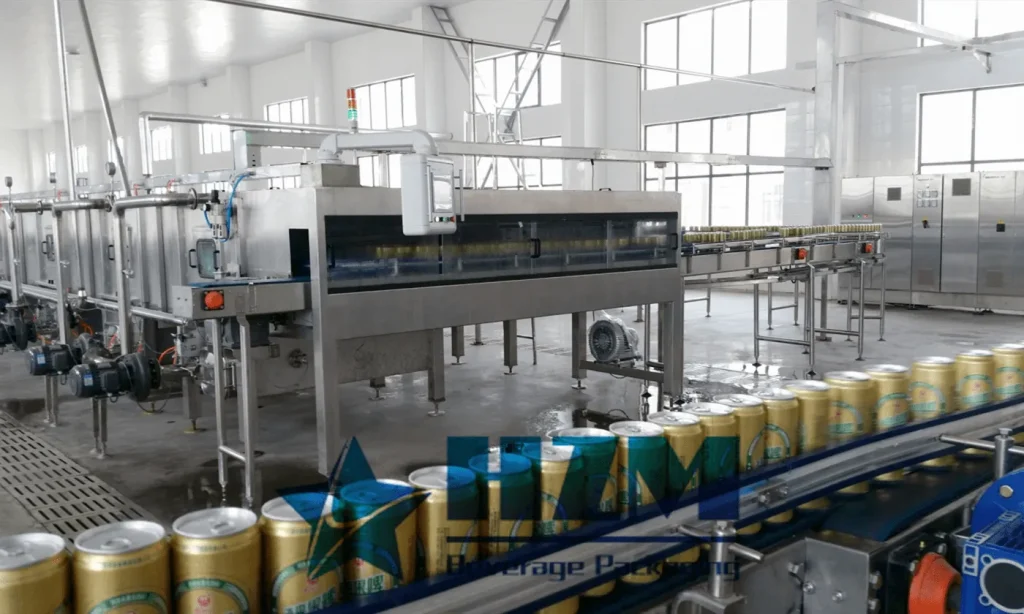
2023-09-05
HZM Tunnel Pasteurizer Machine: The Ultimate Solution for Quality and Sustainability in Beverage Processing
In the dynamic landscape of beverage production, ensuring the quality, safety, and sustainability of products has become a primary focus for manufacturers worldwide. The HZM Tunnel Pasteurizer Machine stands as a shining example of innovation in this realm, offering a sophisticated blend of high quality, sustainability, and ergonomic design
Learn more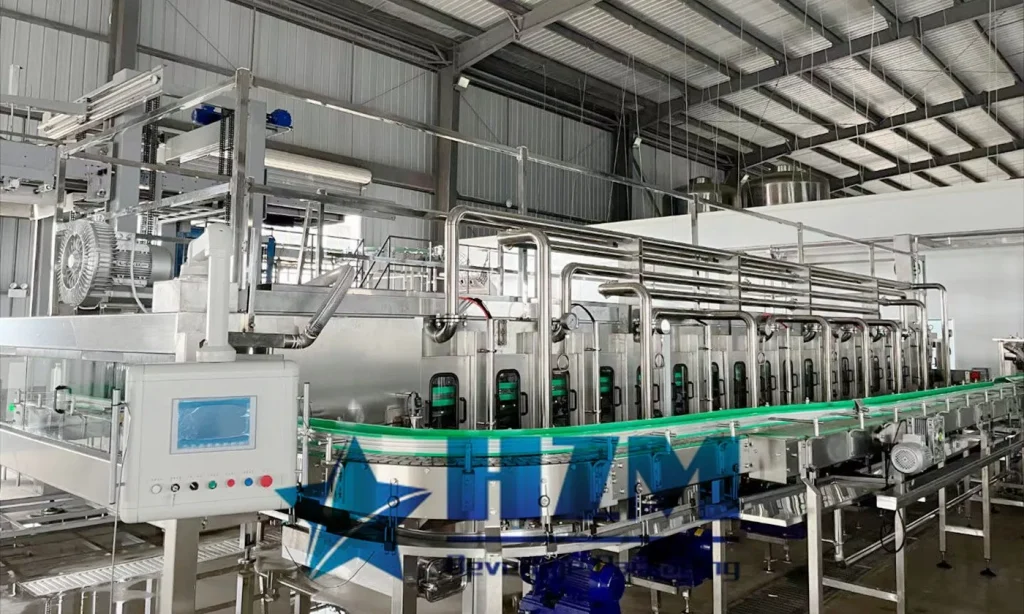
2023-09-01
Advancing Food Safety with the Tunnel Pasteurizer Machine
In the ever-evolving landscape of food and beverage production, ensuring the safety and quality of products is paramount. One significant innovation in this realm is the Tunnel Pasteurizer machine.
Learn more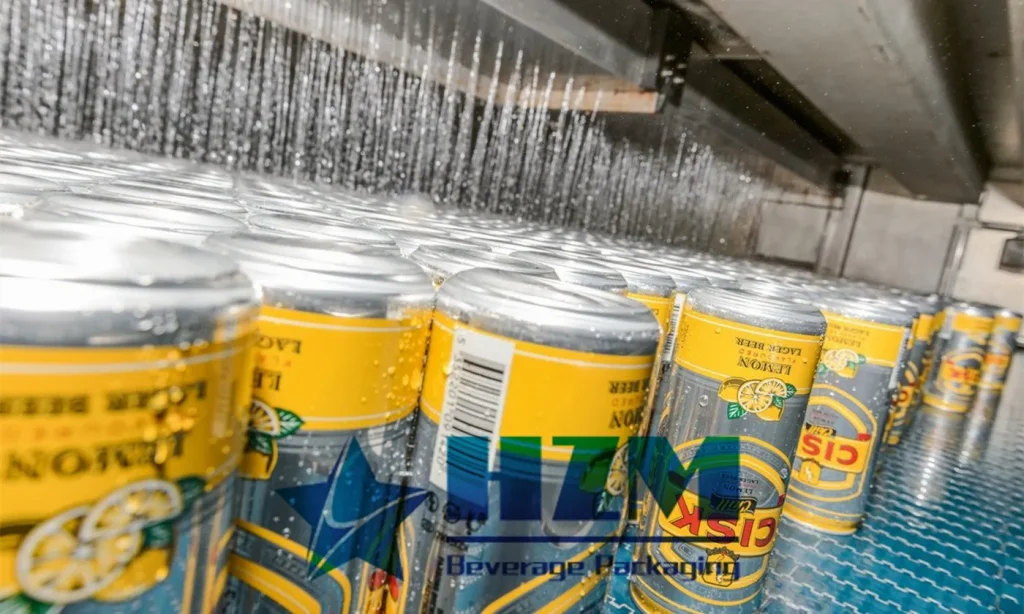
2023-09-03
HZM Machinery Provides Professional Tunnel Pasteurizer Machine Purchase and Installation
In modern food production, ensuring the safety and quality of products is of paramount importance. The Tunnel Pasteurizer Machine, as a significant innovation in the food industry, is not only suitable for pasteurizing 300-1000ml canned carbonated drinks but also adapts to various packaging forms such as PET bottles, glass jars, etc., as long as their […]
Learn more2024-02-25
Tunnel Pasteurizer Production Line: Process, Controls and Safety
A practical guide to tunnel pasteurizers for packaged beverages, explaining heating, holding and cooling zones, pasteurization units, sizing, package protection, cleaning, safety and acceptance testing.
Learn more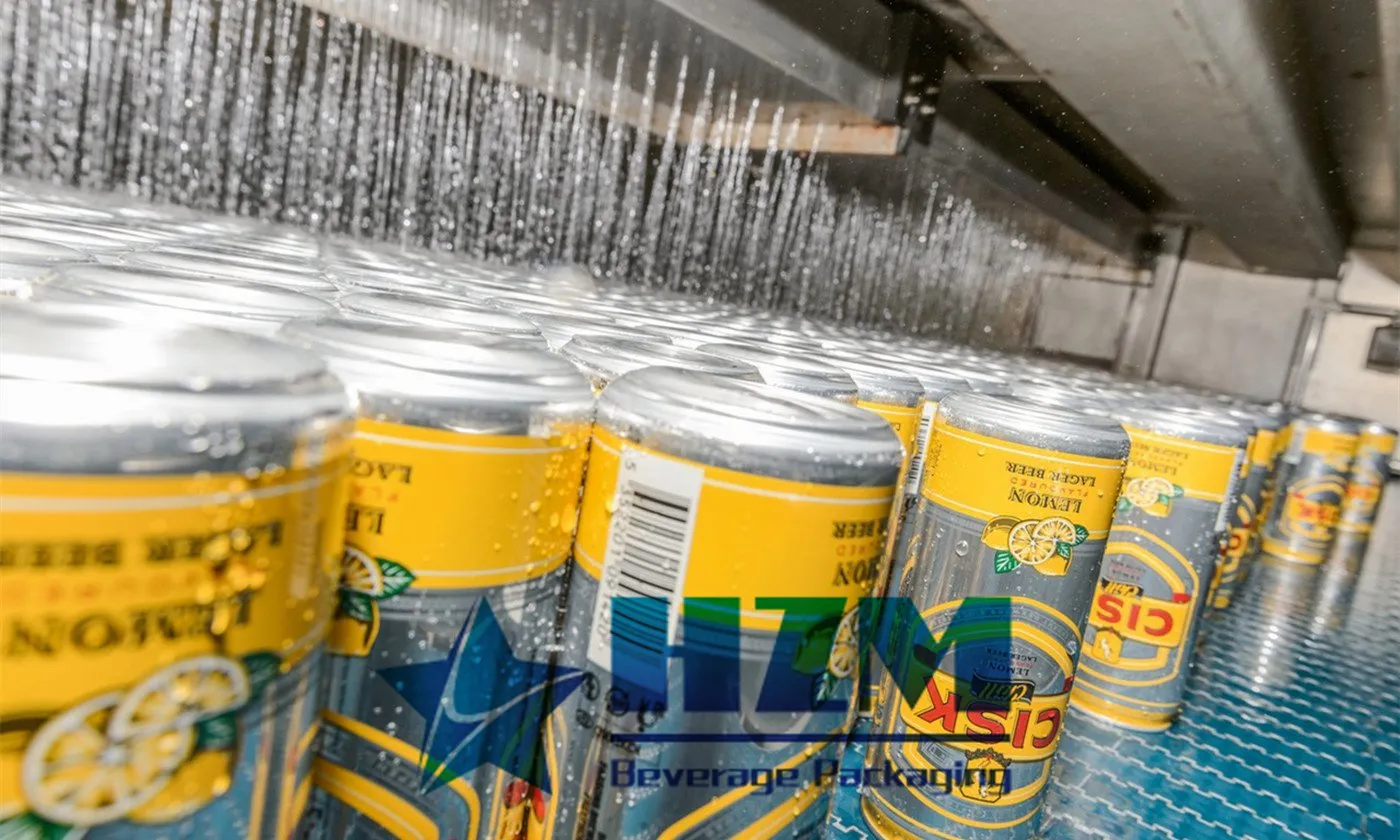
2023-05-14
Enhancing Beverage Quality with Automatic Spraying Tunnel: A Comprehensive Guide
Automatic Spraying Tunnel is an industrial equipment that is widely used in the production line of tea beverages, hot filling, and carbonated beverages. It is designed to regulate the temperature of beverage products to ensure the best quality of the final product.
Learn more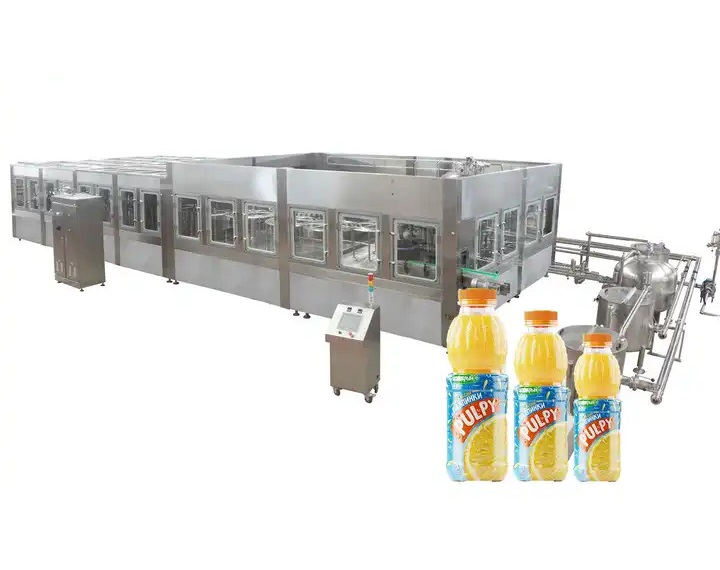
2023-08-12
Modern Beverage Filling Equipment: The Perfect Blend of Efficiency and Quality
With the continuous development of the global beverage industry, the demand for efficient and high-quality beverage filling equipment has become increasingly urgent
Learn more