
Insights & Updates
Advancing Food Safety with the Tunnel Pasteurizer Machine
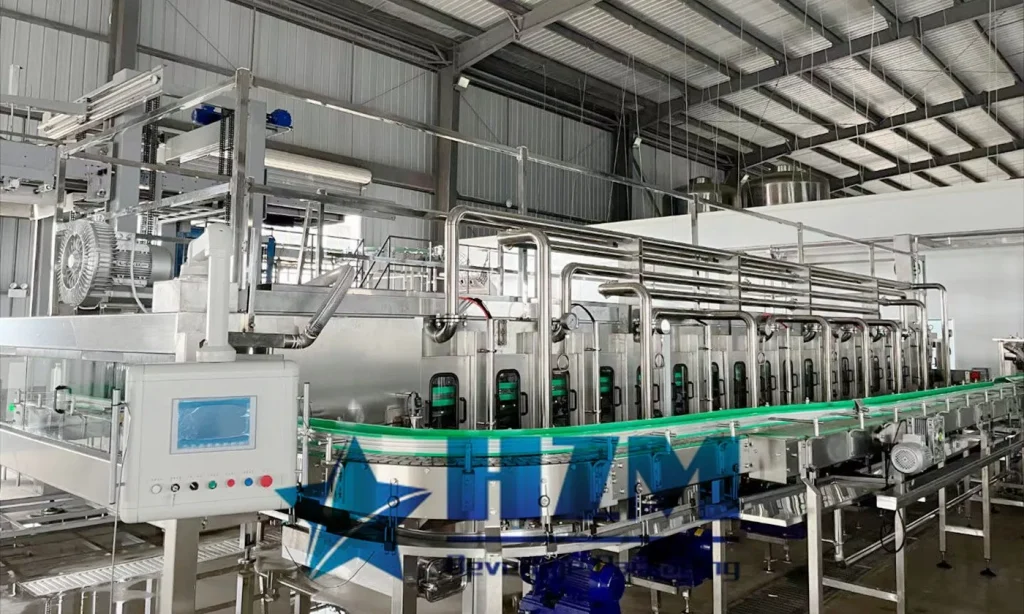
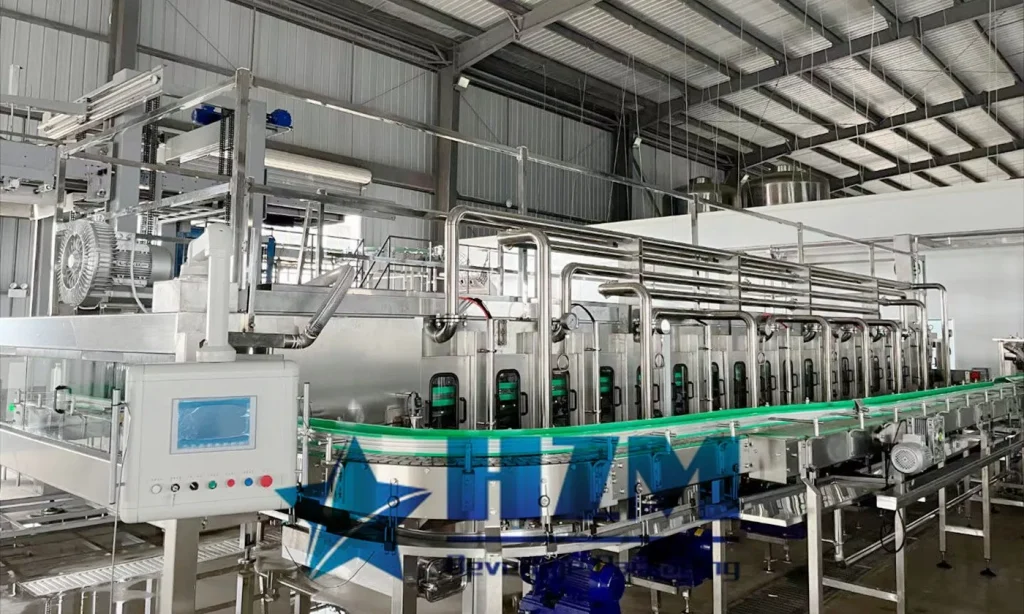
In the ever-evolving landscape of food and beverage production, ensuring the safety and quality of products is paramount. One significant innovation in this realm is the Tunnel Pasteurizer machine. This remarkable piece of technology is not only suitable for pasteurizing 300-1000ml canned carbonated drinks but also caters to various packaging formats like PET bottles, jars, and more, provided they have a height of less than 340mm. This versatile equipment plays a crucial role in enhancing food safety, extending shelf life, and meeting regulatory standards.
The Essence of Pasteurization
Pasteurization, named after the pioneering scientist Louis Pasteur, is a heat treatment process that eradicates harmful pathogens and microorganisms from food and beverages, thus making them safer for consumption. While its origins date back to the late 19th century, pasteurization’s principles remain relevant today, and modern technology has allowed for the development of highly efficient pasteurization equipment like the Tunnel Pasteurizer.
Versatility in Application
The Tunnel Pasteurizer machine’s exceptional versatility is a defining feature that sets it apart. Its primary function is to heat products to a specific temperature for a set duration, effectively eliminating harmful bacteria, viruses, and yeast, while still preserving the product’s taste, texture, and nutritional value.
One of the machine’s remarkable attributes is its compatibility with various packaging formats. Whether it’s carbonated beverages stored in cans or PET bottles, or preserves packed in jars, this pasteurizer caters to a wide range of products. Moreover, its height limitation of 340mm ensures that it accommodates different packaging sizes without compromising its effectiveness.
Enhancing Food Safety and Quality
The significance of the Tunnel Pasteurizer machine cannot be overstated when it comes to food safety and product quality. By eradicating harmful microorganisms, the machine helps prevent foodborne illnesses and ensures that the end consumers receive products that are safe for consumption. Moreover, the pasteurization process contributes to the preservation of the product’s overall quality, including taste, aroma, and texture. This is especially vital for carbonated beverages, as maintaining their unique effervescence can be challenging during heat treatment.
Meeting Regulatory Standards
In the food and beverage industry, adherence to regulatory standards is non-negotiable. The Tunnel Pasteurizer machine plays a pivotal role in helping producers comply with these standards. Pasteurization is often a mandatory step to meet regulations set by health authorities and industry bodies, ensuring that products are fit for distribution and consumption.
Conclusion
As the food and beverage industry continues to prioritize safety and quality, innovations like the Tunnel Pasteurizer machine emerge as crucial components of the production process. With its ability to effectively pasteurize a variety of products, from carbonated beverages to packaged preserves, this technology not only ensures consumer safety but also contributes to extending shelf life and preserving product integrity. As manufacturers strive to meet stringent regulatory standards, the Tunnel Pasteurizer machine stands as a testament to how technology can revolutionize an industry’s approach to food safety and quality assurance.
Talk to our engineering team
Need help planning your packaging line?
Share your product, bottle and capacity requirements for a practical equipment recommendation.
Equipment
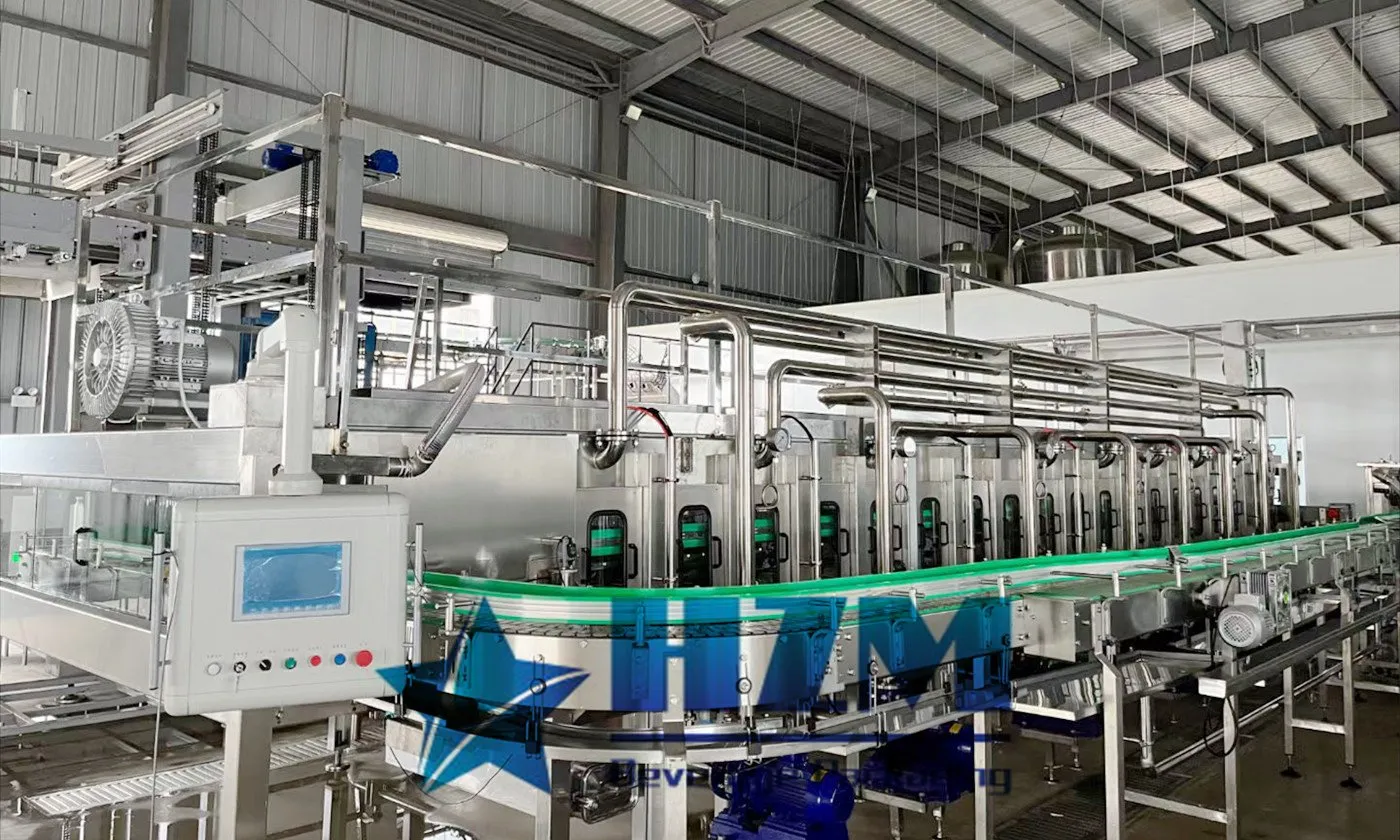
Tunnel Pasteurizer
The tunnel pasteurizer carries packaged beverages through controlled heating, pasteurising and cooling zones.
Learn more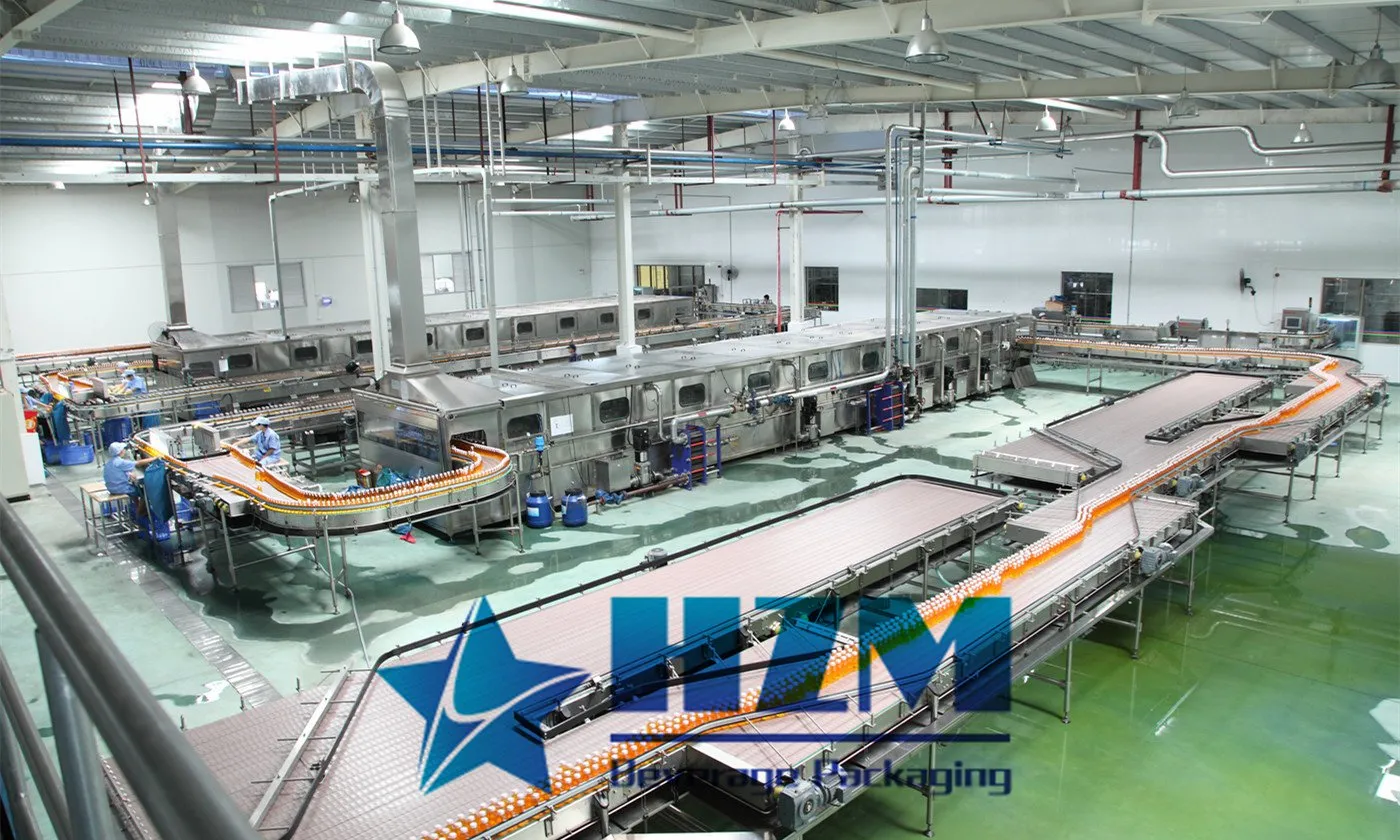
Equipment
Automatic Spraying Tunnel
Water-spray heating and cooling equipment for bottled and canned beverages, with adjustable treatment time and temperature.
Learn more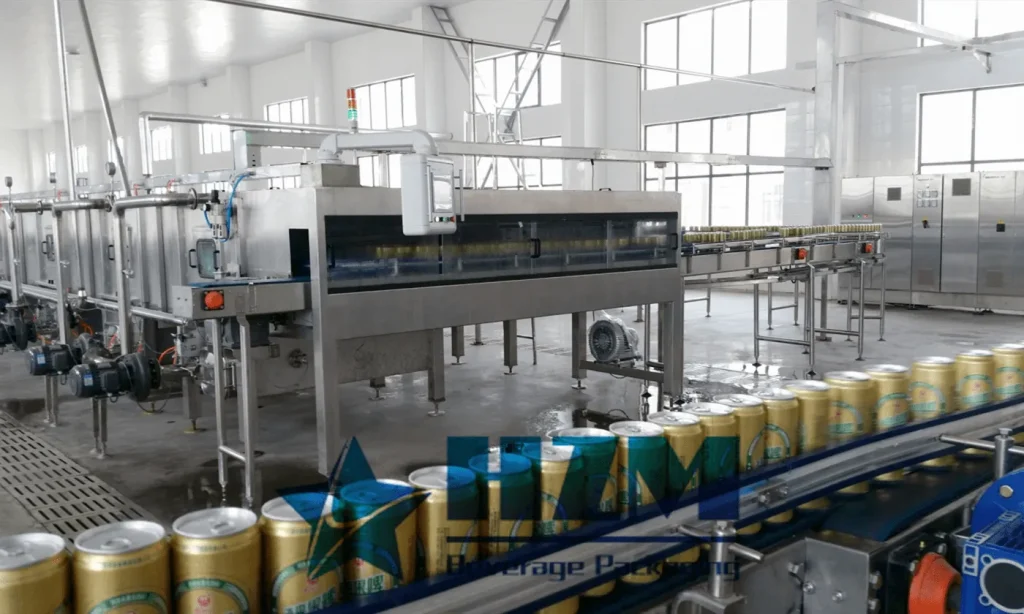
2024-02-25
Tunnel Pasteurizer Production Line: Process, Controls and Safety
A practical guide to tunnel pasteurizers for packaged beverages, explaining heating, holding and cooling zones, pasteurization units, sizing, package protection, cleaning, safety and acceptance testing.
Learn more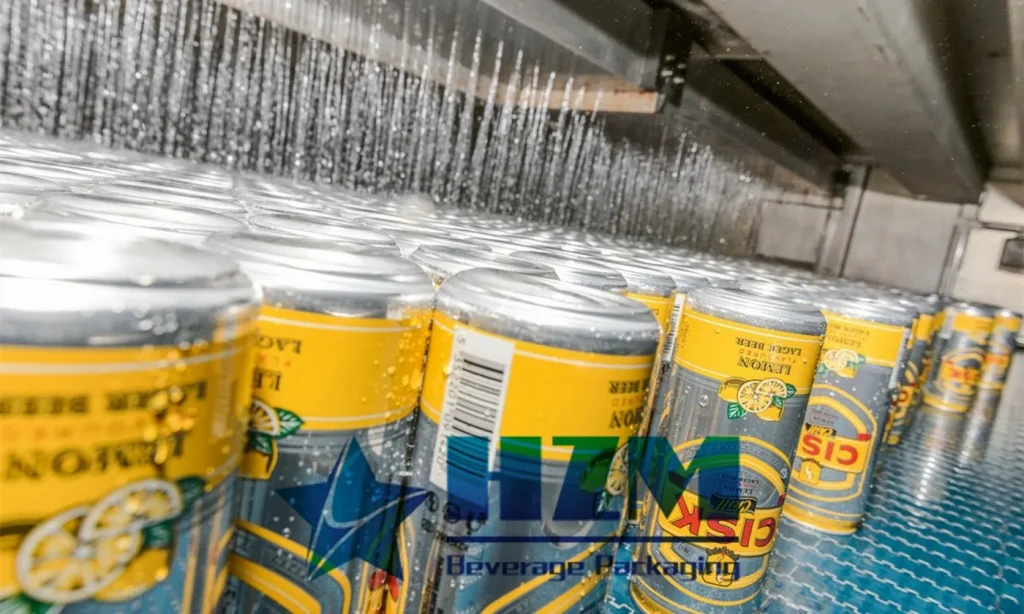
2023-09-06
Modern Beverage Tunnel Pasteurizer Machine
modern beverage manufacturing companies need advanced technological equipment to ensure the quality and safety of their products. The Beverage Tunnel Pasteurizer Machine, as an efficient and reliable sterilization device, provides a crucial safeguard for the beverage industry, helping companies produce safer and fresher products that meet consumer demands.
Learn more2023-09-05
HZM Tunnel Pasteurizer Machine: The Ultimate Solution for Quality and Sustainability in Beverage Processing
In the dynamic landscape of beverage production, ensuring the quality, safety, and sustainability of products has become a primary focus for manufacturers worldwide. The HZM Tunnel Pasteurizer Machine stands as a shining example of innovation in this realm, offering a sophisticated blend of high quality, sustainability, and ergonomic design
Learn more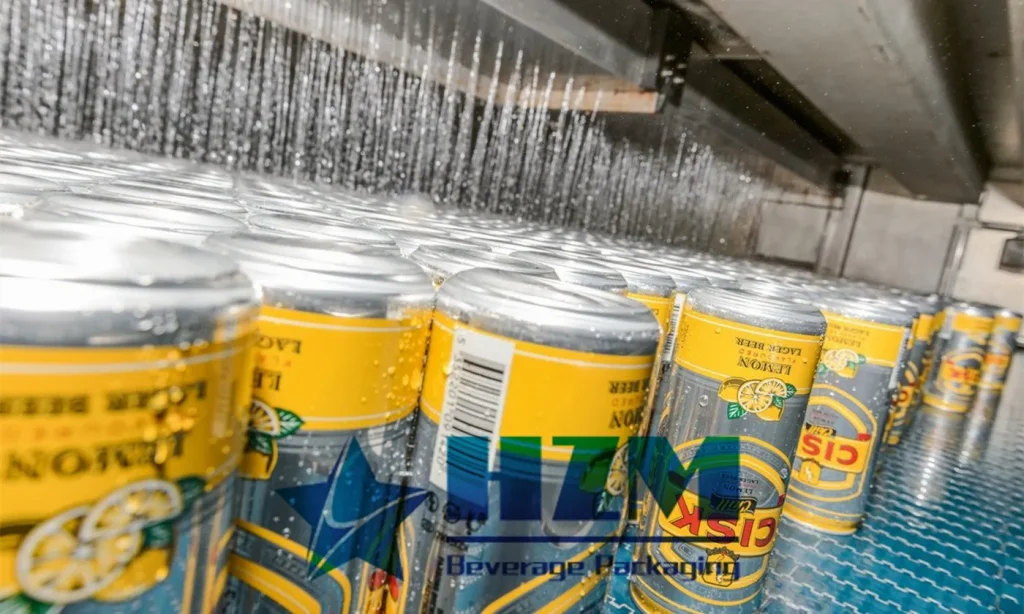
2023-09-03
HZM Machinery Provides Professional Tunnel Pasteurizer Machine Purchase and Installation
In modern food production, ensuring the safety and quality of products is of paramount importance. The Tunnel Pasteurizer Machine, as a significant innovation in the food industry, is not only suitable for pasteurizing 300-1000ml canned carbonated drinks but also adapts to various packaging forms such as PET bottles, glass jars, etc., as long as their […]
Learn more2024-02-20
Key Points for Purchasing Fully Automatic Sterilization Pots
The fully automatic sterilization pot is a precision device that utilizes the high heat resistance of various bacteria in food for high-temperature and high-pressure sterilization. Each component of this sophisticated sterilization equipment works in close coordination, making them indispensable.
Learn more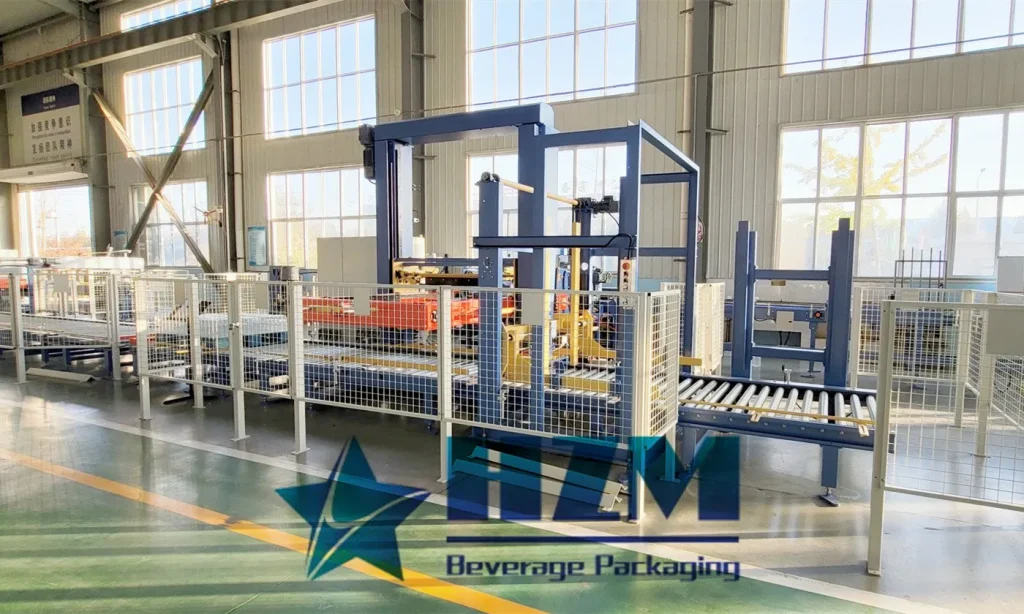
2023-07-25
Advancing Automation: The Automatic Palletizing Machine
The automatic palletizing machine is an integrated high-tech product combining mechanical and electrical technologies. It caters to the production needs of medium and low output levels. The machine can stack various products, such as bags, blocks, and boxes, according to specified grouping methods and layers. Its optimized design ensures tight and neat stacking
Learn more