Water Softener Hardness Breakthrough: A Regeneration Checklist
Confirm the hardness test, then compare treated volume with resin capacity. Check salt strength, brine draw, injector condition, regeneration steps, service flow, distributor leakage and resin fouling.
Use the plant chemical-handling procedure, suitable PPE and lockout/tagout. Depressurize housings and verify that cleaning chemicals have been displaced before opening a pump, filter or membrane vessel.
Locate the fault
- Hardness appears before the expected regeneration volume
- One vessel performs worse than its twin
- Brine level does not fall during regeneration
- Downstream RO scaling risk increases
Inspection sequence
- Verify inlet and outlet hardness with the approved method
- Calculate hardness load from feed concentration and treated volume
- Observe each regeneration step, including brine draw and slow rinse
- Inspect salt condition, brine concentration, injector and suction line
- Check service flow and control-valve position
- Evaluate resin condition and vessel distribution when hydraulic checks are normal
Corrective work
- Restore brine preparation and repair the draw system
- Reset regeneration based on actual hardness load and verified resin capacity
- Repair bypassing control valves or internal distributors
- Clean or replace fouled resin using supplier-approved methods
Operating records and follow-up
- Test hardness before critical downstream equipment
- Track salt use against treated volume
- Prevent salt bridging and keep the brine tank clean
- Recalculate capacity when feed hardness changes
- Protect resin from iron, organics and excessive oxidant
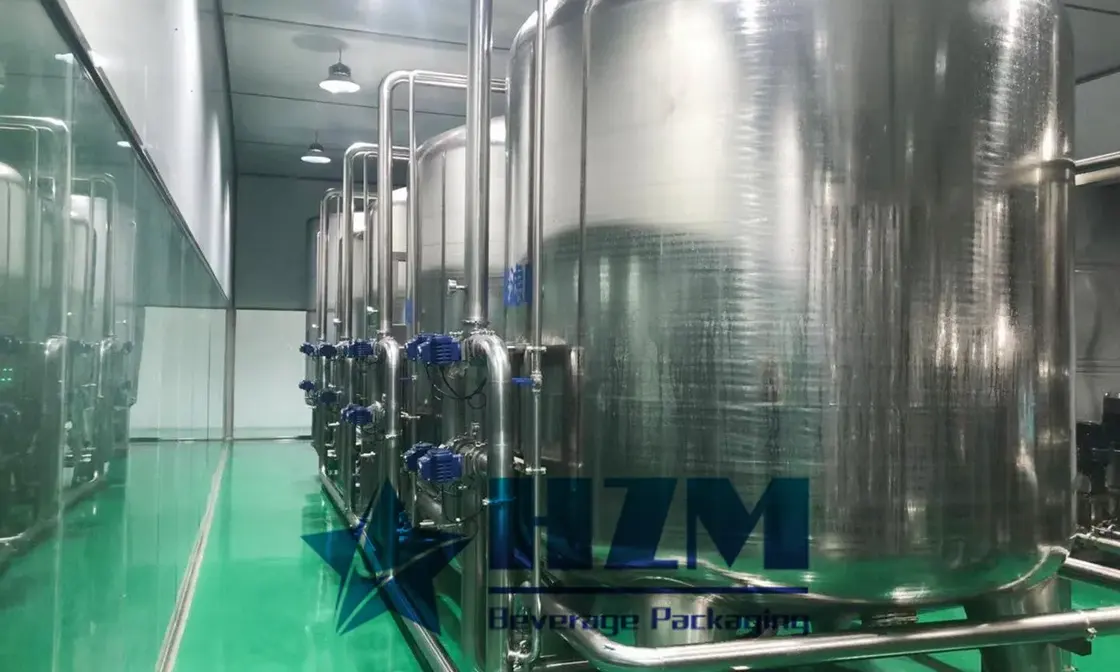
Equipment details: Water Softener Filter System.
Need help planning your packaging line?
Share your product, bottle and capacity requirements for a practical equipment recommendation.
Water Softener Filter System
The water softener reduces calcium and magnesium hardness before water enters the downstream treatment system.
Learn more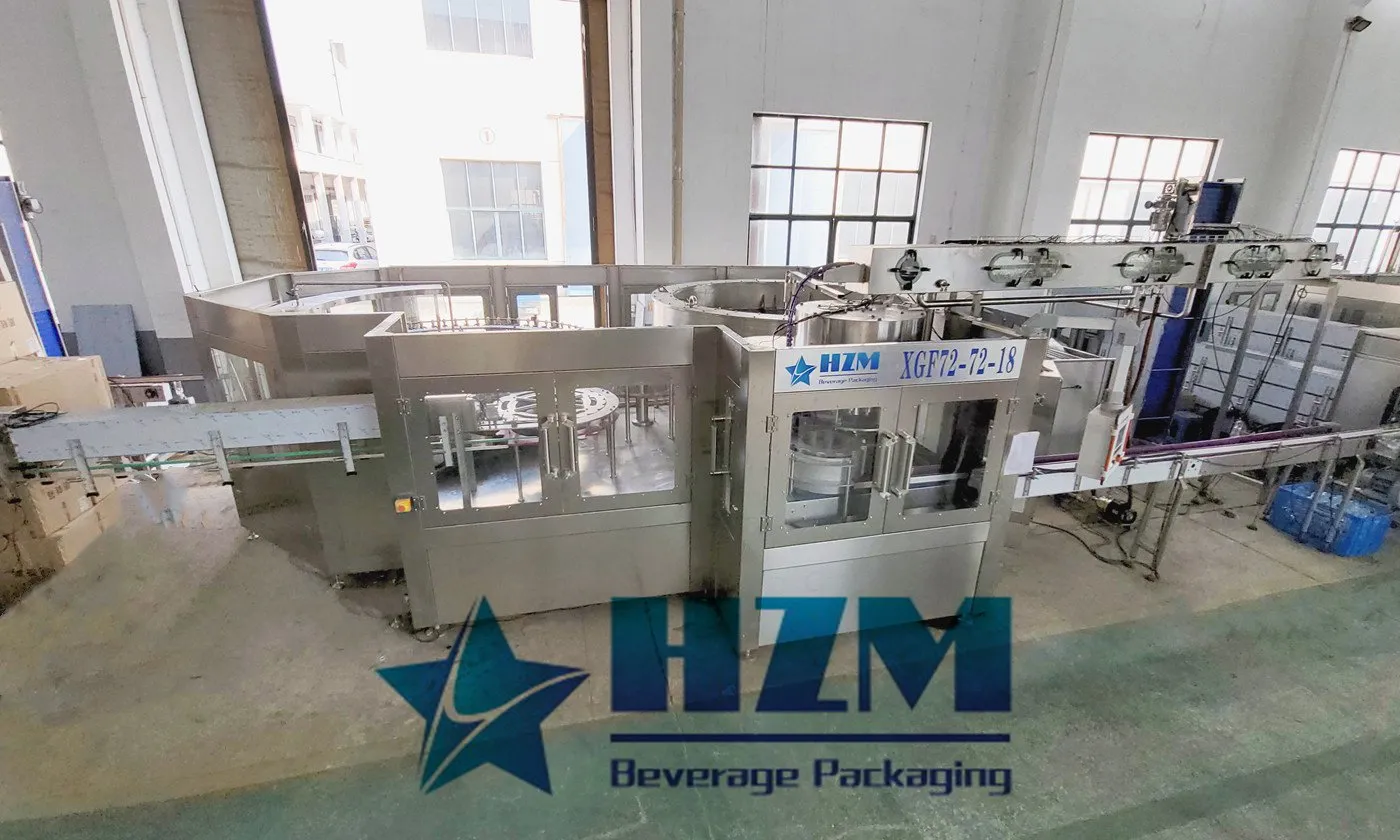
Automatic Water Bottle Filling Machine
Automatic rinsing, filling and capping for purified and mineral water in PET bottles, with capacities of 5,000–42,000 bottles/hour at 500 ml.
Learn more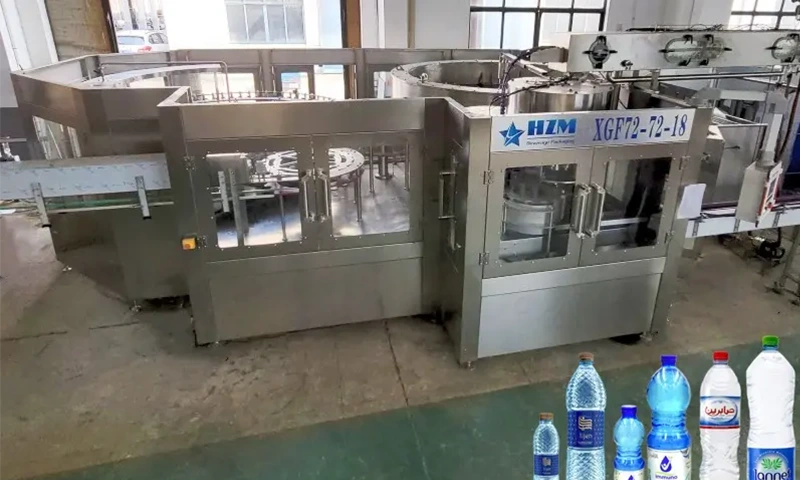
3-In-1 Water Bottle Filling Machine
A 3-in-1 PET bottle rinsing, filling and capping machine for drinking water, from 5,000 to 18,000 bottles/hour at 500 ml.
Learn more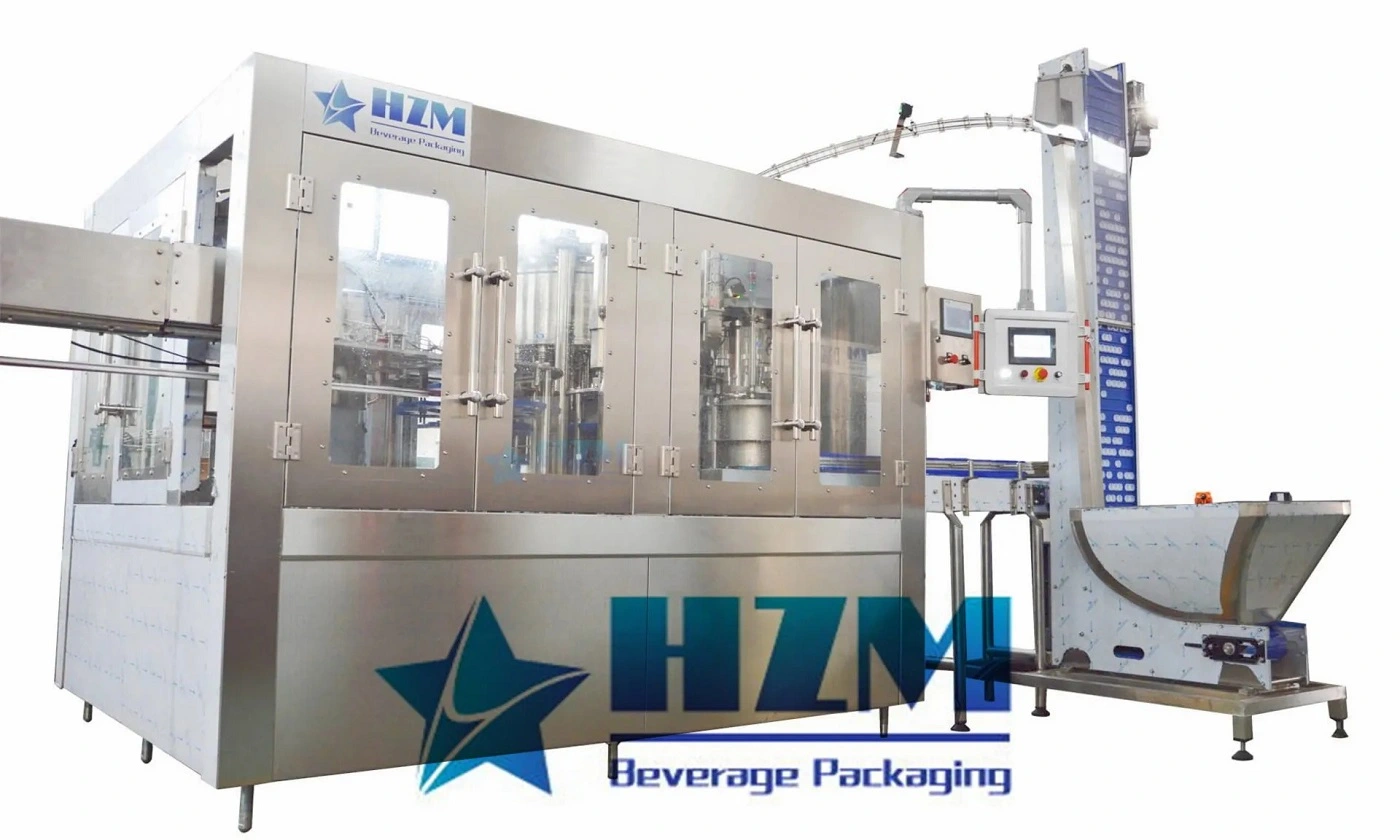
Automatic Drinking Water Bottling Machine
Drinking-water bottling equipment with automatic rinsing, filling and capping, plus conveying, labelling and packing options.
Learn more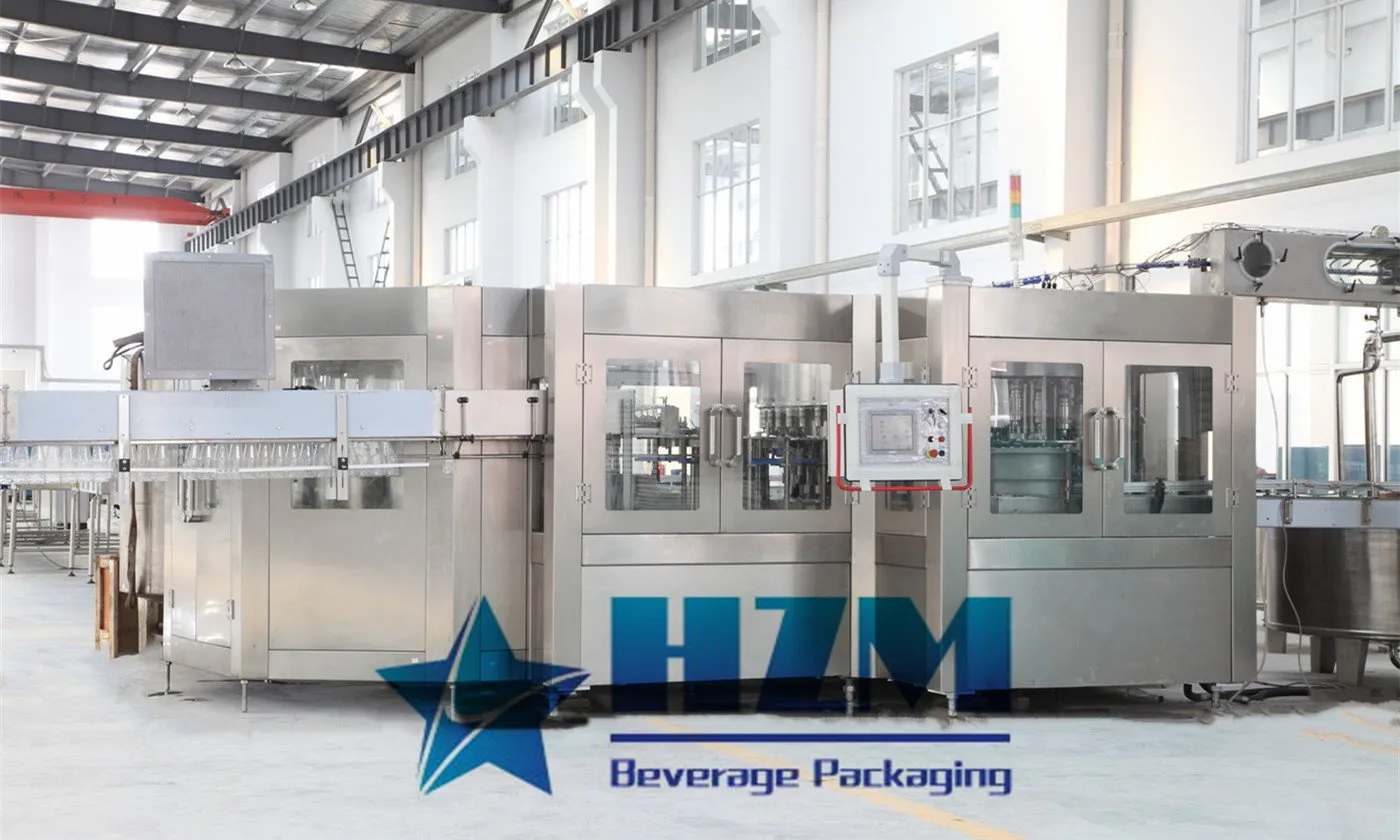
PET Bottle Water Filling Machine
PET bottle water filling with automatic rinsing and capping, for purified water, mineral water and still drinking water.
Learn more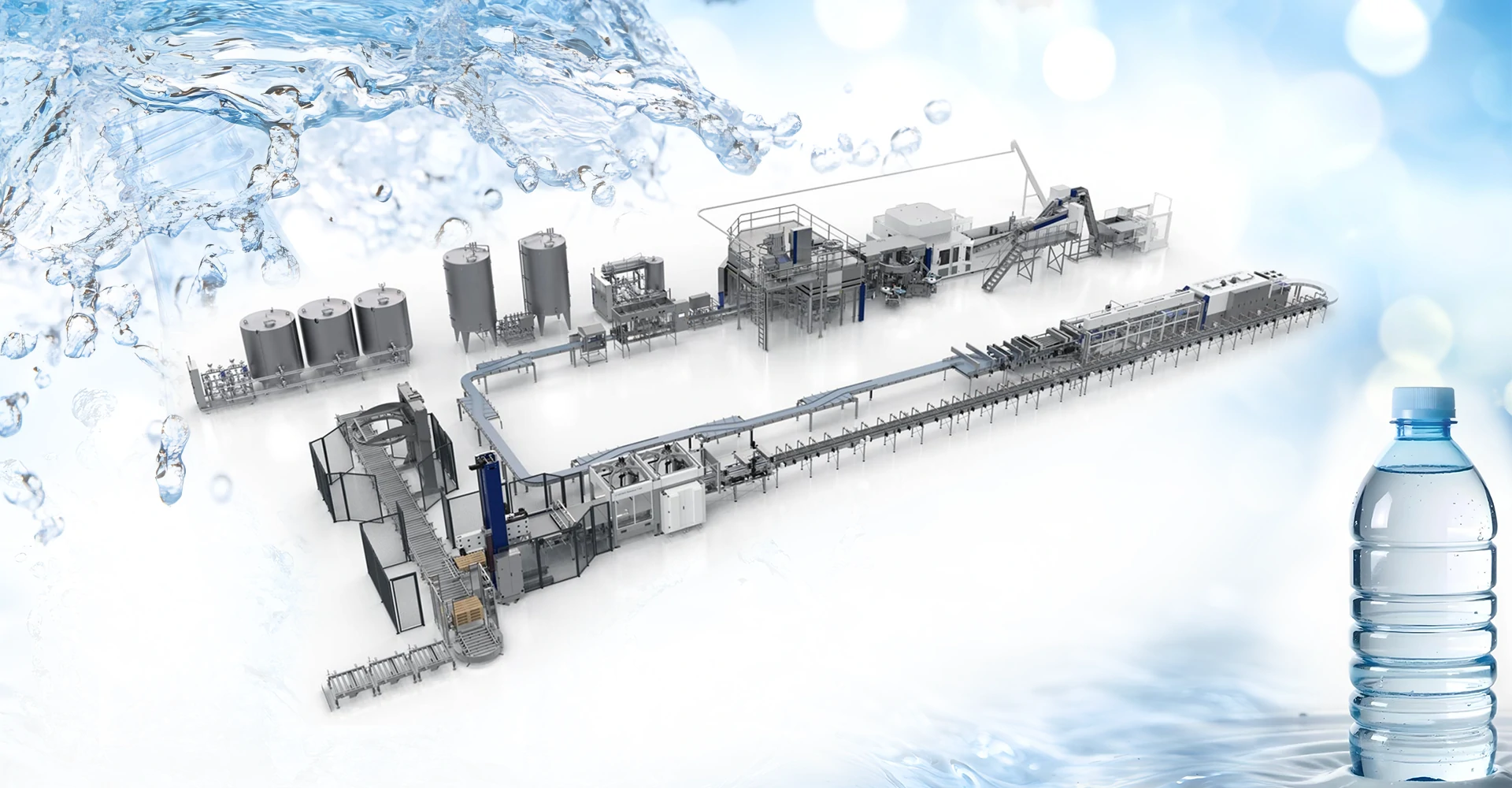
Drinking water production line – Bottled Water Filling Machine Manufacturer
PET-bottled drinking-water production with automatic rinsing, filling and capping, plus water treatment and packaging equipment.
Learn more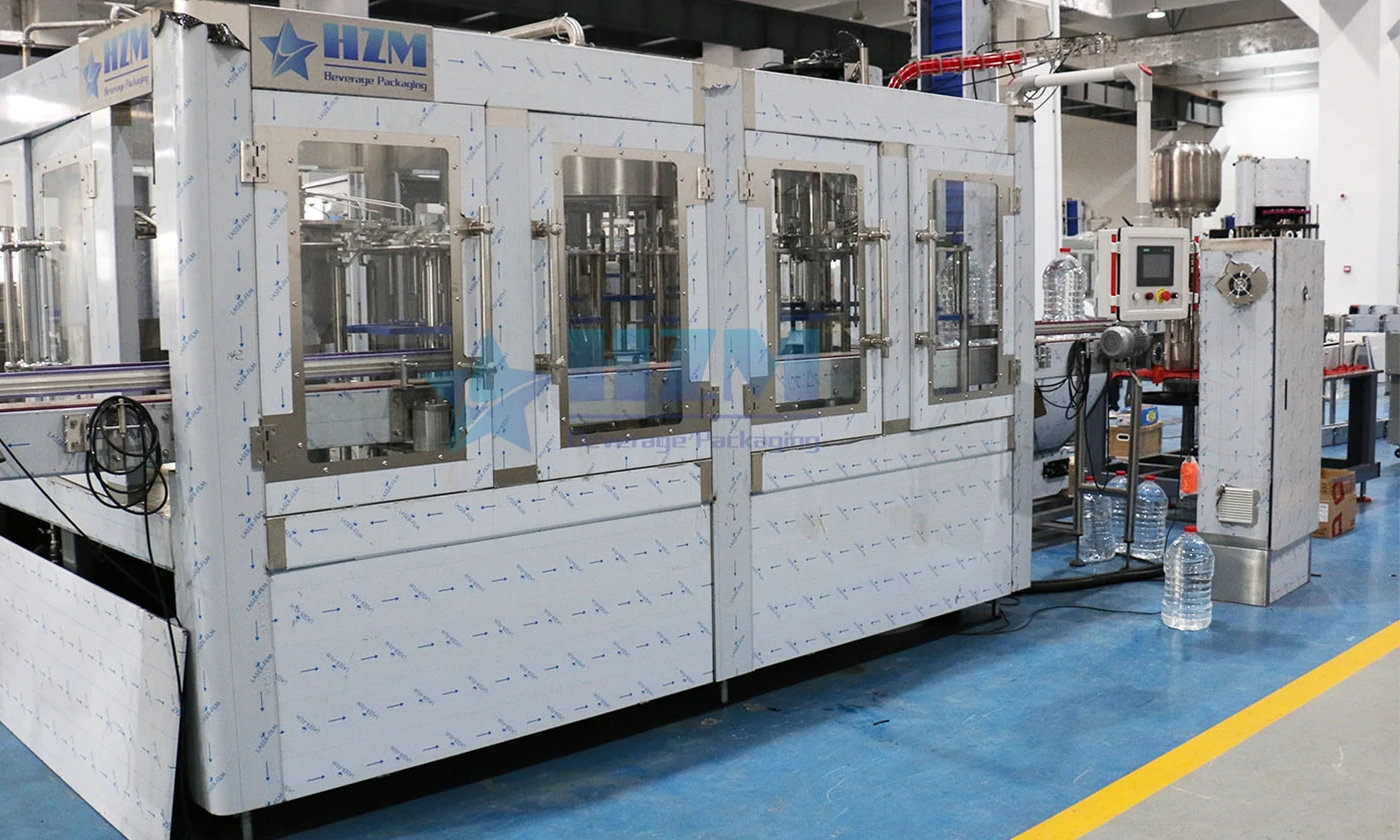
5L-10L Large Bottle Drinking Water production line
XGF12-12-4 rinsing, filling and capping for 5 L and 10 L water bottles, with stable outputs of 1,200 and 700 bottles/hour respectively.
Learn more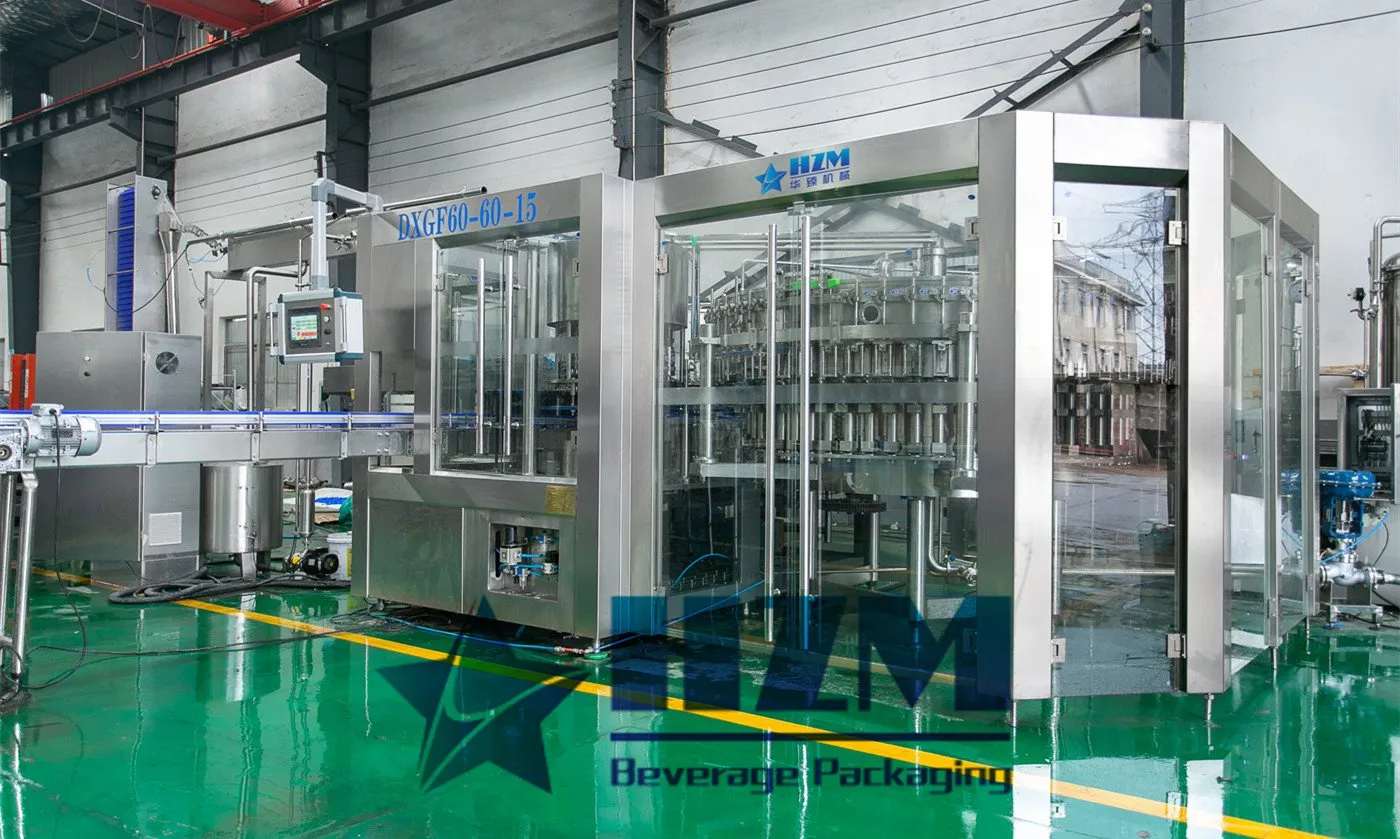
Soda Water Filling Machine
Soda water filling equipment with bottle rinsing, isobaric filling and capping for PET-bottled sparkling water.
Learn more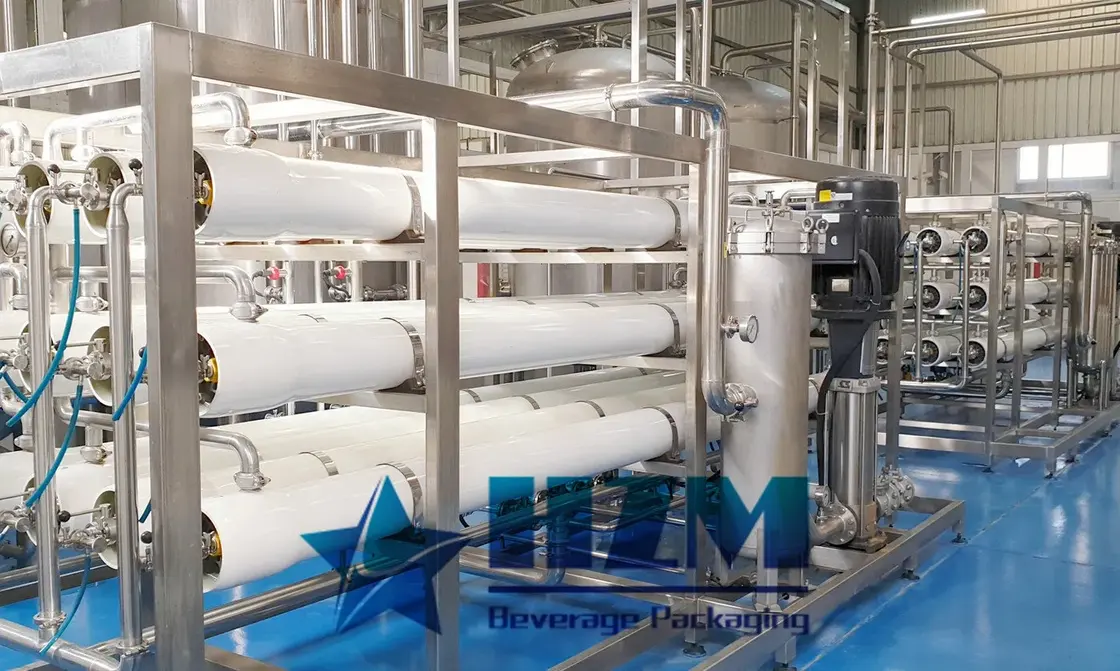
Water Treatment System
HZM water treatment systems prepare process water for bottled water, beverages and brewing.
Learn more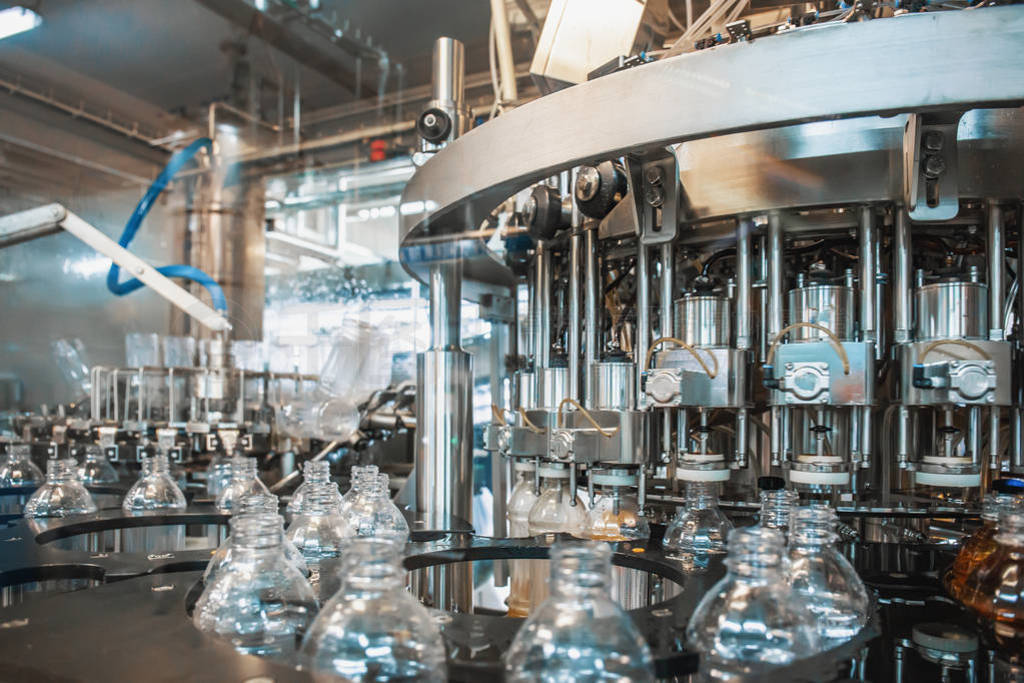
Mineral Water Production Cost: Equipment and Operating Cost Checklist
Estimate mineral water production cost by separating plant scope, packaging, utilities, labor, maintenance and local compliance instead of relying on a generic price.
Learn more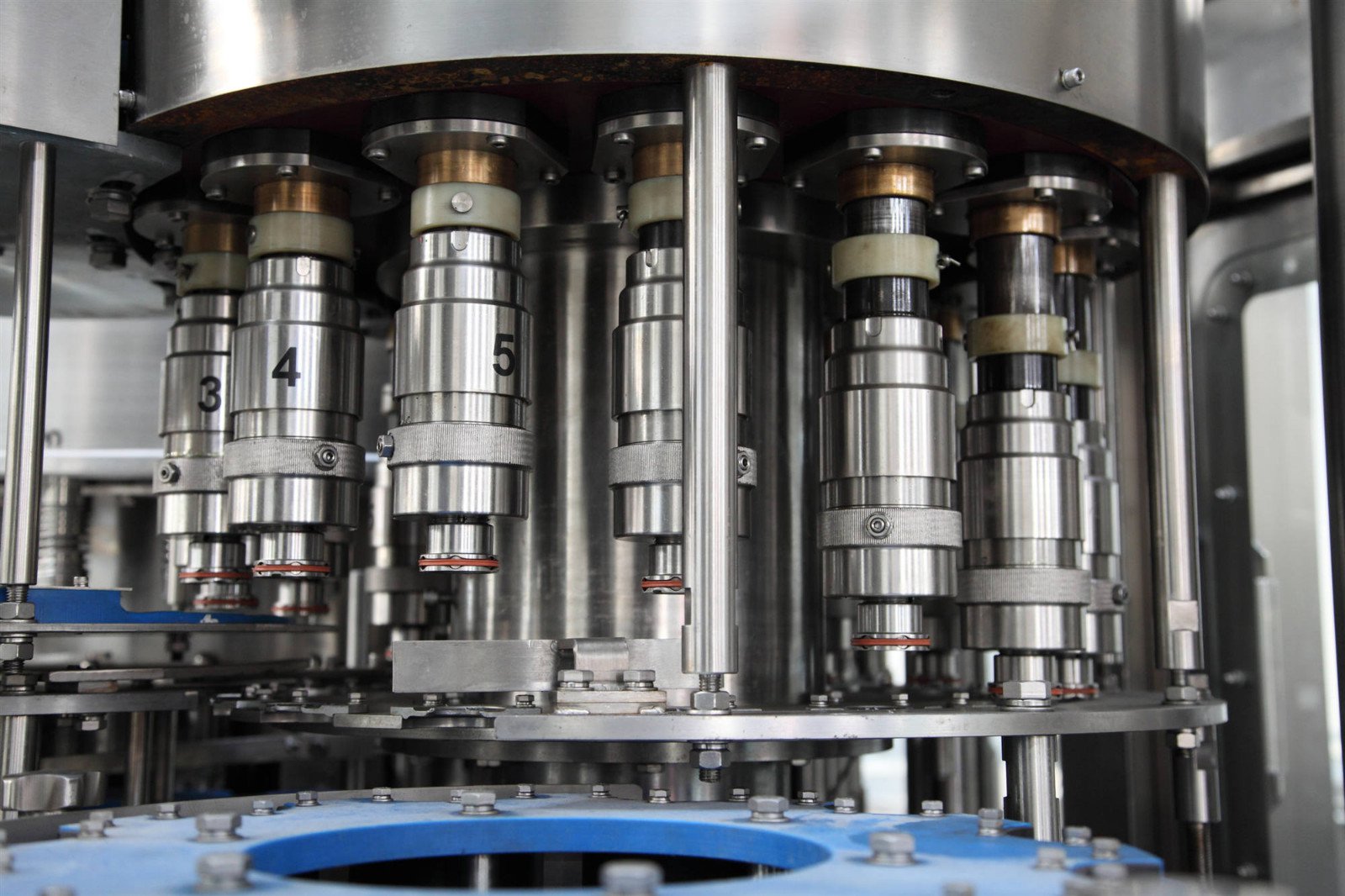
What is the Working Principle of 3 in 1 Water Filling Machine?
Water filling machines are used by perse beverage companies. In the 1990s, the companies were using manual machines. Several labors were needed to handle and use the machine. After that, the semi-automatic filling machines took over the market. Since 2000, the technology has been evolved. The manufacturers include advanced technological innovation into the equipment. Every […]
Learn more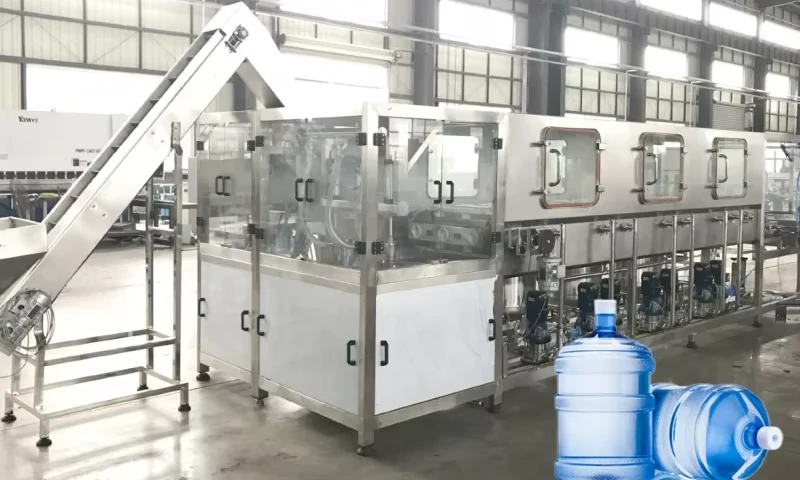
5-Gallon Returnable Water Bottles: Washing and Inspection Checklist
A practical receiving, inspection, washing, rinsing and verification checklist for returnable 3–5 gallon bottled-water production.
Learn more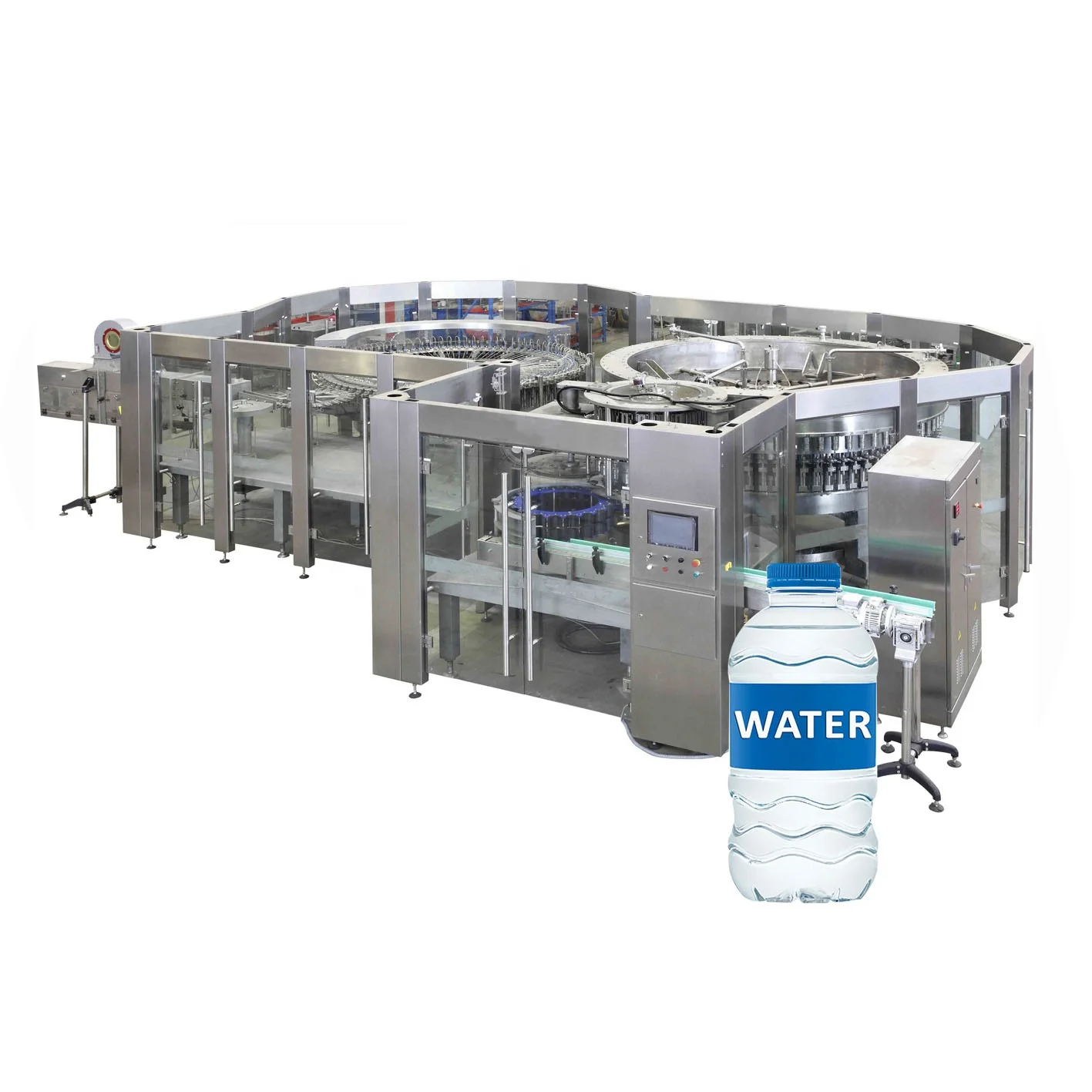
Water Bottle Filling Machine Solutions
Water bottle filling machines come in various configurations, from small-scale, semi-automatic machines suitable for small businesses to fully automated, high-speed machines used in large-scale production facilities. They play a crucial role in ensuring the efficiency and quality of the water bottling process.
Learn moreHZM Water Filling Line: Your Reliable Supplier for Complete Equipment Solutions
HZM Water Filling Line is dedicated to offering efficient and reliable equipment and services to water production enterprises.
Learn more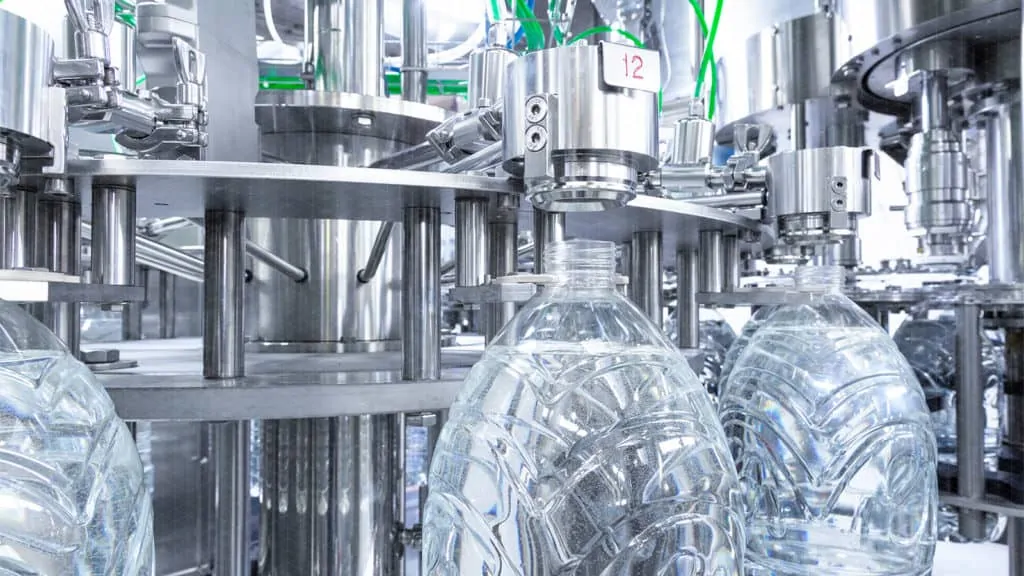
Water Bottling Plant Equipment For Sale
In the global arena, HZM Machinery stands as a highly acclaimed manufacturer of water bottling plant equipment, renowned for its professional expertise and factory-direct pricing.
Learn more