
Insights & Updates
Water Bottle Filling Machine Solutions
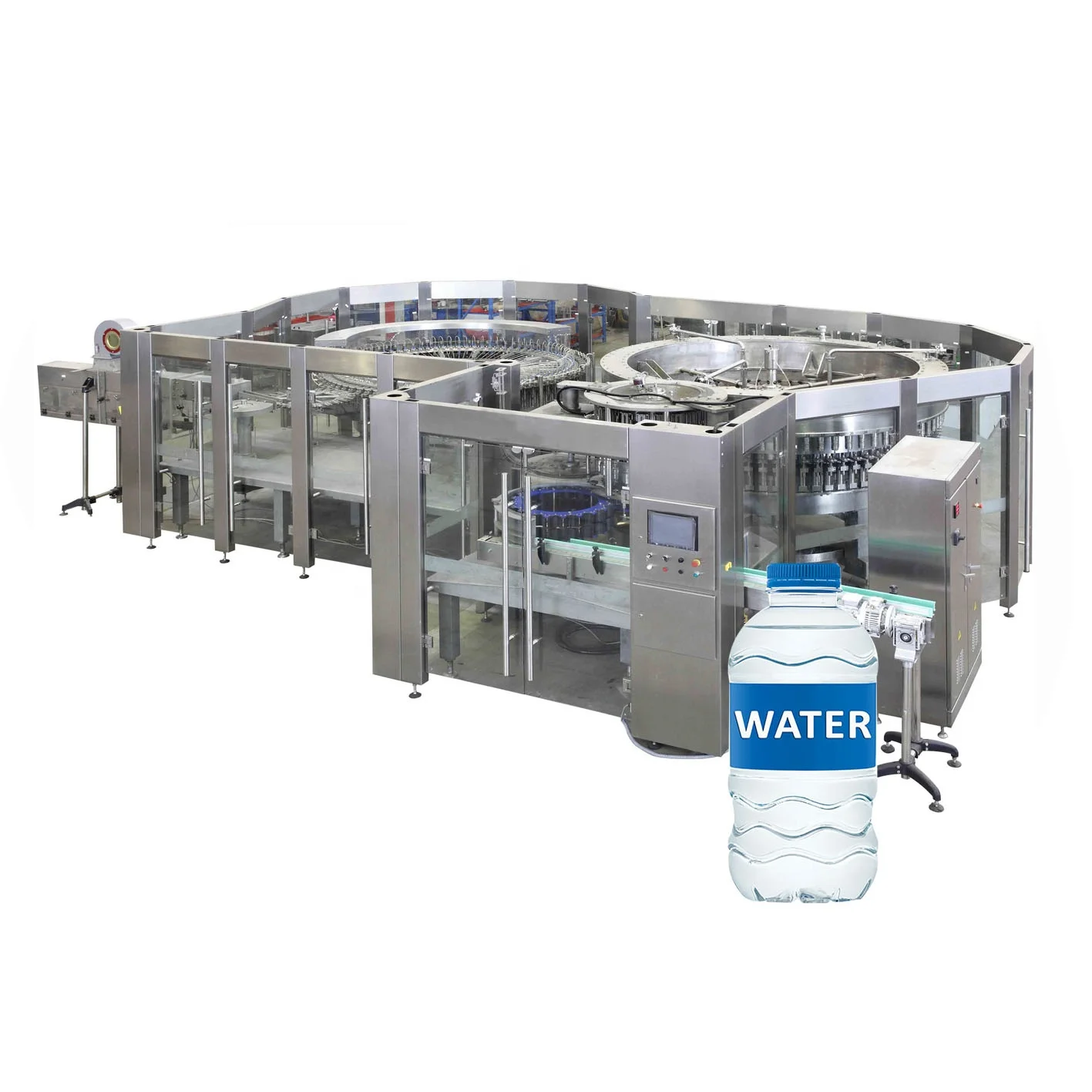
A water bottle filling machine is a specialized industrial equipment designed for efficiently filling bottles with water. These machines are commonly used in the beverage industry, particularly in water bottling plants, to streamline the bottling process and ensure accuracy, hygiene, and speed. Here are key features and functions of a typical water bottle filling machine, along with solutions:
1.Bottle Handling System
The machine is equipped with a bottle conveyor system that transports empty bottles to the filling station.
Bottles are usually positioned and stabilized by guides and clamps to ensure proper alignment during the filling process.
2.Rinsing Station
Prior to filling, bottles may pass through a rinsing station where they are cleaned and sanitized. This helps remove any dust, debris, or contaminants from the bottles.
3.Filling Station
The filling station is the core component where water is accurately dispensed into each bottle. This process is often controlled by a series of valves and sensors.
The machine can be configured for different bottle sizes and fill levels, providing flexibility for various packaging requirements.
4.Capping Mechanism
After filling, bottles move to the capping station where caps or lids are securely applied. This can involve screw-on caps, snap-on lids, or other sealing mechanisms.
Capping systems are designed to maintain the integrity of the product by preventing leaks and ensuring a tight seal.
5.Quality Control Sensors
Optical sensors and other quality control mechanisms are often integrated to inspect filled bottles for proper fill levels and to detect any defects or abnormalities.
6.Conveyor System
A conveyor system carries the filled and capped bottles away from the filling machine, usually leading them to the packaging or labeling area.
7.Automation and Control Panel
Modern water bottle filling machines are often highly automated and controlled by a central panel. Operators can set parameters, monitor the filling process, and troubleshoot issues from this control panel.
8.Hygiene Features
Given that water is a consumable product, hygiene is of utmost importance. Machines are designed with materials that are easy to clean, and some may have sanitation features such as UV sterilization.
9.Capacity and Speed
The capacity of a water bottle filling machine is defined by the number of bottles it can fill per unit of time. High-speed machines are capable of filling thousands of bottles per hour, catering to large-scale production demands.
10.Bottle Drying System (Optional)
Some machines may include a bottle drying system to remove excess water from the exterior of the bottles before they are packaged.
Water bottle filling machines come in various configurations, from small-scale, semi-automatic machines suitable for small businesses to fully automated, high-speed machines used in large-scale production facilities. They play a crucial role in ensuring the efficiency and quality of the water bottling process.
Talk to our engineering team
Need help planning your packaging line?
Share your product, bottle and capacity requirements for a practical equipment recommendation.
Equipment
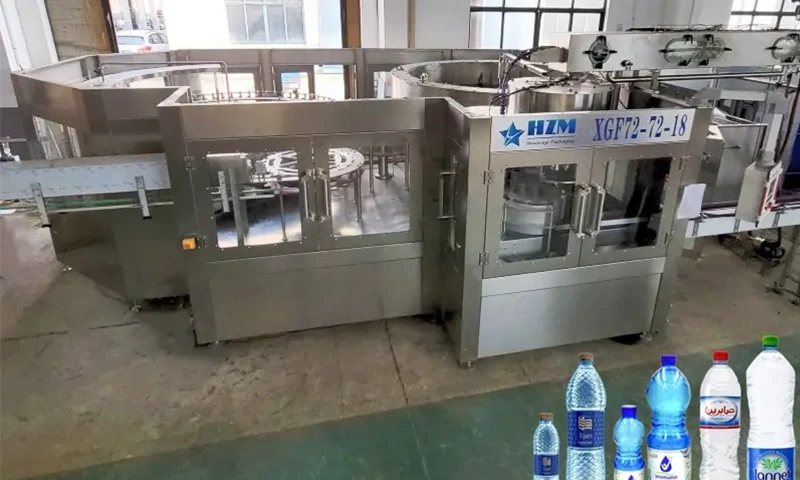
3-In-1 Water Bottle Filling Machine
A 3-in-1 PET bottle rinsing, filling and capping machine for drinking water, from 5,000 to 18,000 bottles/hour at 500 ml.
Learn more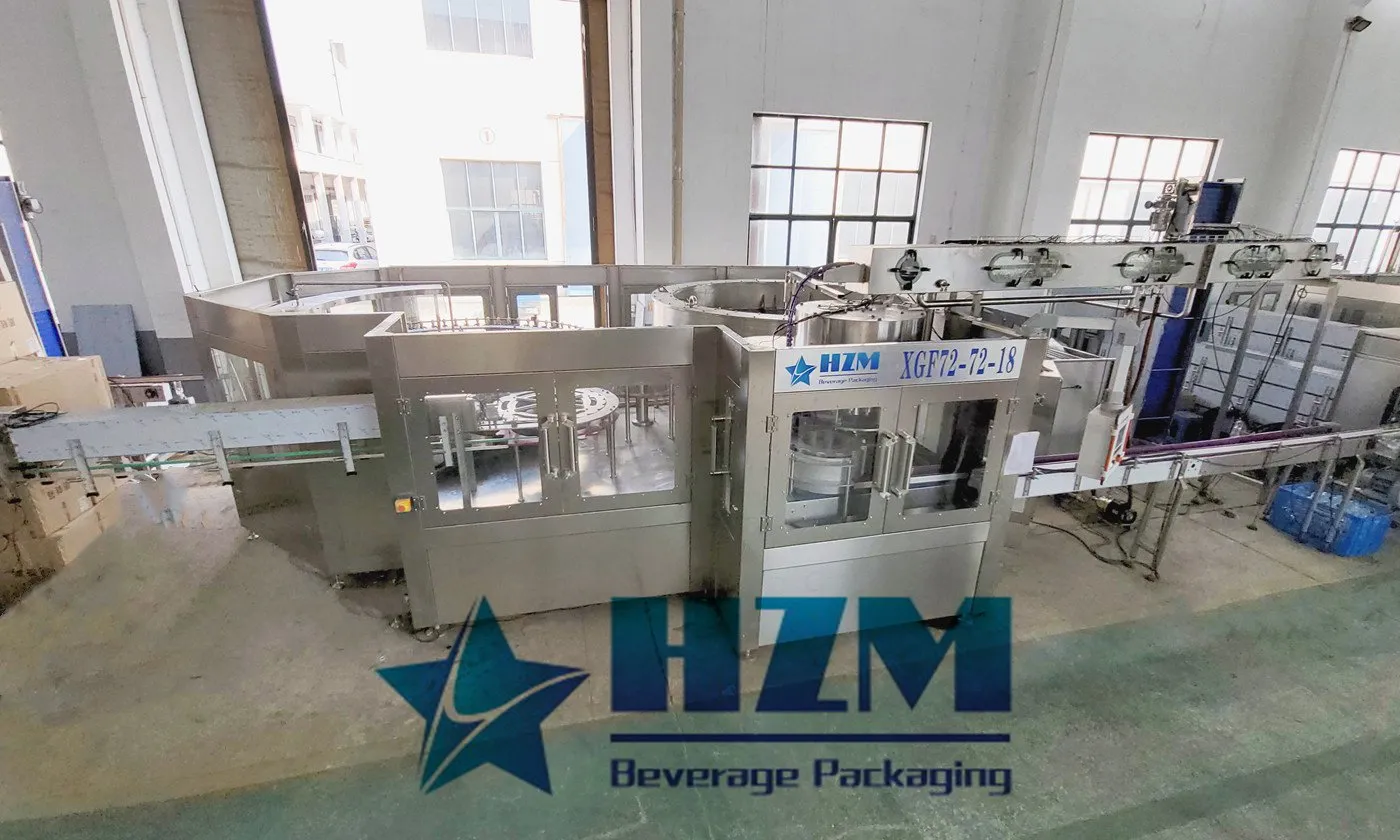
Equipment
Automatic Water Bottle Filling Machine
Automatic rinsing, filling and capping for purified and mineral water in PET bottles, with capacities of 5,000–42,000 bottles/hour at 500 ml.
Learn more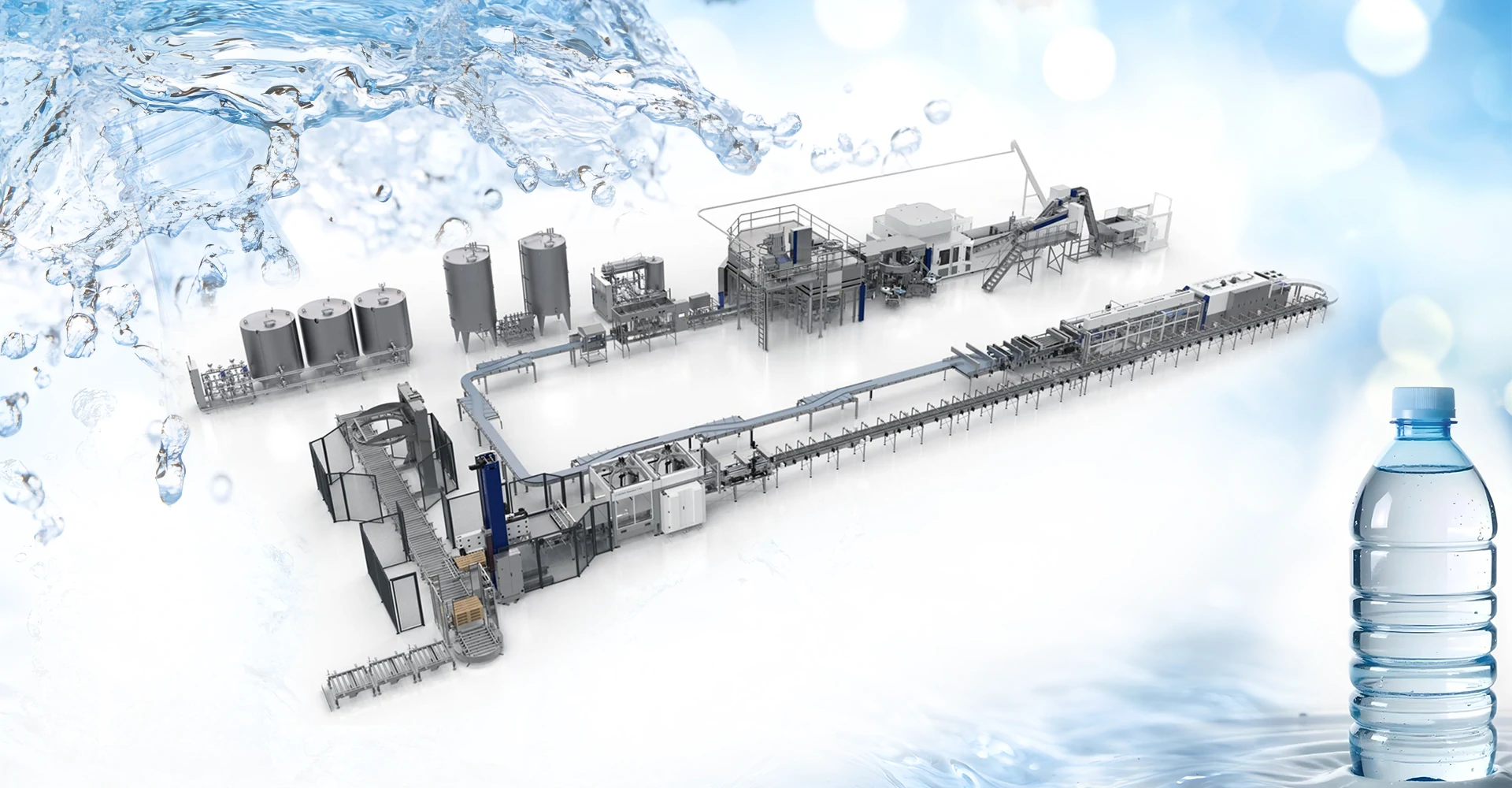
Equipment
Drinking water production line – Bottled Water Filling Machine Manufacturer
PET-bottled drinking-water production with automatic rinsing, filling and capping, plus water treatment and packaging equipment.
Learn more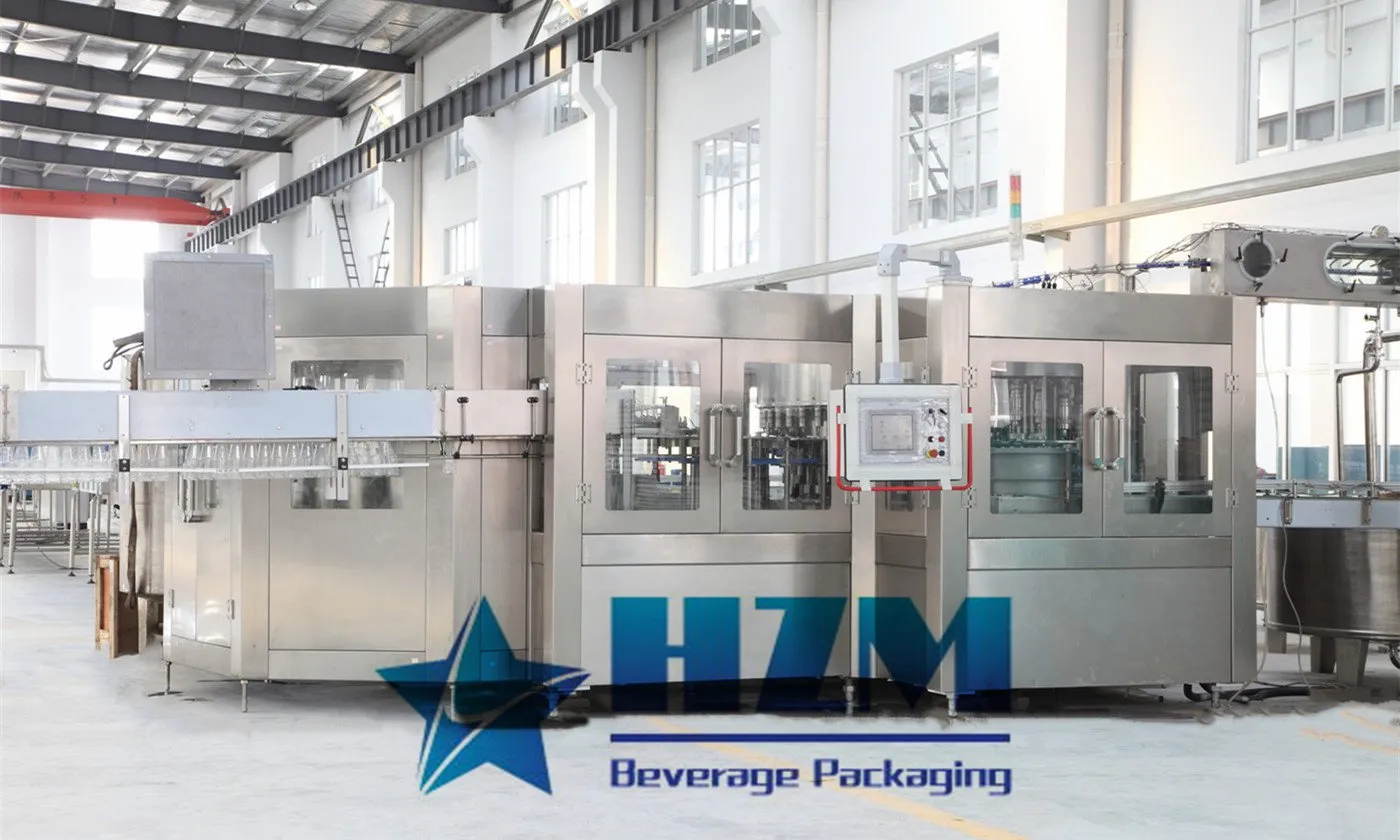
Equipment
PET Bottle Water Filling Machine
PET bottle water filling with automatic rinsing and capping, for purified water, mineral water and still drinking water.
Learn more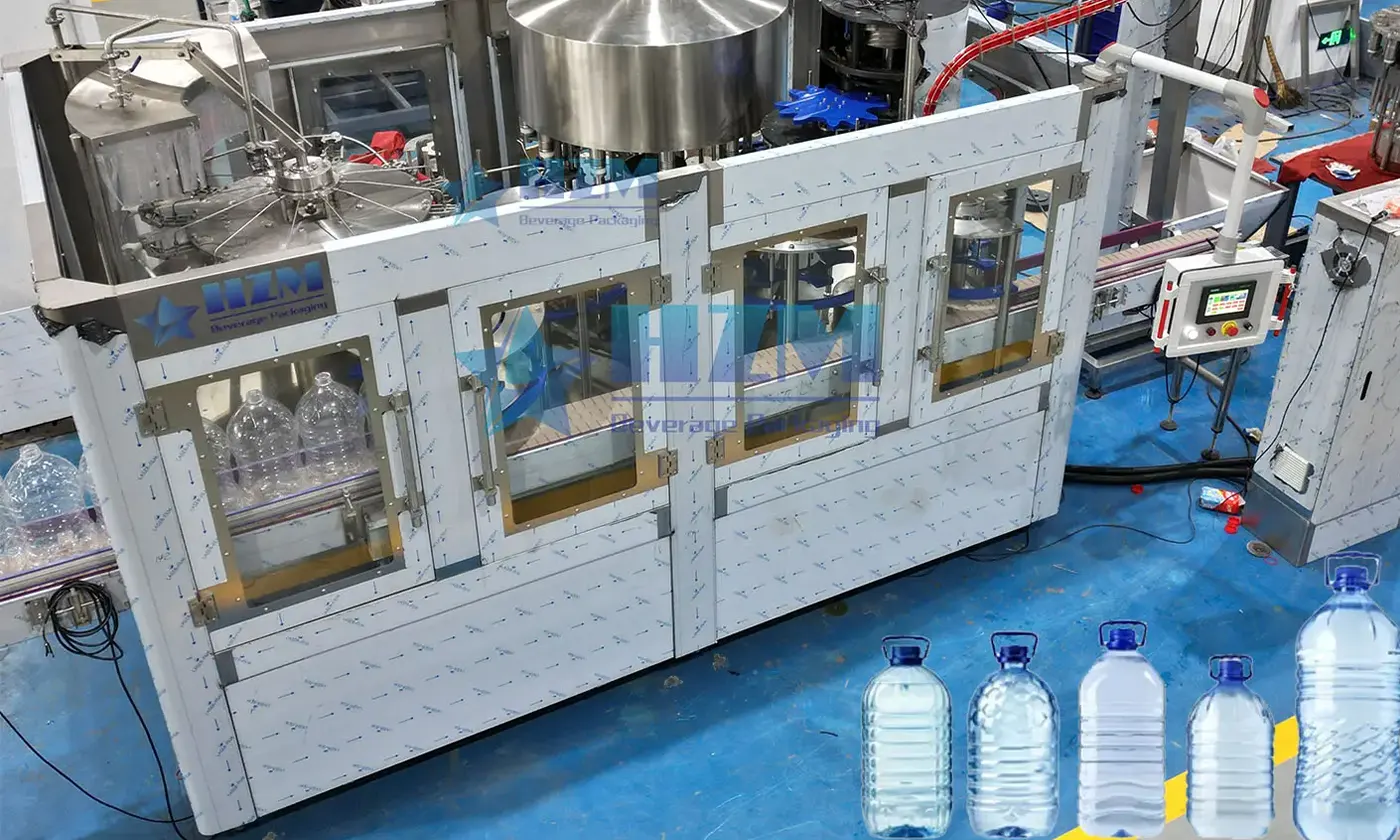
Equipment
Automatic Pure Water Bottling Filling Machine
Small PET bottle water filling with automatic rinsing and capping, from 5,000 to 18,000 bottles/hour at 500 ml.
Learn more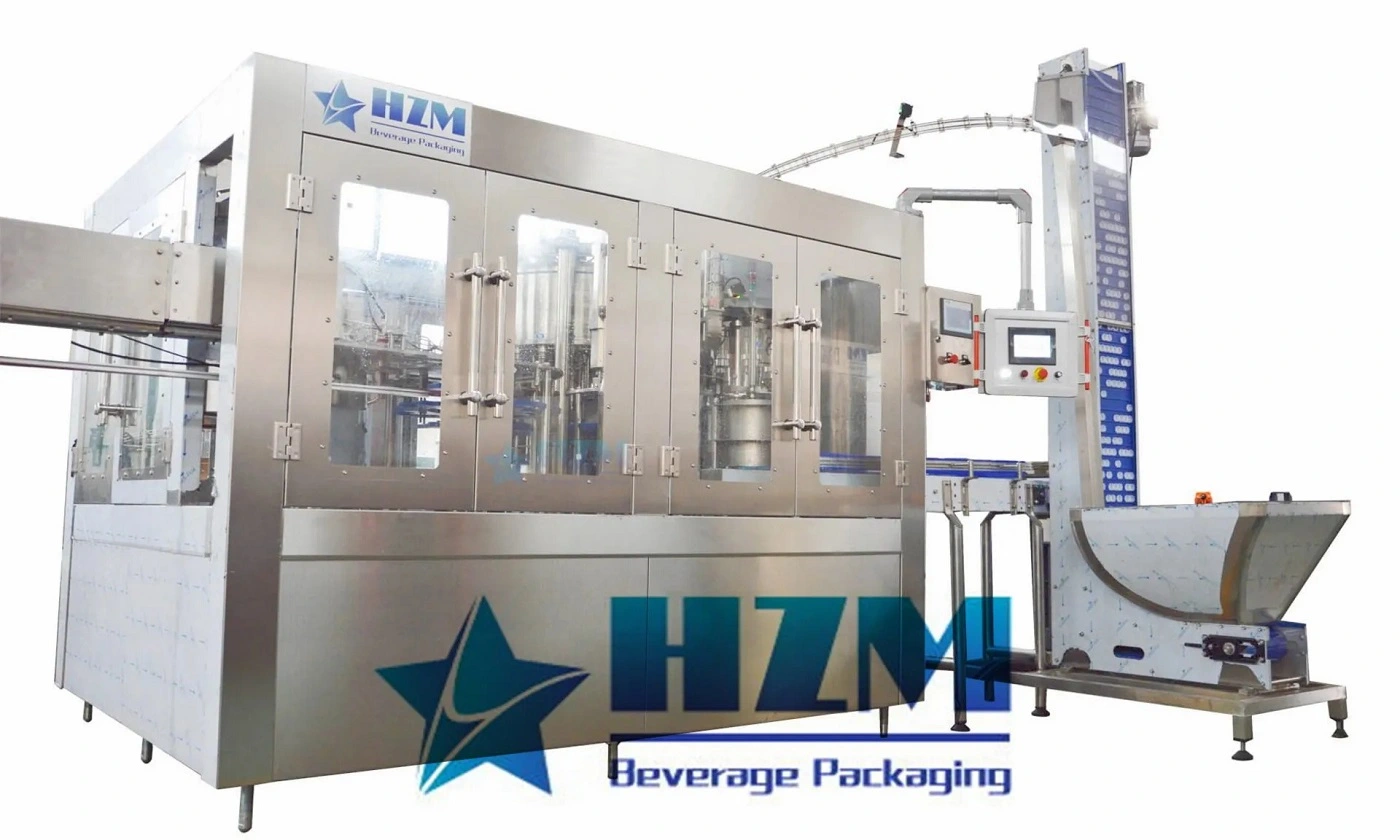
Equipment
Automatic Drinking Water Bottling Machine
Drinking-water bottling equipment with automatic rinsing, filling and capping, plus conveying, labelling and packing options.
Learn more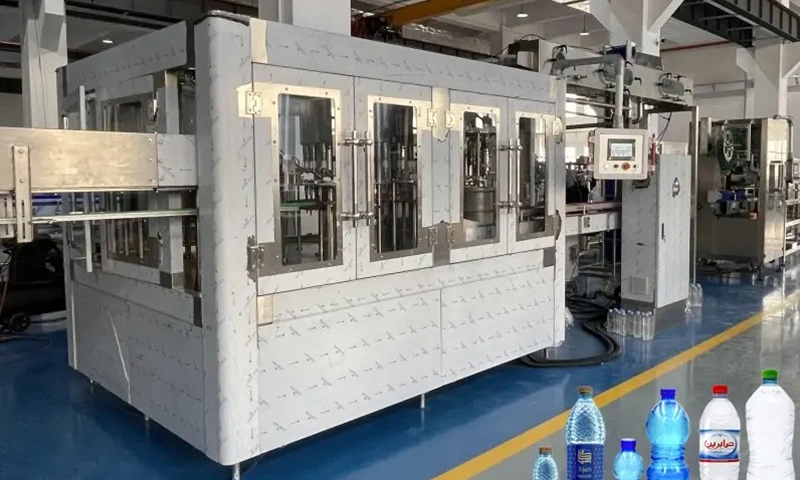
Equipment
Automatic Mineral Water Bottle Filling Machine
Automatic mineral-water bottling with rinsing, filling and capping, from 5,000 to 18,000 bottles/hour at 500 ml.
Learn more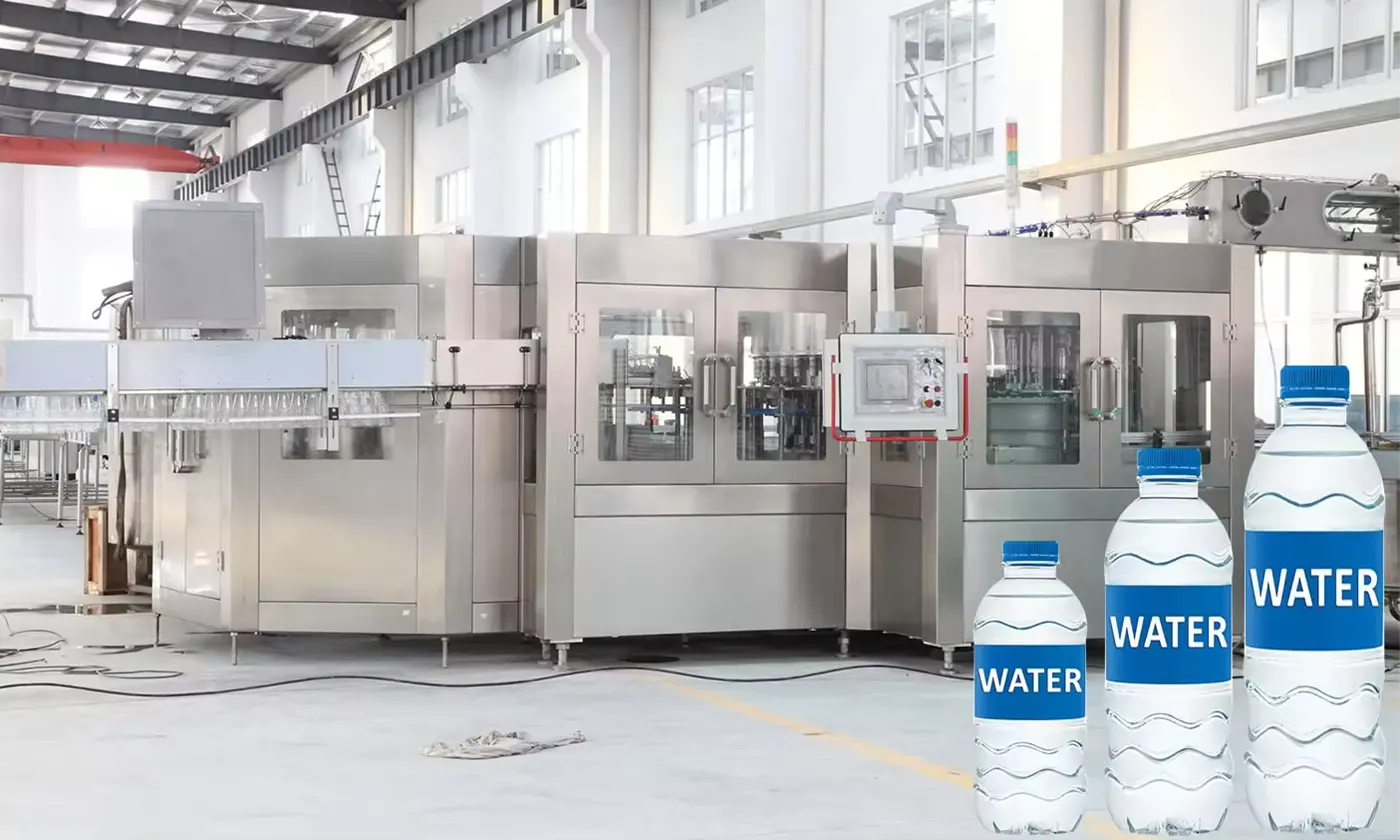
Equipment
Automatic Small Bottle Pure Water Filling Machine
Small PET bottle pure-water filling with automatic rinsing and capping, from 5,000 to 18,000 bottles/hour at 500 ml.
Learn more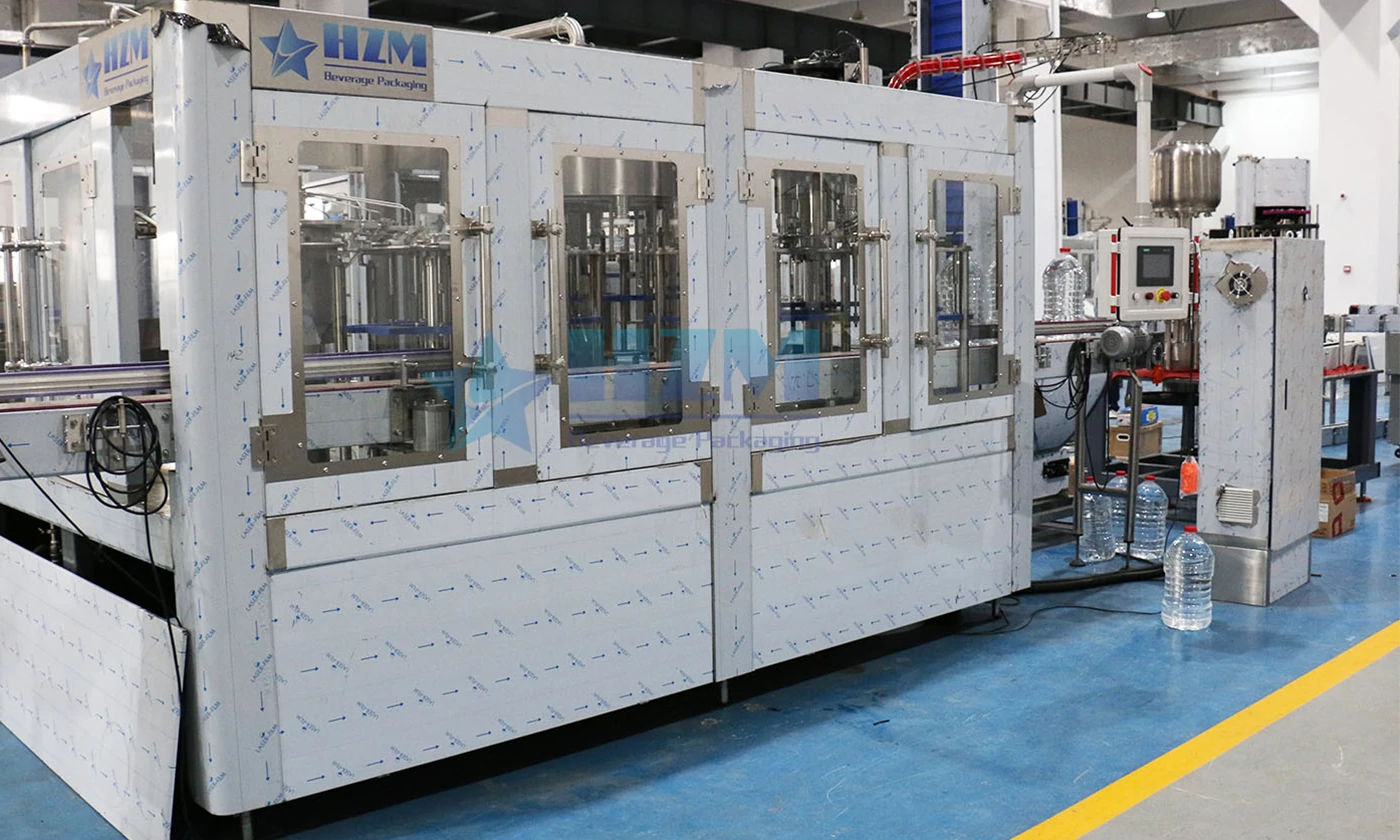
Equipment
5L-10L Large Bottle Drinking Water production line
XGF12-12-4 rinsing, filling and capping for 5 L and 10 L water bottles, with stable outputs of 1,200 and 700 bottles/hour respectively.
Learn more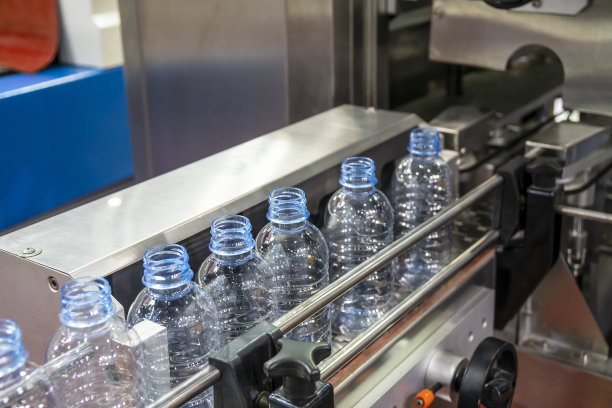
2023-09-14
Water Bottle Filling Machine Prices
Water bottle filling machines are highly automated filling equipment used for various containers, including water bottles, beverage bottles, and wine bottles. The application of this equipment is incredibly diverse, spanning across industries such as food, beverages, and household products
Learn more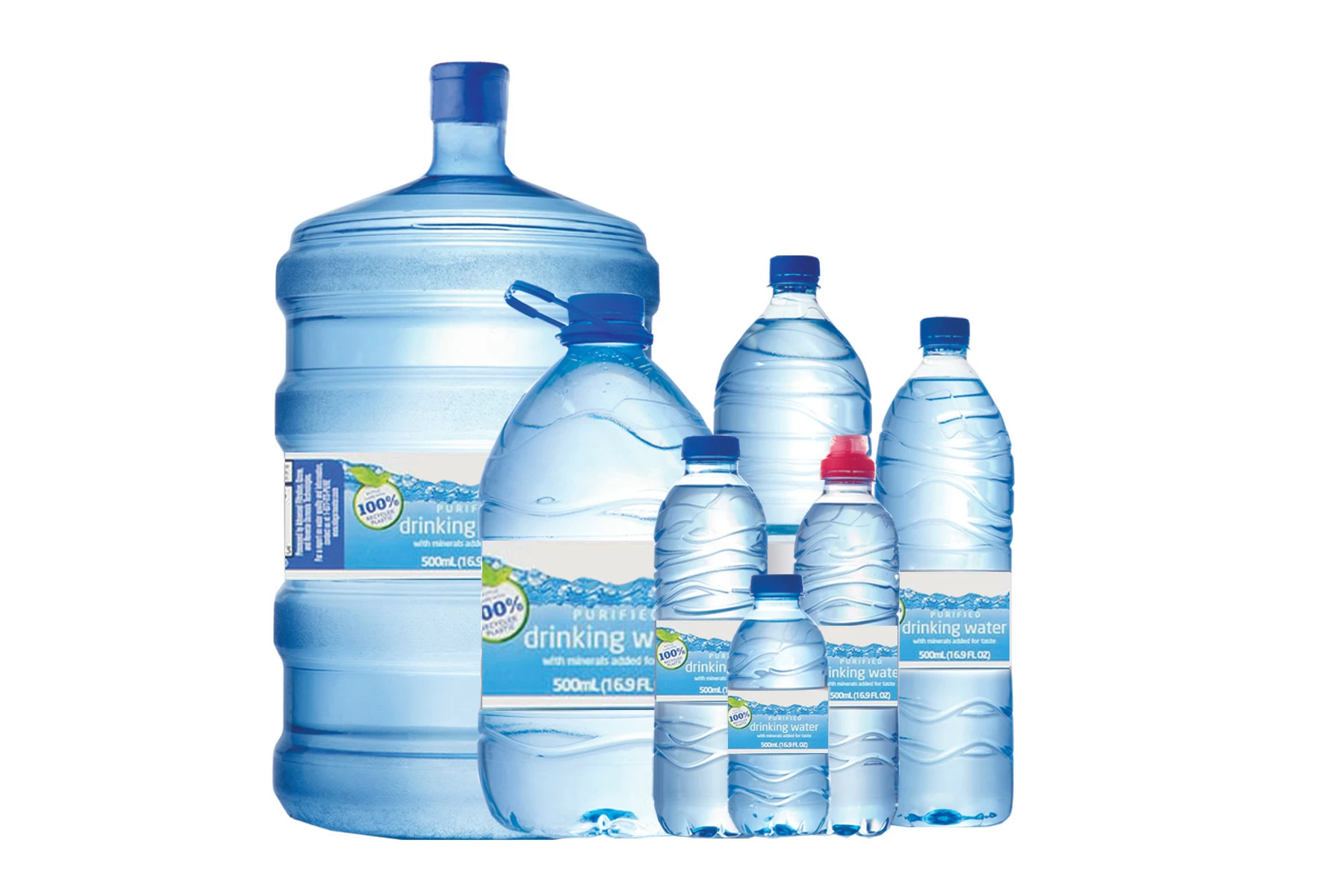
2023-11-21
Bottle Water Filling Machines and Production Line Equipment price
This article will delve into the price range of Bottle Water Filling Machines and the full set of production line equipment provided by HZM Machinery, providing you with a comprehensive understanding and reference.
Learn more2024-01-03
How much does a small fully automatic bottled drinking water equipment cost?
The cost of a complete set of bottled water production line varies based on the production capacity. Manufacturers provide quotes for bottled water production lines based on different hourly production capacities. To provide investors with a better understanding of the prices, manufacturers share detailed prices for different models of purified bottled water and mineral water […]
Learn more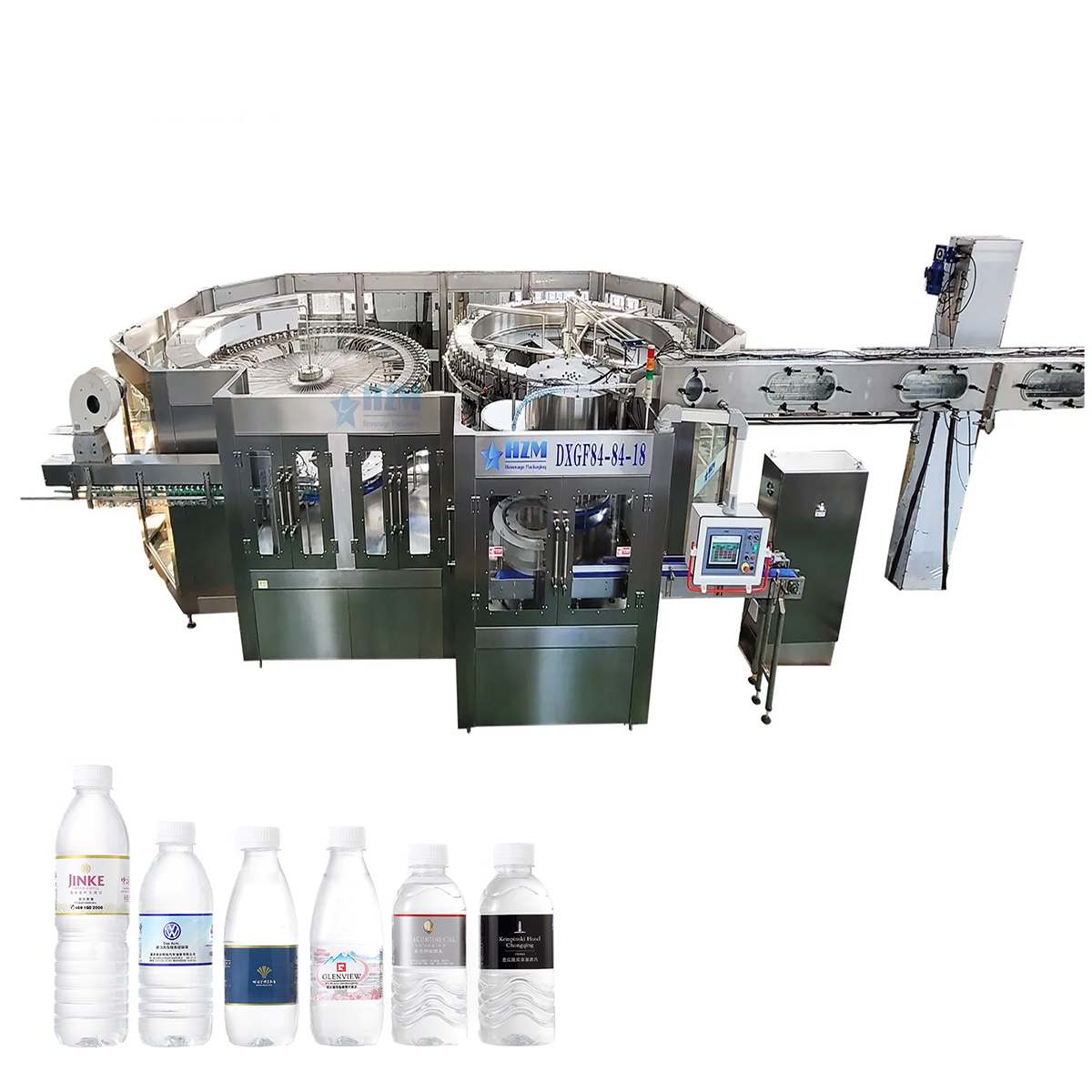
2025-04-21
Automatic Drinking Water Filling Production Line Equipment
The automatic drinking water filling production line is a highly efficient set of equipment that integrates water treatment, filling, capping, labeling, and packaging. It is widely used for industrial-scale production of bottled drinking water such as mineral water, purified water, and spring water. Empty bottles → Star-wheel bottle feeding → Pre-wash (inside & outside) → Rotary cleaning → Secondary spray rinsing → Filling → Screw-capping / shrink-film sealing → Labeling → Online checkweighing → Inkjet coding → Conveying → Packing / Palletizing
Learn more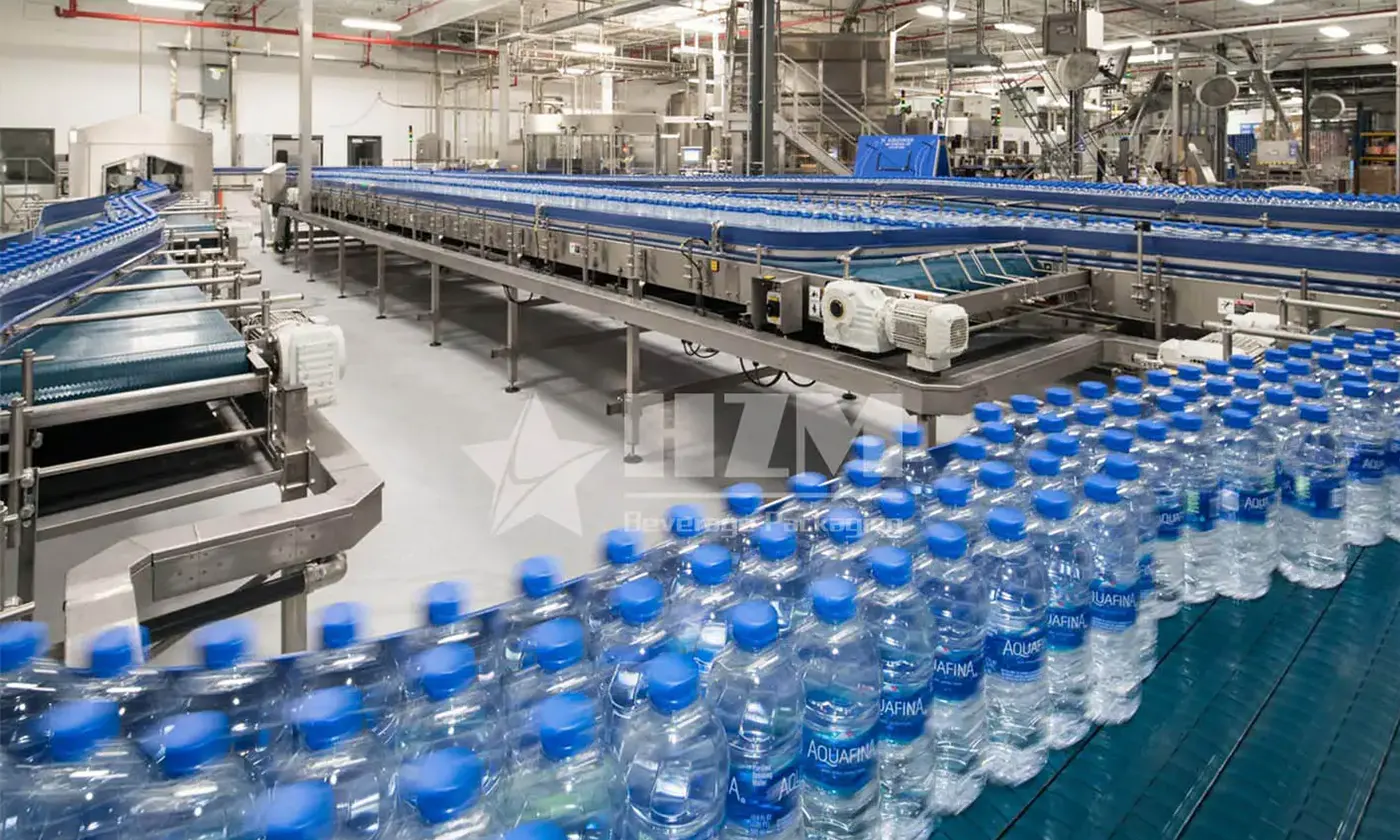
2024-02-28
Drinking Water Filling Production Line
Drinking Water factories play a crucial role in safeguarding people's health, with the process selection of water production systems being fundamental to ensuring water quality. The Drinking Water bottling production line is a vital component of this system, divided primarily into three main parts: pretreatment, reverse osmosis unit, and precision treatment.
Learn more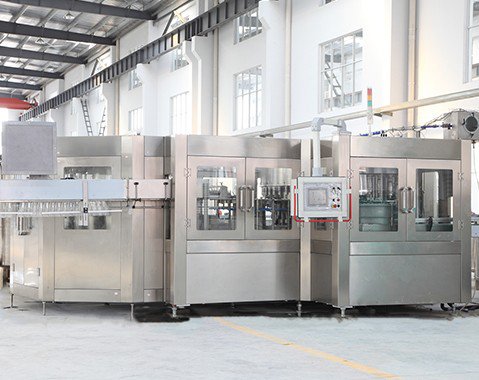
2023-03-24
What are the Advantages of Automatic Water Filling Machine?
The automatic water filling machine is a widely used packaging machine that offers a number of advantages to the packaging industry. Such a machine eliminates the manual work of filling bottles. When production reaches a certain level, it becomes necessary to use a filling machine. Below are the most common advantages of an automatic water […]
Learn more