
Insights & Updates
Mineral Water Production Cost: Equipment and Operating Cost Checklist
There is no reliable universal price for a mineral water production plant. Cost changes with the raw-water source, required treatment, bottle and cap, target output, level of automation, building conditions, local utilities and the boundary of supply. A useful estimate separates one-time investment from cost per saleable bottle and states every assumption.
This checklist helps buyers prepare a project basis before requesting quotations. HZM’s bottled water production line covers treatment, bottle blowing, filling, labeling, packaging and conveying, with published line configurations from 2,000 to 48,000 BPH depending on the confirmed project.
1. Define the commercial production plan
Start with sales volume by bottle size, not a machine speed. Record the expected units per day, production days per month, seasonal peak and growth case. Then define how many products and labels will run and how often the line will change format.
A line sized only for the peak headline number may carry unnecessary investment, while an undersized line can create overtime and missed demand. Compare several production scenarios using a stated operating factor, quality yield and time for cleaning, changeovers and maintenance.
2. Test the raw water and define the product
Water treatment scope cannot be priced accurately without a representative raw-water analysis and a target treated-water specification. Source variability, suspended solids, hardness, iron, manganese, organic load, dissolved salts and microbiological risk may change the process.
The water treatment system is selected from the raw-water report, required treated-water quality and hourly demand. The process may use pretreatment, membrane treatment and disinfection stages as required; not every project needs the same sequence.
Also distinguish mineral water from purified water according to the rules in the target market. Product definition affects treatment choices, labeling and compliance. Engage qualified local regulatory and water-quality specialists before freezing the process.
3. Build the equipment scope
A PET bottled-water plant may include:
- Raw-water storage, pretreatment, purification, disinfection and treated-water storage.
- Utilities such as compressed air, electrical distribution and any required cooling.
- Preform feeding and blow molding, or an empty-bottle receiving and storage system.
- Bottle rinsing, normal-pressure filling and capping.
- Cap handling, inspection, coding and reject equipment.
- Labeling and secondary packaging.
- Bottle and pack conveyors, pallet handling and warehouse interface.
- Quality-control equipment, spare parts, tools and documentation.
HZM lists an automatic water bottle filling machine for purified, mineral and still drinking water at 5,000-42,000 BPH under the stated configuration. The complete line output still depends on the selected bottle and all connected equipment.
4. Decide whether to blow bottles in-house
Buying empty bottles reduces bottle-making equipment in the initial scope but requires reliable local supply, transport and storage of bulky containers. In-house blowing adds a blow molding machine, molds, high-pressure air and related utilities, while reducing empty-bottle logistics and giving the plant more control over bottle production.
Compare both options using preform or bottle prices delivered to the plant, storage space, transport loss, labor, electricity, compressed air, mold cost and expected utilization. HZM’s automatic blow molding machine page provides a 2,000-18,000 BPH product range; higher line requirements should be configured as part of the approved project rather than assumed from one machine.
5. Include packaging material in cost per bottle
For many bottled-water businesses, packaging is a major recurring cost. Build a bill of materials for every saleable unit:
- Preform or empty bottle.
- Cap and any tamper-evident component.
- Label and adhesive where applicable.
- Ink or coding consumable.
- Shrink film, tray or carton.
- Pallet, stretch film and other distribution material.
Use supplier quotations for the actual bottle weight, decoration and order quantity. A small change in bottle weight or pack format can have a larger annual effect than a modest change in equipment price.
6. Calculate utilities from the proposed line
Request connected load and expected consumption separately. Include electricity, low- and high-pressure compressed air, treatment water, product water, cleaning water, drainage and any cooling or heating duty. Add utility losses and local tariffs using a documented basis.
Peak demand matters for infrastructure. A compressor, transformer or water supply sized only from average use may not support simultaneous start-up or production loads. Confirm which utility equipment is included in the machinery quotation and which belongs to the building contractor.
7. Add building and project costs
The machinery price is only one part of installed investment. Depending on the site, the budget may need land or lease cost, building work, hygienic finishes, drainage, water supply, power distribution, laboratory, warehouse, fire protection, permits, freight, customs, insurance, installation, commissioning and operator training.
Use a responsibility matrix to show who supplies foundations, pipework, cables, lifting equipment, consumables, test materials and accommodation for site personnel. This prevents gaps between the equipment contract and local construction contracts.
8. Estimate operating cost per saleable bottle
A transparent model can use the following structure:
Unit production cost = packaging materials + water and treatment consumables + utilities + direct labor + maintenance and spare parts + quality and sanitation + allocated factory overhead, divided by saleable bottles.
Keep finance costs, tax, sales, distribution and retailer margin visible as separate commercial layers if they are outside factory production cost. Use saleable output rather than nominal machine output, and run sensitivity cases for packaging price, utilization and reject rate.
9. Budget maintenance and lifecycle support
Include preventive-maintenance labor, lubrication, filters, seals, wear parts, calibration, treatment media or membranes where applicable and a critical spare-parts stock. Ask for recommended intervals, lead times and the backup procedure for controls. The cheapest purchase price can be expensive if parts availability or maintainability is poor.
Information needed for a comparable quotation
- Raw-water analysis and target product-water specification.
- Bottle sizes, drawings, preform and cap details.
- Required output for each format and production schedule.
- Label, code, pack and pallet pattern.
- Available utilities and local electrical standard.
- Site layout, building height and line direction.
- Desired automation, inspection and data functions.
- Installation, training and acceptance-test expectations.
Frequently asked questions
How much does a mineral water production line cost?
A defensible price requires the inputs above. Treatment process, bottle strategy, output and supply boundary can change the project substantially, so a generic online number is not a quotation.
What usually has the greatest effect on unit cost?
The answer is project-specific, but packaging specification and line utilization deserve careful sensitivity analysis because they apply to every saleable bottle. Water source, energy price, labor and distribution conditions also matter.
How can a buyer reduce cost without reducing quality?
Standardize package formats where the market permits, size the line to a realistic production plan, compare in-house and purchased bottles, design efficient utilities, prevent rejects and specify a maintainable system. Cost reduction should preserve the validated water quality, package integrity and local compliance requirements.
Talk to our engineering team
Need help planning your packaging line?
Share your product, bottle and capacity requirements for a practical equipment recommendation.
Equipment
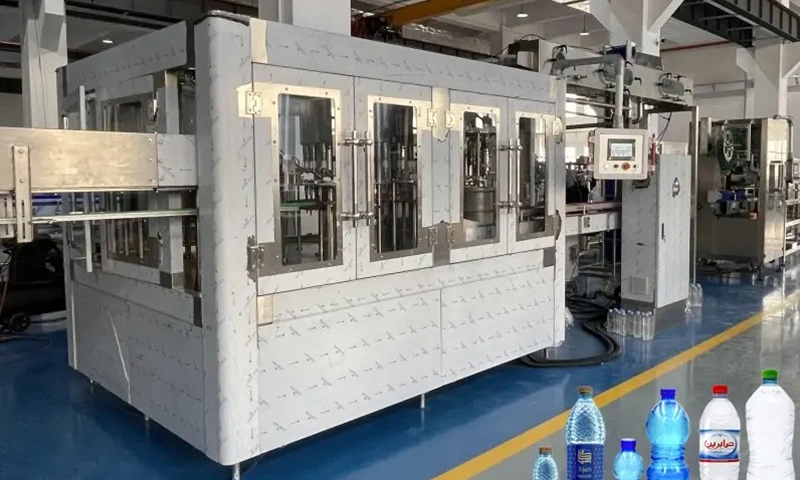
Automatic Mineral Water Bottle Filling Machine
Automatic mineral-water bottling with rinsing, filling and capping, from 5,000 to 18,000 bottles/hour at 500 ml.
Learn more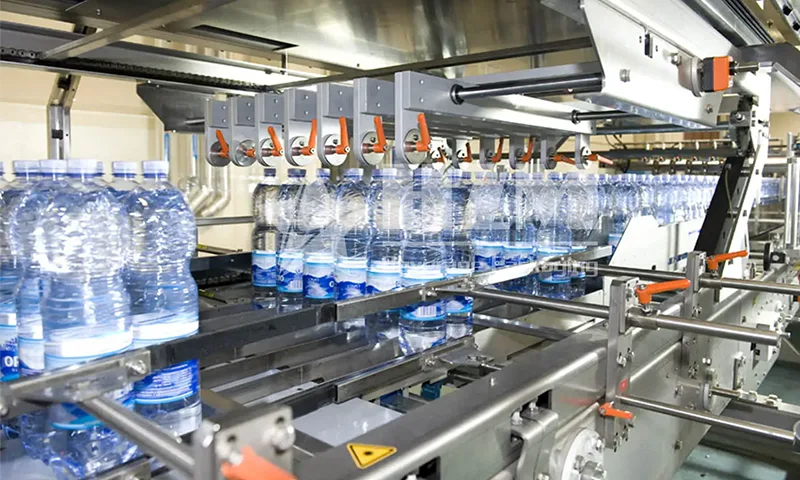
Equipment
Mineral Water Bottle Packaging Machine
Automatic drinking-water production equipment with PET bottle rinsing, filling and capping, plus downstream packaging options.
Learn more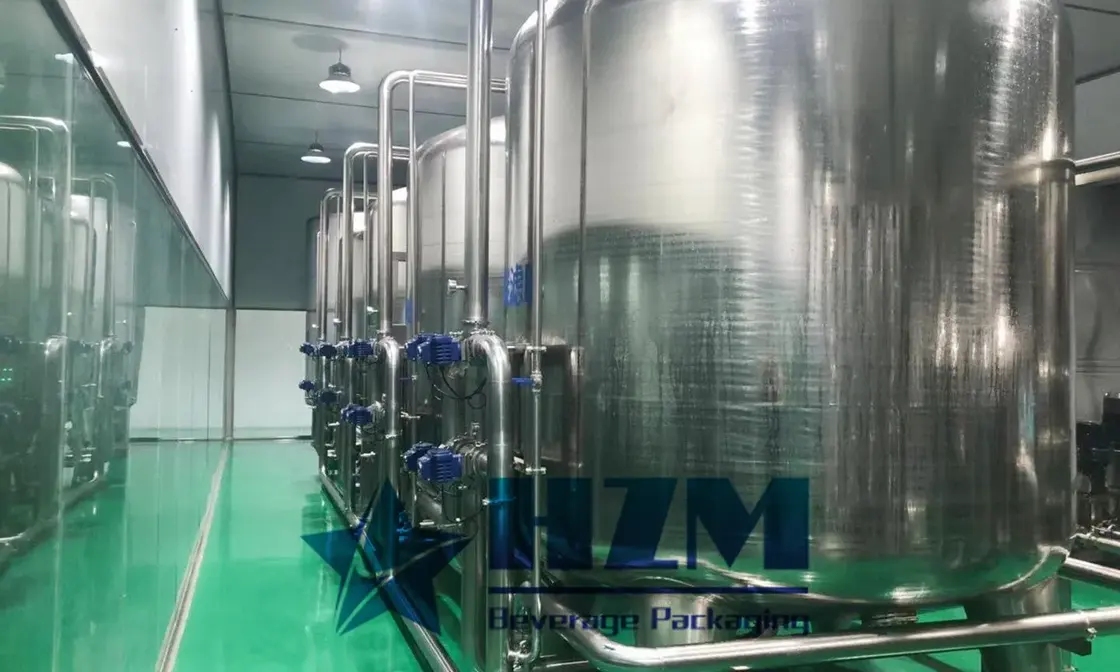
Equipment
Water Purification System for Mineral Water Plant
The mineral water purification system removes unwanted particles and supports hygienic storage and transfer before bottling.
Learn more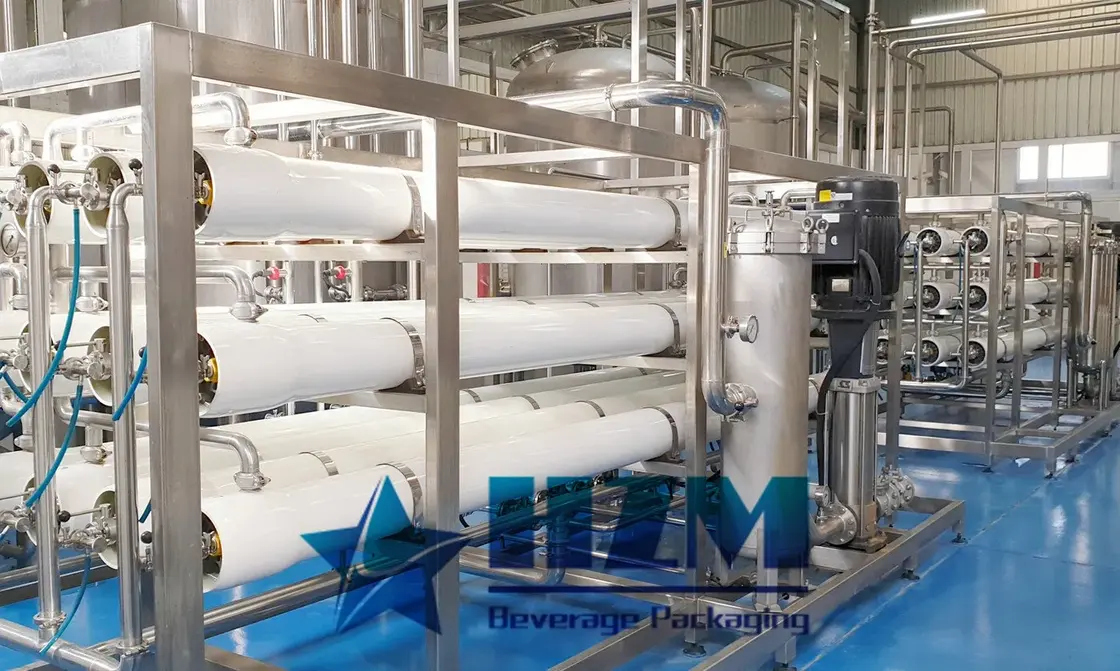
Equipment
Water Treatment System
HZM water treatment systems prepare process water for bottled water, beverages and brewing.
Learn more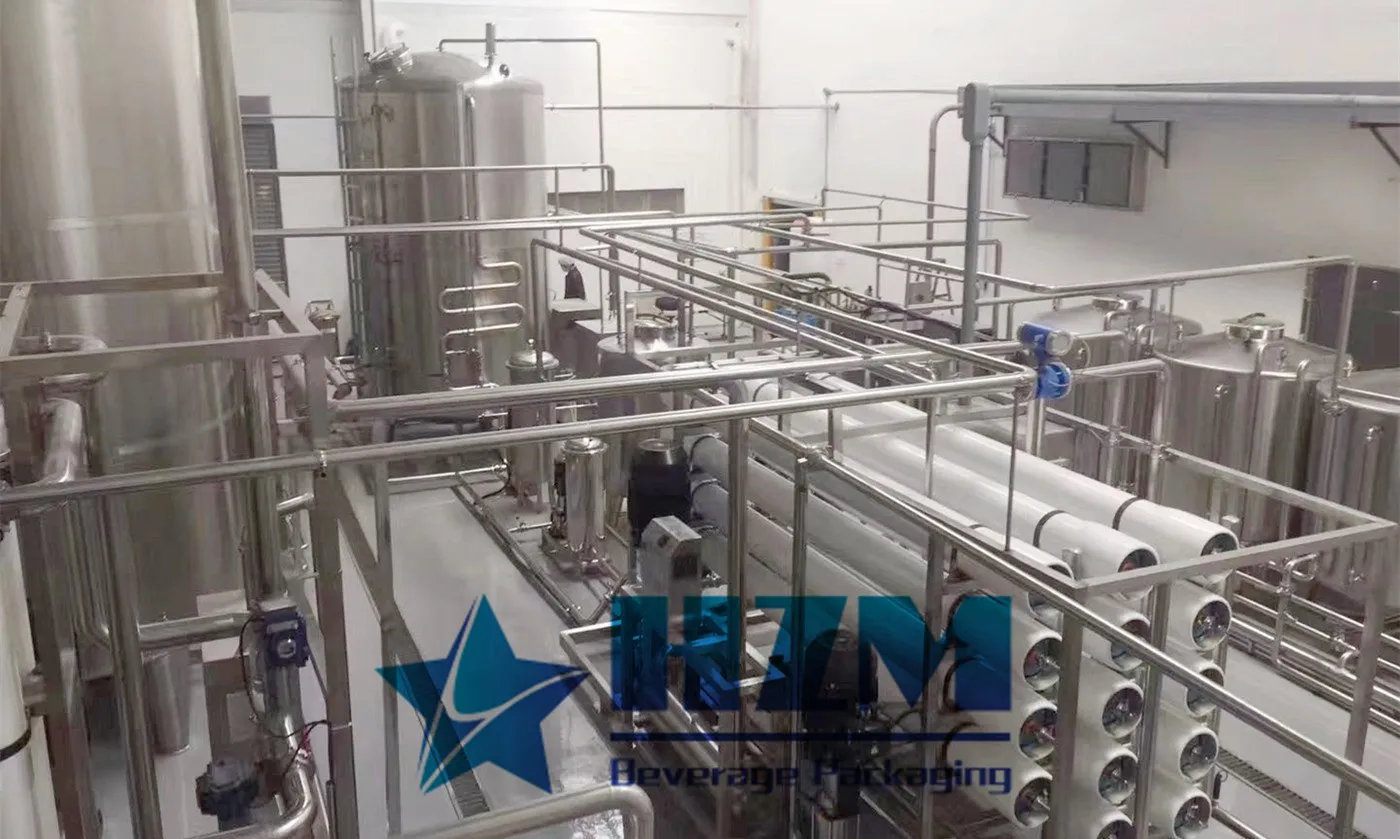
Equipment
Water Treatment Machine Purification System
HZM water purification equipment combines filtration, membrane treatment and final treatment in one process.
Learn more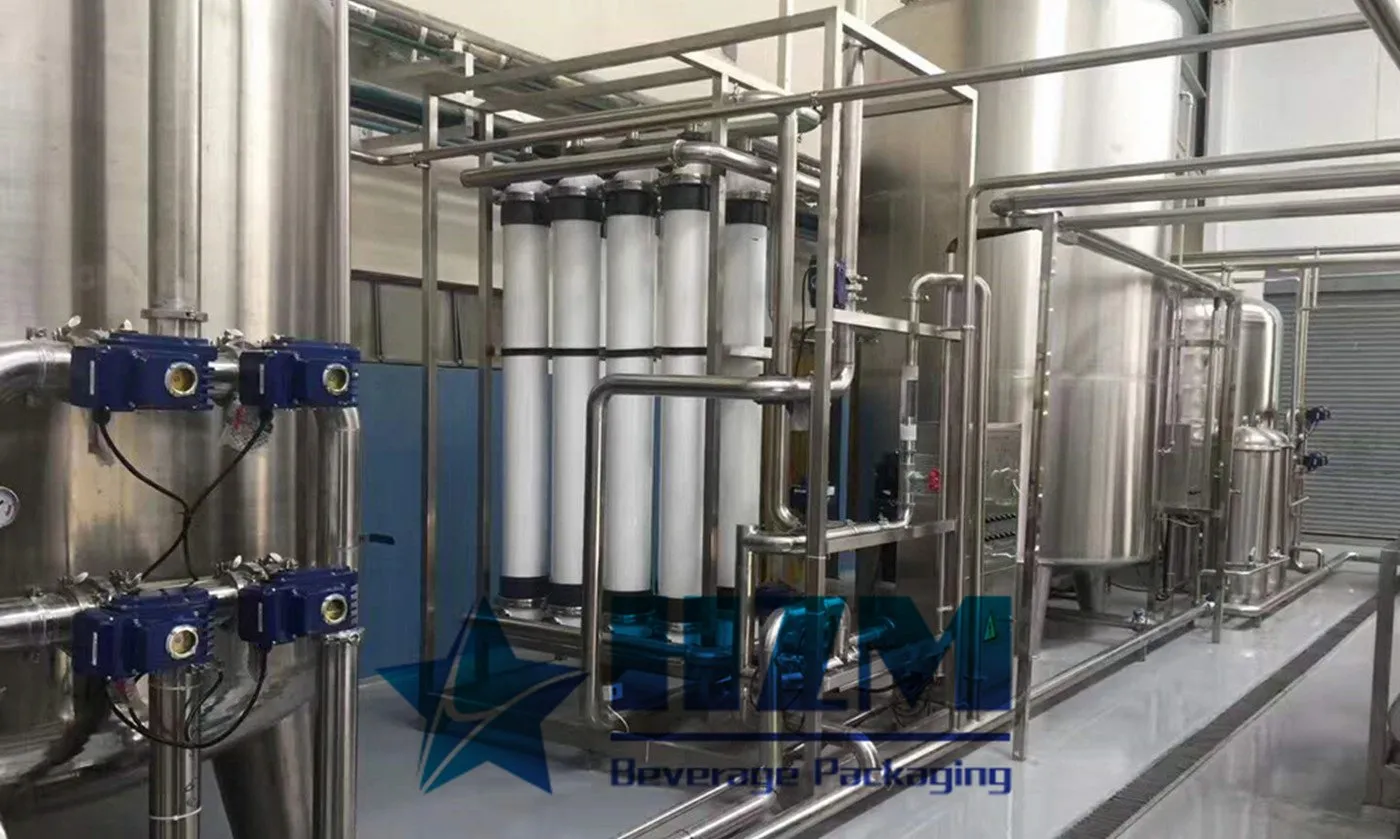
Equipment
Industrial Drinking Water Treatment System
This industrial drinking-water treatment system supplies treated water to bottling and beverage plants.
Learn more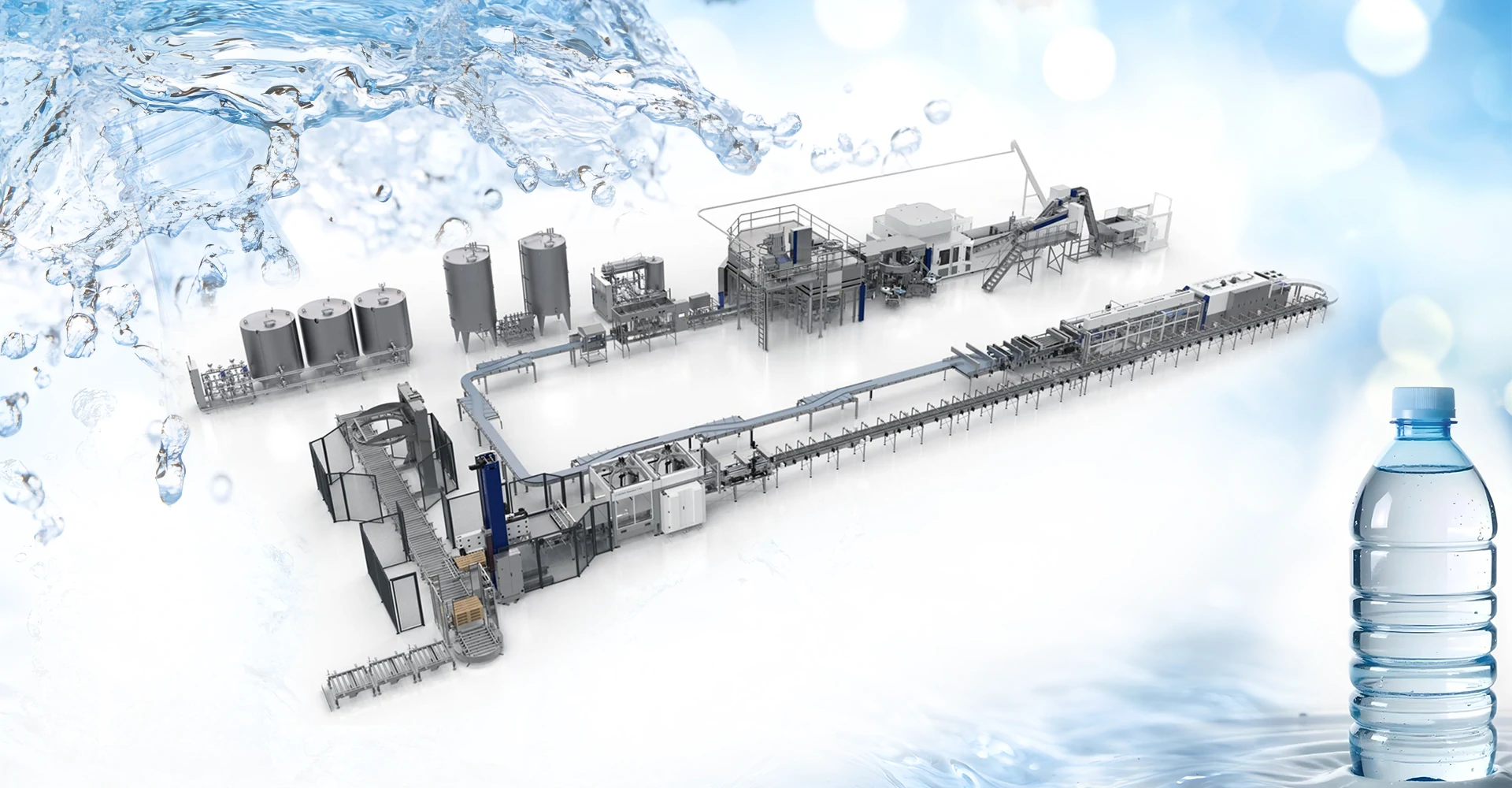
Equipment
Drinking water production line – Bottled Water Filling Machine Manufacturer
PET-bottled drinking-water production with automatic rinsing, filling and capping, plus water treatment and packaging equipment.
Learn more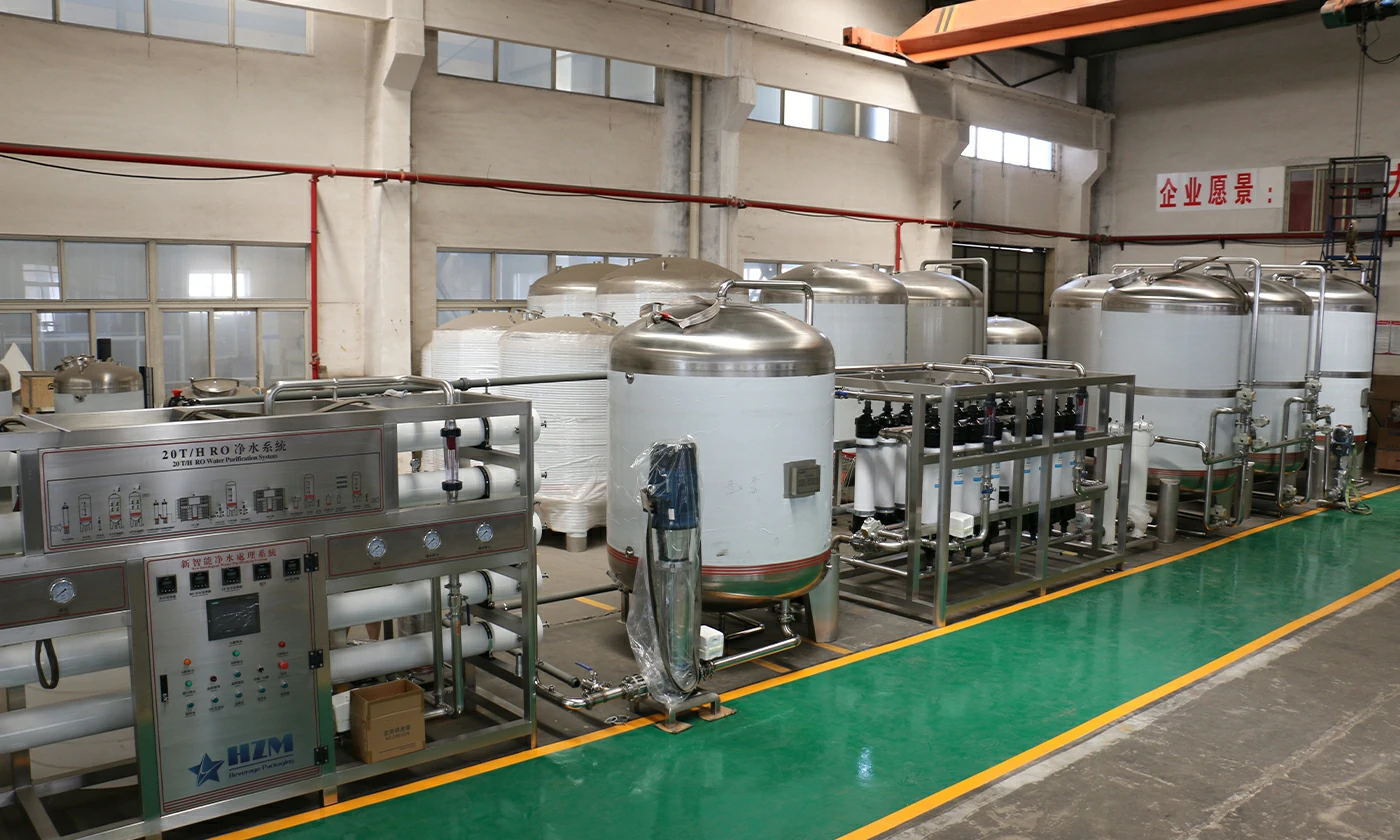
Equipment
Industrial RO Drinking Water Treatment Plant – Reverse Osmosis Equipment for Beverage & Bottled Water
1,000 litres/hour reverse osmosis water treatment for bottled-water, beverage and food production.
Learn more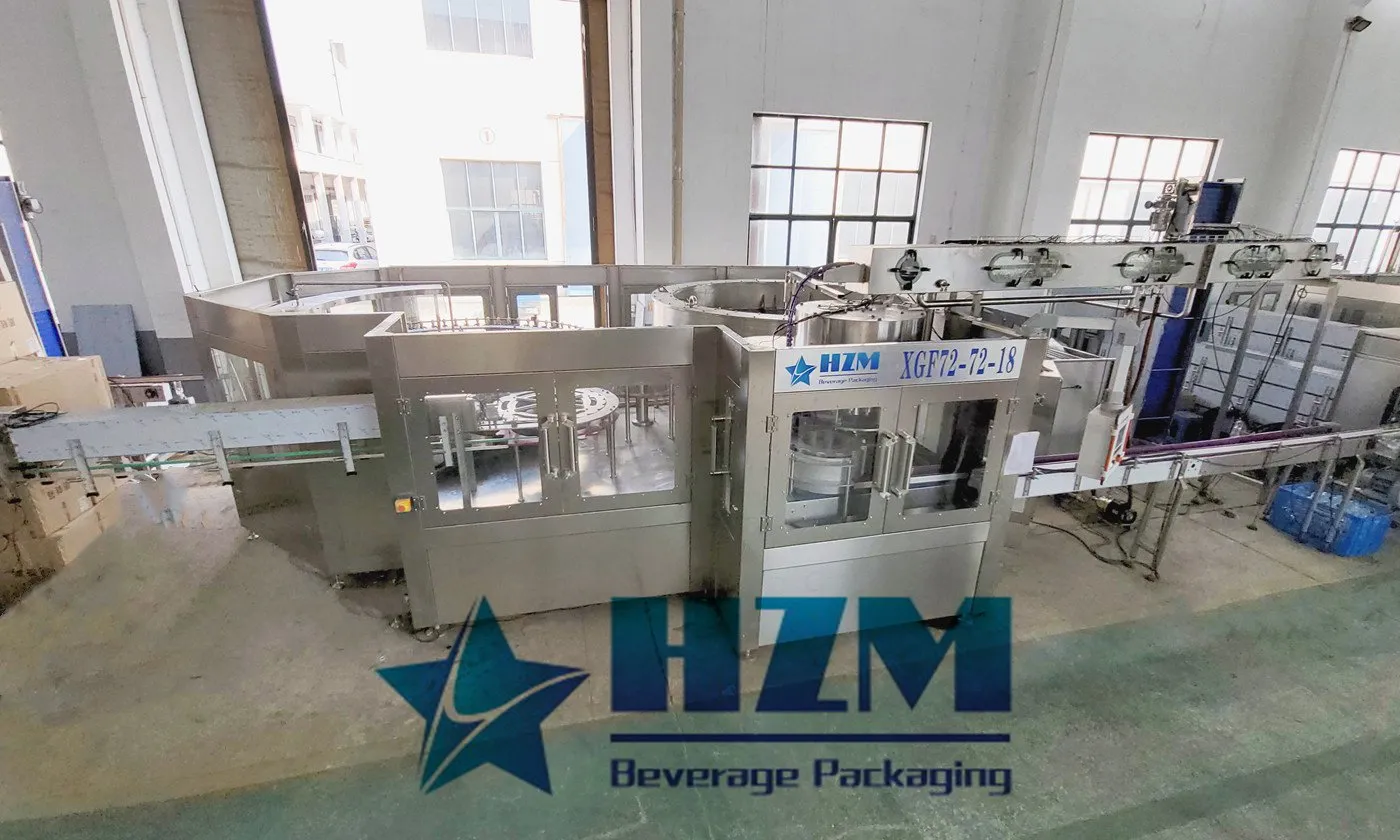
Equipment
Automatic Water Bottle Filling Machine
Automatic rinsing, filling and capping for purified and mineral water in PET bottles, with capacities of 5,000–42,000 bottles/hour at 500 ml.
Learn more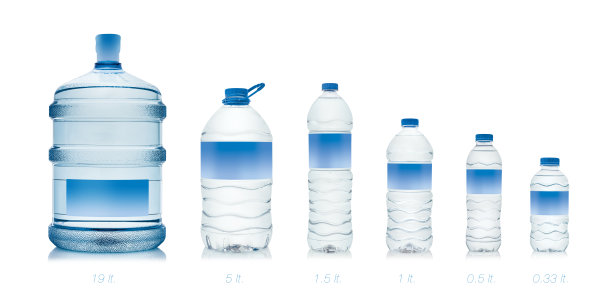
2023-06-30
Mineral Water Production Line Equipment: Prices and Manufacturers
Mineral water production line is a complete system consisting of multiple equipment used for processing and packaging mineral water. Here are common equipment found in a mineral water production line
Learn more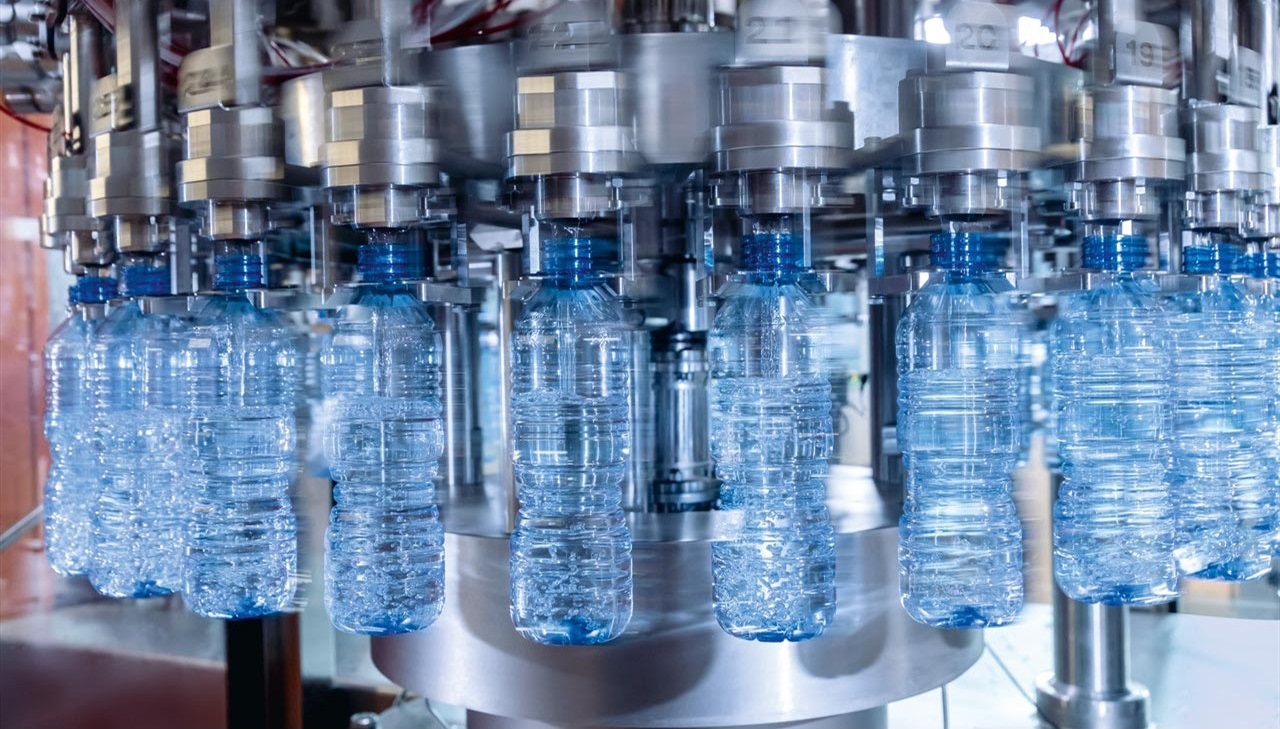
2023-09-14
The Cost of Mineral Water Production Equipment
The cost of mineral water production equipment varies depending on factors such as equipment model, configuration, manufacturer, and other factors. In general, the price for a set of small-scale mineral water production equipment typically ranges from
Learn more
2025-02-10
Mineral Water Production Line – cost-effective
Mineral water production line equipment, factory, price, parameters.
Learn more2023-03-24
Mineral Water Plant Setup Guide: Treatment, Bottling and Factory Planning
A practical HZM guide to planning a mineral water plant, from raw-water analysis and treatment to bottling capacity, utilities, layout and acceptance.
Learn more2023-06-06
HZM Mineral Water Production Line Equipment Manufacturer
HZM Mineral Water Production Line Equipment Manufacturer: Competitive Pricing, Factory Direct Sales, Reliable After-Sales Service
Learn more
2023-09-14
How Much Does a Mineral Water Production Line Cost?
The cost of a mineral water production line equipment depends on factors such as equipment capacity. Many people wonder how much a small-scale mineral water production line equipment costs.
Learn more