
Insights & Updates
BOPP Hot-Melt Labeler Has Glue Stringing or Label Lift
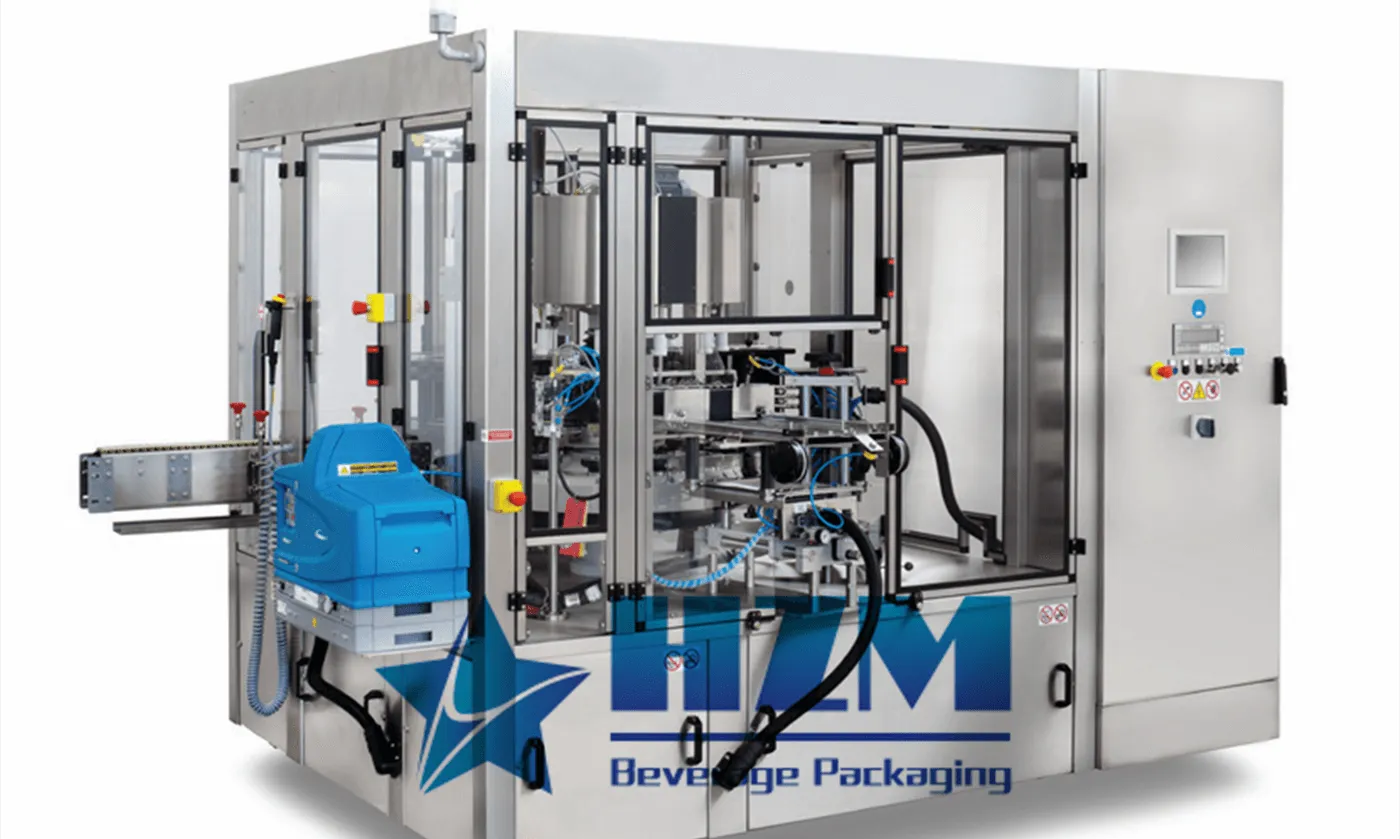
A repeatable diagnosis of hot-melt stringing, excess adhesive or label lift on BOPP labels begins with three questions: when did it start, where does it first appear, and what changed immediately beforehand? Those answers are more valuable than a quick reset.
Label defects follow the relationship between container presentation, sensor timing, web or label handling, adhesive condition and downstream shrink or curing. Diagnose the first point at which position or tension becomes unstable. The sections below connect thin glue strings contaminate rollers and bottles with measurements so maintenance work addresses the failure mechanism.
Quick answer: Verify the approved adhesive and actual application temperature, then check contamination, viscosity, glue-roll condition, pickup and overlap pattern, label tension and bottle surface.
What operators usually see
Start by describing the defect precisely. These observations reveal whether the event follows a component, a material lot, a speed change or the entire process: For this case, preserve evidence that shows whether thin glue strings contaminate rollers and bottles.
- Thin glue strings contaminate rollers and bottles
- The overlap seam opens downstream
- Adhesive squeezes beyond the label edge
- Glue pattern varies across machine speed
Make the equipment safe and protect the product
Lock out the machine before reaching into cutters, feed screws, starwheels, vacuum drums, driven rollers or hot-melt systems. Follow adhesive and shrink-tunnel burn precautions.
Save a labelled sample and record bottle format, label roll or batch, web tension, registration mark signal, applicator speed, adhesive temperature where used, conveyor speed and reject pattern. Explicitly record whether thin glue strings contaminate rollers and bottles.
Most likely causes, in practical checking order
1. Adhesive temperature outside window
Cold adhesive strings and transfers poorly while excessive heat can lower viscosity and degrade the material To test this explanation without guessing, measure adhesive temperature at the controlled point with a verified method Record the result before moving to the next cause.
2. Contaminated or aged adhesive
Char, moisture or mixed grades destabilize application A practical confirmation step is to confirm adhesive grade, age and storage without mixing materials. Compare the finding with a known-good run.
3. Worn or incorrectly set glue roll
Gap and surface condition apply too much, too little or an uneven pattern Do not compensate for this condition in the recipe. First, inspect tank, hose, roll and scraper for char and contamination after safe cooldown Keep the original setting and measured result in the fault record.
4. Label and bottle handling mismatch
Tension, static, overlap or wet bottles prevent reliable bond formation Separate this cause from the others with one controlled check: examine pickup and overlap glue patterns on unwrapped labels Use the same product, format and speed for the comparison.
Step-by-step diagnostic procedure
Begin with process conditions and external evidence, then move toward invasive inspection. Make only one controlled change between comparison runs.
- Measure adhesive temperature at the controlled point with a verified method
- Confirm adhesive grade, age and storage without mixing materials
- Inspect tank, hose, roll and scraper for char and contamination after safe cooldown
- Examine pickup and overlap glue patterns on unwrapped labels
- Verify label tension, cut length, overlap and bottle dryness
- Run at stepped speeds and record when transfer becomes unstable
Corrective actions that address the root cause
Choose the least invasive correction that restores the approved condition, then verify its effect before changing anything else.
- Restore the adhesive supplier’s temperature window and control response
- Drain and clean degraded adhesive using the approved hot-melt procedure
- Service and set the glue roll, scraper and transfer components
- Correct label tension, overlap, static and bottle surface condition
How to verify the repair before full-speed production
Keep product made during testing on hold. At low, normal and target speed, apply this first criterion: Confirm that hot-melt stringing, excess adhesive or label lift on bopp labels is absent for multiple consecutive cycles, not only for one sample. Review the alarm history and keep diagnostic product segregated until the site’s quality procedure releases it.
- Confirm that hot-melt stringing, excess adhesive or label lift on bopp labels is absent for multiple consecutive cycles, not only for one sample.
- Compare the repaired result for “Thin glue strings contaminate rollers and bottles” with the approved quality limit and the last known-good baseline.
- Check adjacent stations and downstream package quality for side effects associated with adhesive temperature outside window.
- For “BOPP Hot-Melt Labeler Has Glue Stringing or Label Lift”, record the final settings, measurements, parts used and restart authorization.
Prevent the problem from returning
Turn the confirmed cause into a centerline, inspection or trend so the team can detect drift before the same shutdown returns.
- Log adhesive lot and temperature
- Do not mix adhesive grades
- Clean the system before carbonized material circulates
- Inspect glue pattern at startup
- Control bottle condensation ahead of labeling
When to stop troubleshooting and call a specialist
Stop and contact the machine or component supplier when hot-melt stringing, excess adhesive or label lift on bopp labels cannot be isolated with non-invasive checks, when it returns after an approved repair, or when calibration requires protected service tools. Specialist support is also required when the same protective fault returns after an approved repair or structural damage is suspected. Send the service engineer the fault history, photos, samples, trend data, recipe revision and work already completed.
Relevant equipment for this application
For a project-level comparison related to hot-melt stringing, excess adhesive or label lift on BOPP labels, see HZM Machinery’s Automatic BOPP Hot Glue Labeling Machine. Use actual product, container and utility data when evaluating whether the configuration fits the duty.
Frequently asked questions
What should be checked first when hot-melt stringing, excess adhesive or label lift on BOPP labels?
Verify the approved adhesive and actual application temperature, then check contamination, viscosity, glue-roll condition, pickup and overlap pattern, label tension and bottle surface. Preserve the original settings and take representative samples before repair work begins.
How can we distinguish adhesive temperature outside window from contaminated or aged adhesive?
Cold adhesive strings and transfers poorly while excessive heat can lower viscosity and degrade the material In contrast, char, moisture or mixed grades destabilize application Compare the two mechanisms under the same operating condition by completing these checks: measure adhesive temperature at the controlled point with a verified method Then confirm adhesive grade, age and storage without mixing materials
Can production continue while hot-melt stringing, excess adhesive or label lift on BOPP labels?
Only when the plant’s documented risk assessment and quality procedure allow it. For hot-melt stringing, excess adhesive or label lift on BOPP labels, stop and segregate production when package integrity, sanitation, validated processing, pressure safety, electrical protection or an uncontrolled reject trend is involved.
What evidence will help the equipment supplier respond faster?
Provide the model and serial number, product and format, target speed, first fault, timestamps, photos or video, affected station pattern and maintenance history. For this issue, also include thin glue strings contaminate rollers and bottles and the measured result from this check: run at stepped speeds and record when transfer becomes unstable
Talk to our engineering team
Need help planning your packaging line?
Share your product, bottle and capacity requirements for a practical equipment recommendation.
Equipment
Automatic BOPP Hot Glue Labeling Machine
Rotary BOPP hot-glue labelling for beverage containers, with RG models from 8,000 to 24,000 bottles/hour.
Learn more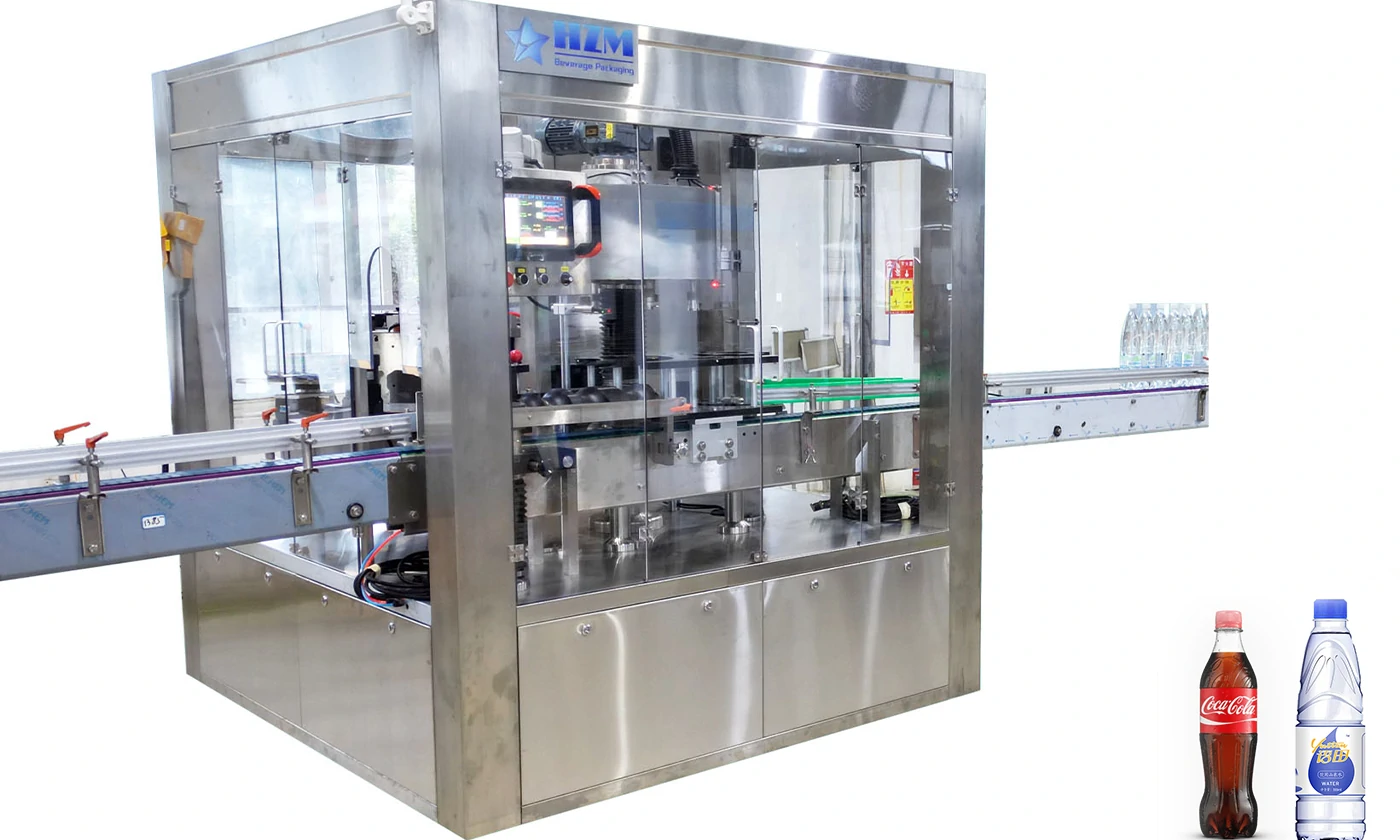
Equipment
Automatic BOPP labeling machine
Automatic BOPP hot-glue labelling for cylindrical containers, with a labelling speed of 12,000 bottles/hour.
Learn more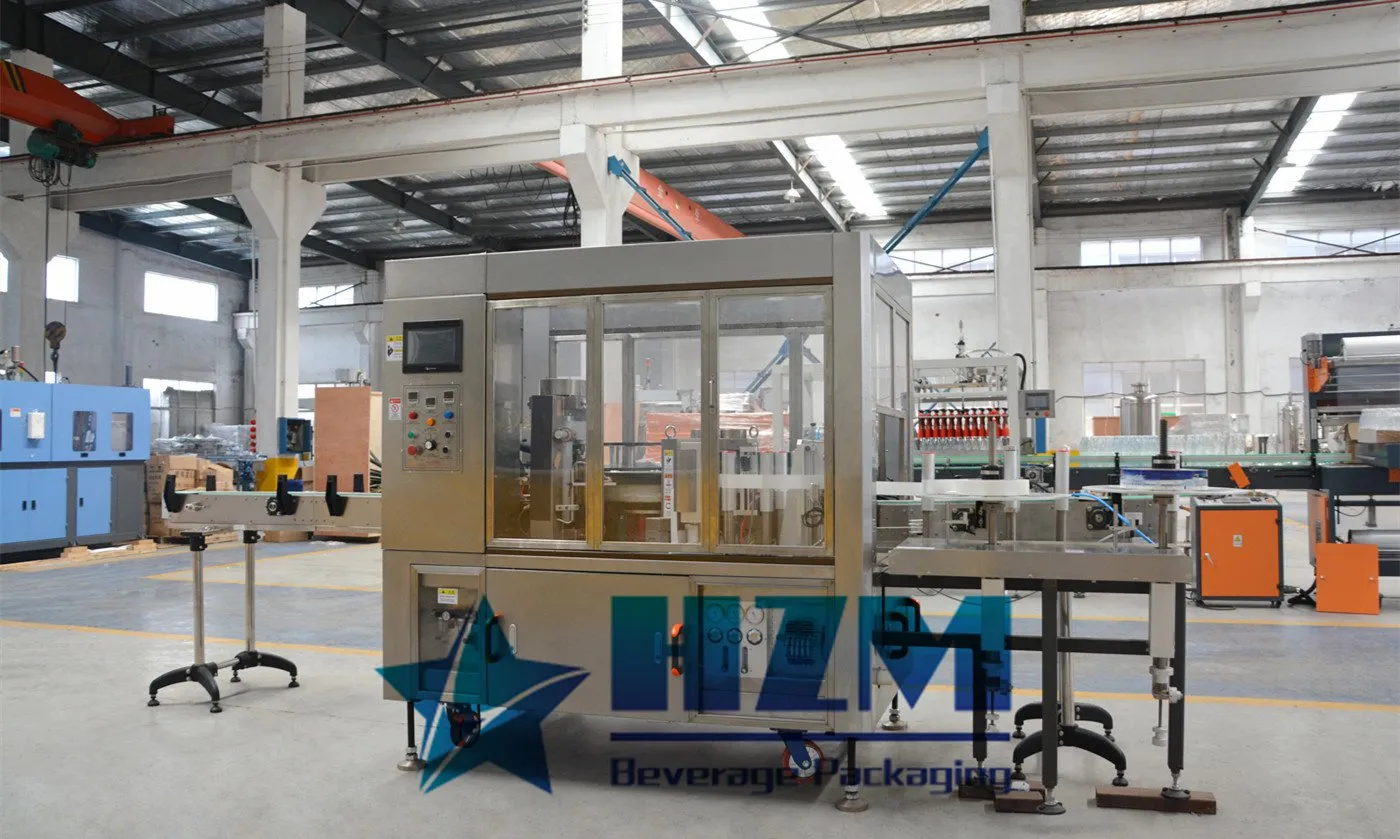
Equipment
Automatic Linear Type Hot Glue Labeling Machine
Linear hot-glue labelling for water and soft-drink bottles, using roll-fed OPP labels at 8,000–24,000 bottles/hour.
Learn more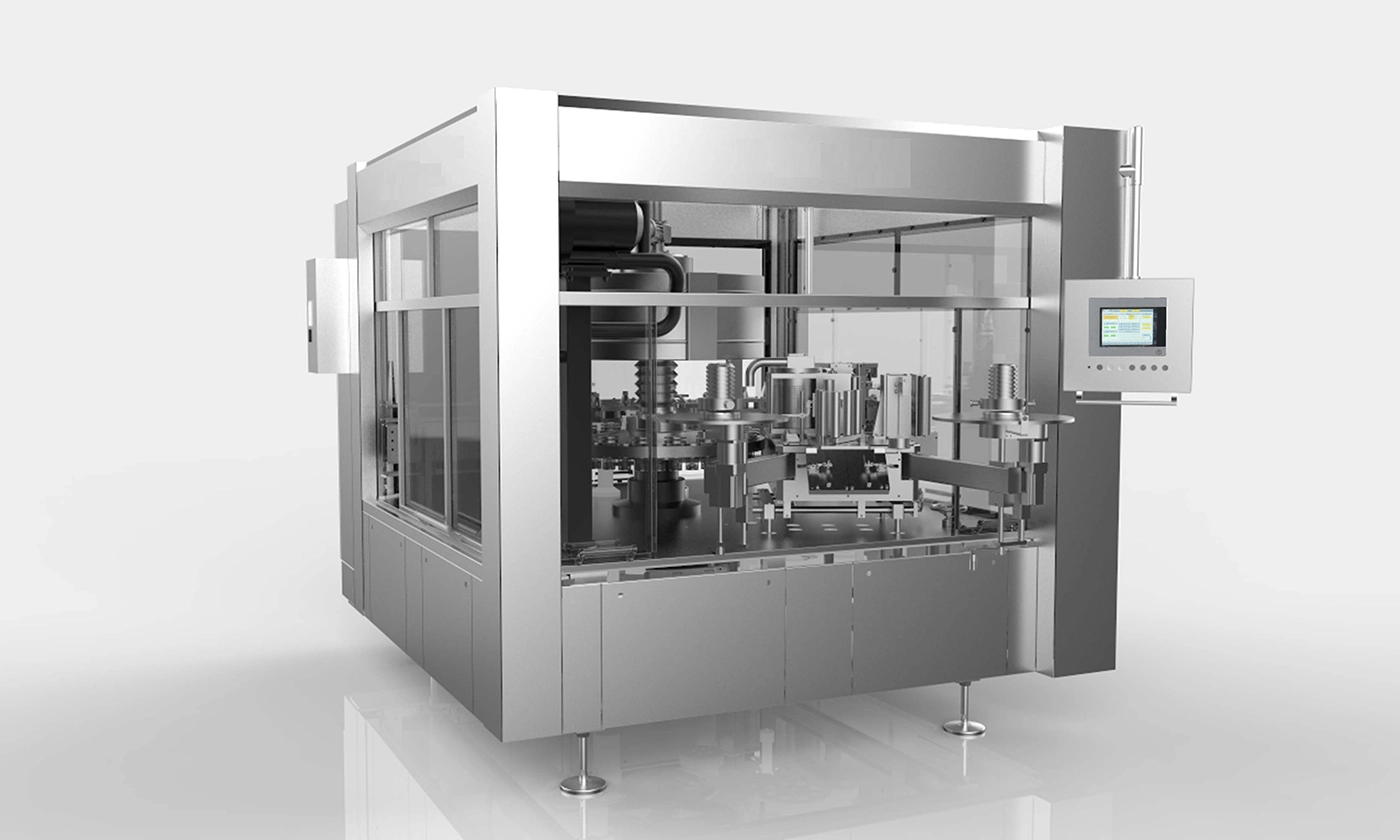
Equipment
Automatic rotary OPP labeling machine: Bottle labeling machine
RH8 rotary OPP and BOPP labelling for round containers, with speeds of 4,000–12,000 bottles/hour for 500–2,000 ml containers.
Learn more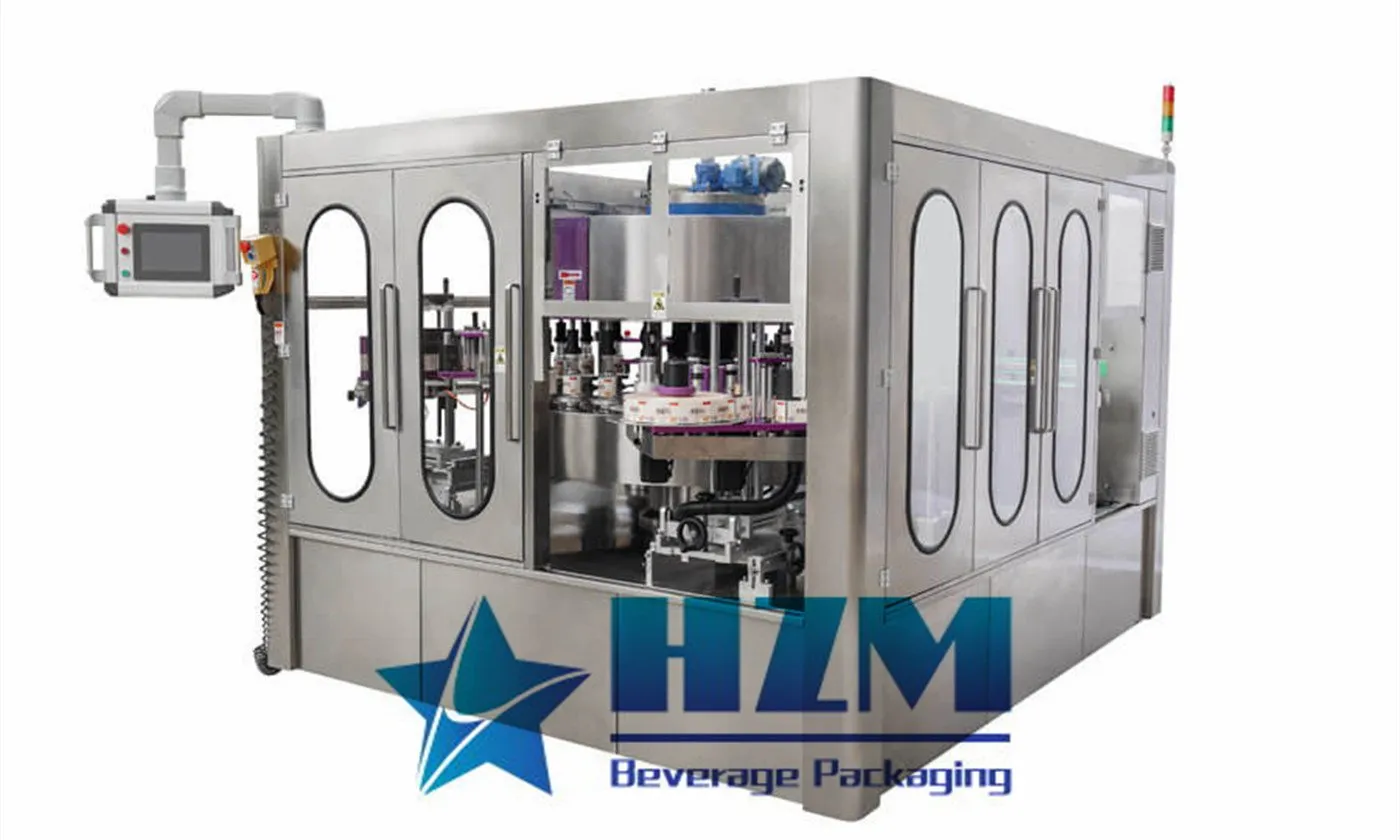
Equipment
Automatic Cold Glue Stick Labeling Machine
Cold-glue paper label application for beverage bottles, with LJ models from 12,000 to 32,000 bottles/hour.
Learn more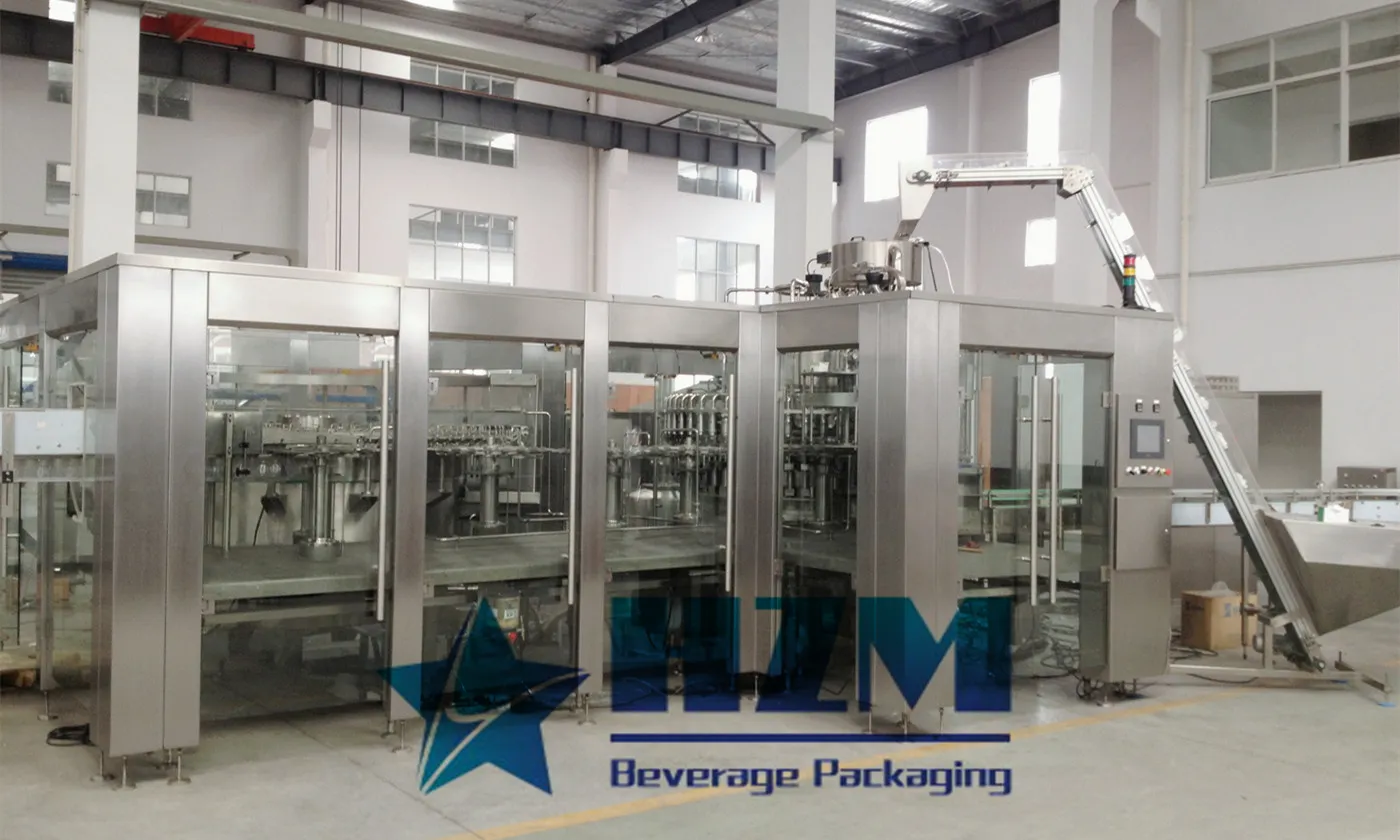
Equipment
PET Bottle juice Beverage Hot Filling Machine
Hot filling for juice and tea in heat-compatible PET bottles, with automatic rinsing, filling and capping.
Learn more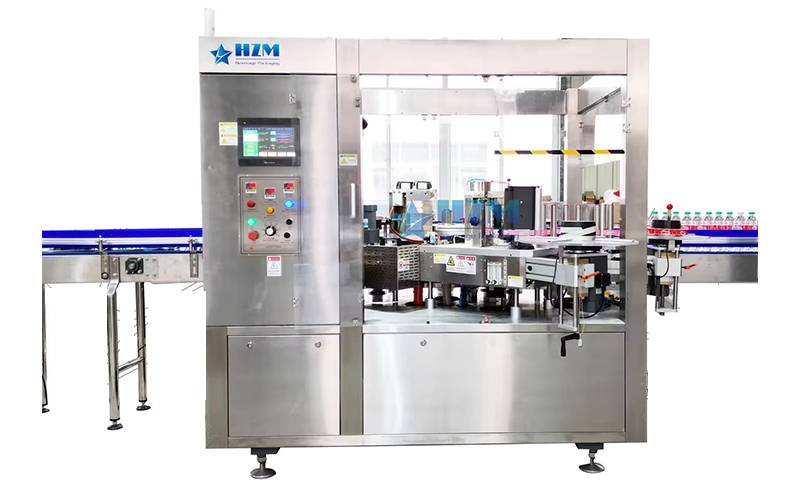
Equipment
Automatic Water Bottle Labeling Machine
Automatic hot-glue labelling for water and beverage bottles, with HG models from 8,000 to 24,000 bottles/hour.
Learn more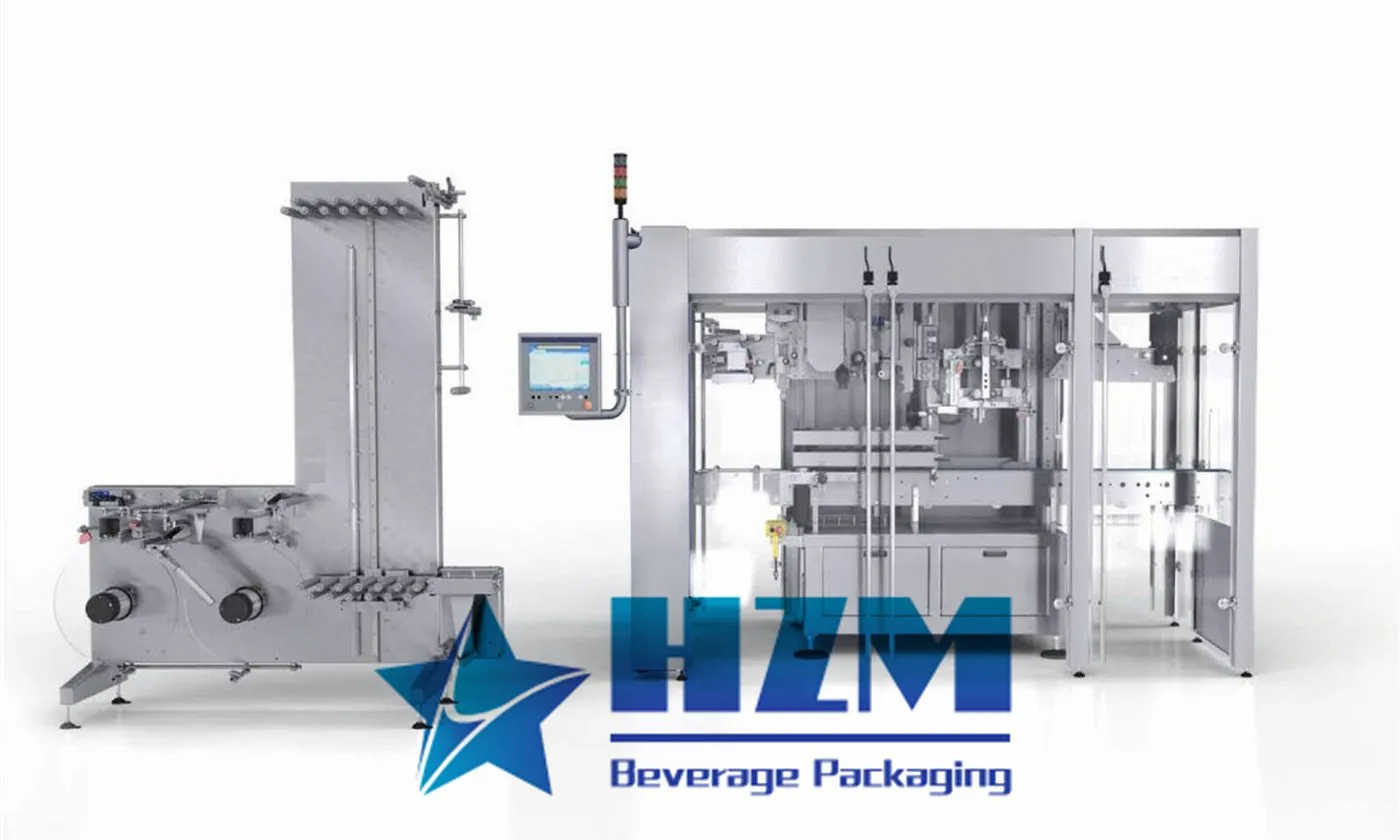
Equipment
Automatic Sleeve Labeling Machine
Automatic shrink sleeve labelling for beverage bottles, with SHB models from 9,000 to 27,000 bottles/hour.
Learn more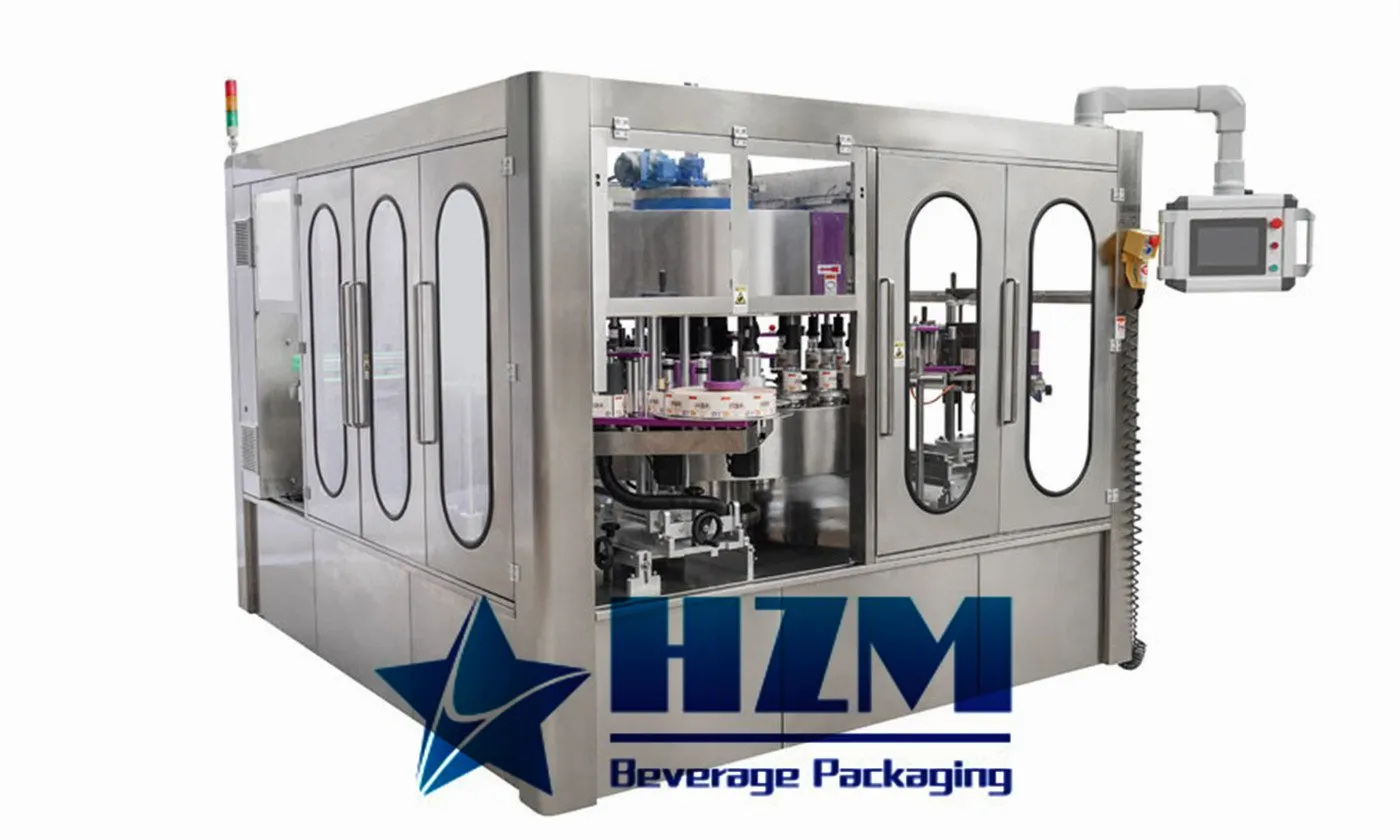
Equipment
Automatic Self-Adhesive Labeling Machine
Automatic self-adhesive labelling for cylindrical containers, with ALM models covering 90–600 bottles/minute.
Learn more2024-05-29
What is the difference between a BOPP labeling machine and an OPP labeling machine?
The BOPP labeling machine and OPP labeling machine actually refer to the same type of labeling machine, both used for applying BOPP labels. BOPP stands for Biaxially Oriented Polypropylene, a commonly used plastic film material.
Learn more2024-06-27
Water Plant Labeling Machine
The labeling machine is one of the essential pieces of equipment in a mineral water plant production line. It is widely used for labeling mineral water, bottled drinking water, and beverage bottles.
Learn more2023-06-09
Roll Fed Rotary Hot Glue Opp Labeling Machine SS304 480000BPH
High quality Roll Fed Rotary Hot Glue Opp Labeling Machine SS304 480000BPH from China, China's leading 480000bph opp labeling machine product, with strict quality control ss304 opp labeling machine factories, producing high quality hot glue opp bottle labeling machine products.
Learn more
2023-03-24
Three common faults and quick solutions for automatic labeling machines
Labeling machines are widely used in the beverage packaging industry. In recent years, with the continuous development of the video beverage industry and the continuous progress of labeling technology, the labeling machine equipment selected by the beverage packaging industry has gradually put forward higher requirements. At present, the labeling machine has gradually entered the […]
Learn more
2023-06-01
How Do Label Machines Work?
Labels are vital aspects of every business because these help in different business aspects ranging from packaging to presentation, identification, and traceability. These serve as a communicating
Learn more
2023-03-24
What is A Labeling System?
A labeling system is a machine that puts labels on the containers, shoppers and bottles. The brands and companies are using them for decades. Through labels, consumers can easily come to know about the brand. Labels increase brand awareness. They also tell consumers about the product. Labels contain the brand name and a little info […]
Learn more