
Insights & Updates
Bottle Labeling Defects: Causes of Wrinkles, Skew, Bubbles and Poor Adhesion
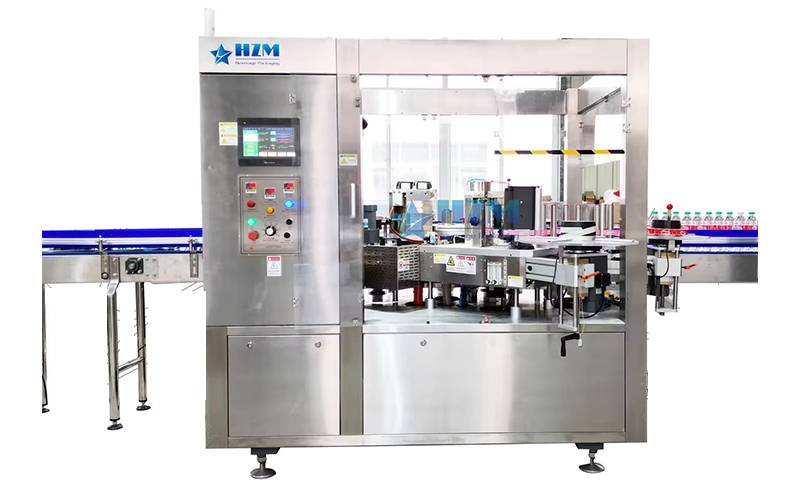
A label can be within specification when it arrives at the factory and still wrinkle, skew, bubble or detach on the production line. The cause may be container moisture, bottle shape, incorrect web tension, sensor position, adhesive behavior, label storage or conveyor instability. Increasing pressure or heat without diagnosis can make the defect worse.
Troubleshooting begins by identifying the technology—sleeve, OPP/BOPP hot glue, self-adhesive or cold glue—and recording the exact defect pattern. The same visible symptom can have different causes on different labeling systems.
Quick answer: Confirm bottle temperature, dryness, shape and spacing; verify label dimensions and storage; inspect sensors, rollers, cutters, applicators and web path; return settings to approved centers; and map defects by time, bottle source and machine position. Fix the first cause rather than adjusting several parameters at once.
Check the Bottle Before the Labeler
Condensation, rinse water, product spills and oil reduce adhesion and can trap bubbles. Hot-fill bottles may continue to deform if labeling occurs before cooling is complete. Lightweight PET can ovalize under guide pressure, changing the surface seen by the applicator.
Measure bottle temperature and inspect dryness at the labeler entrance. Verify spacing and orientation. A labeler cannot consistently correct bottles that arrive touching, rotating unpredictably or leaning on an unstable conveyor.
Verify Label Material and Storage
Compare roll width, repeat length, thickness, winding direction, core size and print marks with the approved specification. Labels exposed to heat, humidity, dust or sunlight may curl or lose adhesive performance. Allow materials to condition in the production environment when the supplier recommends it.
Test a known-good roll when defects appear suddenly after a material batch change. Retain the roll identification so quality can compare print or converting data.
Wrinkles and Creases
Wrinkles often indicate uneven tension, misalignment, bottle deformation, incorrect roller pressure or a sleeve that does not shrink uniformly. Inspect the web path, roller cleanliness and mechanical parallelism. For shrink sleeves, verify steam or hot-air distribution and bottle rotation through the tunnel.
An automatic sleeve labeling machine should be trialed with the actual film, bottle and tunnel conditions. Artwork that places critical graphics over strong bottle contours can make minor distortion more visible.
Skewed or Inconsistent Label Position
First check that bottles enter at a consistent pitch and orientation. Inspect product and label sensors, encoder contact, registration marks and the point where the label first touches the bottle. Loose belts, worn rollers or guide movement can shift position as speed changes.
If every label has the same offset, review the recipe or sensor reference. If the error is random, look for unstable bottles, material slip or intermittent detection. Map the defect by speed and time.
Bubbles and Poor Adhesion
Pressure-sensitive labels need compatible adhesive, clean dry surfaces and correct wipe-down pressure. Air trapped during application can create bubbles, especially on curved or ribbed surfaces. OPP hot-glue systems require controlled glue temperature, amount and application position. Too much adhesive can be as troublesome as too little.
For wraparound labels, verify overlap and bottle rotation. For cold-glue systems, check glue condition, viscosity and container compatibility. Do not substitute materials without a qualified trial.
Cutting and Registration Problems
Ragged sleeve cuts, variable length or graphics cut in the wrong position may come from dull knives, incorrect tension, contaminated rollers or poor registration-mark detection. Clean optical sensors using the approved method and confirm contrast between the mark and background.
Keep cutting components sharp and correctly adjusted. Repeatedly increasing sensor sensitivity can hide a material or alignment problem and increase false triggers.
A Defect-to-Cause Checklist
| Defect | First checks |
|---|---|
| Wrinkle on one side | Bottle centering, roller alignment, local heat |
| Random skew | Bottle spacing, slip, sensor stability |
| Label lifts after packing | Moisture, adhesive compatibility, surface energy |
| Variable sleeve length | Web tension, encoder, cutter condition |
| Good at low speed only | Material acceleration, conveyor stability, application timing |
Use the water bottle labeling machine manual and approved setup sheet as the center point. Record every permanent correction so the next shift does not rediscover the same solution.
Frequently Asked Questions
Why do labels fail more often on cold bottles?
Cold containers can collect condensation, which reduces adhesion and traps moisture. Control bottle drying, ambient dew point and label compatibility.
Can higher roller pressure remove bubbles?
Sometimes, but excessive pressure may deform lightweight bottles or create wrinkles. First verify application geometry, surface condition and label compatibility.
Why is label position correct at low speed but not high speed?
High speed exposes slip, unstable spacing, slow sensor response, material acceleration and timing errors. Diagnose dynamic conditions rather than saving a separate offset without understanding the cause.
Plan the Next Step with HZM Machinery
Provide HZM with bottle samples, label rolls, required speed and defect photos. The team can match the package with BOPP hot-glue, sleeve or self-adhesive labeling equipment and verify it in a line trial.
Talk to our engineering team
Need help planning your packaging line?
Share your product, bottle and capacity requirements for a practical equipment recommendation.
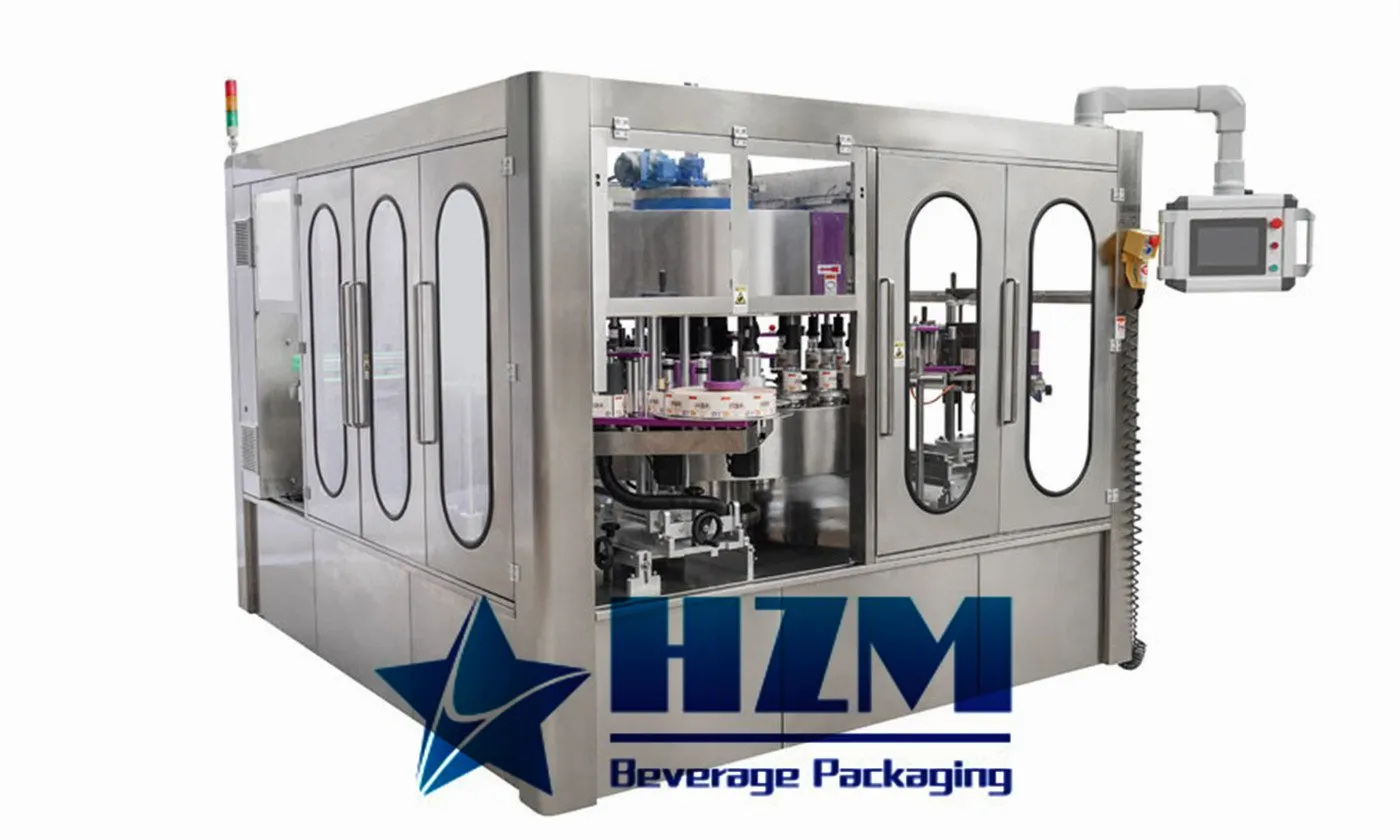
Equipment
Automatic Self-Adhesive Labeling Machine
Automatic self-adhesive labelling for cylindrical containers, with ALM models covering 90–600 bottles/minute.
Learn more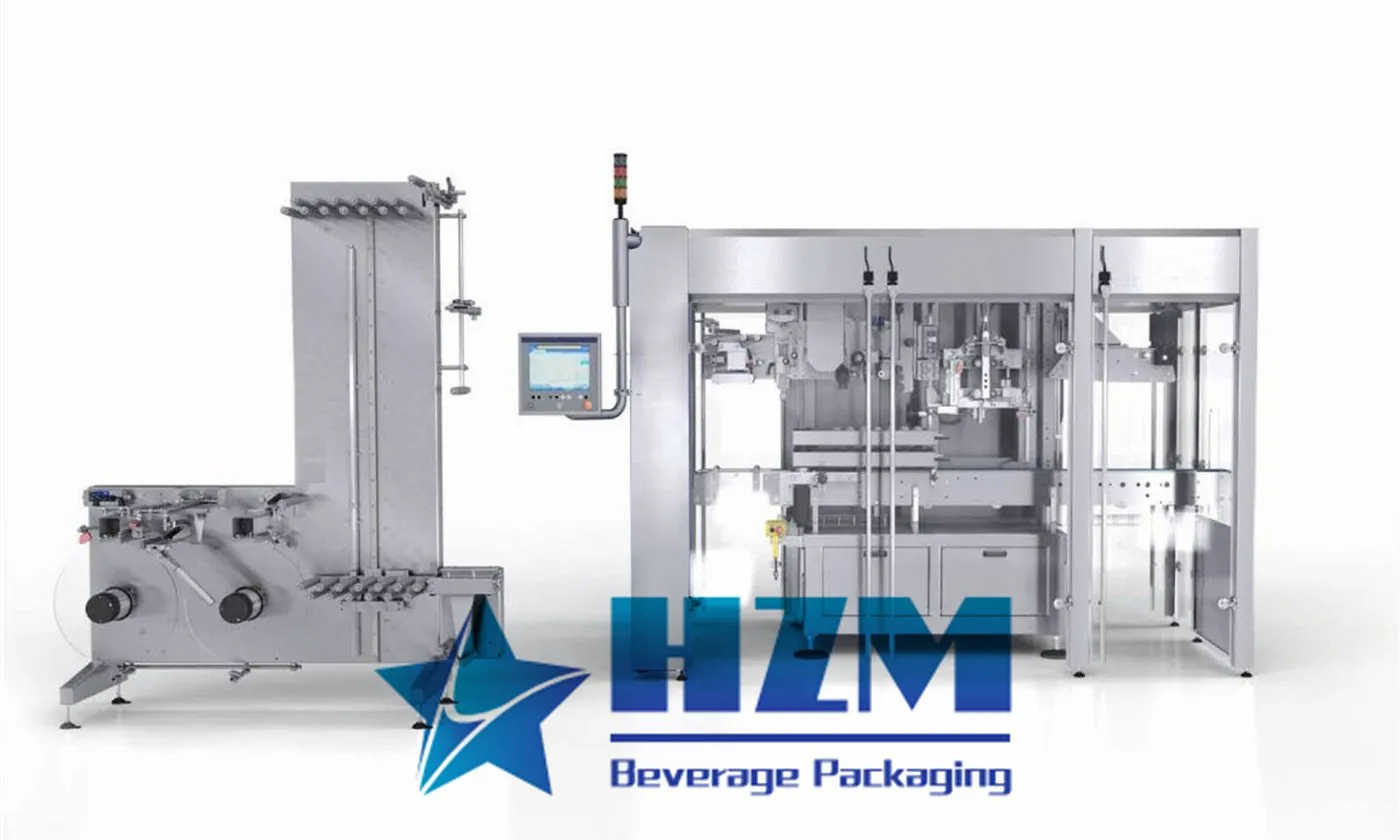
Equipment
Automatic Sleeve Labeling Machine
Automatic shrink sleeve labelling for beverage bottles, with SHB models from 9,000 to 27,000 bottles/hour.
Learn more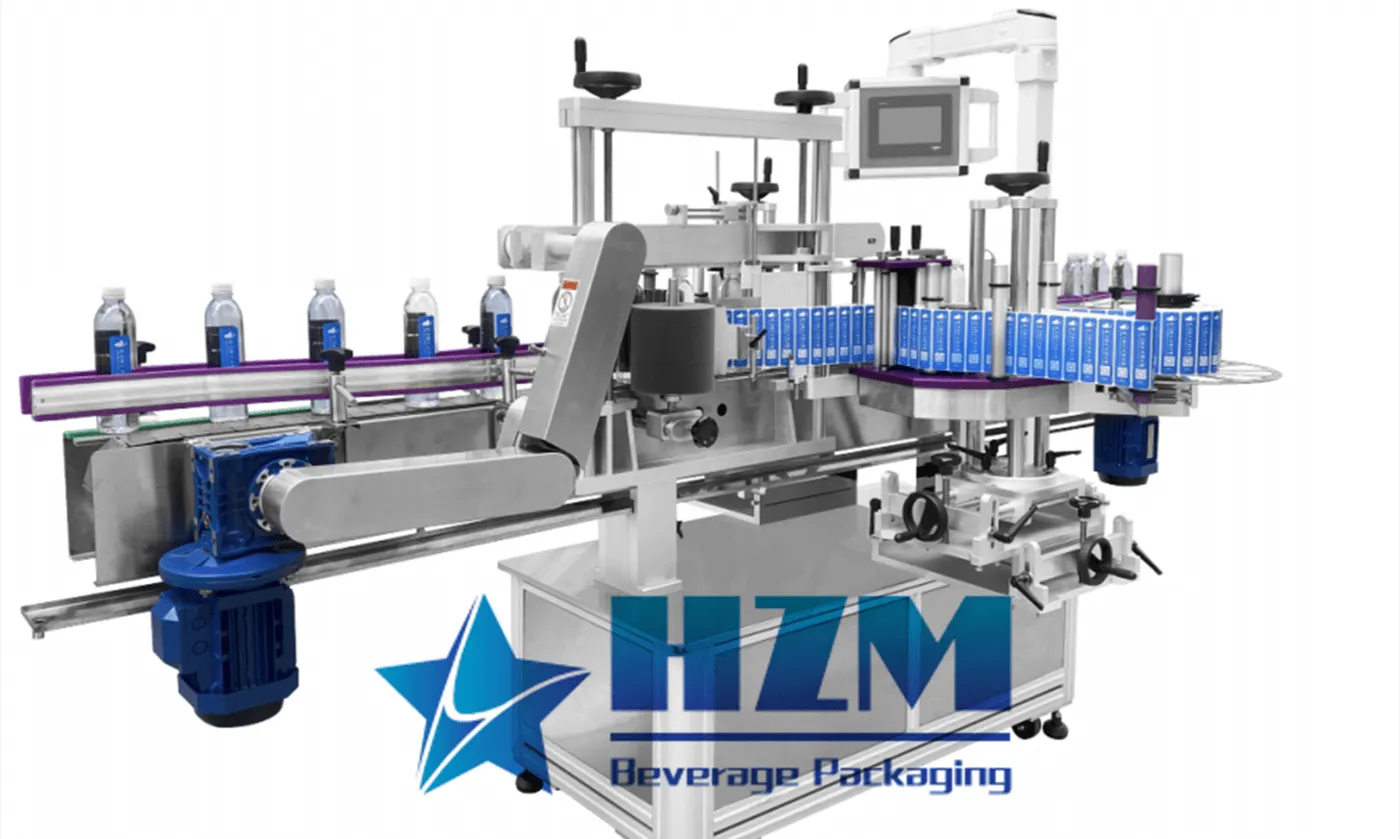
Equipment
Automatic Linear Type Adhesive Sticker Labeling Machine
The linear self-adhesive labelling machine applies pressure-sensitive labels to bottles and other containers.
Learn more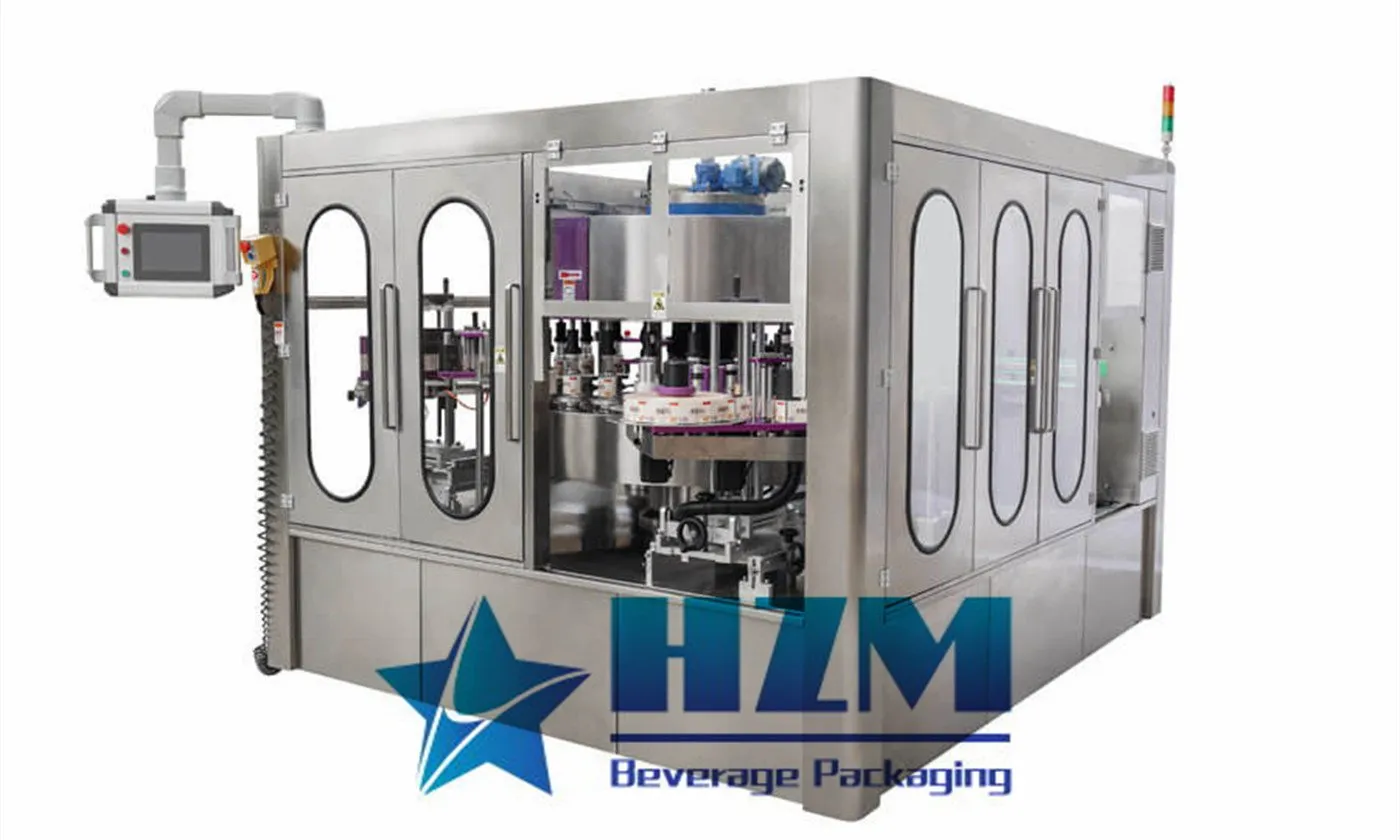
Equipment
Automatic Cold Glue Stick Labeling Machine
Cold-glue paper label application for beverage bottles, with LJ models from 12,000 to 32,000 bottles/hour.
Learn more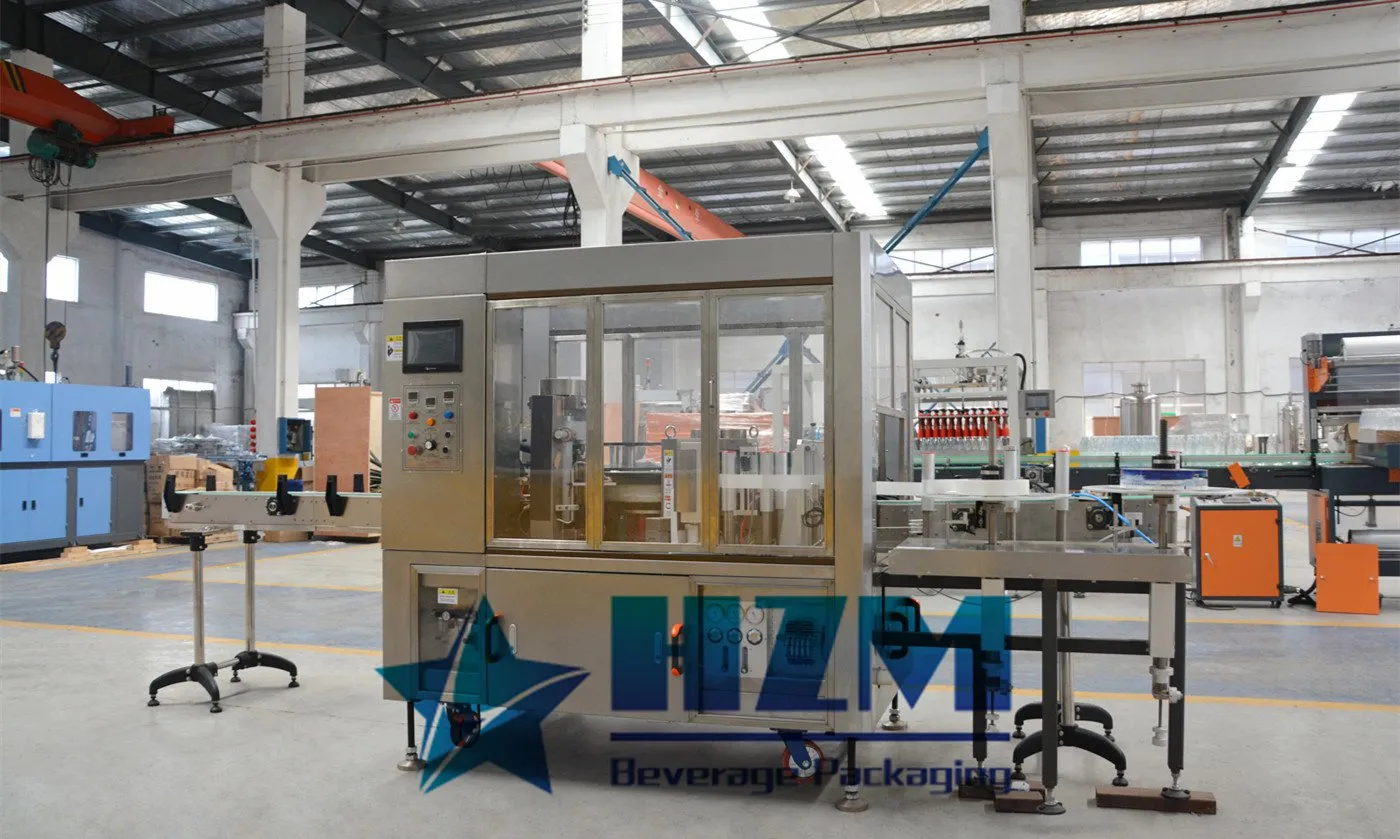
Equipment
Automatic Linear Type Hot Glue Labeling Machine
Linear hot-glue labelling for water and soft-drink bottles, using roll-fed OPP labels at 8,000–24,000 bottles/hour.
Learn moreEquipment
Automatic Water Bottle Labeling Machine
Automatic hot-glue labelling for water and beverage bottles, with HG models from 8,000 to 24,000 bottles/hour.
Learn more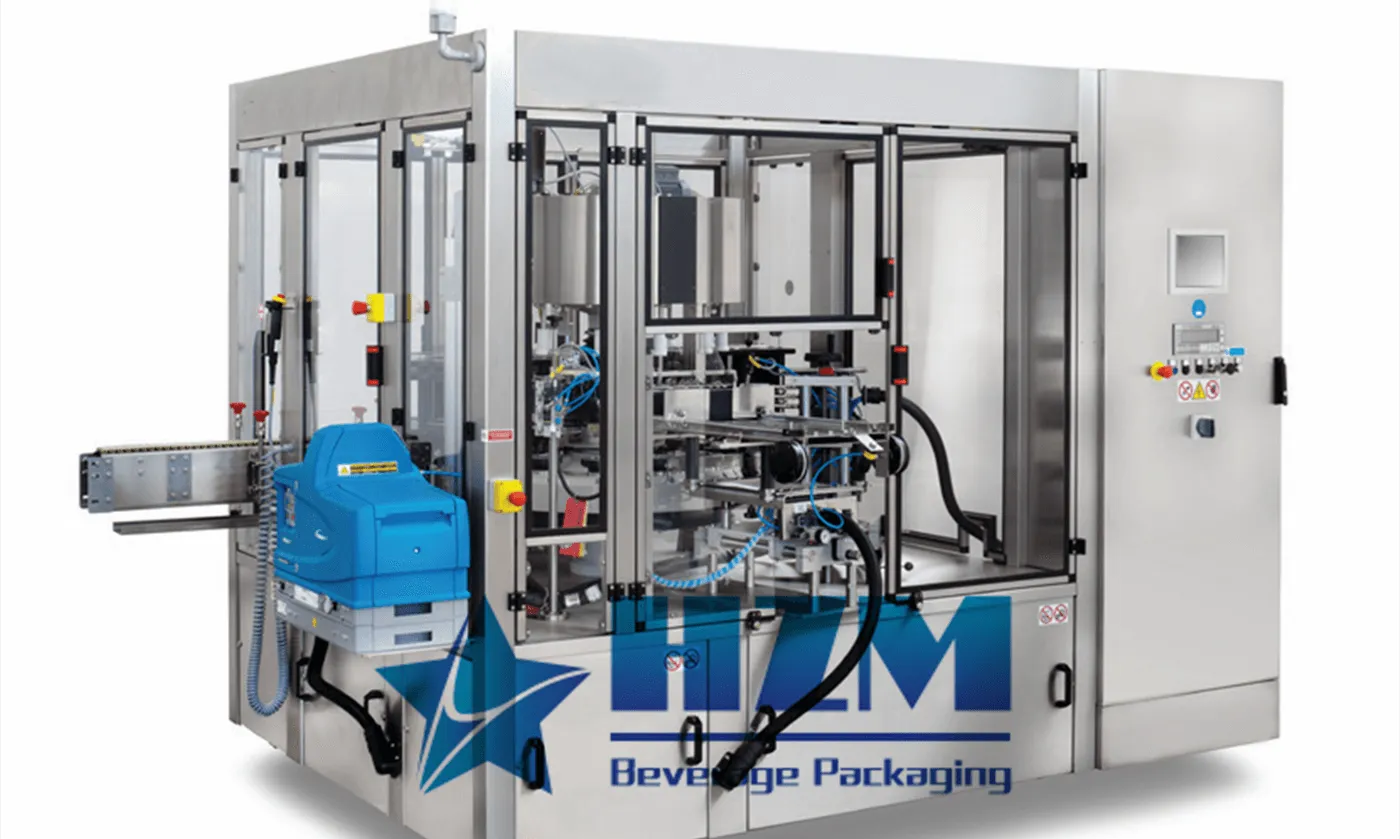
Equipment
Automatic BOPP Hot Glue Labeling Machine
Rotary BOPP hot-glue labelling for beverage containers, with RG models from 8,000 to 24,000 bottles/hour.
Learn more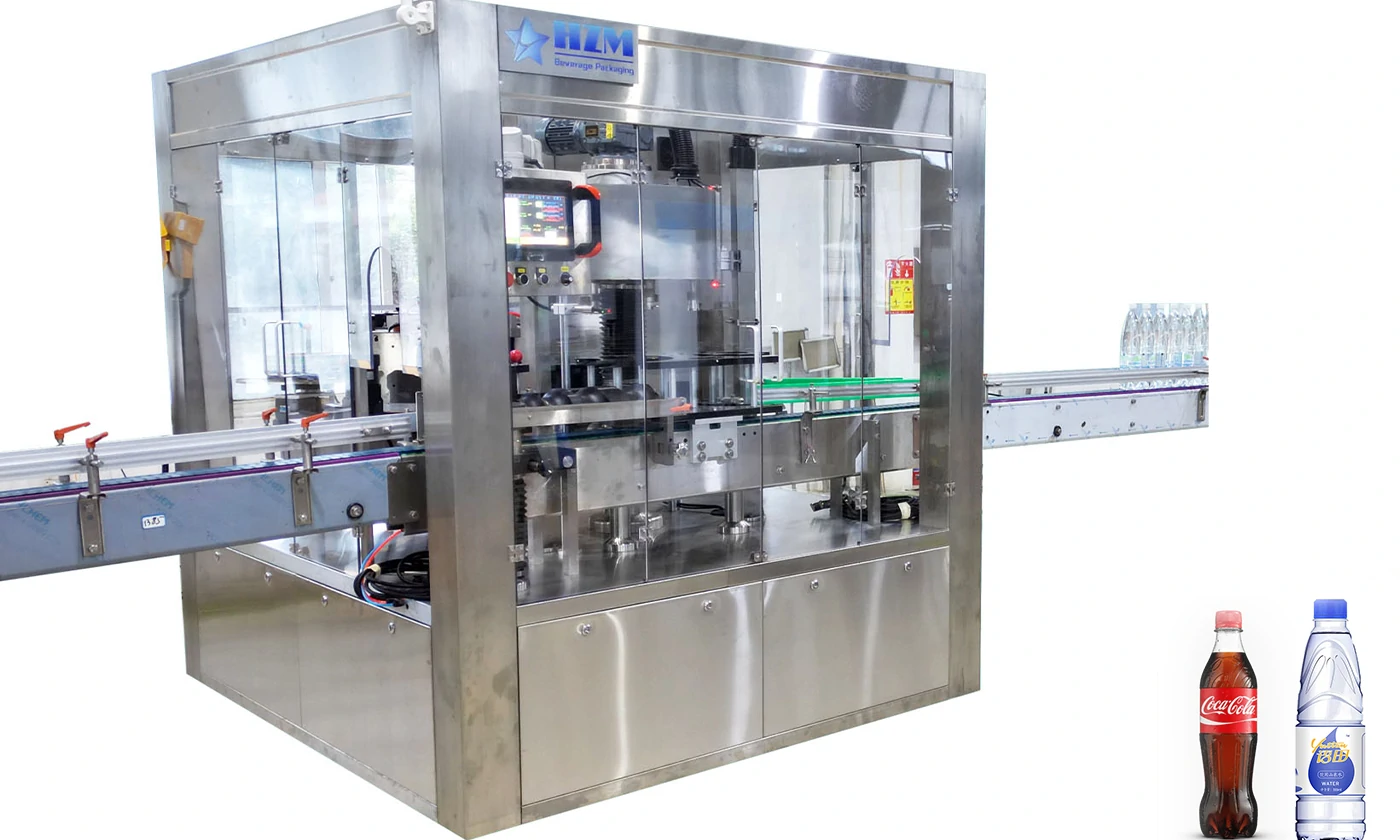
Equipment
Automatic BOPP labeling machine
Automatic BOPP hot-glue labelling for cylindrical containers, with a labelling speed of 12,000 bottles/hour.
Learn more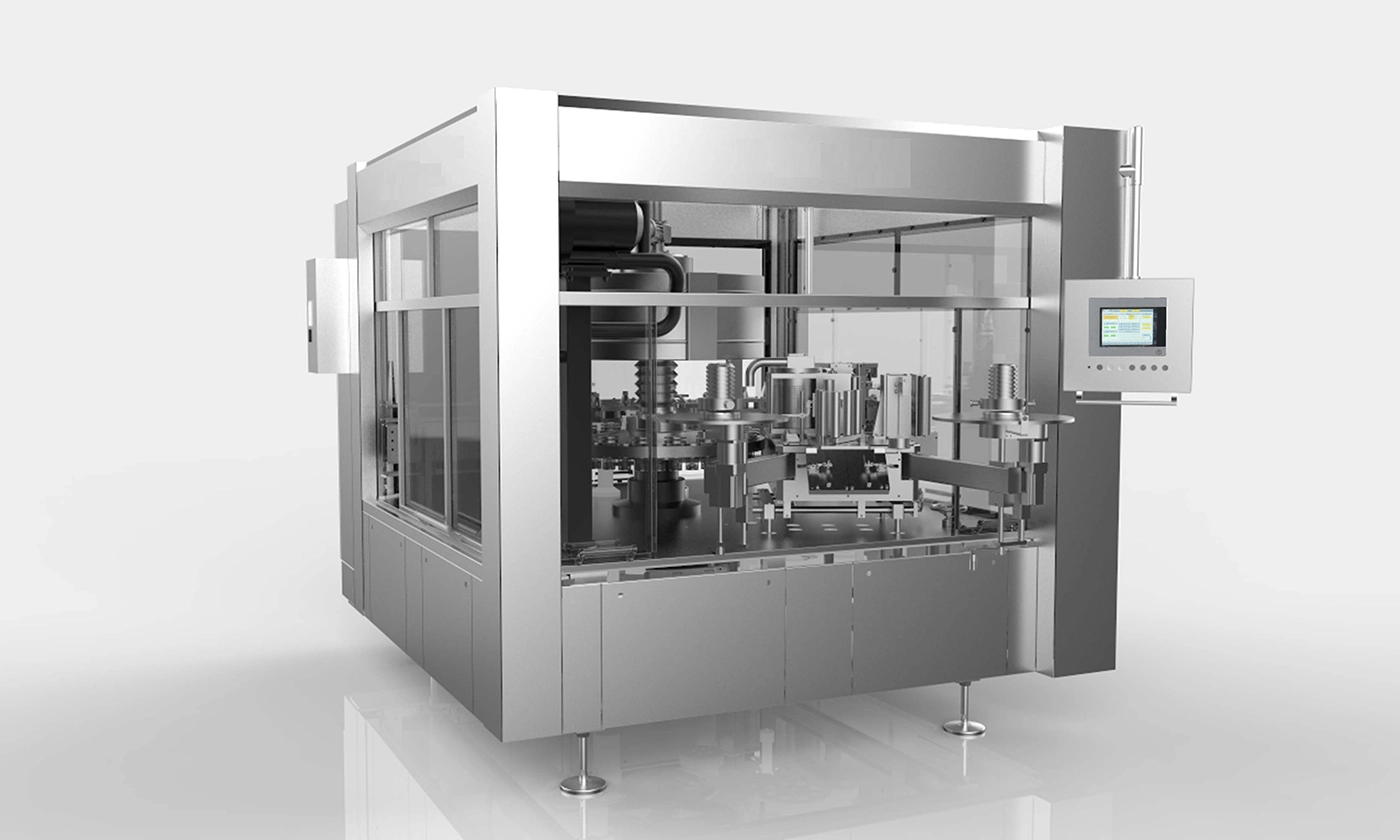
Equipment
Automatic rotary OPP labeling machine: Bottle labeling machine
RH8 rotary OPP and BOPP labelling for round containers, with speeds of 4,000–12,000 bottles/hour for 500–2,000 ml containers.
Learn more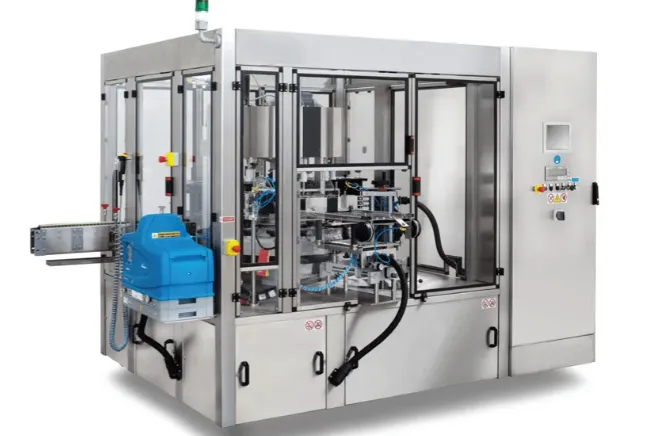
2023-06-01
How Do Label Machines Work?
Labels are vital aspects of every business because these help in different business aspects ranging from packaging to presentation, identification, and traceability. These serve as a communicating
Learn more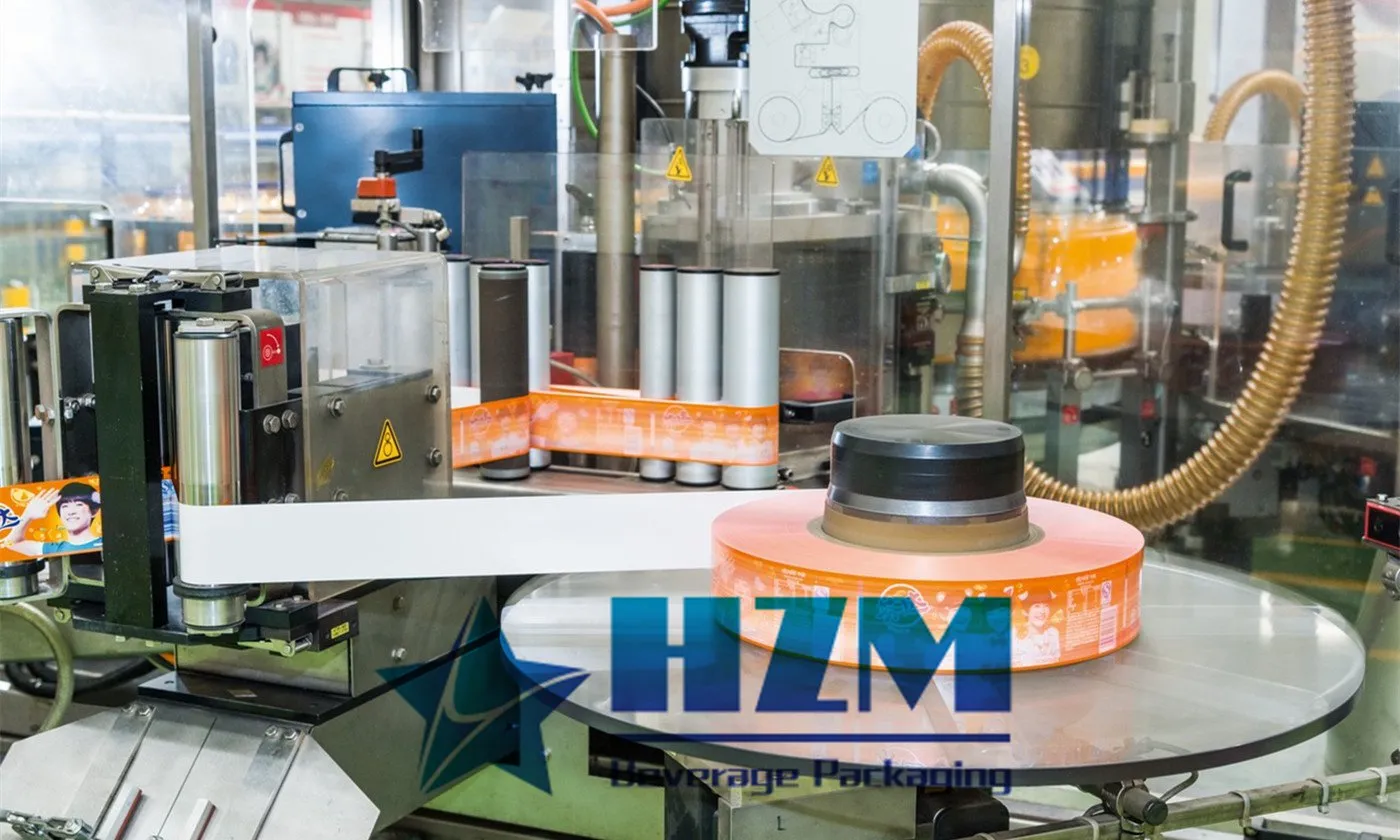
2024-02-29
Essential Maintenance Tips for Labeling Machines
Like countless other mechanical devices, the use of a labeling machine is inseparable from daily correct operation and maintenance. Only when both are carried out simultaneously can the labeling machine perform with maximum efficiency.
Learn more2023-06-09
Stainless Steel Labeller 3Mpa Automatic Labeling Machine
High quality Stainless Steel Labeller 3Mpa Automatic Labeling Machine from China, China's leading 3Mpa Automatic Labeling Machine product, with strict quality control 3Mpa Stainless Steel Labeller factories, producing high quality SS304 Automatic Labeling Machine products.
Learn more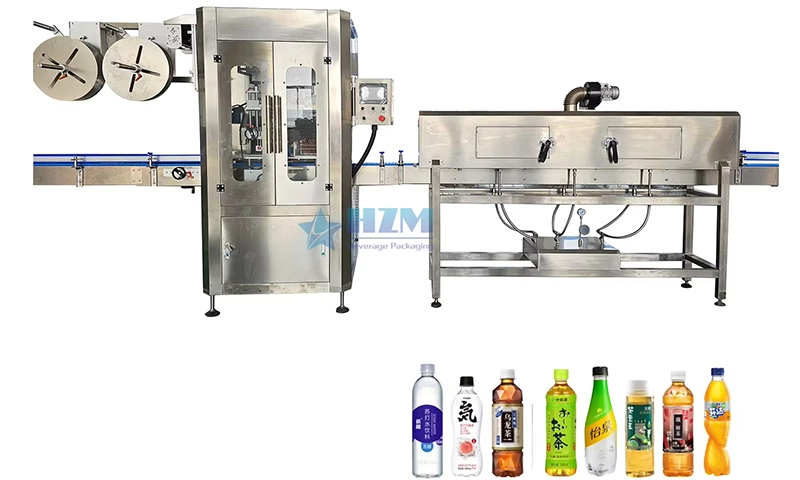
2026-08-28
Sleeve Labels Wrinkle After the Shrink Tunnel
Determine whether the sleeve was straight before entering the tunnel. Then check film shrink curve, tunnel-zone temperature, airflow or steam distribution, bottle moisture, conveyor speed and container geometry. Follow this practical fault-isolation, repair and prevention guide for bottling-line operators and maintenance teams.
Learn more2024-06-14
What Machines Are Used to Apply Plastic Labels on Beverage Bottles?
The plastic wrapping on beverage bottles is typically applied using specialized labeling machines. Common labeling methods include shrink sleeve labeling, hot melt glue labeling, self-adhesive labeling, and paper label labeling.
Learn more
2023-08-22
Full Automatic Glass Bottle Alcohol Vodka Liquor Wine Bottling Filling Capping Labeling Machine
With the continuous advancement of technology, the application of automated equipment is becoming increasingly widespread across various industries. In the alcohol industry, a remarkable piece of equipment—the Full Automatic Glass Bottle Alcohol Vodka Liquor Wine Bottling Filling Capping Labeling Machine—is gradually becoming a reliable assistant in distilleries
Learn more