
Can Filler Foaming and Underfill: How to Diagnose Both Together
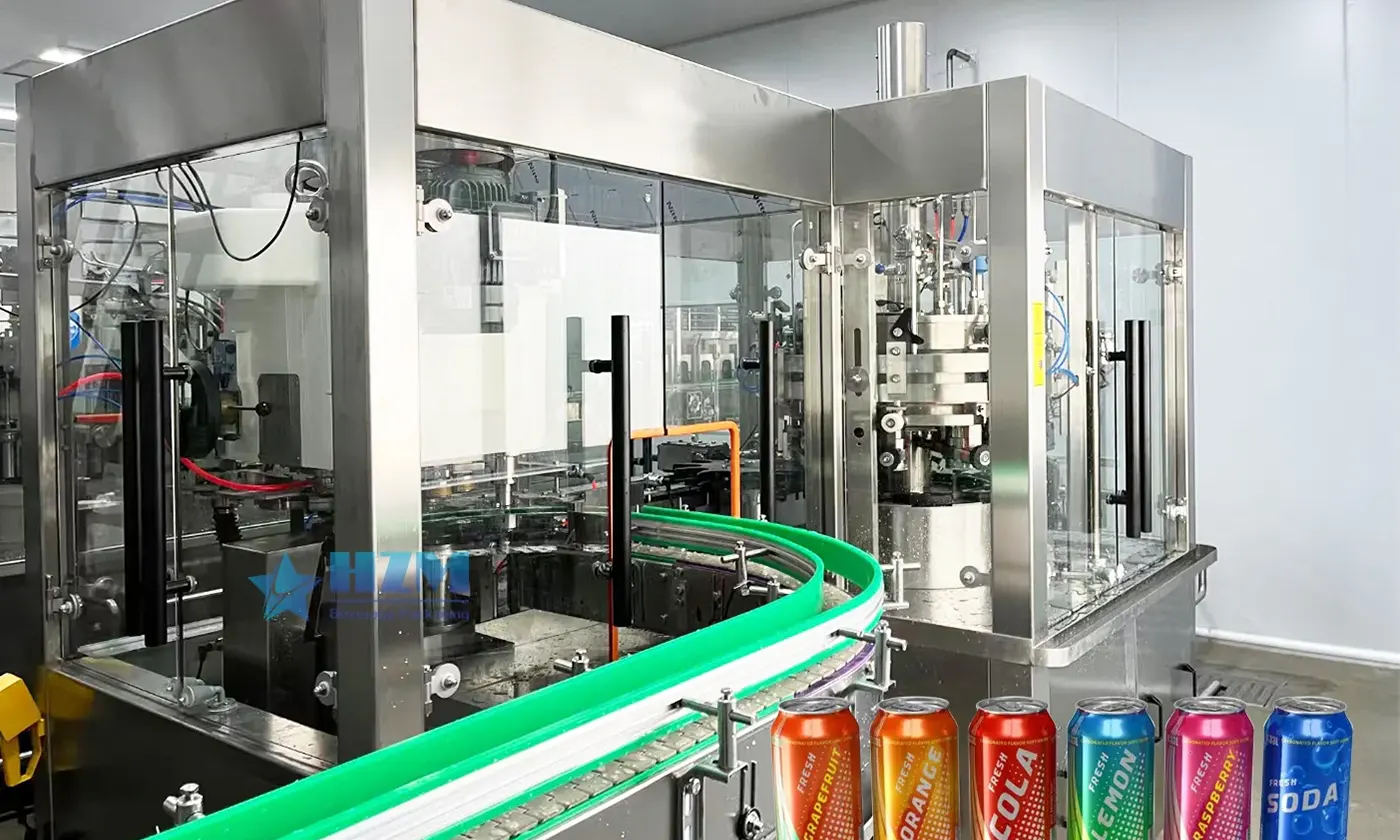
Foam and underfill usually share a cause: warm product, unstable counterpressure, poor equalization, turbulent valve flow or a damaged can. Compare the filler-inlet condition with the head-specific result.
Stop automatic operation, isolate electrical and pneumatic energy, close and depressurize product circuits, and follow the machine lockout/tagout procedure before opening guards or removing a valve. Quarantine product made since the last confirmed good check.
Locate the fault
- Foam spills from cans before seaming
- Finished cans are light after foam collapses
- Rejects cluster at selected filling valves
- Can bursts or unstable speed follow valve maintenance
Inspection sequence
- Hold affected production and trend product temperature, bowl pressure and speed
- Weigh cans by filling valve before seaming where the safe process allows
- Inspect can flange, centering and lift condition
- Compare valve parameters and parts with the pre-maintenance record
- Check equalization and decompression response by head
- Confirm inlet carbonation and pressure with calibrated instruments
Corrective work
- Restore product cooling and stable counterpressure
- Return valve settings and components to the validated configuration
- Correct can handling, lift and centering defects
- Tune the approved fill and snift sequence only with quality verification
Operating records and follow-up
- Record parameters before valve maintenance
- Trend rejects and weight by head
- Incoming-inspect cans for flange damage
- Verify cooling and carbonation at startup
- Use reduced-speed qualification after filler service
Equipment details: Aluminum Can Filling Machine.
Need help planning your packaging line?
Share your product, bottle and capacity requirements for a practical equipment recommendation.
Aluminum Can Filling Machine
Beer can filling and seaming equipment for beverage canning lines, with CGS models from 6,000 to 36,000 cans/hour at 330 ml.
Learn more
Carbonated Beverage Can Filling Machine
Automatic carbonated beverage can filling and seaming, with CGS capacities of 6,000–36,000 cans/hour at 330 ml.
Learn moreBeverage Can Packaging machine
Beverage can filling and seaming for carbonated drinks and beer, with conveying, packing and palletising line options.
Learn more
CSD Beverage Can Filling Machine
CGS can filling and seaming for carbonated beverages, with capacities of 6,000–36,000 cans/hour at 330 ml.
Learn more
Can Filling Sealing Machine
Automatic beverage can filling and seaming for carbonated soft drinks and beer, from 6,000 to 36,000 cans/hour at 330 ml.
Learn more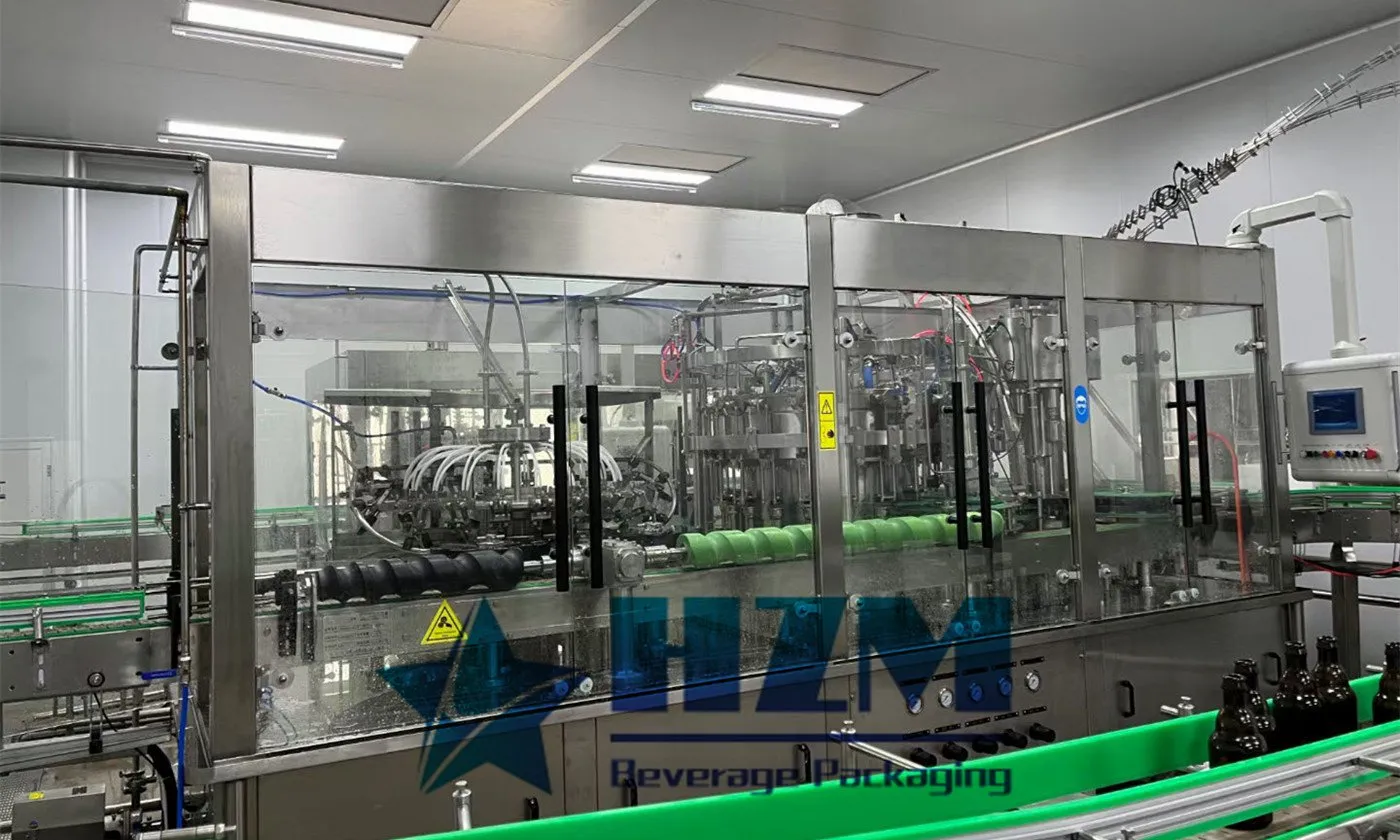
Craft Beer Can Filling Machine
Craft beer can filling and seaming with CGS models from 6,000 to 36,000 cans/hour at 330 ml.
Learn more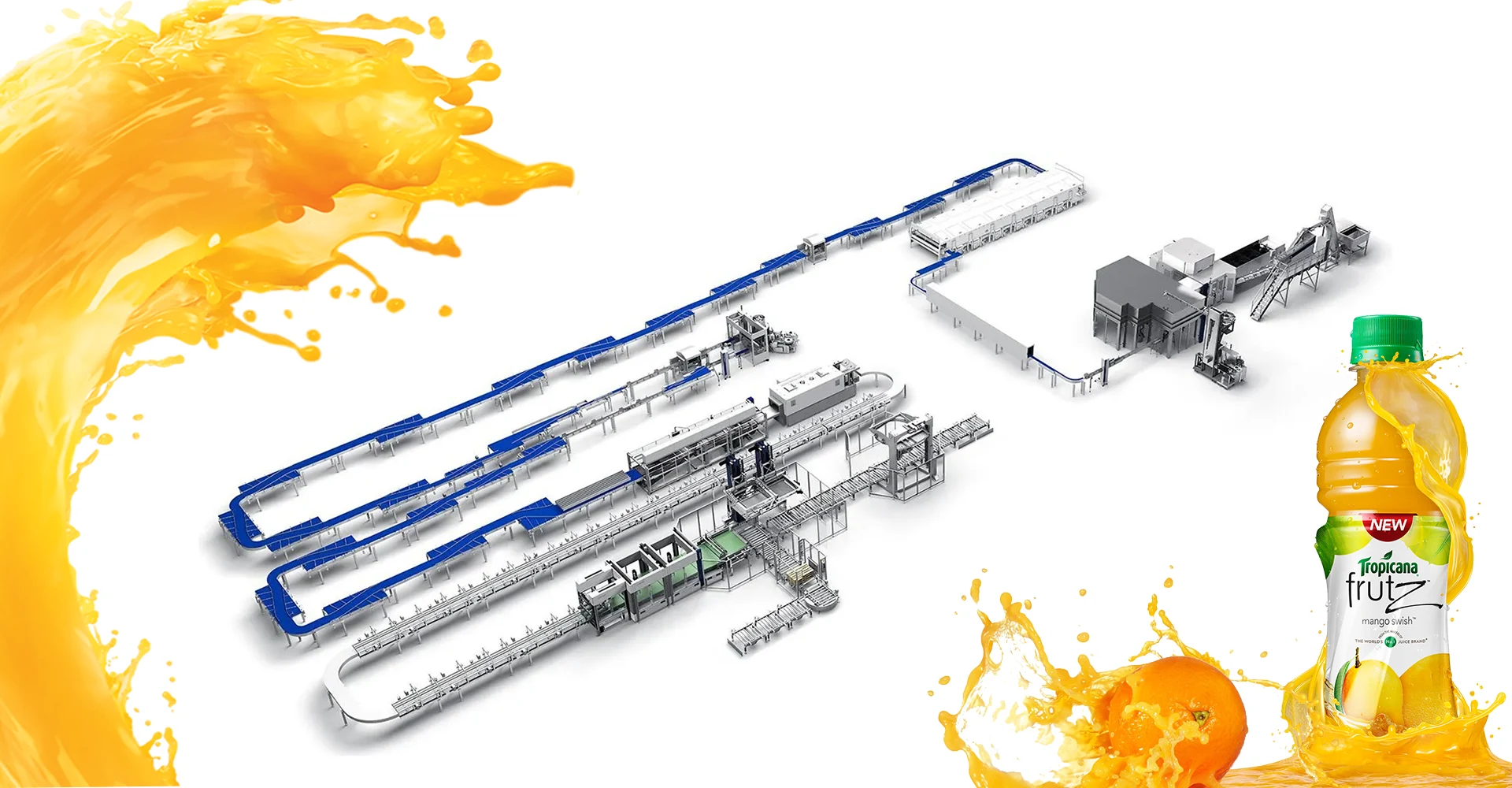
Beverage Filling Machine & Turnkey Filling Line for Juice, Soft Drinks and Cans
Beverage filling machines and turnkey lines for juice, soft drinks, water and beer in PET bottles, glass bottles or cans.
Learn more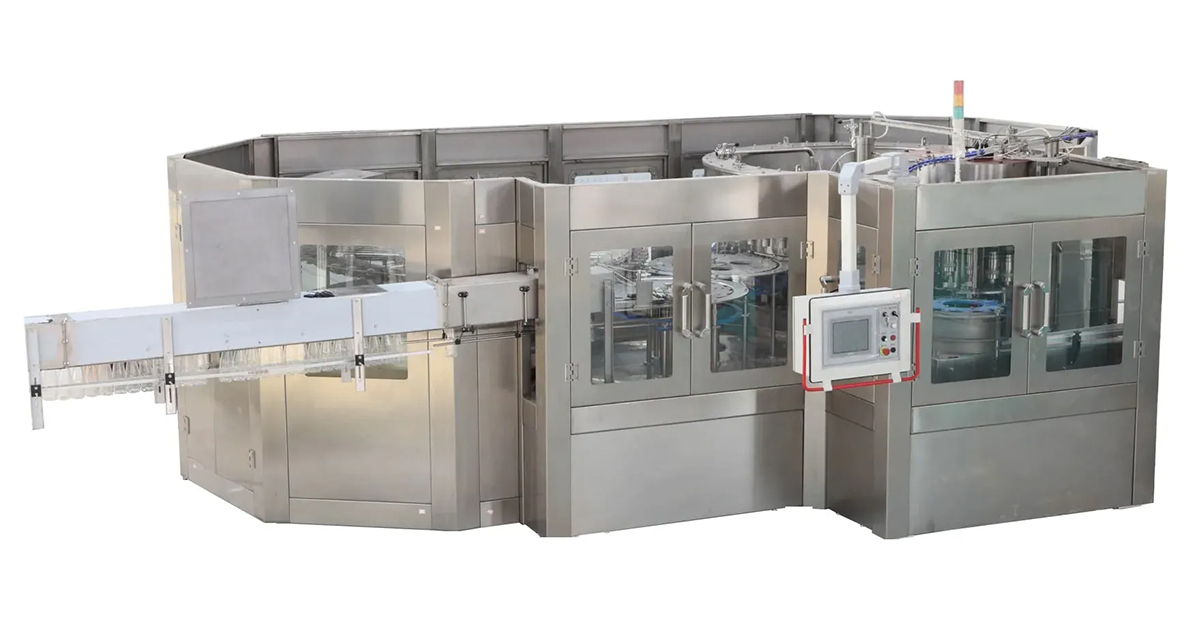
Advanced Bottle and Can Filling Machines by HZM Machinery
In the ever-growing demand for bottle and can filling machines, HZM Machinery stands out as an excellent manufacturer committed to offering superior equipment and comprehensive pre-sale, in-sale, and after-sale services to drinking water manufacturers, mineral water producers, and 5-gallon drinking water suppliers.
Learn more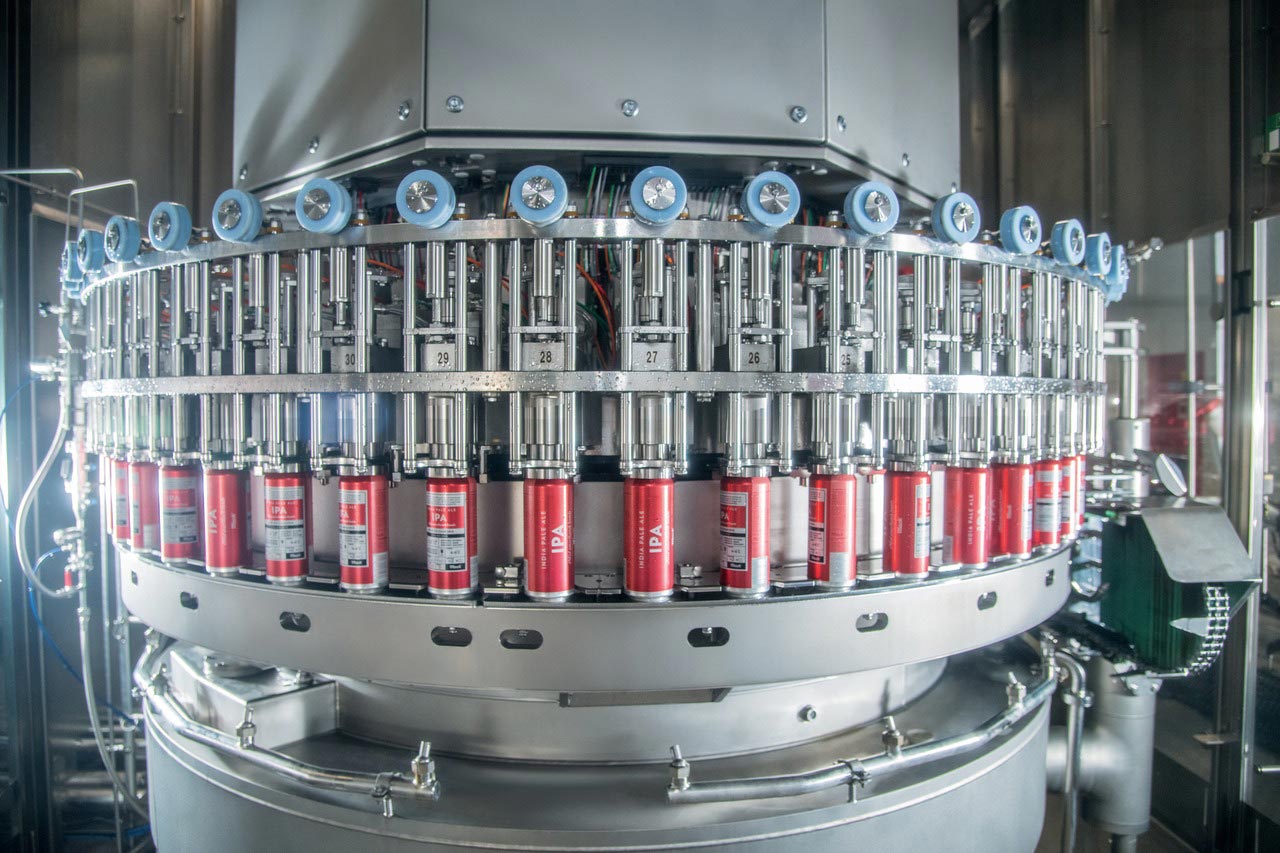
Canning Machine for Beverage Cans: A Marvel of Efficiency
Canning machines for beverage cans have become the go-to choice for efficient beverage production. In this article, we will introduce beverage cans and their canning machines, and provide a table showcasing the bottle capacities and hourly output of these canning machines.
Learn moreWhat an Automatic Can Packaging Line Includes
Can packaging may refer to filling and seaming, or to grouping sealed cans into trays, film or cartons.
Learn more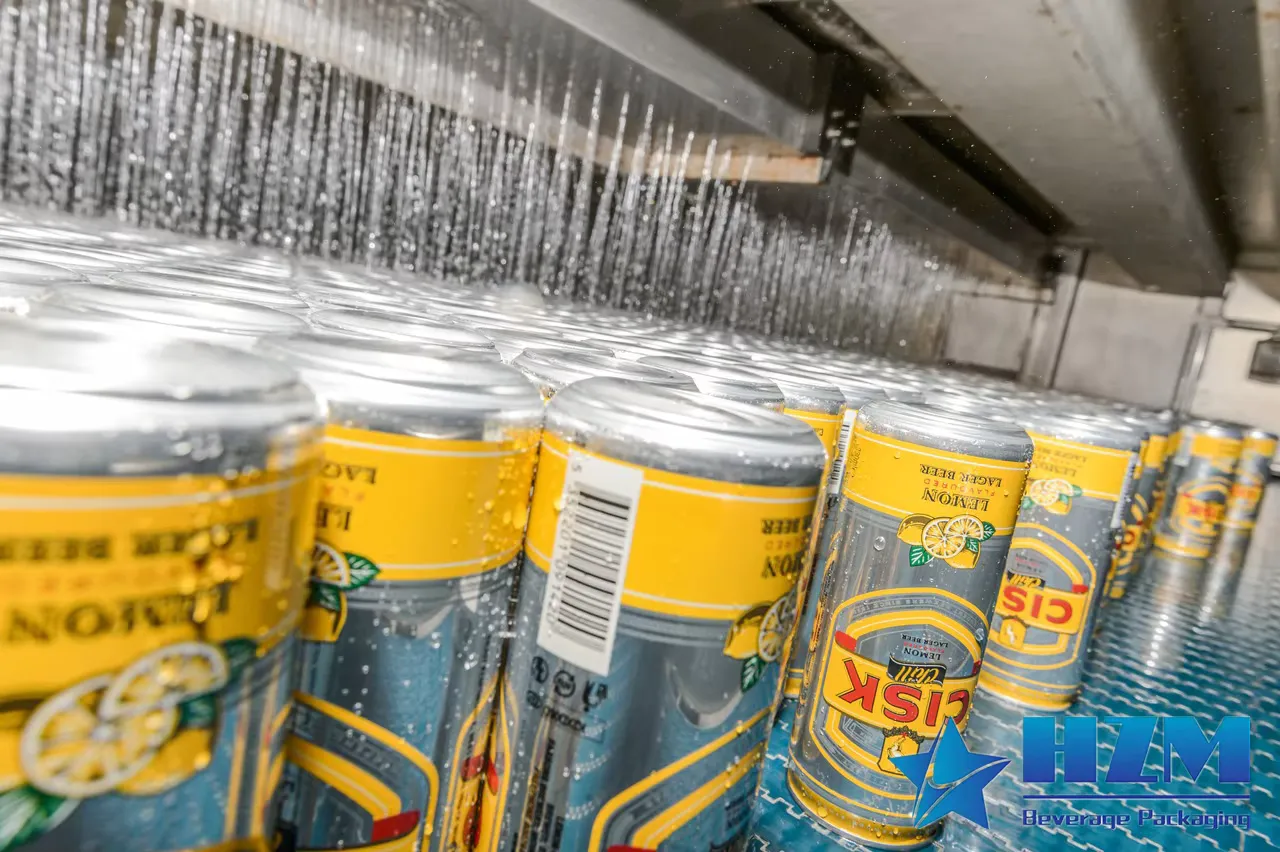
Keeping Can Filling, Lid Feed and Seaming in Step
A can line needs stable can spacing and a controlled transfer from filling to lid application and seaming.
Learn moreCSD Beverage Can Filling Machine: Revolutionizing Carbonated Drink Production
The CSD Beverage Can Filling Machine has emerged as a game-changer in the carbonated drink industry, streamlining the production process and ensuring efficiency and precision. In this article, we will delve into the world of CSD beverage cans, introduce the CSD Beverage Can Filling Machine, and present a table showcasing the bottle capacities and hourly output of this remarkable machine.
Learn more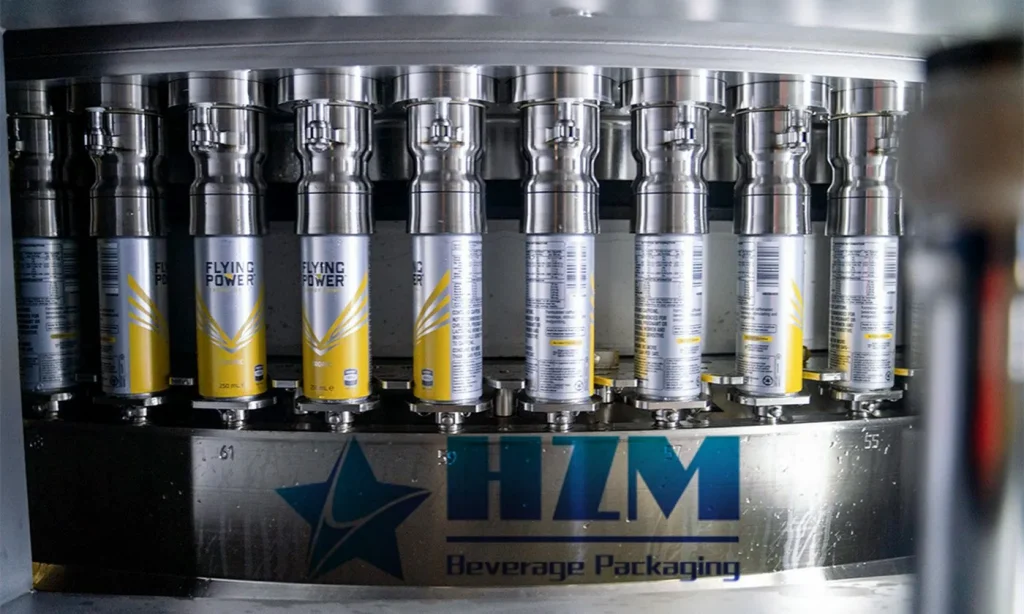
Canned Beer Packaging Process: From Empty Can to Finished Pack
Follow the canned beer packaging process from depalletizing and rinsing through CO2 purging, counter-pressure filling, seaming, inspection, coding and final packing.
Learn more