
Insights & Updates
CSD Beverage Can Filling Machine: Revolutionizing Carbonated Drink Production
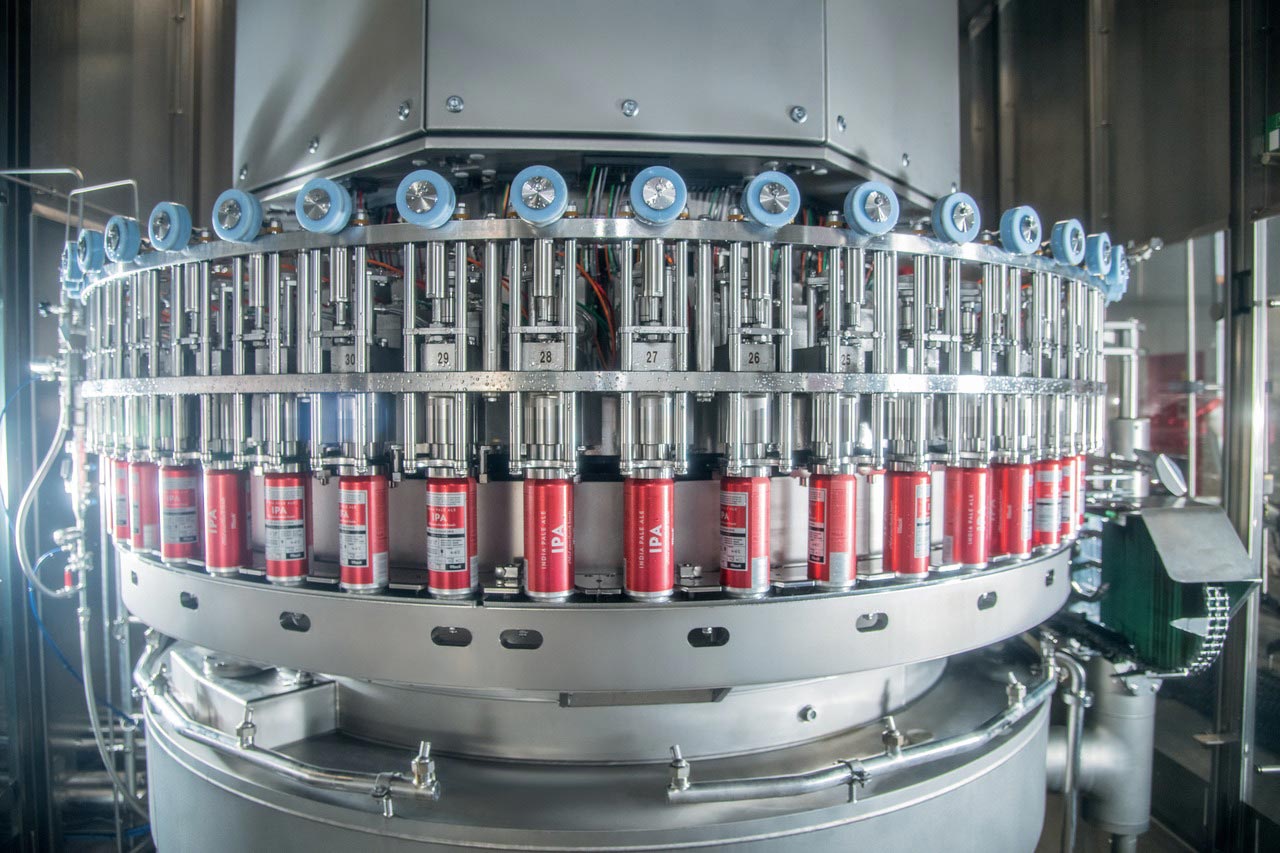
The CSD (Carbonated Soft Drink) Beverage Can Filling Machine has emerged as a game-changer in the carbonated drink industry, streamlining the production process and ensuring efficiency and precision. In this article, we will delve into the world of CSD beverage cans, introduce the CSD Beverage Can Filling Machine, and present a table showcasing the bottle capacities and hourly output of this remarkable machine.
CSD beverage cans are specifically designed to store and serve carbonated soft drinks, including popular beverages like cola, lemon-lime sodas, and sparkling water. These cans are known for their robust construction, ensuring they can withstand the pressure from carbonation, while also being lightweight and easy to transport. The hermetically sealed can design preserves the carbonation and flavor of the drinks, guaranteeing a refreshing and effervescent experience for consumers.
To meet the increasing demand for carbonated soft drinks, beverage manufacturers have embraced the CSD Beverage Can Filling Machine. This state-of-the-art machine automates the entire canning process, from filling the cans with the carbonated beverage to sealing and packaging them. The CSD Beverage Can Filling Machine operates with utmost precision, ensuring consistent fill levels and minimizing product waste. It also incorporates advanced technology to maintain the optimal carbonation levels in each can, delivering a satisfying fizz to consumers.
Here is a table presenting the bottle capacities and hourly output of the CSD Beverage Can Filling Machine:
| Bottle Capacity (milliliters) | Hourly Output (units) |
|---|---|
| 250 | 8000 |
| 330 | 7000 |
| 500 | 6000 |
| 750 | 5000 |
As illustrated in the table, the CSD Beverage Can Filling Machine is versatile, accommodating various bottle capacities while maintaining impressive hourly production rates. Whether it’s a smaller 250-milliliter can or a larger 750-milliliter one, this machine ensures a seamless filling process with high efficiency and accuracy.
The adoption of the CSD Beverage Can Filling Machine has revolutionized the carbonated drink production industry. With its cutting-edge technology, this machine optimizes productivity, reduces labor costs, and enhances product consistency. By automating the canning process, it minimizes the risk of contamination and guarantees a hygienic and safe final product. Furthermore, the precise filling capabilities of the machine provide an exceptional consumer experience, ensuring consistent carbonation levels and preserving the taste and quality of the carbonated soft drinks.
In conclusion, the CSD Beverage Can Filling Machine has emerged as a groundbreaking innovation in the production of carbonated soft drinks. Its ability to handle different bottle capacities while maintaining high hourly output demonstrates its versatility and efficiency. This remarkable machine has not only improved production processes but also elevated the overall quality and consumer satisfaction of carbonated beverages. With continuous advancements in technology, the CSD Beverage Can Filling Machine is set to play a pivotal role in the future of the carbonated drink industry, driving further innovation and development.
Talk to our engineering team
Need help planning your packaging line?
Share your product, bottle and capacity requirements for a practical equipment recommendation.
Equipment
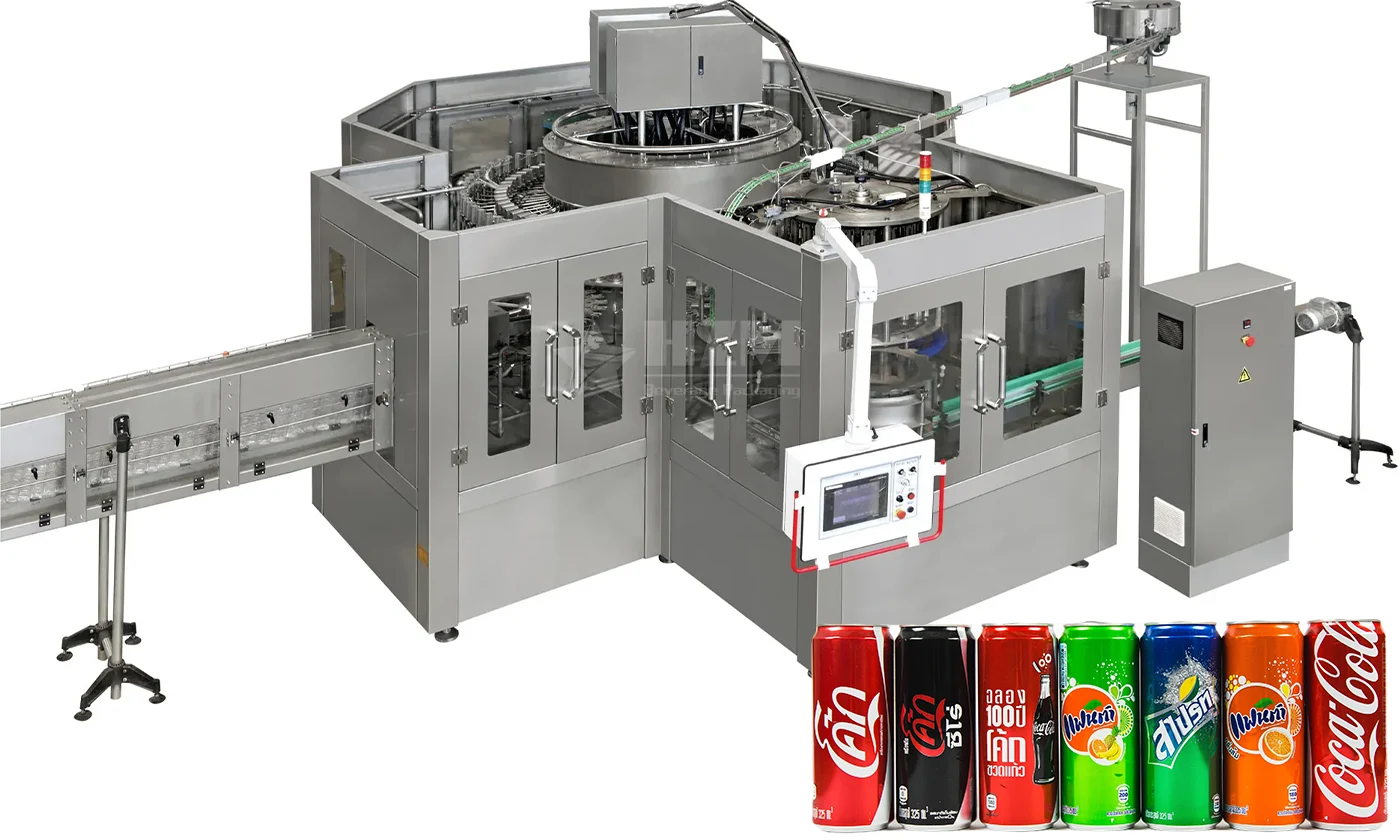
Carbonated Beverage Can Filling Machine
Automatic carbonated beverage can filling and seaming, with CGS capacities of 6,000–36,000 cans/hour at 330 ml.
Learn more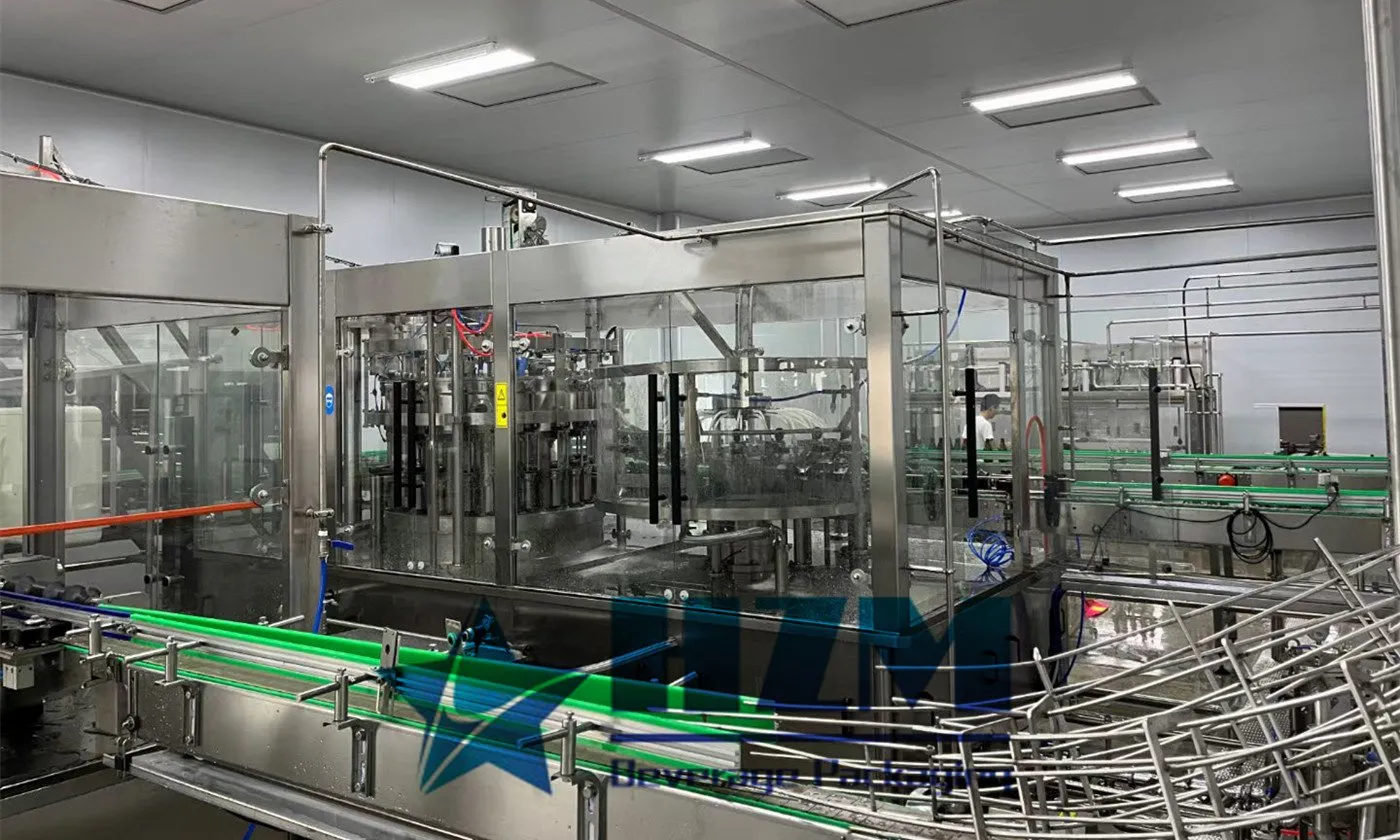
Equipment
CSD Beverage Can Filling Machine
CGS can filling and seaming for carbonated beverages, with capacities of 6,000–36,000 cans/hour at 330 ml.
Learn more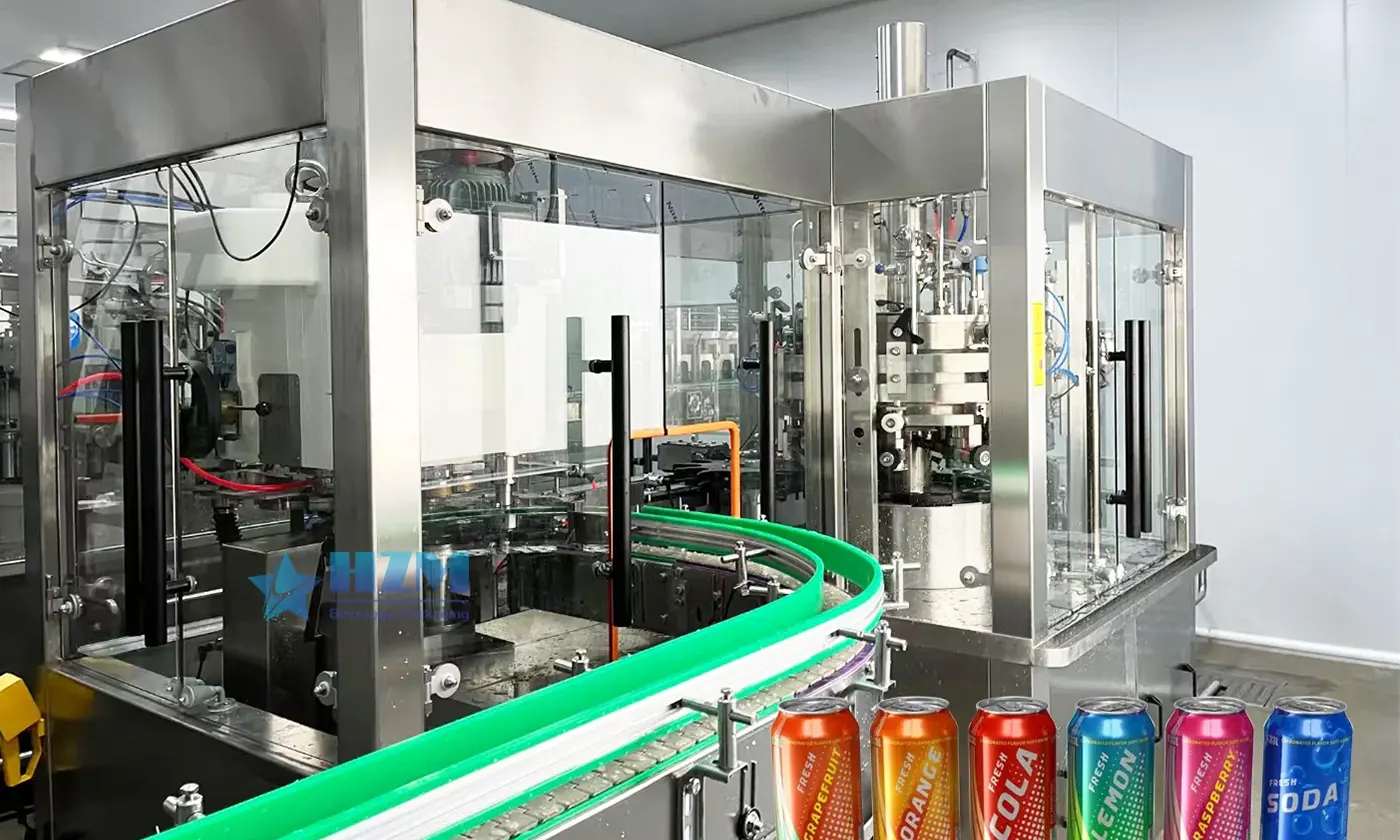
Equipment
Aluminum Can Filling Machine
Beer can filling and seaming equipment for beverage canning lines, with CGS models from 6,000 to 36,000 cans/hour at 330 ml.
Learn moreEquipment
Beverage Can Packaging machine
Beverage can filling and seaming for carbonated drinks and beer, with conveying, packing and palletising line options.
Learn more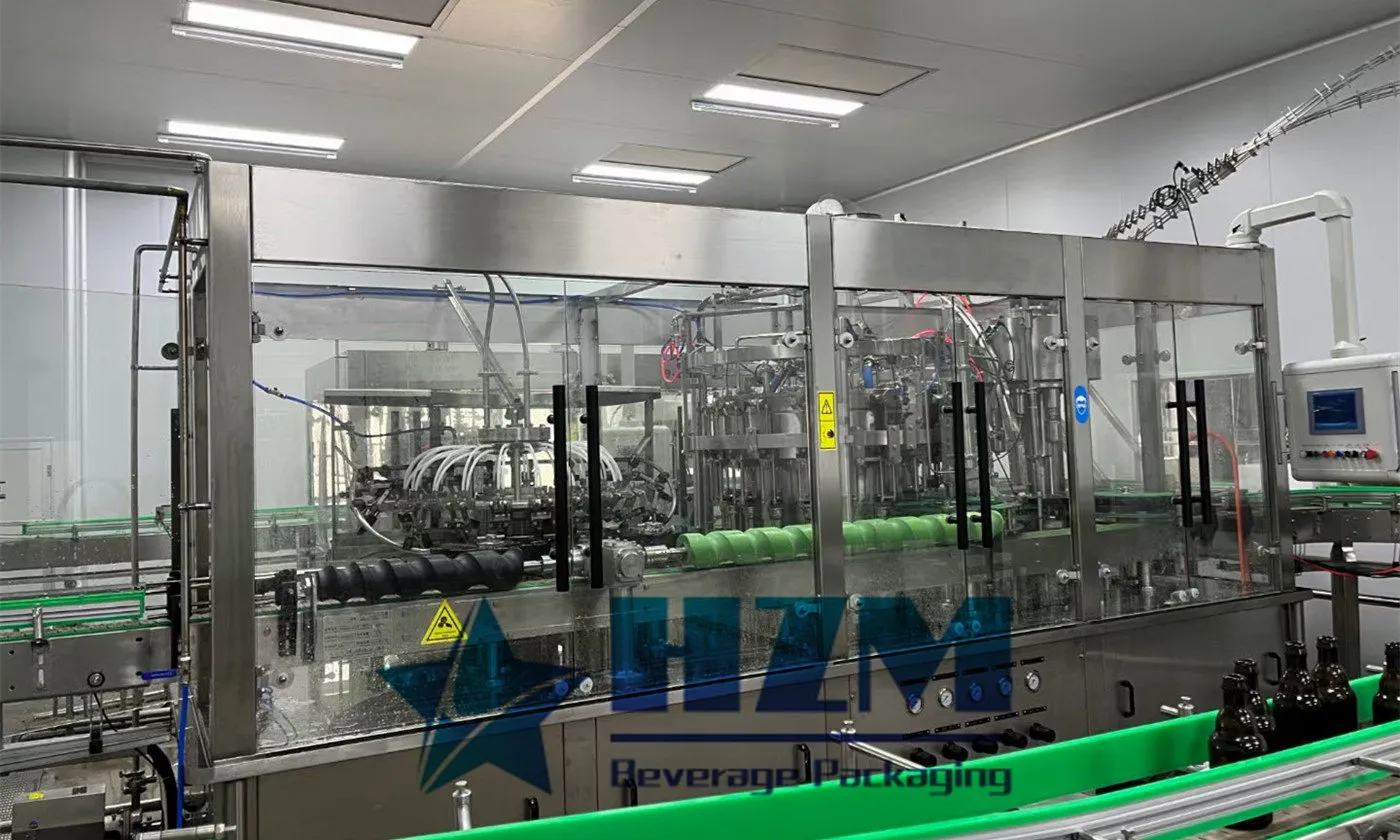
Equipment
Craft Beer Can Filling Machine
Craft beer can filling and seaming with CGS models from 6,000 to 36,000 cans/hour at 330 ml.
Learn more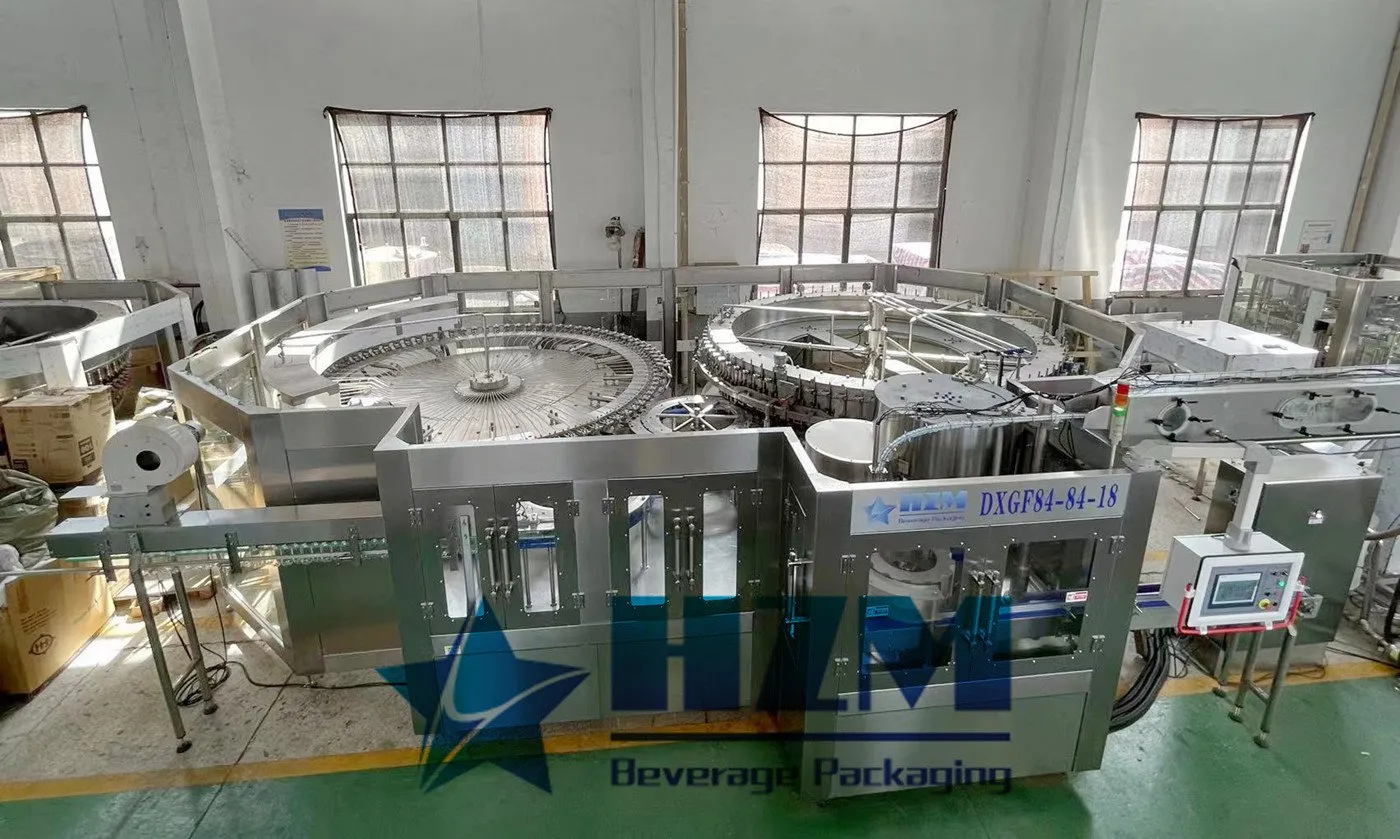
Equipment
Carbonated Drinks Filling Machine
Carbonated drink rinsing, isobaric filling and capping for PET bottles, with capacities of 4,000–36,000 bottles/hour at 500 ml.
Learn more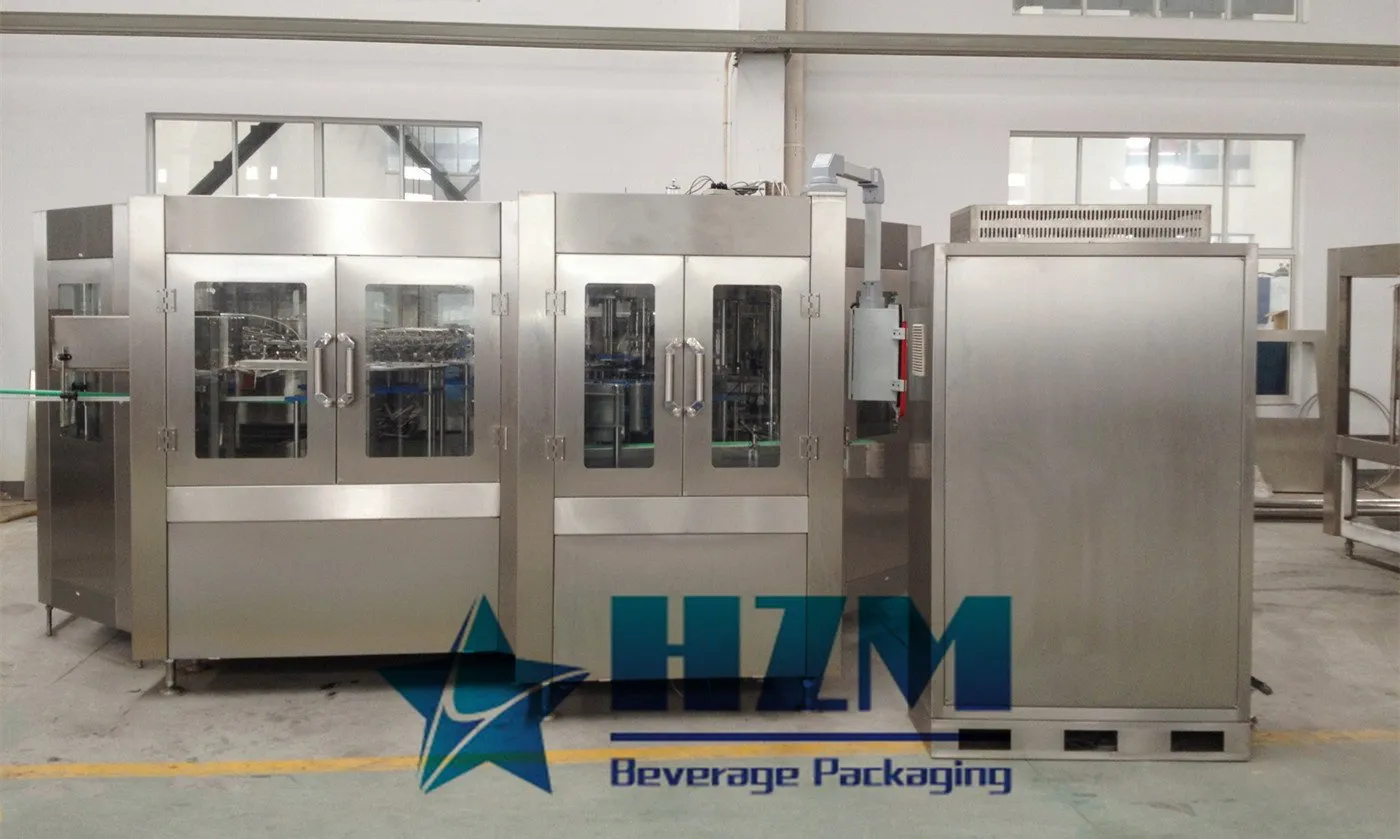
Equipment
PET Bottle CSD Beverage Filling Machine
Automatic PET bottle rinsing, isobaric filling and capping for cola, soda water and other carbonated soft drinks.
Learn more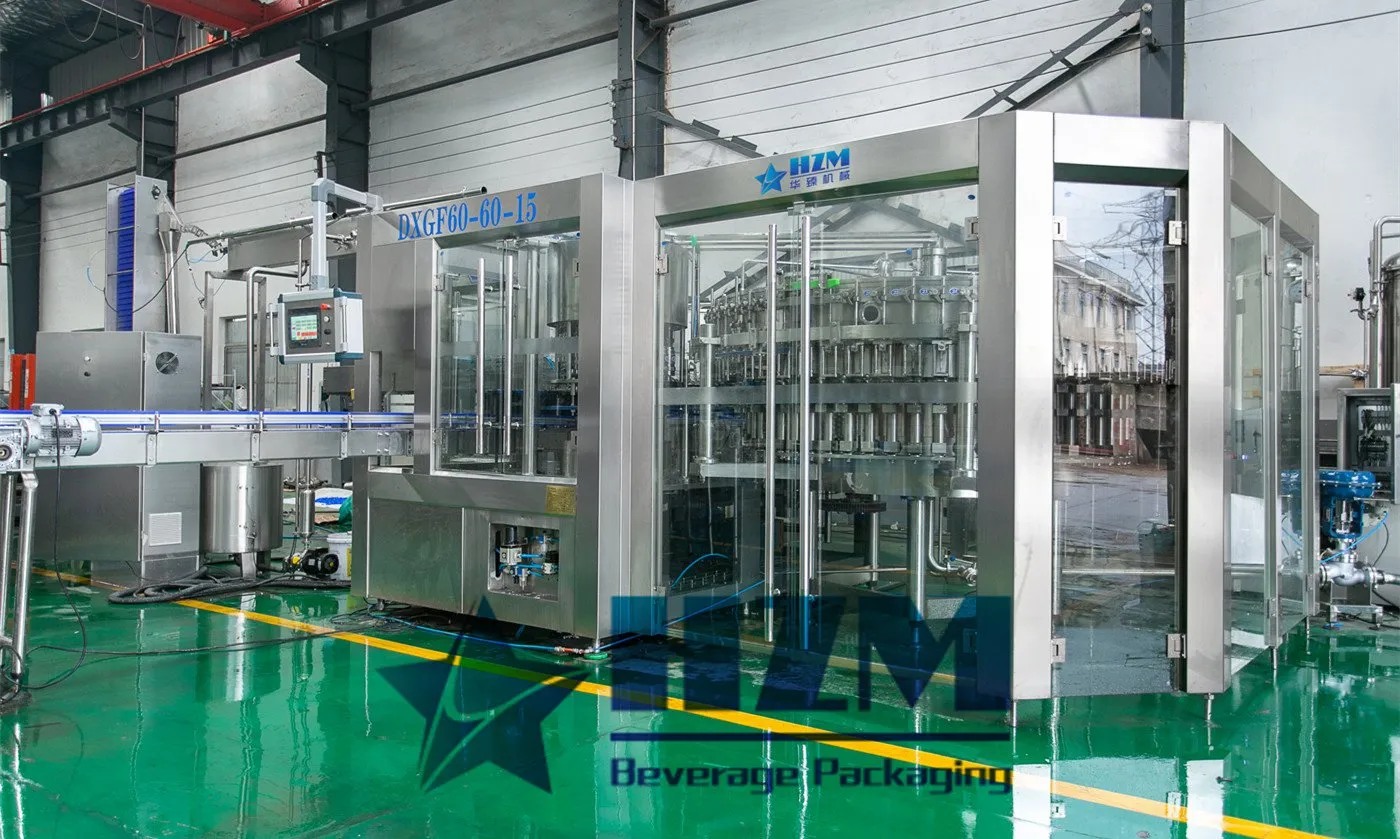
Equipment
Soda Water Filling Machine
Soda water filling equipment with bottle rinsing, isobaric filling and capping for PET-bottled sparkling water.
Learn more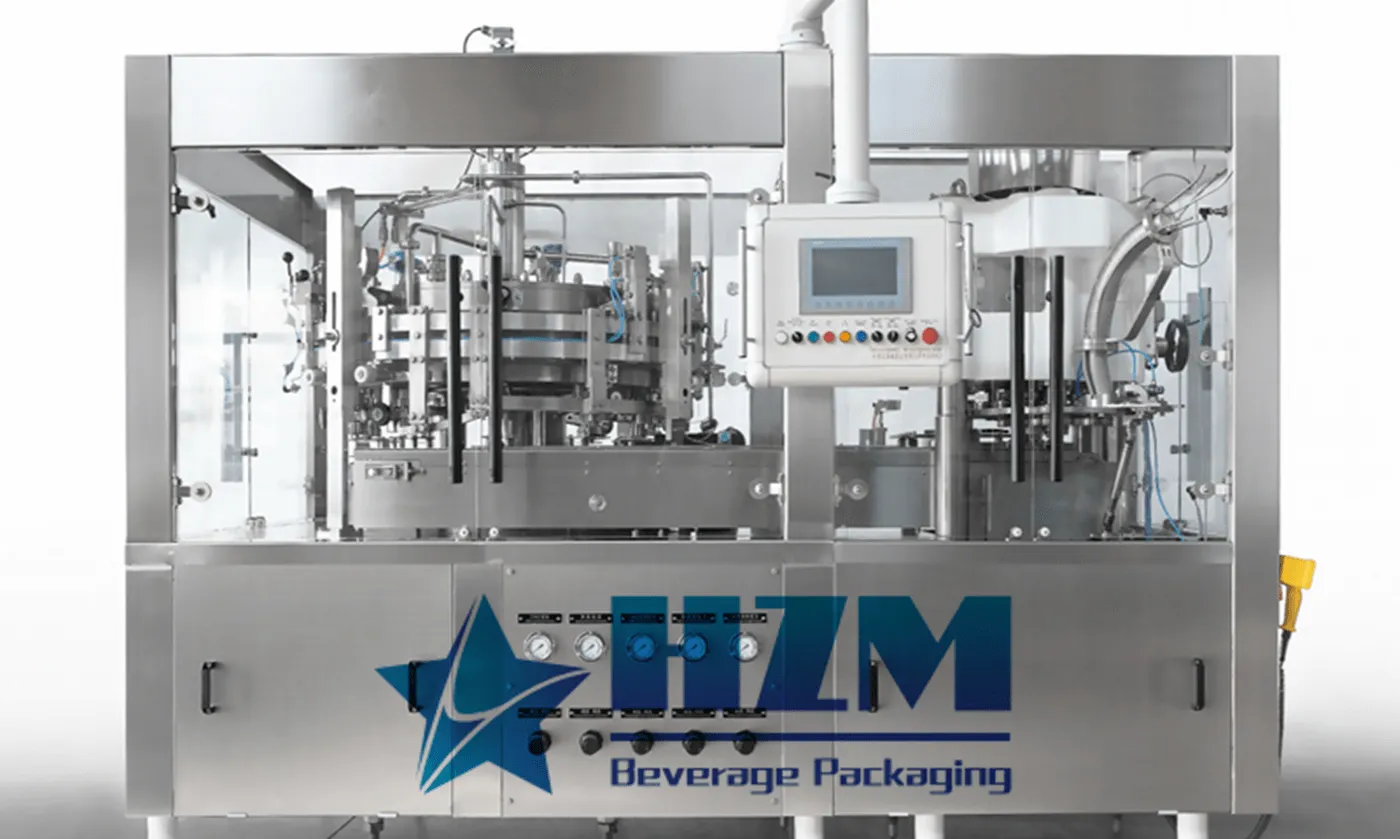
Equipment
Can Filling Sealing Machine
Automatic beverage can filling and seaming for carbonated soft drinks and beer, from 6,000 to 36,000 cans/hour at 330 ml.
Learn more2023-06-09
10000-36000BPM Carbonated Drink Beverage Can Filling Machine
High quality 10000-36000BPM Carbonated Drink Beverage Can Filling Machine from China, China's leading 1500bph Beverage Can Filling Machine product, with strict quality control 1500bph Carbonated Drink Filling Machine factories, producing high quality 200ml Beverage Can Filling Machine products.
Learn more2023-10-24
Automatic Can Packaging Machine
Automatic Can Packaging Machine are mainly used in industries such as food and beverage, dairy, brewery, condiments, etc., and are production equipment designed for efficient and precise filling and can sealing.
Learn more2023-06-09
330ml Beverage Can Filling Machine For Carbonated Beverage
High quality 330ml Beverage Can Filling Machine For Carbonated Beverage from China, China's leading 330ml Beverage Can Filling Machine product, with strict quality control 330ml Beverage Can Filling Machine factories, producing high quality 330ml Carbonated Juice Can Filling Machine products.
Learn more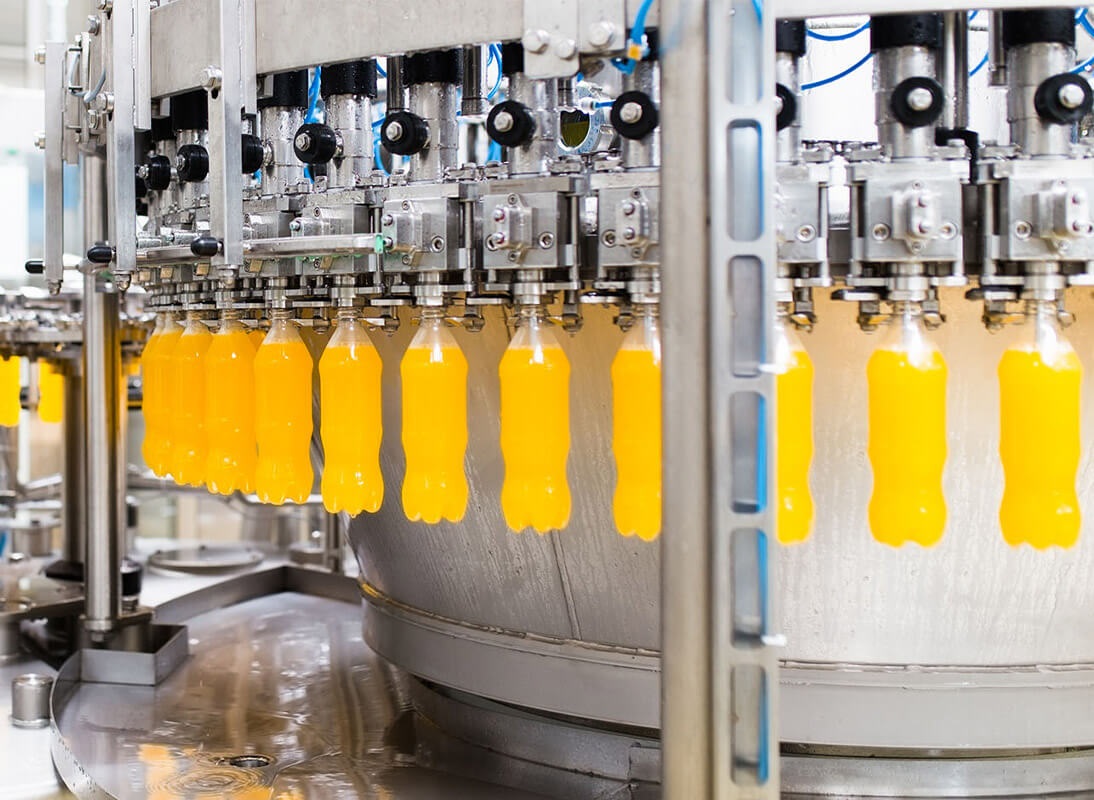
2023-06-27
Revolutionizing Beverage Production: The Ultimate Beverage Filling Machine
beverage filling machine is a plastic bottle beverage filling machine, an automatic filling and capping integrated machine and a multi-functional beverage filling machine.
Learn more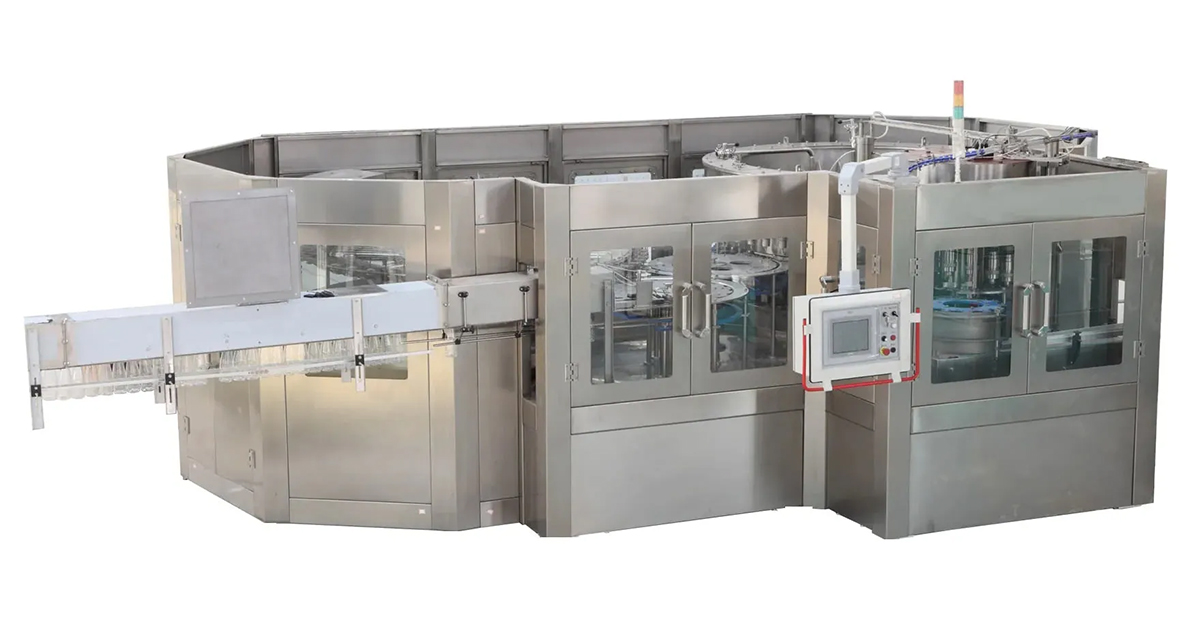
2023-07-08
Advanced Bottle and Can Filling Machines by HZM Machinery
In the ever-growing demand for bottle and can filling machines, HZM Machinery stands out as an excellent manufacturer committed to offering superior equipment and comprehensive pre-sale, in-sale, and after-sale services to drinking water manufacturers, mineral water producers, and 5-gallon drinking water suppliers.
Learn more2023-07-15
Canning Machine for Beverage Cans: A Marvel of Efficiency
Canning machines for beverage cans have become the go-to choice for efficient beverage production. In this article, we will introduce beverage cans and their canning machines, and provide a table showcasing the bottle capacities and hourly output of these canning machines.
Learn more