
Carbonated Beverage Filler Foaming Too Much
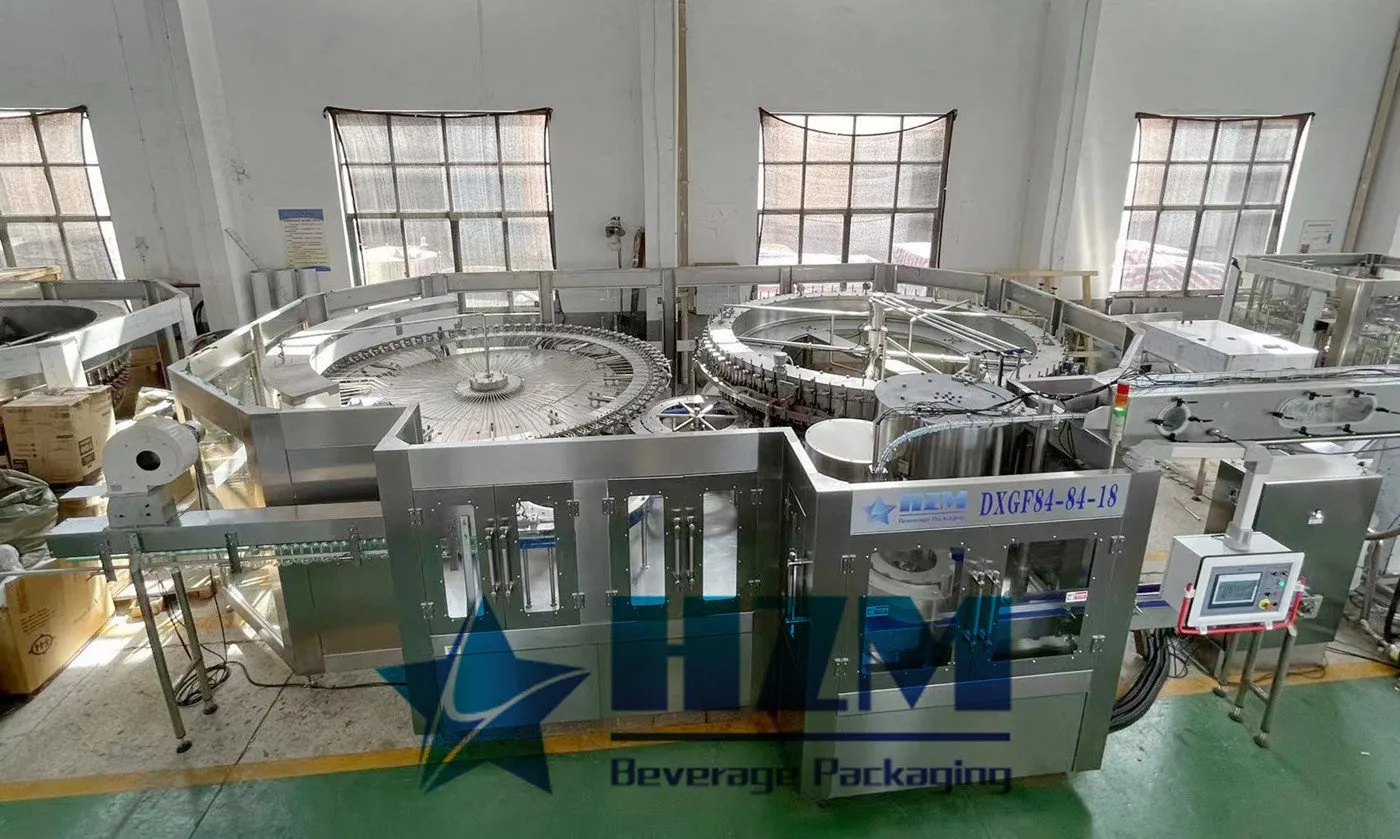
Foam rises when product temperature, carbonation, pressure balance, bottle condition or filling-valve behavior leaves the validated window. Trend these variables together and compare every valve before reducing carbonation or speed.
Stop automatic operation, isolate electrical and pneumatic energy, close and depressurize product circuits, and follow the machine lockout/tagout procedure before opening guards or removing a valve. Quarantine product made since the last confirmed good check.
Locate the fault
- Foam spills before the snift cycle completes
- Fill level appears low after foam collapses
- The problem worsens as product warms
- Only selected valves create turbulent filling
Inspection sequence
- Measure product temperature and pressure at the filler inlet and bowl, not only at the mixer
- Verify actual carbonation with the plant’s approved method
- Sort foam rejects by filling valve and bottle lot
- Leak-test equalization paths and inspect gas passages under safe isolation
- Observe fill and snift timing trends at reduced speed
- Compare clean controlled bottles with normal production containers
Corrective work
- Restore product cooling and pressure balance before changing the recipe
- Clean or repair equalization, return-gas and filling-valve components
- Correct filling and snift profiles within the machine’s validated settings
- Eliminate warm, dirty or damaged bottles from the process
Operating records and follow-up
- Trend product temperature and pressure from mixer to filler
- Check carbonation and foam together at startup
- Maintain valve seals and gas passages by head
- Control bottle storage temperature and cleanliness
- Validate any speed increase with head-by-head foam data
Equipment details: Carbonated Drinks Filling Machine.
Need help planning your packaging line?
Share your product, bottle and capacity requirements for a practical equipment recommendation.
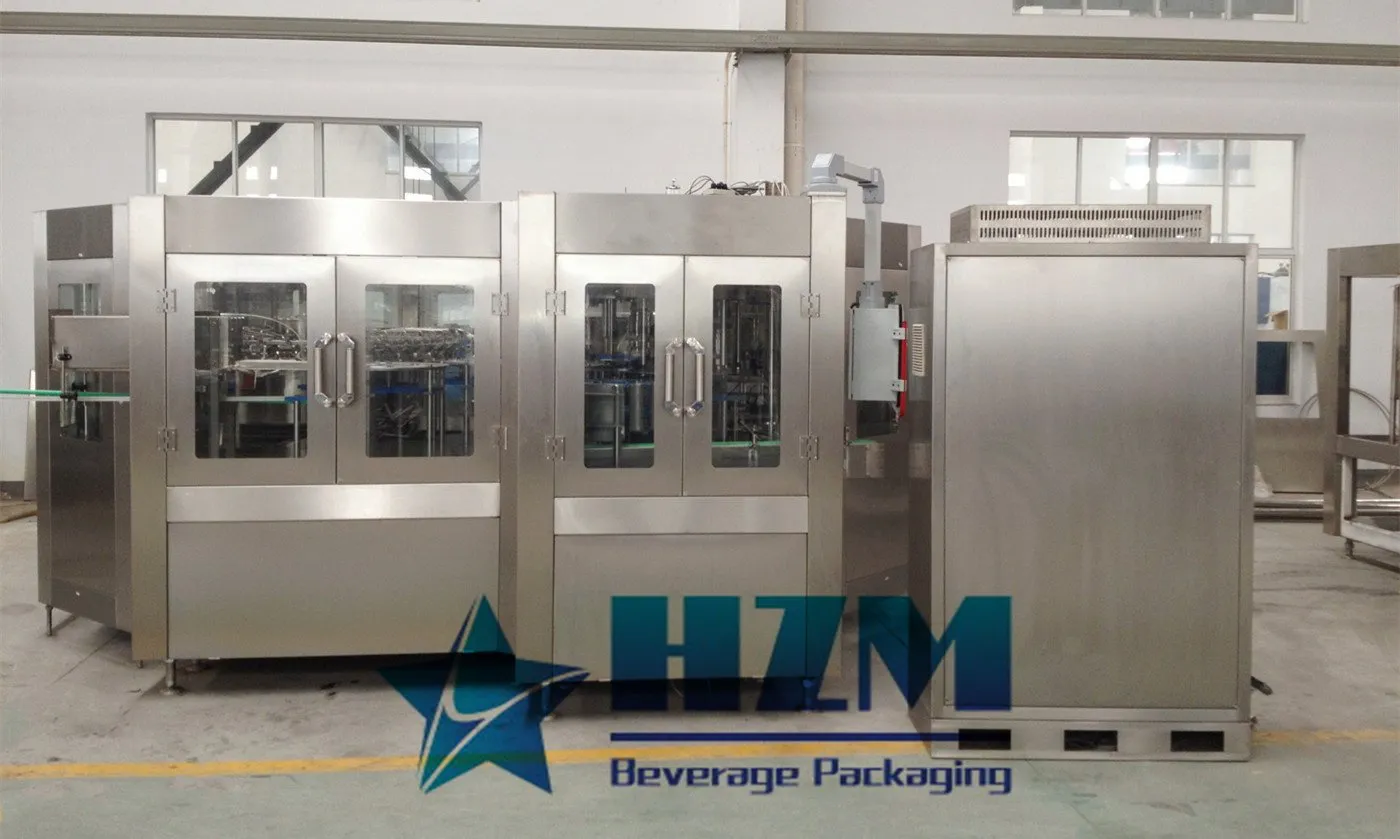
PET Bottle CSD Beverage Filling Machine
Automatic PET bottle rinsing, isobaric filling and capping for cola, soda water and other carbonated soft drinks.
Learn moreCarbonated Drinks Filling Machine
Carbonated drink rinsing, isobaric filling and capping for PET bottles, with capacities of 4,000–36,000 bottles/hour at 500 ml.
Learn more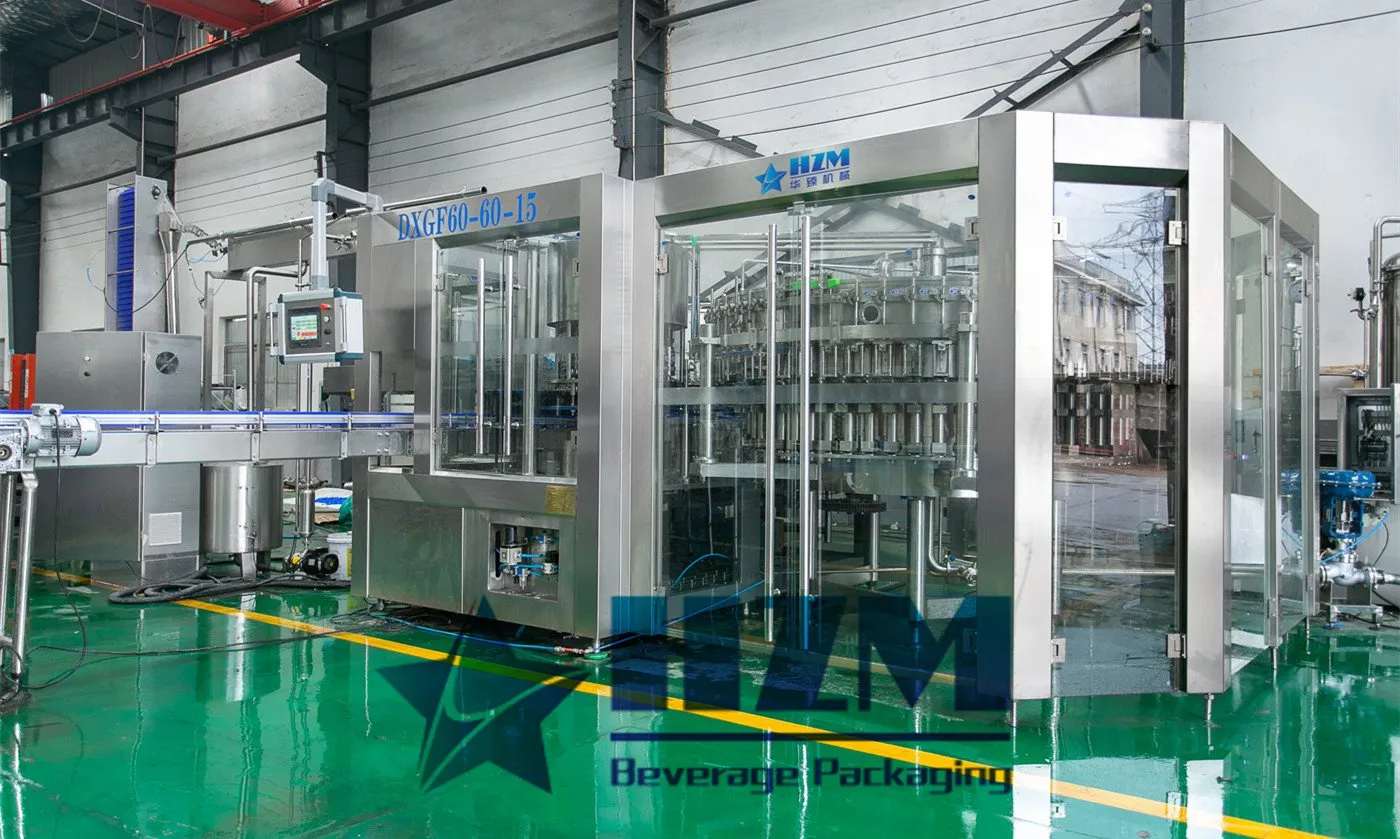
Soda Water Filling Machine
Soda water filling equipment with bottle rinsing, isobaric filling and capping for PET-bottled sparkling water.
Learn more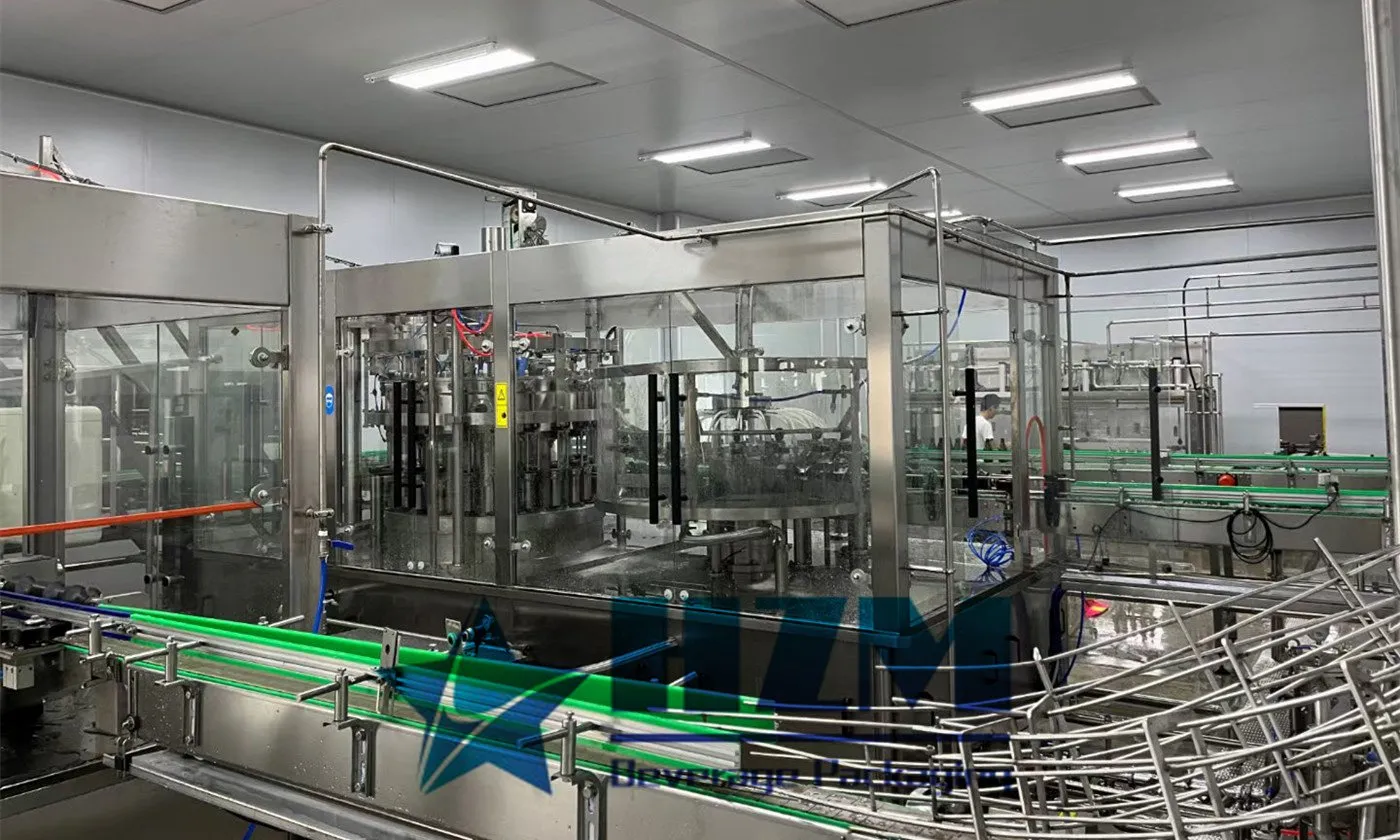
CSD Beverage Can Filling Machine
CGS can filling and seaming for carbonated beverages, with capacities of 6,000–36,000 cans/hour at 330 ml.
Learn more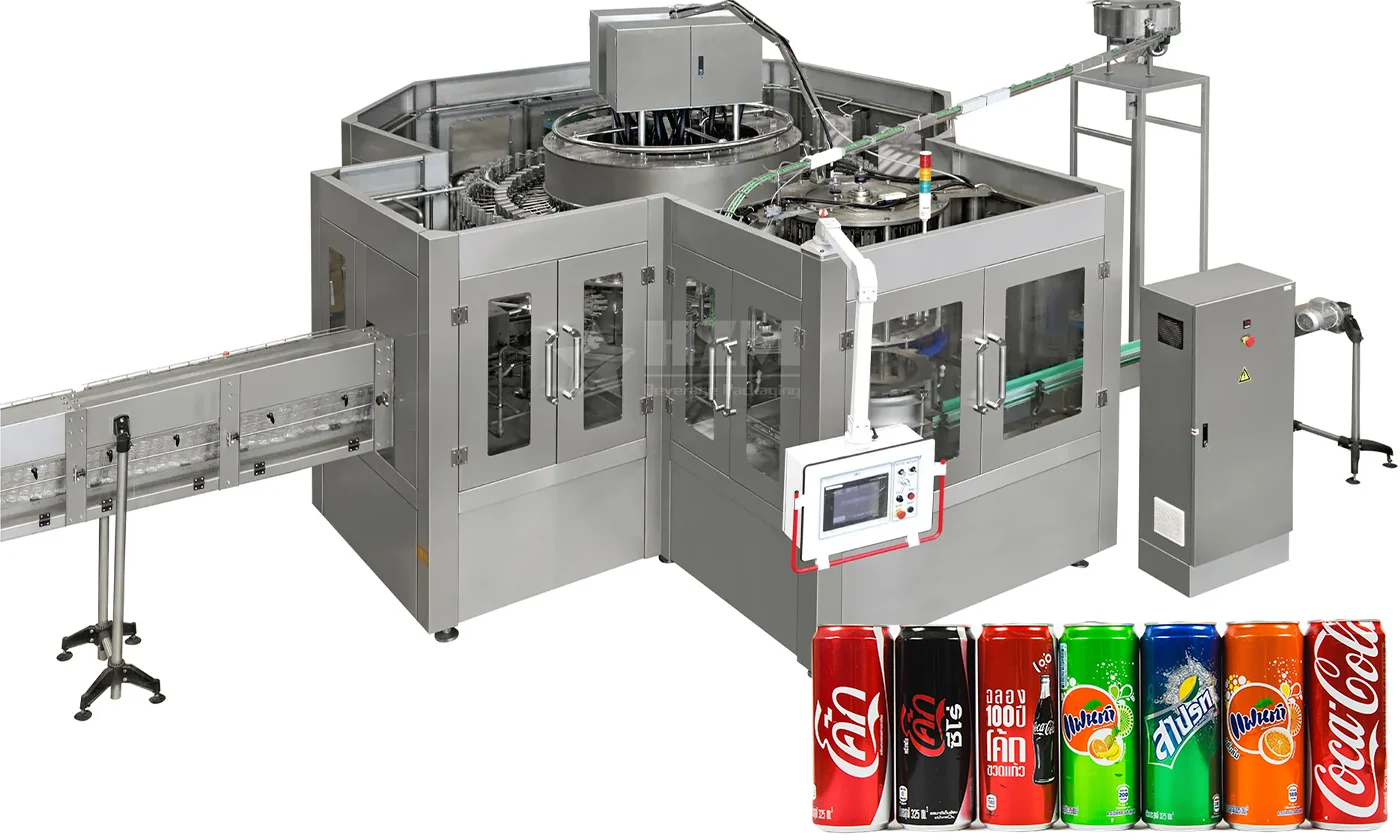
Carbonated Beverage Can Filling Machine
Automatic carbonated beverage can filling and seaming, with CGS capacities of 6,000–36,000 cans/hour at 330 ml.
Learn more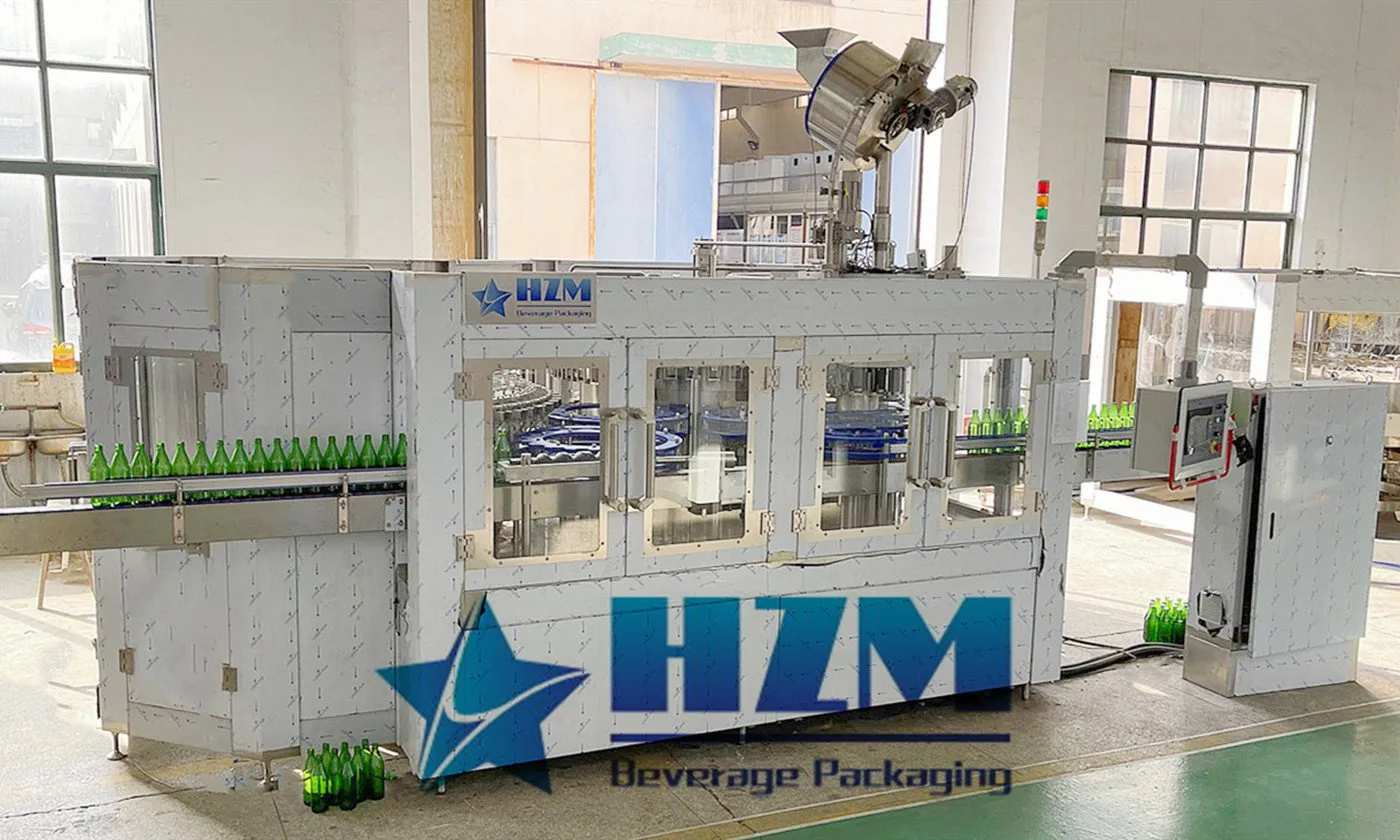
Glass Bottle CSD Beverage Filling Machine
Glass bottle filling for carbonated beverages, with isobaric filling and capacities of 2,000–20,000 bottles/hour at 500 ml.
Learn more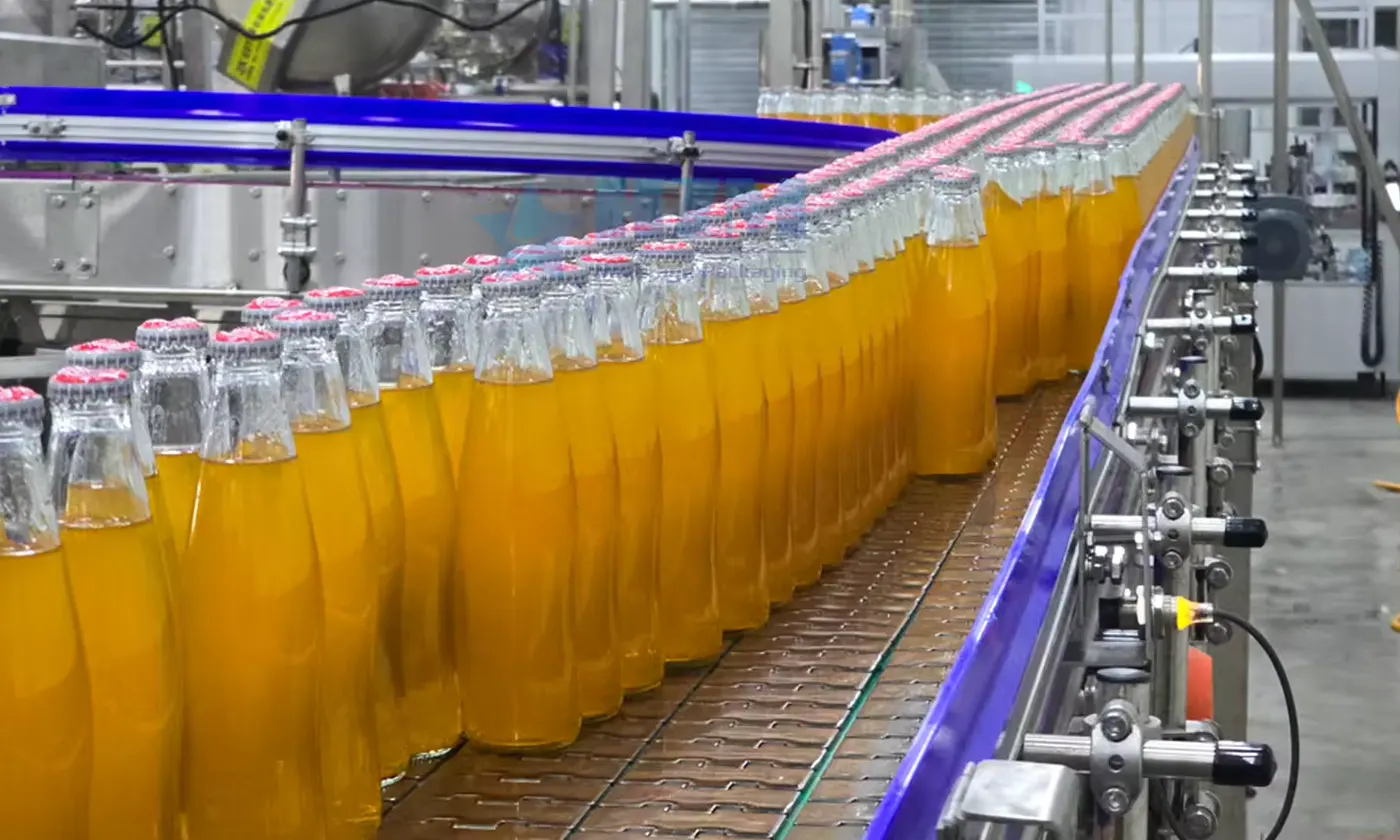
Glass Bottle Carbonated Beverage Filling Bottling Line
This glass bottle carbonated beverage line combines bottle rinsing, isobaric filling and capping with conveying, labelling and packing.
Learn more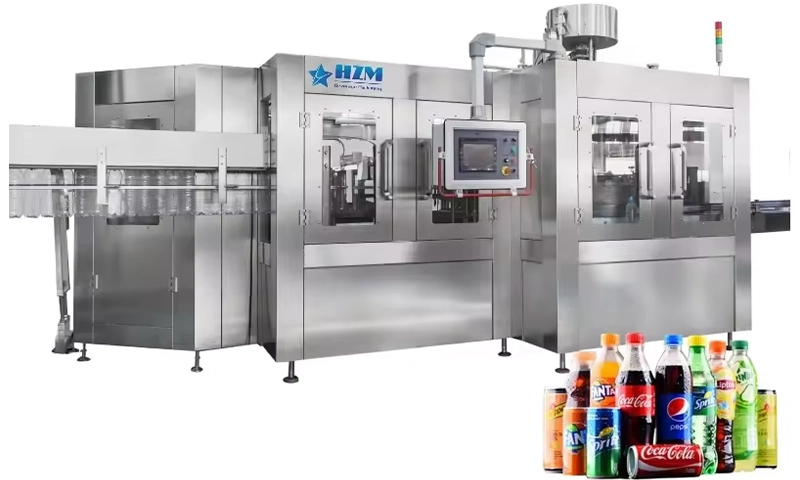
Carbonated Soft Drink Filling Machine
Carbonated soft drink rinsing, isobaric filling and capping, with DXGF models from 3,000 to 15,000 bottles/hour at 500 ml.
Learn more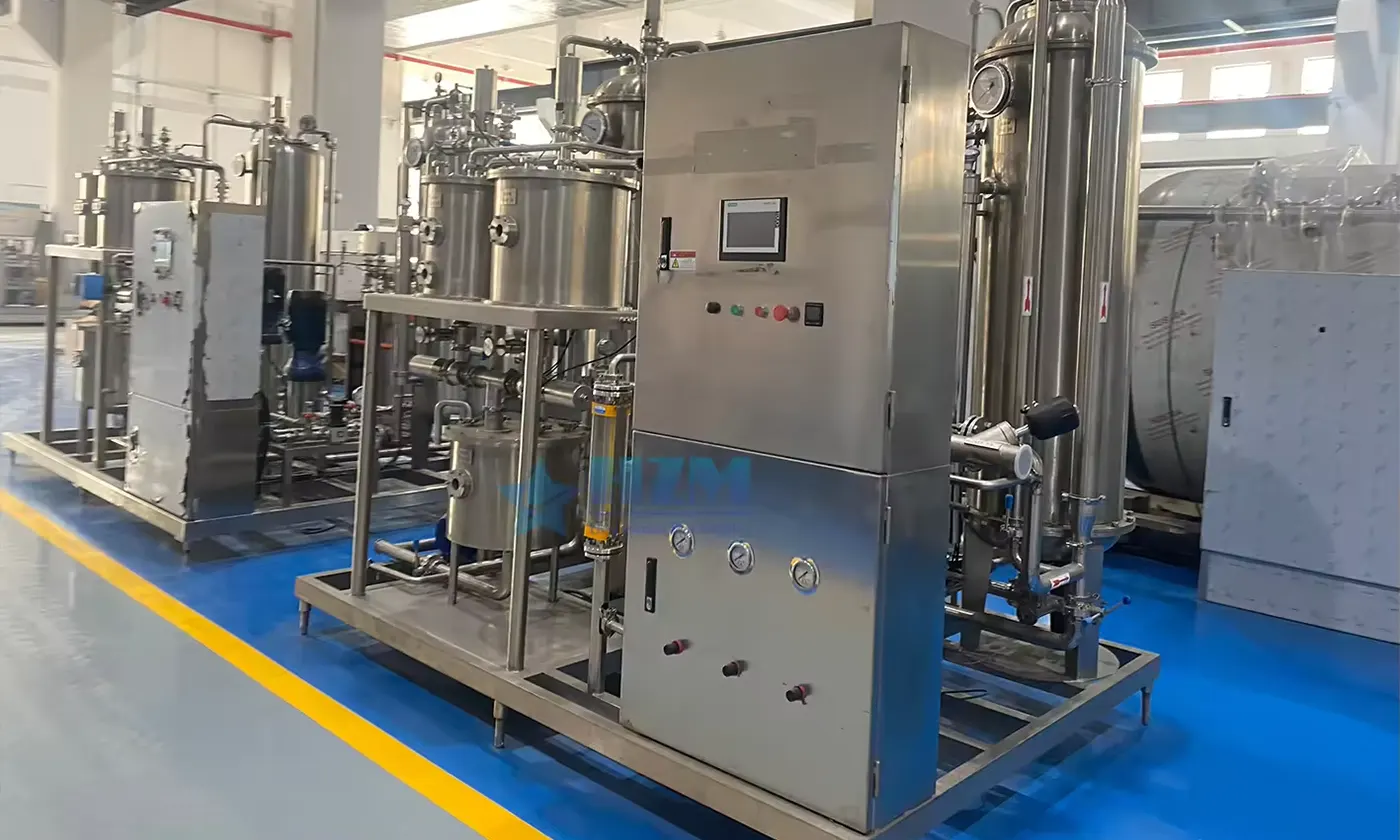
Carbonated Drink Co2 Mixer Machine
The CO2 mixer blends beverage ingredients and carbonates the drink before filling.
Learn more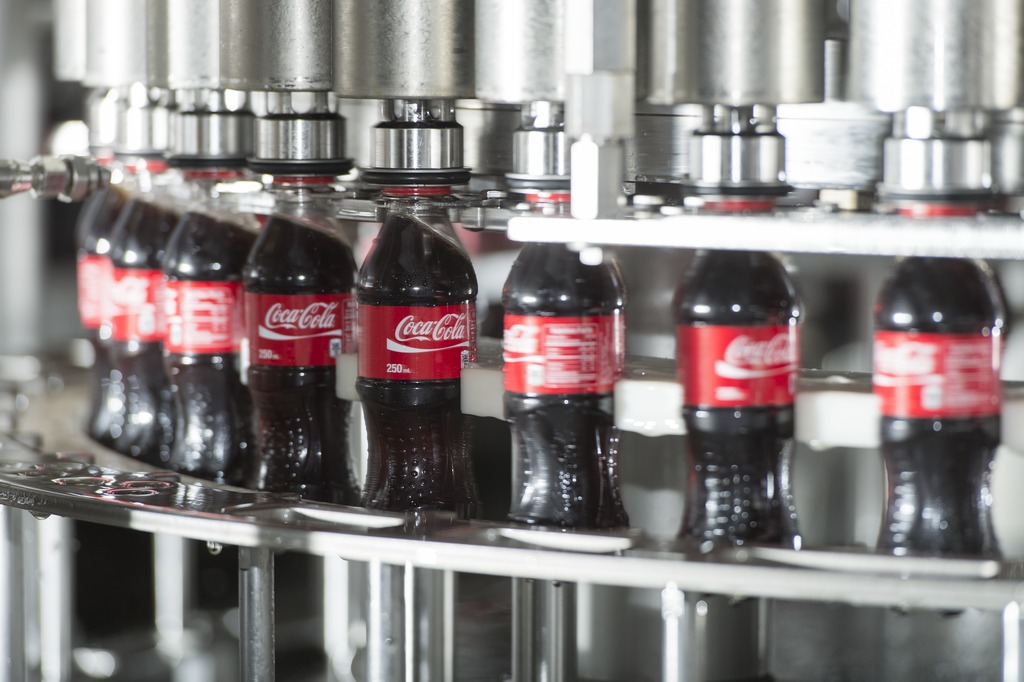
Carbonated Beverage Filling Machine Solution
Carbonated beverage filling equipment is used for filling sweetened drinks containing carbon dioxide, commonly known as carbonated drinks or carbonated beverages. They typically consist of water
Learn more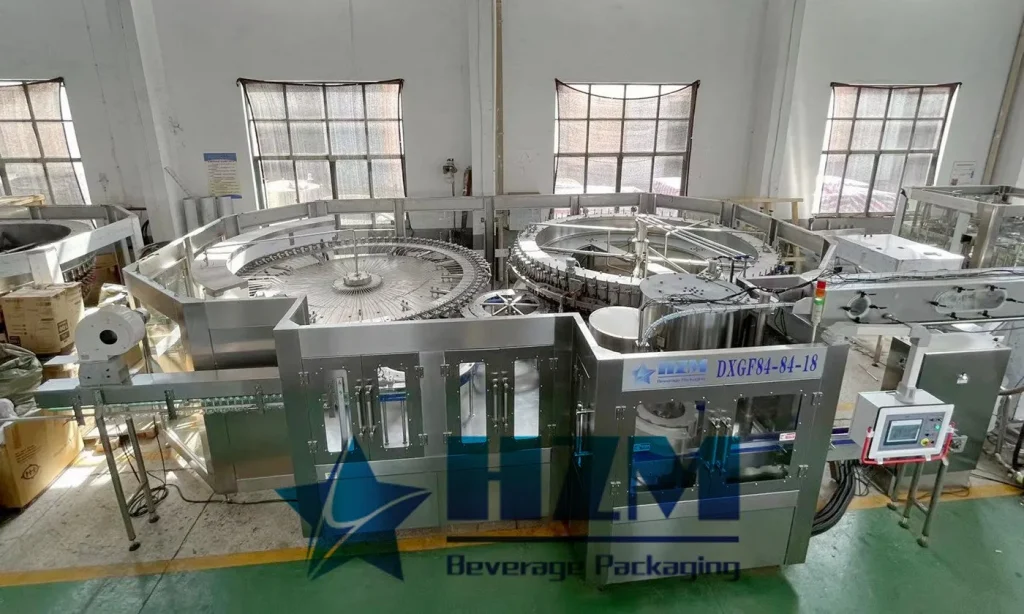
Choosing Between Used and New Carbonated Beverage Filling Machines
When it comes to setting up or expanding your carbonated beverage production line, one of the critical decisions you'll face is whether to invest in a new or used carbonated beverage filling machine. Both options have their advantages and disadvantages, and making the right choice depends on your specific needs and circumstances.
Learn more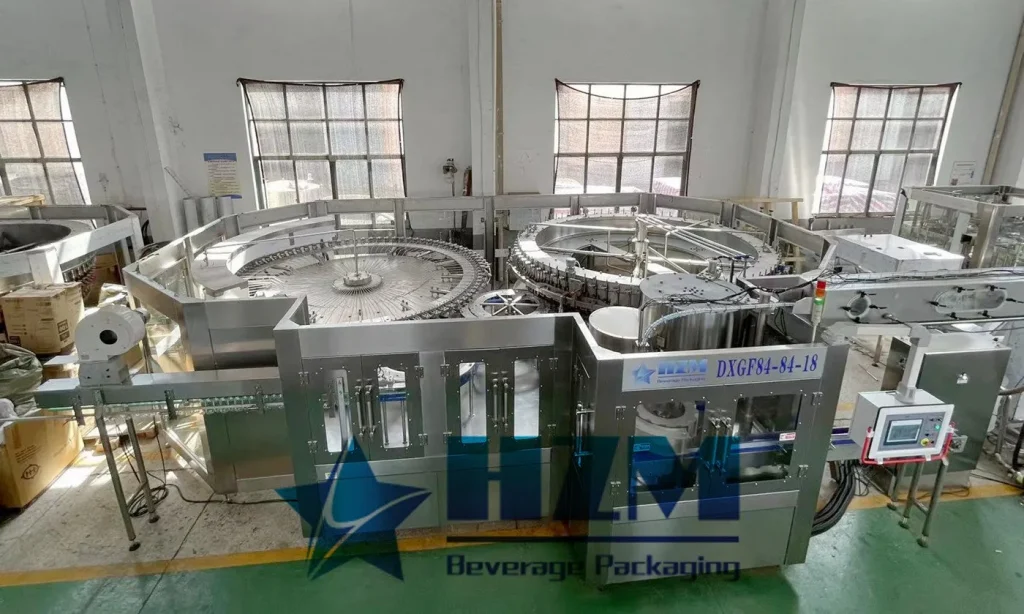
what is carbonated beverage filling machine
A carbonated beverage filling machine is a kind of equipment used for filling carbonated beverages into bottles or other containers. It is typically composed of a number of different components, including a carbon dioxide cylinder, a pressure reducer, a filling valve, a pressure sensor, and a cleaning system.
Learn more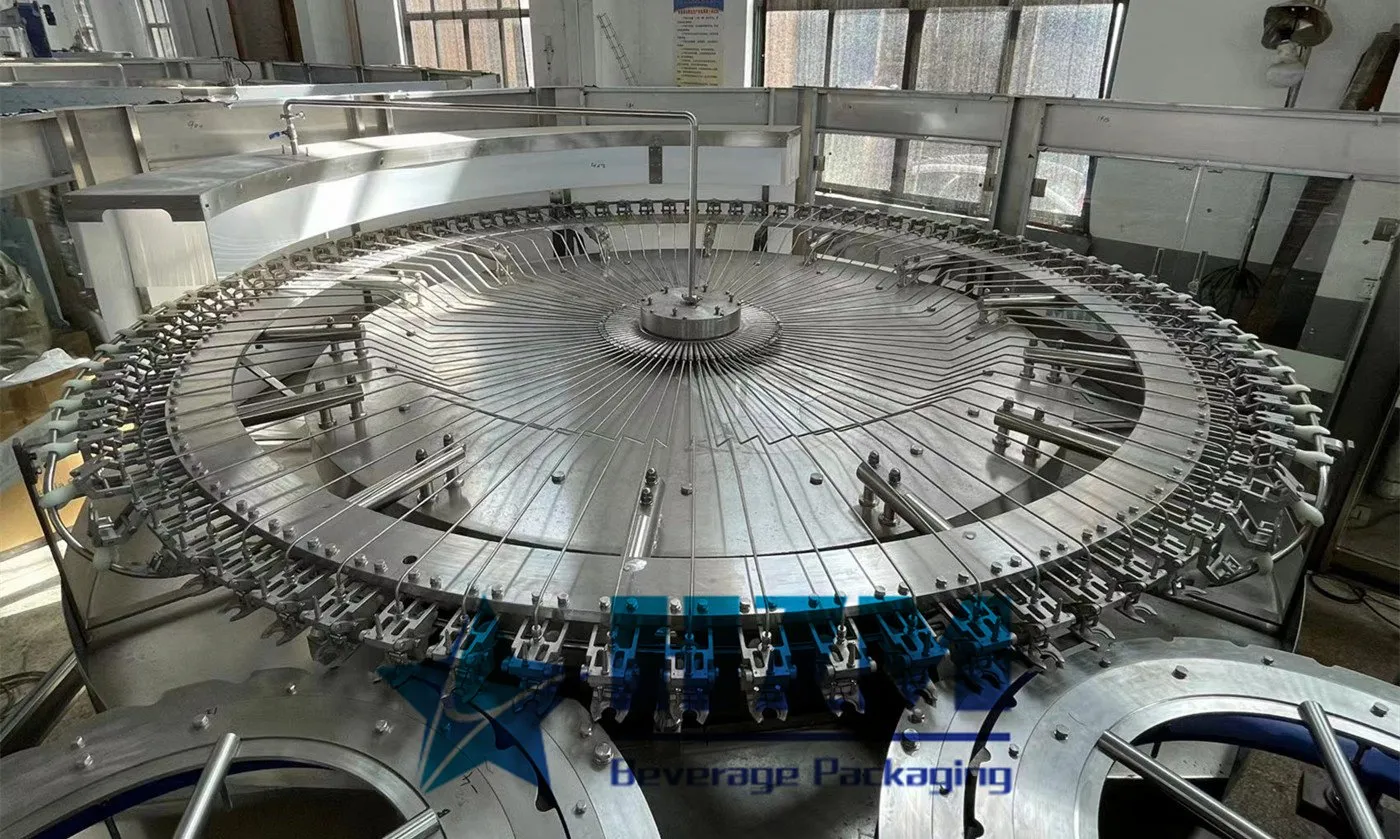
Enhancing Beverage Carbonation Equipment
Beverage carbonation equipment plays a pivotal role in producing both large and small bottled carbonated beverages. Through processes like sugar blending, it crafts preliminary beverages, which are then treated in a soda blending machine. Here, the beverage undergoes deoxygenation, followed by proportional mixing of the original syrup and water. The resulting mixture is then atomized […]
Learn more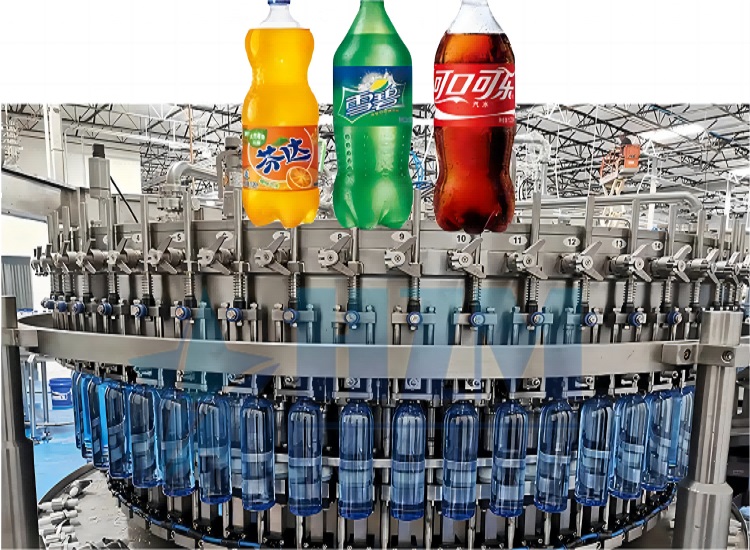
carbonated beverage production equipment solutions
Carbonated beverage production equipment is commonly utilized for the production of carbonated sweetened drinks, commonly known as carbonated beverages or carbonated drinks.
Learn more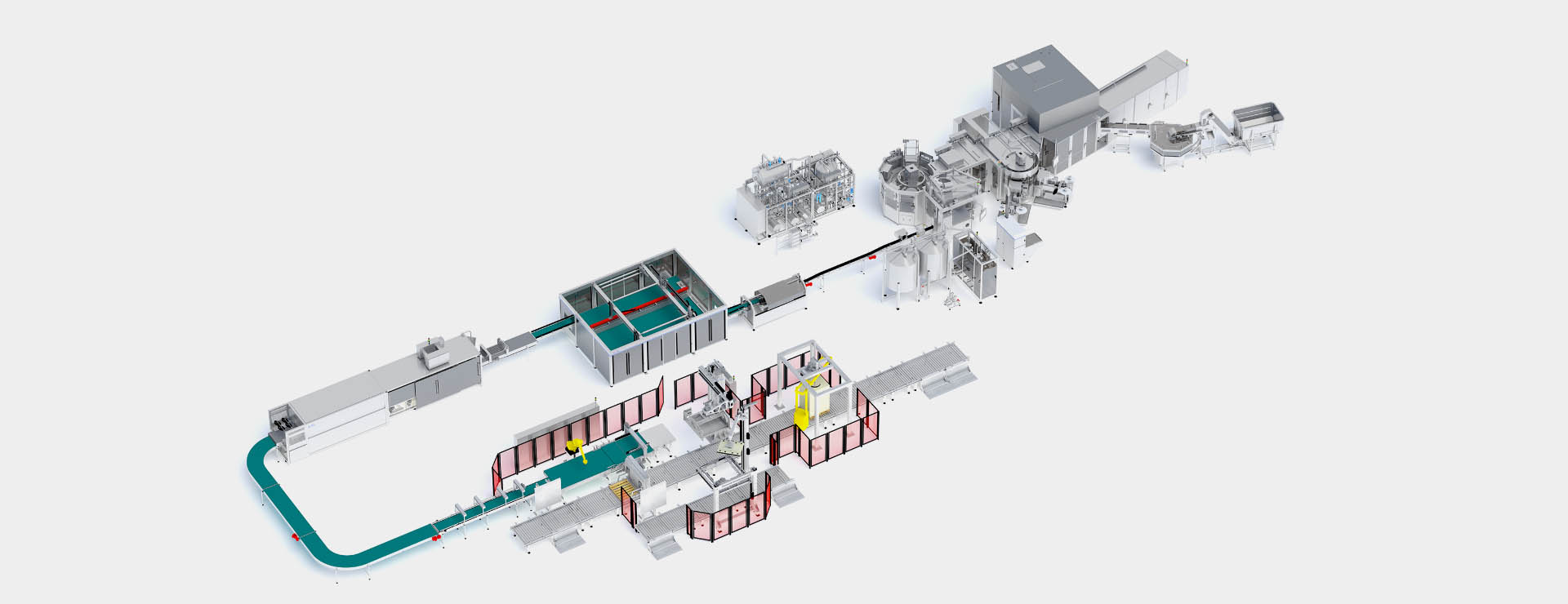
Carbonated Beverage Packaging Machine Solutions
the specific configuration and capabilities of a carbonated beverage packaging machine solution will depend on production scale, packaging type, container size, and other specific requirements. In general, these machines should be carefully selected, configured, and maintained to ensure an efficient carbonated beverage packaging production process.
Learn more