
Insights & Updates
Carbonated Beverage Packaging Machine Solutions
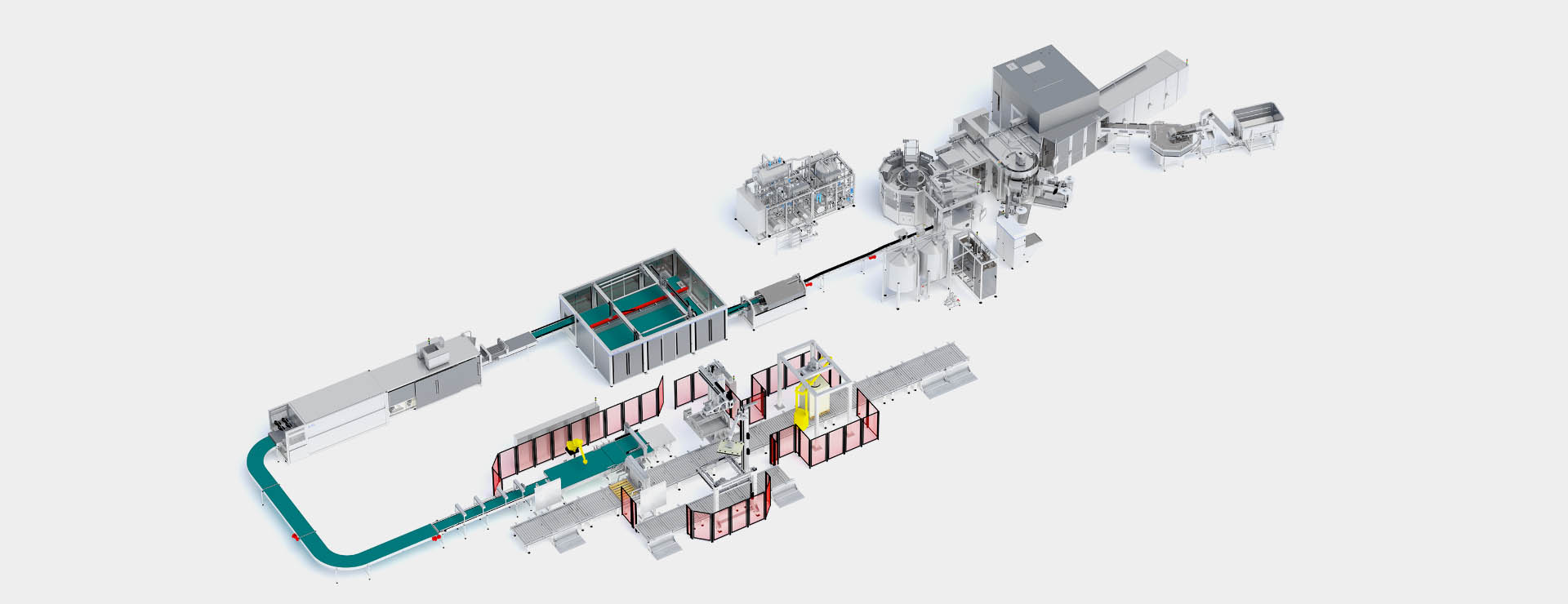
Carbonated Beverage Packaging Machine is used to fill carbonated beverages into bottles, cans, or other containers. We are a comprehensive supplier of carbonated beverage packaging machines that integrates research and development, manufacturing, and sales. Currently, our equipment is exported to more than 30 regions and countries worldwide.
We can provide complete carbonated beverage packaging production line solutions as well as turnkey projects. Furthermore, we have professional after-sales service engineers to support your equipment in the long run.
Here are the components of a typical carbonated beverage packaging machine solution:
Carbonated Beverage Production Line:
This includes the preparation, Water Treatment, Mixing, Filling Machin, Capping, Labeling Machine, Conveyor,Packaging, and carbonation of the carbonated beverages.
1.Water Treatment System:
The equipment in the carbonated beverage production line cannot use hard water or untreated tap water as it can result in scale buildup and affect the taste and shelf life of the beverages. Therefore, softening treatment is necessary to reduce the water hardness. Reverse osmosis filtration can remove over 90% of soluble salts and more than 99% of colloids, microorganisms, microbes, and organic substances. The desalination rate is usually between 98% and 99%, meeting the purity requirements of most industries.
2.Container Cleaning System:
Containers need to be cleaned before filling to ensure they are free of contaminants. This is typically done using an automatic bottle washing machine, which uses high-pressure water or chemical cleaning agents.
3.Co2 Mixer Machine:
This machine is designed for producing various carbonated and fruit-flavored beverages containing CO2. It allows for easy adjustment of production capacity and the mixing ratio of water and syrup. The CO2 mixer is a crucial component of the carbonated beverage production line, designed with five tanks for high mixing accuracy, double carbonation, and high CO2 content.
4.Filling Machine:
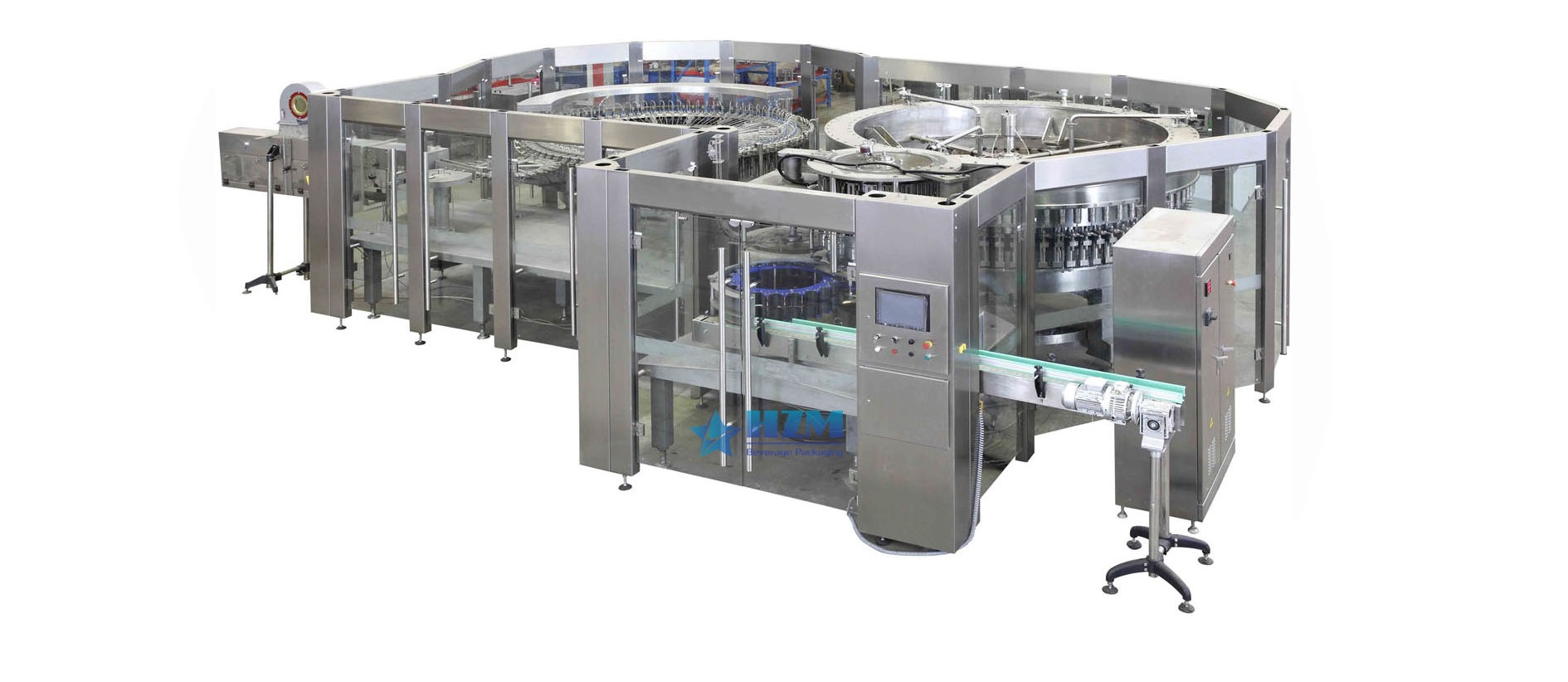
The Carbonated Beverage Filling Machine is a critical piece of equipment in the production of carbonated beverages, specifically designed for the precise and efficient filling of carbonated beverages into bottles, cans, and other containers. It is suitable for various container sizes and types, including beverage bottles, cans, and other commonly used container formats in the industry.
5.Capping and Sealing Machine:
Capping and sealing machines are used to seal bottles or containers. This can include screw capping, pressure capping, sealing, or heat sealing, depending on packaging requirements.
6.Labeling Machine:
The labeling machine is used to apply packaging labels or stickers, including product information, brand logos, and barcodes.
Printing and Coding Machine: This machine is used to print production dates, batch numbers, and other necessary information.
7.Packaging Conveyor System:
Conveyor belts and conveyor systems are used to transport packaged products to the next stage, such as packaging boxes, pallets, or storage.
8.Packaging Machine:
Packaging machines are used to place filled beverage containers into packaging boxes or bags for bulk packaging. High automation in beverage packaging machines can improve production efficiency, reduce manual labor, and lower labor intensity.
In summary, the specific configuration and capabilities of a carbonated beverage packaging machine solution will depend on production scale, packaging type, container size, and other specific requirements. In general, these machines should be carefully selected, configured, and maintained to ensure an efficient carbonated beverage packaging production process.
If you’d like to request a quote for individual equipment or information about the entire production line’s parameters and solutions, please feel free to contact us.
Talk to our engineering team
Need help planning your packaging line?
Share your product, bottle and capacity requirements for a practical equipment recommendation.
Equipment
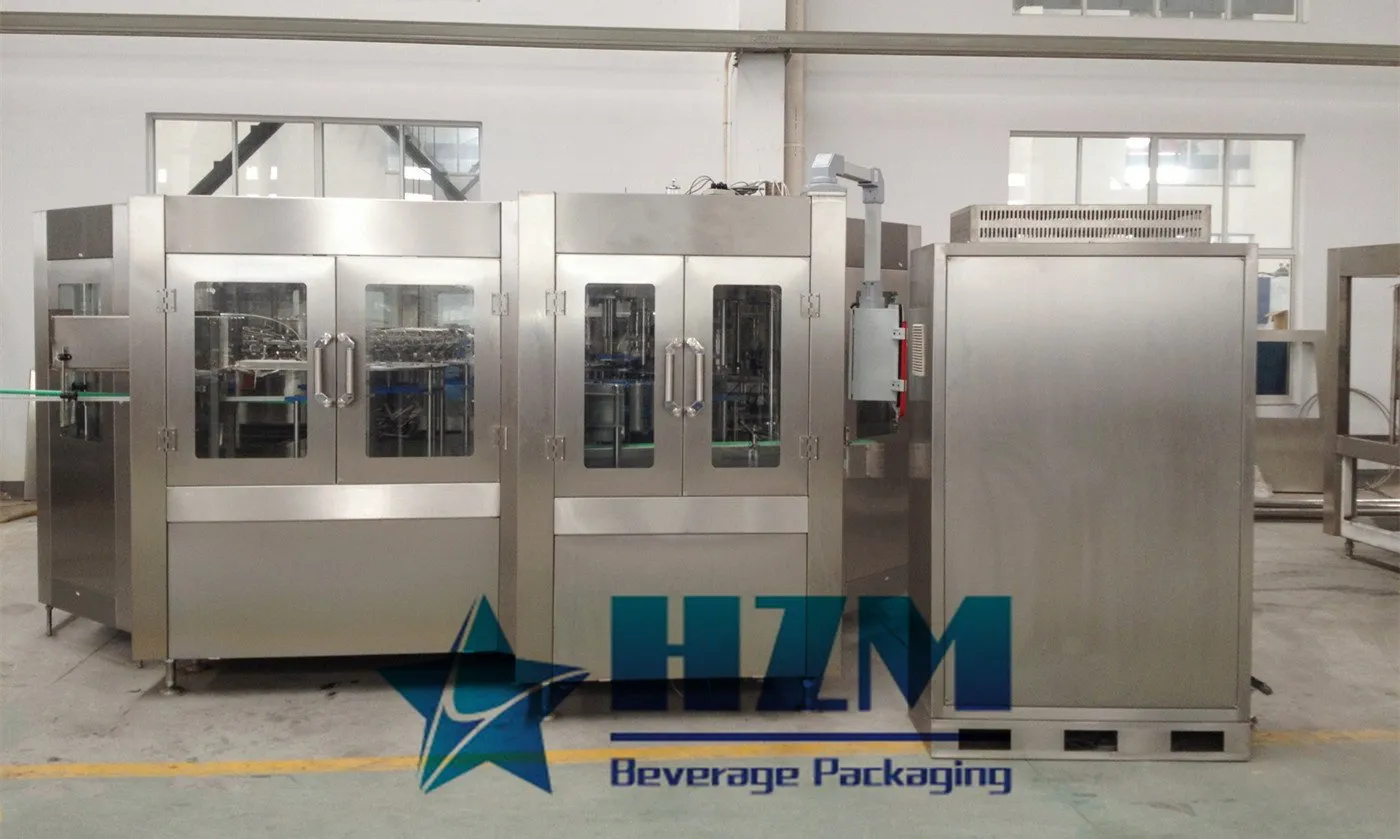
PET Bottle CSD Beverage Filling Machine
Automatic PET bottle rinsing, isobaric filling and capping for cola, soda water and other carbonated soft drinks.
Learn more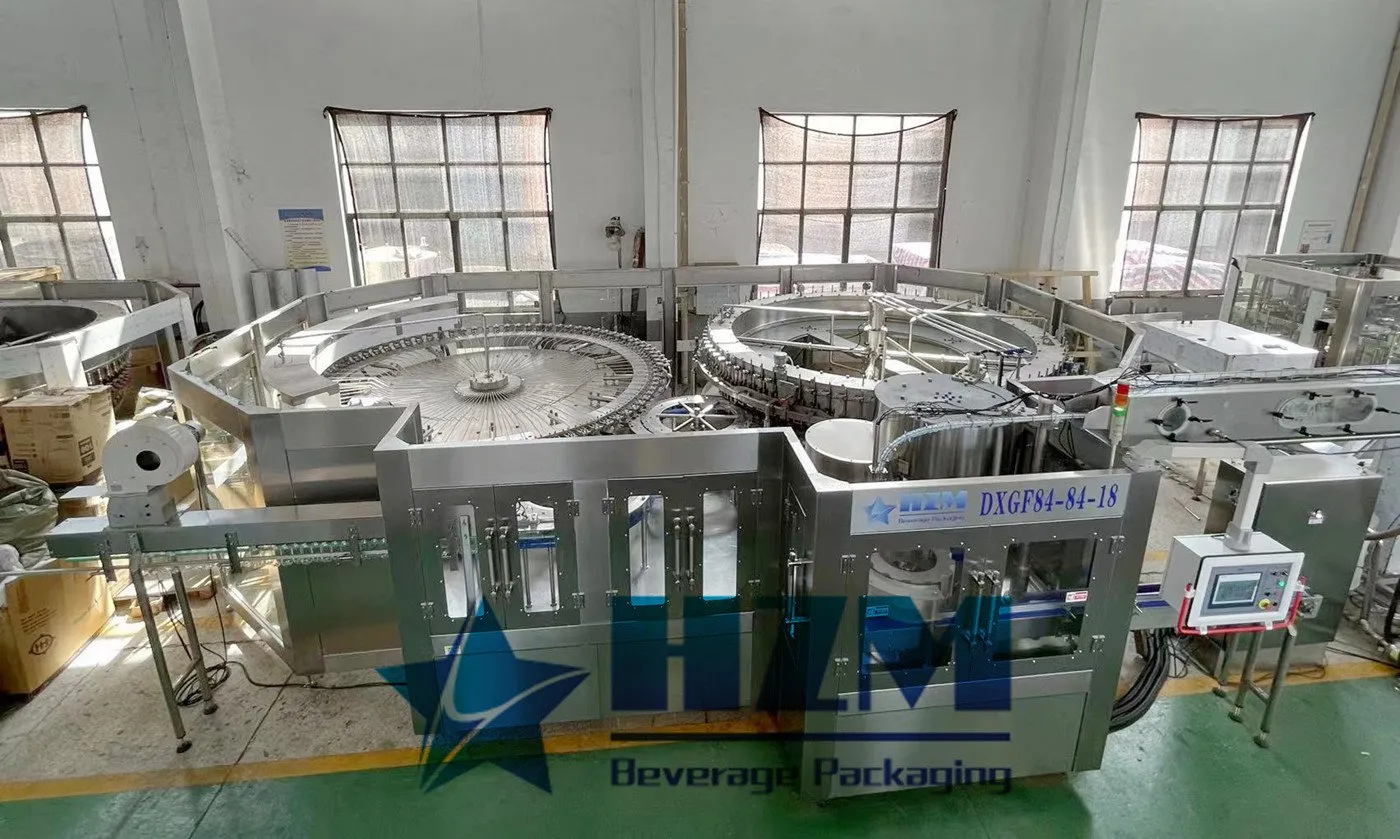
Equipment
Carbonated Drinks Filling Machine
Carbonated drink rinsing, isobaric filling and capping for PET bottles, with capacities of 4,000–36,000 bottles/hour at 500 ml.
Learn more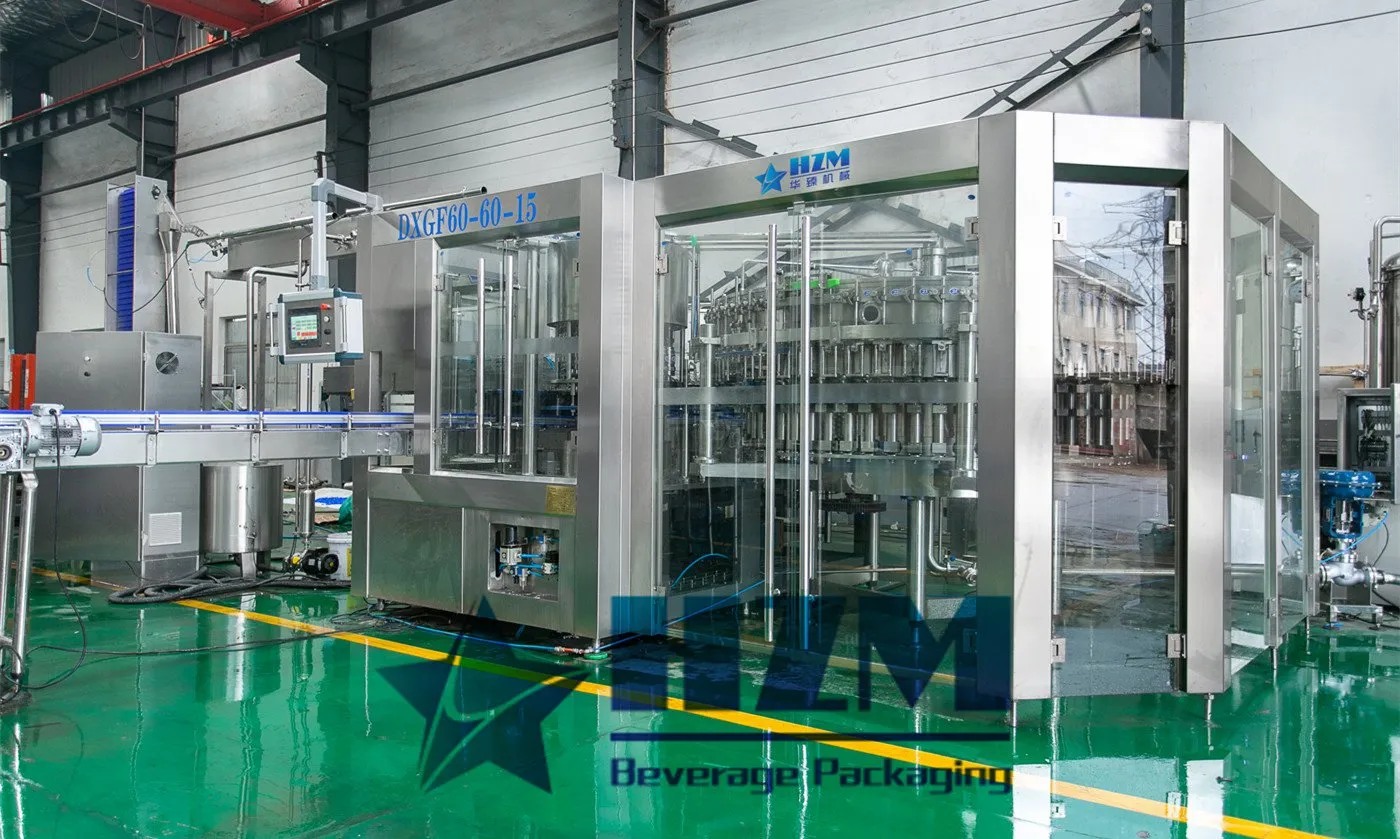
Equipment
Soda Water Filling Machine
Soda water filling equipment with bottle rinsing, isobaric filling and capping for PET-bottled sparkling water.
Learn more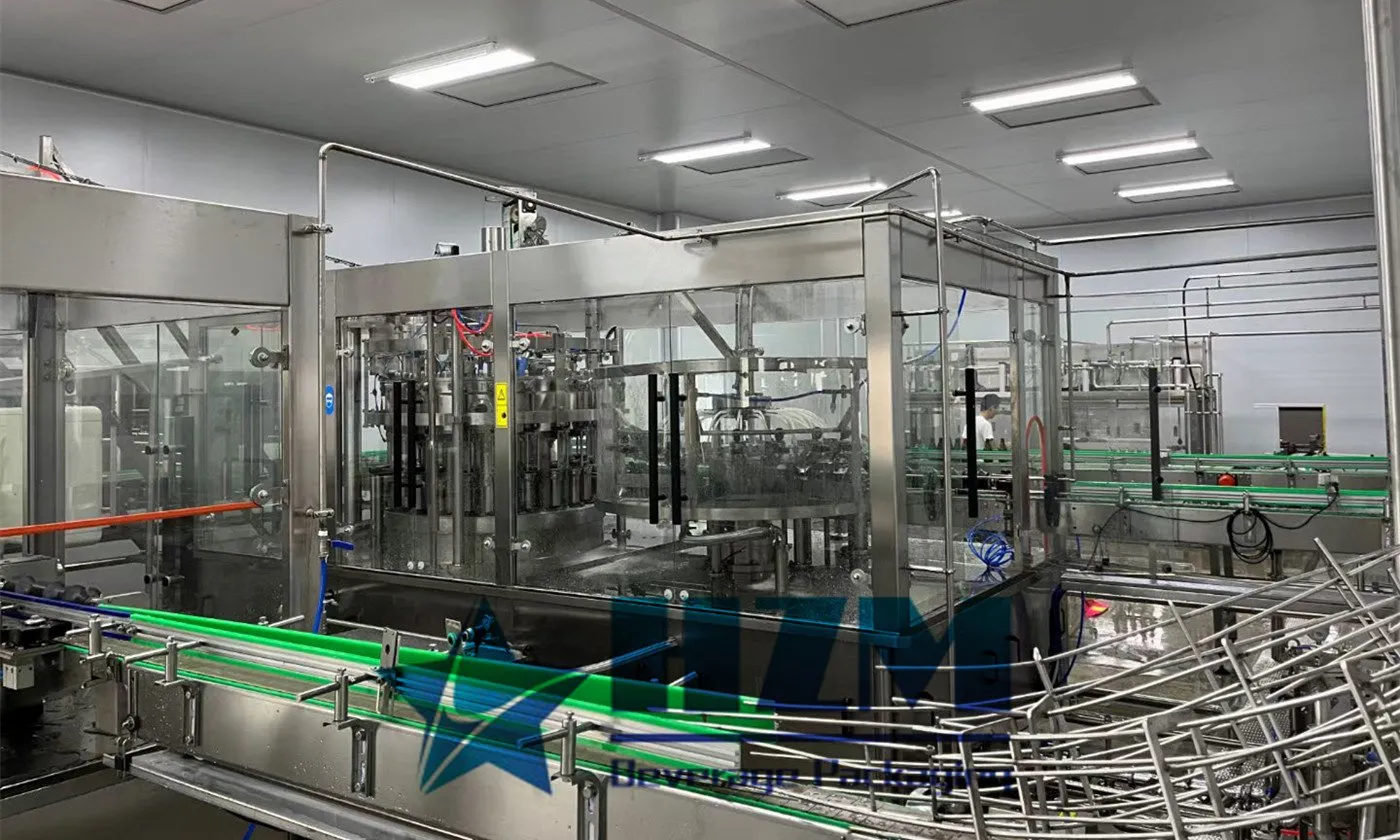
Equipment
CSD Beverage Can Filling Machine
CGS can filling and seaming for carbonated beverages, with capacities of 6,000–36,000 cans/hour at 330 ml.
Learn more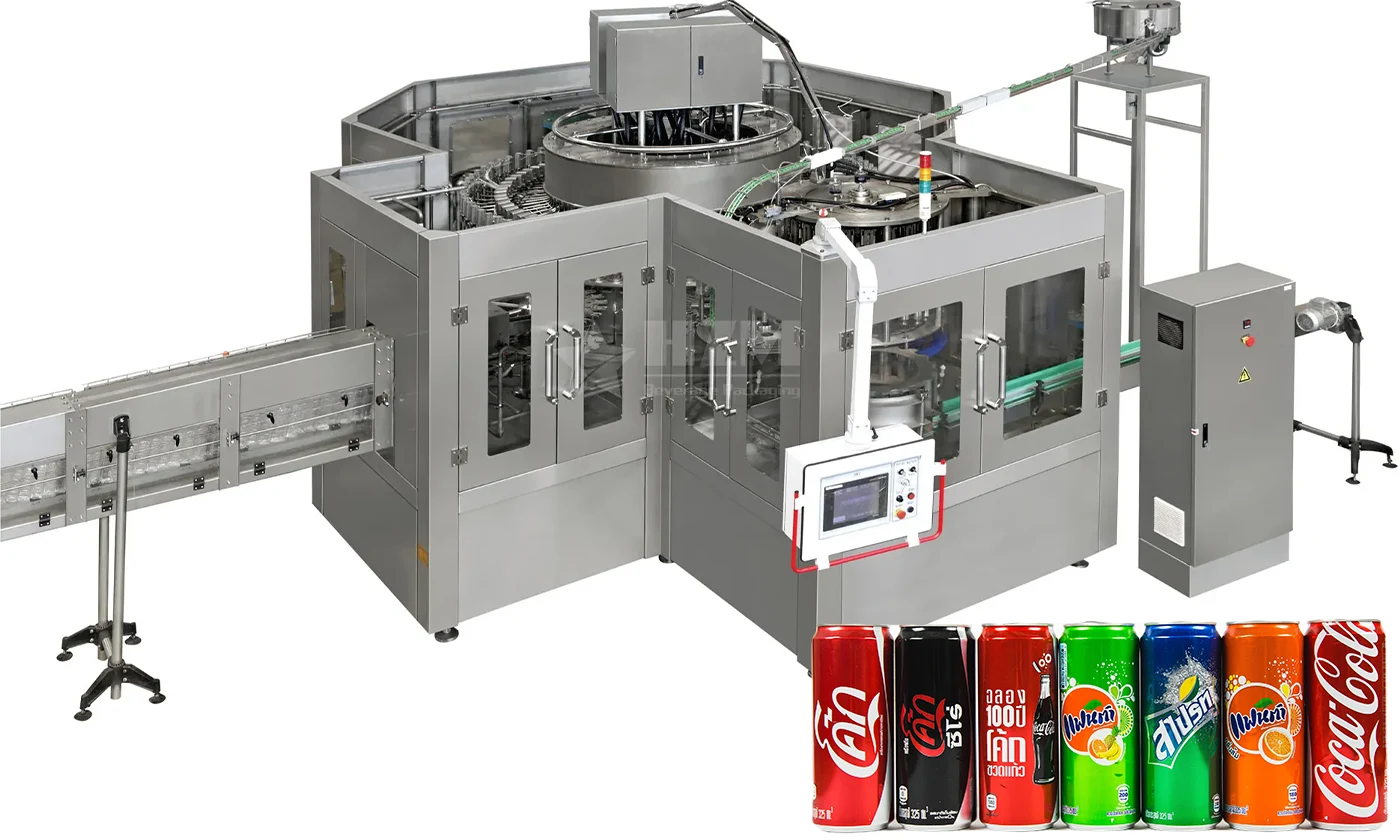
Equipment
Carbonated Beverage Can Filling Machine
Automatic carbonated beverage can filling and seaming, with CGS capacities of 6,000–36,000 cans/hour at 330 ml.
Learn more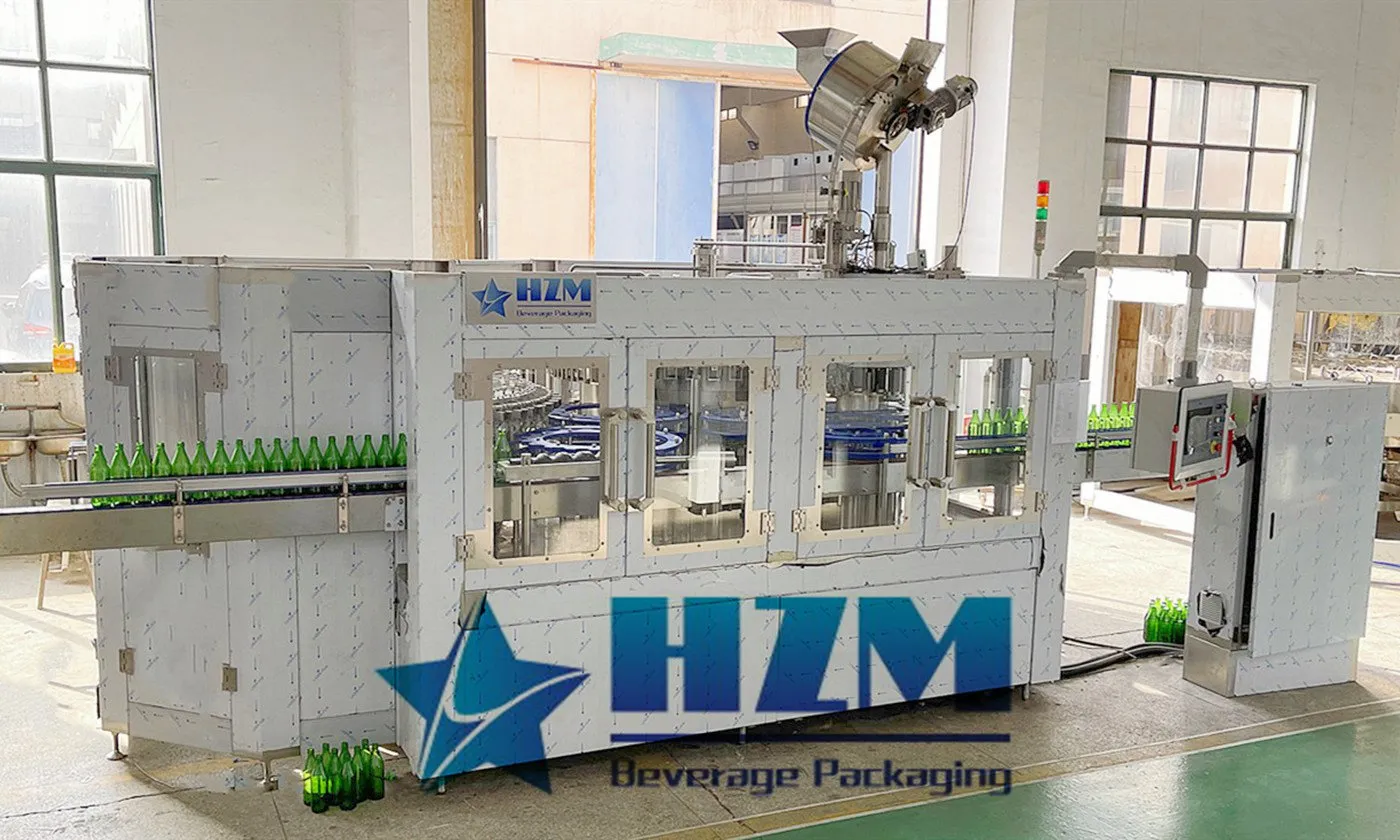
Equipment
Glass Bottle CSD Beverage Filling Machine
Glass bottle filling for carbonated beverages, with isobaric filling and capacities of 2,000–20,000 bottles/hour at 500 ml.
Learn more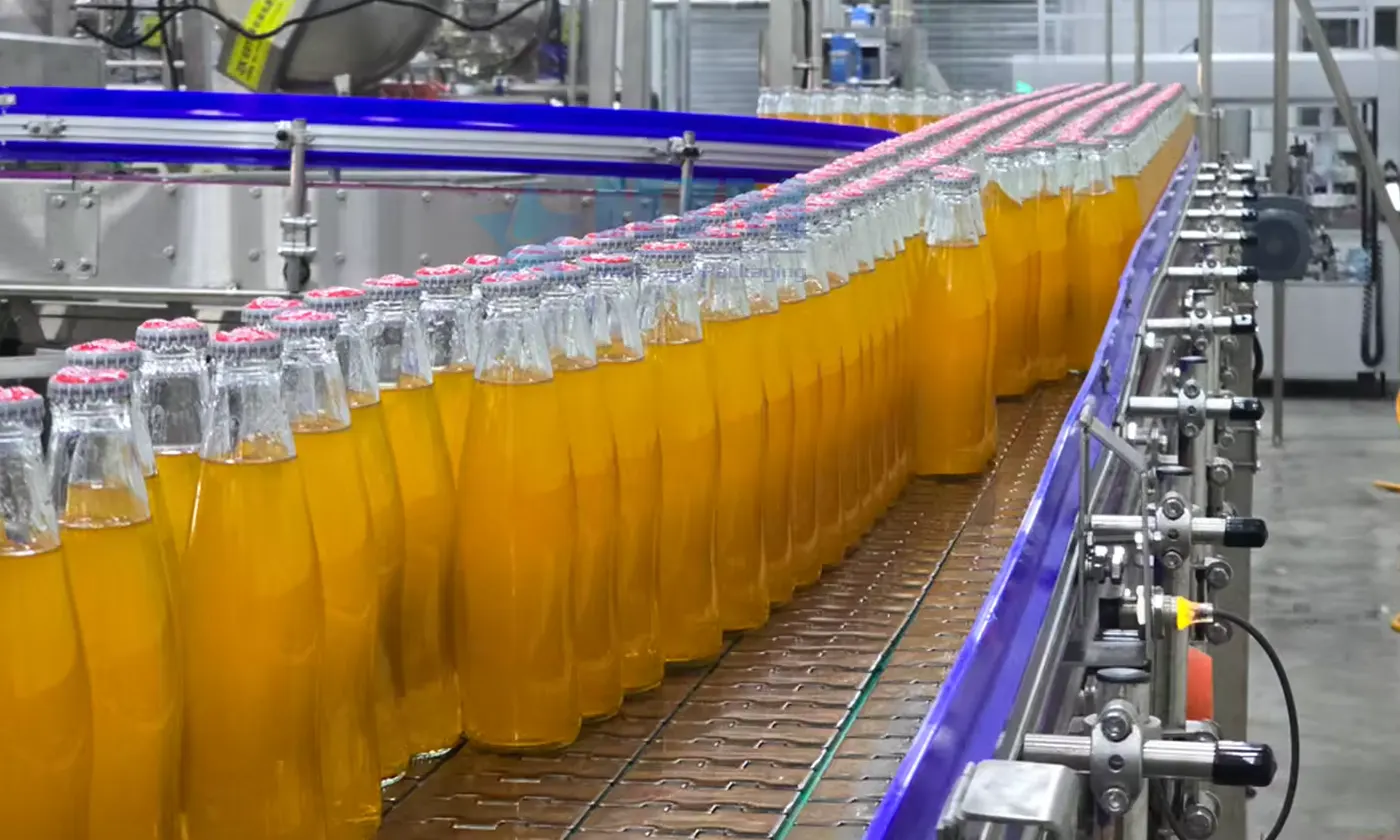
Equipment
Glass Bottle Carbonated Beverage Filling Bottling Line
This glass bottle carbonated beverage line combines bottle rinsing, isobaric filling and capping with conveying, labelling and packing.
Learn more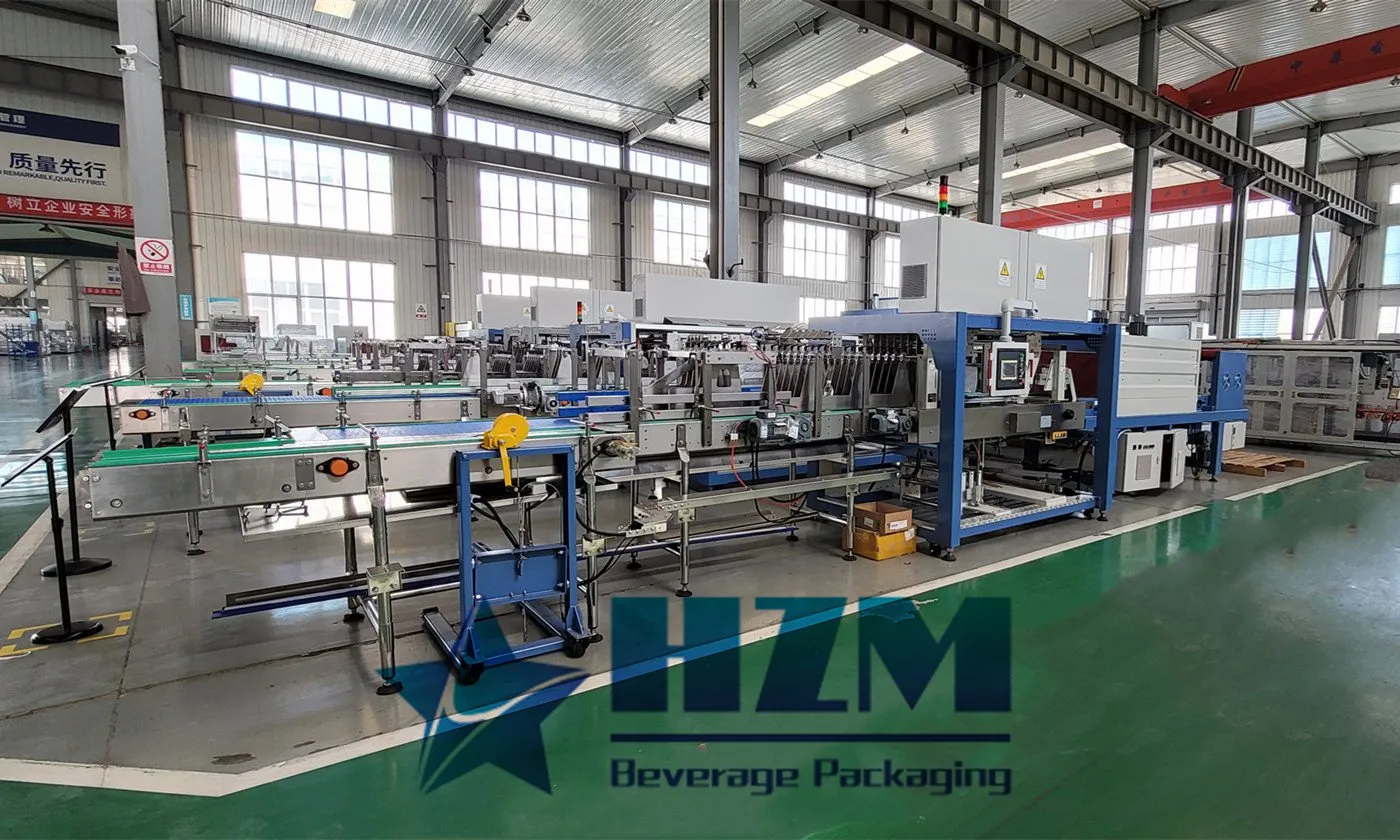
Equipment
Automatic Beverage Packaging Machines – Juice, Soda & Soft Drinks
HZM beverage packaging equipment connects juice, soda and soft drink filling with labelling, coding and secondary packaging.
Learn more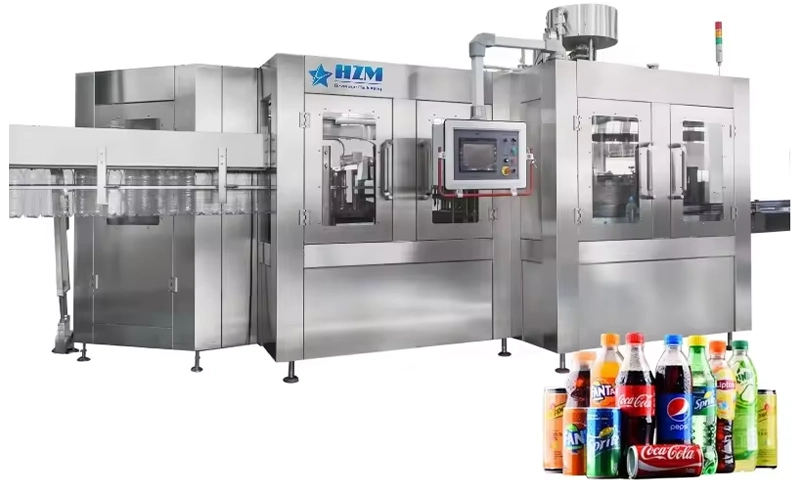
Equipment
Carbonated Soft Drink Filling Machine
Carbonated soft drink rinsing, isobaric filling and capping, with DXGF models from 3,000 to 15,000 bottles/hour at 500 ml.
Learn more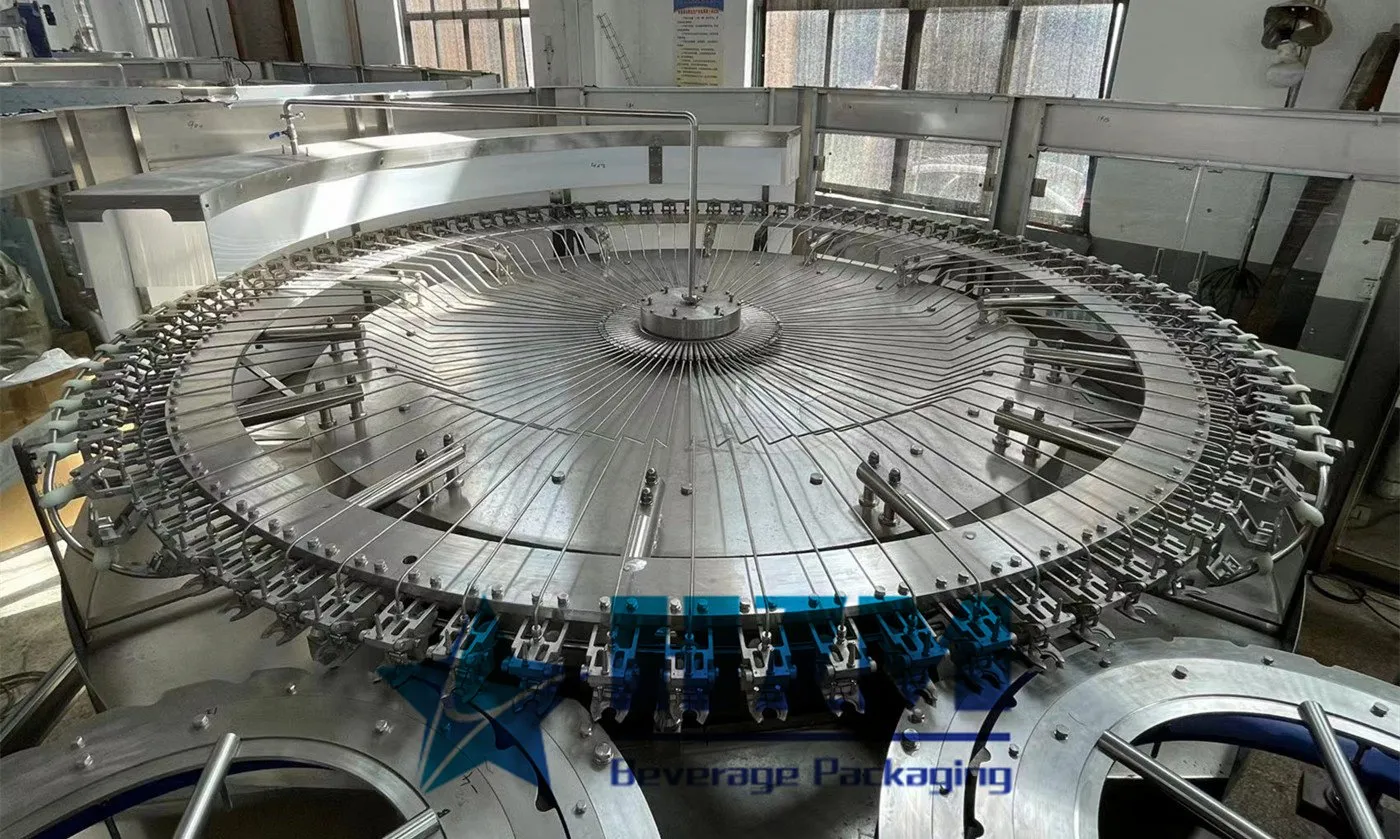
2024-03-29
Enhancing Beverage Carbonation Equipment
Beverage carbonation equipment plays a pivotal role in producing both large and small bottled carbonated beverages. Through processes like sugar blending, it crafts preliminary beverages, which are then treated in a soda blending machine. Here, the beverage undergoes deoxygenation, followed by proportional mixing of the original syrup and water. The resulting mixture is then atomized […]
Learn more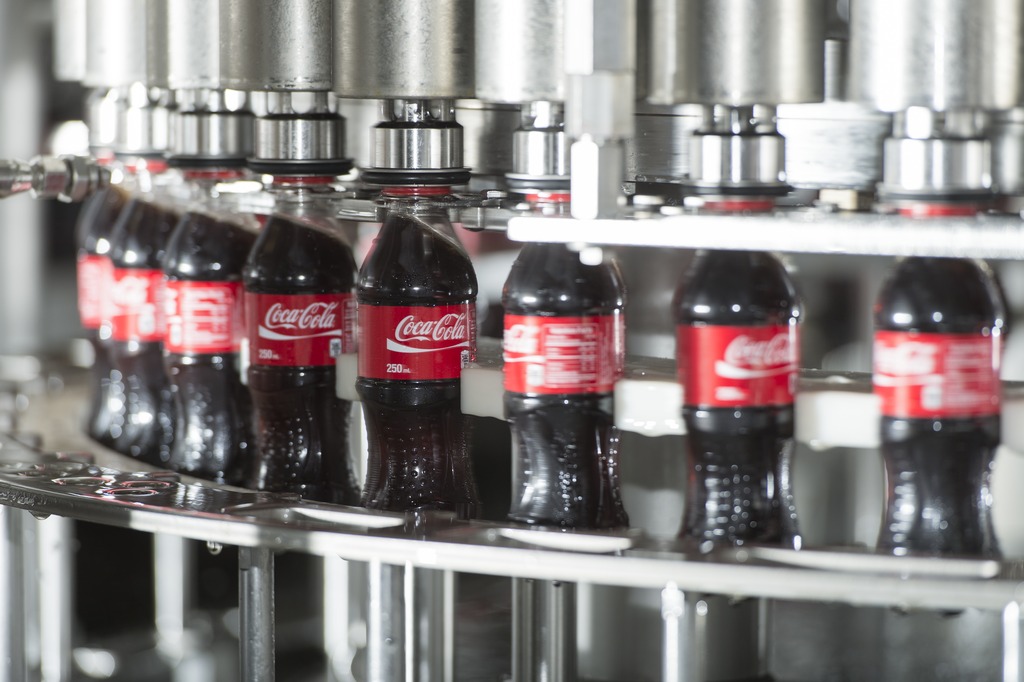
2023-04-22
Carbonated Beverage Filling Machine Solution
Carbonated beverage filling equipment is used for filling sweetened drinks containing carbon dioxide, commonly known as carbonated drinks or carbonated beverages. They typically consist of water
Learn more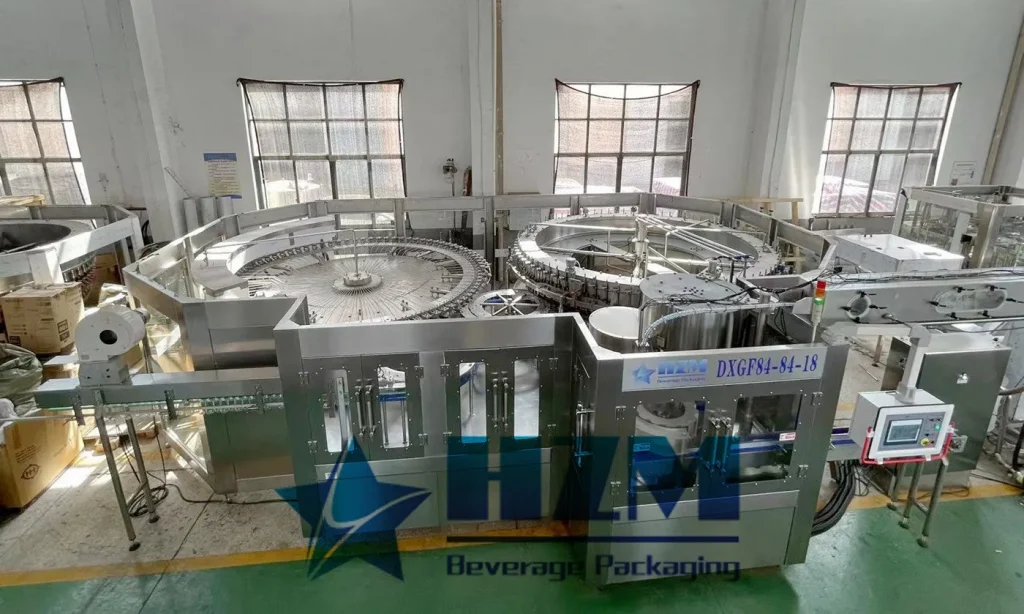
2023-09-22
Choosing Between Used and New Carbonated Beverage Filling Machines
When it comes to setting up or expanding your carbonated beverage production line, one of the critical decisions you'll face is whether to invest in a new or used carbonated beverage filling machine. Both options have their advantages and disadvantages, and making the right choice depends on your specific needs and circumstances.
Learn more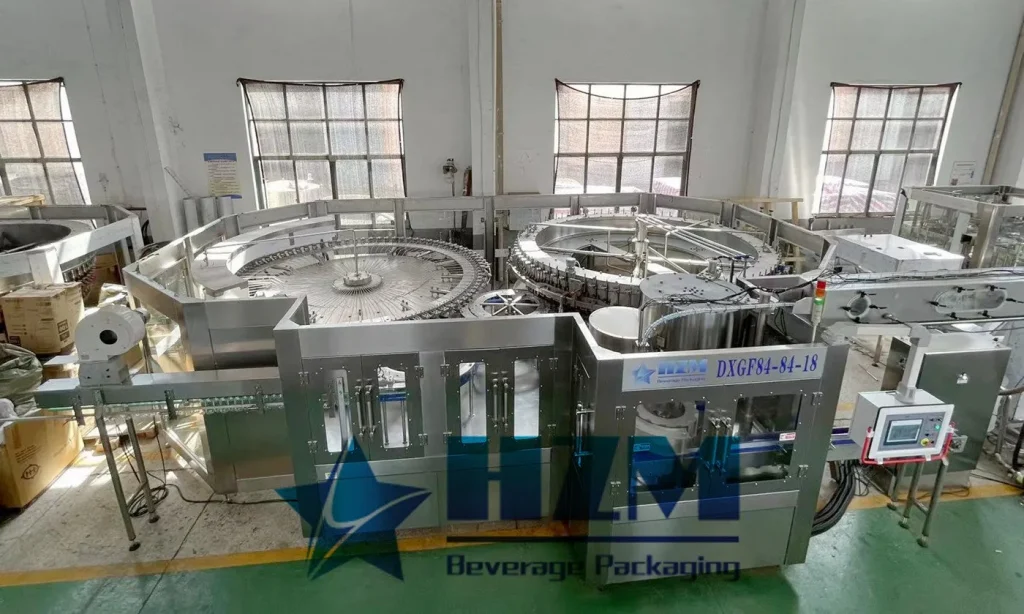
2023-09-25
what is carbonated beverage filling machine
A carbonated beverage filling machine is a kind of equipment used for filling carbonated beverages into bottles or other containers. It is typically composed of a number of different components, including a carbon dioxide cylinder, a pressure reducer, a filling valve, a pressure sensor, and a cleaning system.
Learn more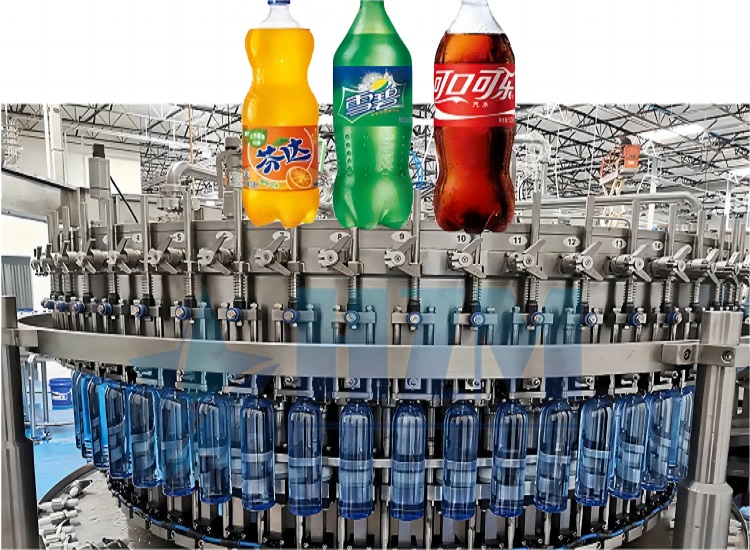
2023-08-18
carbonated beverage production equipment solutions
Carbonated beverage production equipment is commonly utilized for the production of carbonated sweetened drinks, commonly known as carbonated beverages or carbonated drinks.
Learn more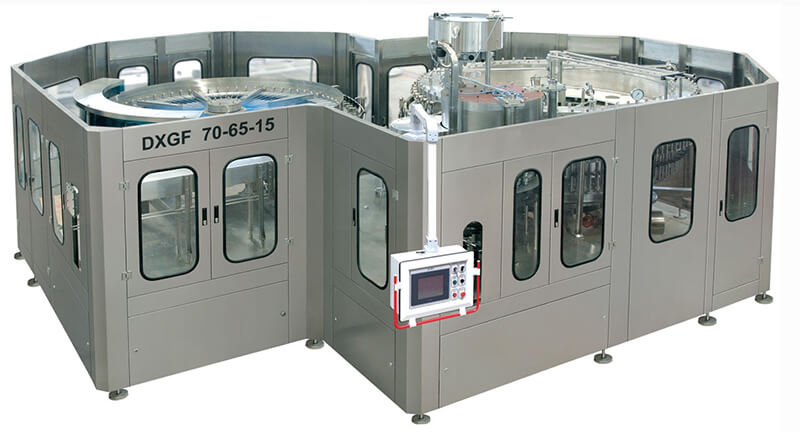
2023-02-19
Important Questions To Consider Before Purchasing Carbonated Filling Machine
When it comes to purchasing a carbonated beverage filling machine, making an informed decision is crucial for efficient production. With various options available in the market, considering specific questions can guide you towards selecting the most suitable machine for your needs.
Learn more