
Insights & Updates
CO2 Mixer Delivers Unstable Carbonation or Brix
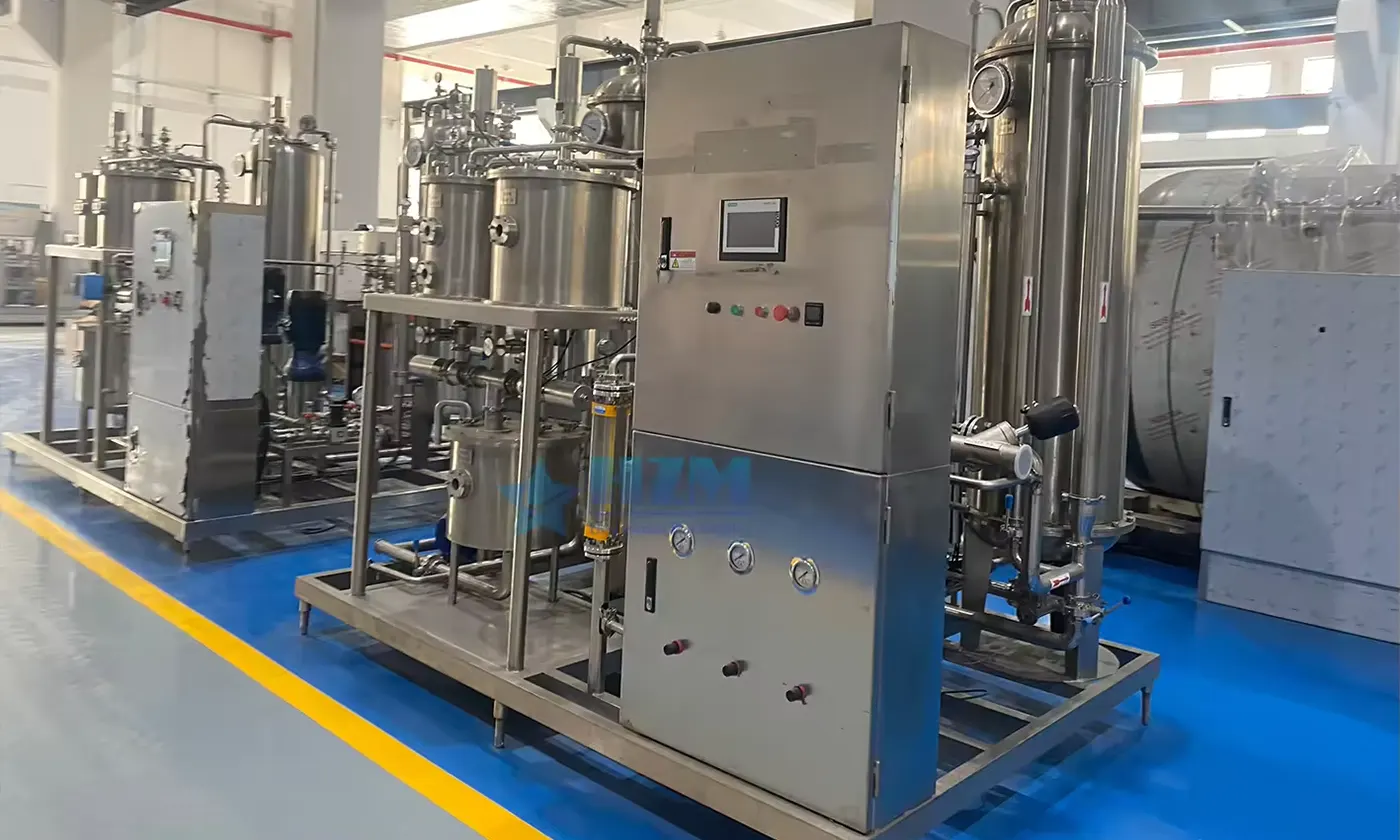
When unstable carbonation or syrup-to-water ratio from a beverage mixer appears, changing the nearest setpoint is tempting but risky. A durable repair starts by retaining samples, capturing the first alarm and separating a local head or lane problem from a line-wide process problem.
Process-system alarms can affect both food safety and finished-product consistency. Temperature, time, flow, concentration, pressure and hygienic state must be evaluated as a connected process rather than as isolated instruments. The objective is not merely to clear the alarm for unstable carbonation or syrup-to-water ratio from a beverage mixer, but to recover a repeatable, verifiable process.
Quick answer: Verify instruments and samples, then trend water and syrup flows, deaeration, product temperature, CO2 pressure, saturator level, pump operation and control-valve response on one timeline.
What operators usually see
Use the following signs to define the boundary of the problem. A head-by-head, lane-by-lane or time-based pattern is especially valuable: For this case, preserve evidence that shows whether cO2 and Brix oscillate together.
- CO2 and Brix oscillate together
- Carbonation falls when product temperature rises
- Mixer outlet pressure surges
- The filler receives bubbles or inconsistent product
Make the equipment safe and protect the product
Place affected product on hold and follow the validated food-safety plan. Isolate heat, pressure, chemicals and rotating equipment before inspection; only an authorized process authority may release product after a critical deviation.
Preserve the batch record and trend temperature, flow, pressure, conductivity or concentration, valve states, recipe version and alarm history from before, during and after the deviation. Explicitly record whether cO2 and Brix oscillate together.
Most likely causes, in practical checking order
1. Ratio-control instability
Flowmeter, valve or supply-pressure variation changes syrup and water proportion To test this explanation without guessing, verify Brix, temperature, pressure and CO2 instruments with approved methods Record the result before moving to the next cause.
2. Poor deaeration or gas transfer
Residual air and inadequate contact reduce predictable CO2 dissolution A practical confirmation step is to trend syrup and water commands and actual flows. Compare the finding with a known-good run.
3. Temperature and pressure outside window
Gas solubility shifts and CO2 breaks out before filling Do not compensate for this condition in the recipe. First, check deaerator vacuum and water condition Keep the original setting and measured result in the fault record.
4. Tank level or pump cycling
Unstable hydraulic conditions disturb mixing and saturation Separate this cause from the others with one controlled check: record CO2 supply, saturator pressure and product temperature Use the same product, format and speed for the comparison.
Step-by-step diagnostic procedure
Follow the sequence in order and preserve each result. Stop if any check would require defeating a guard, interlock or validated food-safety control.
- Verify Brix, temperature, pressure and CO2 instruments with approved methods
- Trend syrup and water commands and actual flows
- Check deaerator vacuum and water condition
- Record CO2 supply, saturator pressure and product temperature
- Inspect pump suction and tank-level control for cycling
- Take synchronized mixer-outlet and filler-inlet samples
Corrective actions that address the root cause
The repair must remove the mechanism, not hide its alarm. Use specified hygienic and safety-rated parts and record every change.
- Calibrate and stabilize ratio meters and valves
- Restore deaeration and gas-transfer condition
- Correct cooling and CO2 pressure regulation
- Repair level, pump and hydraulic instability
How to verify the repair before full-speed production
A successful no-load cycle is not enough. Use the actual product and package, sample every relevant head or lane, and verify this condition: Confirm that unstable carbonation or syrup-to-water ratio from a beverage mixer is absent for multiple consecutive cycles, not only for one sample. Review the alarm history and keep diagnostic product segregated until the site’s quality procedure releases it.
- Confirm that unstable carbonation or syrup-to-water ratio from a beverage mixer is absent for multiple consecutive cycles, not only for one sample.
- Compare the repaired result for “CO2 and Brix oscillate together” with the approved quality limit and the last known-good baseline.
- Check adjacent stations and downstream package quality for side effects associated with ratio-control instability.
- For “CO2 Mixer Delivers Unstable Carbonation or Brix”, record the final settings, measurements, parts used and restart authorization.
Prevent the problem from returning
Use the repair evidence to improve the control plan. The following actions make recurrence visible early:
- Trend material balance and CO2 pickup
- Calibrate related instruments together
- Maintain deaeration and gas paths
- Control product temperature
- Use stop and restart quality checks
When to stop troubleshooting and call a specialist
Stop and contact the machine or component supplier when unstable carbonation or syrup-to-water ratio from a beverage mixer cannot be isolated with non-invasive checks, when it returns after an approved repair, or when calibration requires protected service tools. Specialist support is also required when the same protective fault returns after an approved repair or structural damage is suspected. Send the service engineer the fault history, photos, samples, trend data, recipe revision and work already completed.
Relevant equipment for this application
For a project-level comparison related to unstable carbonation or syrup-to-water ratio from a beverage mixer, see HZM Machinery’s Carbonated Drink Co2 Mixer Machine. Use actual product, container and utility data when evaluating whether the configuration fits the duty.
Frequently asked questions
What should be checked first when unstable carbonation or syrup-to-water ratio from a beverage mixer?
Verify instruments and samples, then trend water and syrup flows, deaeration, product temperature, CO2 pressure, saturator level, pump operation and control-valve response on one timeline. Preserve the original settings and take representative samples before repair work begins.
How can we distinguish ratio-control instability from poor deaeration or gas transfer?
Flowmeter, valve or supply-pressure variation changes syrup and water proportion In contrast, residual air and inadequate contact reduce predictable CO2 dissolution Compare the two mechanisms under the same operating condition by completing these checks: verify Brix, temperature, pressure and CO2 instruments with approved methods Then trend syrup and water commands and actual flows
Can production continue while unstable carbonation or syrup-to-water ratio from a beverage mixer?
Only when the plant’s documented risk assessment and quality procedure allow it. For unstable carbonation or syrup-to-water ratio from a beverage mixer, stop and segregate production when package integrity, sanitation, validated processing, pressure safety, electrical protection or an uncontrolled reject trend is involved.
What evidence will help the equipment supplier respond faster?
Provide the model and serial number, product and format, target speed, first fault, timestamps, photos or video, affected station pattern and maintenance history. For this issue, also include cO2 and Brix oscillate together and the measured result from this check: take synchronized mixer-outlet and filler-inlet samples
Talk to our engineering team
Need help planning your packaging line?
Share your product, bottle and capacity requirements for a practical equipment recommendation.
Equipment
Carbonated Drink Co2 Mixer Machine
The CO2 mixer blends beverage ingredients and carbonates the drink before filling.
Learn more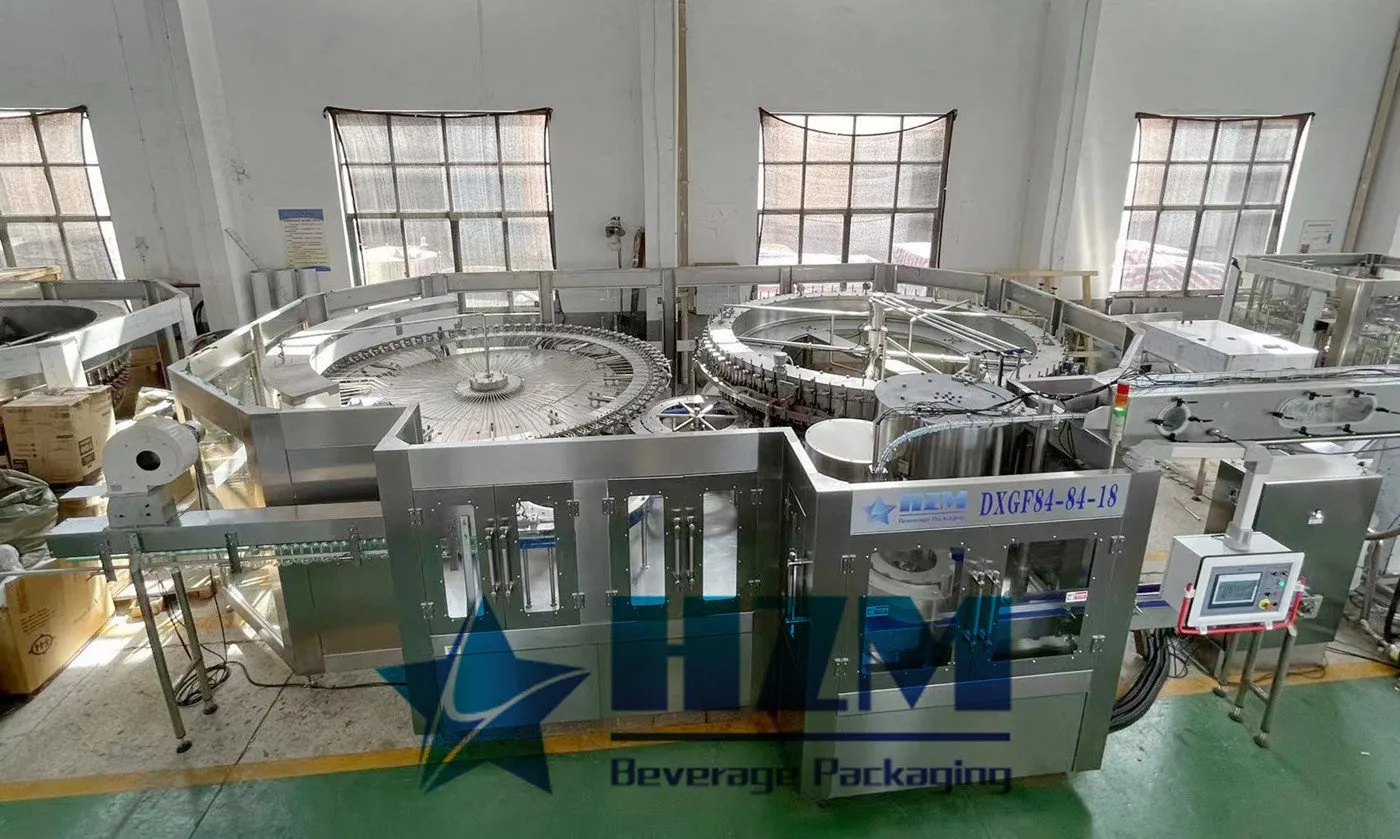
Equipment
Carbonated Drinks Filling Machine
Carbonated drink rinsing, isobaric filling and capping for PET bottles, with capacities of 4,000–36,000 bottles/hour at 500 ml.
Learn more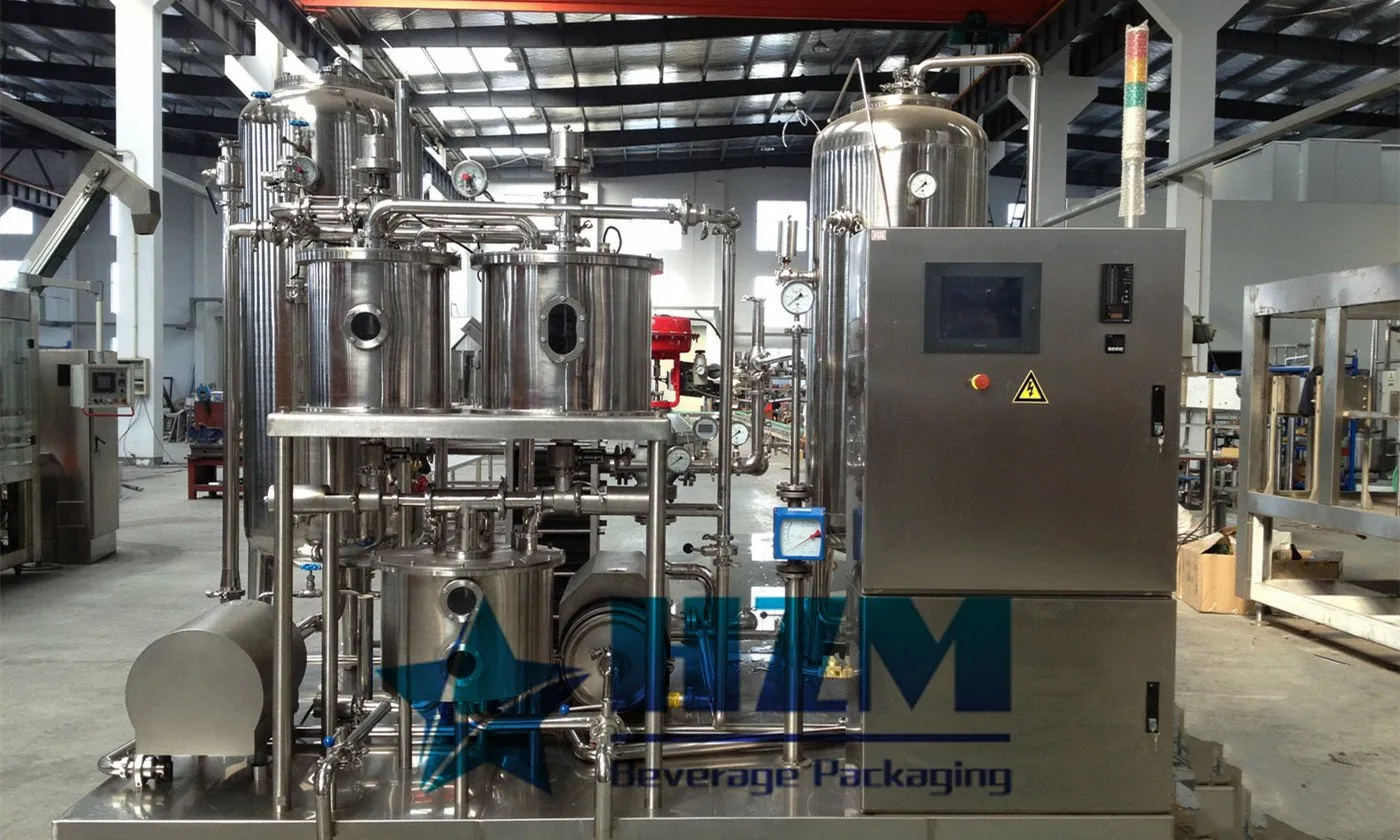
Equipment
CO2 Saturator | Co2 mixer machine
Five-tank beverage mixing and carbonation system for soda water and soft drinks, with capacities of 4–20 tonnes/hour.
Learn more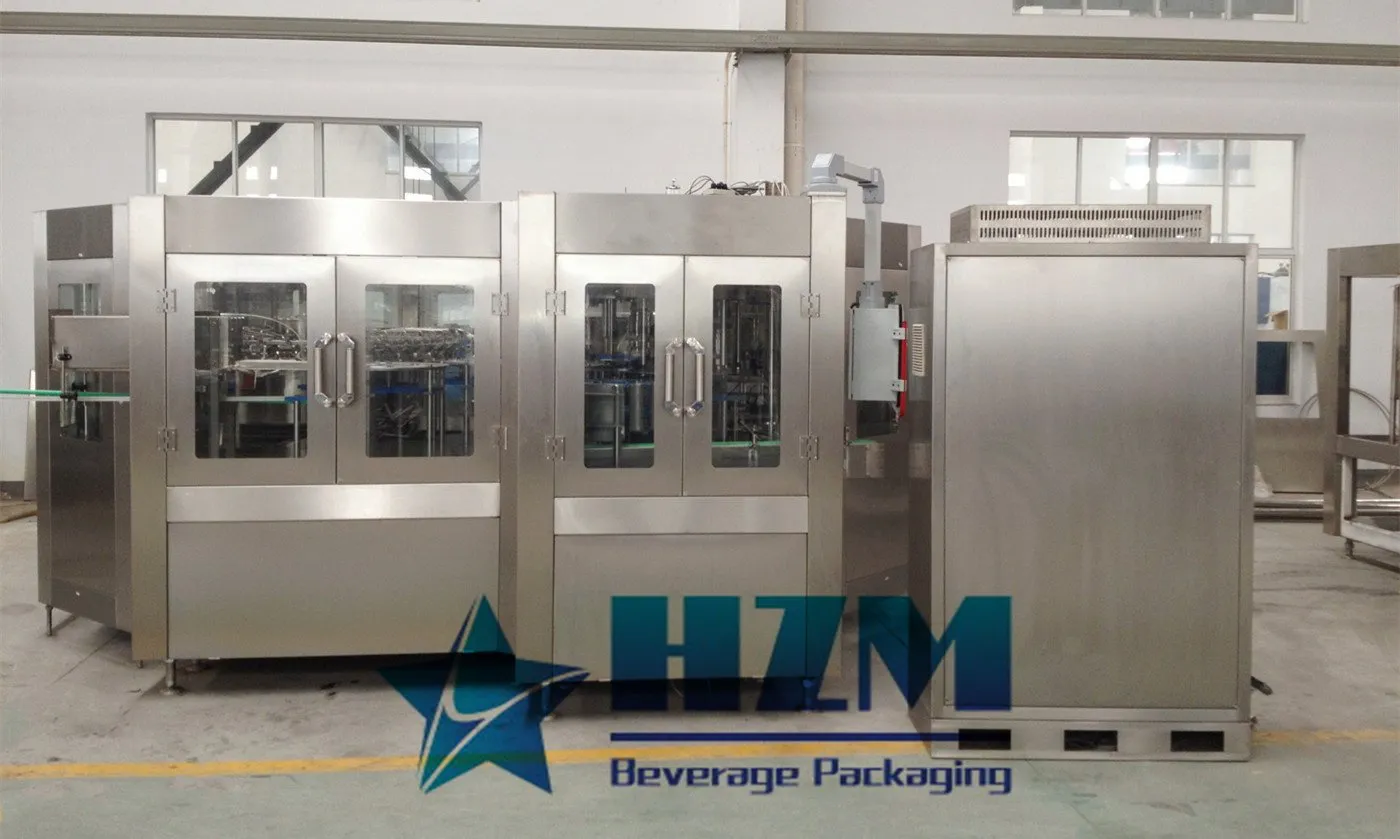
Equipment
PET Bottle CSD Beverage Filling Machine
Automatic PET bottle rinsing, isobaric filling and capping for cola, soda water and other carbonated soft drinks.
Learn more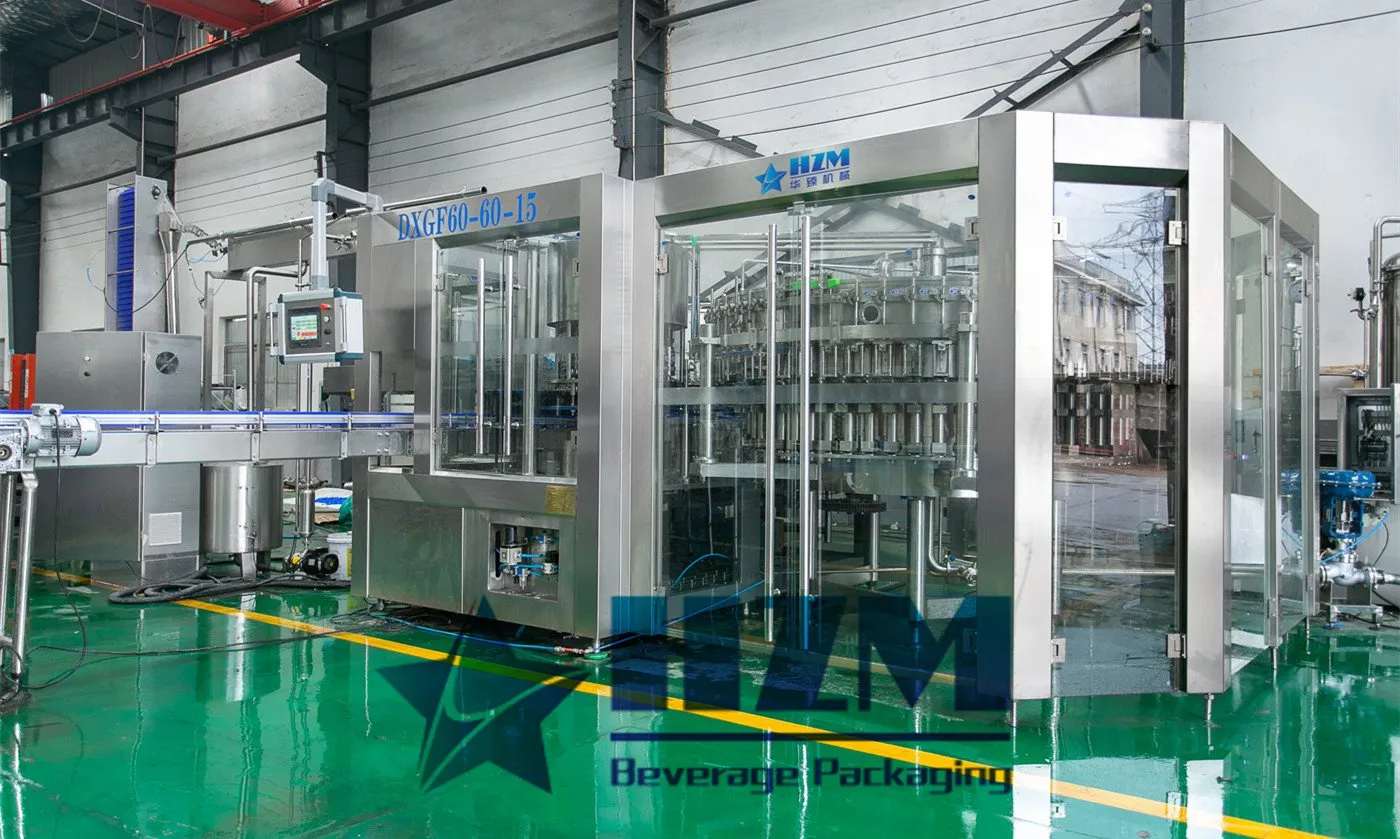
Equipment
Soda Water Filling Machine
Soda water filling equipment with bottle rinsing, isobaric filling and capping for PET-bottled sparkling water.
Learn more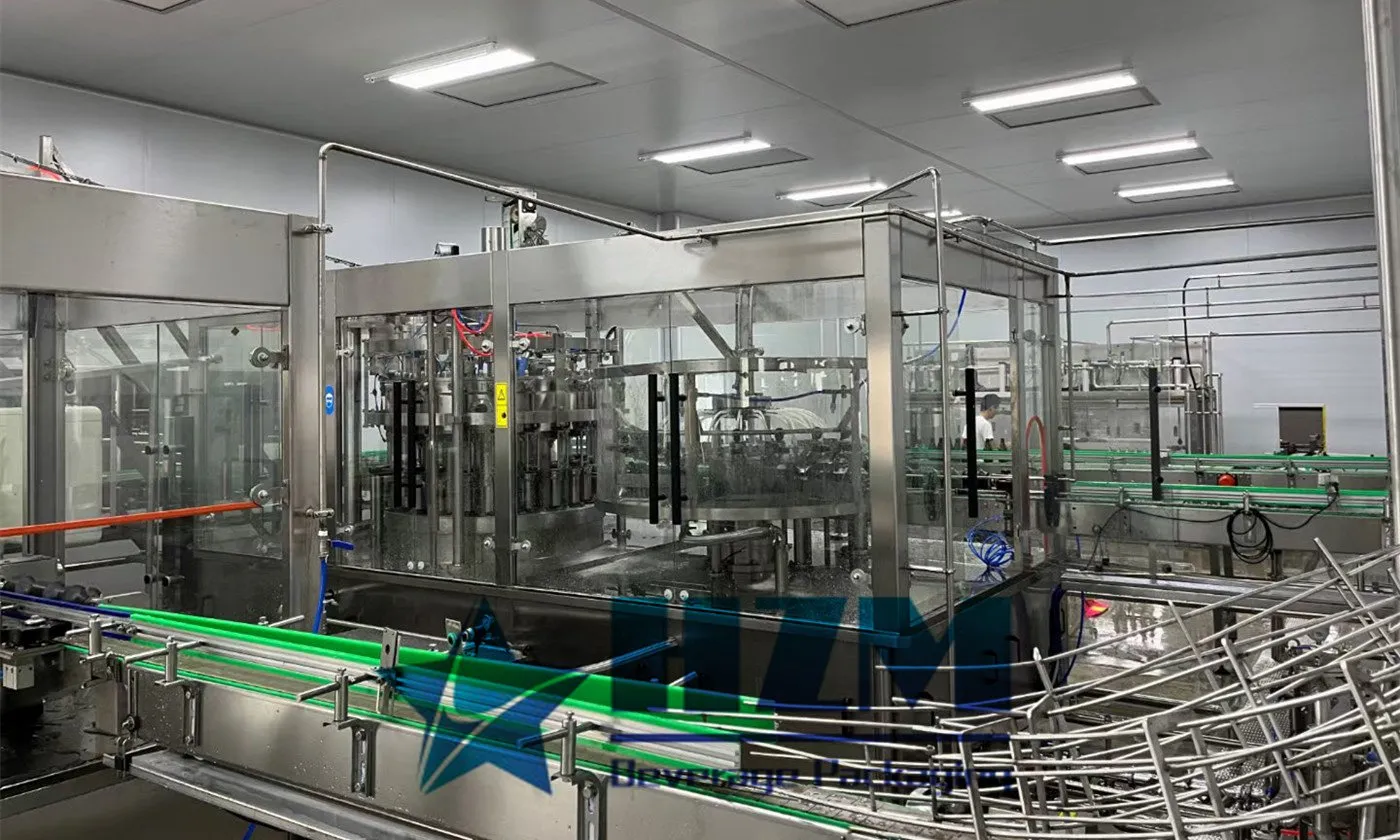
Equipment
CSD Beverage Can Filling Machine
CGS can filling and seaming for carbonated beverages, with capacities of 6,000–36,000 cans/hour at 330 ml.
Learn more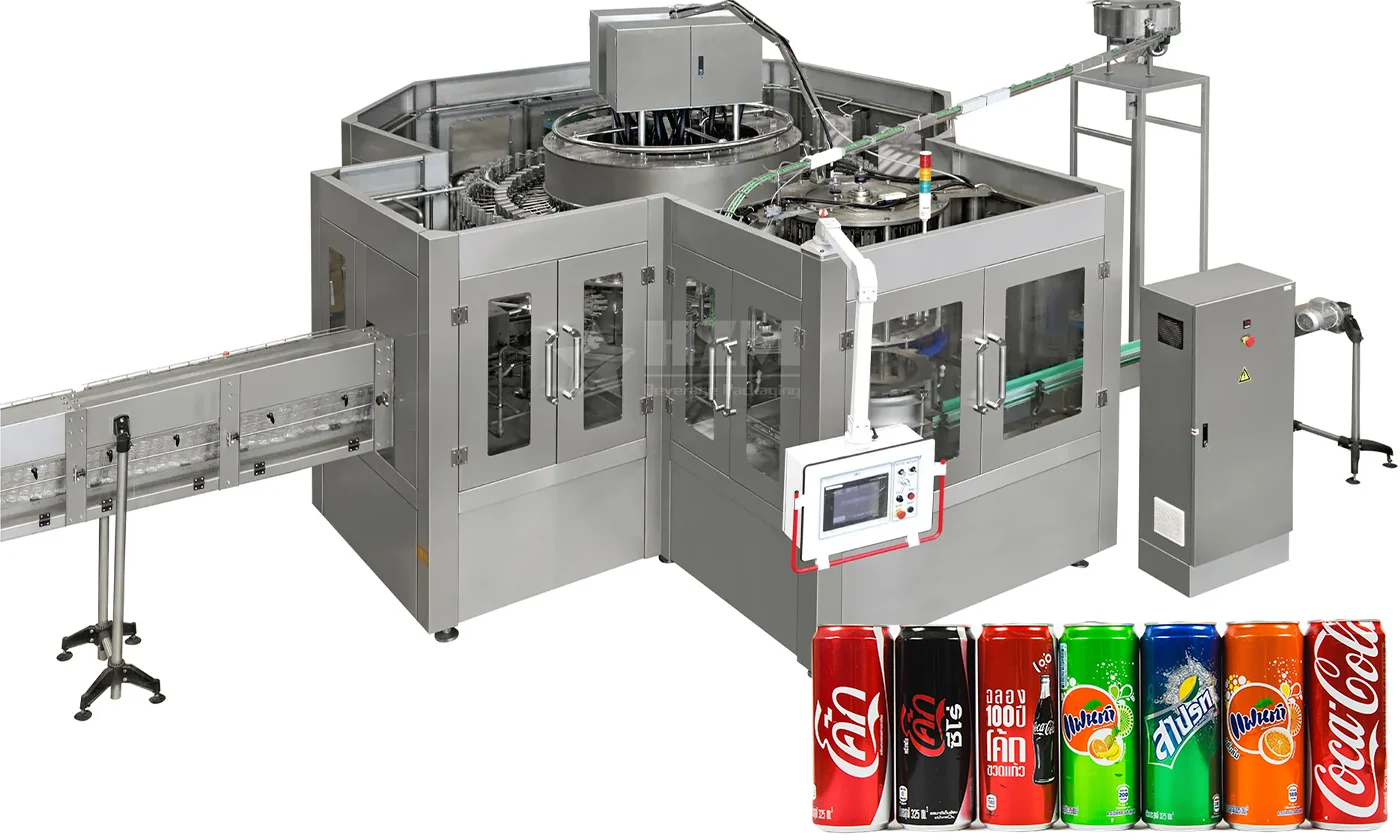
Equipment
Carbonated Beverage Can Filling Machine
Automatic carbonated beverage can filling and seaming, with CGS capacities of 6,000–36,000 cans/hour at 330 ml.
Learn more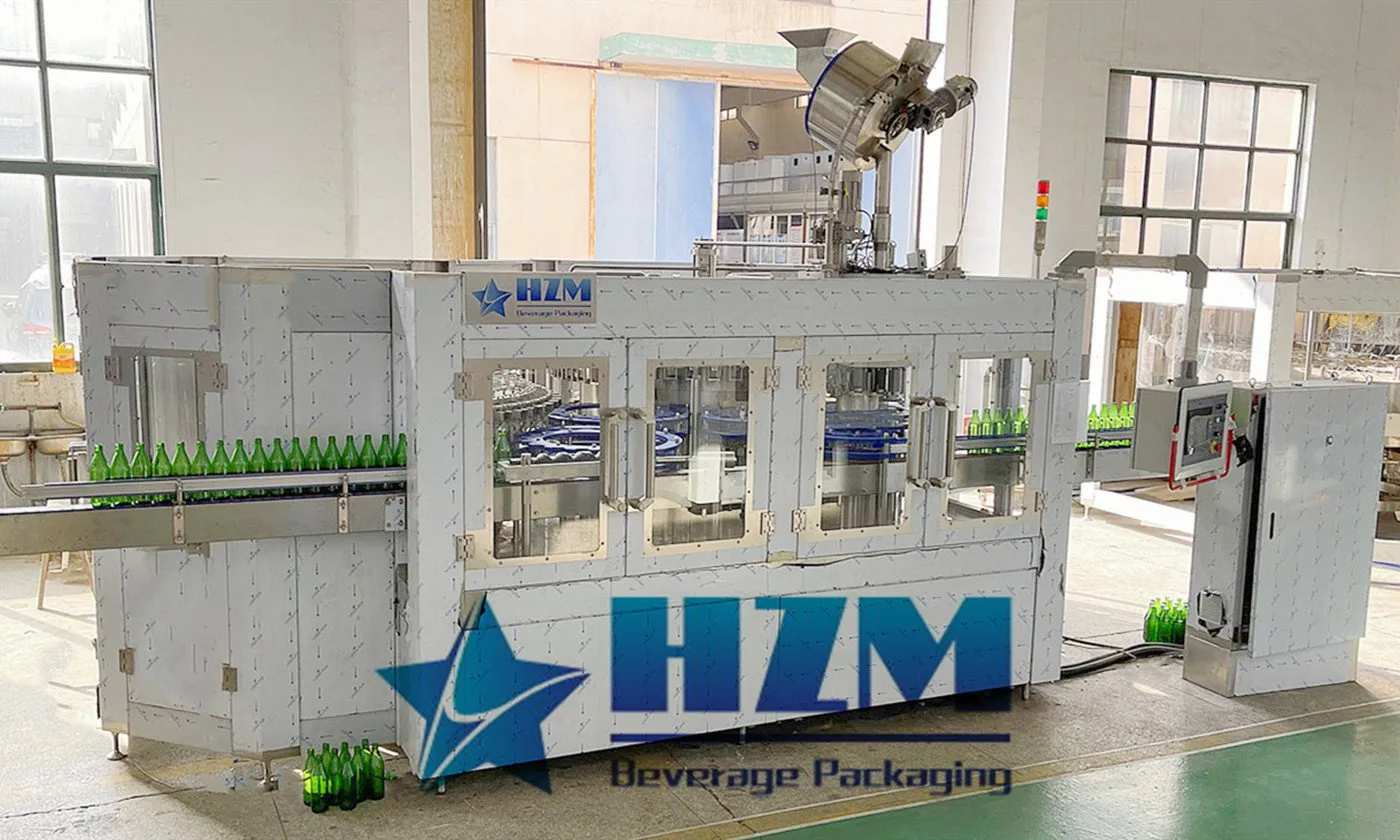
Equipment
Glass Bottle CSD Beverage Filling Machine
Glass bottle filling for carbonated beverages, with isobaric filling and capacities of 2,000–20,000 bottles/hour at 500 ml.
Learn more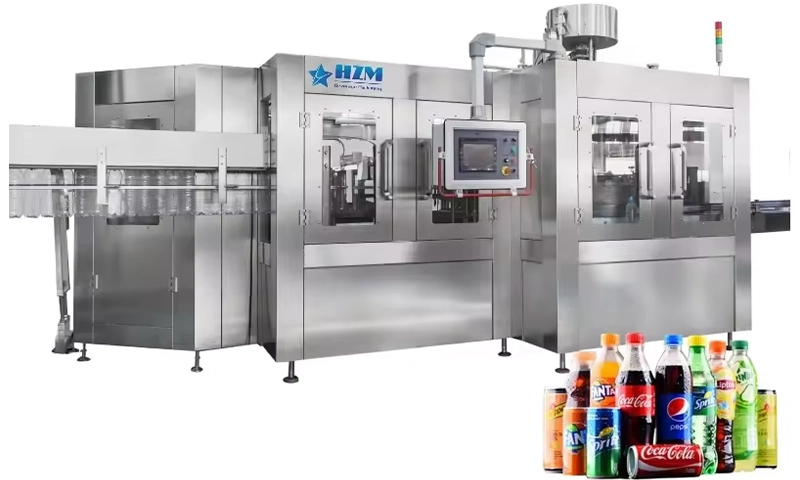
Equipment
Carbonated Soft Drink Filling Machine
Carbonated soft drink rinsing, isobaric filling and capping, with DXGF models from 3,000 to 15,000 bottles/hour at 500 ml.
Learn more2023-05-05
CO2 mixer machine carbonated beverage production line
A CO2 mixer machine is a device used for mixing gases, typically in beverage production lines. It can mix carbon dioxide gas with water or other liquids to produce carbonated drinks
Learn more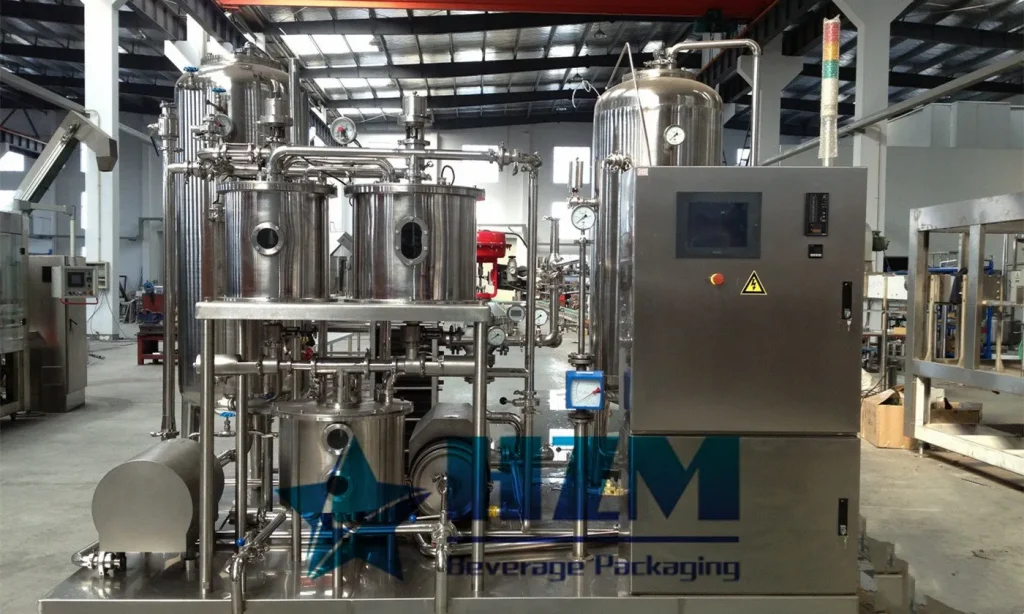
2023-07-27
CO2 Mixer Machine: The Core Equipment in Carbonated Beverage Production Line
The CO2 mixer machine is a vital piece of equipment in carbonated beverage production lines, featuring a 5-tank design. It offers advantages such as high mixing ratio accuracy, dual carbonation, and a high CO2 content
Learn more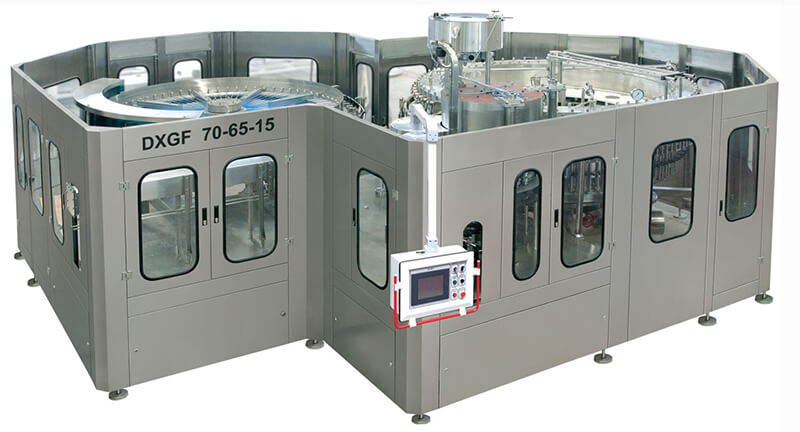
2023-02-19
Important Questions To Consider Before Purchasing Carbonated Filling Machine
When it comes to purchasing a carbonated beverage filling machine, making an informed decision is crucial for efficient production. With various options available in the market, considering specific questions can guide you towards selecting the most suitable machine for your needs.
Learn more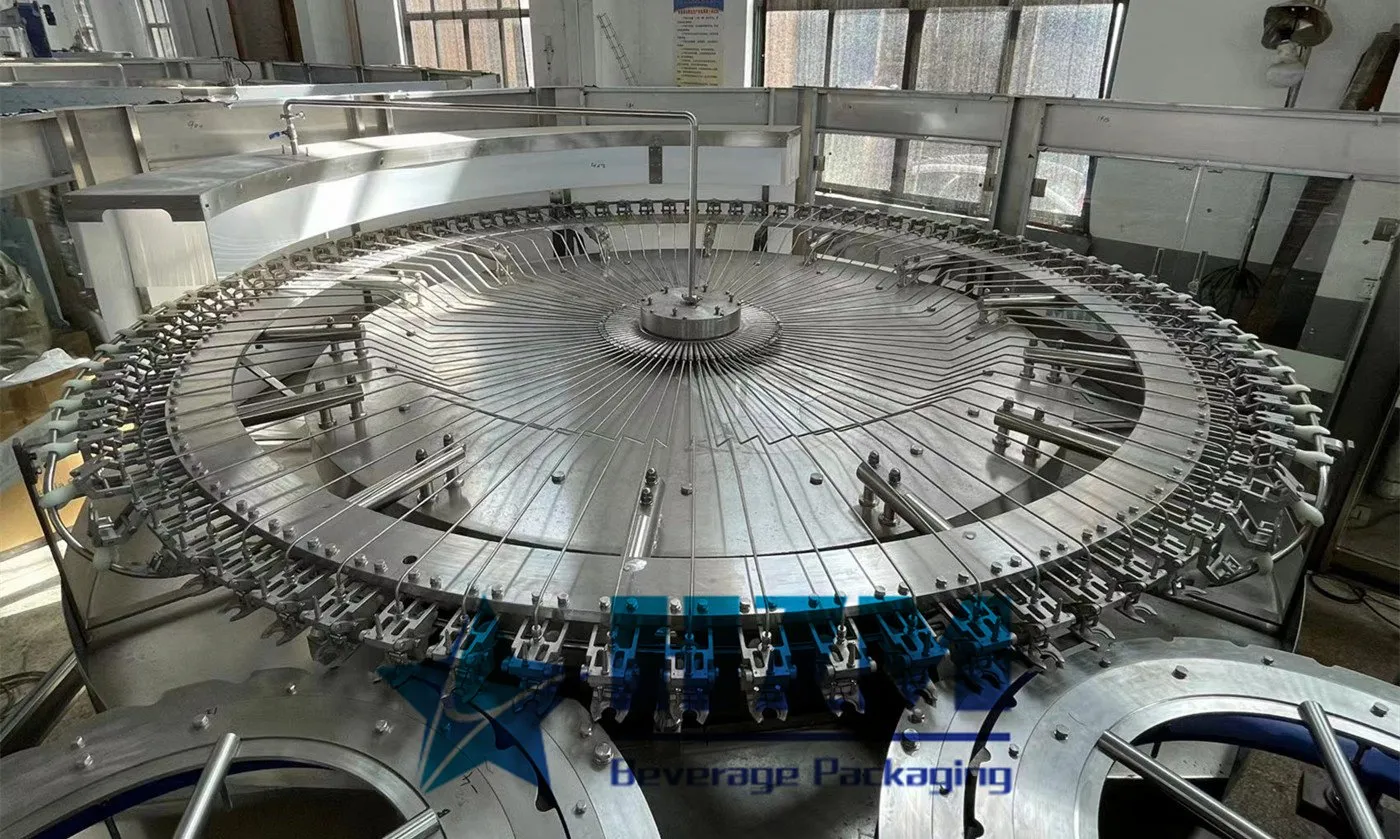
2024-03-29
Enhancing Beverage Carbonation Equipment
Beverage carbonation equipment plays a pivotal role in producing both large and small bottled carbonated beverages. Through processes like sugar blending, it crafts preliminary beverages, which are then treated in a soda blending machine. Here, the beverage undergoes deoxygenation, followed by proportional mixing of the original syrup and water. The resulting mixture is then atomized […]
Learn more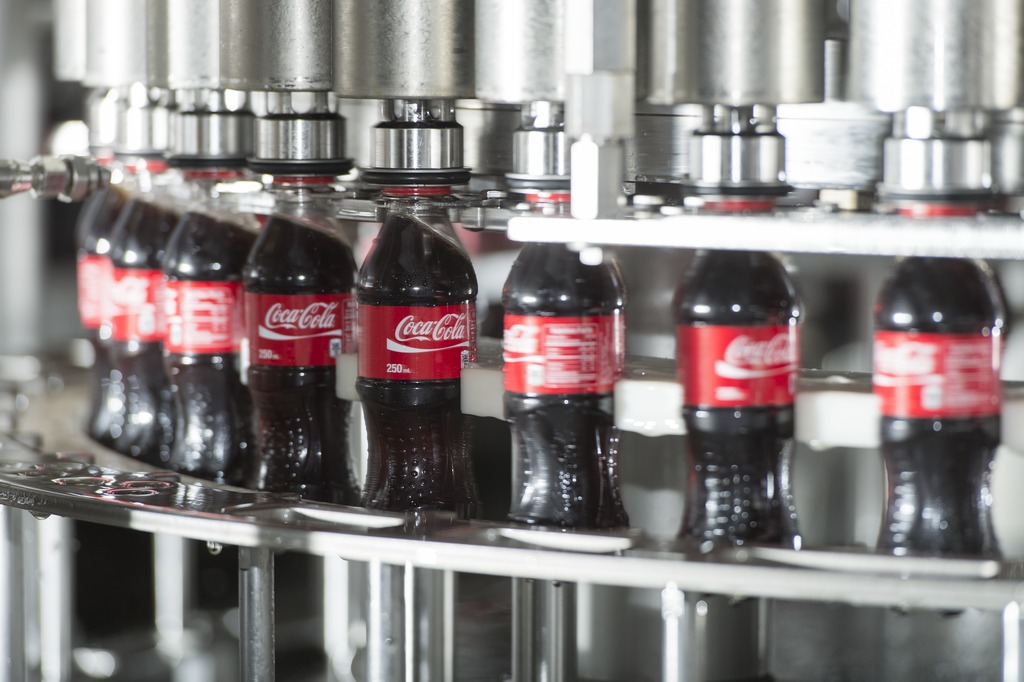
2023-04-22
Carbonated Beverage Filling Machine Solution
Carbonated beverage filling equipment is used for filling sweetened drinks containing carbon dioxide, commonly known as carbonated drinks or carbonated beverages. They typically consist of water
Learn more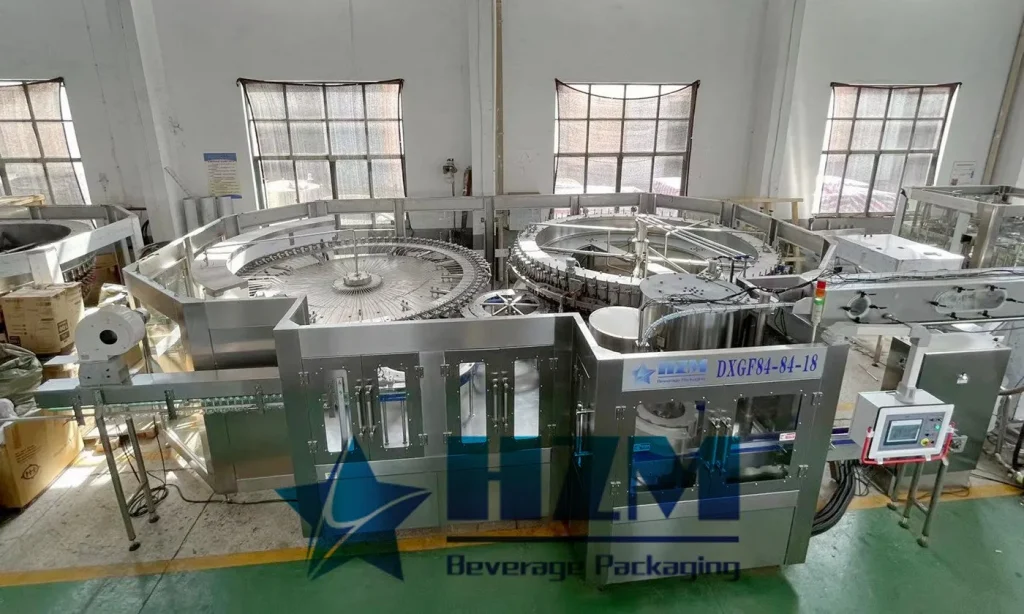
2023-09-22
Choosing Between Used and New Carbonated Beverage Filling Machines
When it comes to setting up or expanding your carbonated beverage production line, one of the critical decisions you'll face is whether to invest in a new or used carbonated beverage filling machine. Both options have their advantages and disadvantages, and making the right choice depends on your specific needs and circumstances.
Learn more