
Insights & Updates
how to start water bottle business
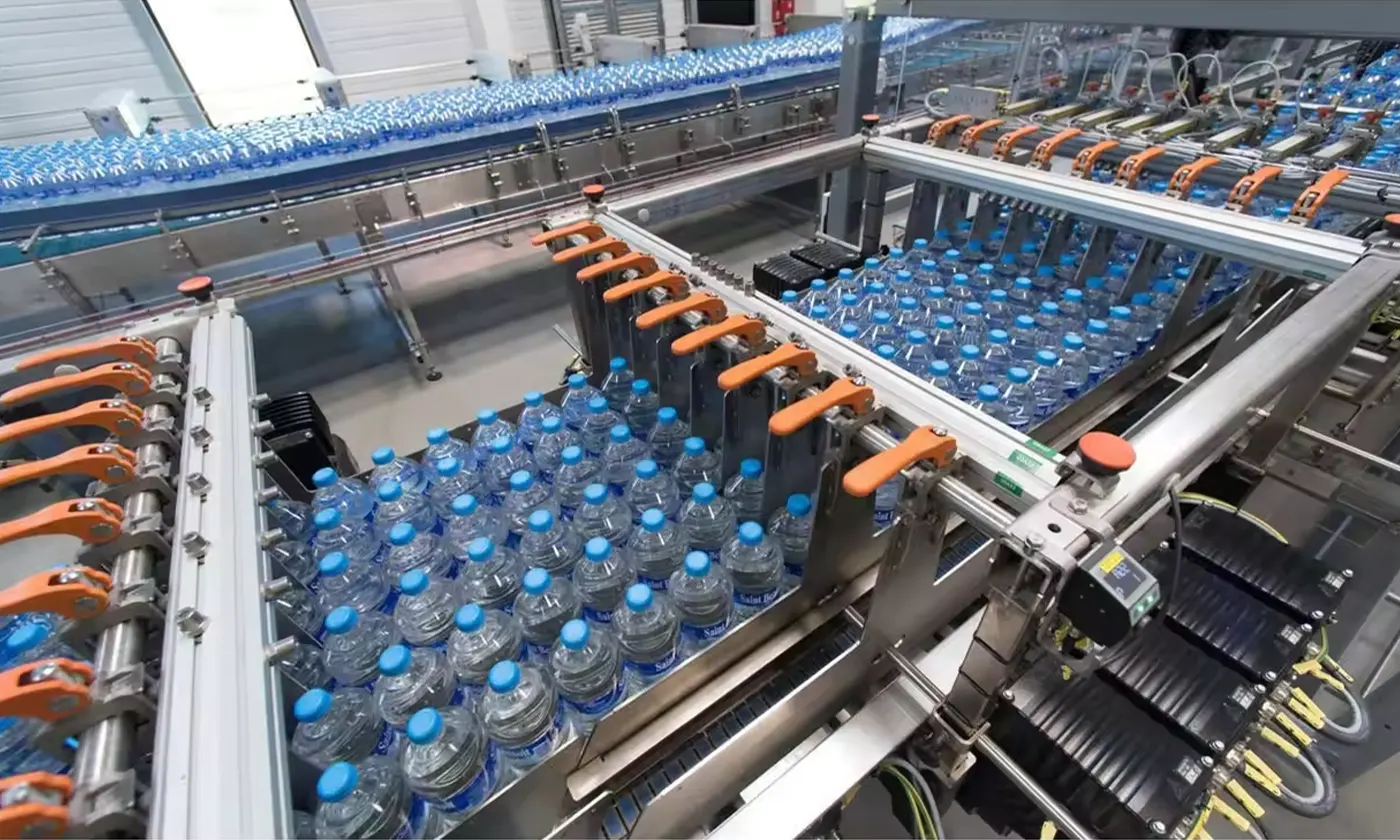
Start Your Bottled Water Business with HZM Machinery’s Complete Solutions and Turnkey Projects
Looking to enter the bottled water market but unsure where to begin? HZM Machinery provides comprehensive support, from market research to product launch, dedicated to helping you establish an efficient, compliant, and competitive bottled water plant.
1. Market Research and Business Plan
- Conduct Market Research: Understand the demand for bottled water in your target market. Analyze competitors, identify your target customers, and determine the best product positioning.
- Develop a Business Plan: Outline your business goals, marketing strategy, financial projections, and operational plan. This will be crucial for securing funding and guiding your business.
2. Legal and Regulatory Requirements
- Register Your Business: Choose a business structure (e.g., sole proprietorship, LLC) and register your business with the appropriate local and national authorities.
- Obtain Necessary Permits and Licenses: Secure all required permits and licenses, including food safety certifications and environmental permits. Ensure compliance with local, state, and federal regulations.
3. Source of Water
- Identify a Reliable Water Source: Determine whether you will use municipal water, natural spring water, or another source. Conduct water quality tests to ensure it meets health and safety standards.
- Water Treatment System: Invest in a water treatment system to purify and enhance the quality of your water. This may include filtration, reverse osmosis, UV treatment, and other purification methods.
4. Equipment and Facility Setup
- Choose a Location: Select a suitable location for your bottling plant. Consider factors like proximity to your water source, transportation, and zoning laws.
- Purchase Equipment: Acquire the necessary equipment, including:
- Water treatment systems
- Bottling line (bottle washing, filling, capping, labeling, and packaging)
- Quality control equipment
- Storage and logistics facilities
- Set Up the Facility: Design and set up your facility to meet production needs and regulatory requirements. Ensure proper layout for efficient workflow and hygiene.
5. Branding and Packaging
- Brand Development: Create a strong brand identity, including a name, logo, and packaging design that appeals to your target market.
- Labeling and Packaging: Design and produce labels that comply with legal requirements and effectively communicate your brand message. Choose appropriate packaging materials and sizes.
6. Quality Control and Compliance
- Implement Quality Control Measures: Establish strict quality control procedures to ensure the safety and consistency of your products.
- Regular Testing and Certification: Regularly test your water and obtain necessary certifications, such as NSF, FDA, and others, to build consumer trust.
7. Marketing and Sales
- Develop a Marketing Strategy: Use a mix of online and offline marketing strategies, including social media, SEO, print ads, and trade shows, to reach your target audience.
- Build Distribution Channels: Establish relationships with distributors, retailers, and other sales channels to get your product to market. Consider direct-to-consumer sales through an e-commerce platform.
8. Financial Management
- Secure Funding: If needed, secure funding through loans, investors, or grants. Prepare a detailed financial plan to manage your budget and cash flow.
- Manage Costs and Revenue: Keep track of all expenses and revenue streams. Regularly review your financial performance and adjust your strategy as needed.
9. Launch and Scale
- Soft Launch: Start with a small-scale launch to test the market and gather feedback. Make any necessary adjustments before a full-scale launch.
- Scale Up: As your business grows, consider expanding your product line, increasing production capacity, and entering new markets.
10. Continuous Improvement
- Stay Updated on Industry Trends: Keep up with industry trends and innovations to stay competitive.
- Customer Feedback: Regularly collect and act on customer feedback to improve your products and services.
Choosing HZM Machinery means choosing industry-leading technology and unparalleled service. We not only provide complete solutions but also promise to deliver turnkey projects, making it easy for you to own your own bottled water plant. Contact us today to start your journey to success!
Talk to our engineering team
Need help planning your packaging line?
Share your product, bottle and capacity requirements for a practical equipment recommendation.
Equipment
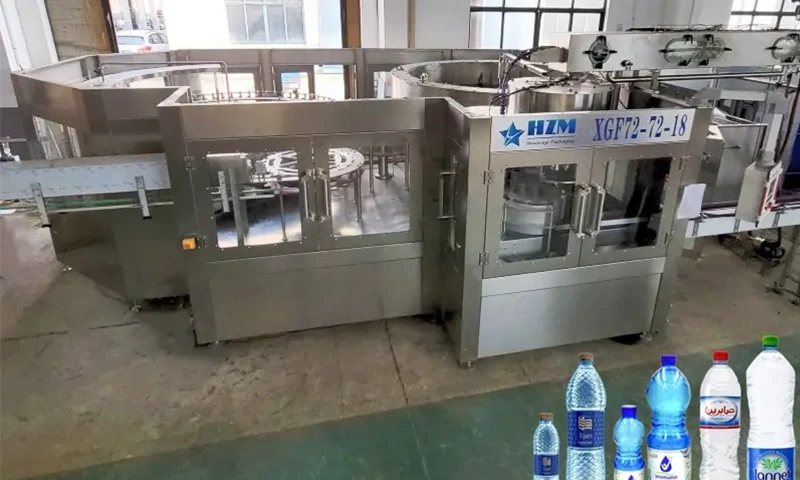
3-In-1 Water Bottle Filling Machine
A 3-in-1 PET bottle rinsing, filling and capping machine for drinking water, from 5,000 to 18,000 bottles/hour at 500 ml.
Learn more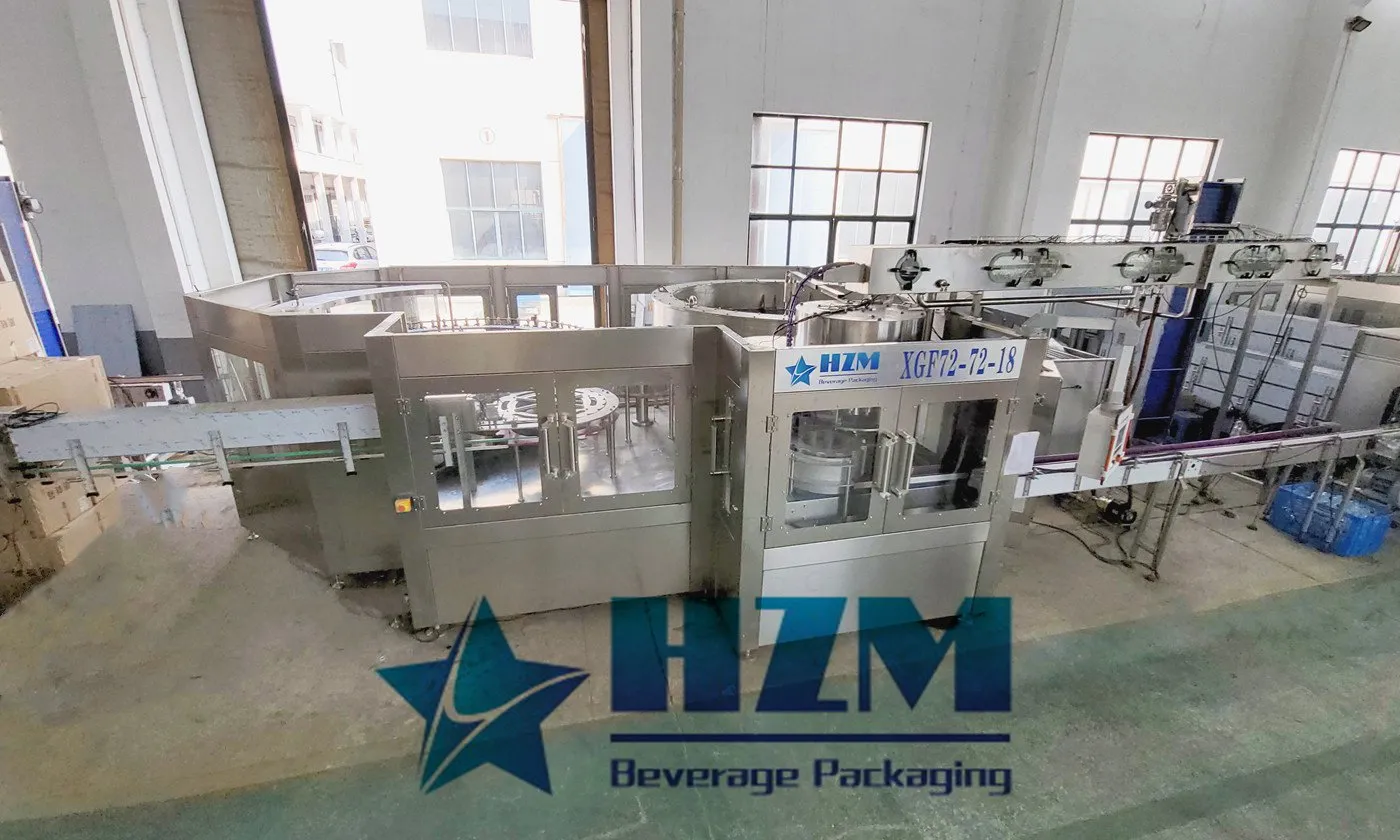
Equipment
Automatic Water Bottle Filling Machine
Automatic rinsing, filling and capping for purified and mineral water in PET bottles, with capacities of 5,000–42,000 bottles/hour at 500 ml.
Learn more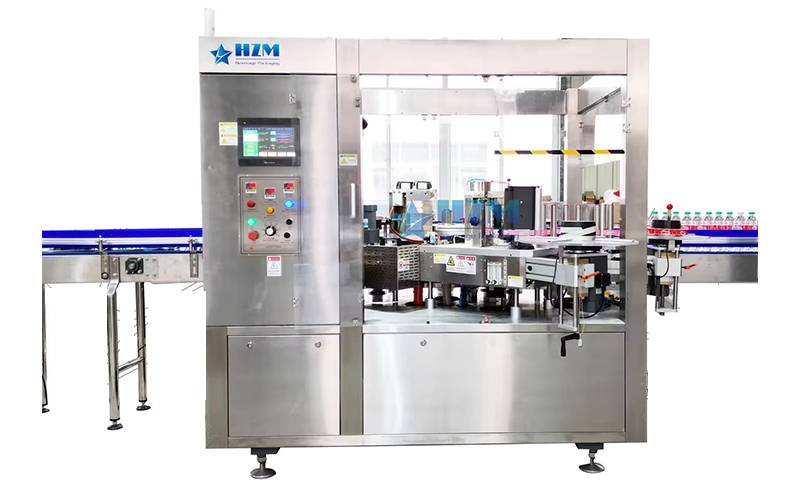
Equipment
Automatic Water Bottle Labeling Machine
Automatic hot-glue labelling for water and beverage bottles, with HG models from 8,000 to 24,000 bottles/hour.
Learn more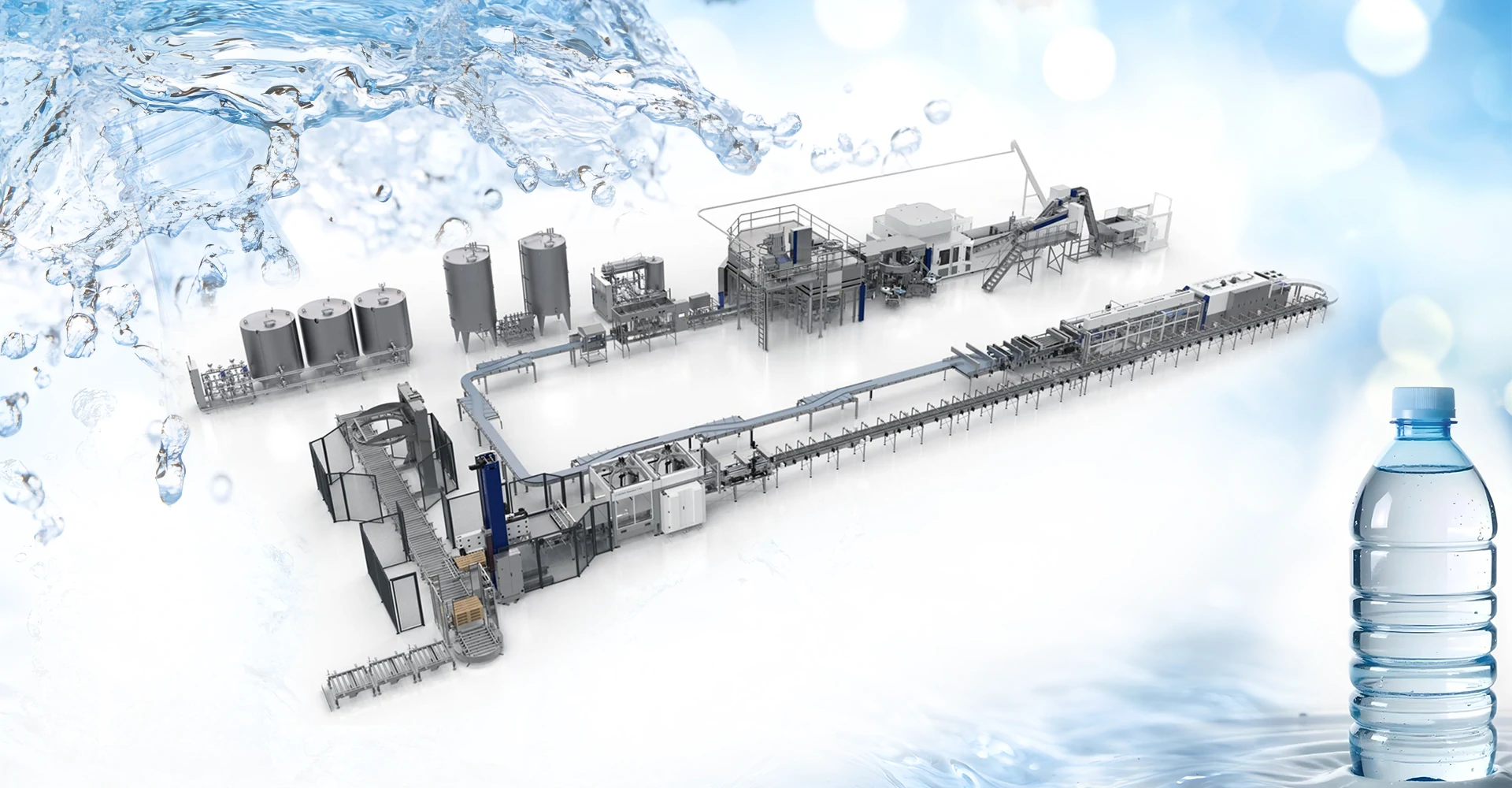
Equipment
Drinking water production line – Bottled Water Filling Machine Manufacturer
PET-bottled drinking-water production with automatic rinsing, filling and capping, plus water treatment and packaging equipment.
Learn more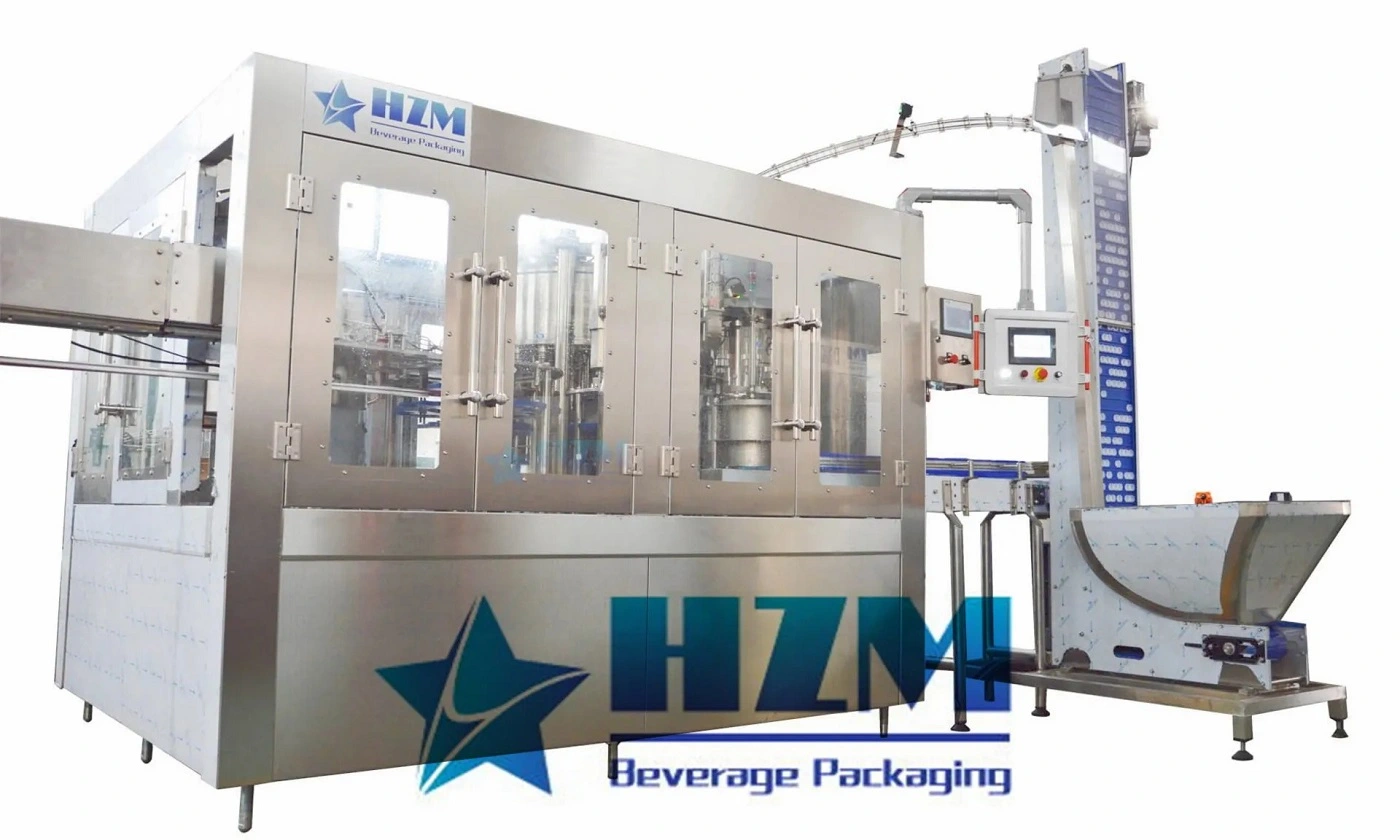
Equipment
Automatic Drinking Water Bottling Machine
Drinking-water bottling equipment with automatic rinsing, filling and capping, plus conveying, labelling and packing options.
Learn more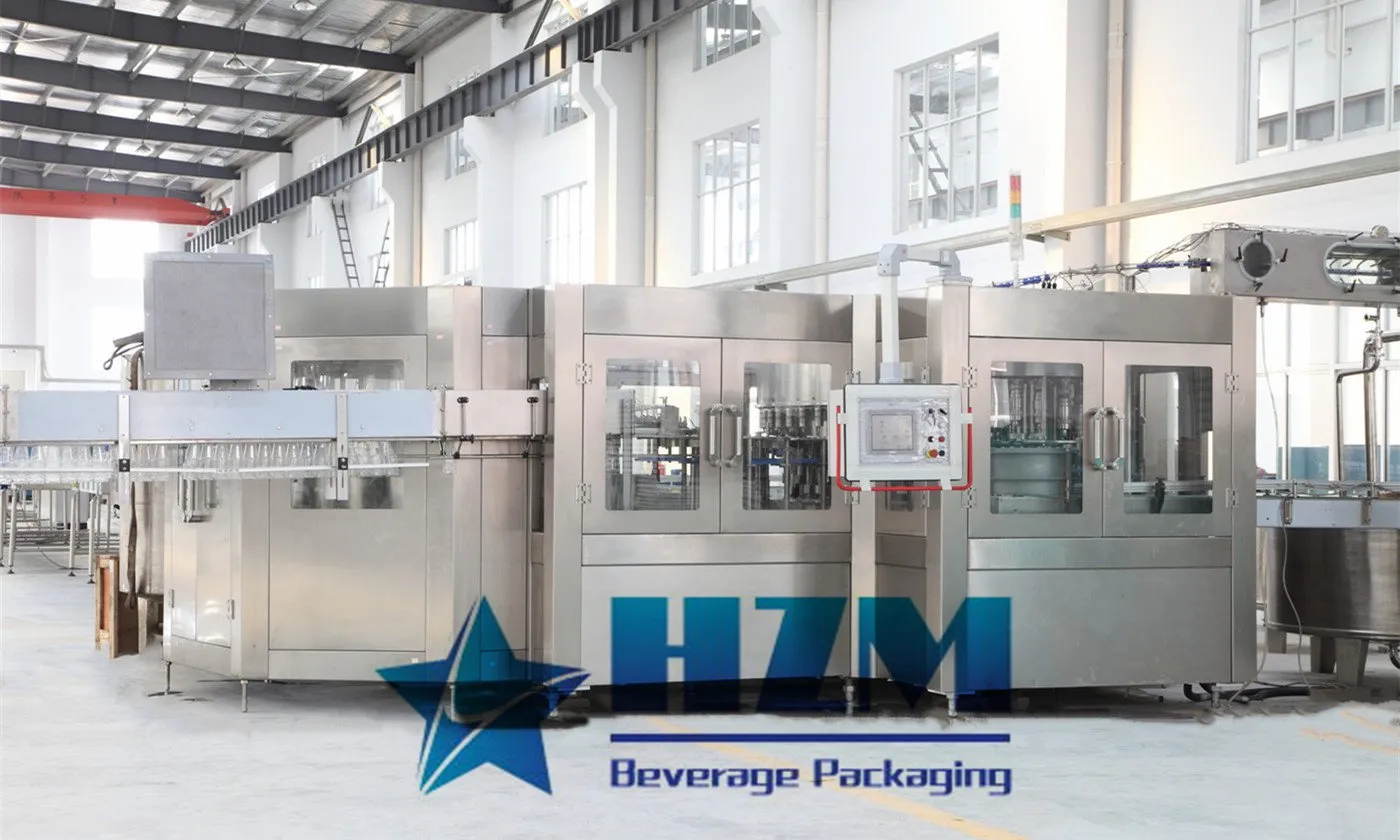
Equipment
PET Bottle Water Filling Machine
PET bottle water filling with automatic rinsing and capping, for purified water, mineral water and still drinking water.
Learn more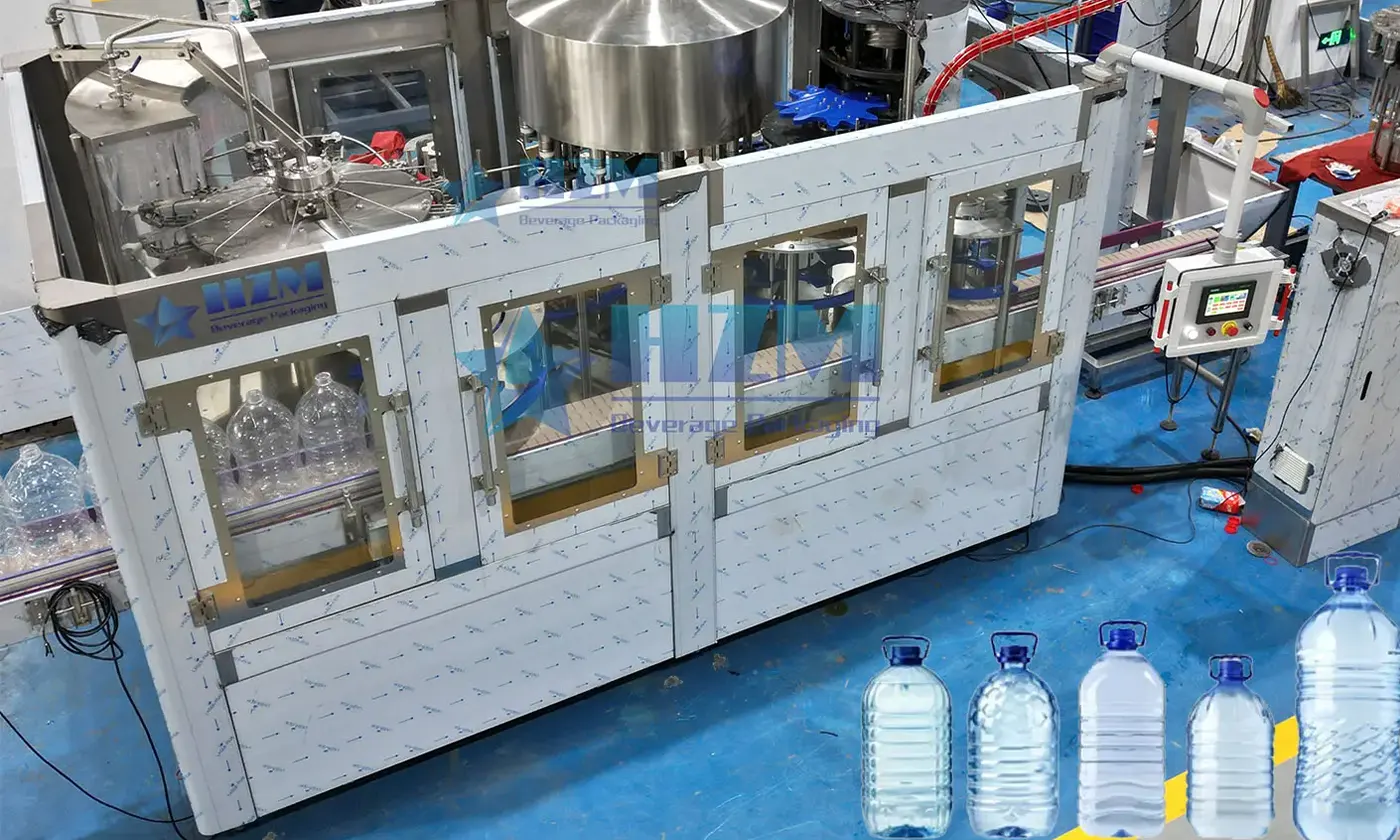
Equipment
Automatic Pure Water Bottling Filling Machine
Small PET bottle water filling with automatic rinsing and capping, from 5,000 to 18,000 bottles/hour at 500 ml.
Learn more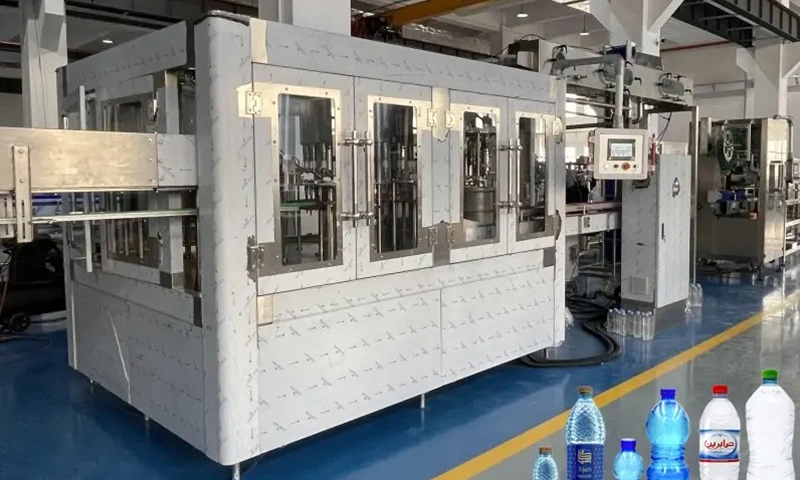
Equipment
Automatic Mineral Water Bottle Filling Machine
Automatic mineral-water bottling with rinsing, filling and capping, from 5,000 to 18,000 bottles/hour at 500 ml.
Learn more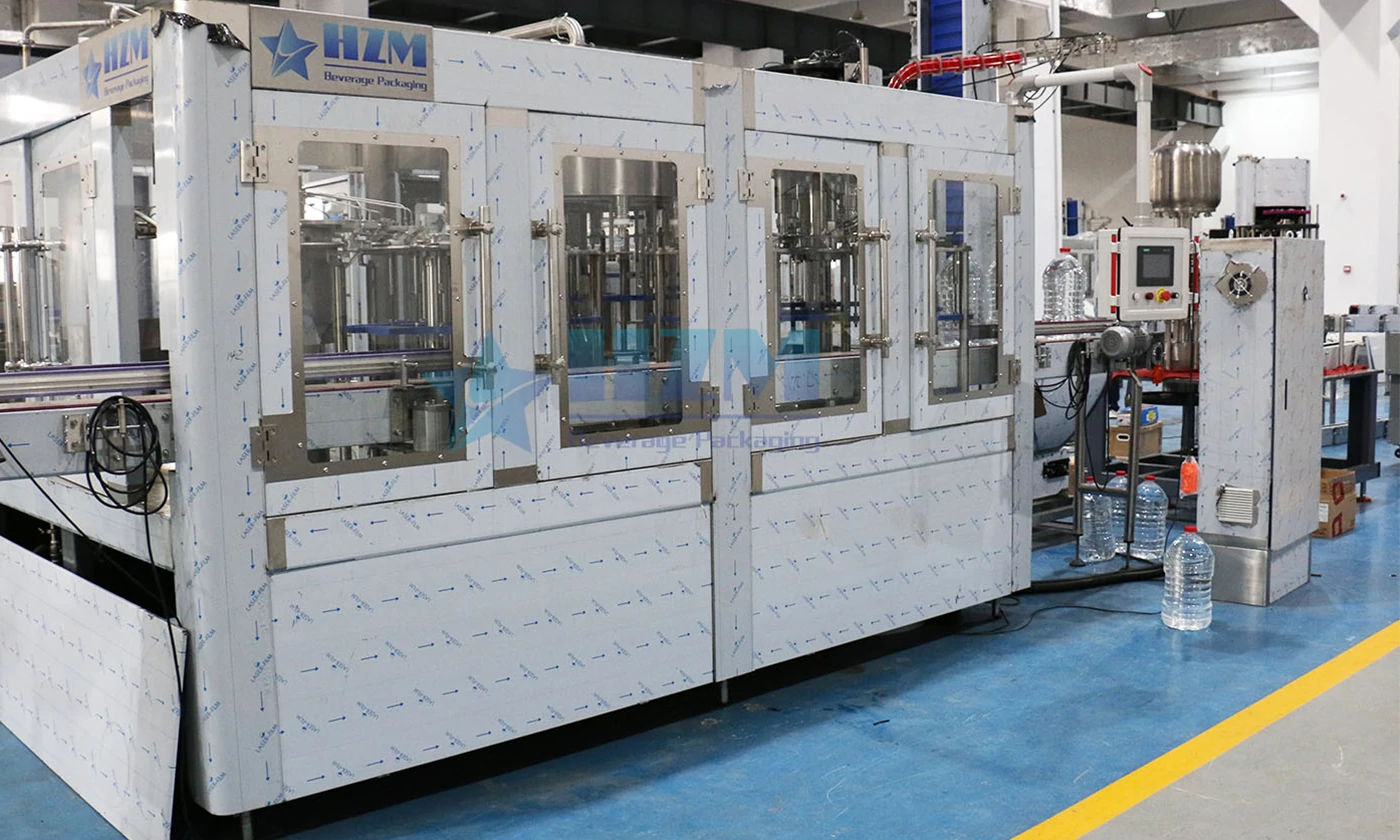
Equipment
5L-10L Large Bottle Drinking Water production line
XGF12-12-4 rinsing, filling and capping for 5 L and 10 L water bottles, with stable outputs of 1,200 and 700 bottles/hour respectively.
Learn more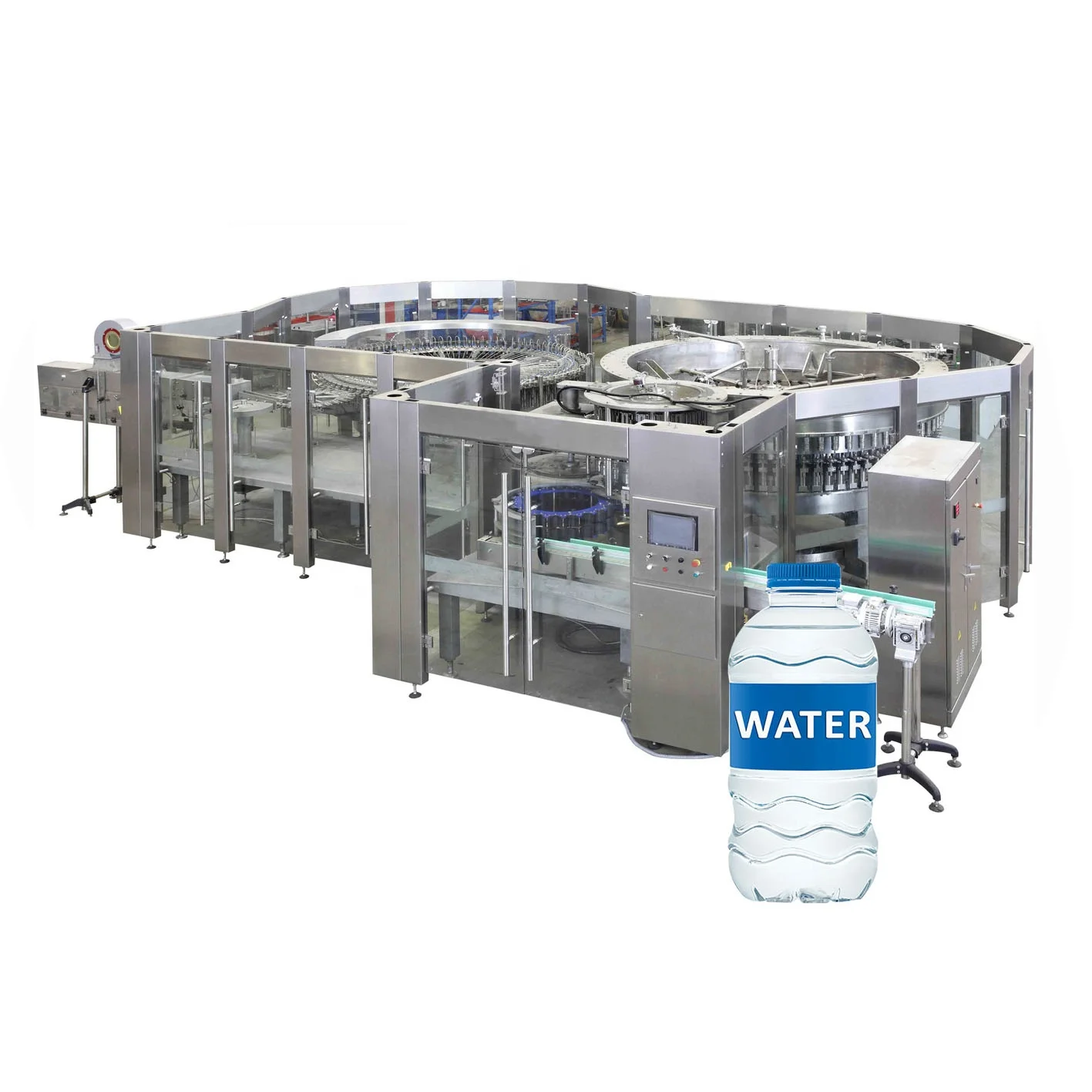
2023-11-24
Water Bottle Filling Machine Solutions
Water bottle filling machines come in various configurations, from small-scale, semi-automatic machines suitable for small businesses to fully automated, high-speed machines used in large-scale production facilities. They play a crucial role in ensuring the efficiency and quality of the water bottling process.
Learn more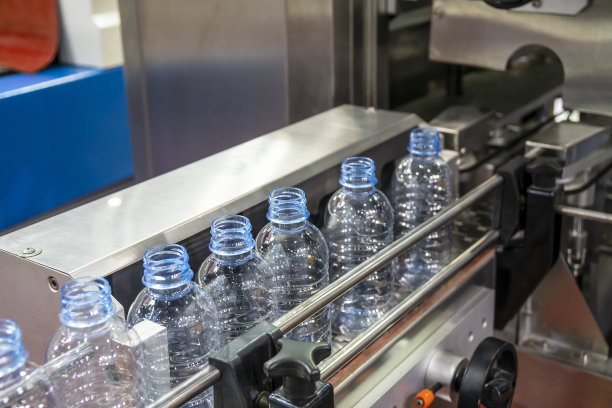
2023-09-14
Water Bottle Filling Machine Prices
Water bottle filling machines are highly automated filling equipment used for various containers, including water bottles, beverage bottles, and wine bottles. The application of this equipment is incredibly diverse, spanning across industries such as food, beverages, and household products
Learn more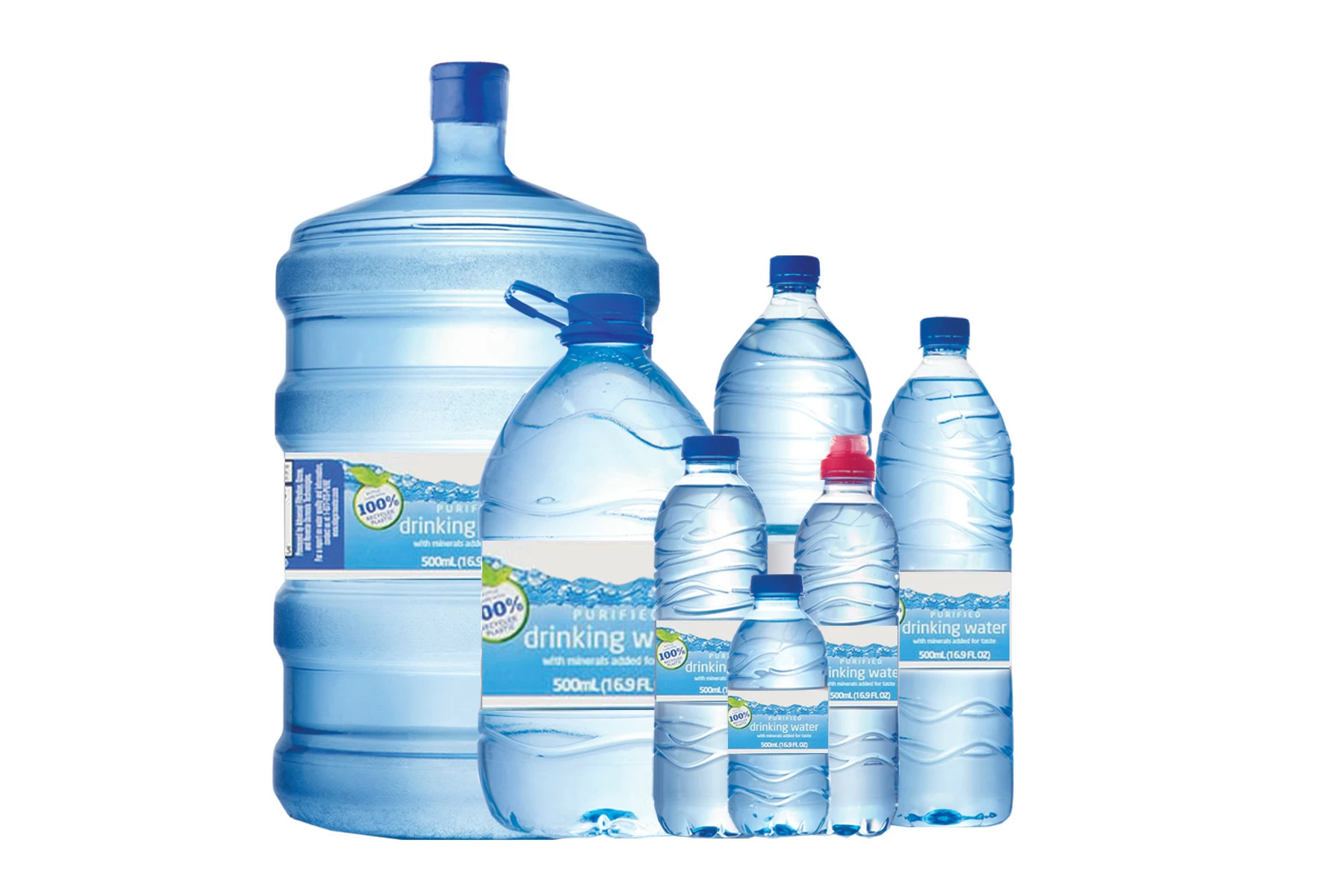
2023-11-21
Bottle Water Filling Machines and Production Line Equipment price
This article will delve into the price range of Bottle Water Filling Machines and the full set of production line equipment provided by HZM Machinery, providing you with a comprehensive understanding and reference.
Learn more2024-01-03
How much does a small fully automatic bottled drinking water equipment cost?
The cost of a complete set of bottled water production line varies based on the production capacity. Manufacturers provide quotes for bottled water production lines based on different hourly production capacities. To provide investors with a better understanding of the prices, manufacturers share detailed prices for different models of purified bottled water and mineral water […]
Learn more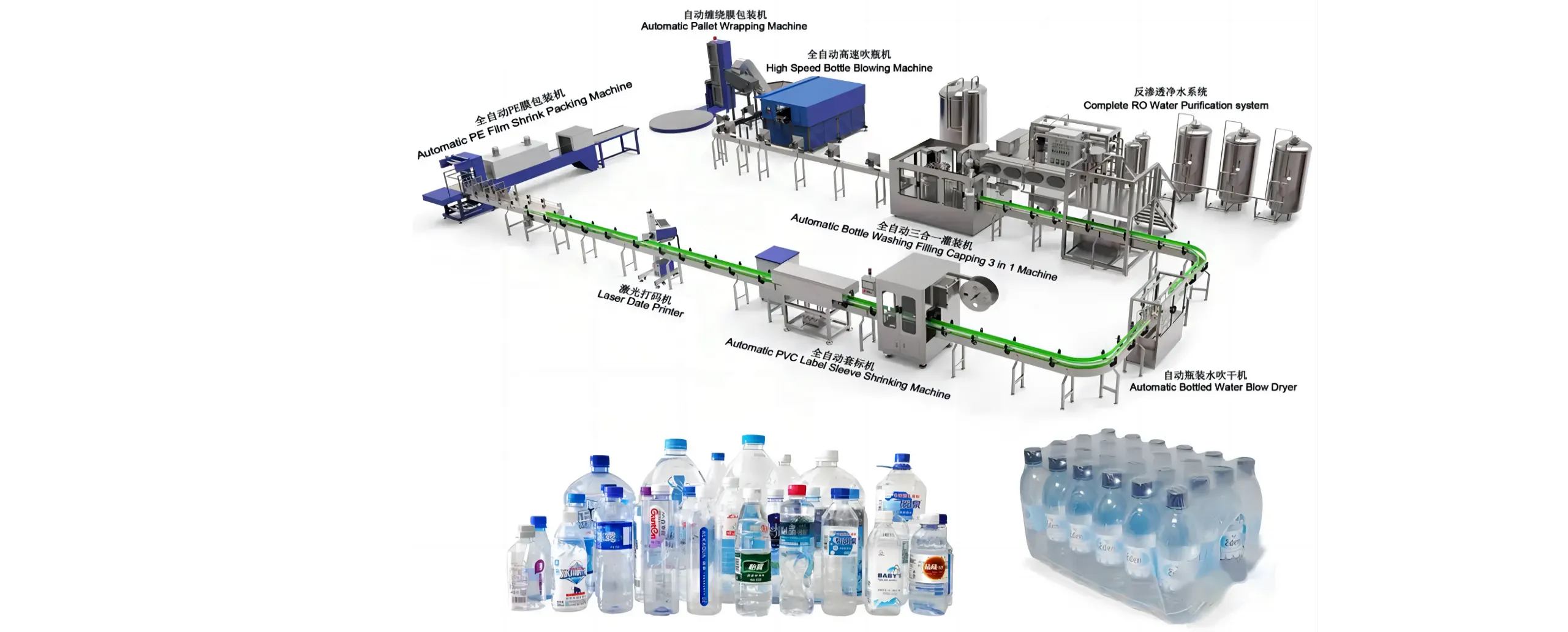
2023-12-07
Bottled Drinking Water Production Line: Equipment and Production Process
Today, we will delve into the equipment and production process of bottled drinking water production lines.HZM Machinery is a comprehensive professional supplier of Bottled Drinking Water Production Lines, integrating R&D, manufacturing, and sales.
Learn more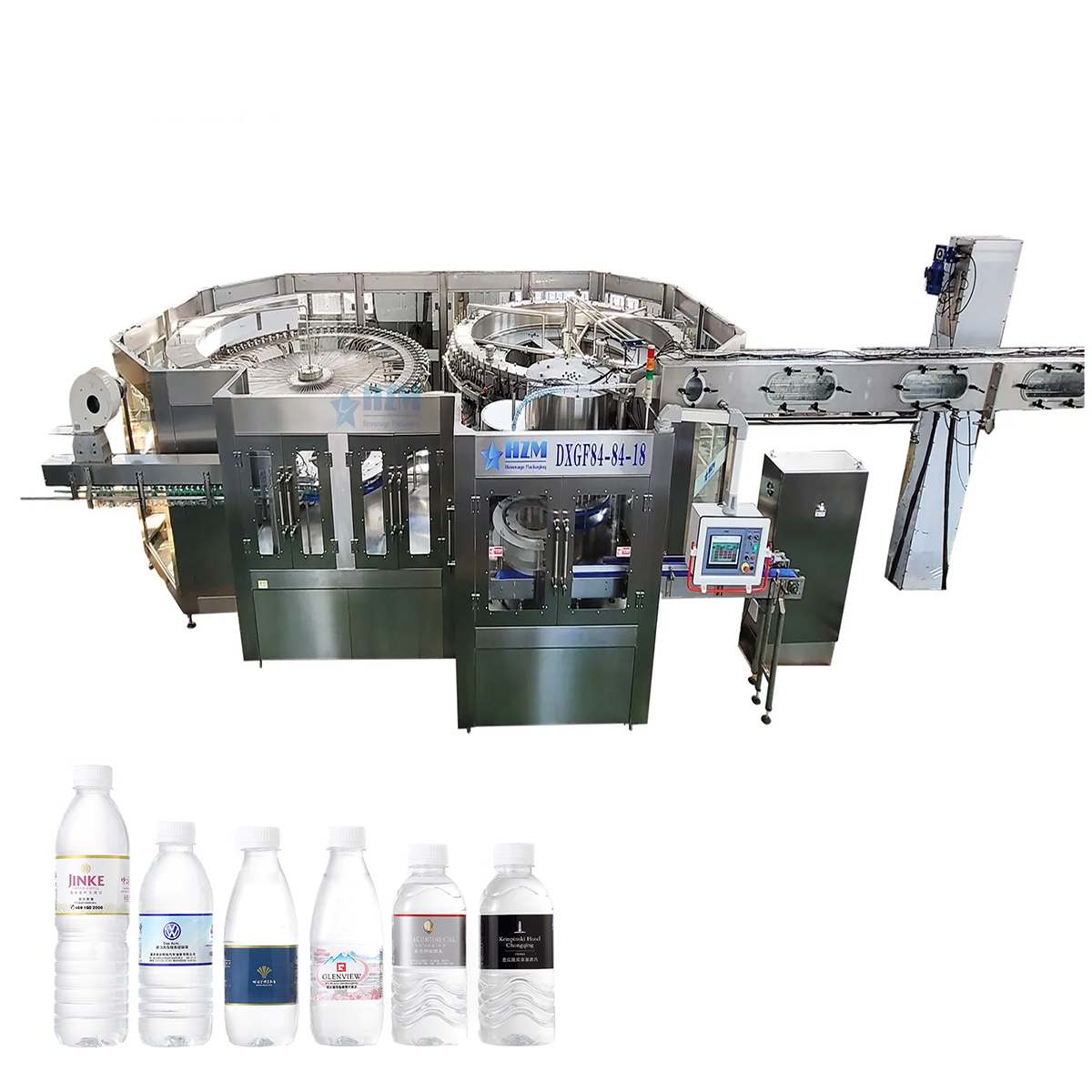
2025-04-21
Automatic Drinking Water Filling Production Line Equipment
The automatic drinking water filling production line is a highly efficient set of equipment that integrates water treatment, filling, capping, labeling, and packaging. It is widely used for industrial-scale production of bottled drinking water such as mineral water, purified water, and spring water. Empty bottles → Star-wheel bottle feeding → Pre-wash (inside & outside) → Rotary cleaning → Secondary spray rinsing → Filling → Screw-capping / shrink-film sealing → Labeling → Online checkweighing → Inkjet coding → Conveying → Packing / Palletizing
Learn more