
Low Carbonation After Filling: Where Is the CO2 Being Lost?
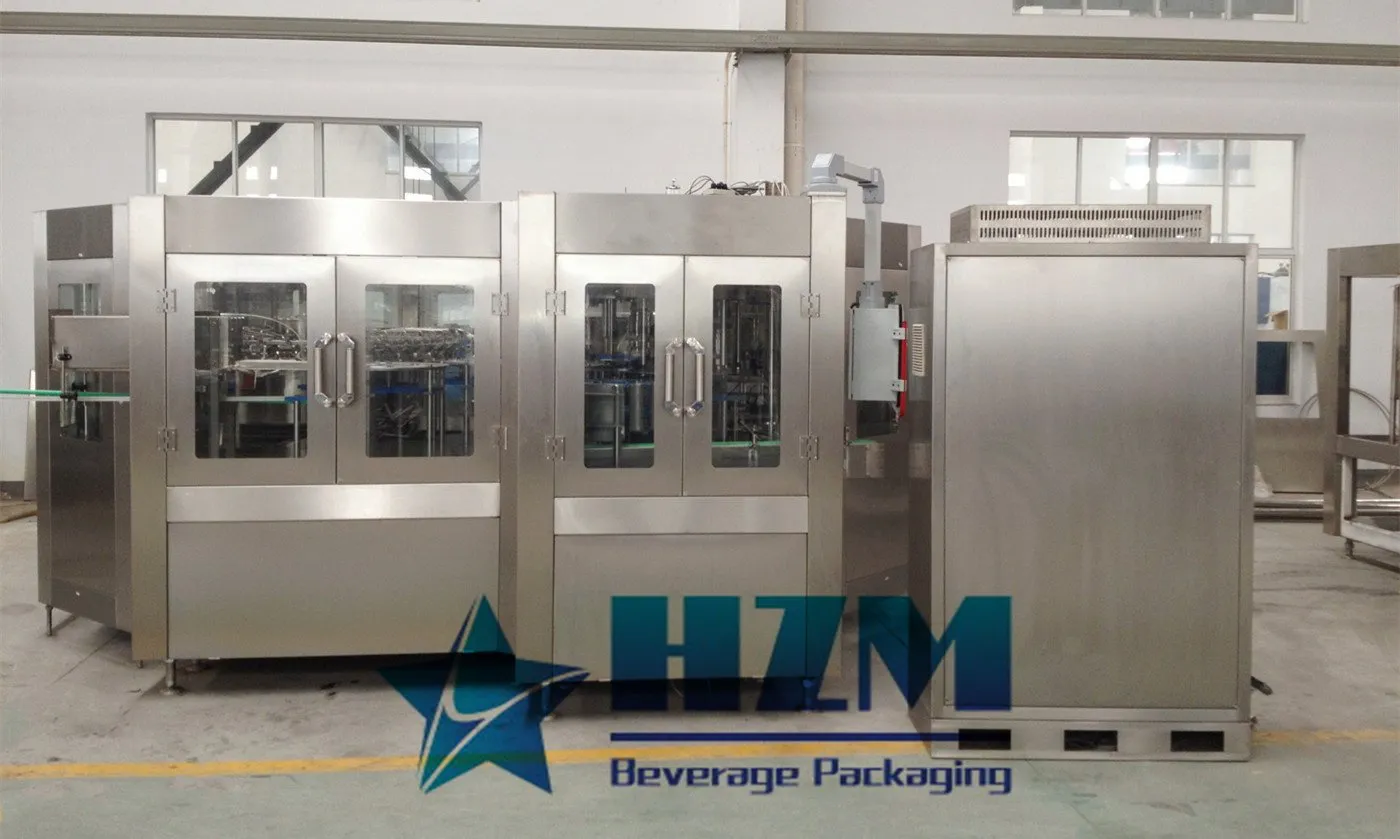
Confirm the beverage entering the filler first. If inlet carbonation is correct, investigate product warming, pressure loss, long venting or snift, foaming, excessive headspace and closure delay.
Stop automatic operation, isolate electrical and pneumatic energy, close and depressurize product circuits, and follow the machine lockout/tagout procedure before opening guards or removing a valve. Quarantine product made since the last confirmed good check.
Locate the fault
- Mixer sample meets target but packaged beverage is low
- CO2 loss increases during long production runs
- Bottles with more foam show the lowest carbonation
- Results differ between filler valves or before and after a stop
Inspection sequence
- Use the same calibrated method to test product at mixer outlet, filler inlet and finished package
- Log temperature and pressure at each sample point
- Compare loss by valve number and stop-start condition
- Review equalization, filling and decompression timing without changing it
- Measure headspace and fill level alongside CO2
- Check time from fill completion to secure closure and verify cap torque
Corrective work
- Correct heat gain in piping and restore cooling performance
- Repair pressure regulation or gas leakage at the filler
- Return snift and decompression settings to the validated profile
- Correct fill level, cap application and fill-to-cap transfer timing
Operating records and follow-up
- Create a CO2 mass-balance check from mixer to package
- Calibrate temperature, pressure and carbonation instruments together
- Trend bowl-pressure stability
- Include snift valves in maintenance
- Audit fill-to-cap delay after line-speed changes
Equipment details: PET Bottle CSD Beverage Filling Machine.
Need help planning your packaging line?
Share your product, bottle and capacity requirements for a practical equipment recommendation.
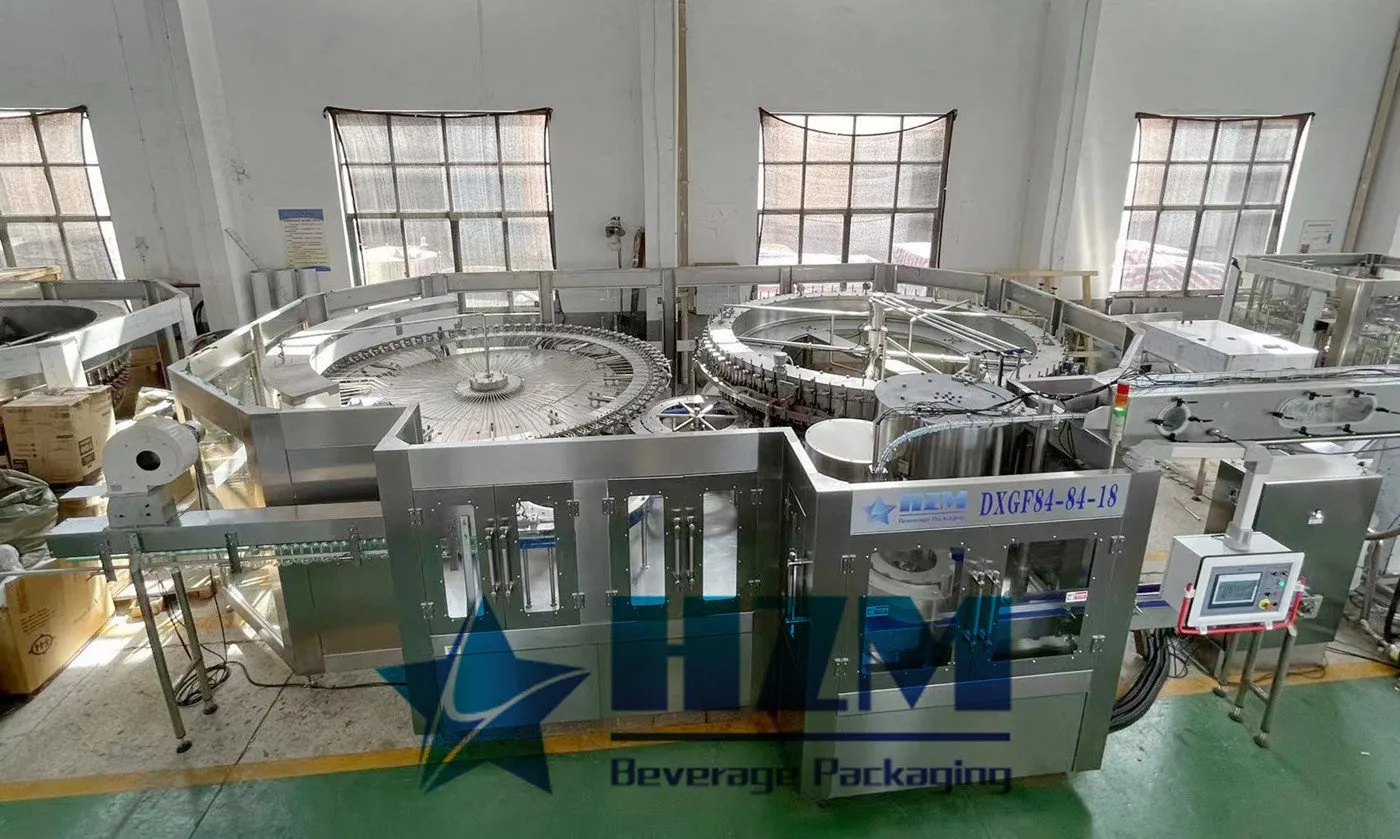
Carbonated Drinks Filling Machine
Carbonated drink rinsing, isobaric filling and capping for PET bottles, with capacities of 4,000–36,000 bottles/hour at 500 ml.
Learn morePET Bottle CSD Beverage Filling Machine
Automatic PET bottle rinsing, isobaric filling and capping for cola, soda water and other carbonated soft drinks.
Learn more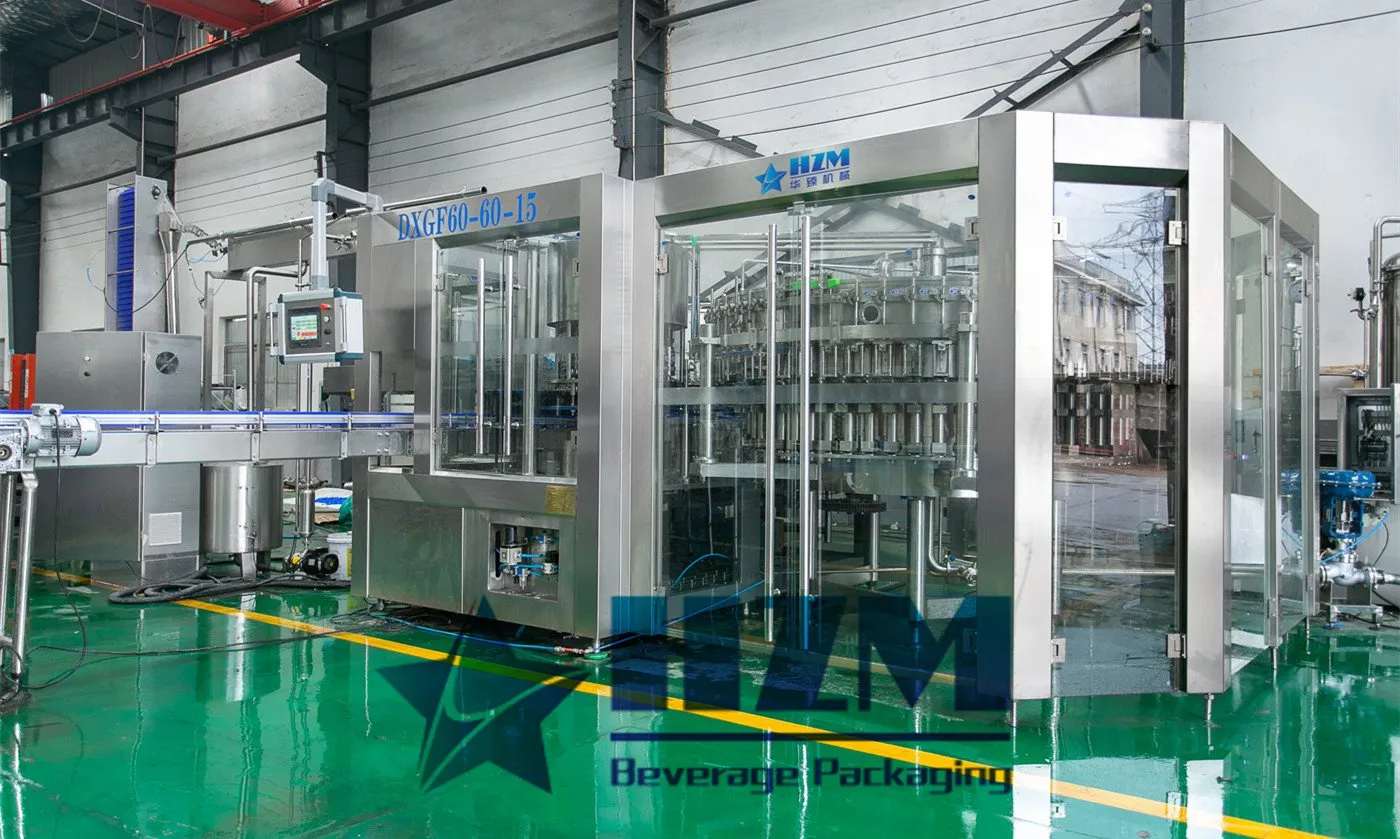
Soda Water Filling Machine
Soda water filling equipment with bottle rinsing, isobaric filling and capping for PET-bottled sparkling water.
Learn more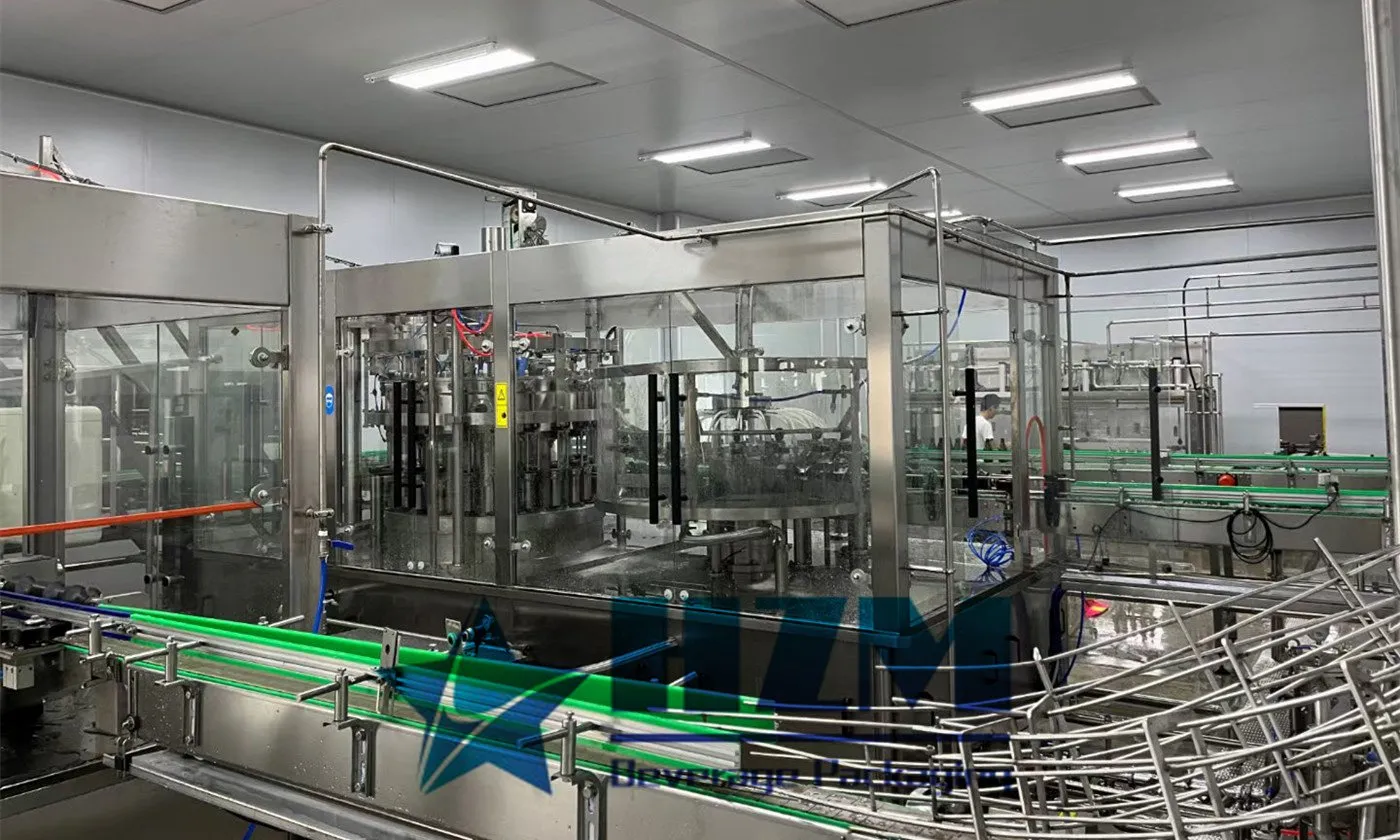
CSD Beverage Can Filling Machine
CGS can filling and seaming for carbonated beverages, with capacities of 6,000–36,000 cans/hour at 330 ml.
Learn more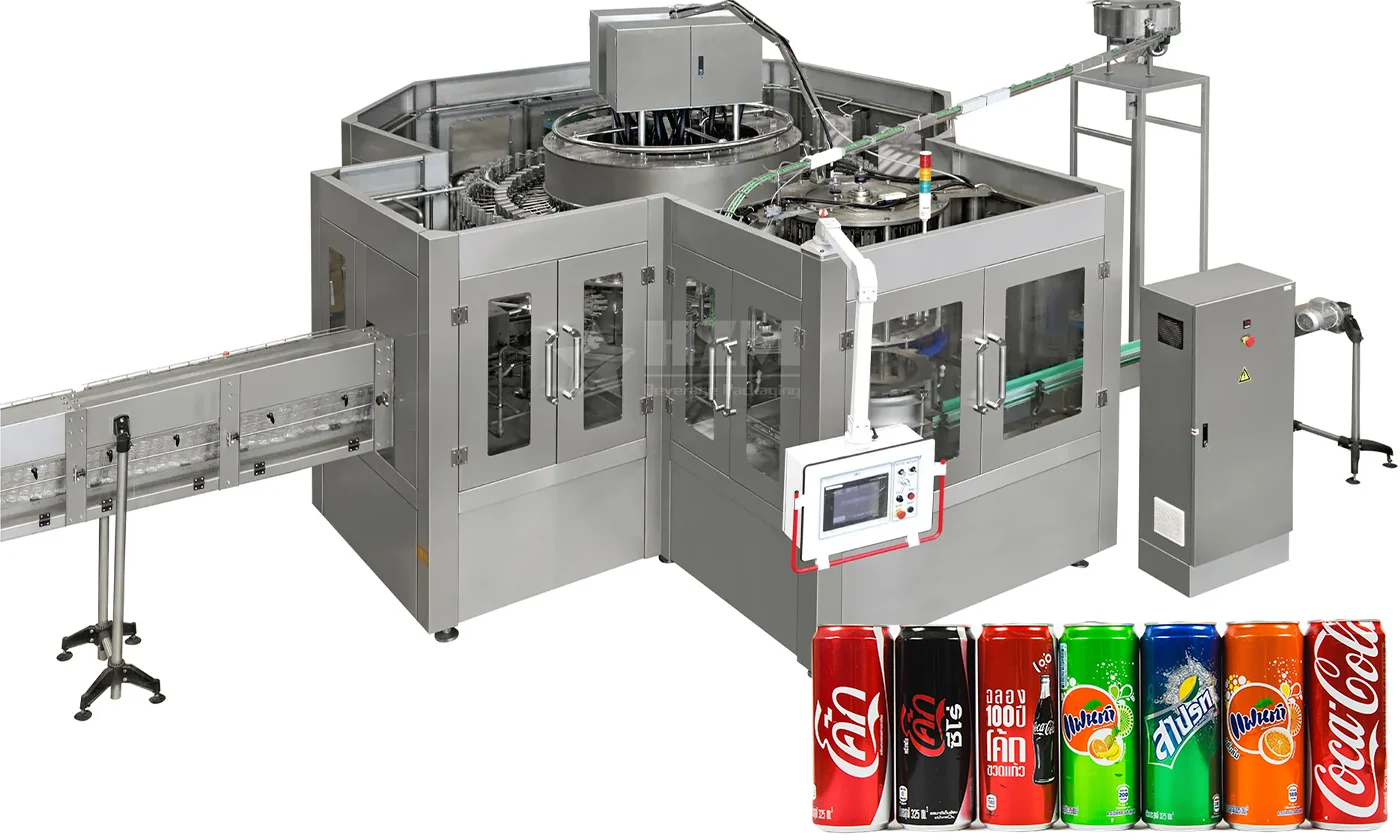
Carbonated Beverage Can Filling Machine
Automatic carbonated beverage can filling and seaming, with CGS capacities of 6,000–36,000 cans/hour at 330 ml.
Learn more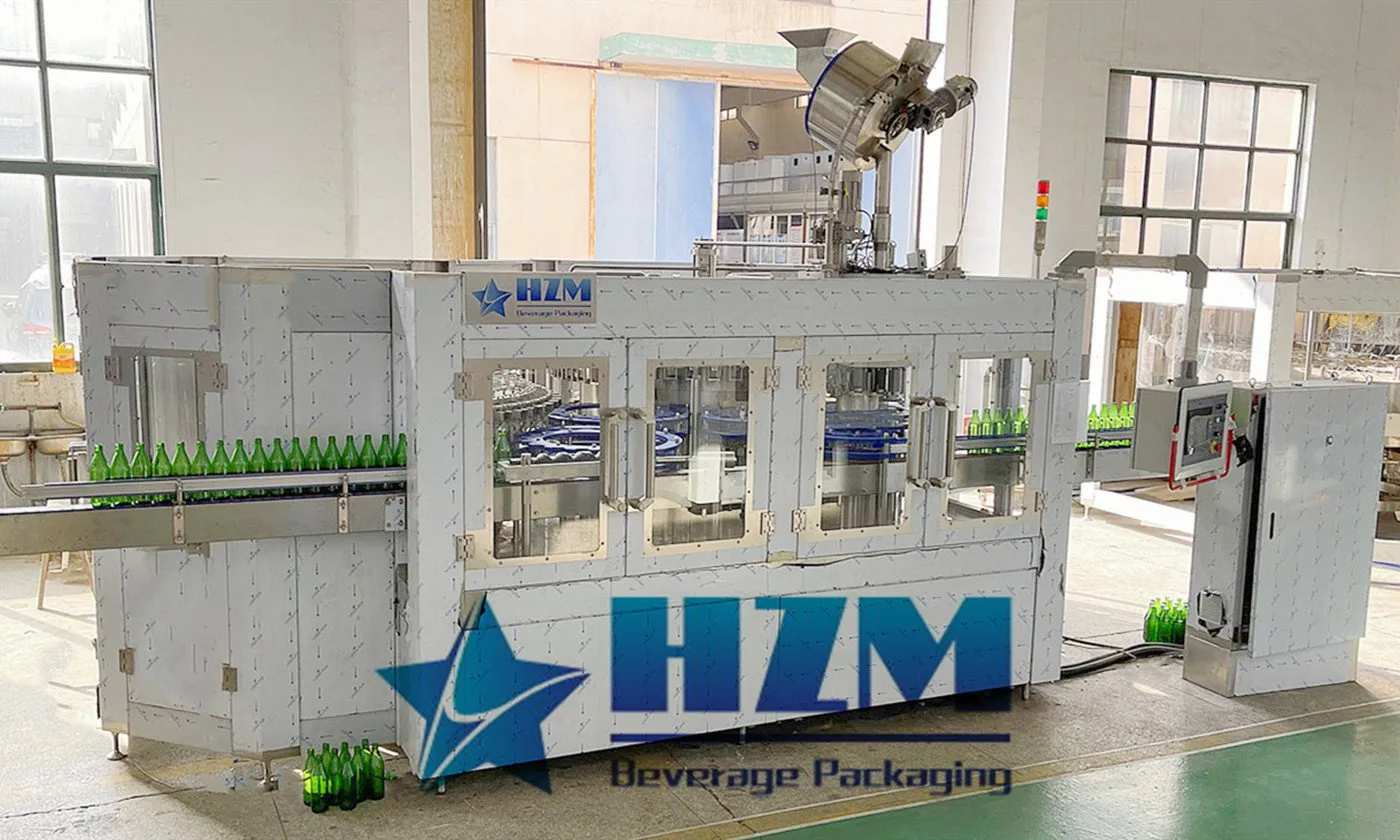
Glass Bottle CSD Beverage Filling Machine
Glass bottle filling for carbonated beverages, with isobaric filling and capacities of 2,000–20,000 bottles/hour at 500 ml.
Learn more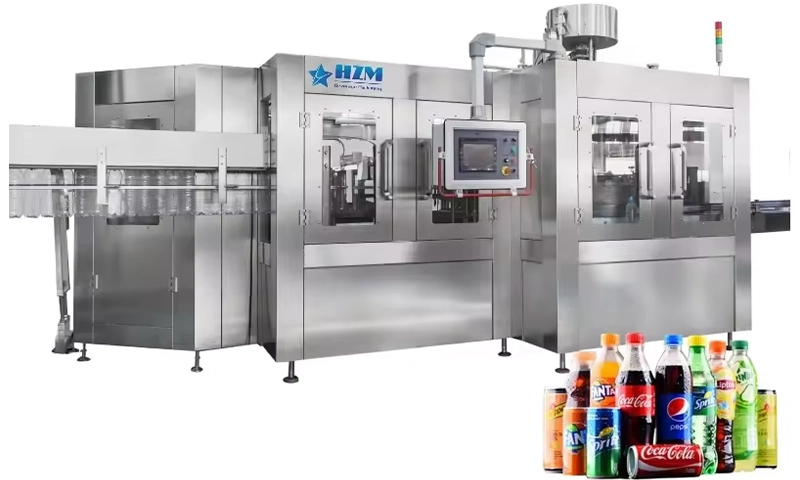
Carbonated Soft Drink Filling Machine
Carbonated soft drink rinsing, isobaric filling and capping, with DXGF models from 3,000 to 15,000 bottles/hour at 500 ml.
Learn more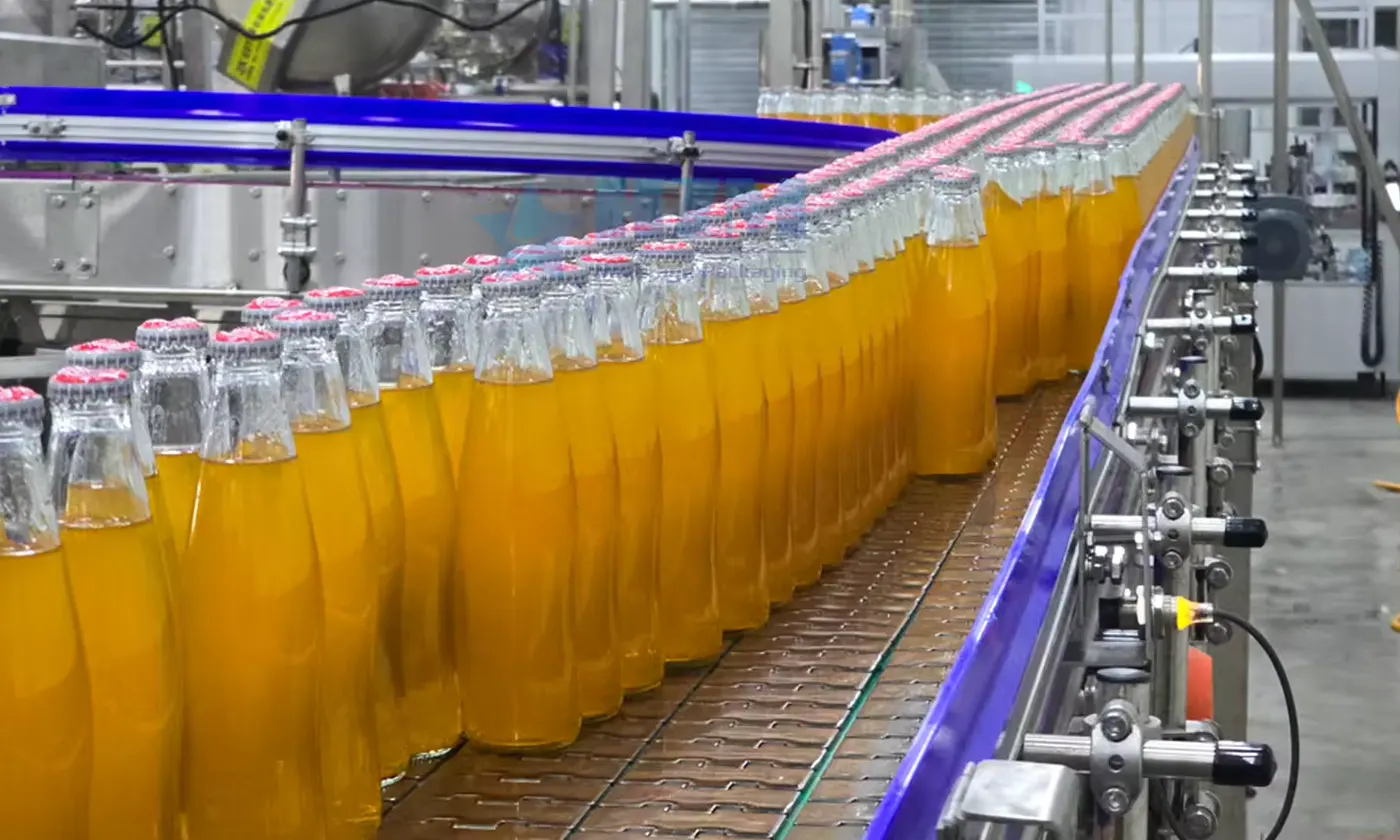
Glass Bottle Carbonated Beverage Filling Bottling Line
This glass bottle carbonated beverage line combines bottle rinsing, isobaric filling and capping with conveying, labelling and packing.
Learn more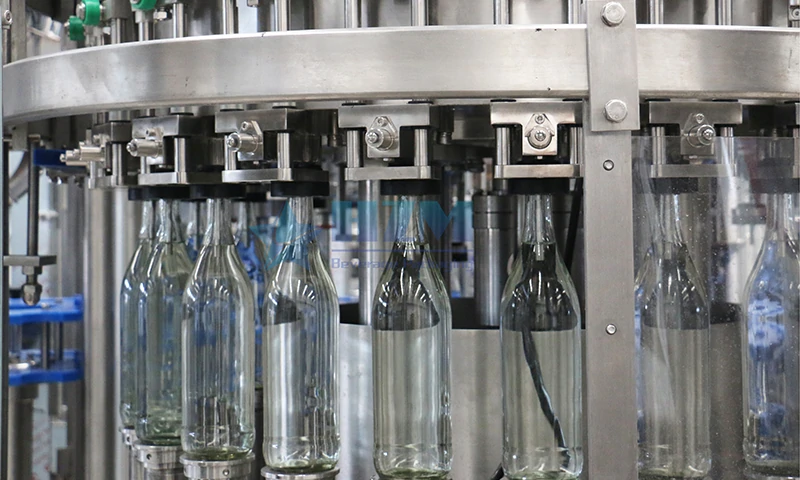
Glass Bottle CSD & Water Drinks Filling Machine
DXGF24-24-8-8 glass bottle isobaric filling for carbonated drinks, with rinsing and two capping stations.
Learn more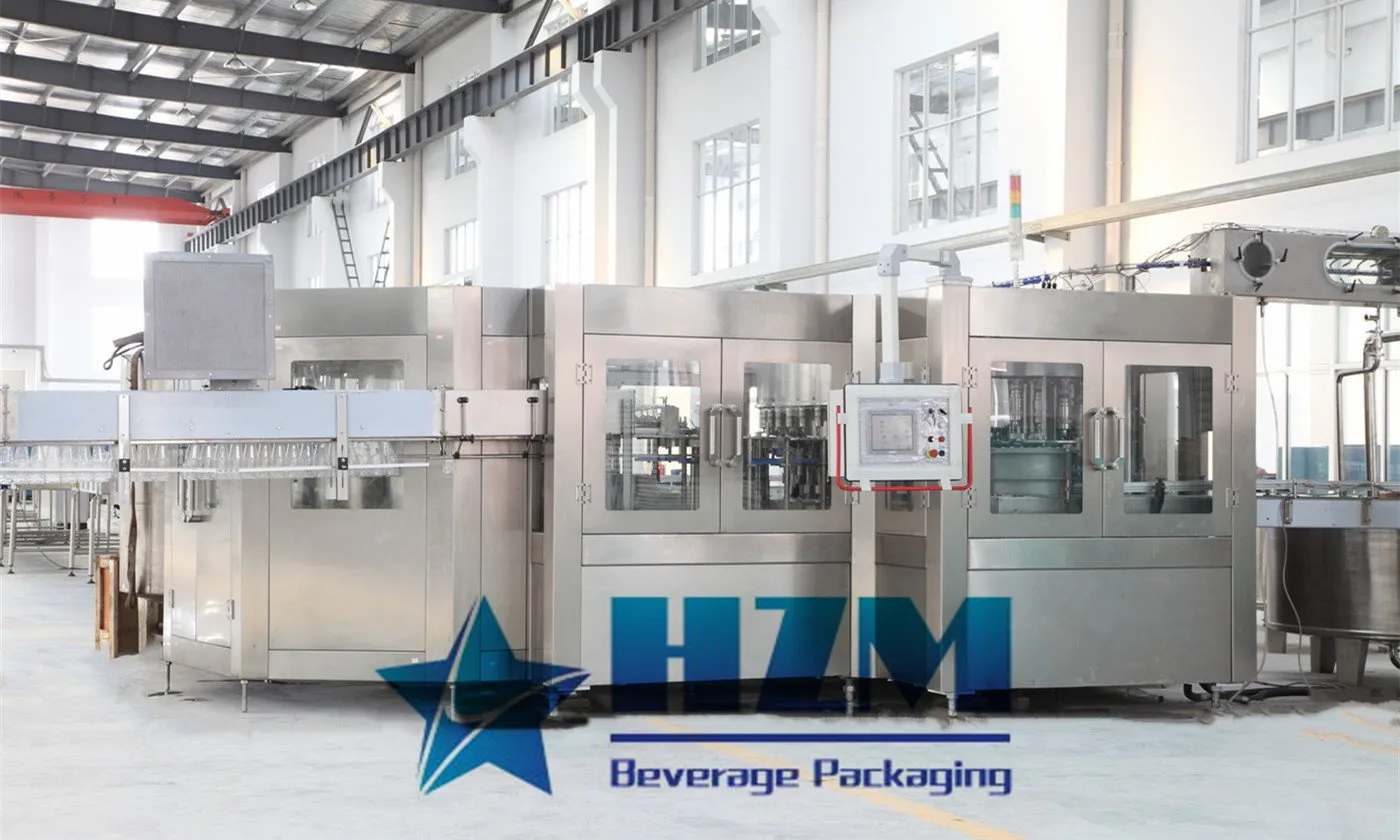
Low-cost PET bottle filling machine
Compare PET filling-machine costs, production capacity, labour, utilities and changeovers to choose equipment that meets your budget and bottle requirements.
Learn more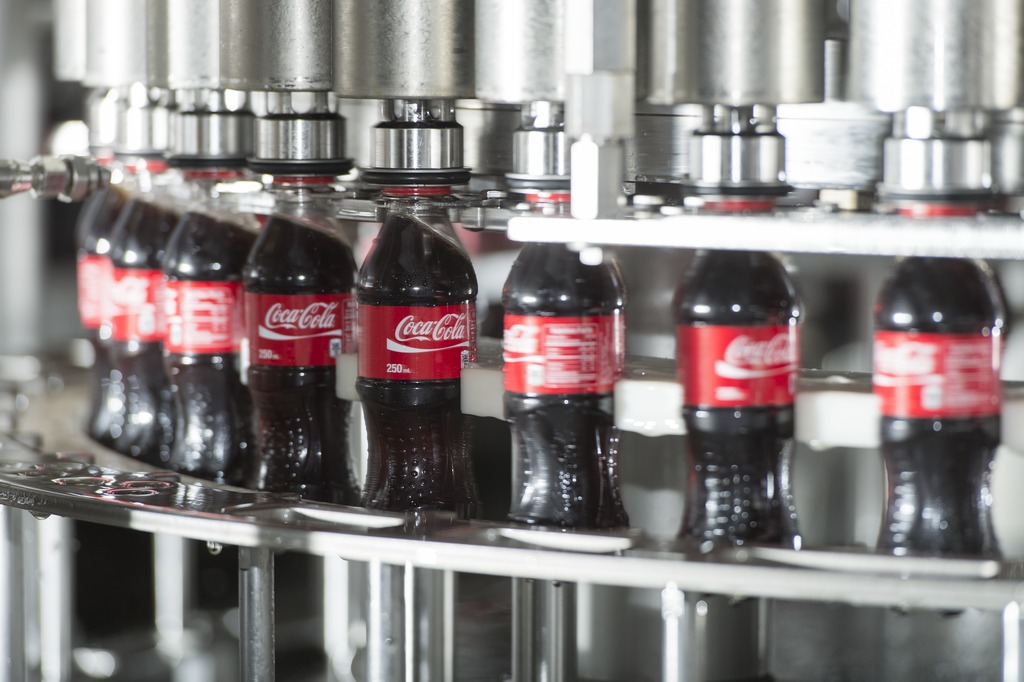
Carbonated Beverage Filling Machine Solution
Carbonated beverage filling equipment is used for filling sweetened drinks containing carbon dioxide, commonly known as carbonated drinks or carbonated beverages. They typically consist of water
Learn more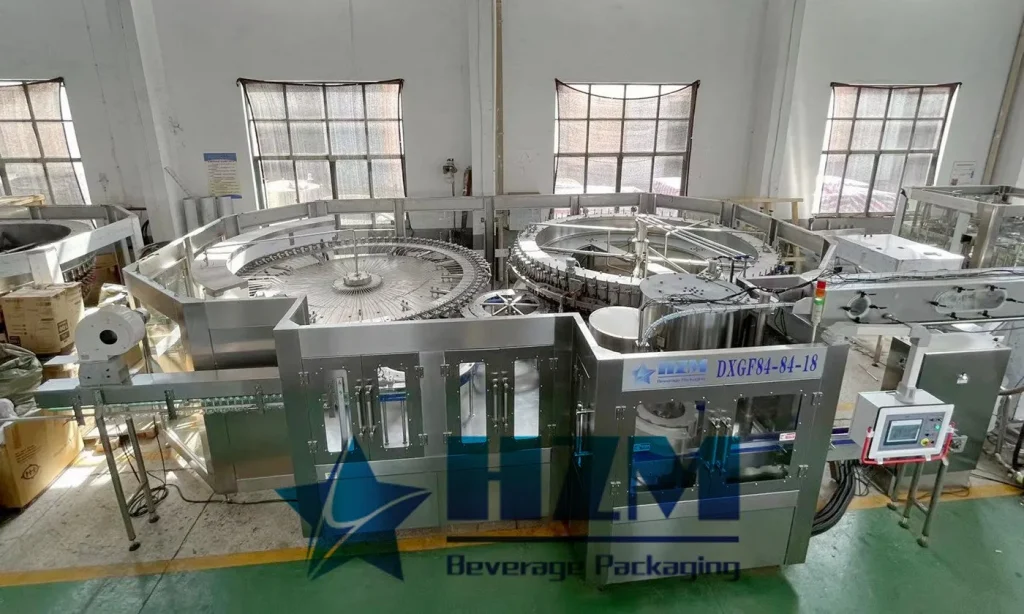
Choosing Between Used and New Carbonated Beverage Filling Machines
When it comes to setting up or expanding your carbonated beverage production line, one of the critical decisions you'll face is whether to invest in a new or used carbonated beverage filling machine. Both options have their advantages and disadvantages, and making the right choice depends on your specific needs and circumstances.
Learn more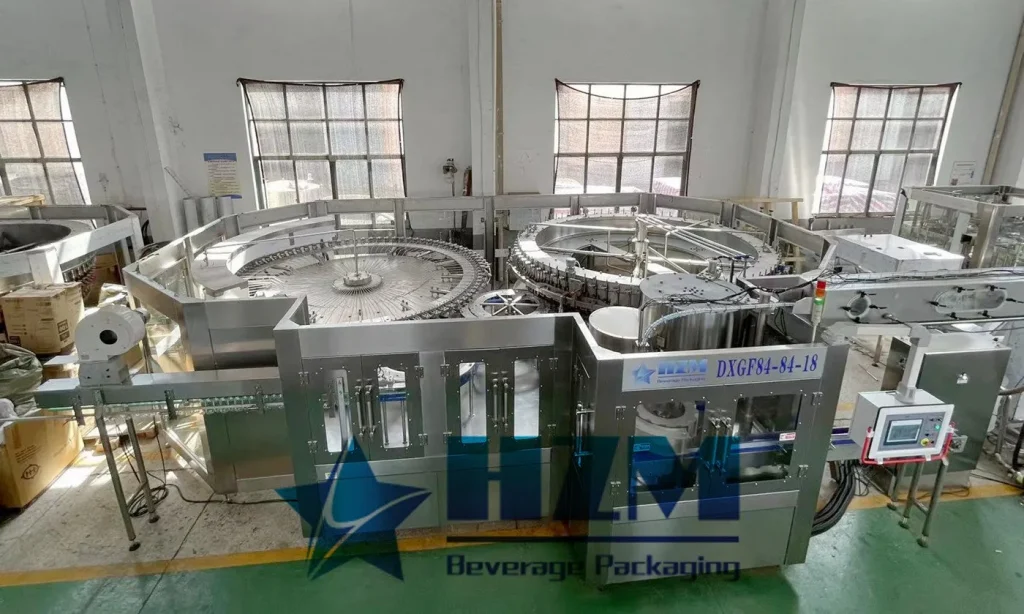
what is carbonated beverage filling machine
A carbonated beverage filling machine is a kind of equipment used for filling carbonated beverages into bottles or other containers. It is typically composed of a number of different components, including a carbon dioxide cylinder, a pressure reducer, a filling valve, a pressure sensor, and a cleaning system.
Learn more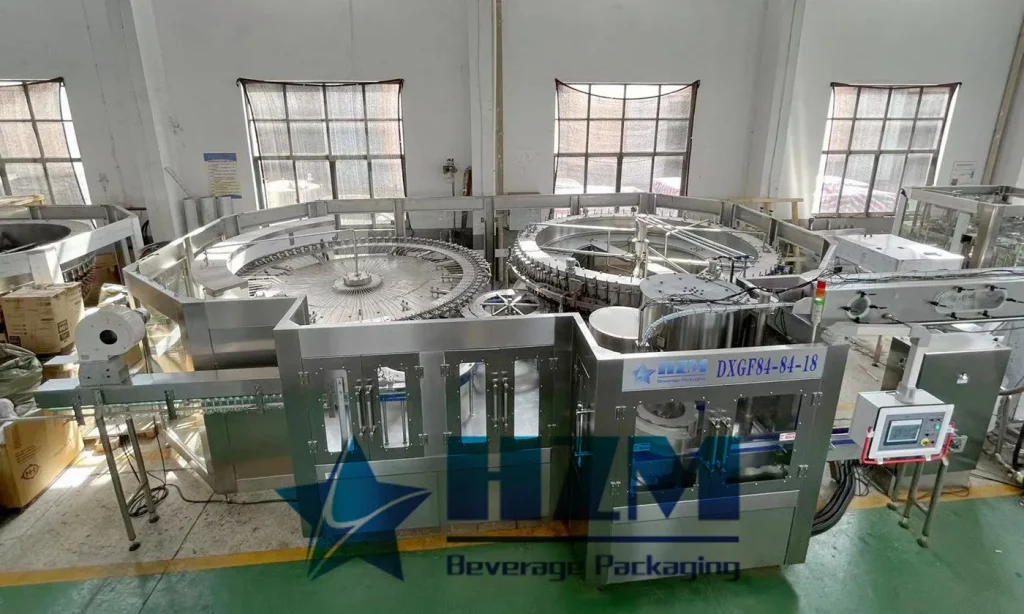
Carbonated drinks Filling Machine: A Comprehensive Solution
Beverage filling machine is a specialized device used for filling carbonated beverages into bottles in an efficient and accurate manner. In this article, we will provide an introduction to carbonated beverage filling machines and their features, discuss the applicable industries and beverage types, present the bottle types suitable for these machines in tabular form, offer a specific solution for carbonated beverage filling machines, and highlight important considerations while using them.
Learn more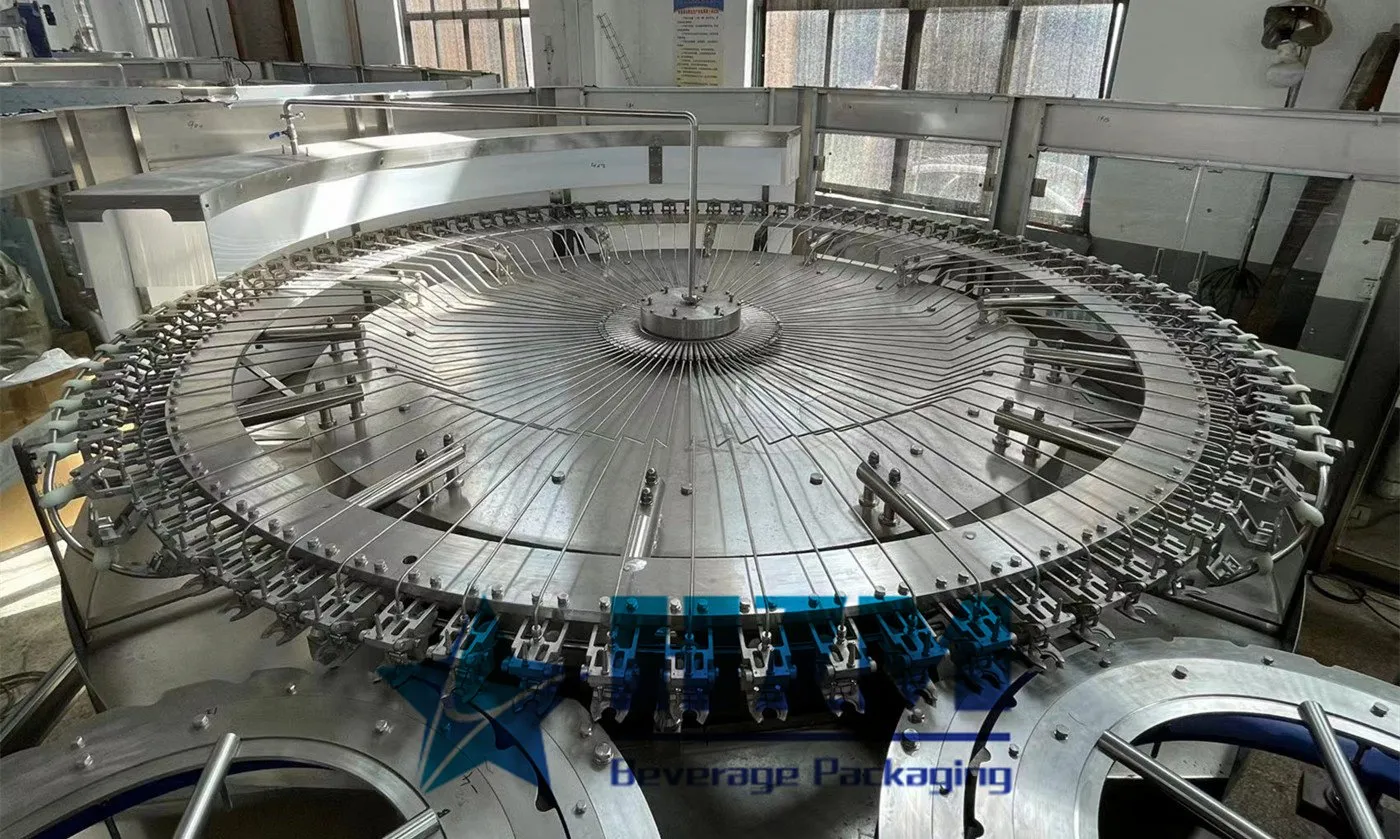
Enhancing Beverage Carbonation Equipment
Beverage carbonation equipment plays a pivotal role in producing both large and small bottled carbonated beverages. Through processes like sugar blending, it crafts preliminary beverages, which are then treated in a soda blending machine. Here, the beverage undergoes deoxygenation, followed by proportional mixing of the original syrup and water. The resulting mixture is then atomized […]
Learn more