
Insights & Updates
PET Bottle Base Is Deformed or Rocks on the Conveyor
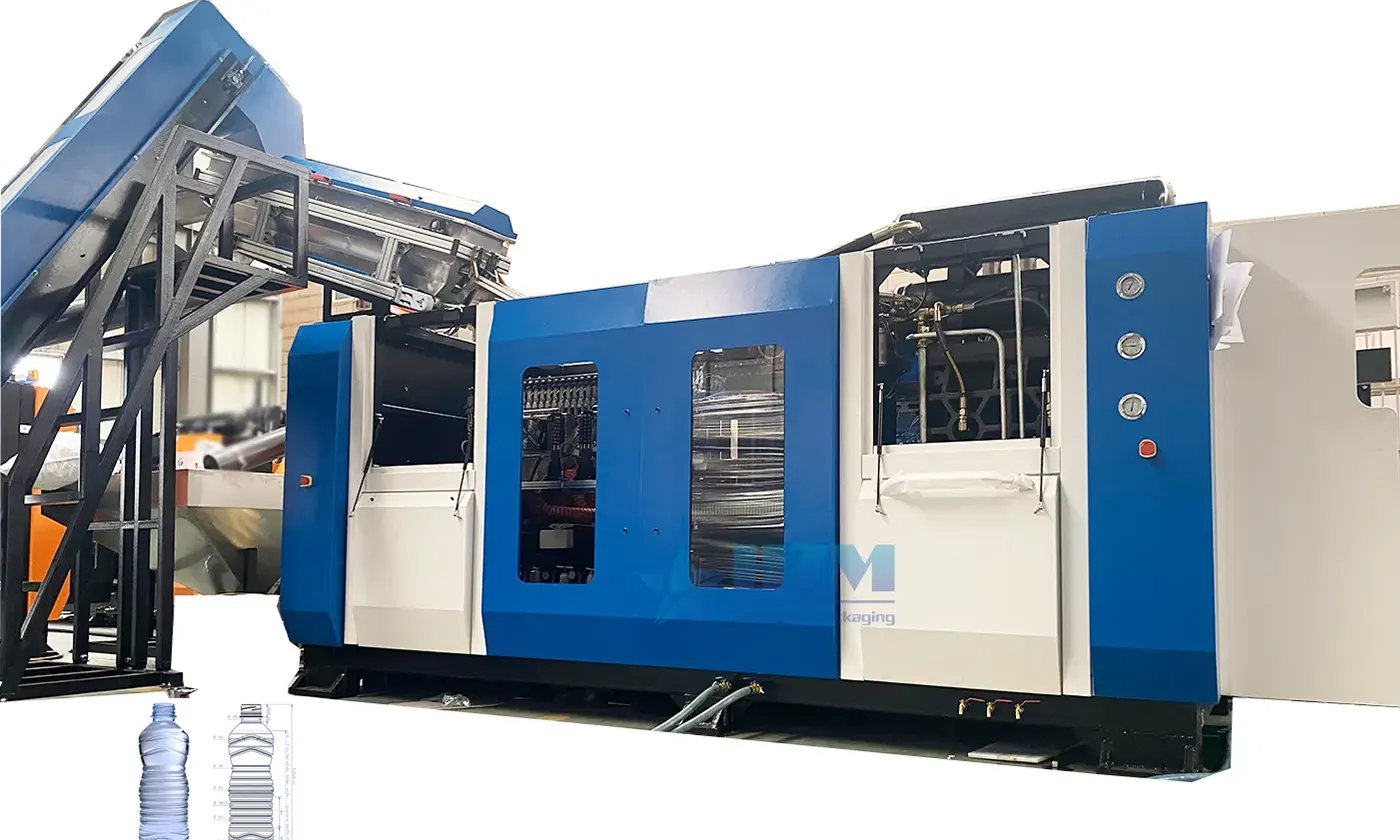
The cost of deformed PET bottle bases and unstable standing bottles is not limited to the visible reject. It can include product giveaway, rework, unstable downstream operation and hours spent correcting the wrong variable.
A PET bottle defect can originate in preform quality, heating, stretching, pre-blow, final blow, mould cooling or transfer. The location and symmetry of the defect usually reveal which process window moved. For this fault, the first distinction is between incorrect base thermal profile and stretch-rod endpoint error. The procedure below moves from non-invasive checks to controlled repair and restart.
Quick answer: Separate blow-process base defects from post-blow heat or handling damage. Check base heating, stretch-rod endpoint, mould-base position, cooling-water flow, ejection temperature and downstream guide pressure.
What operators usually see
The failure pattern narrows the search more quickly than replacing parts. Mark samples and record which of these conditions are present: For this case, preserve evidence that shows whether bottle feet are uneven and the container rocks.
- Bottle feet are uneven and the container rocks
- The gate area is stretched off-center
- Bases push upward after filling
- One cavity produces a repeatable base shape
Make the equipment safe and protect the product
Isolate high-pressure air, electrical power, heating circuits and motion energy before entering the guarded area. Treat hot oven components and pressurized blowing circuits as stored-energy hazards.
Keep samples by cavity and timestamp. Record preform lot, resin or rPET content, oven profile, pre-blow timing and pressure, final pressure, stretch-rod position, mould temperature and cooling-water conditions. Explicitly record whether bottle feet are uneven and the container rocks.
Most likely causes, in practical checking order
1. Incorrect base thermal profile
Too much or too little heat prevents the feet and push-up from forming correctly To test this explanation without guessing, inspect bottles immediately at mould discharge and again after conveying and filling Record the result before moving to the next cause.
2. Stretch-rod endpoint error
The rod stops short, overtravels or is off-center at the base A practical confirmation step is to map defects by cavity and time. Compare the finding with a known-good run.
3. Mould-base or cooling fault
Position drift and poor cooling release an unstable hot base Do not compensate for this condition in the recipe. First, measure base temperature and cooling-water flow or differential temperature Keep the original setting and measured result in the fault record.
4. Downstream thermal or mechanical load
Hot bottles are squeezed, filled or accumulated before the base stabilizes Separate this cause from the others with one controlled check: verify stretch-rod home, endpoint and alignment Use the same product, format and speed for the comparison.
Step-by-step diagnostic procedure
The aim is to eliminate whole groups of causes with each check. Record actual values rather than “normal” or “looks good.”
- Inspect bottles immediately at mould discharge and again after conveying and filling
- Map defects by cavity and time
- Measure base temperature and cooling-water flow or differential temperature
- Verify stretch-rod home, endpoint and alignment
- Inspect mould-base movement, seating and vent cleanliness
- Check downstream rails and hot-bottle accumulation for pressure on the base
Corrective actions that address the root cause
A reset is not a repair. Complete the mechanical, process or controls work indicated by the evidence and document the as-left state.
- Rebalance base heating within the qualified recipe
- Correct stretch-rod position and mechanical condition
- Repair mould-base actuation and restore cooling flow
- Reduce harmful hot handling and correct guides or residence time
How to verify the repair before full-speed production
Restart at reduced speed with normal production materials, then increase output in steps. The first acceptance check is: Confirm that deformed pet bottle bases and unstable standing bottles is absent for multiple consecutive cycles, not only for one sample. Review the alarm history and keep diagnostic product segregated until the site’s quality procedure releases it.
- Confirm that deformed pet bottle bases and unstable standing bottles is absent for multiple consecutive cycles, not only for one sample.
- Compare the repaired result for “Bottle feet are uneven and the container rocks” with the approved quality limit and the last known-good baseline.
- Check adjacent stations and downstream package quality for side effects associated with incorrect base thermal profile.
- For “PET Bottle Base Is Deformed or Rocks on the Conveyor”, record the final settings, measurements, parts used and restart authorization.
Prevent the problem from returning
The most effective preventive action is an observable limit with a named response, not a general instruction to “check regularly.”
- Use a base-rock or stability gauge at startup
- Trend cooling conditions
- Inspect stretch-rod position
- Keep mould vents clean
- Link blower cavity data to filler and conveyor rejects
When to stop troubleshooting and call a specialist
Stop and contact the machine or component supplier when deformed pet bottle bases and unstable standing bottles cannot be isolated with non-invasive checks, when it returns after an approved repair, or when calibration requires protected service tools. Stop local work when safe diagnosis requires protected service tools, energized access or a change to a validated process. Send the service engineer the fault history, photos, samples, trend data, recipe revision and work already completed.
Relevant equipment for this application
Where deformed PET bottle bases and unstable standing bottles reveals an application mismatch rather than a maintenance fault, review the Automatic Water Bottle Blowing Molding Machine. A useful technical discussion includes the real bottle, closure, product properties, pack format and site conditions.
Frequently asked questions
What should be checked first when deformed PET bottle bases and unstable standing bottles?
Separate blow-process base defects from post-blow heat or handling damage. Check base heating, stretch-rod endpoint, mould-base position, cooling-water flow, ejection temperature and downstream guide pressure. Preserve the original settings and take representative samples before repair work begins.
How can we distinguish incorrect base thermal profile from stretch-rod endpoint error?
Too much or too little heat prevents the feet and push-up from forming correctly In contrast, the rod stops short, overtravels or is off-center at the base Compare the two mechanisms under the same operating condition by completing these checks: inspect bottles immediately at mould discharge and again after conveying and filling Then map defects by cavity and time
Can production continue while deformed PET bottle bases and unstable standing bottles?
Only when the plant’s documented risk assessment and quality procedure allow it. For deformed PET bottle bases and unstable standing bottles, stop and segregate production when package integrity, sanitation, validated processing, pressure safety, electrical protection or an uncontrolled reject trend is involved.
What evidence will help the equipment supplier respond faster?
Provide the model and serial number, product and format, target speed, first fault, timestamps, photos or video, affected station pattern and maintenance history. For this issue, also include bottle feet are uneven and the container rocks and the measured result from this check: check downstream rails and hot-bottle accumulation for pressure on the base
Talk to our engineering team
Need help planning your packaging line?
Share your product, bottle and capacity requirements for a practical equipment recommendation.
Equipment
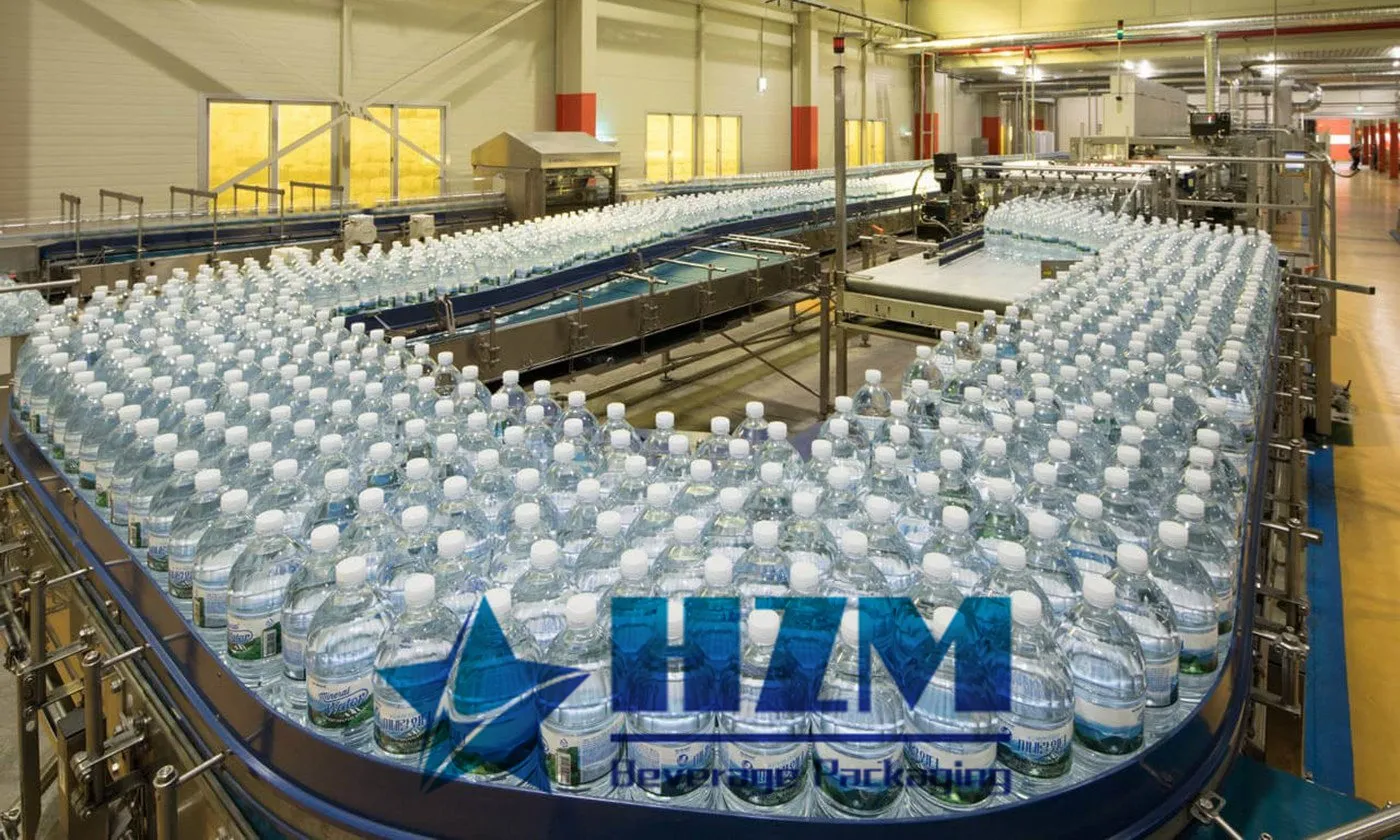
Bottle Conveyor
The bottle conveyor transfers containers between filling, labelling and packing machines.
Learn more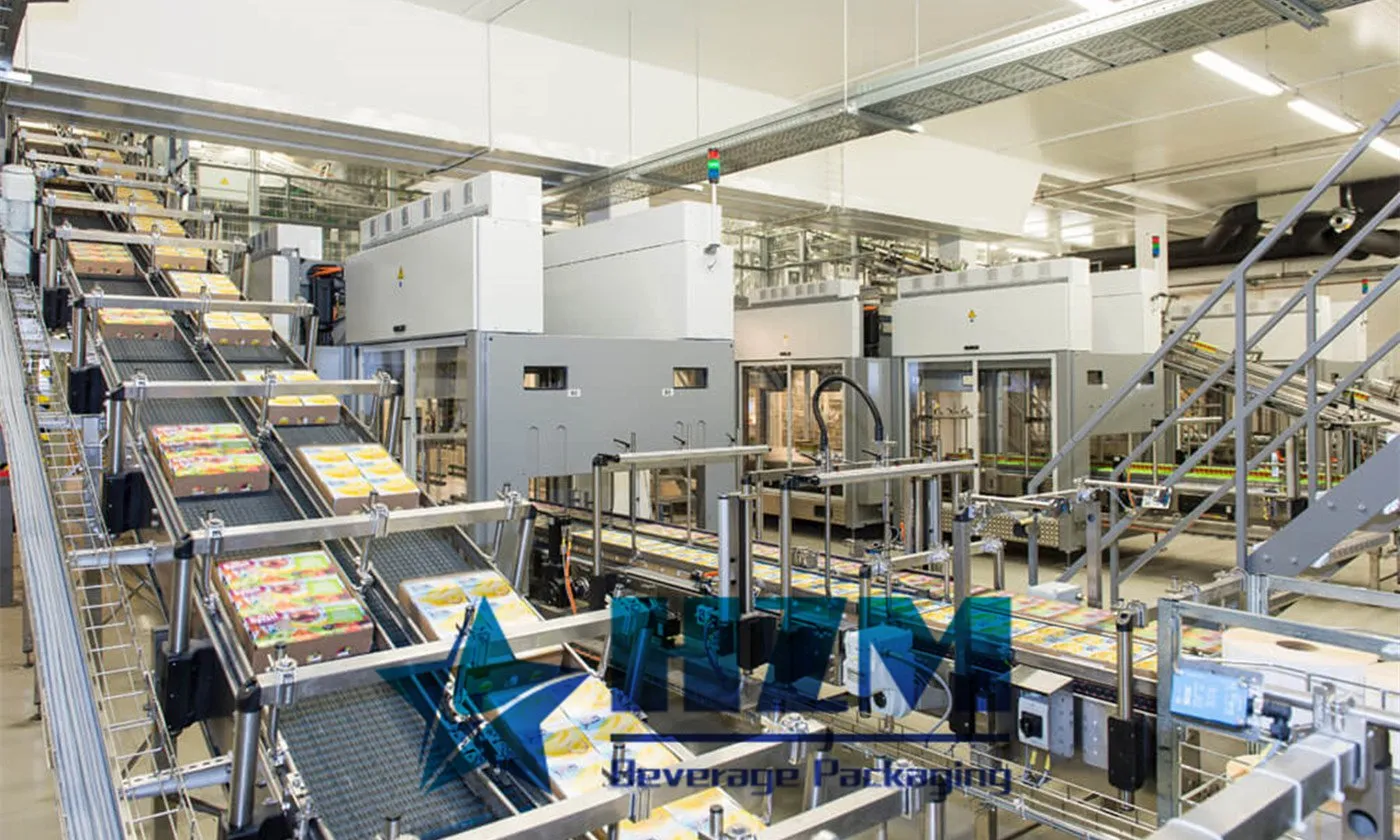
Equipment
Packs Conveyor
The packs conveyor moves finished packs, cartons and other packaged products between packing and handling stations.
Learn more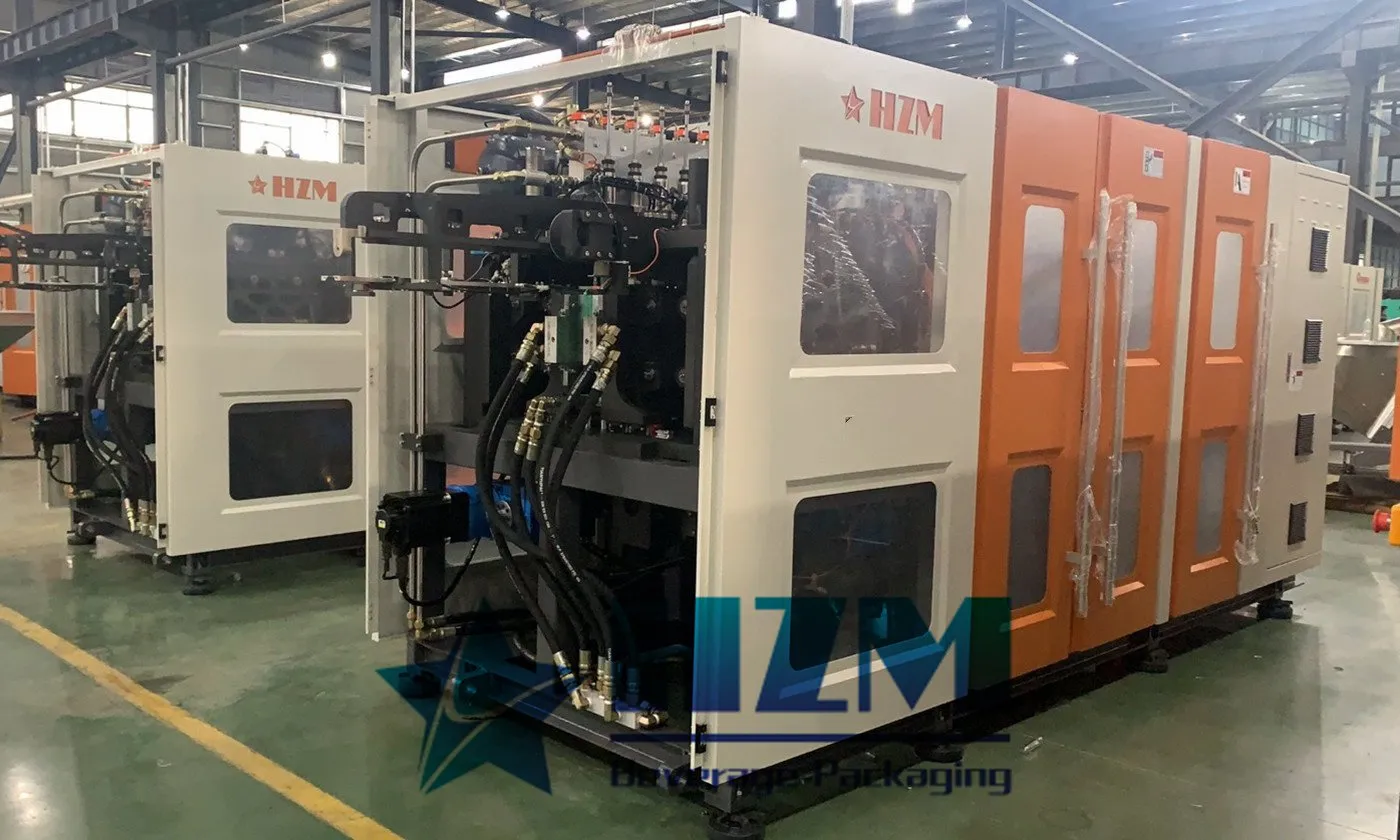
Equipment
Automatic Blow Molding Machine
Automatic PET bottle blowing for water and beverage packaging, with capacities of 12,000–24,000 bottles/hour at 500 ml.
Learn more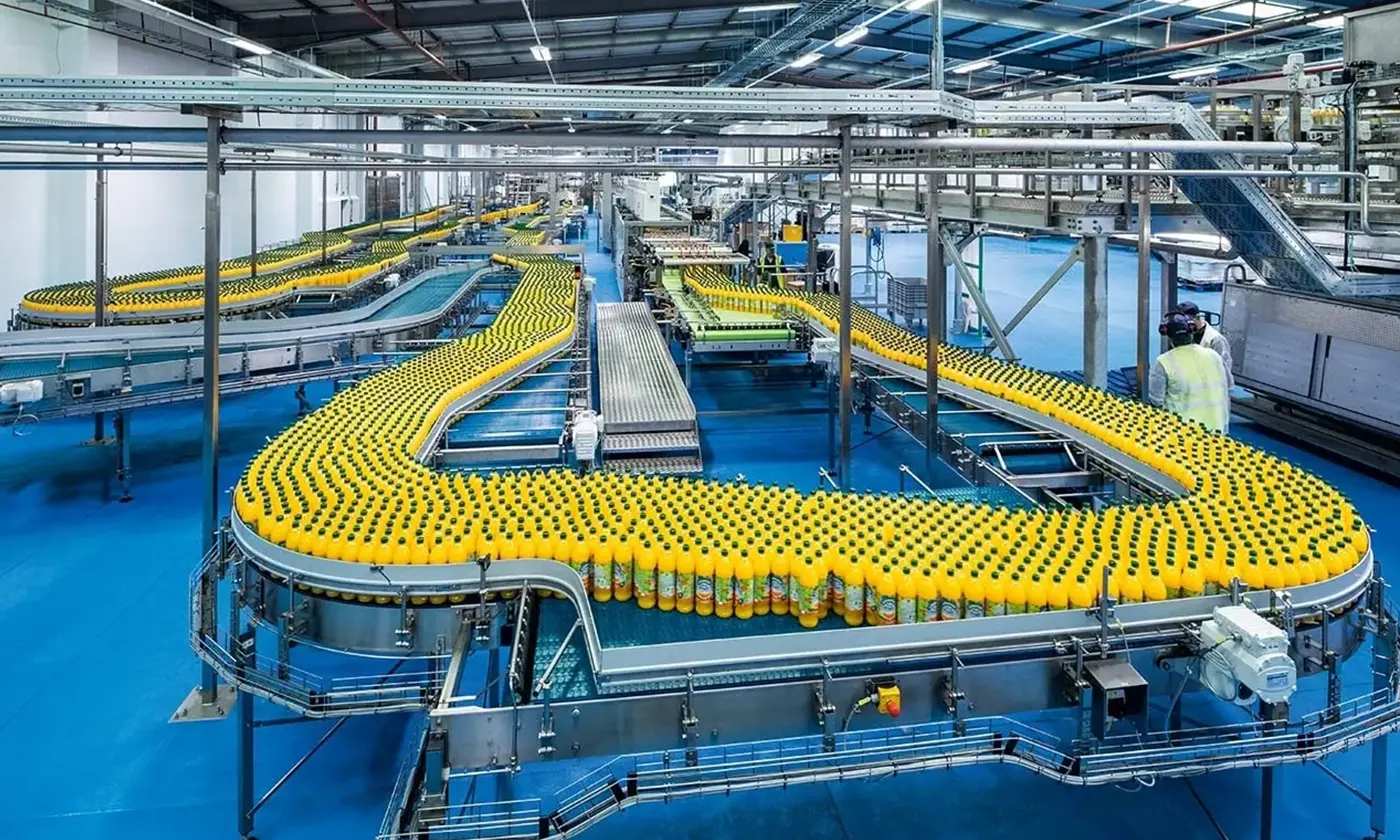
Equipment
Bottle Water & Beverage Conveyor System
The bottled-water and beverage conveyor system connects container supply, filling and packaging.
Learn more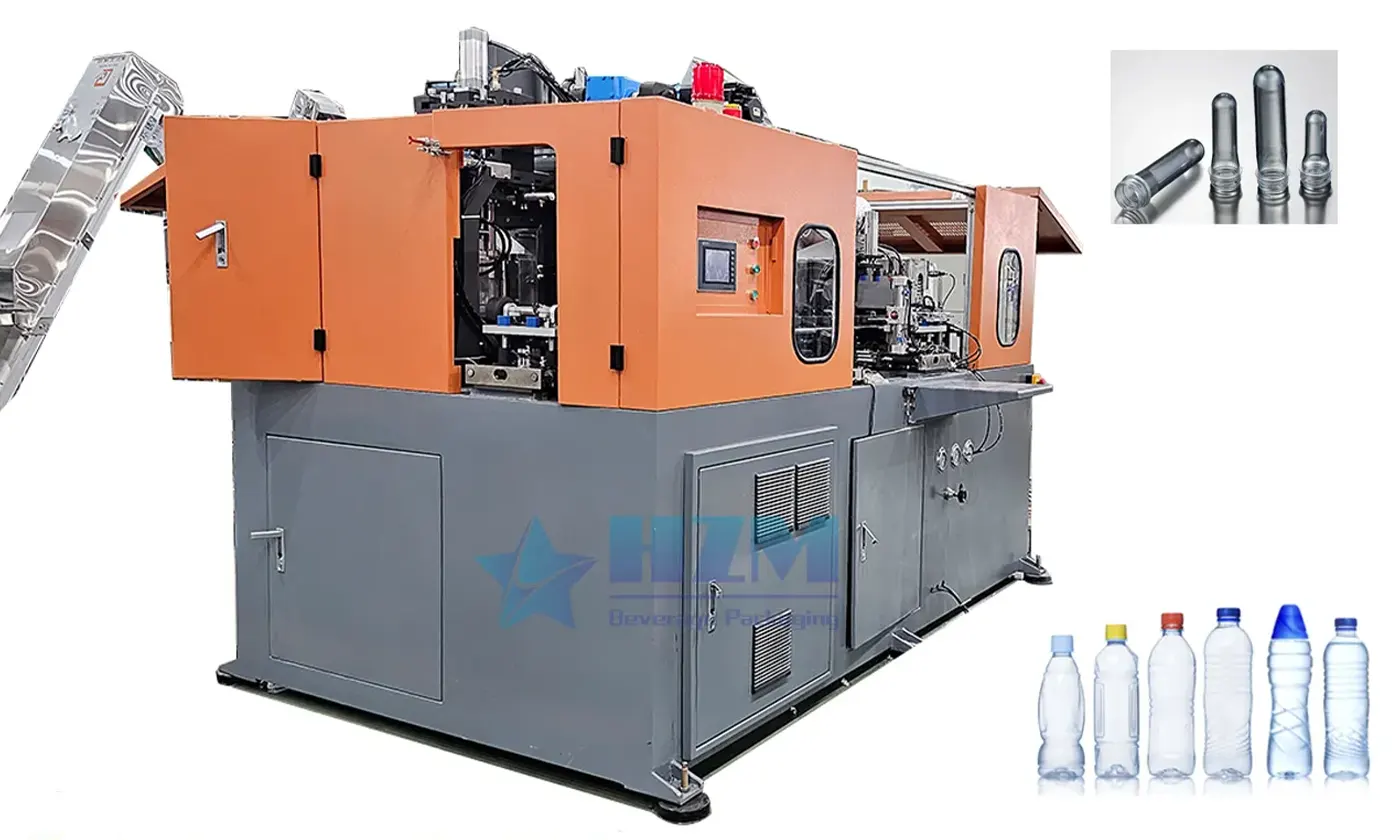
Equipment
PET Bottle Blow Molding Machine
PET bottle blow moulding with 6–12 cavities and capacities of 12,000–21,600 bottles/hour at 500 ml.
Learn more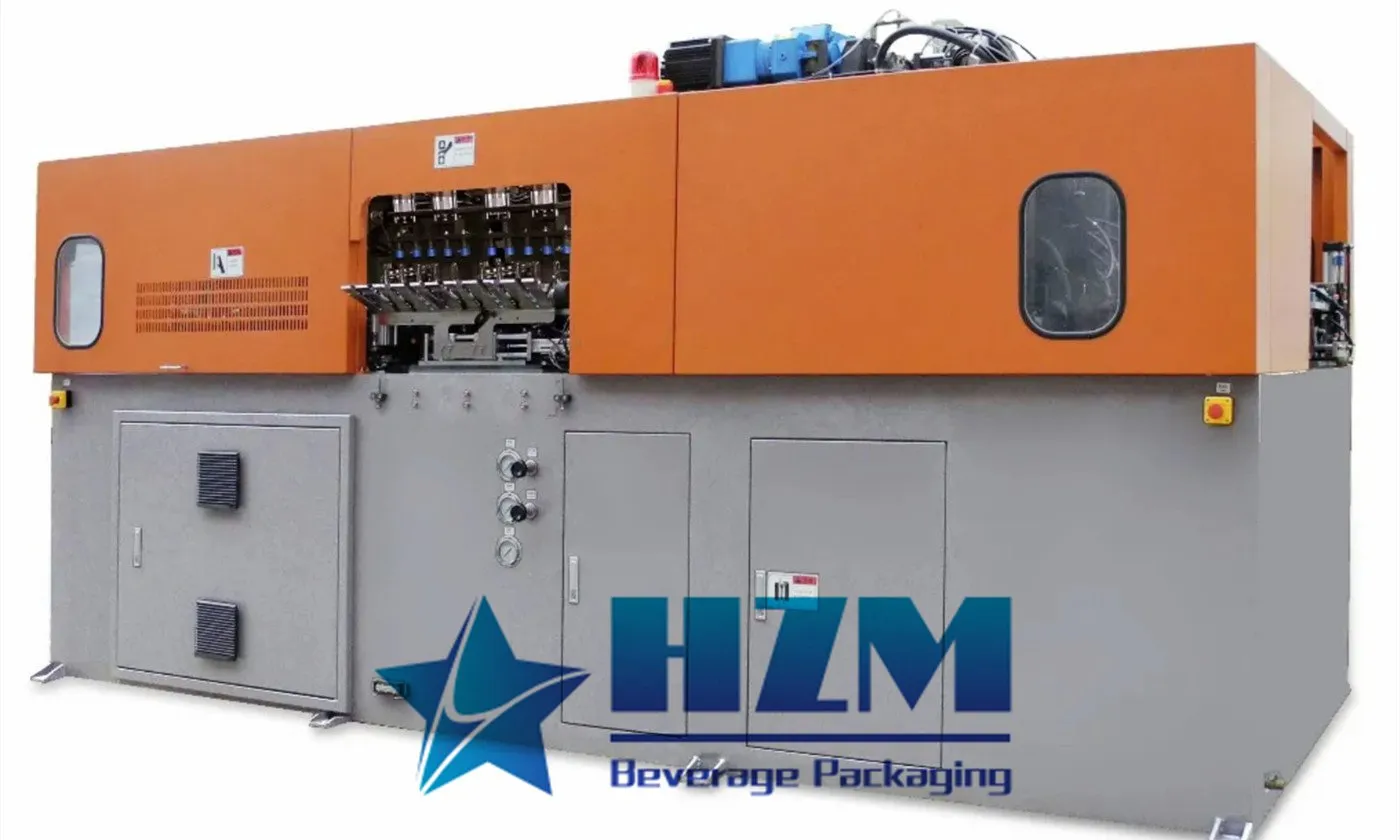
Equipment
Full Electric Servo Type Blow Molding Machine
Full-electric servo PET blow moulding with 4, 6, 9 or 10 cavities and capacities of 5,400–13,000 bottles/hour at 500 ml.
Learn moreEquipment
Automatic Water Bottle Blowing Molding Machine
Automatic water bottle blowing from PET preforms, with 6–12 cavities and capacities up to 21,600 bottles/hour at 500 ml.
Learn more
Equipment
Bottle Air Conveyor
The bottle air conveyor transfers empty PET bottles from the blowing machine to the filler.
Learn more
Equipment
Automatic PET Stretch Blow Molding Machine
Automatic PET stretch blow moulding with 2, 4 or 6 cavities and HZM-ECO model capacities of 1,800–7,000 bottles/hour.
Learn more2023-06-09
Solutions for Blow Molding Plastic Bottles
This article will discuss the price, HZM manufacturer, functions, applicable industries, solutions, procurement considerations, and maintenance techniques related to blow molding machines.
Learn more2023-06-07
How Much Does a Blow Molding Machine Cost?
we will explore the various factors that influence the cost of a blow molding machine and provide insights into the pricing range.
Learn more2023-06-08
how does a blow molding machine work
How Does a Blow Molding Machine Work? Exploring the Process with HZM Blow Molding Machine Manufacturer
Learn more2023-06-09
High Efficiency 28000 BPH Automatic Pet Blow Molding Machine
High quality High Efficiency 28000 BPH Automatic Pet Blow Molding Machine from China, China's leading 28000 BPH Automatic Pet Blow Molding Machine product, with strict quality control 28000 BPH Auto Pet Blow Molding Machine factories, producing high quality 800 BPH Blow Molding Machine products.
Learn more
2023-11-23
User What are the three types of blow moulding?
Blow molding is a manufacturing process used to produce hollow plastic parts. There are three main types of blow molding: 1、Extrusion Blow Molding (EBM) This is the most common type of blow molding. In EBM, a continuous tube of plastic, called a parison, is extruded (pushed out) from an extruder. The parison is then enclosed […]
Learn more2026-09-06
PET Bottles Burst During Blowing or Pressure Test
Stop and identify whether failure starts at a material-thin zone, a preform defect, a damaged mould surface, excessive pressure or incomplete cooling. Preserve cavity-coded fragments and pressure data. Follow this practical fault-isolation, repair and prevention guide for bottling-line operators and maintenance teams.
Learn more