
RO Biofouling: Signs, Root Causes and a Sustainable Control Plan
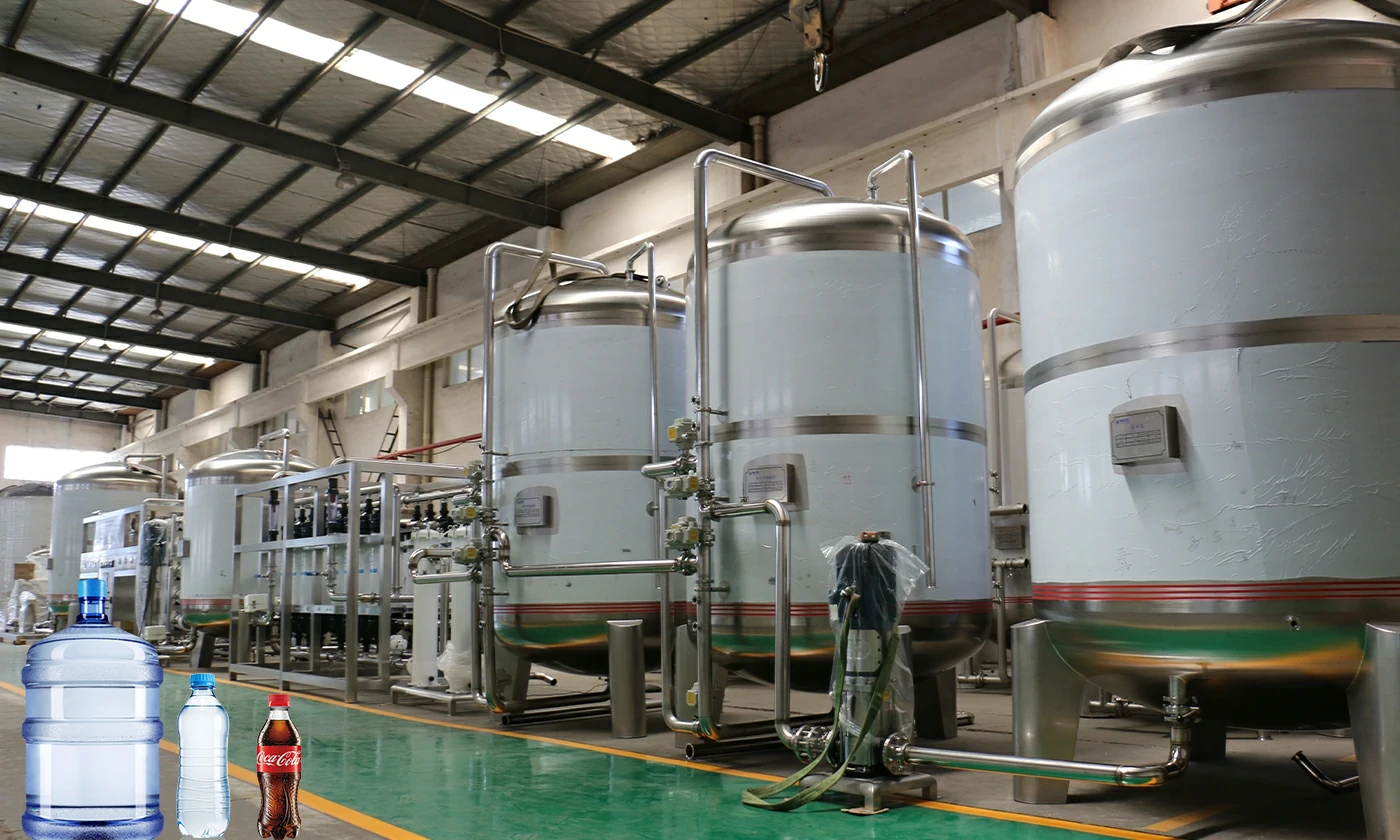
A rising RO differential pressure can indicate several types of fouling. Combine performance trends with deposit analysis and microbiological sampling to investigate biofouling. Inspect pretreatment, tanks, pipework and shutdown practice before choosing a membrane-compatible corrective procedure.
Use the plant chemical-handling procedure, suitable PPE and lockout/tagout. Depressurize housings and verify that cleaning chemicals have been displaced before opening a pump, filter or membrane vessel.
Locate the fault
- Lead-stage differential pressure rises repeatedly
- A slimy deposit appears on cartridges or membrane spacers
- Permeate flow recovers after cleaning but falls again quickly
- Microbial counts rise after long shutdowns
Inspection sequence
- Map microbiological samples from raw water through each pretreatment step and RO feed
- Trend first-stage differential pressure and cartridge condition
- Inspect tank vents, drains, overflow and internal hygiene
- Review shutdown duration, flushing and preservation records
- Verify sanitant concentration, contact time, temperature and circuit coverage
- Use appropriate deposit analysis to distinguish biomass from inorganic foulant
Corrective work
- Clean and sanitize the source tanks and pretreatment under validated procedures
- Remove nutrient or filtration breakthroughs
- Implement approved shutdown flush and preservation
- Clean membranes with compatible chemistry and replace elements that cannot recover
Operating records and follow-up
- Monitor high-risk points instead of only final water
- Maintain hygienic tanks and vents
- Control carbon-filter and cartridge replacement
- Define shutdown preservation by duration and temperature
- Trend cleaning frequency as a root-cause indicator
Equipment details: bottled water treatment plant – water purification system for bottling line.
Need help planning your packaging line?
Share your product, bottle and capacity requirements for a practical equipment recommendation.
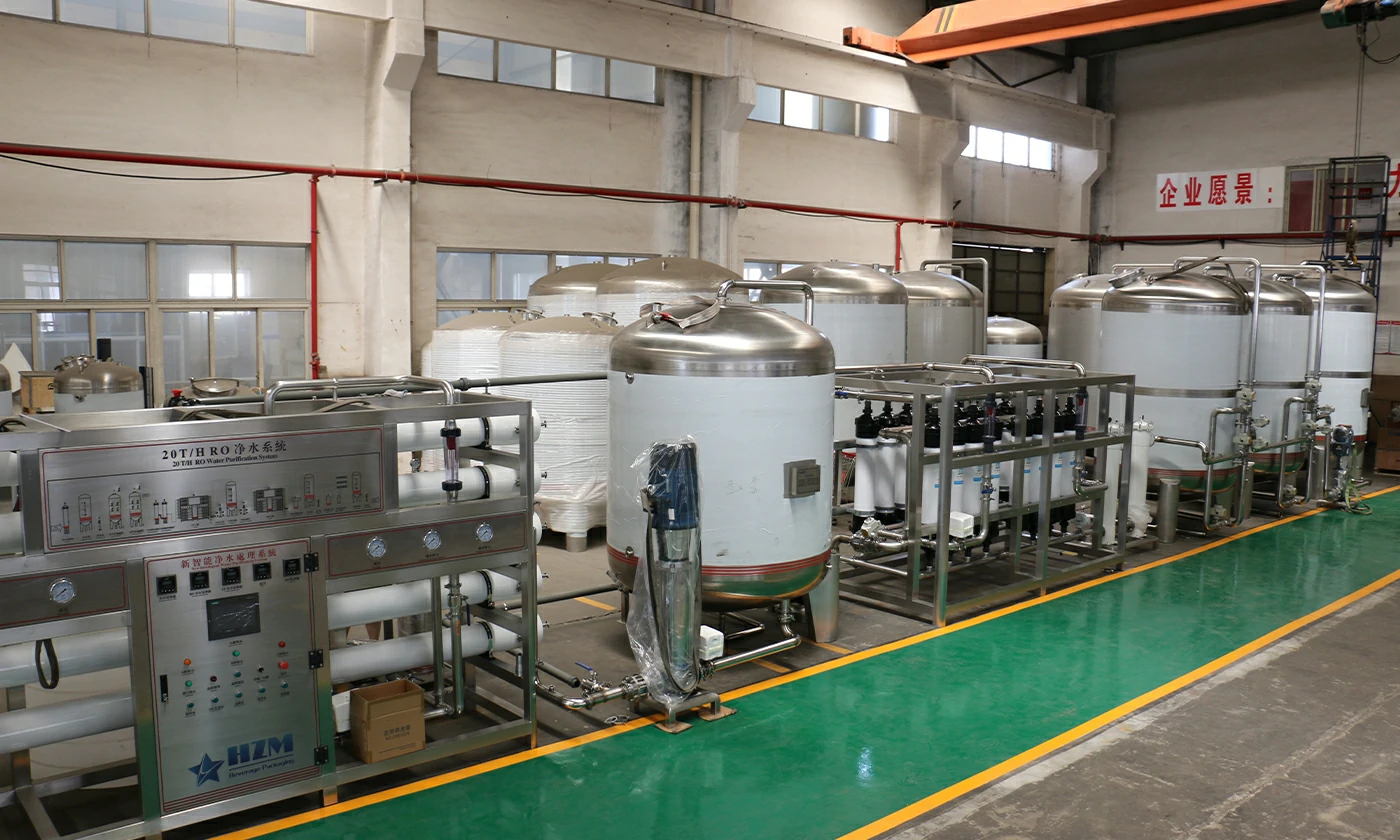
Industrial RO Drinking Water Treatment Plant – Reverse Osmosis Equipment for Beverage & Bottled Water
1,000 litres/hour reverse osmosis water treatment for bottled-water, beverage and food production.
Learn more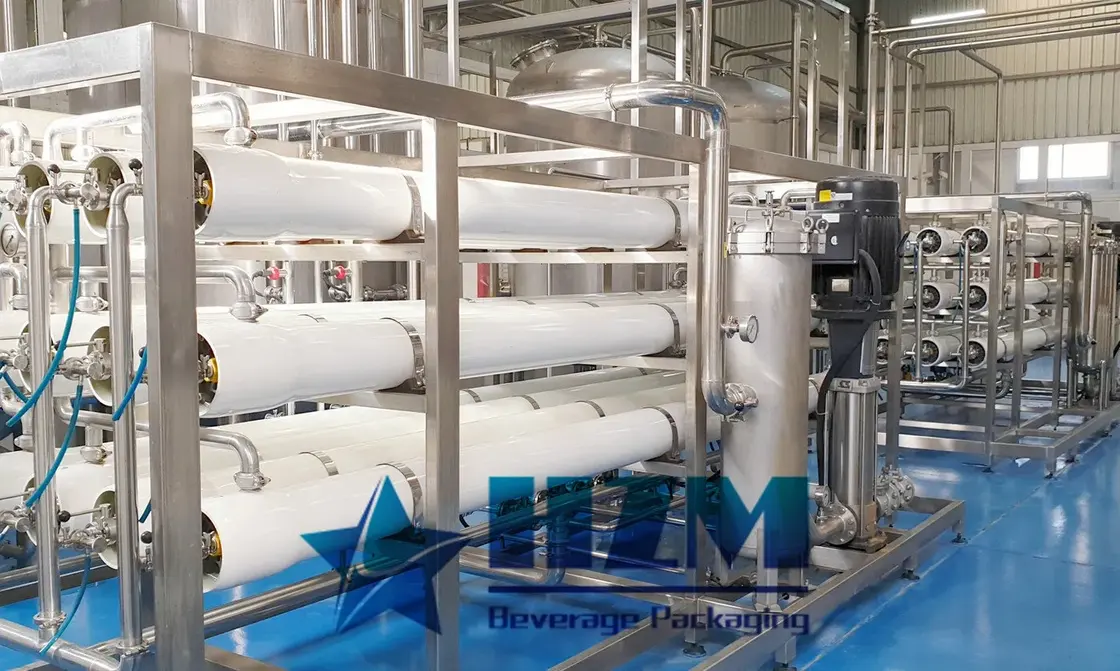
Water Treatment System
HZM water treatment systems prepare process water for bottled water, beverages and brewing.
Learn more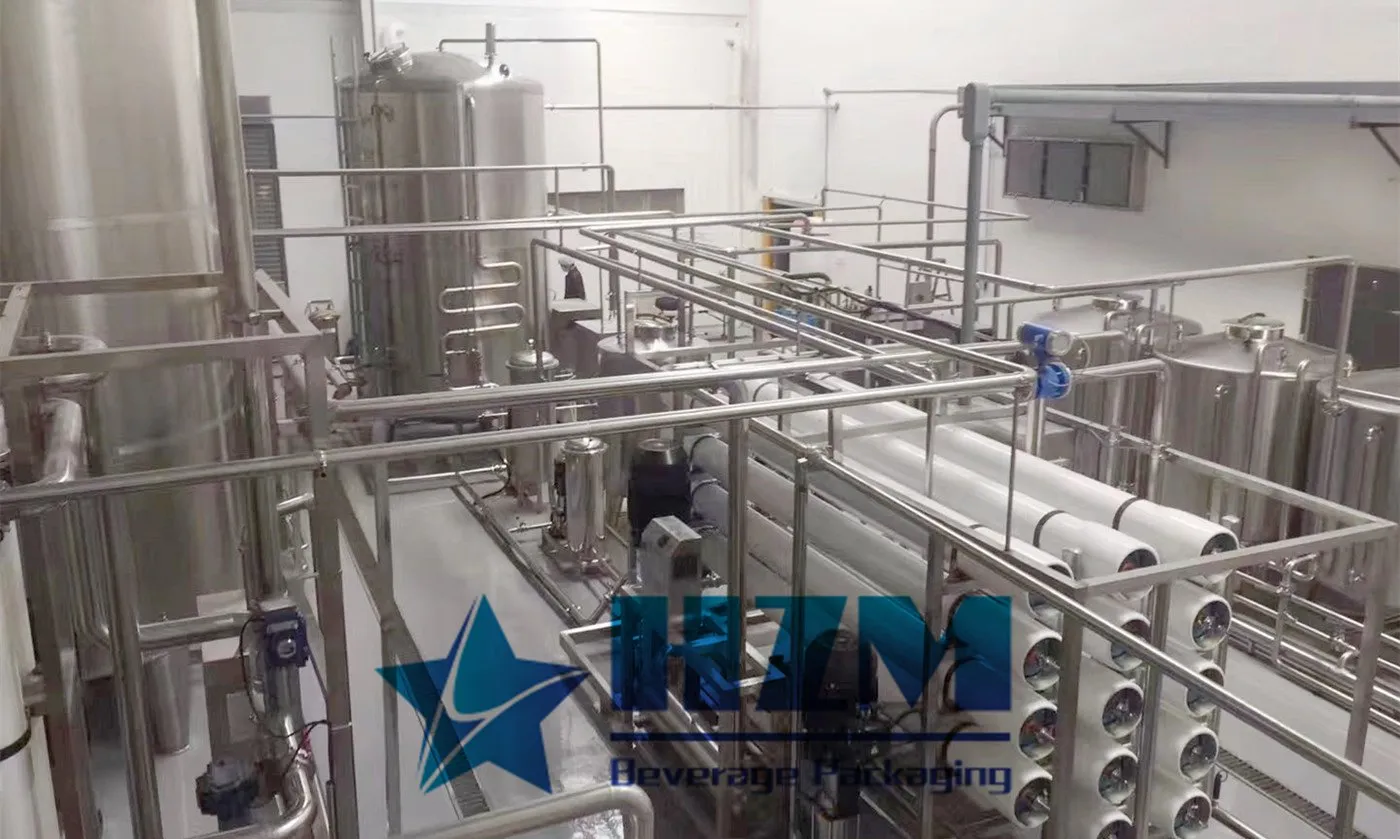
Water Treatment Machine Purification System
HZM water purification equipment combines filtration, membrane treatment and final treatment in one process.
Learn more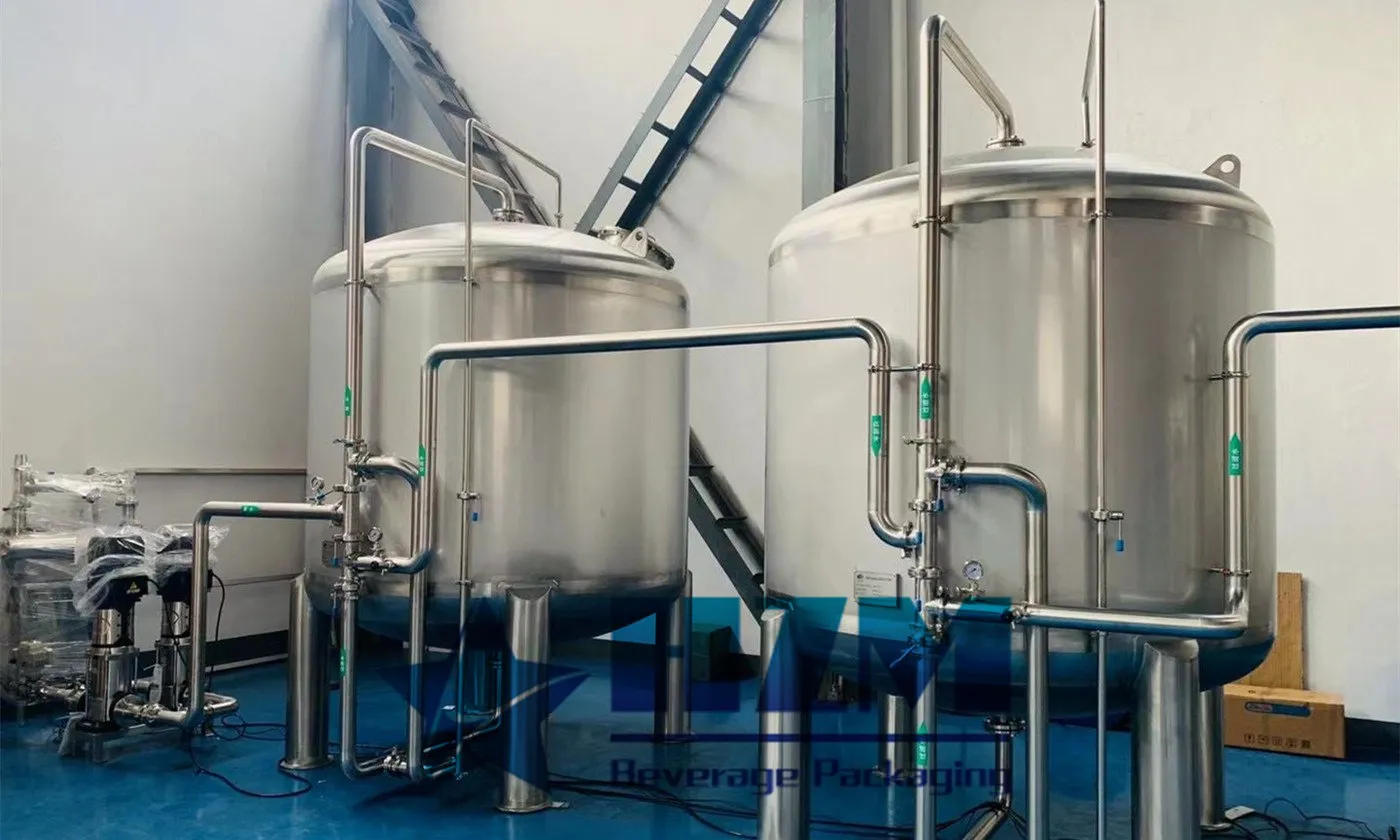
RO System Water Treatment Plant
The RO water treatment plant produces purified water through feed-water pretreatment and reverse-osmosis membrane separation.
Learn more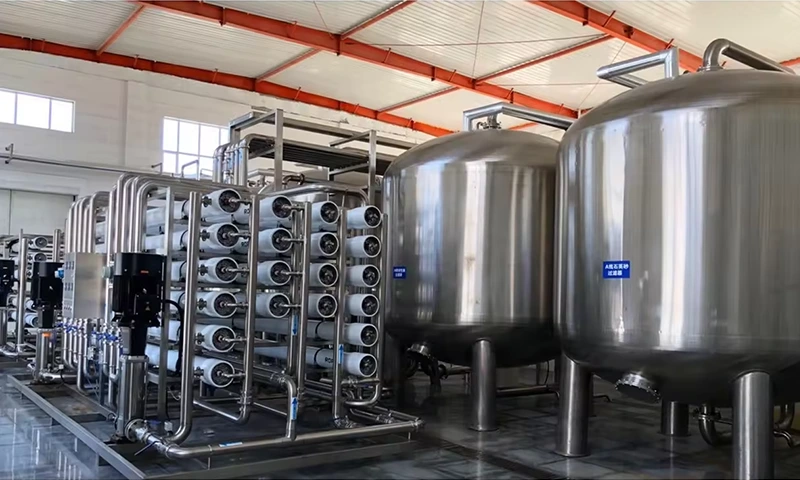
RO Water Treatment Machine for Bottled Water Production
10 T/H reverse osmosis water treatment for purified-water bottling, with pretreatment, storage and filler-supply connections.
Learn moreWater Treatment for the Food & Beverage Industry – RO Water Treatment Equipment
10 T/H RO water treatment for ingredient, process and rinse water in food and beverage plants.
Learn more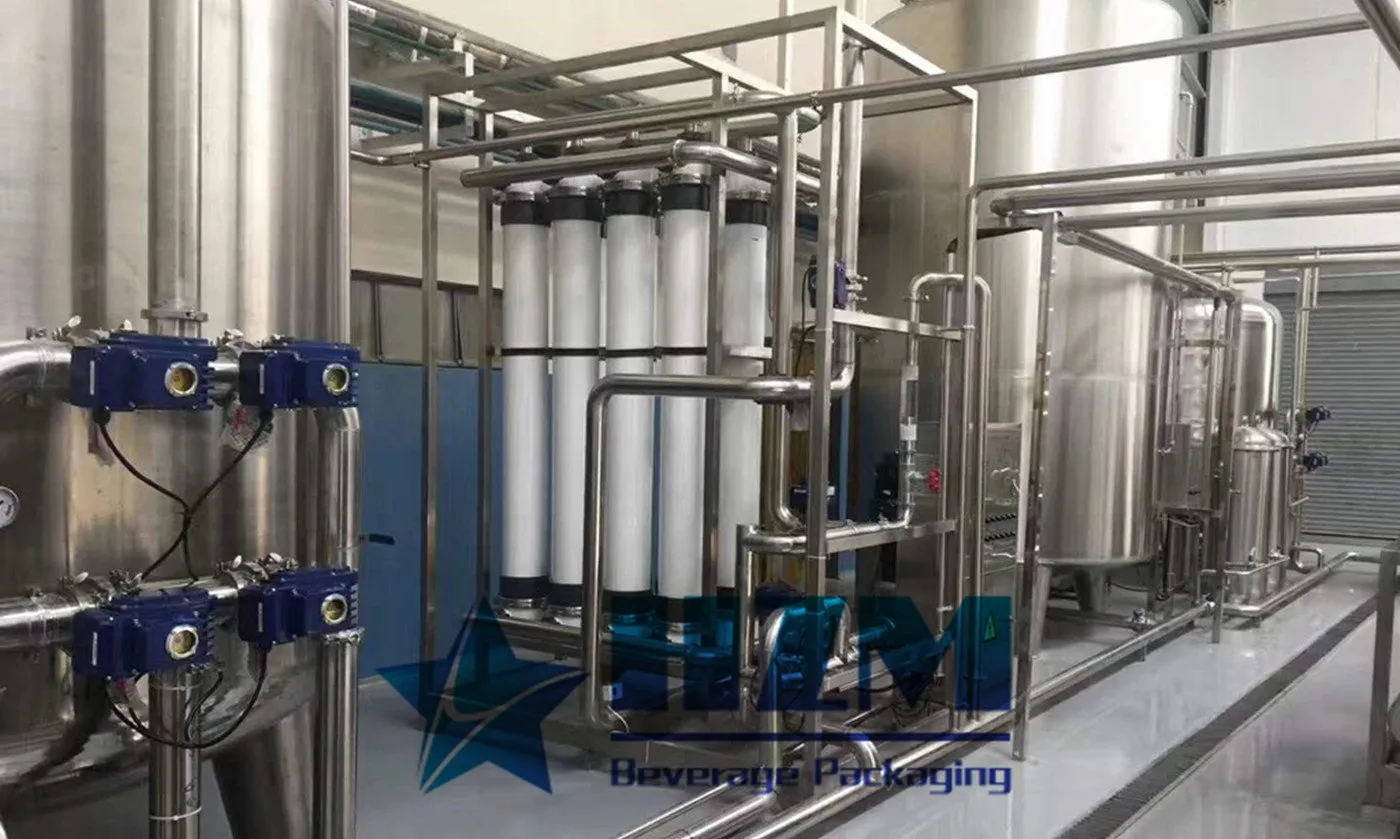
Industrial Drinking Water Treatment System
This industrial drinking-water treatment system supplies treated water to bottling and beverage plants.
Learn moreIndustrial food water treatment equipment – 10T/H RO Water Treatment System
10 T/H reverse osmosis water treatment for food and beverage production, with pretreatment and stainless-steel equipment options.
Learn more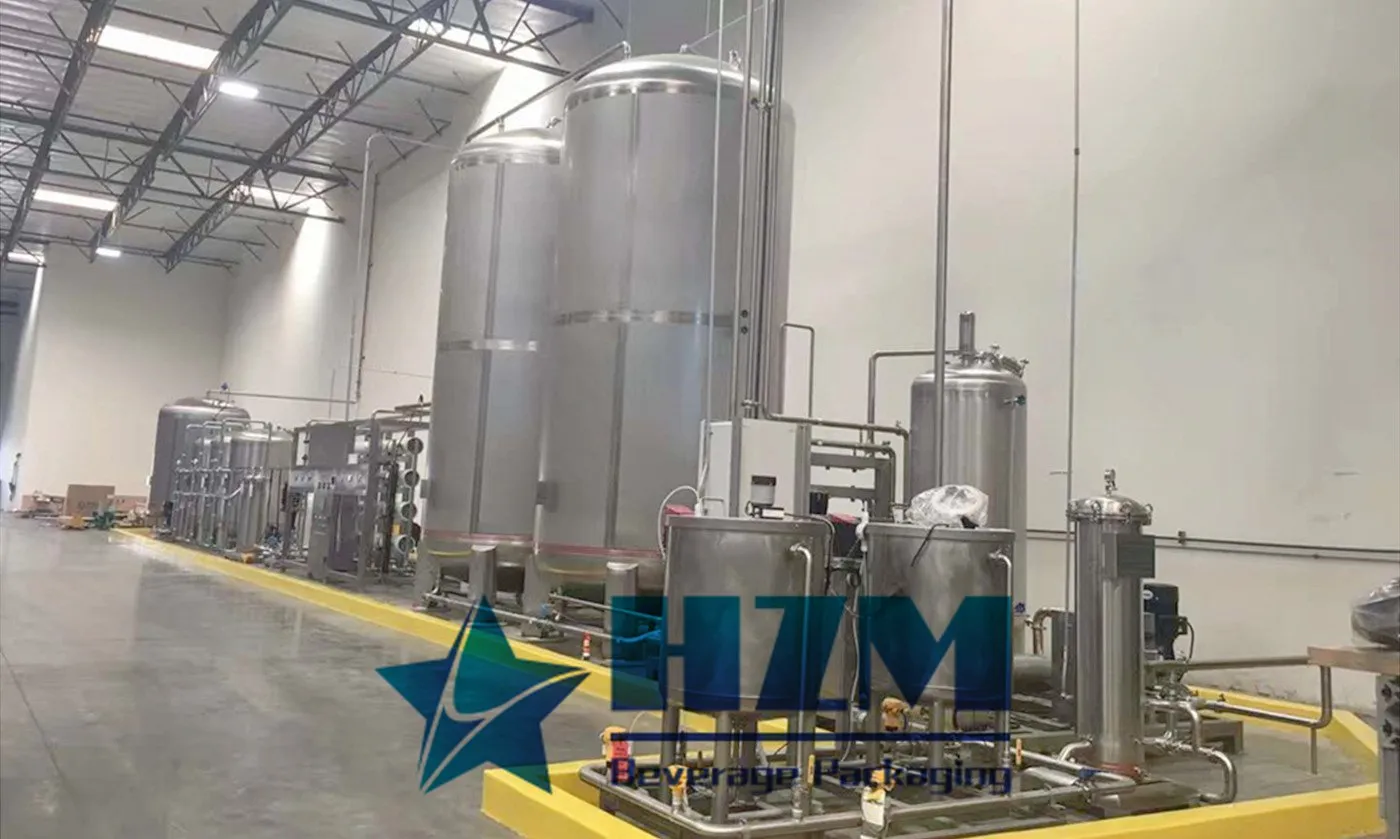
RO Water Treatment System Drinking Water Purifier
This RO water treatment system combines pretreatment, reverse-osmosis membrane separation and final treatment for purified-water production.
Learn moreCommercial industrial reverse osmosis machine
Industrial reverse osmosis equipment is primarily used for producing pure water for industrial production. Depending on customer requirements, different process flows are employed to produce pure water that meets the specified standards. The equipment is widely used in the food and beverage industry, laboratories, pharmaceuticals, chemicals, and other sectors. Our equipment is factory-direct, and it is exported to more than 50 countries, including South Africa, North Africa, Sudan, the United States, Europe, and Southeast Asia.
Learn moreRO Membrane Scaling: How to Confirm It Before Cleaning
Do not identify scale from low flow alone. Use feed analysis, recovery, pH, concentrate chemistry, stage location and deposit analysis to distinguish carbonate, sulfate, silica or other scale before choosing a cleaner. Follow this practical fault-isolation, repair and prevention guide for bottling-line operators and maintenance teams.
Learn moreRO Permeate Conductivity Is High: Membrane, O-Ring or Process?
Confirm the conductivity instrument and temperature compensation, then determine whether the change affects one vessel, one stage or the whole train. Check recovery, oxidation, membrane damage, interconnector O-rings and permeate backpressure. Follow this practical fault-isolation, repair and prevention guide for bottling-line operators and maintenance teams.
Learn more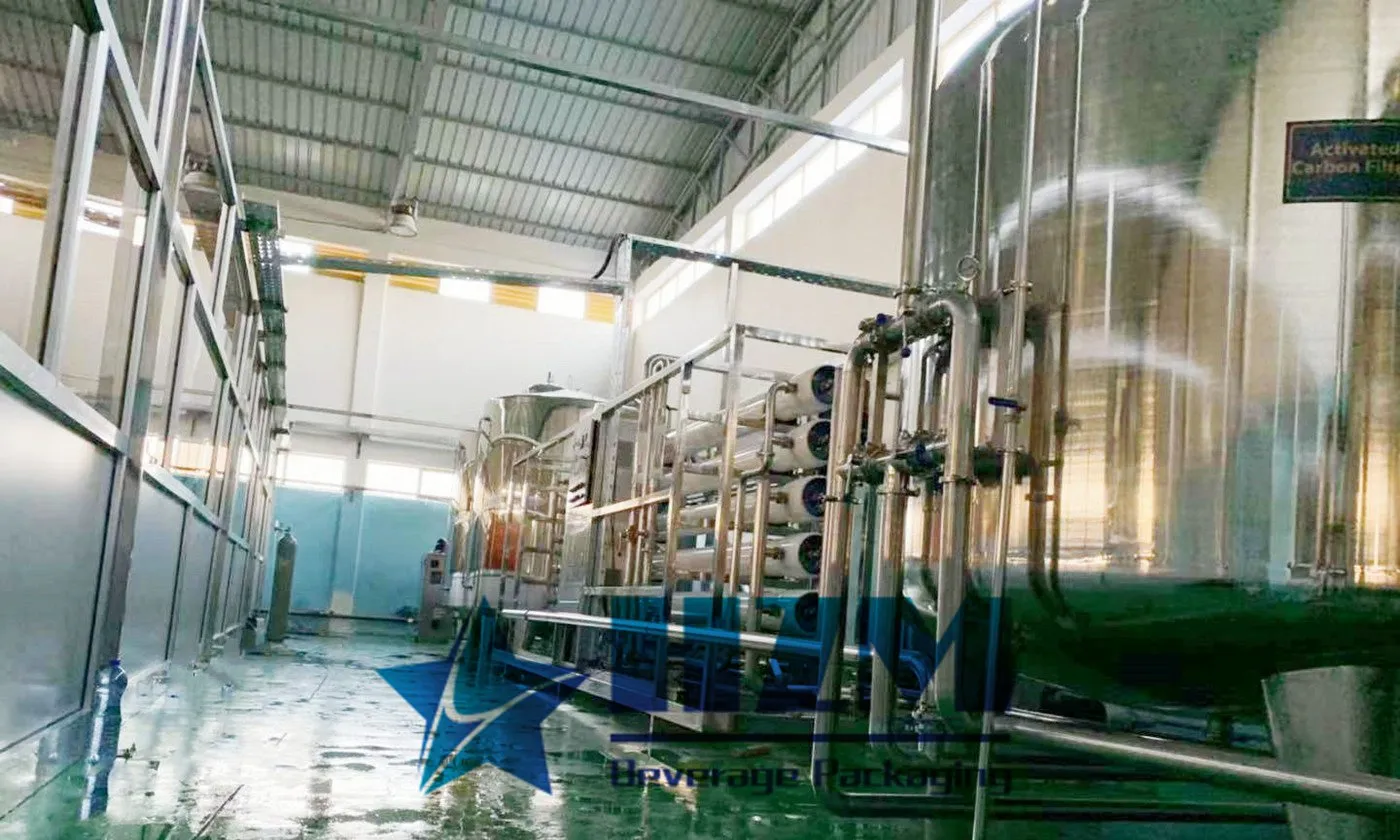
Multimedia Filter Turbidity Breakthrough: Causes and Backwash Checks
Check whether breakthrough occurs at startup, late in the run or continuously.
Learn moreRO CIP Did Not Restore Performance: Why Cleaning Fails
Cleaning fails when the foulant is misidentified, flow is too low, pH or temperature is wrong, the solution is exhausted, vessels are cleaned in the wrong grouping, or damage is irreversible. Review the full cleaning record. Follow this practical fault-isolation, repair and prevention guide for bottling-line operators and maintenance teams.
Learn moreRO Differential Pressure Keeps Rising: Fouling Location Matters
Locate the stage where pressure loss is increasing and relate it to normalized flow and salt passage. A first-stage rise often points to particulate or biological fouling; a later-stage rise can indicate scale, but feed analysis is required. Follow this practical fault-isolation, repair and prevention guide for bottling-line operators and maintenance teams.
Learn more