Well-Water Iron Fouling in RO Pretreatment: How to Control It
Measure dissolved and total iron at the source and through pretreatment.
Learn more
Measure dissolved and total iron at the source and through pretreatment.
Learn moreCheck whether breakthrough occurs at startup, late in the run or continuously.
Learn moreMeasure differential pressure and inspect what the filters capture. Rapid loading points to pretreatment breakthrough, coagulant carryover, corrosion, biological growth, wrong micron rating or an unsuitable cartridge arrangement. Follow this practical fault-isolation, repair and prevention guide for bottling-line operators and maintenance teams.
Learn moreCleaning fails when the foulant is misidentified, flow is too low, pH or temperature is wrong, the solution is exhausted, vessels are cleaned in the wrong grouping, or damage is irreversible. Review the full cleaning record. Follow this practical fault-isolation, repair and prevention guide for bottling-line operators and maintenance teams.
Learn moreA rising RO differential pressure can indicate several types of fouling. Combine performance trends with deposit analysis and microbiological sampling to investigate biofouling.
Learn moreDo not identify scale from low flow alone. Use feed analysis, recovery, pH, concentrate chemistry, stage location and deposit analysis to distinguish carbonate, sulfate, silica or other scale before choosing a cleaner. Follow this practical fault-isolation, repair and prevention guide for bottling-line operators and maintenance teams.
Learn moreLocate the stage where pressure loss is increasing and relate it to normalized flow and salt passage. A first-stage rise often points to particulate or biological fouling; a later-stage rise can indicate scale, but feed analysis is required. Follow this practical fault-isolation, repair and prevention guide for bottling-line operators and maintenance teams.
Learn moreConfirm the conductivity instrument and temperature compensation, then determine whether the change affects one vessel, one stage or the whole train. Check recovery, oxidation, membrane damage, interconnector O-rings and permeate backpressure. Follow this practical fault-isolation, repair and prevention guide for bottling-line operators and maintenance teams.
Learn moreNormalize flow for temperature and pressure before declaring the membranes fouled. Then check feed availability, filter differential pressure, pump performance, recovery, concentrate restriction, scaling and biological or organic fouling. Follow this practical fault-isolation, repair and prevention guide for bottling-line operators and maintenance teams.
Learn moreGo beyond running a cleaning recipe: verify CIP flow, turbulence, temperature, chemical concentration, time, return condition and hygienic coverage.
Learn moreLearn which raw-water test results an equipment supplier needs to design pretreatment and RO capacity for a reliable bottled-water or beverage plant.
Learn moreA buyer's guide to drinking water treatment systems, from raw-water analysis and pretreatment to RO, disinfection, storage, sanitation, sizing and operating cost.
Learn moreA water-plant plan should start with the source, finished product and package demand.
Learn moreEstimate mineral water production cost by separating plant scope, packaging, utilities, labor, maintenance and local compliance instead of relying on a generic price.
Learn moreA reliable raw water treatment system is the foundation of any beverage production line. Whether producing bottled water, carbonated drinks, juice, or functional beverages, the quality of raw water directly affects product taste, safety, equipment lifespan, and regulatory compliance.
Learn moreAn RO quotation needs two separate specifications: the water entering the system and the water required at the delivery point.
Learn more1,000 litres/hour reverse osmosis water treatment for bottled-water, beverage and food production.
Learn moreIngredient-water treatment and wastewater treatment have different feed conditions and acceptance requirements.
Learn moreIngredient water, rinsing, cleaning and utility water can have different required specifications and demand patterns.
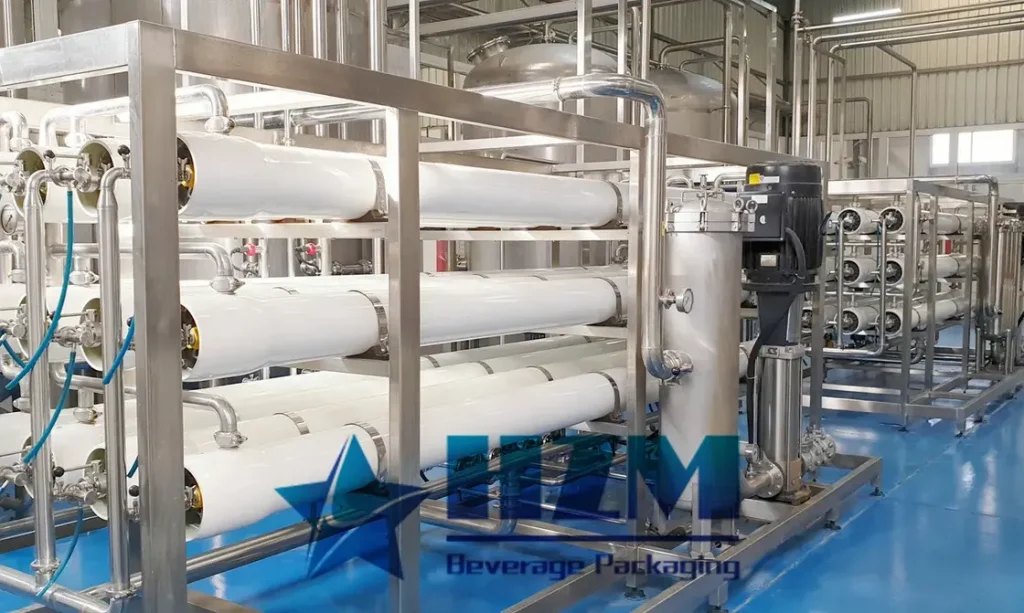
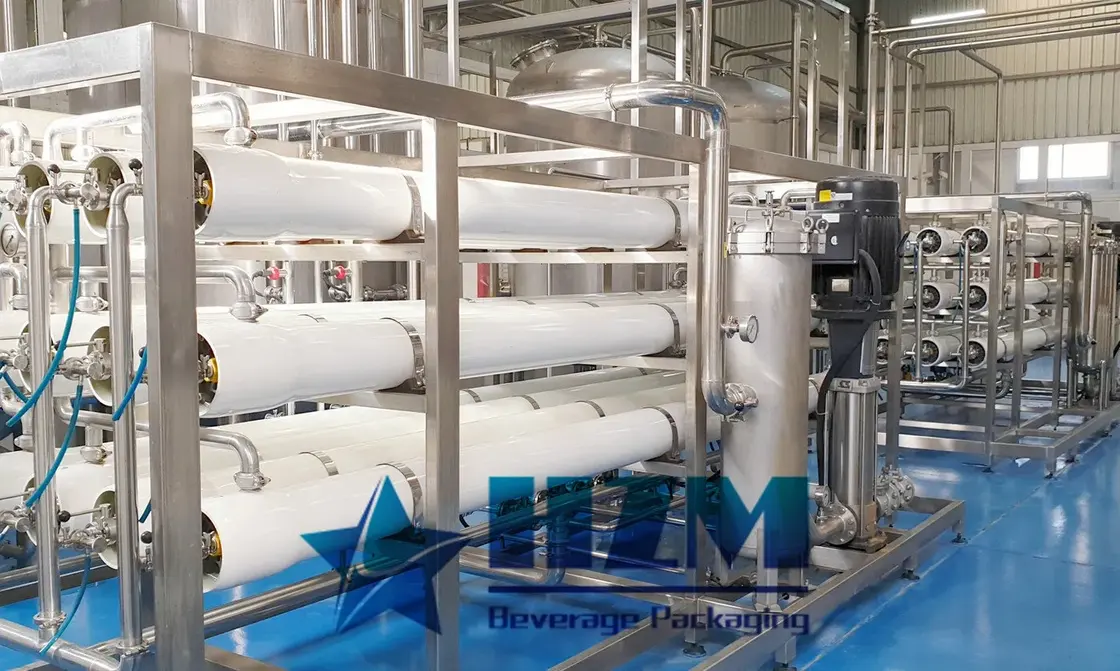
Learn moreIndustrial reverse osmosis equipment is primarily used for producing pure water for industrial production. Depending on customer requirements, different process flows are employed to produce pure water that meets the specified standards. The equipment is widely used in the food and beverage industry, laboratories, pharmaceuticals, chemicals, and other sectors. Our equipment is factory-direct, and it is exported to more than 50 countries, including South Africa, North Africa, Sudan, the United States, Europe, and Southeast Asia.
Learn moreAs demands for the quality of drinking water continue to rise, reverse osmosis purification lines, as an advanced water purification technology, are gradually becoming the mainstream approach to water treatment for drinking purposes.
Learn moreHZM delivered a 25 T/H nanofiltration water treatment system and air-compressor package for an Indonesian customer treating low-TDS water.
Learn moreThe PDF document on the bottled water production process encompasses detailed information on how bottled water is manufactured, including a comprehensive description of production steps, illustrated process diagrams, and in-depth explanations of quality control methods.
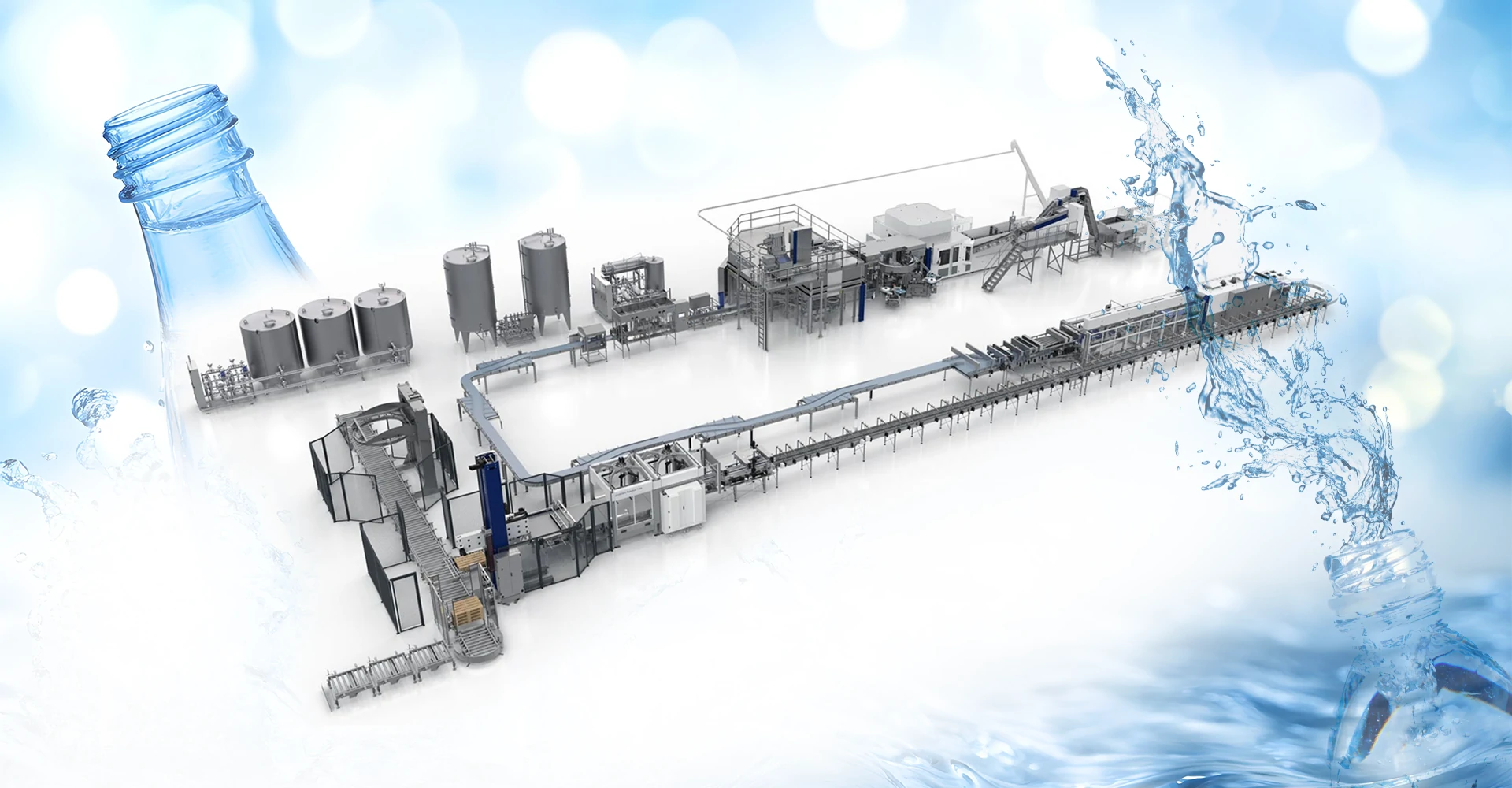
Learn moreMineral water production line is a complete system consisting of multiple equipment used for processing and packaging mineral water. Here are common equipment found in a mineral water production line
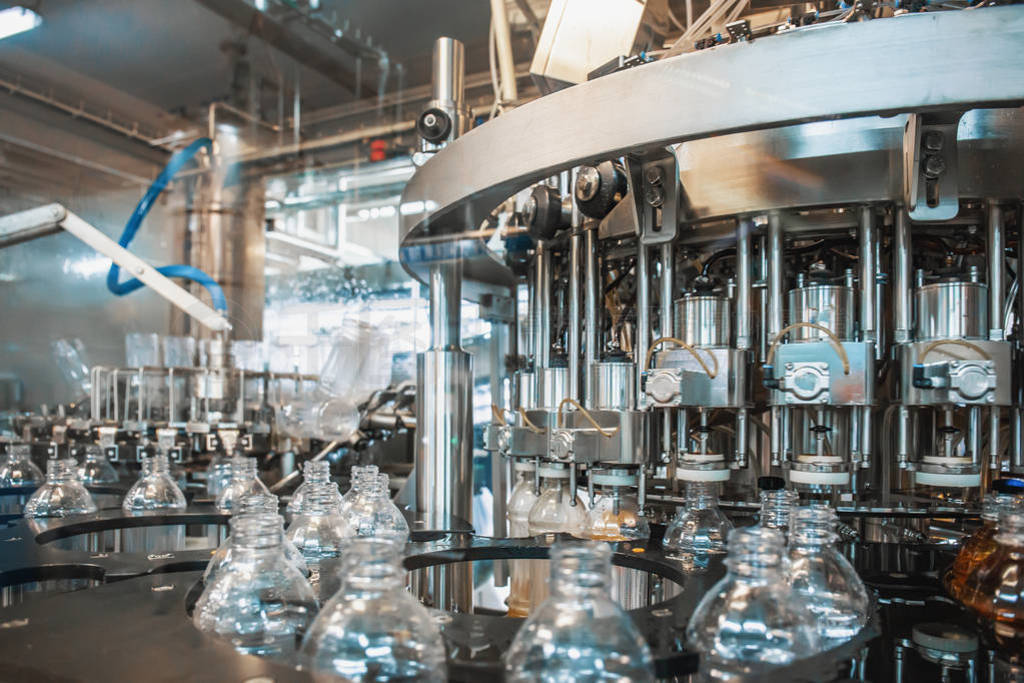
Learn moreInspect water supply, empty-bottle handling, filling, capping and downstream transfer as separate maintenance areas.
Learn moreDefine the intended finished-water specification before choosing treatment equipment.
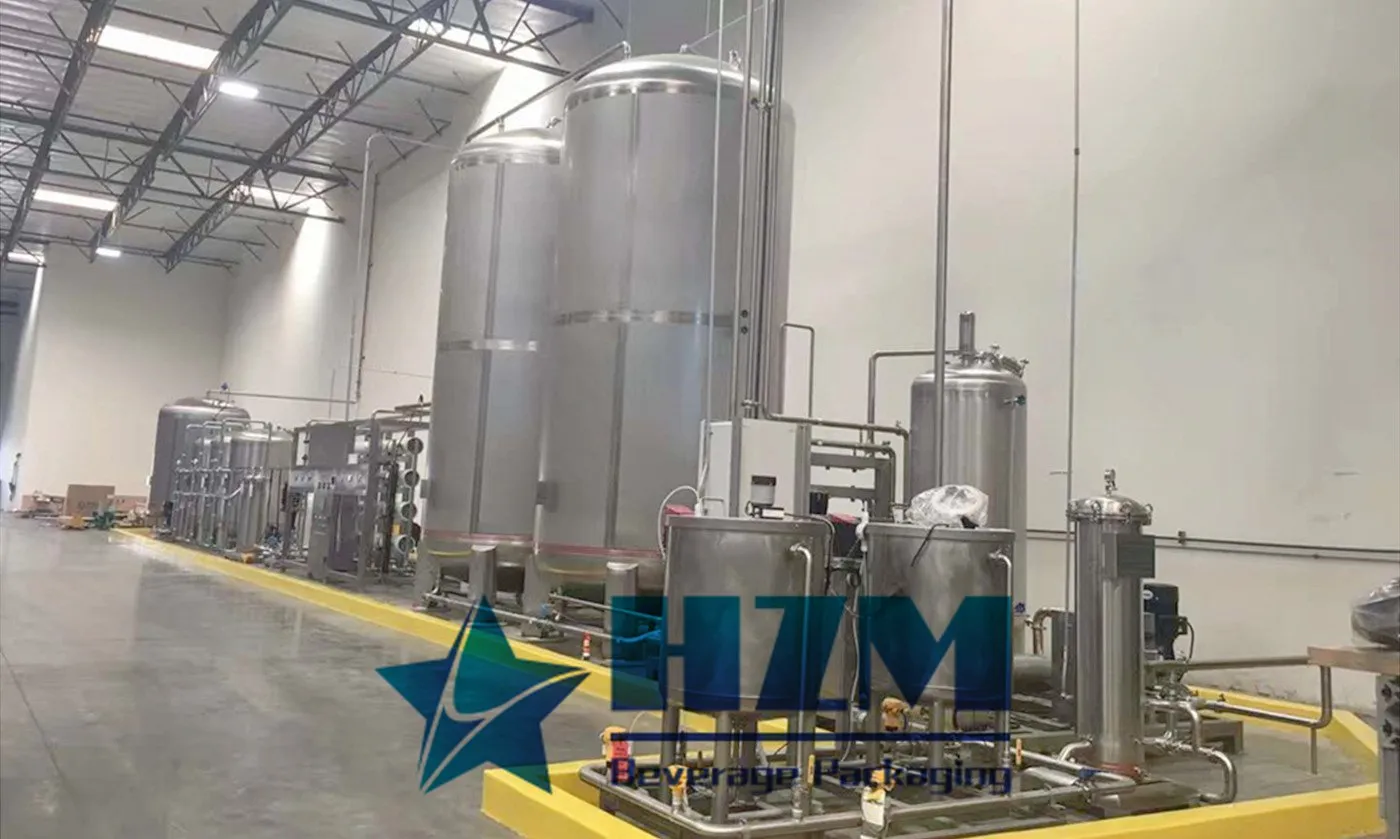
Learn moreThis industrial drinking-water treatment system supplies treated water to bottling and beverage plants.
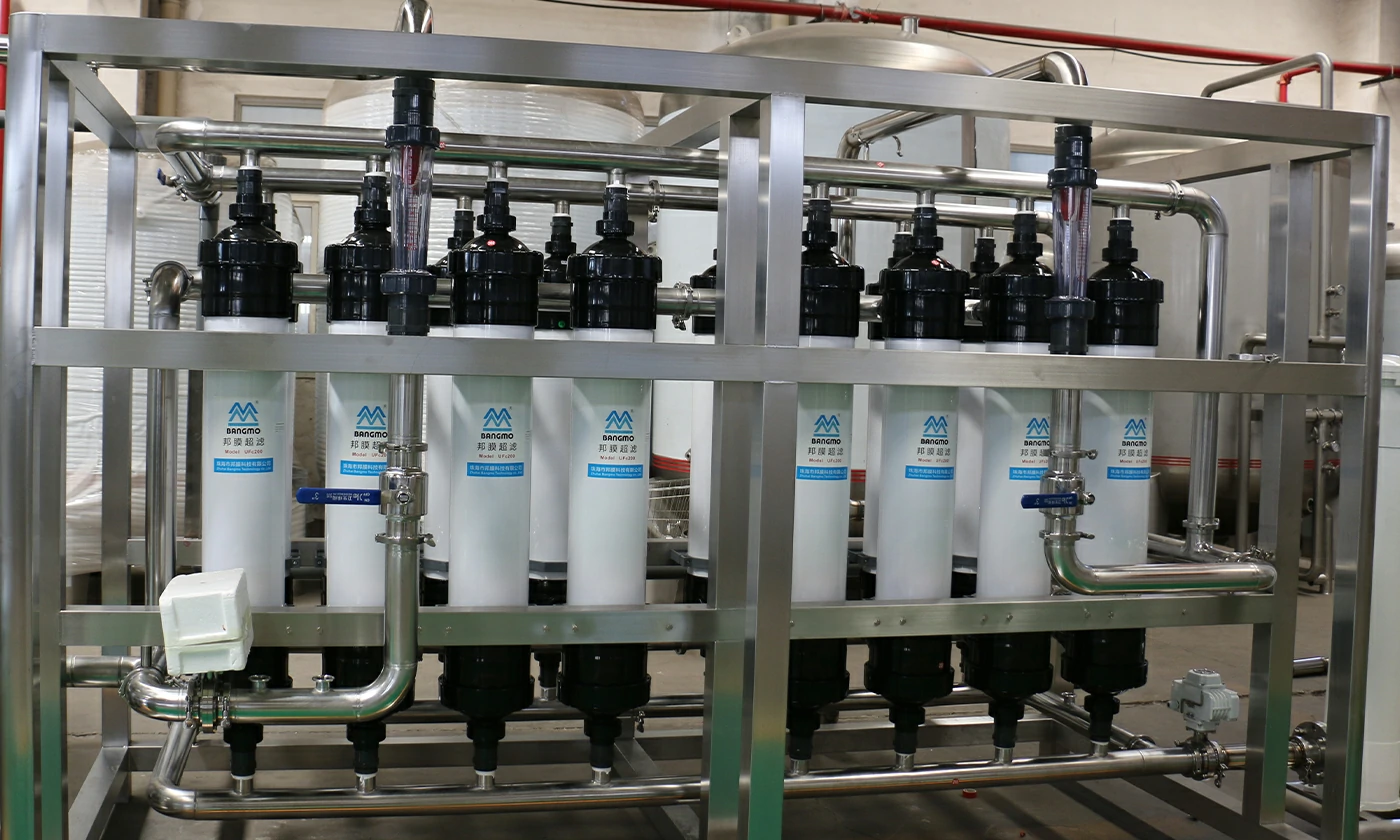
Learn moreHZM water purification equipment combines filtration, membrane treatment and final treatment in one process.
Learn moreHZM water treatment systems prepare process water for bottled water, beverages and brewing.
Learn moreTell us your beverage, container, capacity and target market. Our engineering team will prepare a practical line proposal.