
Insights & Updates
RO Cartridge Filters Plug Too Quickly: Look Upstream
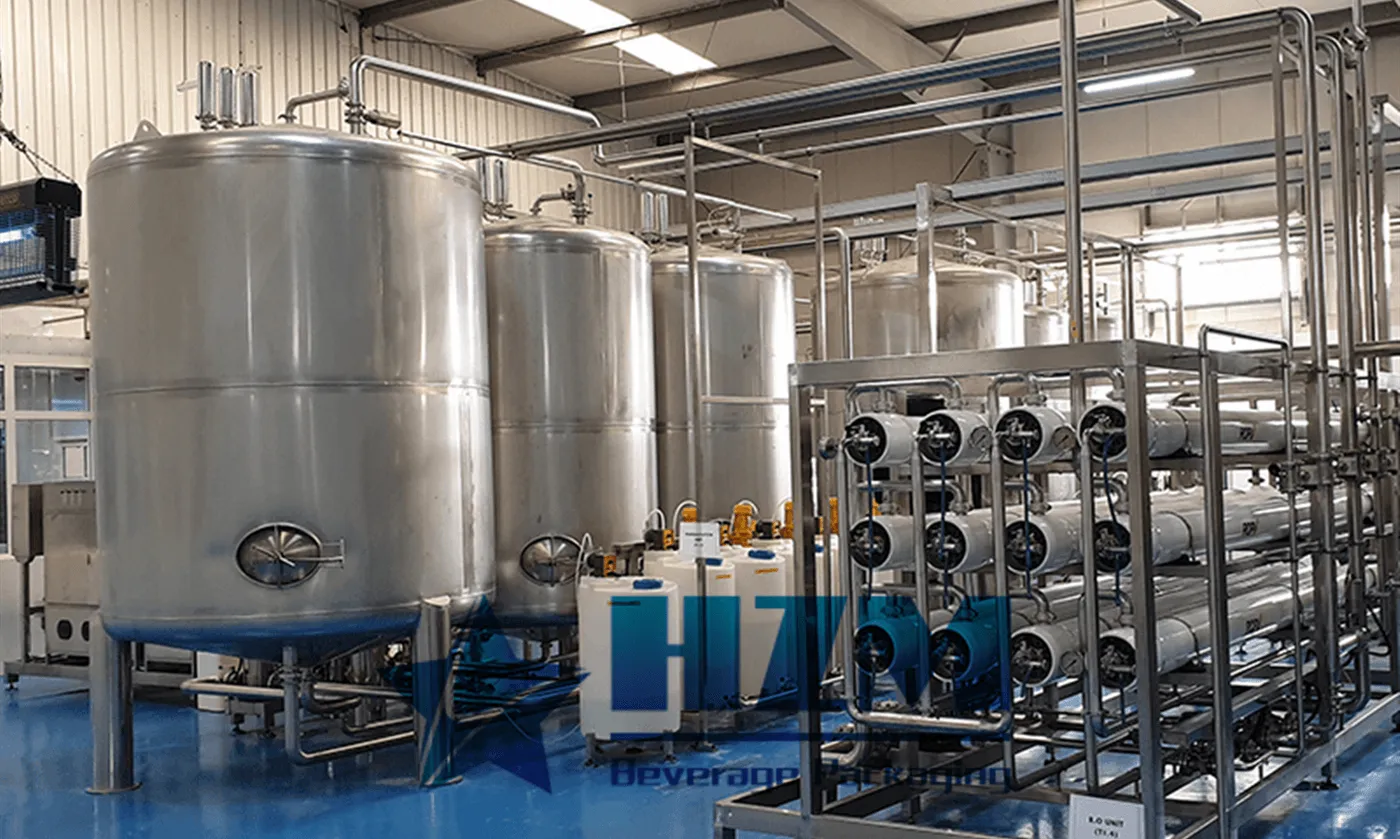
Frequent cartridge-filter blockage before RO should be investigated before small losses become a repeat breakdown. Operators need a safe test sequence that protects product, preserves the original settings and proves the cause with measured data.
Water-treatment performance must be evaluated with normalized operating data. Raw-water changes, temperature, recovery, pressure, flow and conductivity interact; a single gauge reading is not enough to identify membrane damage or fouling. In this case, cartridge differential pressure rises within hours or days is the key observation to preserve. Use the guide to rank likely causes and document the restored condition.
Quick answer: Measure differential pressure and inspect what the filters capture. Rapid loading points to pretreatment breakthrough, coagulant carryover, corrosion, biological growth, wrong micron rating or an unsuitable cartridge arrangement.
What operators usually see
Before opening the machine, compare the visible and measured symptoms. Note whether each one is continuous, intermittent or tied to a specific station: For this case, preserve evidence that shows whether cartridge differential pressure rises within hours or days.
- Cartridge differential pressure rises within hours or days
- Filters contain sand, rust, slime or carbon fines
- RO feed pressure falls at target flow
- Replacement frequency changes with backwash or raw-water events
Make the equipment safe and protect the product
Use the plant chemical-handling procedure, suitable PPE and lockout/tagout. Depressurize housings and verify that cleaning chemicals have been displaced before opening a pump, filter or membrane vessel.
Trend feed, concentrate and permeate flows; stage pressures; differential pressure; conductivity; temperature; pH; oxidant residual; and recovery. Compare normalized values with the accepted commissioning baseline. Explicitly record whether cartridge differential pressure rises within hours or days.
Most likely causes, in practical checking order
1. Media-filter breakthrough
Poor backwash, damaged underdrain or exhausted media passes suspended material downstream To test this explanation without guessing, trend differential pressure at constant flow and record actual service life Record the result before moving to the next cause.
2. Chemical precipitation or coagulant carryover
Incorrect dose or pH forms solids after the media filter A practical confirmation step is to photograph and, where appropriate, analyze retained material. Compare the finding with a known-good run.
3. Biological or carbon fines release
Biofilm or deteriorating activated carbon overloads the cartridge Do not compensate for this condition in the recipe. First, sample turbidity before and after each pretreatment unit Keep the original setting and measured result in the fault record.
4. Wrong cartridge specification
Unsuitable micron rating, area or construction creates excessive pressure loss Separate this cause from the others with one controlled check: review backwash flow, expansion, duration and valve sequence Use the same product, format and speed for the comparison.
Step-by-step diagnostic procedure
Use the last known-good run as the baseline. If a check needs energized access or pressure exposure, use the manufacturer’s approved specialist procedure.
- Trend differential pressure at constant flow and record actual service life
- Photograph and, where appropriate, analyze retained material
- Sample turbidity before and after each pretreatment unit
- Review backwash flow, expansion, duration and valve sequence
- Check chemical dosing and pH around the point where solids appear
- Verify cartridge model, micron rating, sealing and housing loading pattern
Corrective actions that address the root cause
Apply a correction only to the cause demonstrated by the checks. Save the old parameter, removed part and measured condition for review.
- Repair and correctly backwash the failed media stage
- Correct chemical dose, mixing and pH control
- Sanitize or replace contaminated media and flush fines
- Install the specified cartridge type and adequate surface area
How to verify the repair before full-speed production
Before releasing full-speed production, reproduce the operating condition that originally exposed the fault. Then complete this acceptance check: Confirm that frequent cartridge-filter blockage before ro is absent for multiple consecutive cycles, not only for one sample. Review the alarm history and keep diagnostic product segregated until the site’s quality procedure releases it.
- Confirm that frequent cartridge-filter blockage before ro is absent for multiple consecutive cycles, not only for one sample.
- Compare the repaired result for “Cartridge differential pressure rises within hours or days” with the approved quality limit and the last known-good baseline.
- Check adjacent stations and downstream package quality for side effects associated with media-filter breakthrough.
- For “RO Cartridge Filters Plug Too Quickly: Look Upstream”, record the final settings, measurements, parts used and restart authorization.
Prevent the problem from returning
Add the checks below to the operator, sanitation or preventive-maintenance standard and assign a measurable acceptance condition.
- Set differential-pressure replacement limits
- Keep used-filter evidence for recurring failures
- Verify backwash performance periodically
- Trend turbidity through pretreatment
- Control cartridge inventory by exact specification
When to stop troubleshooting and call a specialist
Stop and contact the machine or component supplier when frequent cartridge-filter blockage before ro cannot be isolated with non-invasive checks, when it returns after an approved repair, or when calibration requires protected service tools. Escalate immediately for a damaged pressure boundary, uncontrolled motion, food-safety risk, exposed conductor or repeated protective trip. Send the service engineer the fault history, photos, samples, trend data, recipe revision and work already completed.
Relevant equipment for this application
The site example most closely related to frequent cartridge-filter blockage before RO is the Water Pretreatment System. Equipment selection should be checked against samples, quality limits, required sustained output and available utilities.
Frequently asked questions
What should be checked first when frequent cartridge-filter blockage before RO?
Measure differential pressure and inspect what the filters capture. Rapid loading points to pretreatment breakthrough, coagulant carryover, corrosion, biological growth, wrong micron rating or an unsuitable cartridge arrangement. Preserve the original settings and take representative samples before repair work begins.
How can we distinguish media-filter breakthrough from chemical precipitation or coagulant carryover?
Poor backwash, damaged underdrain or exhausted media passes suspended material downstream In contrast, incorrect dose or pH forms solids after the media filter Compare the two mechanisms under the same operating condition by completing these checks: trend differential pressure at constant flow and record actual service life Then photograph and, where appropriate, analyze retained material
Can production continue while frequent cartridge-filter blockage before RO?
Only when the plant’s documented risk assessment and quality procedure allow it. For frequent cartridge-filter blockage before RO, stop and segregate production when package integrity, sanitation, validated processing, pressure safety, electrical protection or an uncontrolled reject trend is involved.
What evidence will help the equipment supplier respond faster?
Provide the model and serial number, product and format, target speed, first fault, timestamps, photos or video, affected station pattern and maintenance history. For this issue, also include cartridge differential pressure rises within hours or days and the measured result from this check: verify cartridge model, micron rating, sealing and housing loading pattern
Talk to our engineering team
Need help planning your packaging line?
Share your product, bottle and capacity requirements for a practical equipment recommendation.
Equipment
Industrial RO Drinking Water Treatment Plant – Reverse Osmosis Equipment for Beverage & Bottled Water
1,000 litres/hour reverse osmosis water treatment for bottled-water, beverage and food production.
Learn more
Equipment
Water Treatment System
HZM water treatment systems prepare process water for bottled water, beverages and brewing.
Learn more
Equipment
Water Treatment Machine Purification System
HZM water purification equipment combines filtration, membrane treatment and final treatment in one process.
Learn more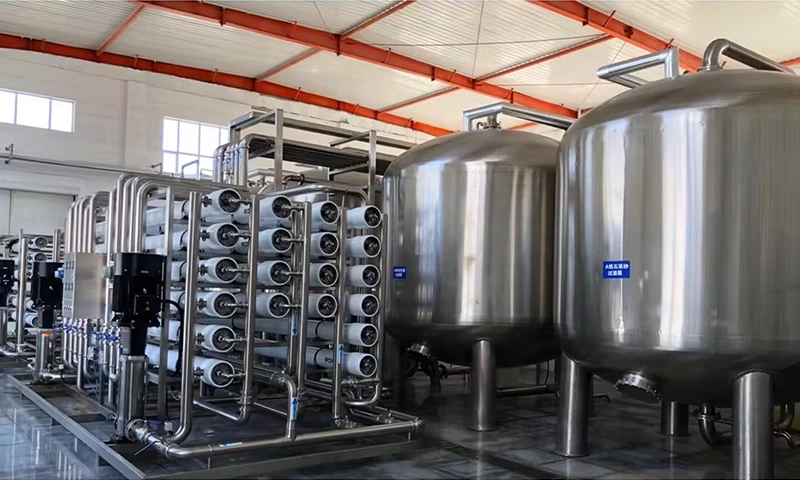
Equipment
Reverse Osmosis Water Treatment
The reverse osmosis system treats water for bottled-water and beverage production.
Learn more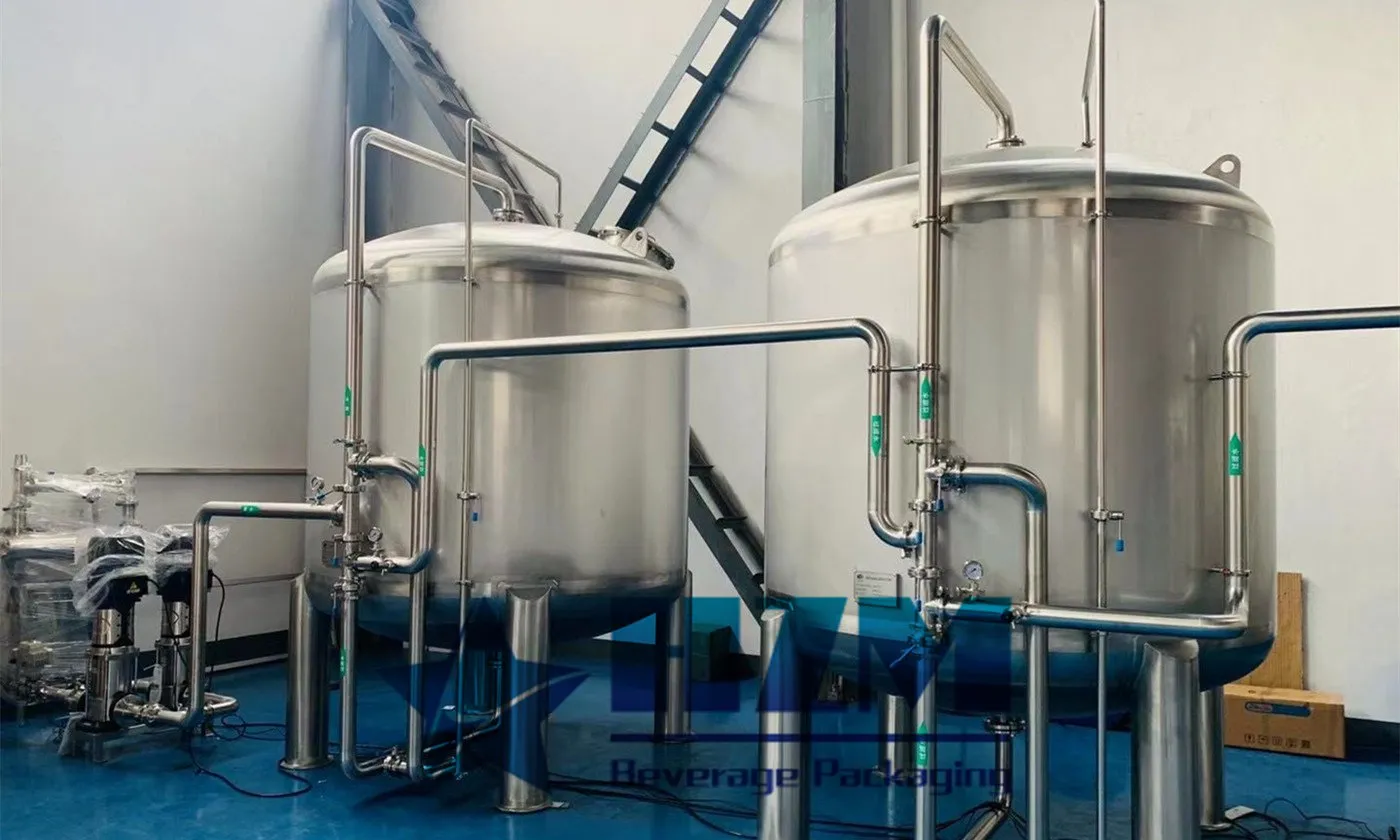
Equipment
RO System Water Treatment Plant
The RO water treatment plant produces purified water through feed-water pretreatment and reverse-osmosis membrane separation.
Learn moreEquipment
RO Water Treatment Machine for Bottled Water Production
10 T/H reverse osmosis water treatment for purified-water bottling, with pretreatment, storage and filler-supply connections.
Learn moreEquipment
Water Treatment for the Food & Beverage Industry – RO Water Treatment Equipment
10 T/H RO water treatment for ingredient, process and rinse water in food and beverage plants.
Learn more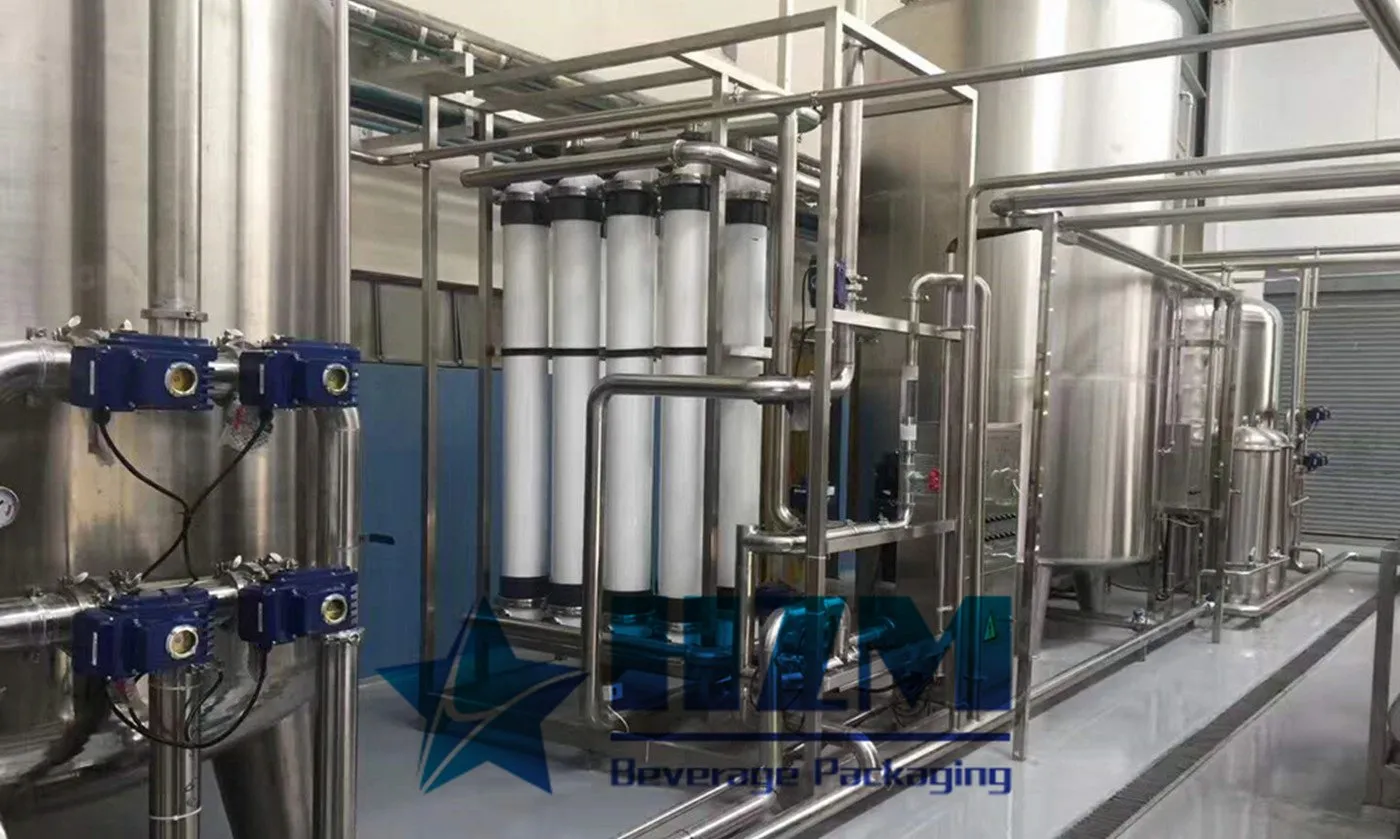
Equipment
Industrial Drinking Water Treatment System
This industrial drinking-water treatment system supplies treated water to bottling and beverage plants.
Learn moreEquipment
Industrial food water treatment equipment – 10T/H RO Water Treatment System
10 T/H reverse osmosis water treatment for food and beverage production, with pretreatment and stainless-steel equipment options.
Learn more2024-07-04
Commercial industrial reverse osmosis machine
Industrial reverse osmosis equipment is primarily used for producing pure water for industrial production. Depending on customer requirements, different process flows are employed to produce pure water that meets the specified standards. The equipment is widely used in the food and beverage industry, laboratories, pharmaceuticals, chemicals, and other sectors. Our equipment is factory-direct, and it is exported to more than 50 countries, including South Africa, North Africa, Sudan, the United States, Europe, and Southeast Asia.
Learn more2026-08-15
RO System Produces Too Little Permeate: A Data-Driven Diagnosis
Normalize flow for temperature and pressure before declaring the membranes fouled. Then check feed availability, filter differential pressure, pump performance, recovery, concentrate restriction, scaling and biological or organic fouling. Follow this practical fault-isolation, repair and prevention guide for bottling-line operators and maintenance teams.
Learn more2026-09-14
RO Membrane Scaling: How to Confirm It Before Cleaning
Do not identify scale from low flow alone. Use feed analysis, recovery, pH, concentrate chemistry, stage location and deposit analysis to distinguish carbonate, sulfate, silica or other scale before choosing a cleaner. Follow this practical fault-isolation, repair and prevention guide for bottling-line operators and maintenance teams.
Learn more2026-08-25
RO Permeate Conductivity Is High: Membrane, O-Ring or Process?
Confirm the conductivity instrument and temperature compensation, then determine whether the change affects one vessel, one stage or the whole train. Check recovery, oxidation, membrane damage, interconnector O-rings and permeate backpressure. Follow this practical fault-isolation, repair and prevention guide for bottling-line operators and maintenance teams.
Learn more2026-10-03
RO CIP Did Not Restore Performance: Why Cleaning Fails
Cleaning fails when the foulant is misidentified, flow is too low, pH or temperature is wrong, the solution is exhausted, vessels are cleaned in the wrong grouping, or damage is irreversible. Review the full cleaning record. Follow this practical fault-isolation, repair and prevention guide for bottling-line operators and maintenance teams.
Learn more2026-09-04
RO Differential Pressure Keeps Rising: Fouling Location Matters
Locate the stage where pressure loss is increasing and relate it to normalized flow and salt passage. A first-stage rise often points to particulate or biological fouling; a later-stage rise can indicate scale, but feed analysis is required. Follow this practical fault-isolation, repair and prevention guide for bottling-line operators and maintenance teams.
Learn more